Elnar

328 posts

Elnar banner
Elnar

Elnar

@epr613

Into start-ups, stock market, geopolitics. Founder at @arvel_app

Canada Katılım Haziran 2017
67 Takip Edilen95 Takipçiler
Elnar
Elnar@epr613·
Firstly, Bill, it’s great to hear your daughter is making progress and your family is fighting her way back to life. She must be very proud to have a father like you. It’s common for people like Ronda to take advantage of situations like yours—it’s very unfortunate. But thankfully, there are people like you who bring them to justice. Thank you!
English

0
0
1
74
Bill Ackman
Bill Ackman@BillAckman·
I am reaching out to the @X community for advice with the likely risk of sharing TMI. I have been sufficiently upset about the whole matter that I have lost sleep thinking about it and I am hoping that this post will enable me to get this matter off my chest. By way of background, I started a family office called TABLE about 15 years ago and hired a friend who had previously managed a family office, and years earlier, had been my personal accountant. She is someone that I trusted implicitly and consider to be a good person. The office started small, but over the last decade, the number of personnel and the cost of the office grew massively. The growth was entirely on the operational side as the investment team has remained tiny. While my investment portfolio grew substantially, the investments I had made were almost entirely passive and TABLE simply needed to account for them and meet capital calls as they came in. While TABLE purchased additional software and other systems that were supposed to improve productivity, the team kept increasing in size at a rapid rate, and the expenses continued to grow even faster. While I would periodically question the growing expenses and high staff turnover, I stayed uninvolved with the office other than a once-a-year meeting when I briefly reviewed the operations and the financials and determined bonus compensation for the President and the CFO. I spent no time with any of the other employees or the operations. The whole idea behind TABLE was that it would handle everything other than my day job so that I would have more time for my job and my family. Over the last six years, expenses ballooned even further, employee turnover accelerated, and I became concerned that all was not well at TABLE. It was time for me to take a look at what was going on. Nearly four years ago, I recruited my nephew who had recently graduated from Harvard and put him to work at Bremont, a British watchmaker, one of my only active personal investments to figure out the issues at the company and ultimately assist in executing a turnaround. He did a superb job. When he returned from the UK late last year after a few years at Bremont, I asked him to help me figure out what was going on with TABLE. When I explained to TABLE’s president what he would be doing, she became incredibly defensive, which naturally made me more concerned. My nephew went to work by first meeting with each employee to understand their roles at the company and to learn from them what ideas they had on how things could be improved. He got an earful. Our first step in helping to turn around TABLE was a reduction in force including the president and about a third of the team, retaining excellent talent that had been desperate for new leadership. Now here is where I need your advice. All but one of the employees who were terminated acted professionally and were gracious on the way out (excluding the president who had a notice period in her contract, is currently still being paid, and with whom I have not yet had a discussion). The highest compensated terminated employee other than the president, an in-house lawyer (let’s call her Ronda), told us that three months of severance was not enough and demanded two years’ severance despite having worked at the company for only two and one half years. When I learned of Ronda's request for severance, I offered to speak with her to understand what she was thinking, but she refused to do so. A few days ago, we received a threatening letter from a Silicon Valley law firm. In the letter, Ronda’s counsel suggests that her termination is part of longstanding issues of ‘harassment and gender discrimination’ – an interesting claim in light of the fact that Ronda was in charge of workplace compliance – and that her termination was due to: “unlawful, retaliatory, and harmful conduct directed towards her. Both [Ronda] and I [Ronda’s lawyer] have spoken with you about [Ronda’s] view of what a reasonable resolution would include given the circumstances. Thus far, TABLE has refused to provide any substantive response. This letter provides the last opportunity to reach a satisfactory agreement. If we cannot do so, [Ronda] will seek all appropriate relief in a court of competent jurisdiction.” The letter goes on to explain the basis for the “unsafe work environment” claim at TABLE: “In early 2026, Pershing Square’s founder Bill Ackman installed his nephew in an unidentified role at TABLE, Ackman’s family office. [His nephew]—whose only work experience had been for TABLE where he was seconded abroad for the last four years to a UK watch company held by Ackman—began appearing at TABLE’s offices and conducting interviews of employees without a clear explanation of his role or the purposes of these interviews. During this period, he made a series of inappropriate and genderbased [sic] comments to multiple employees that created an unsafe work environment. Among other things, [his nephew] made remarks about female employees’ ages (“Tell me you are nowhere near 40”), physical appearance (“Your body does not look like you have kids”), as well as intrusive questions about family planning and sexual orientation (“Who carried your son? Who will carry your next child?”). These incidents were reported to senior leadership at TABLE and Pershing Square. Rather than being addressed appropriately, the response from senior management reflected, at best, willful blindness to the inappropriateness of [his nephew]’s remarks and, at worst, tacit endorsement.” The above allegations about my nephew had previously been brought to my attention by TABLE’s president when they occurred. When I learned of them, I told the president that I would speak to him directly and encouraged her to arrange for him to get workplace sensitivity training. The president assured me that she would do so. When I spoke to my nephew, he explained what he actually had said and how his actual remarks had been received, not at all as alleged in the legal letter from Ronda’s counsel. I have also spoken to others at the lunch table who confirmed his description of the facts. In any case, he meant no harm, was simply trying to build rapport with other employees, and no one, as far as I understand, was offended. Ironically, Ronda claims in her legal letter that TABLE didn’t take HR compliance seriously, yet Ronda was in charge of HR compliance at TABLE and the person who gave my nephew his workplace sensitivity training after the alleged incidents. In any case, Ronda, as head of compliance, should have kept a record or raised an alarm if indeed there was pervasive harassment or other such problems at the company, and there is no evidence whatsoever that this is true. So why does Ronda believe she can get me to pay her nearly $2 million, i.e., two years of severance, nearly one year of severance for each of her years at the company? Well, here is where some more background would be helpful. Over the last two months, I have been consumed with a major family medical issue – one of my older daughters had a massive brain hemorrhage on February 5th and has since been making progress on her recovery – and I am in the midst of a major transaction for my company which I am executing from a hospital room office next to her . While the latter business matter is publicly known, the details of my daughter’s situation are only known to Ronda because of her role at our family office. Now, let’s get back to the subject at hand. Unfortunately, while New York and many other states have employment-at-will, there has emerged an industry of lawyers who make a living from bringing fake gender, race, LGBTQ and other discrimination employment claims in order to extract larger severance payments for terminated employees, and it needs to stop. The fake claim system succeeds because it costs little to have a lawyer send a threatening letter and nearly all of the lawyers in this field work on contingency so there is no or minimal cash cost to bring a claim. And inevitably, nearly 100% of these claims are settled because the public relations and legal costs of defending them exceed the dollar cost of the settlement. The claims are nearly always settled with a confidentiality agreement where the employee who asserts the fake claims remains anonymous and as a result, there is no reputational cost to bringing false claims. The consequences of this sleazy system (let’s call it ‘the System’) are the increased costs of doing business which is a tax on the economy and society. There are other more serious problems due to the System. Unfortunately, the existence of an industry of plaintiff firms and terminated employees willing to make these claims makes it riskier for companies to hire employees from a protected class, i.e., LGBTQ, seniors, women, people of color etc. because it is that much more reputationally damaging and expensive to be accused of racism, sexism, and/or intolerance for sexual diversity than for firing a white male as juries generally have less sympathy for white males. The System therefore increases the risk of discrimination rather than reducing it, and the people bringing these fake claims are thereby causing enormous harm to the other members of these protected classes. So what happened here? Ronda was vastly overpaid and overqualified for the job that she did at TABLE. She was paid $1.05 million plus benefits last year for her work which was largely comprised of filling out subscription agreements and overseeing an outside law firm on closing passive investments in funds and in private and venture stage companies, some compliance work, and managing the office move from one office to another. She had a very good gig as she was highly paid, only had to go into the office three days a week, and could work from anywhere during the summer. Once my nephew showed up and started to investigate what was going on, she likely concluded that there was a reasonable possibility she would be terminated, as her job was in the too-easy-and-to-good-to-be-true category. The problem was that she was not in a protected class due to her race, age or sexual identity so she had to construct the basis for a claim. While she is female and could in theory bring a gender-based discrimination claim, she reported to the president who is female and to whom she is very close, which makes it difficult for her to bring a harassment claim against her former boss. When my nephew complimented a TABLE employee at lunch about how young she looked – in response to saying she was going to her 40-year-old sister’s birthday party, he said ‘she must be your older sister’ – Ronda immediately reported it to our external HR lawyer. She thereby began building her case. The other problem for Ronda bringing a claim is that she was terminated alongside 30% of other TABLE employees as part of a restructuring so it is very difficult for her to say that she was targeted in her termination or was retaliated against. TABLE is now hiring an external fractional general counsel as that is all the company needs to process the relatively limited amount of legal work we do internally. In short, Ronda was eminently qualified and capable and did her job. She was just too much horsepower for what is largely an administrative legal role so she had to come up with something else to bring a claim. Now Ronda knew I was a good target and it was a good time to bring a claim against me. She also knew that I was under a lot of pressure because on March 4th when Ronda was terminated, my daughter had not yet emerged from consciousness, she was not yet breathing on her own, and my daughter and we were fighting for her life. I was and remain deeply engaged in her recovery while at the same time I was working on finishing the closing for the private placement round for my upcoming IPO. Ronda also knew that publicity about supposed gender discrimination and a “hostile and unsafe work environment” are not things that a CEO of a company about to go public wants to have released into the media. And she may have thought that the nearly $2 million she was asking for would be considered small in the context of the reputational damage a lawsuit could cause, regardless of the fact that two years of severance was an absurd amount for an employee who had only worked at TABLE for 30 months. She also likely considered that I wouldn’t want to embarrass my nephew by dragging him into the klieg lights when her claims emerged publicly. So, in summary, game theory would say that I would certainly settle this case, for why would I risk negative publicity at a time when I was preparing our company to go public and also risk embarrassing my nephew. Notably, she hired a Silicon Valley law firm, rather than a typical NY employment firm. This struck me as interesting as her husband works for one of the most prominent Silicon Valley venture firms whose CEO, I am sure, has no tolerance for these kinds of fake claims that sadly many venture-backed companies also have to deal with. I mention this as I suspect her husband likely has been working with her on the strategy for squeezing me as, in addition to being a computer scientist, he is a game theorist. My only advice for him is to understand more about your opponent before you launch your first move. All of the above said, gender, race, LGBTQ and other such discrimination is a real thing. Many people have been harmed and deserve compensation for this discrimination, and these companies and individuals should be punished for engaging in such behavior. Which brings me to the advice I am seeking from the X community. I am not planning to follow the typical path and settle this ‘claim.’ Rather, I am going to fight this nonsense to the end of the earth in the hope that it inspires other CEOs to do the same so we shut down this despicable behavior that is a large tax on society, employment, and the economy and contributes to workplace discrimination rather than reducing it. Do you agree or disagree that this is the right approach?
English
10.3K
1.2K
21.4K
8.7M
Elnar
Elnar@epr613·
@moymiz Add 🇹🇷 Türkiye and 🇦🇿 Azerbaijan to the list. They seem like quite competent allies of Western civilization
English
0
0
0
84
Moy Miz
Moy Miz@moymiz·
Who believes this should be the new NATO? •🇺🇸 United States •🇬🇷 Greece •🇪🇪 Estonia •🇱🇻 Latvia •🇵🇱 Poland •🇱🇹 Lithuania •🇬🇧 United Kingdom •🇯🇵 Japan •🇮🇱 Israel •🇰🇷 South Korea •🇦🇷 Argentina
English
5K
639
10.2K
873.5K
Elnar
Elnar@epr613·
@BullTheoryio At this point, with all countries aware of what America brings to the table (peace, order, and trade), Trump’s administration should negotiate new terms with each country separately. Otherwise, there’s a chance of losing allies and U.S. dollar holders.
English
1
0
1
303
Bull Theory
Bull Theory@BullTheoryio·
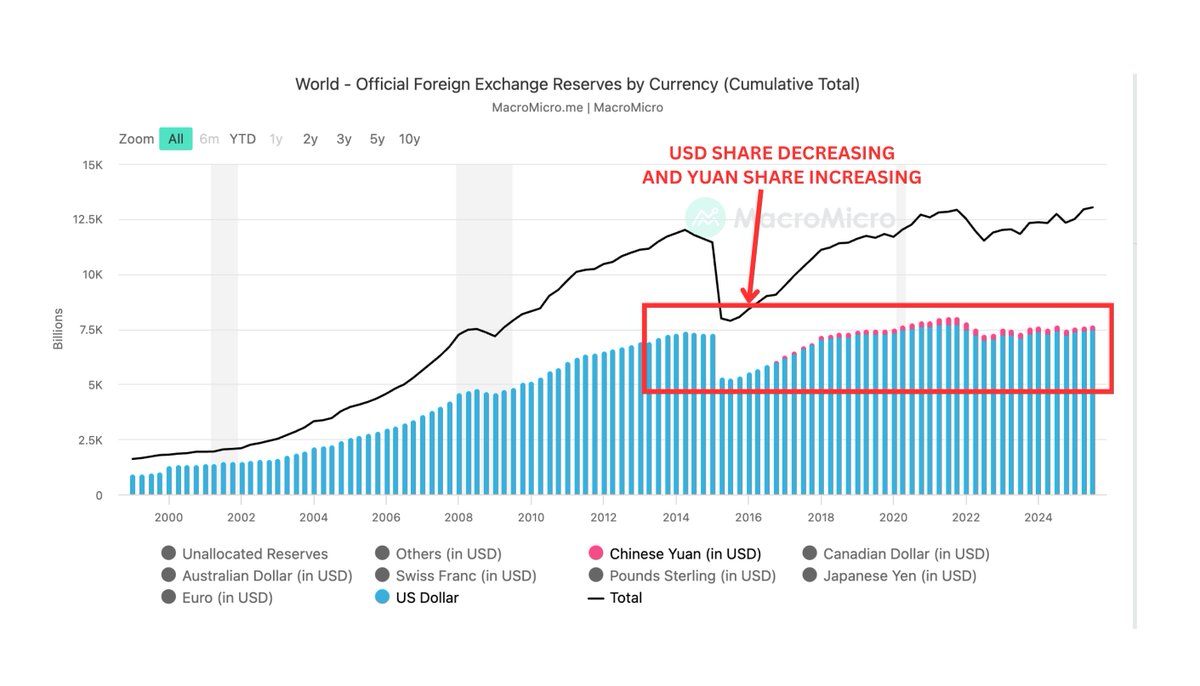
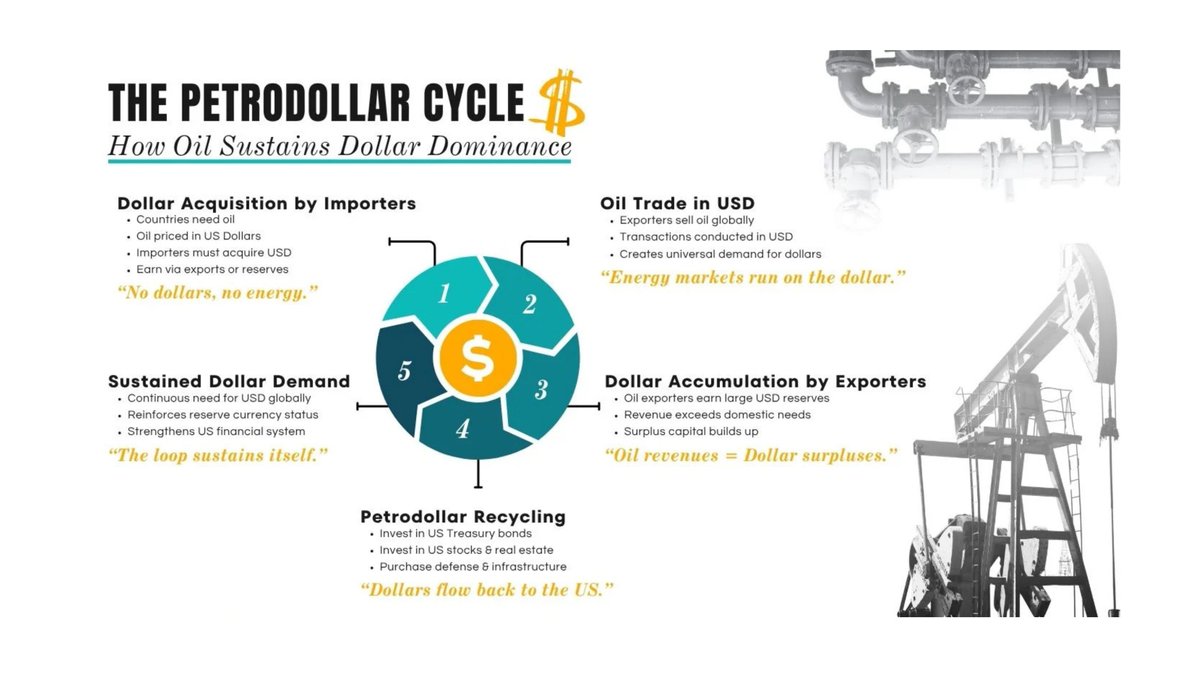
TRUMP DIDN'T START THE IRAN WAR TO DESTROY IRAN. HE STARTED IT TO SAVE THE U.S. DOLLAR. Before the first bomb dropped, the petrodollar was visibly falling apart, Fast. Saudi Arabia publicly said for the first time since 1974 that it was open to settling oil in other currencies. Then the actions followed. China and Saudi Arabia signed a 50 billion yuan currency swap. Saudi Arabia joined mBridge, the system built explicitly to bypass SWIFT and the dollar. The original 1974 petrodollar agreement was allowed to expire without renewal. India was buying Russian oil settled in rupees and yuan. One fifth of all global oil trade was already settling outside the dollar by 2023. The dollar's share of global reserves had fallen to a 30 year low. The petrodollar was dying already. To understand why this matters you need to understand what the petrodollar actually is. It is a protection deal. In 1974, Kissinger flew to Riyadh and made a secret agreement with King Faisal. Saudi Arabia prices oil in dollars and recycles profits into US Treasuries. In return, America guarantees Saudi security. Weapons, troops, and the promise that US military keeps the shipping lanes open. Every OPEC member followed within a year. The arrangement gave Washington something extraordinary. A permanent buyer for its debt. The ability to borrow cheaply and run deficits indefinitely while maintaining the world's reserve currency. For fifty years Gulf states believed this was a partnership. It was not. It was leverage. And when Gulf states started building their own exits, that leverage had to be demonstrated again. On February 28, 2026, the demonstration began. Iran closed the Strait of Hormuz. Kuwait has no bypass pipeline. Qatar sends 93% of its LNG through it. Saudi Arabia exports 5.5 million barrels per day through it. Multiple Gulf energy companies declared force majeure simultaneously for the first time in history. Oil hit $120. R Refineries were shut. The IEA called it the largest energy supply disruption in history. And the same Gulf states that had been quietly building yuan settlement systems and joining Chinese financial infrastructure found themselves with their entire economic survival at stake and only one country capable of doing anything about it. They went back to Washington and asked for help. Saudi Arabia reversed its refusal to grant the US military base access. The UAE declared willingness to join a US coalition. The GCC went to the UN and called for US-backed force to reopen the strait. Countries that had been distancing themselves from American dependence for two years were suddenly asking America to come back and protect them. That is not a coincidence, That is the leverage being applied. Now look at what happened to the dollar while all of this was happening. DXY surged to a 10 month high. Gold collapsed 13 to 20%, its worst month since 2013. Investors sold alternative stores of value and bought dollars. Every barrel of emergency oil released by the IEA was priced and settled in dollars. SWIFT data showed the dollar's share of global transactions at its highest level in years. And Gulf states who had been accumulating yuan and building alternative payment systems ended up spending their crisis buying American weapons instead. A $16.5 billion emergency arms package was approved during the war. The petrodollar recycling mechanism, dollars earned from oil flowing back into American defense industry, ran perfectly. Now look at what Trump had been saying for years before the war. He threatened BRICS nations with 100% tariffs if they backed any alternative to the dollar. He said directly that losing the world's reserve currency would be "like losing a war." His National Security Strategy, published one month before the bombs fell, explicitly named preventing any power from controlling Middle Eastern oil chokepoints as a core US interest. After the war started he posted publicly: "With a little more time, we can easily OPEN THE HORMUZ STRAIT, TAKE THE OIL, and MAKE A FORTUNE." This is the part that should make every Gulf state rethink everything. The system was sold to them as a partnership. America protects you. You price oil in dollars. Mutual benefit. But when Gulf states started building exits, a war appeared that destroyed their ability to use those exits and forced them back into dependence. Gulf states spent two years building non dollar infrastructure. Then a crisis arrived that made all of it irrelevant overnight and left them with no option except to ask Washington for protection. The dollar surged. American weapons factories got new orders. And the countries trying to escape the system found themselves locked back inside it. That is a reset. And the people who paid for it are the same ones who always pay, The Gulf. The petrodollar was never a partnership. It was always a system designed to make American power self financing. The Iran war did not threaten that system. It renewed it.
Bull Theory tweet mediaBull Theory tweet mediaBull Theory tweet mediaBull Theory tweet media
English
189
522
2.1K
217K
Evan | Investments
Evan | Investments@NotA_Bull·
What is a stock that you will NEVER sell, regardless of how much the price drops?
English
94
0
41
21.1K
Elnar
Elnar@epr613·
@Investingcom MU, $IBRX, $META. If you’ve got the patience and want more, you can also add $MSFT
English
1
0
2
859
Investing.com
Investing.com@Investingcom·
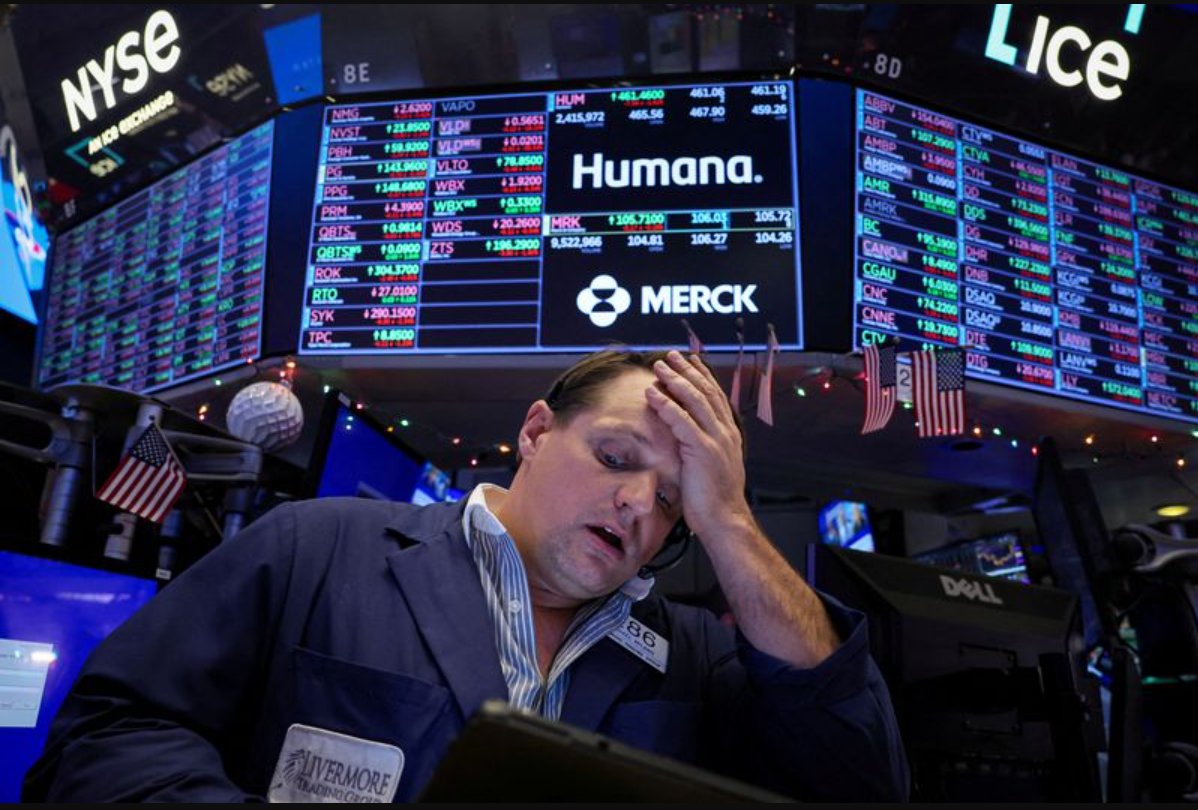
⚠️WHAT IS THE MOST UNDERVALUED STOCK IN THE MARKET RIGHT NOW?
Investing.com tweet media
English
109
12
146
44.4K
Elnar
Elnar@epr613·
@SpeakerPelosi Make us happy—tell us your next insider trade after the special operation ends 😂
English
0
0
0
18
Nancy Pelosi
Nancy Pelosi@SpeakerPelosi·
77 years ago, America and our allies came together to form NATO—an alliance rooted in peace & democracy.   Trump's threats to leave are not only shortsighted, they're a gift to Vladimir Putin.   The law is clear: No President can withdraw from NATO without Congressional approval.
English
2.9K
1.8K
9.4K
317.9K
Elnar
Elnar@epr613·
@grok is a superpower when it comes to proving people wrong. One of the most impactful use cases of AI. Thank you @elonmusk.
English
1
0
0
20
Eric Amundsen
Eric Amundsen@Grey__Eagle·
@epr613 @AaronGunn No, it’s not, the entire argument is that we’re paying more for fuel than United States. Why? The argument is, we are being taxed higher per litre, at a time when Canadians are already being squeezed.
English
1
0
0
39
Aaron Gunn
Aaron Gunn@AaronGunn·
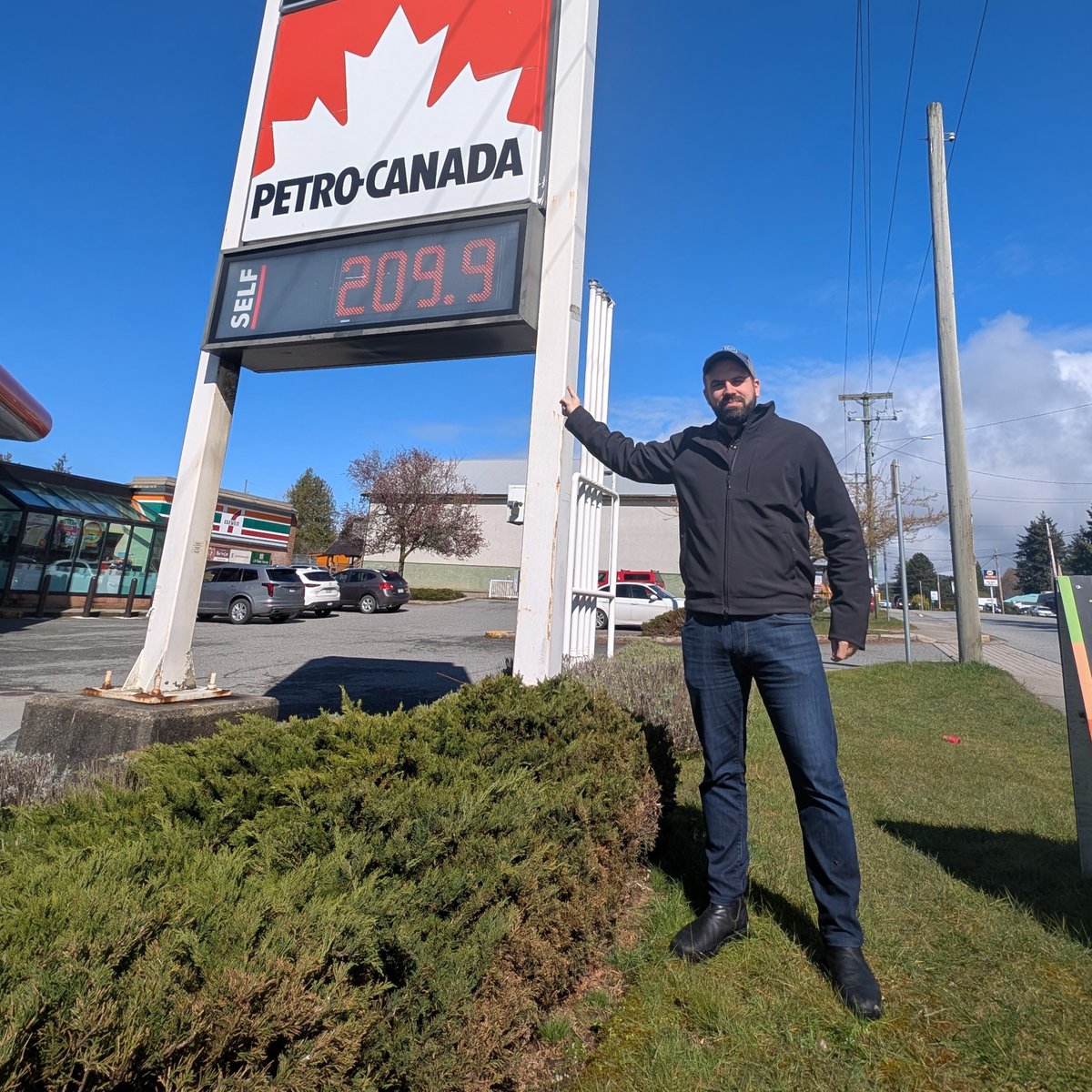
Ridiculous. 4th-largest oil reserves in the world. $2.09 per litre at the pumps. It's time to build pipelines, refineries and an energy policy that puts Canada, and Canadians, first! 🇨🇦
Aaron Gunn tweet media
English
1.7K
2.3K
12.2K
444.8K
Elnar
Elnar@epr613·
@markofagenius The only reason you live in a free world is most likely because of the USA and its military. Don’t be ungrateful.
English
0
0
0
22
Mark Mitchener
Mark Mitchener@markofagenius·
Whoever imagined the USA would become the world’s Idiot nation?!
English
1.9K
1.8K
11.6K
191K
Elnar
Elnar@epr613·
Is #IRGC modernized and militarily upgraded version of Hamas, Hezbollah, and Houthis?
English
0
0
0
53
Elnar
Elnar@epr613·
@TradexWhisperer $MU and $IBRX. $MU – an American memory chip maker with technically advanced products and exceptionally competent management. $IBRX – a company on its way to curing cancer. An exceptionally knowledgeable founder with deep scientific and industry expertise.
English
1
0
18
5.2K
Trade Whisperer
Trade Whisperer@TradexWhisperer·
What's your single most bullish company right now, the one you'd buy regardless of war, and why? Let's collect some data from the crowd
English
149
6
116
59.6K
Gary
Gary@plzbepatient·
NASA should hire SpaceX’s camera techs
English
87
129
3.4K
56.7K
Elnar
Elnar@epr613·
@Catherine5931 In general, he tends to share reliable knowledge so I’ll take this as a good sign
English
0
0
1
18
Catherine
Catherine@Catherine5931·
@epr613 Respect that, but being self-made doesn’t mean always right. What makes you trust his calls this time?
English
1
0
0
18
NASA
NASA@NASA·
Liftoff. The Artemis II mission launched from @NASAKennedy at 6:35pm ET (2235 UTC), propelling four astronauts on a journey around the Moon. Artemis II will pave the way for future Moon landings, as well as the next giant leap — astronauts on Mars.
English
3.8K
55.6K
178.4K
13.4M
NASA
NASA@NASA·
We're going around the Moon. Come watch with us. Artemis II's four-astronaut crew is lifting off from @NASAKennedy on an approximately 10-day mission that will bring us closer to living on the Moon and Mars. The launch window opens at 6:24pm ET (2224 UTC). twitter.com/i/broadcasts/1…
English
5.7K
29.5K
109.1K
16.3M
Elnar
Elnar@epr613·
@shanaka86 The U.S. military destroyed Iran’s ground missile system that had been built over decades. It was a good use.
English
0
0
0
14
Shanaka Anslem Perera ⚡
JUST IN: The United States has fired 2,400 Patriot interceptors in 31 days. It manufactures 650 per year. Replenishment at current production takes three and a half years. It has consumed 40 percent of its global THAAD inventory. It produces fewer than 100 THAAD interceptors annually. Full replenishment takes four to five years. Each interceptor contains neodymium and samarium-cobalt magnets sourced from Chinese-controlled supply chains. The US defence rare earth stockpile has approximately two months remaining. Read those numbers again. The US military has consumed more precision weapons in one month than it can manufacture in three years, using materials it can only source from the country it may need to fight next. Every Patriot fired at an Iranian Fattah-2 over Riyadh is a Patriot that does not exist for a Chinese DF-21 over the Taiwan Strait. Every rare earth magnet consumed in Gulf interceptors is a magnet that cannot be installed in a replacement built for the Pacific. The Iran war is not just depleting American arsenals. It is depleting American deterrence against China. And the country counting the interceptors from both sides of the table, as supplier and as future adversary, is the same country hosting peace talks in Beijing right now. China controls 90 percent of rare earth refining. China produces 90 percent of the world’s high-performance magnets. China buys 80 to 91 percent of Iran’s oil exports. China provides BeiDou navigation and ammonium perchlorate propellant to the Iranian missiles that are forcing the US to burn through its interceptor stockpile. China is simultaneously the supplier of the weapons America is using, the supplier of the weapons Iran is using, the primary customer of the oil the war is disrupting, and the only country with the leverage to end the disruption. The arithmetic of the grand bargain is not complicated. The US needs Chinese rare earths to rebuild its interceptor inventory. China needs Hormuz open to receive Iranian oil. The US needs the war to end before its stockpiles hit zero. China needs tariff relief, semiconductor export control rollbacks, and Taiwan arms-sale restraint. Both sides need something only the other can provide. The question is not whether a deal happens. The question is how much of America’s strategic position in the Pacific gets traded for the minerals needed to survive the Gulf. RAND estimated that 78 percent of US defence contractors would face production shutdowns within 90 days of a Chinese rare earth cutoff. The 2027 deadline to ban Chinese-sourced magnets from Pentagon procurement is nine months away with no domestic alternative at scale. MP Materials operates the only US rare earth mine and ships its concentrate to China for processing. The mine-to-magnet supply chain that the Pentagon needs to survive a Taiwan contingency runs through the country the Taiwan contingency is designed to deter. This is not a supply chain problem. This is a civilisational dependency. The United States built the most advanced military in human history on materials processed by its principal strategic competitor. It is now fighting a war that burns through those materials at a rate that makes replenishment impossible without the competitor’s cooperation. And the competitor is sitting in a conference room in Beijing today, across the table from Pakistan’s foreign minister, calculating exactly how much of America’s future it can extract in exchange for the minerals America needs to have a future at all. The deal of the century is not a choice. It is arithmetic. And the arithmetic leads to Beijing. open.substack.com/pub/shanakaans…
Shanaka Anslem Perera ⚡ tweet media
English
322
2.4K
6.3K
729.4K
Elnar
Elnar@epr613·
@jukan05 This is very insightful and a great way to explain the structural pricing power of memory chip makers. $MU isn’t just selling a commodity—it’s also directly contributing to AI performance optimization.
English
0
0
1
356
Jukan
Jukan@jukan05·
Micron's management presented an interesting view at their NDR with Cantor. The key insight: the market is no longer focused on pricing on a per-bit basis as in the past, but rather on a per-bandwidth basis. In other words, while price-per-bit may rise in 2026, price-per-bandwidth will decline. This is a remarkably interesting view. Historically, the memory industry has largely been viewed through this lens: - How many bits of memory chips were sold - Whether price-per-bit went up or down - When supply increases, bit pricing falls, and margins eventually collapse But in the AI era, as products like HBM have become critical, what customers are buying is no longer simple storage capacity — it's "how fast can data be processed," i.e., bandwidth. For example, whereas in the past the question was "what's the capacity of this memory?", today it has shifted to "how much data per second can this system feed to the GPU?" — or so Micron's management argues. This is especially true in today's AI infrastructure, where the latter matters far more. Memory vendors are therefore being reframed — from simply selling bits to selling units of performance that enable high-performance computing. So what does it mean when price-per-bit rises but price-per-bandwidth falls? The essence is this: - Even though it may look like customers are paying more, - They are actually getting higher performance and more bandwidth, - So price-per-performance can actually improve. In other words, memory vendors can raise ASPs, and from the customer's perspective, it's not a rip-off — it can be perceived as an improvement in price-performance. Why does this structure matter? Because even as memory companies raise prices, the magnitude of bandwidth improvement is larger, creating a logical framework where memory price hikes don't face customer pushback. In effect, memory is now being evaluated on a TCO basis. To sum it up in one line: HBM and AI DRAM are no longer a simple bit-supply business — they are becoming an integral part of GPU system performance. That's why pricing power is strengthening, and the "normal range" of margins itself could structurally shift higher versus the past.
English
17
62
461
63.9K
Elnar
Elnar@epr613·
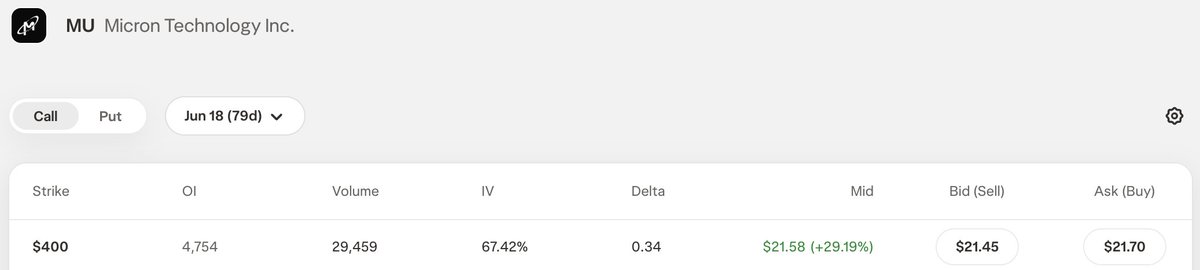
@norveclifinance Let's go! People underestimate the power of $MU and how much wealth it can generate
Elnar tweet media
English
0
0
2
132