

eria
300 posts

@econet_support Then what happens with this smart 4U bundle mine started at $15 now is at$ 23
English

@eria1122 Hi eria Ecocloud bundles are designed to provide convenient and reliable storage solutions with benefits such as:
1. Secure backup of important data
2. Easy access to files from multiple devices
3. Protection against data loss due to device damage or loss.
English

Hanzi ingori gare-gare ndabata phone kumabasa uko vanhu havasi kugarisika vakufunga kuti ma Bank aita mistake. Mari dzapinda idzi umwe achakumbira kushanda overtime for free mirai muone.
Mateacher irikuronga protest yekuti mari yavapihwa yawandisa stereki.
Haiwa ED Huchi boiz handidi kunyepa!



Indonesia

Chamisa is part of the 2030 agenda. They used Tshabangu as a justification for Chamisa to abandon the CCC in order to de-associate him from the parliamentary events where his MPS would vote for the CAB3. That's why they dumped characters like Biti through Bereka-Mwana.

English
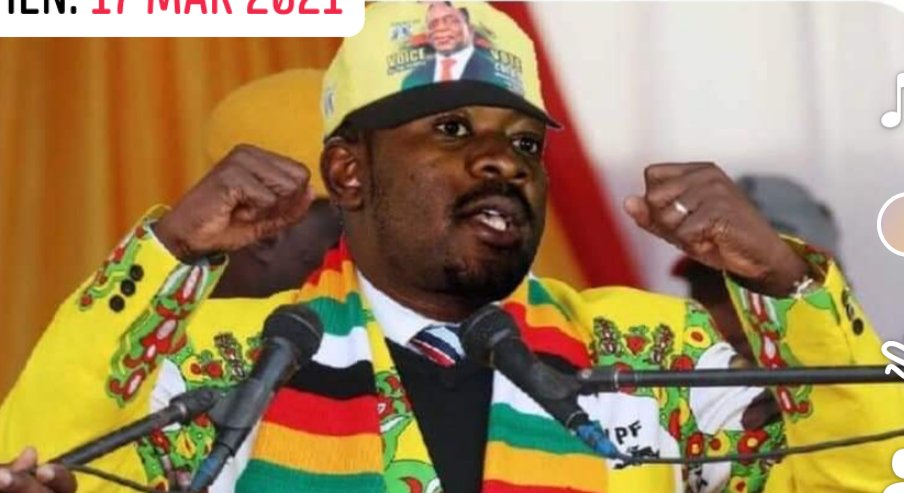
Even Hwende, Chamisa's once best friend, confirmed that he sold the people, but someone out there still defends a sellout...
English

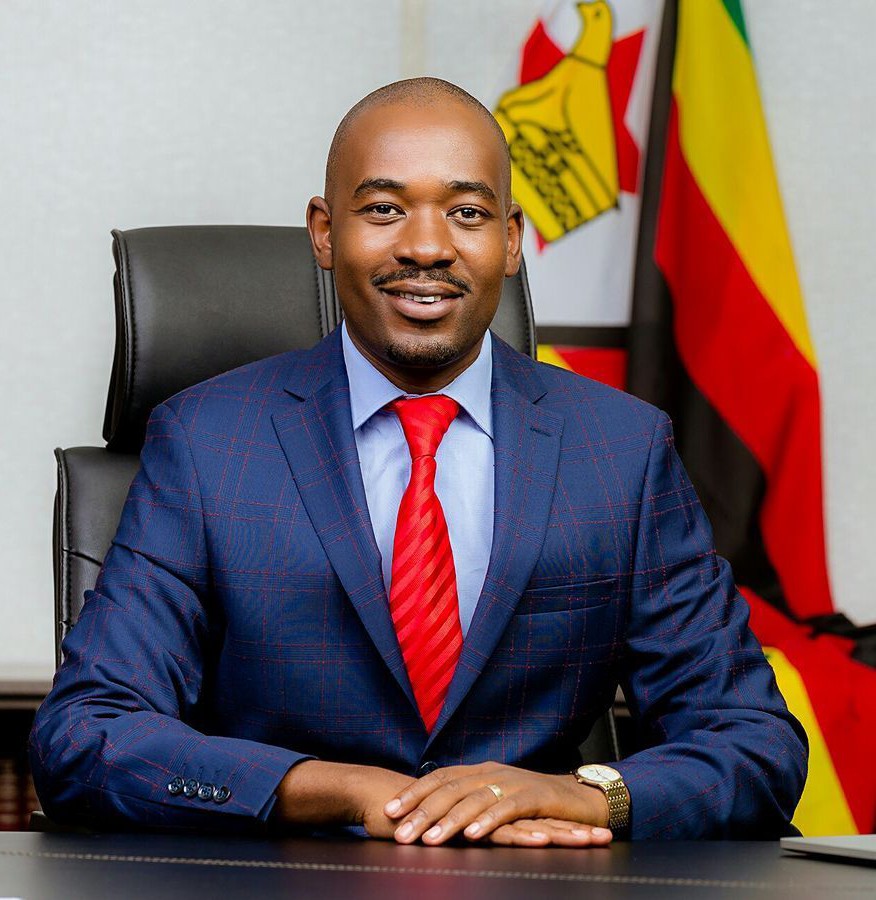
Chamisa never received money from anyone. He has his own job and business. Why do you want him to talk about CAB 3 ? Are you not Zimbabweans yourselves? Go and tell ED and ZANU-PF on your own. Why do you expect Chamisa to do it for you? He is partyless. Leave the young man alone.
English

The reason I want elections to be in 2028 suspended is that it seems Zimbabwe has been in election mode for the past 25 years. If we suspend elections, people will forget about them and focus on development.

English

Those who rigged Chamisa in 2018, engineered a sham “election” in 2023, enabled the recall of his MPs and gleefully crushed dissent have no right to tell him to fight much less dictating how to fight. I obviously want Chamisa to do more as do many other people, but the idea that these disgruntled ZANU PF operatives can tell him what to do is utterly distasteful and revolting, especially when it’s all built on lies. Chamisa is not your pawn — you will not use him. Period.

English
Civil servants are set for relief as government rolls out increased salaries this week, with earnings now ranging from US$370 to nearly US$900. The adjustment comes in response to rising living costs and welfare concerns, with the ZANU PF government under President Emmerson Mnangagwa moving to cushion workers and improve livelihoods.

English
@hazelwekwagondo @LLP_ZW @Chivhuu @TanakaaGumbo @CMufana37063 @Trabablas005 @CdeMabhunu @zanupfbyoinfo @ZanuPFMabvuku @INFODESKMID Do you understand tax
English

Civil servants will be smiling all the way to the bank as they start receiving their increased salaries this week.
Over the past weeks, civil servants have raised concerns relating to their welfare and the increased cost of living, which is attributed to the ongoing geopolitical conflict in the Middle East that has resulted in hikes in fuel and other commodities.
Thanks to the listening ZANU PF Government, led by our visionary leader @edmnangagwa, civil servants’ salaries have been successfully reviewed upwards.
Under this new structure, salaries will range from US$370 for lower grades to nearly US$900 for senior levels.
As such, all civil servants will now earn decent salaries that will enable them to cater for their needs and maintain a good lifestyle.
#EDHuchiii
#Vision2030




English
Dear @adv_fulcrum, do not embarrass yourself by failing to grasp this trivial legal issue. I’m beginning to question whether you actually passed your Statutory Interpretation module in law school.
For the record, Ms. Jessie Majome was reassigned and was not removed. Section 237(3), which you are citing, applies when a member of an Independent Commission is removed from office.
In this case, President @edmnangagwa, as the Executive and the Appointing Authority in terms of s 202(1)(b), decided to redeploy Ms. Majome to another government task, which is totally different from being removed.
Your claims are baseless and reflect your lack of understanding of the basic rules of statutory interpretation.
Thabani Mpofu@adv_fulcrum
A member of an Independent Commission, such as the Zimbabwe Human Rights Commission, can only be removed from office under section 237(2) of the Constitution of Zimbabwe. Section 237(3) expressly provides that the procedure for removing a judge also applies to members of an Independent Commission; accordingly, a tribunal must be appointed on the recommendation of the Judicial Service Commission and the member must be found guilty of misconduct before removal. Reassigning Jessie Majome to the Public Service Commission therefore constitutes removal from office and is unconstitutional. Reliance on section 202(1)(b) is unavailing: that provision does not affect the security of tenure enjoyed by Majome is of no application to the situation at hand, and the attempt effectively seeks to demote her from Chairperson of an Independent Commission to an ordinary commissioner of the PSC. We cannot sit idly by while such serious violations occur. The Department of Justice has failed in its duties, with potentially grave consequences.
English




@hazelwekwagondo @edmnangagwa @CMufana37063 @Trabablas005 @Sparta2023 @ZANUPF_Official @Chivhuu @KarleySammy @NcubeMadison @ChinamasaPA @TanakaaGumbo Zvinoda hwamanda hr zvekuti rinoshanda
Without doubt, our local ZiG currency is one of the top performing currencies in Africa
Earlier today, our President @edmnangagwa went on a shopping spree as he bought plenty groceries with just few ZiG notes.
Truly speaking, in ZiG we have a strong, durable, highly stable currency that has the capacity to withstand inflation. Developing countries from across the world must take notes from Zimbabwe on how to devise a strong currency.


English

Leave the Vice President in your vanity battles… CAB 3 is supported by EVERY ZANU PF leader … more so the Vice President of the Republic….
Team Pachedu@PacheduZW
We have heard the VP talk in parables and yet never defended the late Blessed Geza, now he is talking again and it remains talk unless he comes out and condemns CAB3. UNTIL then Rt Gen Chiwenga is part of the problem, part of the mess we are in and not the solution.
English

Bill Number 3 seeks to unlock the better future , especially for our youths


English