Ethan Blagg

912 posts

Ethan Blagg banner
Ethan Blagg

Ethan Blagg

@ethanblagg

Founder @_dynamo_air | Building the largest drones on the planet to carry civilization’s heaviest needs

Texas, USA Katılım Kasım 2021
1.9K Takip Edilen2.7K Takipçiler
Sabitlenmiş Tweet
Ethan Blagg
Ethan Blagg@ethanblagg·
👀 Been quietly working on something new. Having the time of my life! Wanted to give y’all a lil sneak peak: • Four 28 foot diameter rotors • Can lift nearly 5 Tons • Produces 2.4 MW of power That’s all for now. More to come. Moving fast.
English
19
4
148
11.4K
Ethan Blagg
Ethan Blagg@ethanblagg·
@macbohannon Now I’ll finally be able to remember what that button does
English
0
0
4
1.7K
Brian Walsh
Brian Walsh@BrianWa73603359·
@ethanblagg That's what I'm talking about. Good to see you buddy. Hope all is well.
English
1
0
1
95
Ethan Blagg
Ethan Blagg@ethanblagg·
@astrodanish @_dynamo_air Not wrong! No quite ready to share just yet, but we have a cool way to handle modal frequencies, harmonics, and single engine out scenarios without mechanical rotor coupling
English
0
0
0
56
Ethan Blagg
Ethan Blagg@ethanblagg·
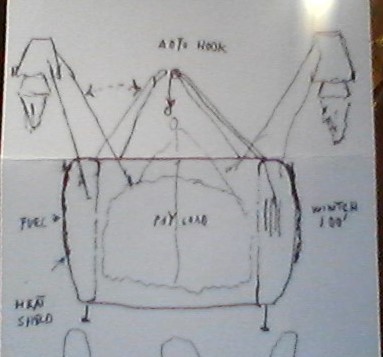
Every tandem rotor helicopter ever built shares two things: 1. Cross-shaft mechanically coupling the rotors 2. Overlapping rotors We got rid of both. This aircraft needs to move heavy loads as efficiently as possible, be cheap to maintain, and stay simple enough to service in the field. A cross-shaft and overlapping rotors work against all three. No cross-shaft. No mechanical coupling. - Eliminates a major drivetrain assembly requiring precision alignment, regular inspection, and fatigue-life-limited overhauls - Each boom is an independent powerplant island — a failure on one side cannot propagate to the other - Massive reduction in mechanical complexity 1.5 rotor diameters hub-to-hub. Zero overlap. - Both rotors operate in clean, undisturbed air — no aft rotor fighting through the front rotor's downwash - Eliminates the significant induced power losses that come with rotor overlap - Every point of efficiency recovered goes directly to payload and endurance - Rotors can never collide regardless of phase — synchronization becomes a tunable parameter, not a safety-critical constraint Tradeoff we're working through. No cross-shaft means no mechanical power sharing between rotors. On a conventional tandem, if one engine quits, the drivetrain automatically routes the surviving engine's power to both rotors. We gave that up on purpose — but we still need to solve the single-engine-out problem. We have some unconventional approaches in development that we think turn this from a liability into an advantage. More on that soon. Less hardware, fewer failure modes, lower operating costs, and more lift per gallon of fuel burned. Everything that doesn't directly contribute to moving heavy payloads safely got cut. Solid odds that this becomes the most hover-efficient heavy-lift rotorcraft ever built.
Ethan Blagg tweet mediaEthan Blagg tweet mediaEthan Blagg tweet mediaEthan Blagg tweet media
English
28
16
361
29.9K
Ethan Blagg
Ethan Blagg@ethanblagg·
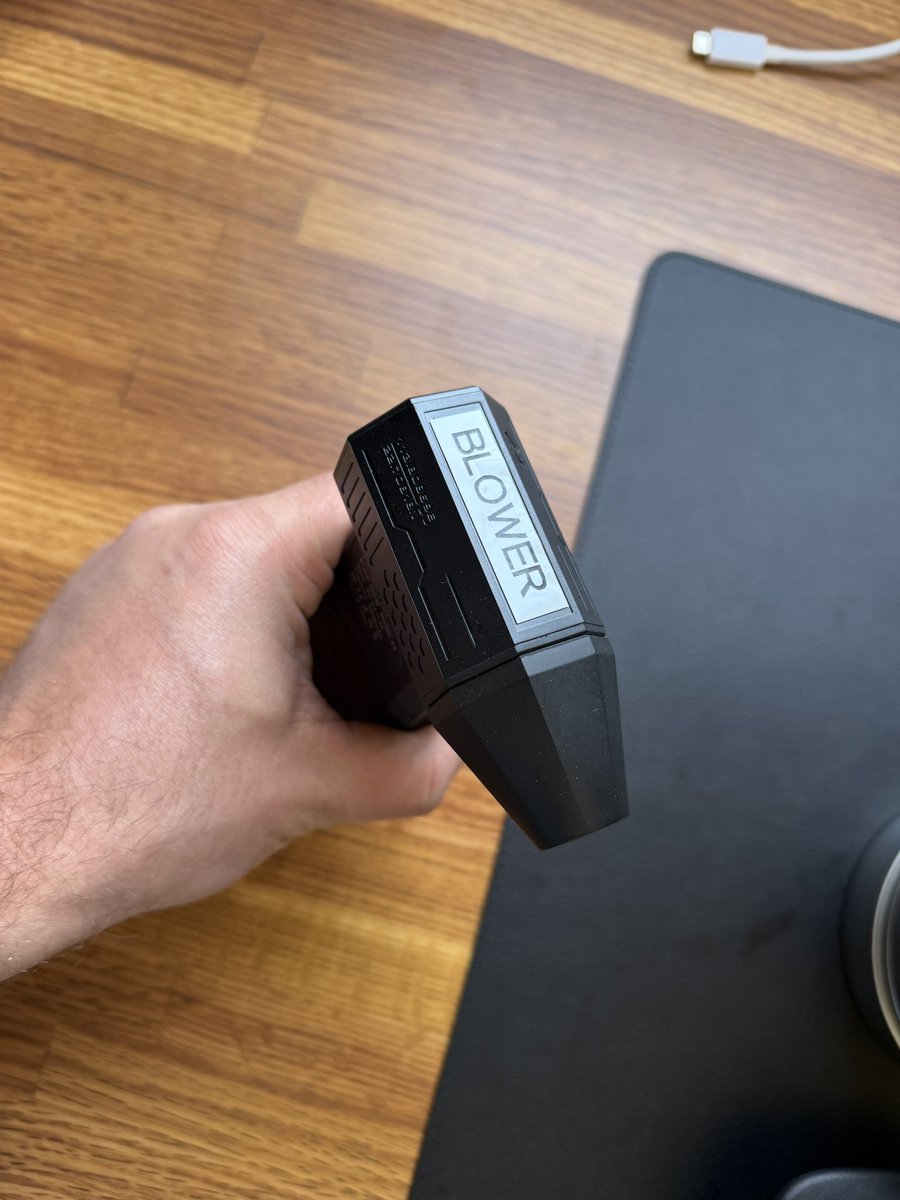
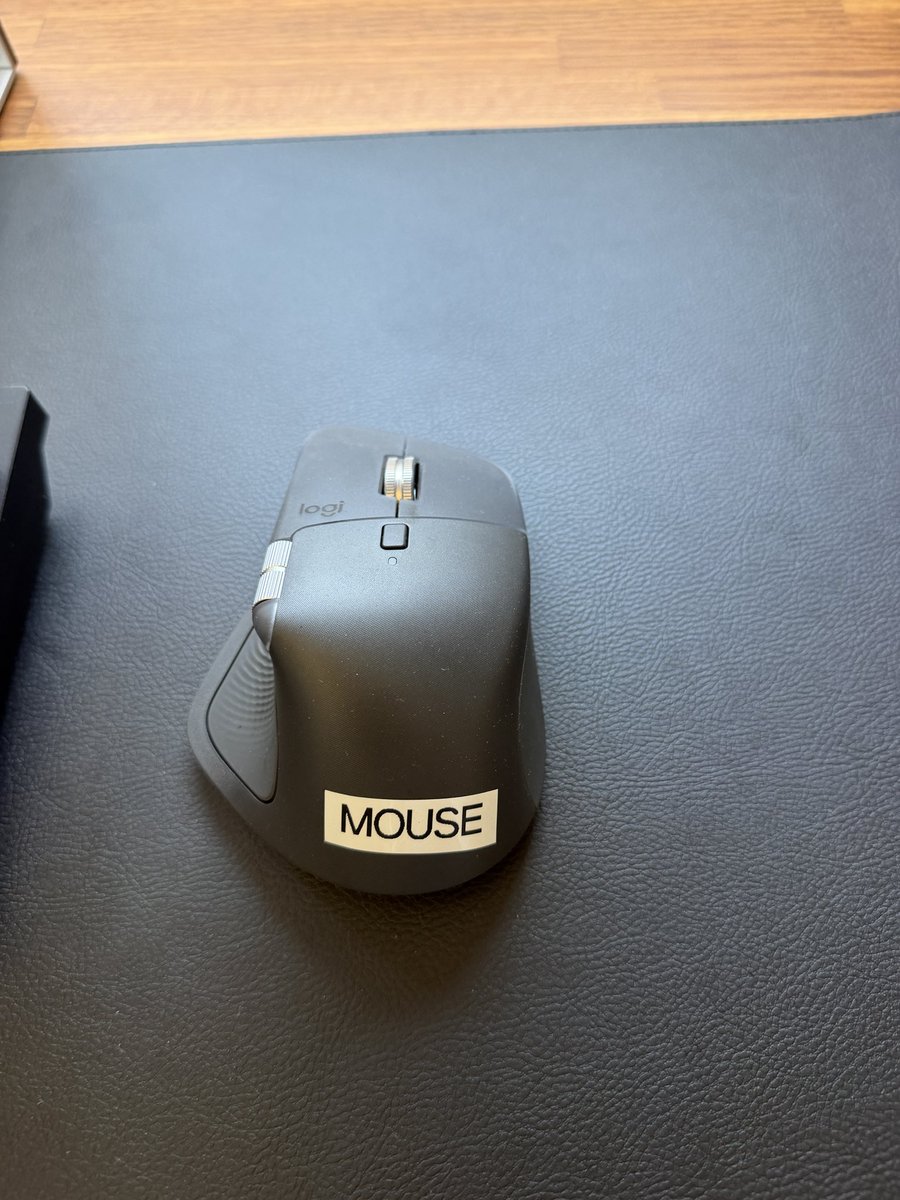
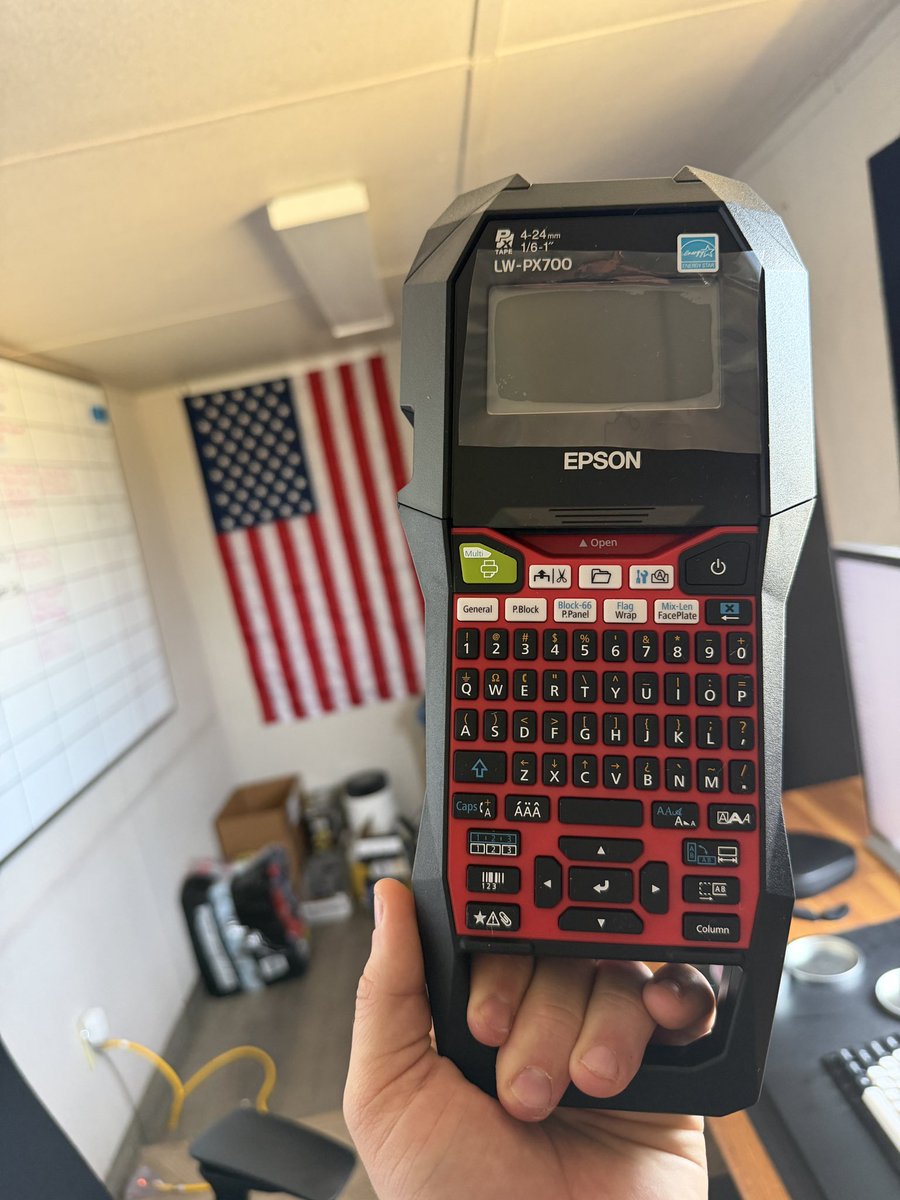
Oh baby Nothing is safe I’m gonna label EVERYTHING
Ethan Blagg tweet media
English
81
70
2.8K
178.7K
electropro
electropro@electropro17·
@ethanblagg Was browsing a pawn shop not too long ago and found one on the clearance table for $75. Sold!!
English
2
0
1
1.2K
John
John@RealJohnShoe·
@ethanblagg That power grip handle is next level
English
1
0
15
1.4K
Ethan Blagg
Ethan Blagg@ethanblagg·
@AssExtranious @BryonTRussell @_dynamo_air If we had to be as compact as possible, this becomes viable. But with coaxial you get efficiency losses from the rotor interactions and interference. Also fairly high complexity in the rotor hub.
English
0
0
0
12
Bryon T Russell
Bryon T Russell@BryonTRussell·
@ethanblagg @Eric_P8 @_dynamo_air If it's a drone, why does making it complicated for engine out survivability matter? Optimize for opex maintenance and simplicity and if there's an accident, well, it's just a machine lifting cargo ... no human life-safety concerns.
English
1
0
2
57
Ethan Blagg
Ethan Blagg@ethanblagg·
@Eric_P8 @BryonTRussell @_dynamo_air We started out with a quad! Recently made the design switch to tandem and mechanical drive. Here’s the breakdown on that decision! x.com/ethanblagg/sta…
Ethan Blagg@ethanblagg

We Killed the Quad! We replaced our quadrotor hybrid-electric architecture with something fundamentally simpler. What changed Four rotors became two. Our drone is now a tandem rotor — two big ole 60-foot rotors, fore and aft. Chinook DNA, unmanned, purpose-built for heavy-lift cargo. Turbine-electric became turbine-mechanical. Instead of turboshafts spinning generators feeding HV buses powering motors turning gearboxes spinning rotors — turboshafts now directly drive rotors through reduction gearboxes. Why we moved on The quad hybrid could have worked — the engineering was sound. But as the design matured, we kept hitting the same tradeoffs: - Weight. Four rotor assemblies, four swashplates, generators, inverters, motor controllers, HV distribution, cooling — 5,000 lbs over target. Solvable, but every pound on powertrain complexity was a pound off payload. - Complexity. Four swashplates, four gearboxes on top of the electric motors we thought we could avoid. Total integration stack wasn't proportional to the mission. - Efficiency. Turboshaft → generator → inverter → motor → gearbox → rotor. Every conversion takes a cut. No single handoff was a deal-breaker, but cumulative losses kept us off the performance we knew was possible. - Certification. A quad at transport category scale with hybrid-electric propulsion has no direct precedent. We'd have gotten through it, but every FAA conversation meant more explanation, more education, more time. - Field ops. Setup and teardown took too long. Transport wasn't clean. For an aircraft that needs to show up, do work, and leave — friction adds up. None of these are unsolvable alone. But when put together, we asked is there a simpler way? This led to a clean-sheet trade study. No sacred cows. What's the lightest, simplest, most certifiable way to put 10,000 lbs on a hook and move it? Tandem mechanical won. The margins weren't thin. Why tandem, why mechanical - Lighter. Two rotor systems, not four. No generators, inverters, HV bus, or motors. Thousands of pounds back as payload, fuel, or margin. - More efficient, better thrust-to-weight. Large-diameter rotors at lower disc loading. More lift per unit of power. Less fuel burn per ton. Direct mechanical path — the math compounds. - Transportable. Airframe splits in two halves on standard trucks. Drive to site, bolt together, fly, unbolt, drive home. - Faster setup and teardown. Two assemblies instead of four. Simpler preflight. More revenue hours per day. - Easier to certify. The Chinook has flown since 1962 — 60+ years, thousands of airframes, millions of flight hours. The FAA understands tandem rotors. We're asking them to certify a well-understood architecture on an unmanned platform. Different conversation. - Scalable. Scales up and down cleanly. Product line, not just a product. AS-10 is the first aircraft, not the only one. - Cheaper to build and operate. Fewer components, subsystems, suppliers, spares. Lower cost per flight hour. Savings flow to customers. What our customers care about - Lower job cost. Less than a manned helicopter. Higher throughput. More loads per day. - Better accessibility. Show up faster, book easier, less lead time. - Safety. No pilot at risk. - Wider envelope. Fly in weather, altitude, and wind that ground other options. They don't care about rotor count or powertrain. They care about outcomes. So do we. We have no attachment to any configuration, only to building the simplest, highest-performance heavy-lift system possible. Tandem mechanical gets us there. Status Team is on the home stretch of design: - Final CAD run— airframe, rotors, drivetrain, structures - Final sims — aero, loads, W&B, flight dynamics - Nearing design lock — freeze baseline, move into build Up next: Build and test — full scale prototype, ground testing, first flight. That's it. End of update. Now back to work. Onwards and upwards.

English
1
0
0
93
Eric Pate
Eric Pate@Eric_P8·
@ethanblagg @BryonTRussell @_dynamo_air Why not go bigger and do a large quad? The dynamics are largely solved, lots of research on multi-engine-out for large quads. Can survive 2 failures in almost any scenario.
English
1
0
1
63
Ethan Blagg
Ethan Blagg@ethanblagg·
Each component in the powertrain multiplies efficiency -the total chain efficiency wasn’t were we needed it to be (high 80s to low 90s at best). Lots of potential energy lost to thermal. Mechanical drive can be up to 98% efficient. There are benefits that could outweigh this eventually, but couldn’t make it work right now. Weight was an issues as well. Juice wasn’t worth the squeeze.
English
0
0
2
23
Bryon T Russell
Bryon T Russell@BryonTRussell·
@ethanblagg @_dynamo_air Interesting. Even using the superconducting motors like what MagniX has? Very interesting. Motor windings heavy I guess so two motors + generator (a third and bigger motor)+ turbine heavier than two turbines so no worky got it.
English
1
0
0
26
Ethan Blagg
Ethan Blagg@ethanblagg·
@BryonTRussell @_dynamo_air You’re on the right track of thinking! We started out with a turbine electric hybrid design! But ran into big weight, thermal, and efficiency challenges - so we ditched it for a purely mechanical driven system. Way lighter, and more efficient use of jet fuel to thrust created
English
2
0
2
548
Bryon T Russell
Bryon T Russell@BryonTRussell·
@ethanblagg @_dynamo_air May I ask as a total rando who knows nothing about any of this: Why not power rotors with electric motors and use a single turbine powerplant for electrical generation?
English
2
0
1
641
Ethan Blagg
Ethan Blagg@ethanblagg·
@j32pmxr @_dynamo_air Two engines total, one per rotor. Have some really unique stuff we’re designing and testing for single engine out scenarios - not quite ready to share yet, but we’re really excited about it!
English
0
0
1
303