
Sabitlenmiş Tweet
Recopilación tuitera (enero 2022).
intelib.wordpress.com/2022/01/09/rec…
Español
Francisco Capella
42.1K posts
@fcapellaga
Inteligencia y Libertad. Ciencia y Ética. Racionalismo crítico y empirismo. Biología, cibernética, evolución, psicología, cultura, economía, moral.


🇪🇸#España | La demanda de #vivienda seguirá fuerte, pero la falta de oferta presionará precios. El esfuerzo del #alquiler ya supera al de la compra, impulsando la intención de adquirir vivienda en todos los niveles de renta. Accede al informe #inmobiliario aquí 👇 bbvaresearch.info/4szvPB0

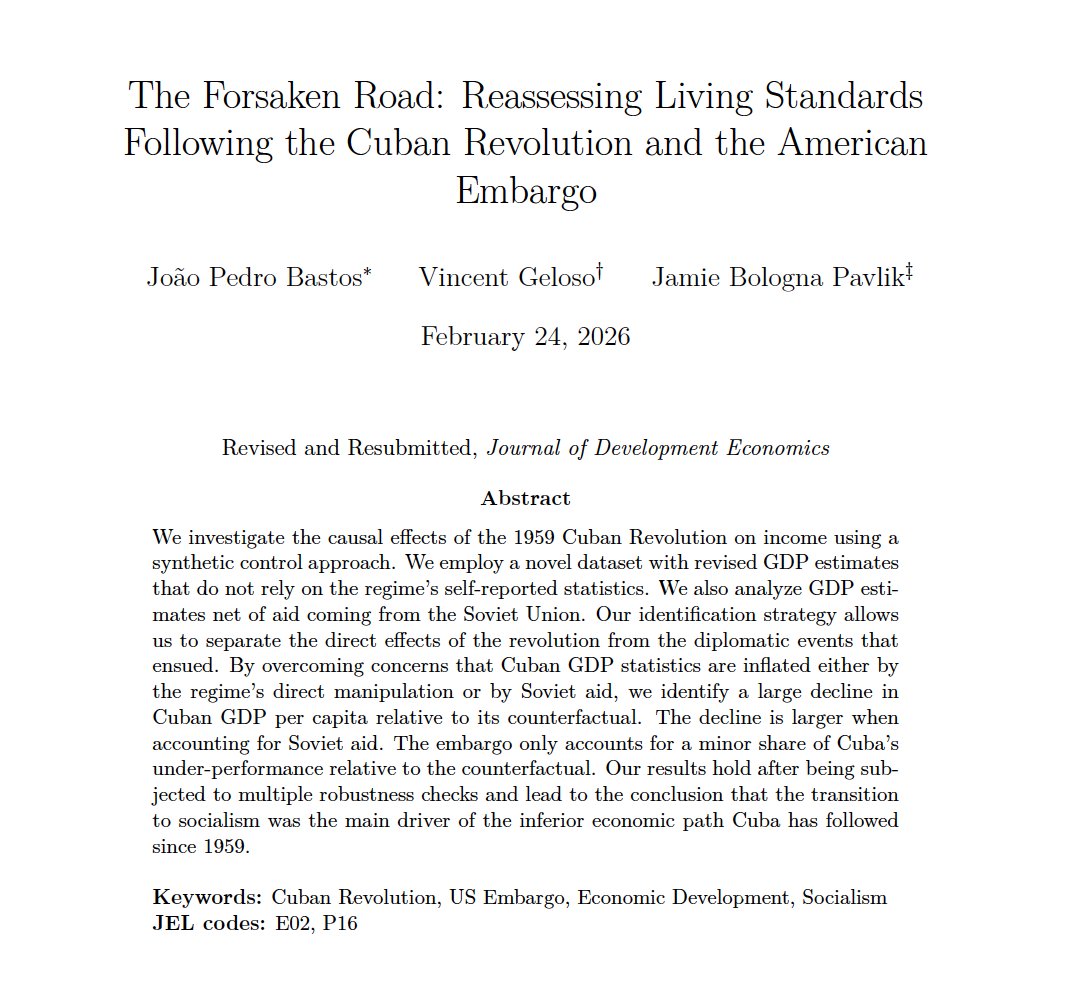
El paper definitivo sobre Cuba ya esta aquí 159 paginas de puros datos y gráficos que concluyen que -Cuba fue más prospera sin el socialismo -Los datos del PIB estan sobrestimados por mucho -El embargo tuvo un efecto muy secundario en la economía Muéstraselo a tu conocido rojo
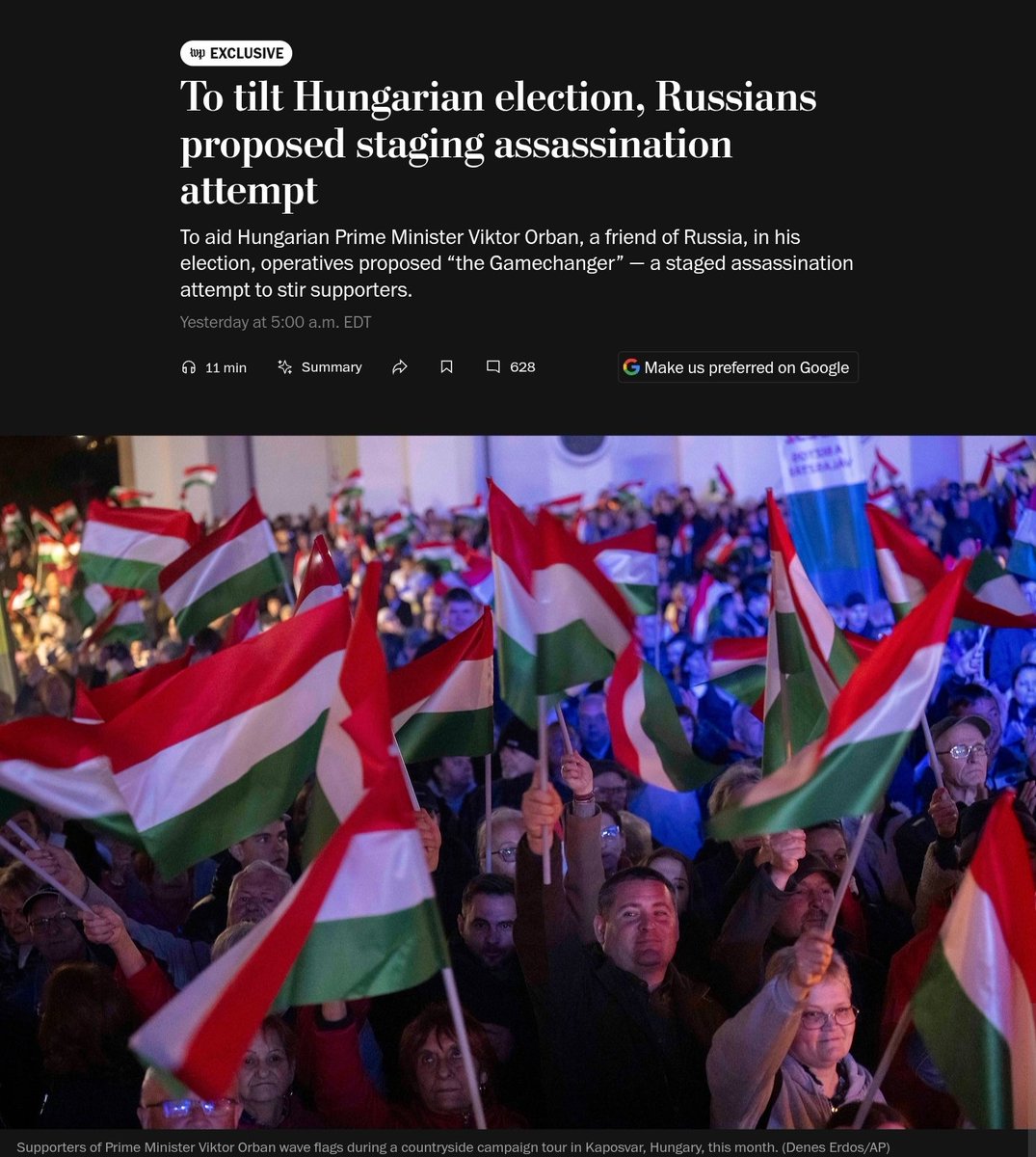


“I hope he wins and I hope he wins big,” Trump released another video endorsing Hungary’s corrupt, autocratic leader, Viktor Orban, ahead of the April 12 election. Orban is firmly anti-Ukraine, which is why Trump and Putin are working overtime to help him win.
The whole [scientific] process resembles biological evolution. A problem is like an ecological niche, and a theory is like a gene or a species which is being tested for viability in that niche. @DavidDeutschOxf
Great post here by @akoustov. His experiences finding that non-academic audiences sometimes ask the most useful questions, and provide the most stimulating insight for research, 100% resonates with my own experience. Similarly, he is spot on in saying that the public—not our peers—are our stakeholders whose interests we ultimately should serve. His point that public engagement =/= arguing on social media is also important. In my experience, here are four better, and relatively easy places to start: 1) Talk to your local Rotary club. They are always keen for speakers, and tend to be a cross section of smart (& typically older) community leaders. 2) Find a conference that combines multiple sectors (academia, government, non-profits, and/or industry). There are more of these out there than you think. @RenWkd is often the highlight of my year. There are lots of others that are more accessible and local—often issue focused. E.g., I've been to ones on business, energy, climate change and climate adaptation, water resources, democracy. 3) Talk to your university’s trustees/regents. They always are usually keen to talk to faculty and often have very different perspectives than you find on campus, especially if you’re at a public school where the trustees are elected. (HT @heidiganahl @LesleyForCU, whom I got to know when I was at CU). 4) Go and visit an academic institution that is very different from yours (e.g., a regional school in a rural part of your state, if you are in a large urban school, or vice versa). I have found all four of these strategies to be highly rewarding and enriching.


The news that Orbán’s people inform Moscow about EU Council meetings in every detail shouldn’t come as a surprise to anyone. We’ve had our suspicions about that for a long time. That’s one reason why I take the floor only when strictly necessary and say just as much as necessary.
La filósofa Kathleen Stock trata aquí el complejo problema de la eutanasia, suicidio asistido o muerte asistida, como ella prefiere llamarlo. Kathleen se muestra en contra y va a sacar un libro sobre este tema a primeros de abril: Do Not Go Gentle: The Case Against Assisted Death Pero de toda su argumentación me interesa la reflexión sobre una cosa: que en el conjunto de la sociedad, la visión cultural del suicidio podría transformarse. Me refiero a la última frase de este párrafo: «Algunas personas enfermas o debilitadas optarán por hacerlo [la muerte asistida] por culpa o por presión de sus familiares. Otras temerán a la profesión médica, lo que tendrá consecuencias negativas para la salud pública. Y, en general, es probable que la actitud cultural hacia el suicidio cambie, ya que los profesionales relevantes ya no podrán afirmar que siempre es algo malo.» Hoy los médicos, psiquiatras, psicólogos, enfermeros y trabajadores sociales están formados para considerar el suicidio (incluso en contexto de enfermedad grave) como algo siempre trágico y que hay que prevenir. Si el Estado autoriza y financia la muerte asistida para ciertas categorías, esos mismos profesionales ya no podrán mantener esa postura absoluta (“el suicidio nunca es una buena opción”). Tendrán que decir algo como: “En algunos casos terminales concretos, sí es aceptable y ético ayudarte a morir”. Stock argumenta que esto diluye el tabú y normaliza la idea de que quitarse la vida (o que te ayuden) puede ser una solución legítima en más situaciones, lo que afecta especialmente a personas con depresión, soledad, problemas económicos o sufrimiento mental, no solo a los terminales. Es posible que la sociedad entera empiece a ver el suicidio como algo menos inherentemente malo, lo que podría erosionar las barreras protectoras contra él. Me parece un tema a tener en cuenta.