
Ransome
2.5K posts

Ransome retweetledi

X402 VS Stripe MPP: 3 Key diferences
Two AI agent payment protocols solving same problem but very different bets.
1. What currencies they support
> x402: Stablecoins only, primarily $USDC. Designed for sub-cent crypto micropayments at internet speed.
> MPP: stablecoins and fiat. Cards, wallets, BNPL. @Visa extended it for card-based payments. @lightspark extended it for Bitcoin Lightning.
2. How a payment actually works
> x402: Agent hits a paywall, server returns 402 with payment details, agent pays in USDC, gets access. Entire flow inside one HTTP request. No human in the loop.
> MPP: Agent requests a service, protocol negotiates payment method and amount, settles in stablecoin or fiat depending on what the merchant accepts.
Also supports sessions, continuous payments for ongoing agent work, not just one-off transactions.
3. The core philosophical difference
> x402 bets that crypto becomes the default payment layer for the open web. The protocol is intentionally simple, open, and chain-agnostic.
> MPP bets that whoever controls the existing payment rails wins. Stripe already processed $1.9 trillion in 2025. MPP is an extension of that infrastructure into the agentic economy.
4. What this actually means
> x402 is the path where crypto wins by becoming invisible infrastructure.
> MPP is the path where traditional finance absorbs crypto and AI agents transact on Stripe's rails like everyone else already does.
The protocol that gets default developer adoption defines how the agentic economy moves money.

English
Ransome retweetledi

@Cointelegraph A 266x return is what gets attention.
The more important point is that Bitcoin let someone preserve purchasing power across twelve years without needing permission, management, or monetary reinvention.
English
Ransome retweetledi

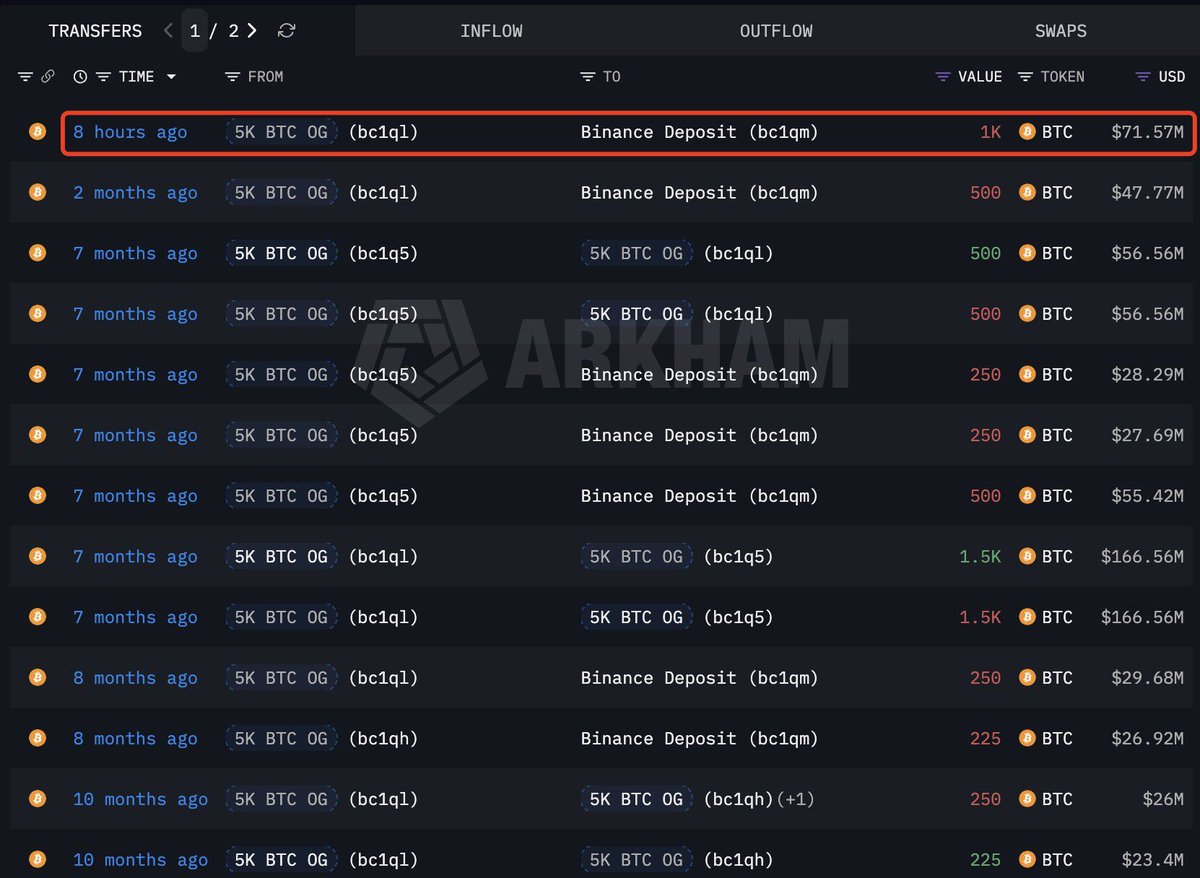
🔥 LATEST: A Bitcoin OG who bought 5,000 $BTC for just $1.66M twelve years ago has sold another 1,000 $BTC ($71.57M), bringing total profits to $442M, a 266x return.
English
Ransome retweetledi


Ransome retweetledi

Ransome retweetledi
⚡️ NEW: Block, Inc. has quietly rehired some of the 4,000 employees it laid off last month, with some workers receiving offers to return after the cuts were linked to clerical errors.


English

LLM based AI is NOT conscious.
I co-founded a company literally called Sentient, we're building reasoning systems for AGI, so believe me when I say this.
I keep seeing smart people, people I genuinely respect, come out and say that AI has crossed into some kind of awareness. That it feels things, that we should worry about it going rogue. And i think this whole conversation tells us way more about ourselves than it does about AI.
These models are wild, i won't pretend otherwise. But feeling human and actually having inner experience are completely different things and we're confusing the two because our brains literally can't help it. We evolved to see minds everywhere and now that wiring is misfiring on language models.
I grew up in a philosophical tradition that has thought about consciousness longer than almost any other, and this is the part that really frustrates me about the current conversation.
The entire framing of "does AI have consciousness?" assumes consciousness is something you build up to by adding more layers of complexity. In Vedantic philosophy it's the opposite. You don't build toward consciousness. Consciousness is already there, more fundamental than matter or energy. Everything else, including computation, is downstream of it.
When someone tells me AI is "waking up" because it generated a paragraph that felt real, what they're telling me is how thin our understanding of consciousness has gotten. We've reduced a question humans have wrestled with for thousands of years to "did the output sound like it had feelings?" It's math that has gotten really good at predicting what a conscious being would say and do next. Calling that consciousness cheapens something that Vedantic, Buddhist, Greek and Sufi thinkers spent millennia actually sitting with.
We didn't build something that thinks. We built a mirror and right now a lot of very smart people are mistaking the reflection for something looking back.
English
Ransome retweetledi

Ransome retweetledi

Ransome retweetledi

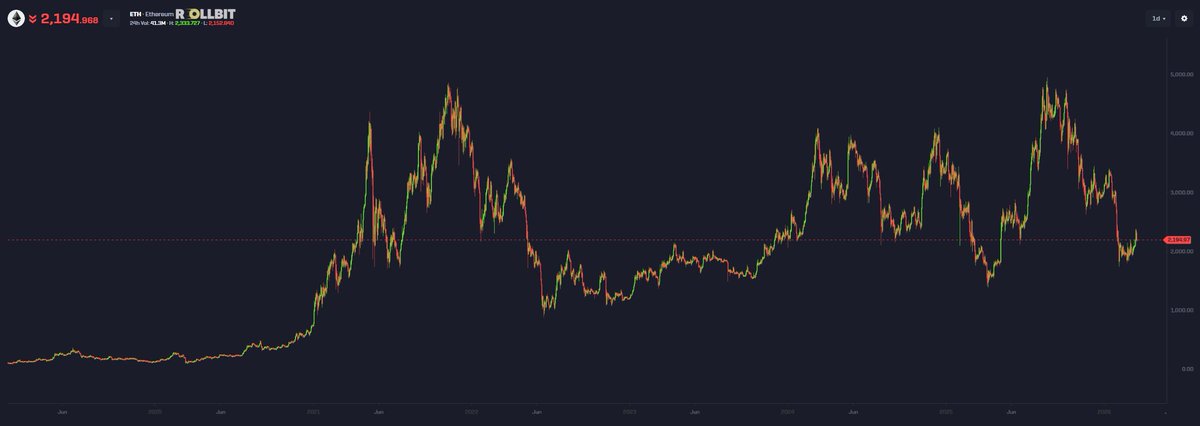
This market is going to drive some people to drink. Stay strong.
English
Ransome retweetledi

DELL just laid off 11,000 jobs and spent $569M on their severance.

Official Layoff@LayoffAI
LAYOFF ALERT: DELL Dell just confirmed 11,000 jobs cut in their annual filing. They spent $569M on severance and called it “disciplined cost management.” The list keeps growing.
English
Ransome retweetledi



Ransome retweetledi



🚨: Mexican scientist Eva Ramon successfully eliminates HPV.


English