
flinz retweetledi

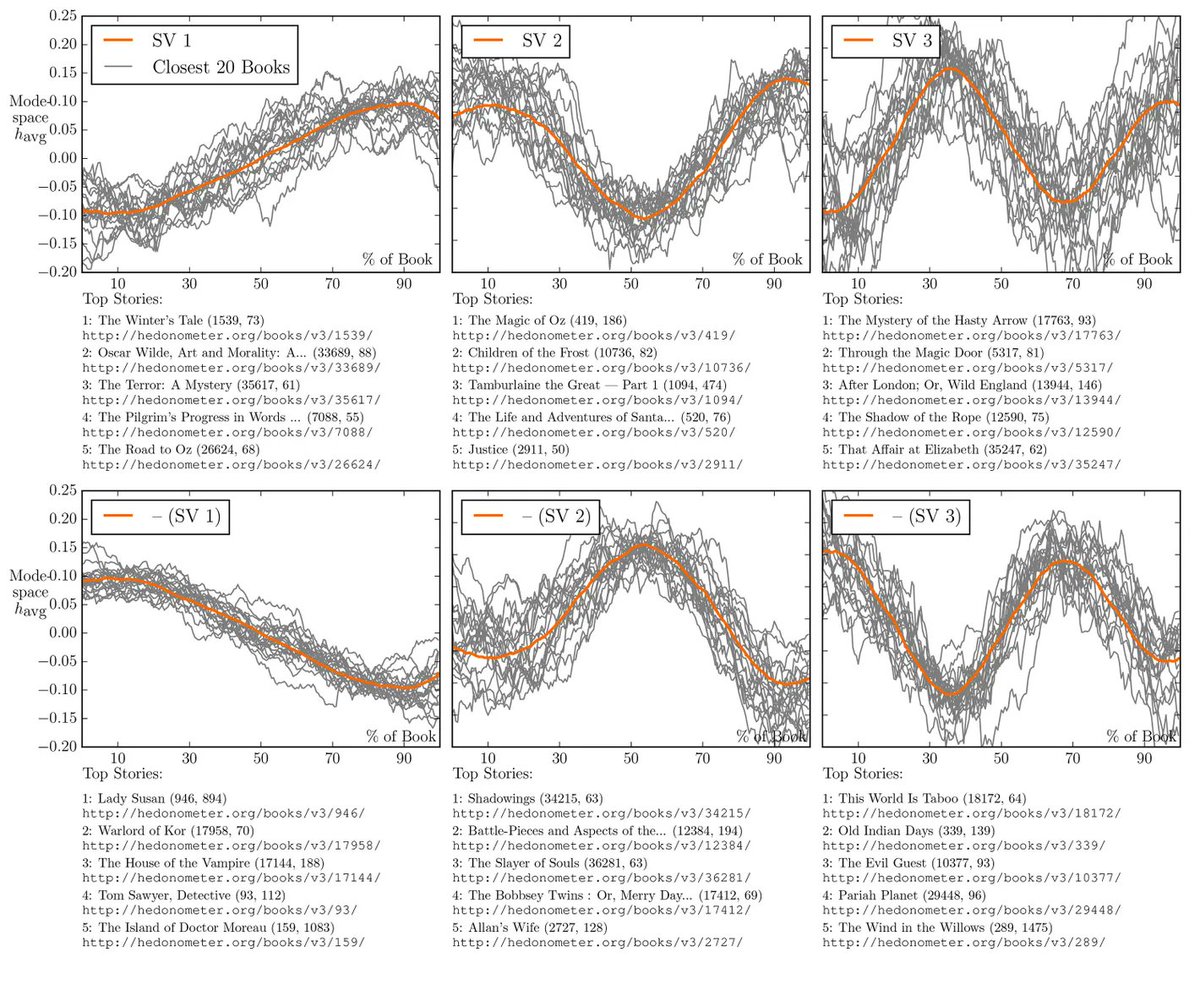
In 2016, researchers at the University of Adelaide tested Kurt Vonnegut's theory that, "There’s no reason why the simple shapes of stories can’t be fed into computers."
They took the emotional arcs of 1300+ novels from Project Gutenberg, turned that into data, used modern tech to analyze the emotional arcs, and then identified 6 patterns seen over and over again in western storytelling.
Here they are:
1. Rags to Riches (rise)
Your classic underdog tale. A humble, hardworking peasant climbs the mountain to pull the sword from the stone.
• Rocky
• King Arthur
• The Pursuit of Happiness
2. Riches to Rags (fall)
Maybe the saddest story of them all. A journey from the highest of highs to the lowest of lows.
• King Lear
• Citizen Kane
• Scarlet Letter
3. Man in a Hole (fall then rise)
A character’s doing fine, gets herself into a huge problem, but figures out how to overcome it. They often end up better than they started.
“You see this story again and again,” Vonnegut says. “People love it, and it is not copyrighted.”
• The Martian
• The Hunger Games
• Shawshank Redemption
4. Icarus (rise then fall)
The hero goes on a meteoric rise up New York (or some other) society, calls everyone “old sport,” and throws the wildest parties in town. Then reality sets in, and he realizes he’s too close to the sun.
• Macbeth
• Great Gatsby
• Death of a Salesman
5. Cinderella (rise then fall then rise)
I’ll leave this description to Vonnegut:
“We’re gonna start way down here. Worse than that, who is so low? It’s a little girl… the shoe fits, and she achieves off-scale happiness.”
• Red Rising
• Slumdog Millionaire
• The Count of Monte Cristo
This is my personal favorite.
6. Oedipus (fall then rise then fall)
Up until the ~70% mark of the story it looks like things are sunshine and rainbows. Walter White goes from high school teacher to king of the drug lords, if you will. Then all goes wrong. The original fall is often not their doing while the final fall is.
• Hamlet
• Gone Girl
• Breaking Bad
My 3 takeaways:
1. Rags to Riches, Oedipus, and Cinderella rank as the three most popular with consumers. AKA, those books sold the most copies.
2. When you think through a story, give it an emotional shape. Literally draw it.
X axis: Time
Y axis: Ill fortune to good fortune
You might be surprised how much it helps you craft your plot (I was shocked).
3. Vonnegut was a damn genius.
English