Felicity Strzelec

162 posts

Felicity Strzelec banner
Felicity Strzelec

Felicity Strzelec

@fsstrz

Katılım Mart 2023
58 Takip Edilen60 Takipçiler
Felicity Strzelec
Felicity Strzelec@fsstrz·
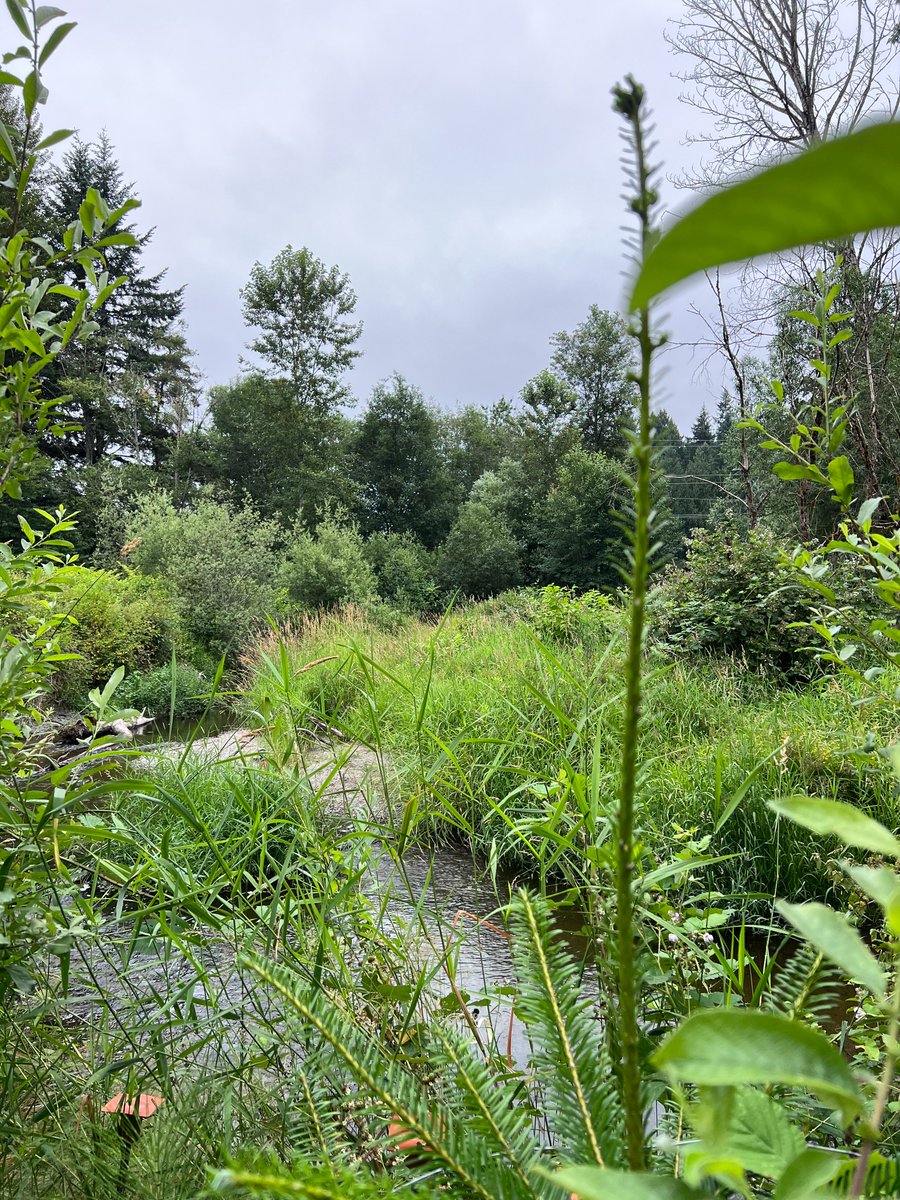
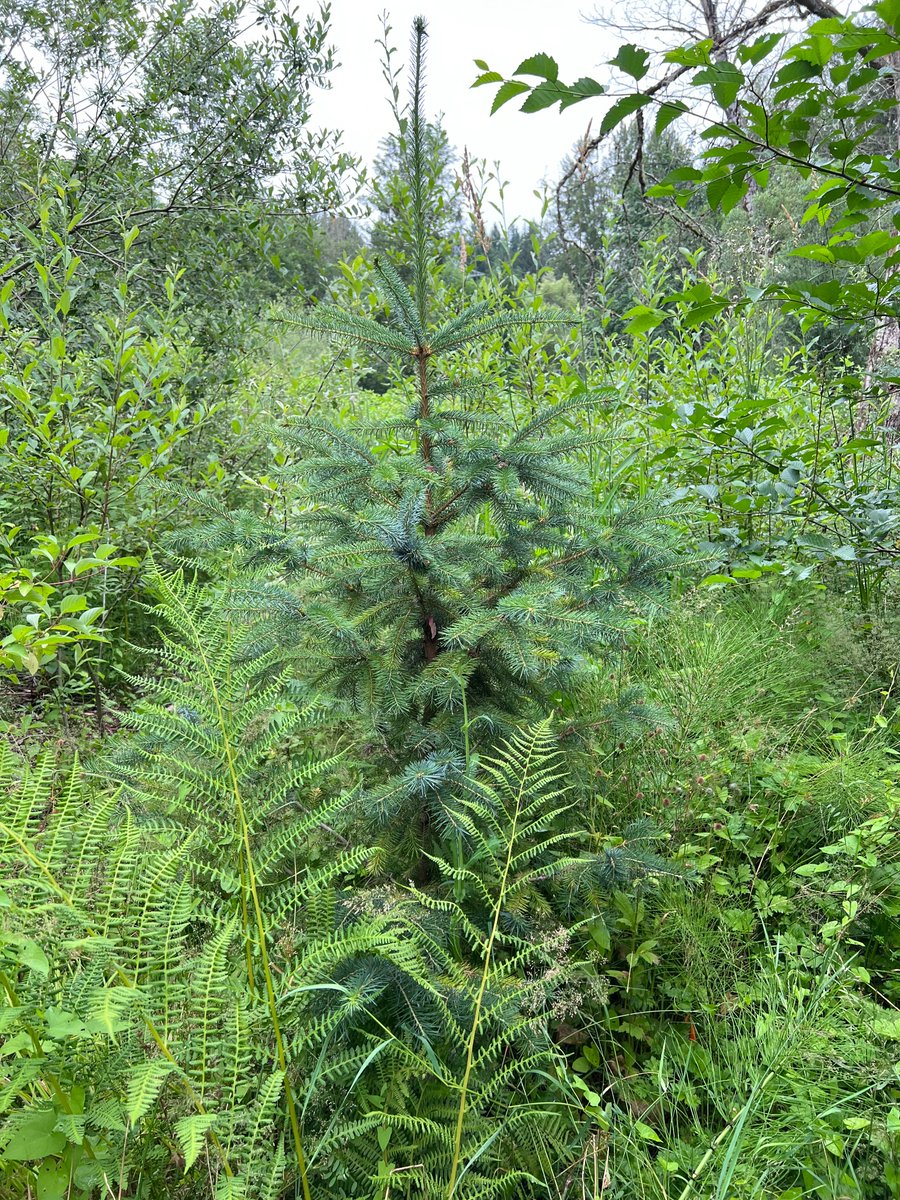
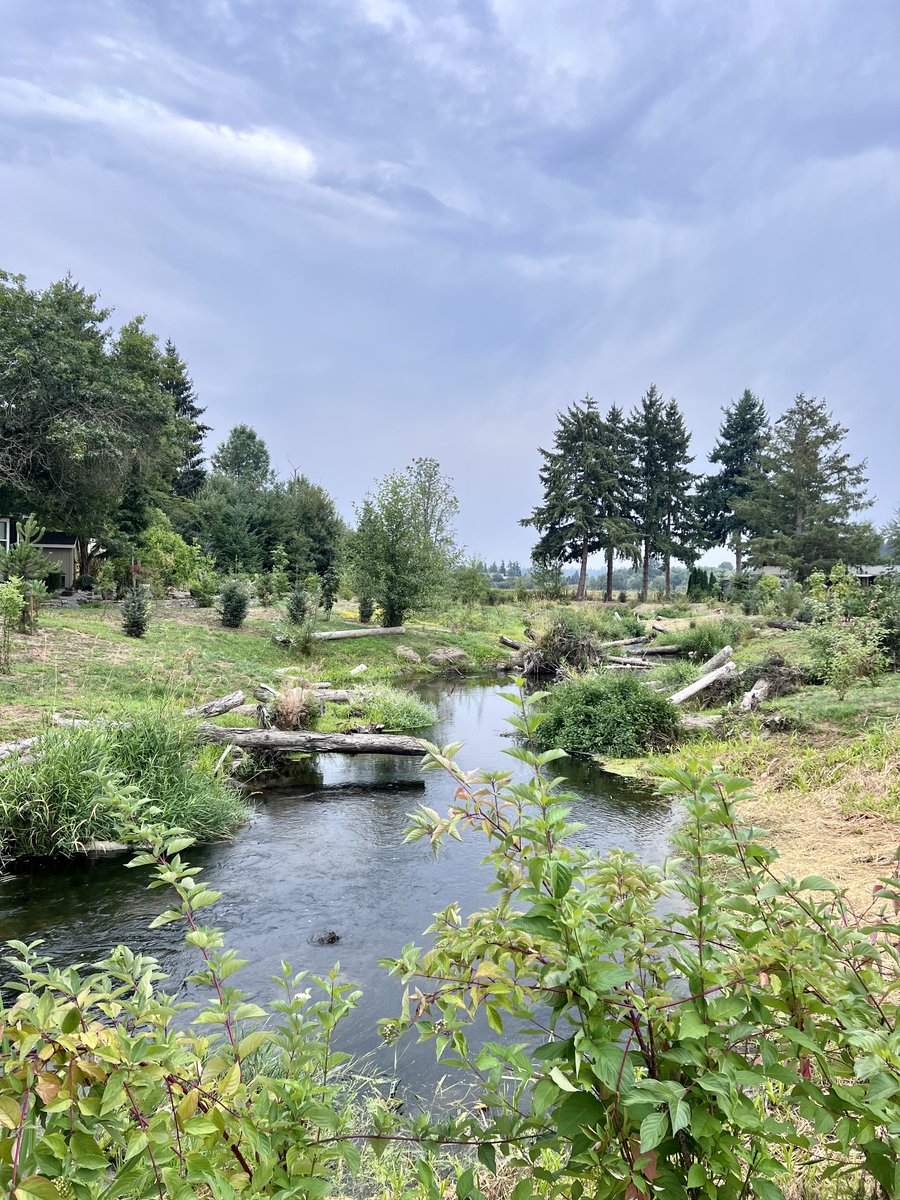
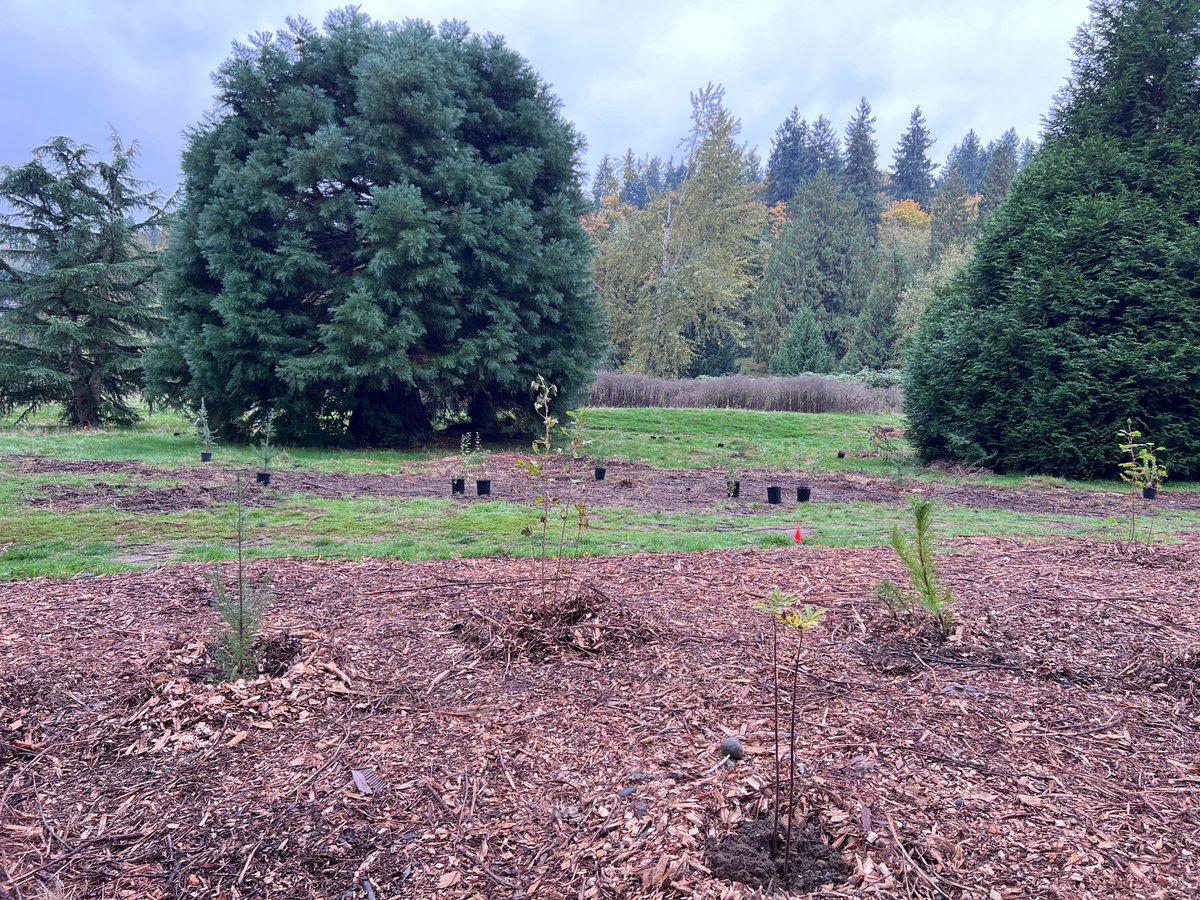
The broader significance is that riparian restoration reintroduces native species (pictured) and improves salmon spawning, rearing and migrating. Finally, riparian vegetation can help in understanding how to use the riparian restoration to strengthen salmon. (6/6) #POEcap
Felicity Strzelec tweet media
English
0
0
1
47
Felicity Strzelec
Felicity Strzelec@fsstrz·
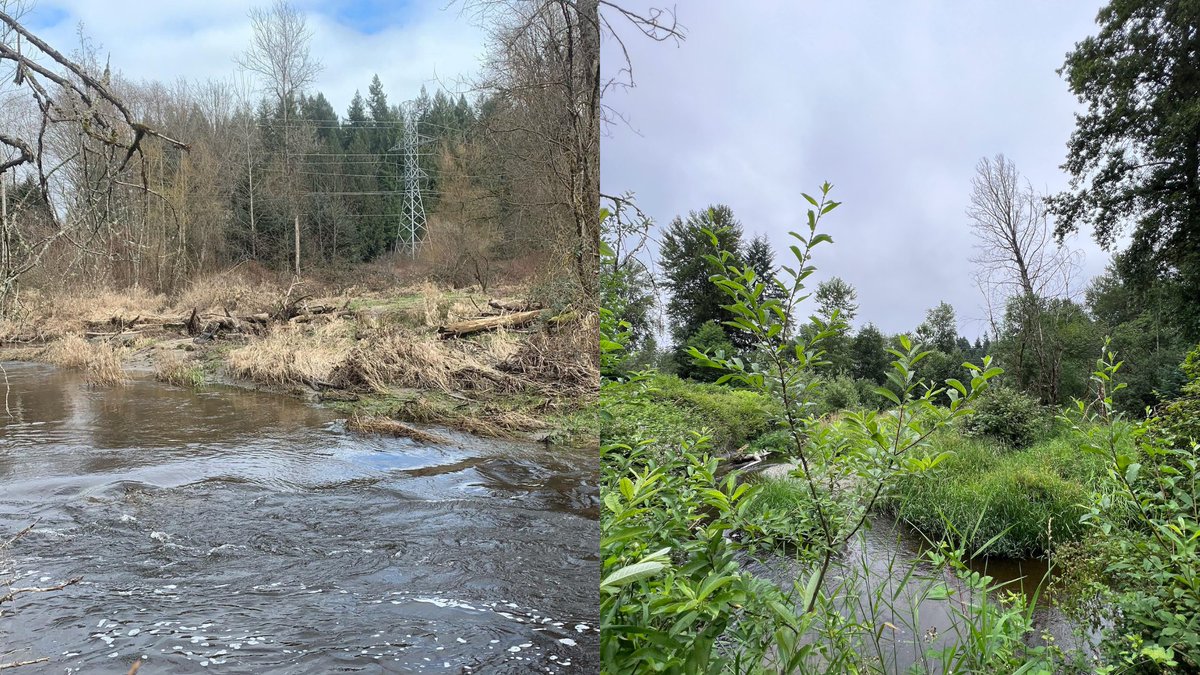
Results indicated that riparian restoration positively affects salmon habitat by increasing canopy cover, woody debris, litter mass and by providing pollutant protection to the river through natural filtering. Pictured is Bear Creek in 2018 (left) and 2023 (right). (5/6) #POEcap
Felicity Strzelec tweet media
English
0
0
1
53
Felicity Strzelec
Felicity Strzelec@fsstrz·
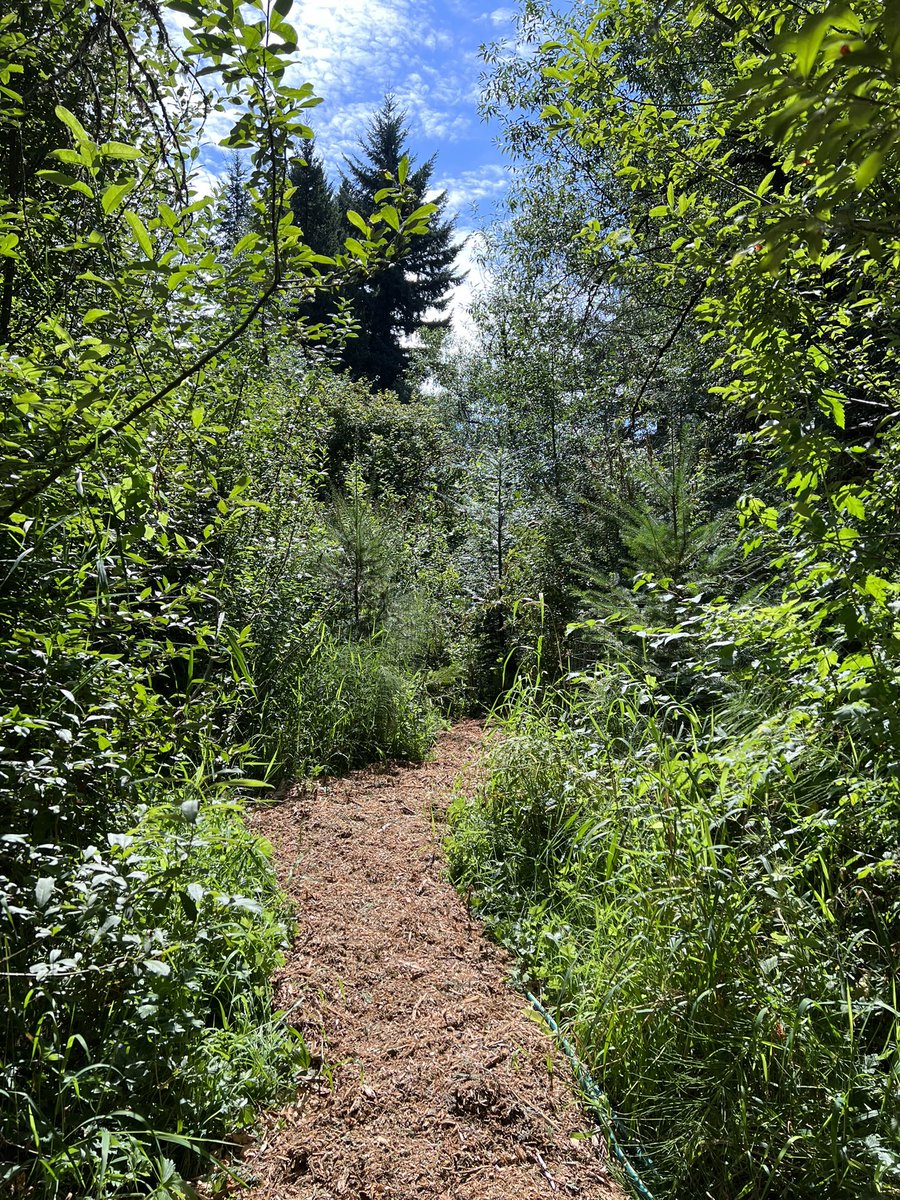
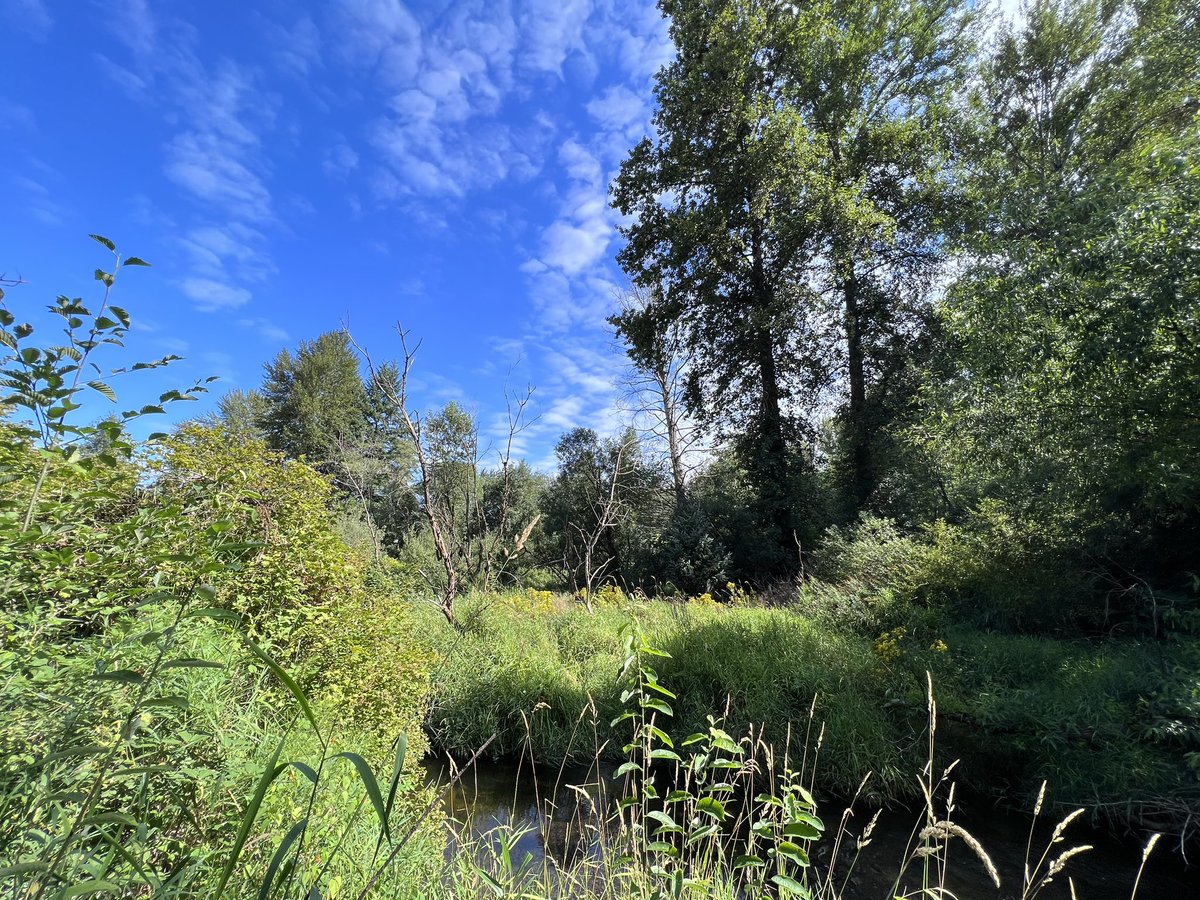
At Whale Scout I used riparian restoration analysis to assist the organization in repairing salmon habitat. This was done by performing vegetation monitoring of plant species along Bear Creek (pictured) to examine the effects of riparian restoration. (4/6) #POEcap
Felicity Strzelec tweet mediaFelicity Strzelec tweet media
English
0
0
1
51
Felicity Strzelec
Felicity Strzelec@fsstrz·
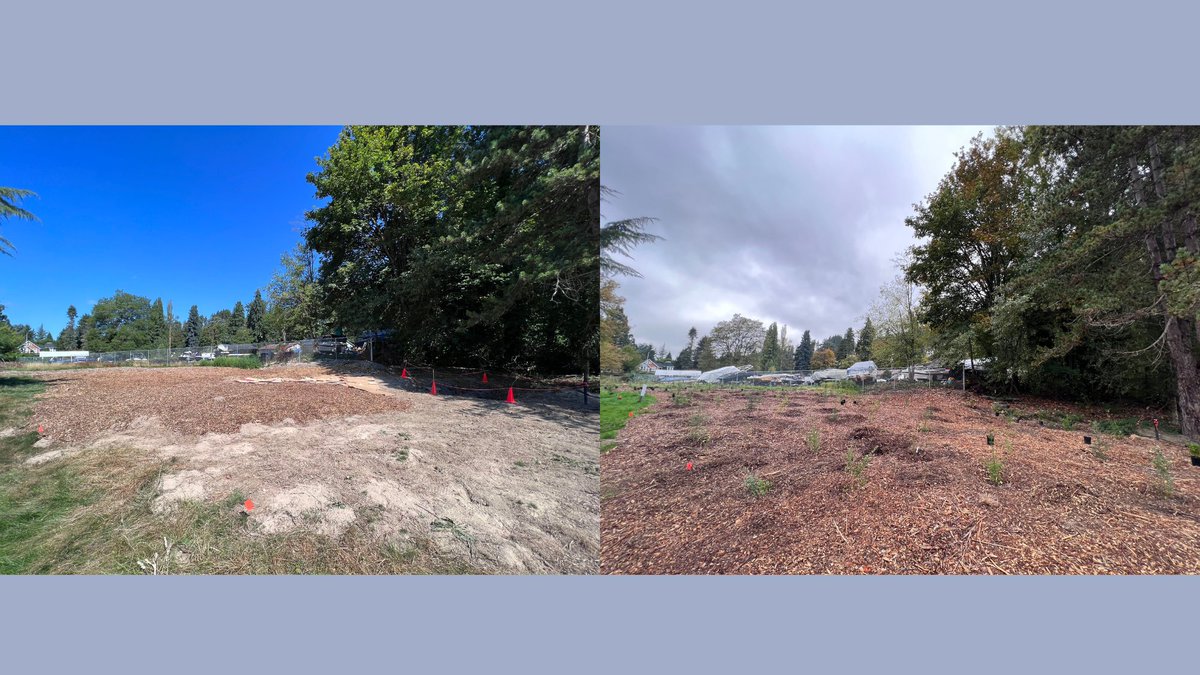
Riparian restoration consists of removing invasive species such as the Himalayan blackberry bush and planting non-invasive, native species like the Douglas Fir. The image below depicts the aftermath of invasive removal on the left and native planting on the right. (3/6) #POEcap
Felicity Strzelec tweet media
English
0
0
1
38
Felicity Strzelec
Felicity Strzelec@fsstrz·
The aim of this capstone project was to use riparian restoration to analyze how it affects salmon habitat on the riparian zone rivers and streams in Washington. As seen in the image below, the riparian zone is the area of land directly adjacent to the river. (2/6) #POEcap
Felicity Strzelec tweet media
English
0
0
1
41
Felicity Strzelec
Felicity Strzelec@fsstrz·
Humans are reducing salmon habitat in rivers, making it easier for invasive species to take over rivers and streams in Washington. For instance, the Sammamish river (pictured) is densely populated with blackberries along the river’s edge. (1/6) #POEcap
Felicity Strzelec tweet media
English
0
0
1
141
Felicity Strzelec
Felicity Strzelec@fsstrz·
@bella_capstone Hi Isabella, great observations! I think it is true that people may feel connected to the issues but are sometimes unsure on how to get involved with the right organizations, seems like your research might give us further insights! #ENVIR491 #POEcap
English
0
0
2
41
Isabella Garrido
Isabella Garrido@bella_capstone·
My key takeaways from my research were: 1. There's great interest in both the theory and practice of climate and environmental justice from students. 2. There's a desire from students and faculty to learn from and partner with CBOs/NGOs within EJ.
English
2
0
4
120
Felicity Strzelec
Felicity Strzelec@fsstrz·
@gthomsenuw37 Hi Gracie, we secure the mulch just by adding multiple layers and clearing away any surrounding weeds in the way!
English
0
0
0
17
Gracie Thomsen
Gracie Thomsen@gthomsenuw37·
@fsstrz Wow Felicity, it looks good. I don’t know much about mulch, does it stay in place pretty good once you put it down?
English
1
0
1
31
Felicity Strzelec
Felicity Strzelec@fsstrz·
@JustinChao1127 Hi Justin, the Western Red Cedar can be beneficial to wetlands by providing additional canopy cover, shade, natural water quality control and enhanced carbon sequestration through photosynthesis. #ENVIR491 #POEcap
English
1
0
1
37
TZUTING CHAO
TZUTING CHAO@JustinChao1127·
@fsstrz That's cool! I am wondering if red cedar can do the same thing as red alder does because I planted plenty of red cedars in the wetland I work in.
English
1
0
1
46
Felicity Strzelec
Felicity Strzelec@fsstrz·
A key takeway from my internship is that there are particular species plants that benefit salmon. For instance, red alders help to increase nutrient levels in soil such as nitrogen and phosphorus in addition to providing woody debris #ENVIR491 #POEcap
English
1
0
4
143
Felicity Strzelec
Felicity Strzelec@fsstrz·
Another key takeaway from my internship is that invasive species such as the Himalayan blackberry have the tendency to overpopulate salmon habitat, limiting the ability of native trees/shrubs to provide shade, litter mass, bank support and good water quality #ENVIR491 #POEcap
English
1
0
2
145
TZUTING CHAO
TZUTING CHAO@JustinChao1127·
Week 8 of the internship. Trying to look for someone interested in volunteering in wetland restoration.#ENVIR491
TZUTING CHAO tweet media
English
2
0
2
103
Amelie Gahagan
Amelie Gahagan@GahaganAmelie·
Are you planning to extend your Capstone internship past August 18th? If so, comment why. If not, tell me what you plan to do with the rest of your summer break!
English
6
0
2
161
Felicity Strzelec
Felicity Strzelec@fsstrz·
I am also extremely grateful for @SnoKingWC who allowed me to borrow their water quality kit and tools that enabled me to monitor local tributaries in King County for my capstone project. 🙏 #ENVIR491 #POEcap
English
0
0
2
57
Felicity Strzelec
Felicity Strzelec@fsstrz·
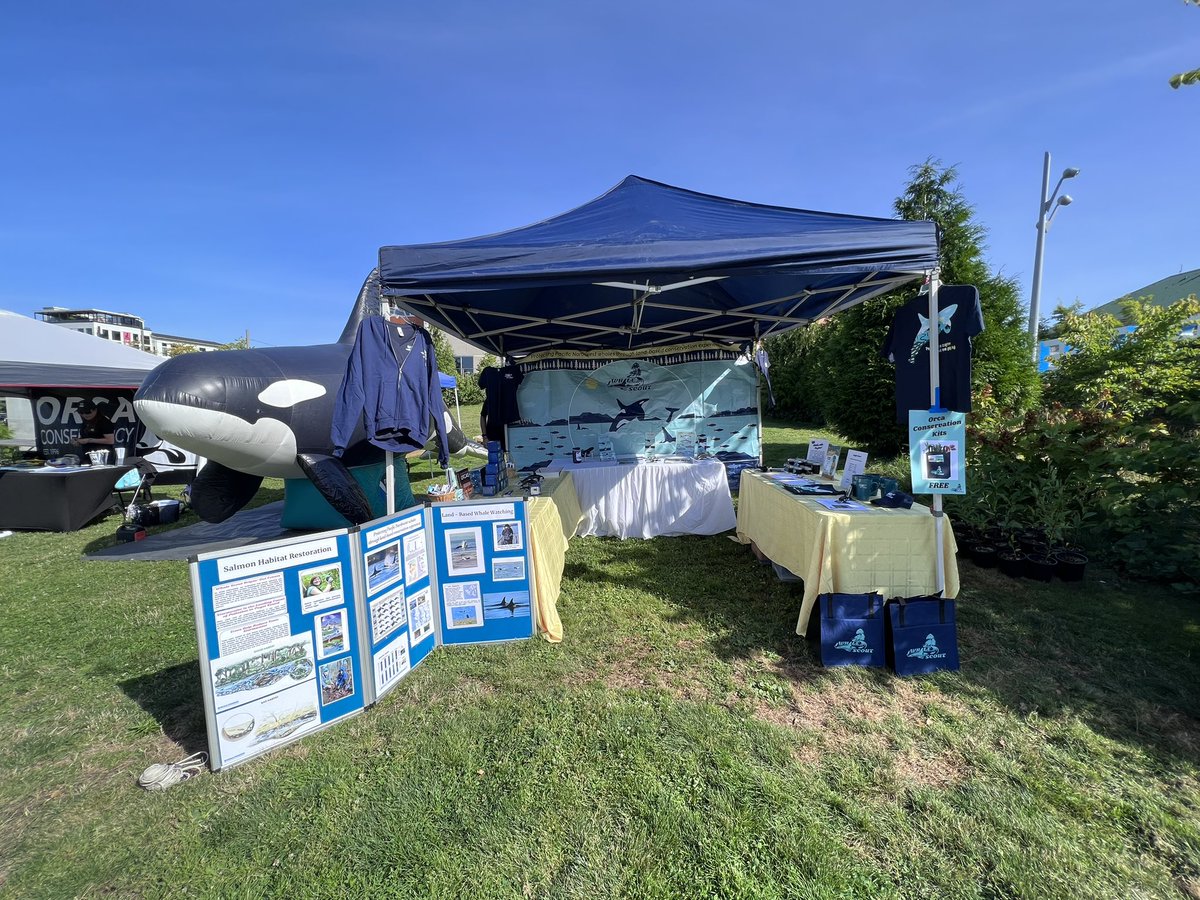
Thank you @whalescout for allowing me the opportunity to contribute to their land conservation, education, outreach and research efforts that all seek to revitalize salmon and orcas in the PNW. 🙏 #ENVIR491 #POEcap
English
0
0
4
62
Niki Kirihara ✿
Niki Kirihara ✿@nikiKirihara·
Look at this bug that made me scream alone at the Taylor Mountain site this past Monday 🥰 I’ve never seen one before! #ENVIR491
Niki Kirihara ✿ tweet media
English
8
0
6
210