
Aleš

1.2K posts

Aleš banner
Aleš

Aleš

@fxckdev_

CEO / Co-founder @zeropsio - a developer-first PaaS. 15+ years of experience with development, UX and stuff. Angular enjoyer.

Prague Katılım Nisan 2009
2.9K Takip Edilen507 Takipçiler
Sabitlenmiş Tweet
Aleš
Aleš@fxckdev_·
So out of curiosity, I put the same prompt into the AI integration we're working on at @zeropsio (called ZCP). Results are different, but also interesting - a fully working watch SVG, animation of watch layers, 3D animations. Still pretty good for a one-shot with no additional Lovable system prompt on top. Now the biggest difference is that I'm left with the source and a fully working CDE environment with dev and stage. I can set up CI/CD to GitHub, I get to use either browser-based VSCode or Zerops CLI's VPN + SSH to continue from my own terminal or my IDE, and the handoff between human developer and agent developer is absolutely seamless. On top of that, I'm logged into Claude Code running inside the ZCP Linux container with my subscription. Oh yeah, and I could've based it on any framework and it would do the same job. And I can easily add databases, search, storage. I could go on. But that's fine. Lovable is building for the 99% that can't code; we're building for the 1% who can, and waiting for the 99% to graduate to us. :)
Lukáš Eršil@lukasersil

Is the era of ugly AI sites over? @Lovable Aesthetics says YES. ‼️ I built this whole site with one prompt ‼️ Check the comments for the exact wording). This is the missing link vibecoding needed. Proud to be an ambassador. ❤️

English
1
2
9
275
Aleš
Aleš@fxckdev_·
@tannerlinsley @Base44 Adding a tan* baseline/starter is just a matter of preparing a recipe app.zerops.io/recipes?lf=rea… and you can get a fully working complex or simple environment where a human remotely and agent running inside the project can work on anything.
English
0
0
1
32
Aleš
Aleš@fxckdev_·
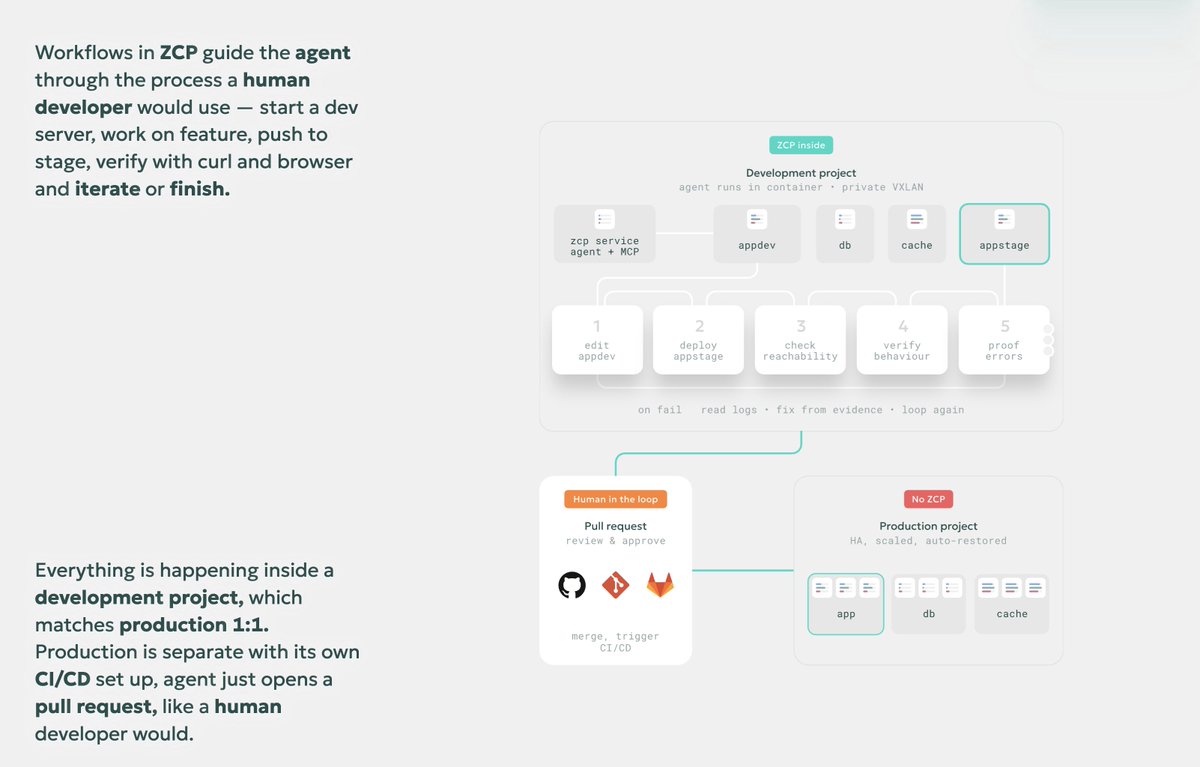
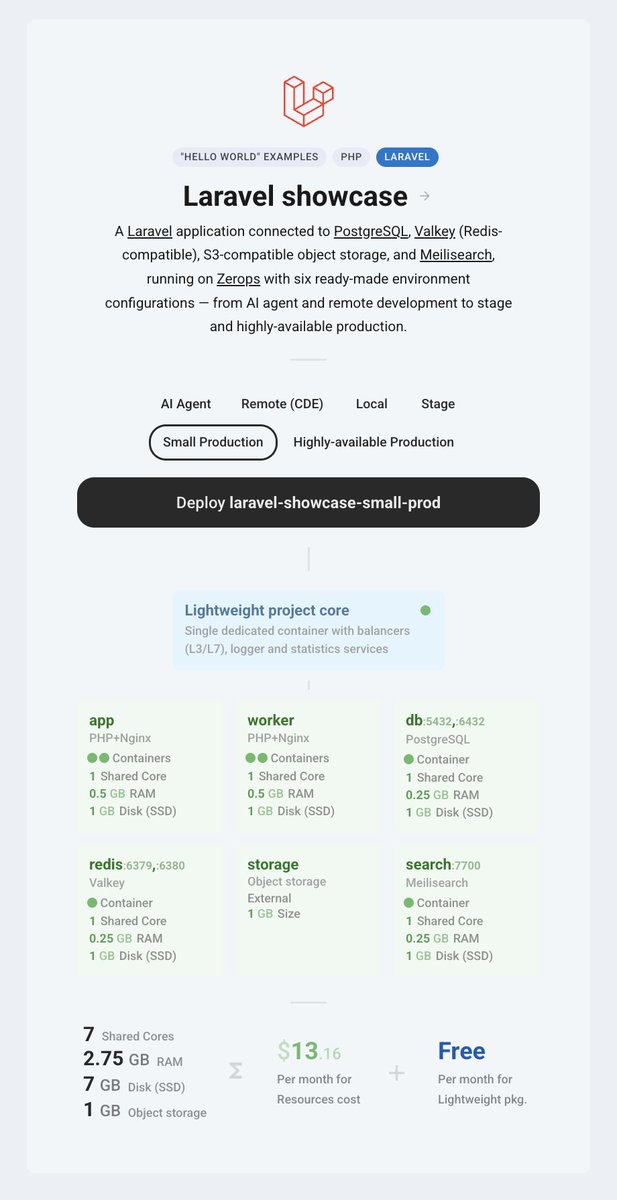
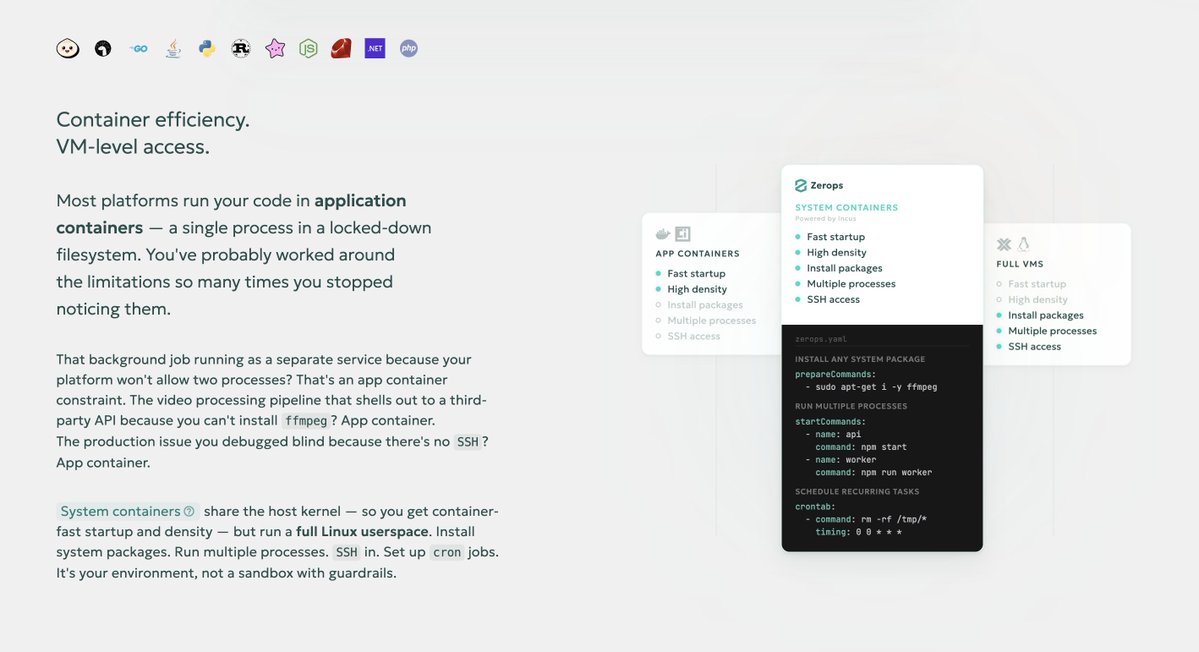
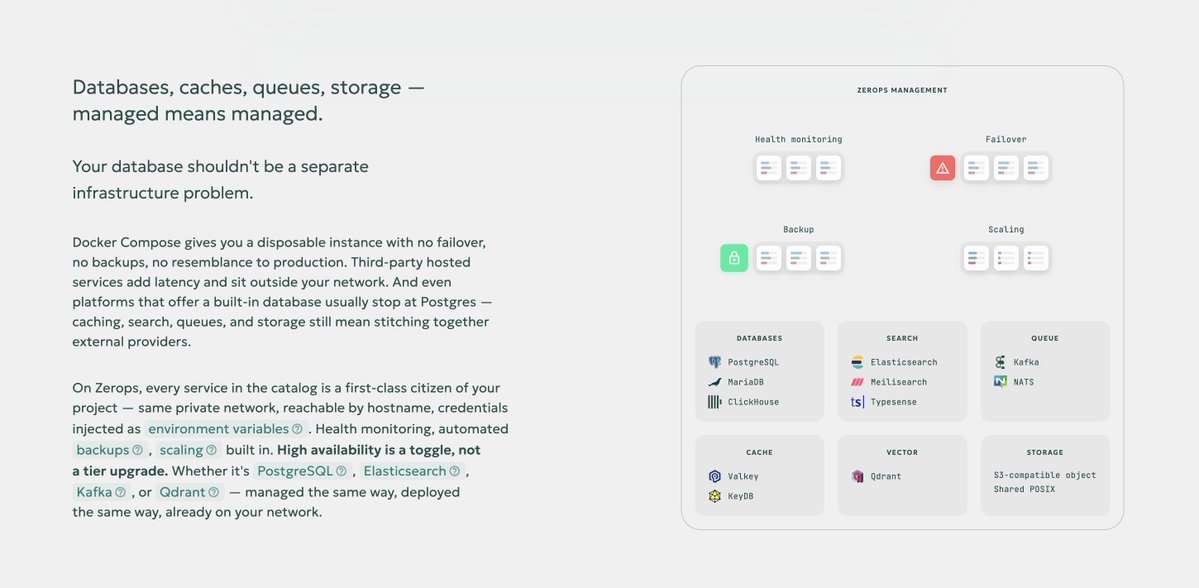
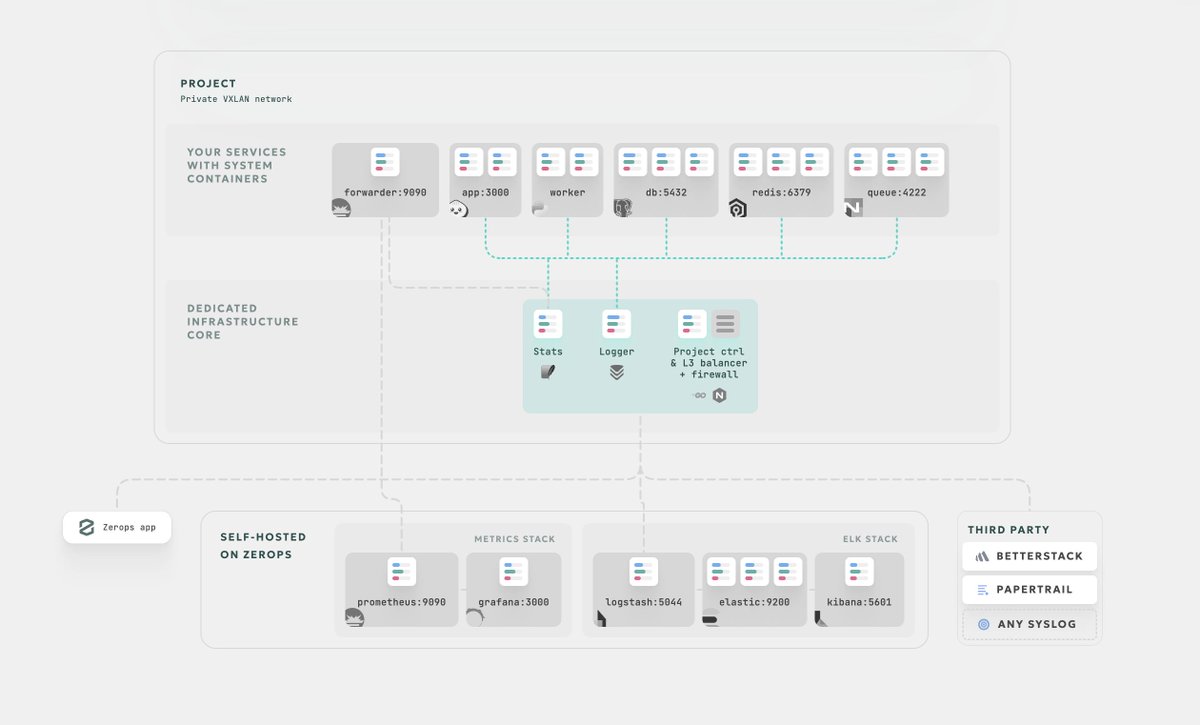
We are working on this one thing, it very much works like "Create fully functional apps, if you can describe it, you can build it", except that it transparently works as a real human developer would. Through a real PaaS that was from the very beginning built with developer-first philosophy with the goal of covering infra for the whole process from remote development to production. It turns out that when you let coding agents play with something like that, it allows them to create actually working software. And whatever the agents generates, you end up with your code on GitHub, fully functional development lifecycle (remote, stage, highly available production environments) where you can do a seamless back and forth with the agent. Currently having it create a Discord clone on pg + meilisearch + nats + object storage + react (app) + bun (worker) + nodejs (api) 🫣. Would that work for whatever you have in mind? 🙂
Aleš tweet mediaAleš tweet mediaAleš tweet mediaAleš tweet media
English
1
1
11
1.1K
adam
adam@theCTO·
serverless is amazing. you get: - cold starts - 14 dashboards - functions timing out because JSON was 3kb too large - logs delivered sometime between now and your retirement - a billing model based on quantum mechanics all to avoid managing a VPS that has had a working tutorial since 2009
English
61
78
2.1K
97.6K
Eric Jiang
Eric Jiang@veggie_eric·
genuinely hate that I can no longer use "—" in anything I write anymore
English
665
1K
10.5K
629.6K
kapilansh
kapilansh@kapilansh_twt·
how do teams actually share .env variables securely because the options I see are - Slack DM (terrible) - email (worse) - shared Notion doc (somehow even worse) - 1Password or similar - something I'm missing
English
1.1K
20
1.6K
444.6K
Jackson
Jackson@zeroxjackson·
@kawaiiSane Why can’t we slap a simple UI on this complicated secure infrastructure so it’s stupid simple to configure?
English
2
0
1
351
Jackson
Jackson@zeroxjackson·
There is no technical reason for infrastructure to be more complicated than the Supabase dashboard.
English
24
0
105
11.3K
Aleš
Aleš@fxckdev_·
@AishwaryaDevv crazy how you can setup effectively the same thing on zerops.io in five minutes and it's gonna cost you like $10/m 🧐
English
1
0
7
735
Aish
Aish@AishwaryaDevv·
For people who keep asking how to deploy a simple static HTML personal blog: 1. Buy a .io domain for $70/year 2. Provision 3 AWS EC2 instances 3. Setup a multi-region Kubernetes cluster 4. Write 4,000 lines of Terraform config 5. Deploy a high-availability Kafka event stream 6. Rewrite the backend API in Rust 7. Containerize everything with Docker 8. Set up Grafana and Prometheus for observability 9. Implement an enterprise-grade CI/CD pipeline 10. Configure a distributed Redis caching layer 11. Setup PagerDuty alerts for 99.999% uptime 12. Realize the site only gets 1 visitor a month 13. Forget how to center a div in CSS 14. Abandon the project completely
English
127
258
4.1K
167.1K
Aleš
Aleš@fxckdev_·
@Gorille_fr @DavidOndrej1 It's not as cheap as renting the cheapest Hetzner VPS, but generally, per resource, the most afforable PaaS.
English
0
0
0
25
David Ondrej
David Ondrej@DavidOndrej1·
stop developing locally start developing on a VPS trust me
English
348
114
3.4K
799.2K
Aleš
Aleš@fxckdev_·
@DavidOndrej1 Use platform that can take you from remote env to production env on the exact same infrastructure.
Aleš tweet media
English
2
0
17
4.7K
Aleš
Aleš@fxckdev_·
@zeropsio If you wonder how the embargoes work - x.com/i/status/20526…
The Lunduke Journal@LundukeJournal

With news that the “Dirty Frag” Linux exploit embargo had been broken early — leading to all major Linux distros being unprotected from the exploit when it became public — many people are asking: “What is an embargo?” Along with, “How is it possible to have an embargo on an Open Source vulnerability?” Here’s the short-short version: An embargo is, in essence, an agreement to not disclose something publicly until a set time (or until conditions are met). Embargos are incredibly common among news outlets, and press relations teams. “Don’t publish the story until next Monday, after an announcement,” etc.. And they are a key part of how Open Source development handles exploit mitigation (for better or worse). The process is roughly like this: 1) Someone discovers an exploit. 2) Once sufficient information about the exploit is gathered, a core group of developers (working at a range of companies, including Red Hat, SUSE, and others) are then notified. 3) An agreement on an embargo timeline is reached. This is usually simple: X days (or X weeks) until the details of the exploit are published for the public to see. How long the embargo lasts is typically decided by how long it will take the relevant teams to fix the issue, test the fix, and publish the fix… while taking the seriousness of the exploit into consideration. The idea here is to keep details, on how to take advantage of the vulnerability, under wraps… until a fix is available. In other words: minimize the damage an exploit might cause. In the case of “Dirty Frag”, an embargo was decided upon… and that embargo was “broken” (meaning someone published the details) almost immediately.

English
0
0
3
54
Richie - oss/acc
Richie - oss/acc@richiemcilroy·
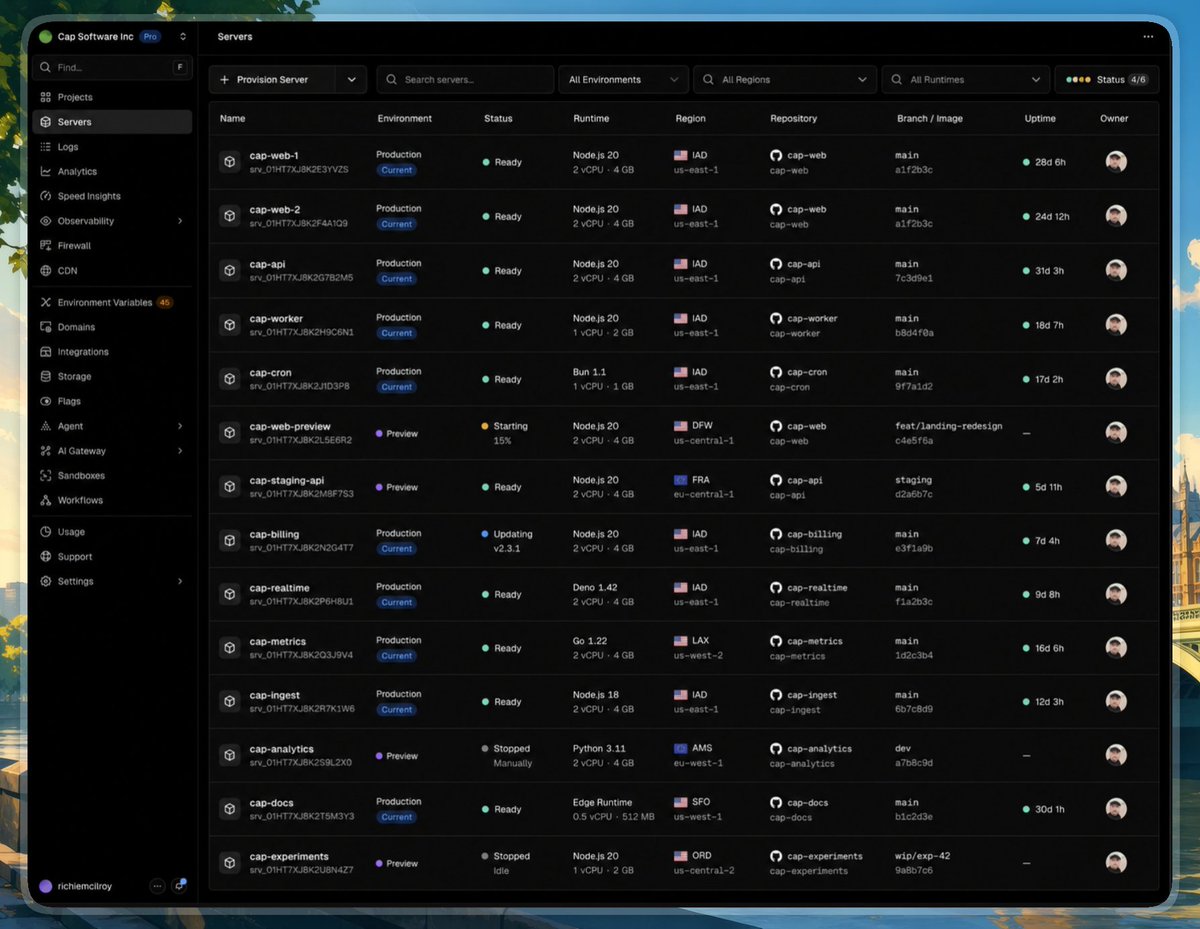
I love Vercel. I love the product, the team, and how easy it makes shipping to hundreds of thousands of users. but I really wish I could just provision a server directly from the dashboard.
Richie - oss/acc tweet media
English
16
1
139
16K
OrcDev
OrcDev@orcdev·
Shipper Club just unlocked its first Diamond Sponsor 💎 @zeropsio 🔥 one of the cleanest platforms for deploying and running apps is now backing the builders inside the club huge thanks to the Zerops team for believing in this 💚 this is exactly what Shipper Club is about real builders. real tools. real taste. If you've been thinking about joining… it is time 🚢
OrcDev tweet media
English
4
1
25
2.1K
Aleš
Aleš@fxckdev_·
We have REST API, CLI, Go SDK and MCP server and granular role / token system that you can use to spin up containers, databases, storages, either shared on blackboxed in private networks. Great for usecases where you want to build and host real apps (@BleedingDev is building something like this), not the best if you want isolated sandboxes that you tear down after executing some job.
English
1
0
3
49
Julian M. Kleber
Julian M. Kleber@capjmk·
@fxckdev_ @orcdev @zeropsio I have Majico and just built a Canvas engine there. I imagine users can start building products (not just designs or landing pages) on demand host them etc.
English
1
0
2
50
Aleš
Aleš@fxckdev_·
I distinctly remember how 8 years ago, when laying down the concepts of @zeropsio, we talked about how to approach logs and statistics. As a developer and UX designer, my first thought was "yay, graphs and filters, I like doing those, a lot to tinker with" — but soon after, I realized we'd never have the capacity to build full-on observability directly into Zerops, nor should we. These are products in themselves. So our approach has been: show basic logs and statistics in the app, and let users easily forward everything to proper observability tools. But at last, we've found a technology to build a dedicated logger service on top of (and soon a statistics service too), giving us the best of both worlds: @VictoriaMetrics. Now Zerops has multiple layers of the onion — logs in the UI ➡️ embedded VictoriaLogs UI ➡️ forwarding to third-party dedicated software.
Zerops@zeropsio

The dedicated logger service inside every Zerops project is now using VictoriaLogs. - 100x more log retention - 3x faster queries - VictoriaLogs UI embedded into Zerops - Already rolled out to every existing project Full story below.

English
1
0
12
317