Gary Kealy retweetledi

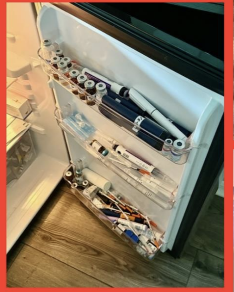
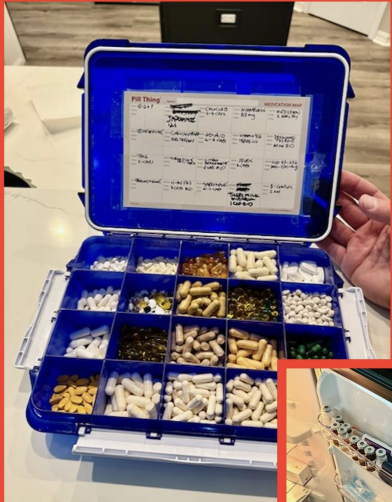
🩻☢️🚫 REMOVE RADIATION FROM THE BODY NATURALLY:
English
Gary Kealy
14.4K posts



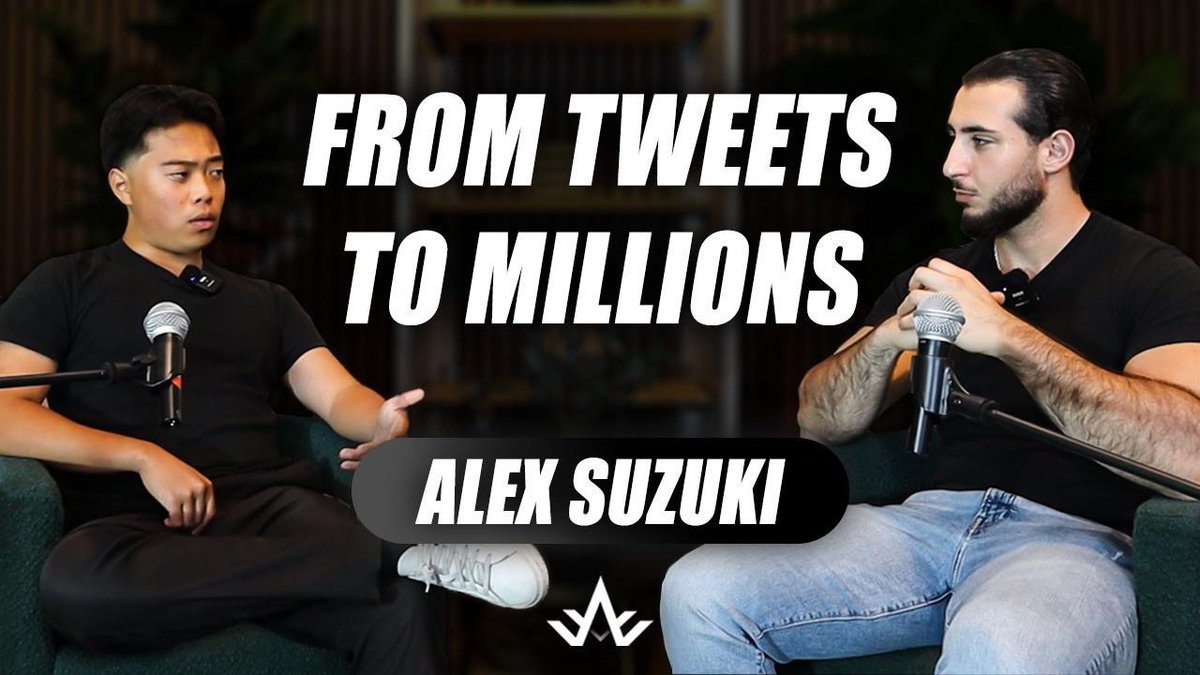
"Crypto is the dumbest market in the world" Scott Phillips (@ScottPh77711570) runs HyperTrend — $20M of his own capital, one losing year in six. His edge? Picking the table big firms can't sit at. "There's no second-best counterparty in crypto. You see crime, you run towards it — crime is the foundation of edge." We cover: - Why crypto still has edge in 2026 — even when your uncle is talking about Bitcoin at Thanksgiving - The simple rules (buy 20-day highs, top-20 coins) that print through any market - Why stacking trend + momentum + carry gets you there from a spreadsheet — no automation required - Price-insensitive buyers (Saylor), price-insensitive sellers (North Korea) & why both are permanent alpha - The 90-day Binance listing short — an edge hiding in plain sight in market maker contracts - Why most shit coins trend to zero — and how to trade the ones that don't - Building a tokenized, permissionless DeFi hedge fund on hyperliquid — 2 & 20, fully on-chain - Why the best quant firms are run by near-non-verbal autists with one translator Thank you so much @ScottPh77711570 for coming on the pod! Highlights: 01:04 Table selection and the math of competitive alpha 06:21 Why basic trend following yields outsized Sharpe in crypto 08:49 Why market inefficiency persists despite institutional inflows 14:58 Price insensitive buyers: Cults, VCs, and North Korean hackers 17:17 Factor analysis and the size-decay effect in shitcoins 25:40 The structural edge in mid-frequency crypto strategies 32:43 Tokenized DeFi vaults and on-chain hedge fund governance 40:43 Designing a robust portfolio: Equal weighting vs. MVO 44:21 Sourcing alpha from ghost chains and VC exit liquidity 49:58 Exploiting market maker contracts and post-listing drift 53:55 Operational alpha: Managing margin and manipulated funding rates 01:01:13 Shifting from quant to CEO 01:11:28 How to bridge the mentorship gap with elite traders 01:22:38 Building network triads: The secret to compounding social capital 01:29:23 Why 10x goals require total identity transformation