
Hereturbie
5.8K posts

Hereturbie
@gd1west
The truth is the truth from every angle. Lies have to be propped up.
Katılım Ekim 2021
1 Takip Edilen16 Takipçiler


@Politics__view @LionOf_Christ When the Quran is filled with examples of mercy and good conduct, I doubt that applies here. What instead applies is (Quran 2:79, Jeremiah 8:8) that your message was delivered, but the books recording it have been tampered with.
English
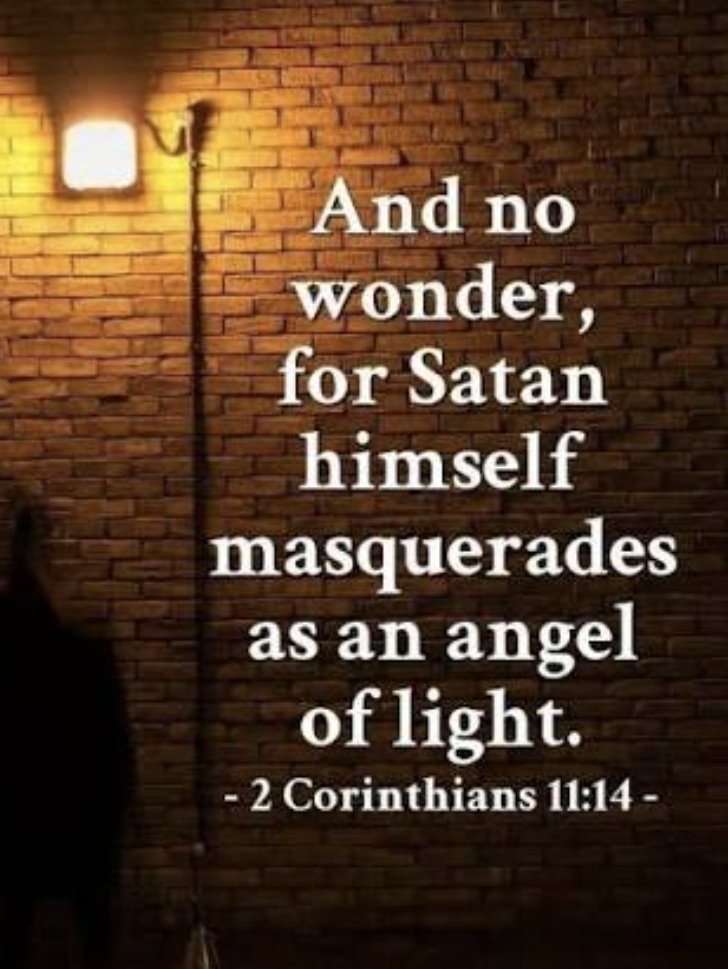
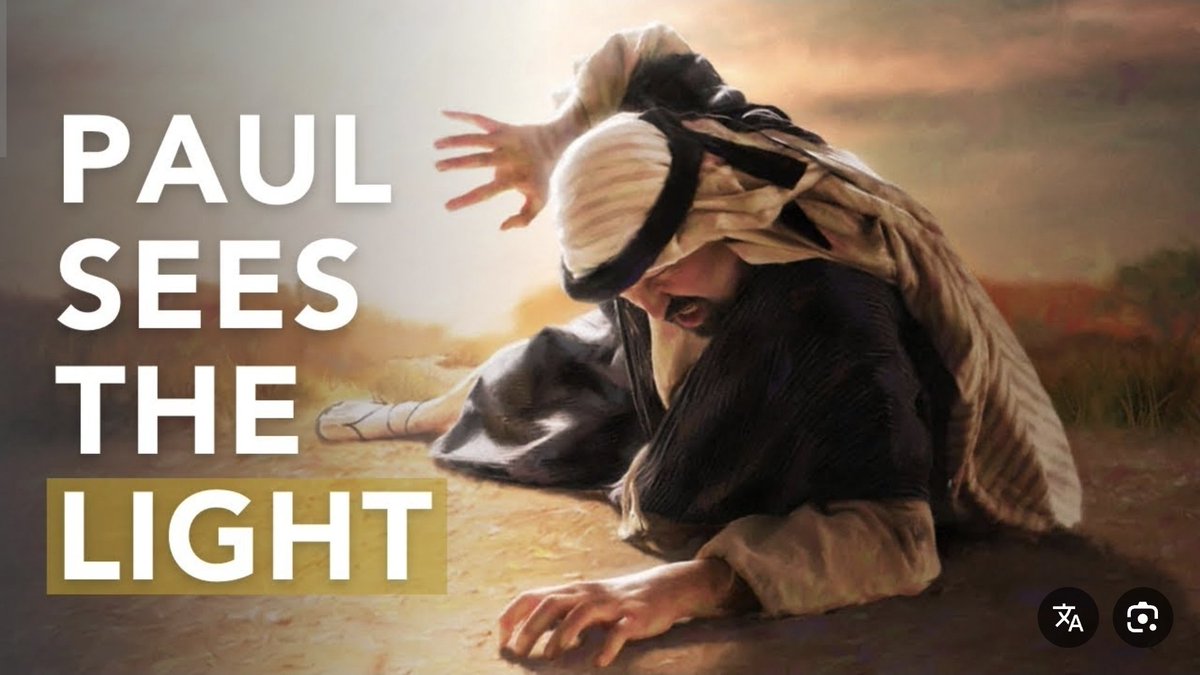

Jesus Christ warned us about false prophets, saying: “Beware of false prophets, who come to you in sheep’s clothing but inwardly are ravenous wolves!” (Matthew 7:15).
𝐔𝐦𝐚𝐭𝐢 🤍🕊️@umati21
I Love Muhammad (S.A.W).♥️
English

@LionOf_Christ The Prophet Muhammad (SAW) lived in mud brick housing, did not have royal jewelry, and gave the spoils of war in charity. He encouraged charity, respect for parents, and good conduct. Our greeting means "peace be upon you".
English


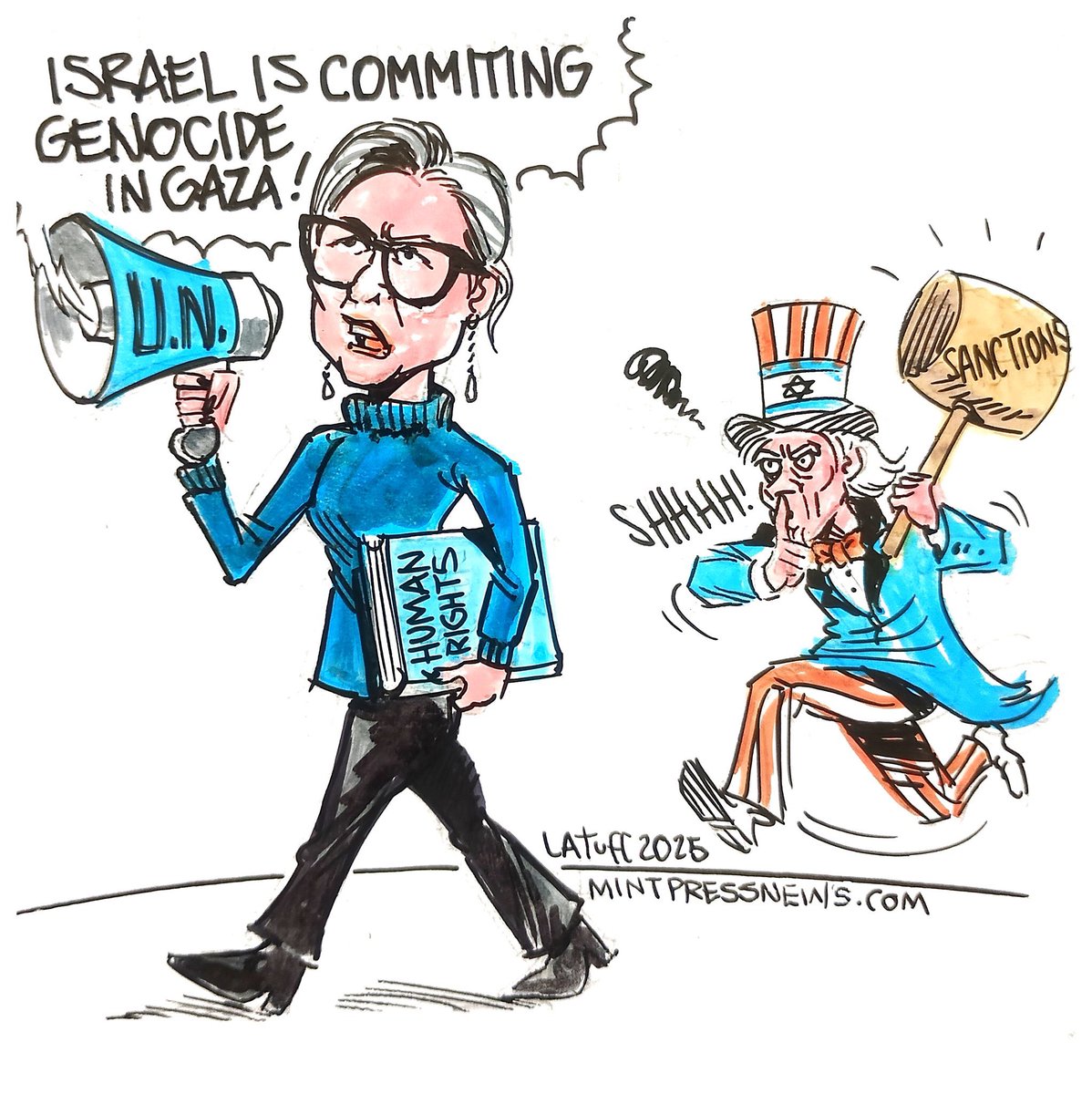
“I am the first UN official to be sanctioned. For what? For exposing a genocide?”
—Francesca Albanese
English
@Ifeboy6 @salahudeen33 That's a problem. Our greeting means "peace be upon you" and the reply means "and upon you be peace as well". People don't seem to understand that this life is temporary and this world ends.
English


@__FToni @salahudeen33 "And do not walk on the earth arrogantly. Surely you can neither crack the earth nor stretch to the height of the mountains." - Quran 17:37
English
@salahudeen33 Muslims completely ignored those words yet they think they are superior to everyone.
English
@Pentecost_Today @A_Y_Rafindadi You are associating partners with Allah (SWT) in worship. Allah (SWT) is all powerful (Al-Aziz), He does not need partners.
English

@A_Y_Rafindadi Salvation is only through the New Covenant, Acts 2: 38
English
@Awakenjp I don't think you should. If it causes harm, it seems a bad idea.
English


@sourpatchlyds @LifeNewsHQ Thank you . What if I harbor homophobic ,racist, views Iam I still welcome ? Also I believe women should only serve men , and have many babies.
English



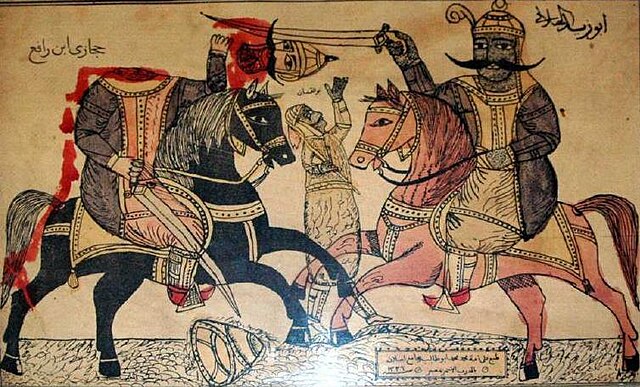
"If not for the power of the sword, Islam would have vanished after the death of Muhammad."
This quote is often attributed to Allamah al-Majlisi, a prominent 17th-century Shiite scholar (author of Bihar al-Anwar), and to other historical figures in the context of the debate over the "Wars of Hirida" (Wars of the Rebellion).
According to this view, were it not for the power of the sword used by the first caliph Abu Bakr against the tribes that sought to secede from Islam immediately after Muhammad's death (in 632), the religion would have disappeared in its infancy.
The statement is often used by critics of Islam to argue that Islam was spread by force.
Within Islamic tradition it also emphasizes the importance of the sword (especially Ali's sword, "Daw al-Faqar") in preserving and defending the religion in its infancy.
Islam in its core is violent.
It needs violence to maintain its power and grow.
Islam can never be peaceful.
English

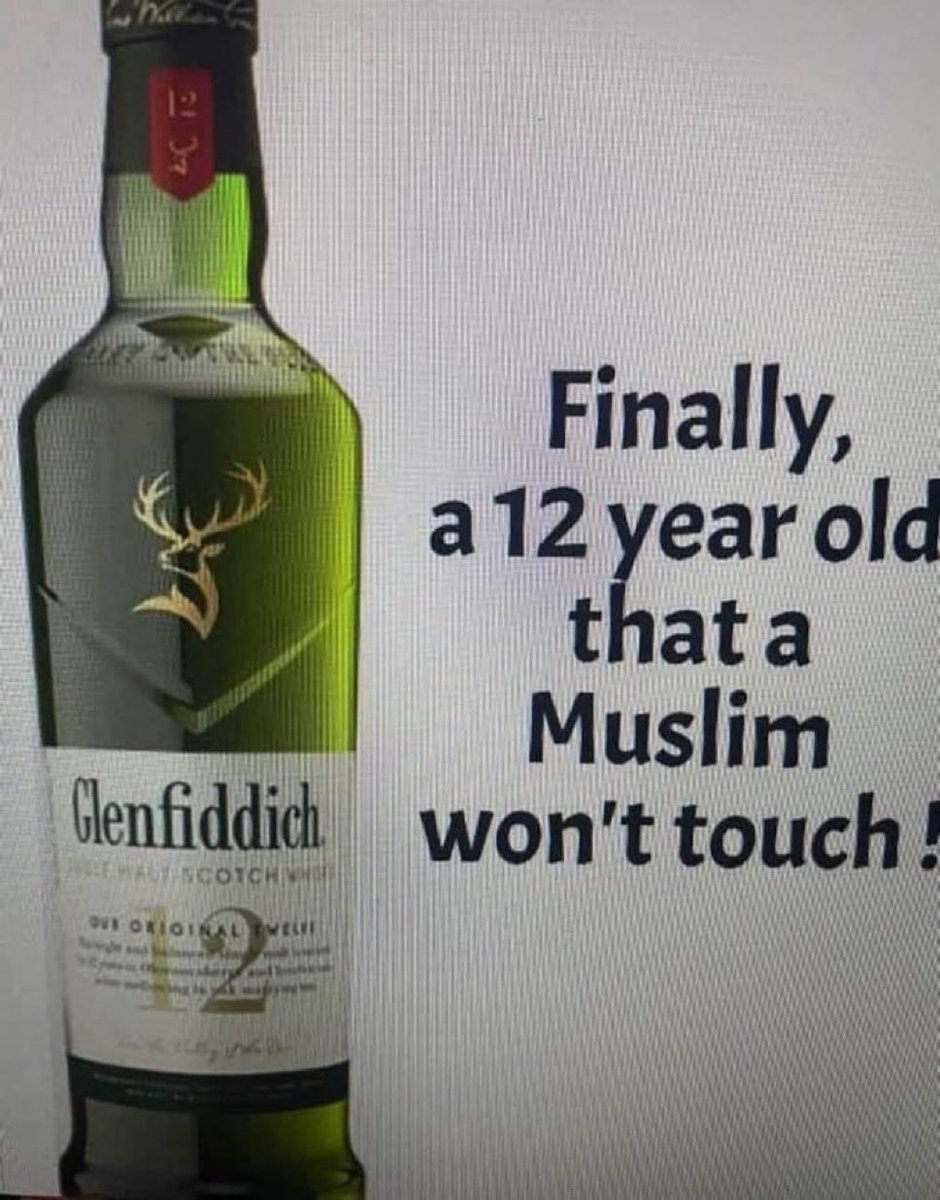
@KR3Wmatic "They ask you about wine and gambling. Say, "In them is great sin and [yet, some] benefit for people. But their sin is greater than their benefit."" - Quran 2:219
English
@Khulaimath "Fight in the cause of Allah ˹only˺ against those who wage war against you, but do not exceed the limits. Allah does not like transgressors." - Quran 2:190
English


Let me show you how Islam is a political system that has a religion department.
The split between Eastern Orthodoxy and Roman Catholicism was the product of centuries of theological and ecclesiological debate.
Questions about the nature of the Trinity (the Filioque clause), the authority of the Pope, and the relationship between church and empire were argued through councils, correspondence, and formal theological disagreement.
The Great Schism of 1054 emerged from incompatible theological and institutional claims.
The Protestant Reformation followed the same pattern. Luther, Calvin, and others challenged doctrines like indulgences, justification, the authority of tradition versus Scripture, the nature of salvation.
In both cases theology came first; institutional separation followed.
Violence followed these divisions, but it did not create them. Christianity fractured because people disagreed about what was true.
Islamic sects came into existence in an entirely different way.
Islam did not fracture through theological debate. It fractured through power struggles, wars of succession, and political violence, after which theology was constructed to justify the outcome.
The first and most consequential split in Islam, Sunni versus Shia, had nothing to do with doctrine at the outset. It revolved around a single question: who gets to rule after Muhammad?
Muhammad left no succession mechanism. No council. No institutional separation between religious authority and political power.
When he died, leadership meant control of the state, the army, the law, and divine legitimacy, all at once. The result was immediate conflict.
What followed was a chain of civil wars: the Ridda Wars, the assassination of Uthman, the battles of al-Jamal and Siffin, the rise of the Kharijites, the murder of Ali, and the massacre at Karbala. Hundreds of thousands died, not over doctrine, but over who had the right to rule in God’s name.
Only after this bloodshed did theology harden.
Sunni doctrine evolved to legitimize whoever held power and to preserve order at almost any cost.
Shia theology evolved to sacralize dispossession, martyrdom, and stolen authority.
Theology followed blood. It did not precede it.
This pattern repeats throughout Islamic history. Umayyads, Abbasids, Fatimids, Ottomans, Safavids, each civil war produced a theological justification after victory or defeat. Belief adjusted to power, not the other way around.
Christianity fractured because people argued about God. Islam fractured because people fought over who gets to rule for God.
In Christianity, theology is primary, in Islam, politics is primary and theology is retrospective.
This is why Islamic sects, despite centuries of violence against one another, remain largely monolithic on the core elements: the Qur’an, Muhammad, and submission to divine law. The differences between them are marginal when compared to the scale of bloodshed that produced them.
This is why Islam behaves less like a religion in the and more like a political system that sanctifies power. Its internal divisions do not reflect competing visions of truth, but competing claims to authority.
English
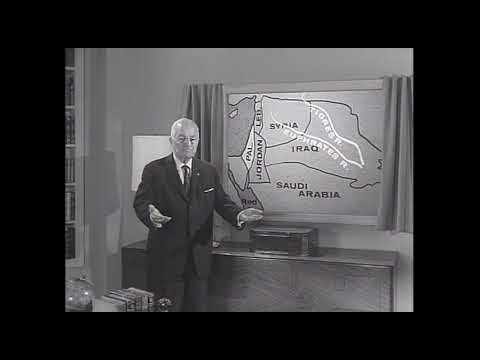

By what criteria Israel isn't a real country but Turkey is?
English

@Ro14210527 @EniorJimenez El Islam es un dictado sectario bien inoculado por un comerciante muy hábil, pedofilo y atracador de caravanas. La ignorancia y la necesidad material combinadas con el miedo resultaron en la expansión. El resto es historia... y una advertencia para el presente y el futuro.
Español

– Mataron a los Profetas.
– Mataron al Hijo de Dios.
– Mataron a los Apóstoles.
– Y cada vez que llegan al poder, persiguen a los Cristianos.
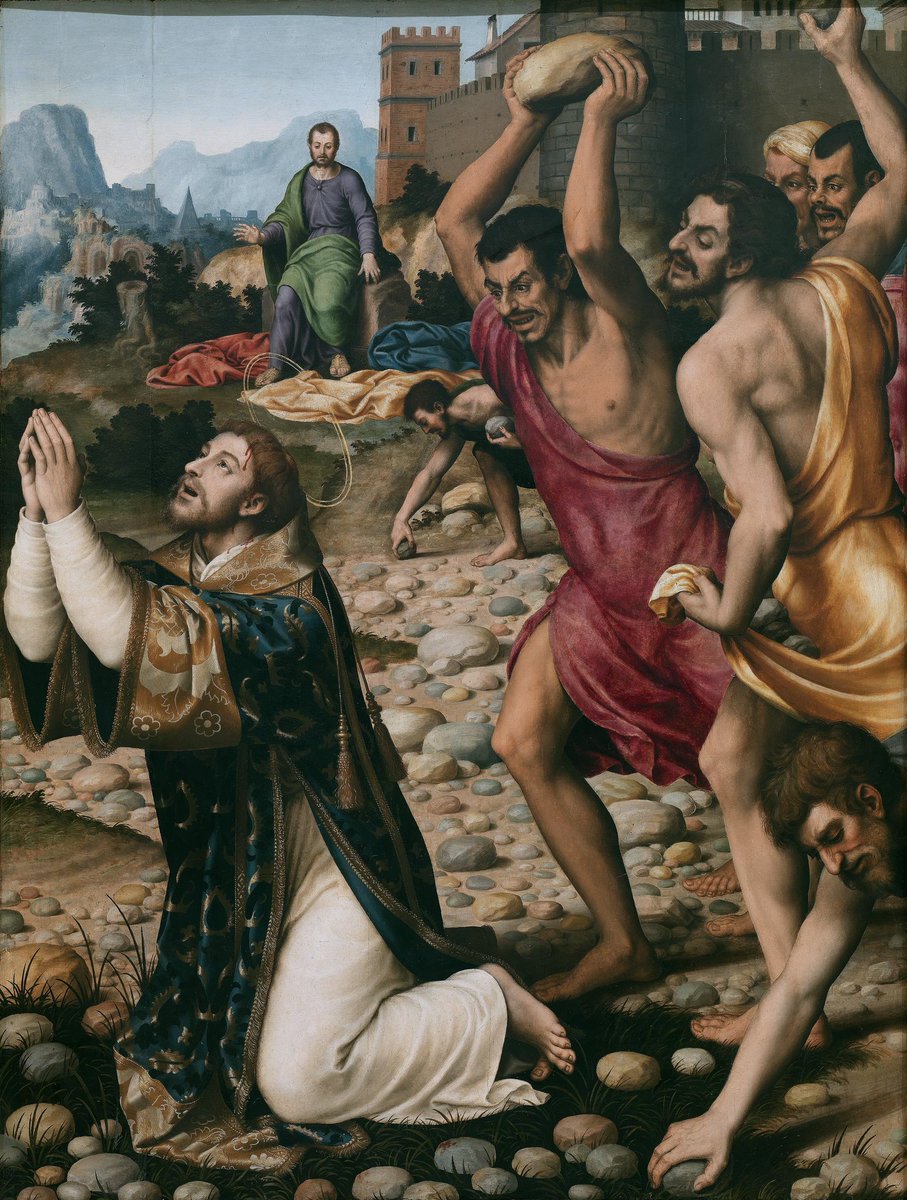
En palabras de San Esteban, antes de ser martirizado por ellos:
– "¡Duros de cerviz, e incircuncisos de corazón y de oídos! Vosotros resistís siempre al Espíritu Santo; como vuestros padres, así también vosotros. ¿A cuál de los profetas no persiguieron vuestros padres? Y mataron a los que anunciaron de antemano la venida del Justo, de quien vosotros ahora habéis sido entregadores y matadores; vosotros que recibisteis la ley por disposición de ángeles, y no la guardasteis" (Hechos 7:51-53).
Y en palabras de Jesús de Nazaret:
– "¡Serpientes! ¡Raza de víboras! ¿Cómo escaparéis del juicio del infierno? Por tanto, mirad, Yo os envío profetas, sabios y escribas: de ellos, a unos los mataréis y crucificaréis, y a otros los azotaréis en vuestras sinagogas y los perseguiréis de ciudad en ciudad, para que recaiga sobre vosotros la culpa de toda la sangre justa derramada sobre la tierra, desde la sangre del justo Abel hasta la sangre de Zacarías, hijo de Berequías, a quien asesinasteis entre el templo y el altar" (S. Mateo 23:33-35).
Los judíos son la simiente de Caín.
El pueblo cristiano la simiente de Abel.
Entienda quien pueda ...
Español