Gintime

9.9K posts

Gintime

Gintime

@gintime

Gintime - the site for gin lovers everywhere

Katılım Ocak 2010
1.1K Takip Edilen3.7K Takipçiler
Brian Krassenstein
Brian Krassenstein@krassenstein·
BREAKING: Trump claims that Iran gave him a present: “They gave us a present and the present arrived today. It was a very big present worth a tremendous amount of money. I’m not going to tell you what that present is but it was a very significant prize and they gave it to us.” WTF!
English
3.5K
2K
6.9K
1M
ripx4nutmeg
ripx4nutmeg@ripx4nutmeg·
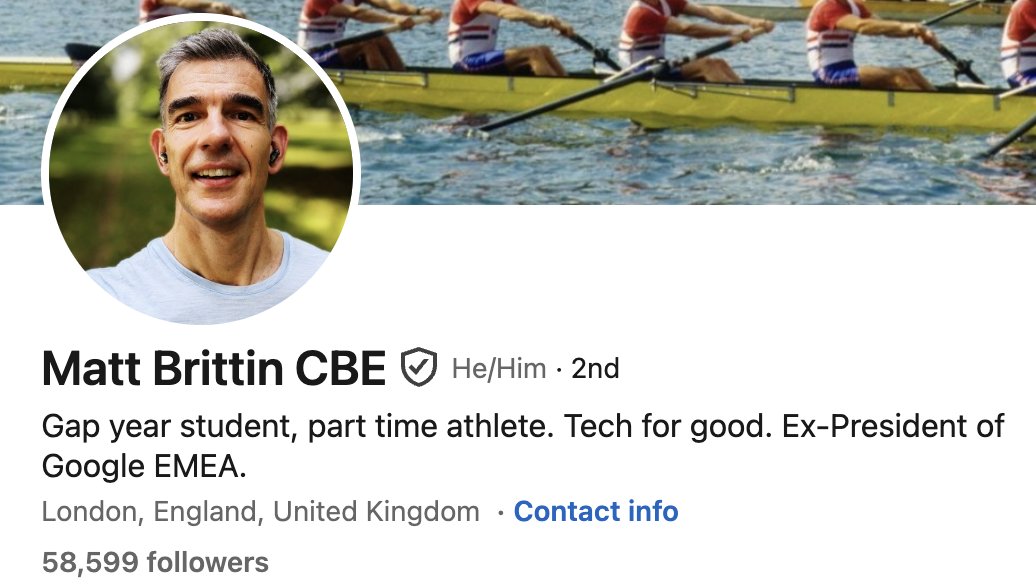
The new director general of the BBC is set to be a board member of The Guardian. Matt Brittin previously worked at Trinity Mirror, Google and The Climate Group. He also has pronouns in his bio
ripx4nutmeg tweet mediaripx4nutmeg tweet mediaripx4nutmeg tweet media
English
242
385
1.2K
70.4K
Gintime
Gintime@gintime·
I really appreciate this calm and measured analysis
Gordon Fielden@GordonFielden

This will be an interesting article to write. See the question posed by Robert Peston. Why is the United Kingdom economically vulnerable when Trump embarks upon a war with Iran, and what can Starmer do about it? To answer that properly, one must look to history rather than convenience. At the end of the Second World War, the United Kingdom emerged victorious yet financially exhausted. It had borne the strain of a prolonged global conflict and, for a period, stood almost alone in Europe. In doing so, it accumulated vast debts to sustain both the defence of the realm and the wider empire. In the years that followed, nations within that empire sought independence, and Britain, recognising both the moral and economic reality, granted it. What followed was not decline, but adjustment. The United Kingdom turned towards Europe, ultimately becoming part of what evolved into the European Union. Within that framework, it found stability, access to markets, and a position among the leading economies shaping a cooperative regional order. The present fragility does not begin with any single external conflict. It is the product of repeated external shocks combined with more recent domestic decisions. One such moment came in 2008, when the collapse of financial markets in the United States sent a shockwave through the global economy. What began as a crisis rooted in poorly regulated lending practices and the reckless expansion of credit became the most severe downturn since the interwar period. The United Kingdom, deeply integrated into global finance, felt that impact acutely, and the consequences endured for many years. From 2010 onwards, successive Conservative governments pursued austerity policies that hollowed out public resilience and constrained growth. Thereafter came Brexit, driven more by political necessity than economic prudence, which fractured long standing trade relationships and diminished the United Kingdom’s position within its most important market. At the same time, Conservative policy placed North Sea oil and gas extraction into the hands of private, often multinational, companies under licence. While the resources remained state owned, the output was sold into global markets rather than reserved for domestic use. Energy drawn from United Kingdom waters does not remain within a protected national system. It is traded internationally, and the country then purchases at global market prices which, on average, have been shown to be around three times higher by the time that energy returns through the market. The consequence is that households face some of the highest energy costs in Europe despite domestic production. The result is an economy more exposed than it once was, less integrated, more constrained, and more sensitive to global disruption. When a geopolitical shock occurs, whether driven by the United States or elsewhere, the impact is therefore sharper, not because of the event itself, but because of the condition in which the United Kingdom now finds itself. Which brings us to the second part of the question. What can Starmer do? The honest answer is that his room for manoeuvre is limited. He cannot control global energy markets or foreign conflicts, nor can he reverse structural decisions overnight. What he can do is manage the consequences, stabilise where possible, and begin the longer task of rebuilding economic strength while restoring credible relationships abroad. This is precisely why the present emphasis on energy security within the government’s programme carries such importance. Reducing reliance on carbon fuels such as oil and gas is not merely an environmental aspiration, but an economic necessity, for these are the very commodities that expose the United Kingdom to global volatility. A transition towards domestically generated energy, through wind, renewable technologies, and other natural sources, offers a path away from that vulnerability. It represents, in effect, the careful steering of HMS United Kingdom away from hazardous waters and towards a more stable and self sufficient future. Other nations illustrate the point. The United States, through its scale and resources, has achieved a greater degree of energy independence. France, through its own approach, has reduced exposure in different ways. Yet all finite resources will, in time, diminish. The only enduring solution lies in sustainable and renewable supply. What will be telling is how this is presented. There is a tendency to compress history into a convenient narrative that places present responsibility almost entirely at the feet of a government scarcely eighteen months into office. The more difficult, yet more truthful, account is that the United Kingdom’s vulnerability today is rooted in a chain of events. From post war adjustment, through global financial shocks originating elsewhere, to domestic policy decisions that have left the country more fragile than it needed to be. That is where any serious analysis ought to begin.

English
0
0
0
21
Gintime
Gintime@gintime·
@LuckyHeronSay Don’t ACTIVELY want but wouldn’t mind if it would teach the US Israel axis of evil a lesson
English
0
0
0
17
The Lucky Heron
The Lucky Heron@LuckyHeronSay·
Are there many westerners out there that want Iran to win the war against the US and Israel?
English
1.3K
313
4K
171K
Gintime
Gintime@gintime·
@jacksonhinklle A. Not Communist B. Is a neutral country. They also refused a request from Iran, that’s what neutrality means
English
0
0
0
188
Jackson Hinkle 🇺🇸
Jackson Hinkle 🇺🇸@jacksonhinklle·
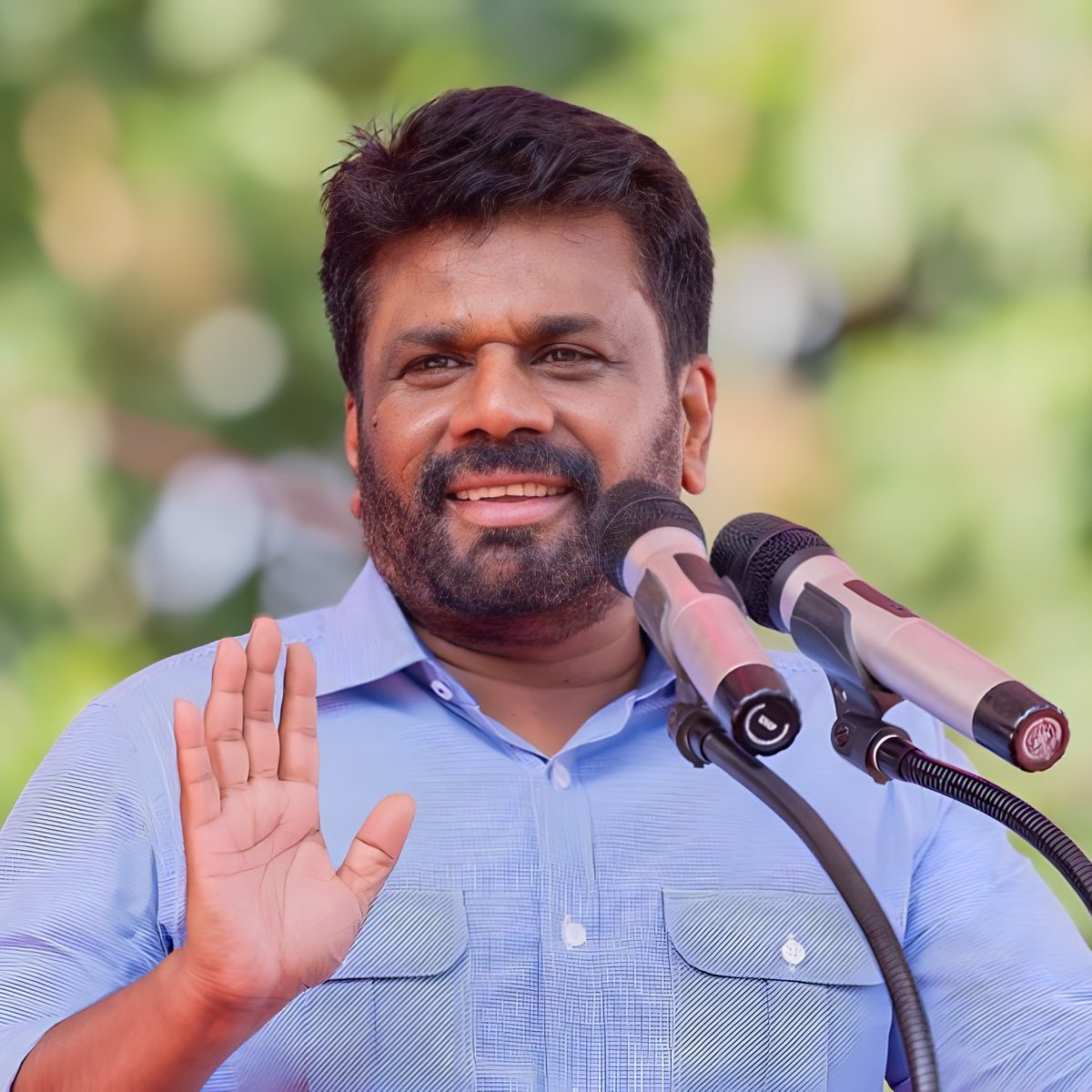
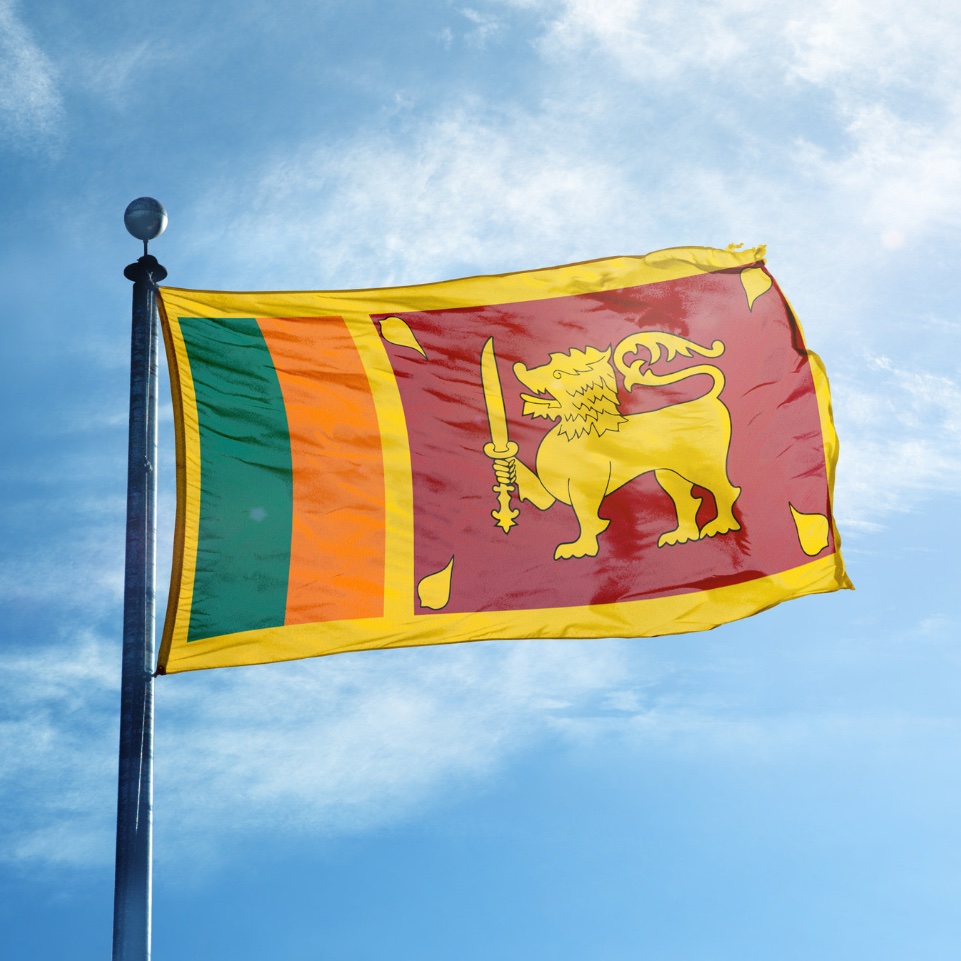
🚨🇱🇰🇺🇸🇮🇷 BREAKING: Sri Lanka's Communist government REFUSED to allow 2 U.S. military aircraft to land at a civilian airport, earlier this month — Reuters
Jackson Hinkle 🇺🇸 tweet mediaJackson Hinkle 🇺🇸 tweet media
English
223
1.1K
6.6K
124.3K
Gintime
Gintime@gintime·
@JoJoFromJerz Why do they call it ‘dignified’ when everything to do with your crazy president is so undignified?
English
0
0
2
61
Jo
Jo@JoJoFromJerz·
The families of the fallen requested no photos at today’s dignified transfer. Didn’t stop Trump. He has now posted them all over social media. How many times does he have to tell the world that he doesn’t care about our troops or their families? How many?
English
352
3.4K
15.2K
152.1K
NPRG
NPRG@CptHastings1916·
Any chums have recommendations for good fairly posh hotels in Venice? Canal views would be ideal.
English
3
1
2
2.3K
Gintime
Gintime@gintime·
@princess_kim_k Maybe it would have been better if the South had won the Civil War and kept the idiots in one new country - South USA
English
0
0
0
13
Ridge & Frost
Ridge & Frost@RidgeandFrost·
'It's not antisemitic to disapprove of the Israeli govt policies, but it is antisemitic to hold every Jew in Britain responsible for the policies of the Israeli govt' @Dannythefink talks to @WilfredFrost about students reporting a rise in antisemitism at universities
English
135
59
280
115.1K
Jürgen Nauditt 🇩🇪🇺🇦
Jürgen Nauditt 🇩🇪🇺🇦@jurgen_nauditt·
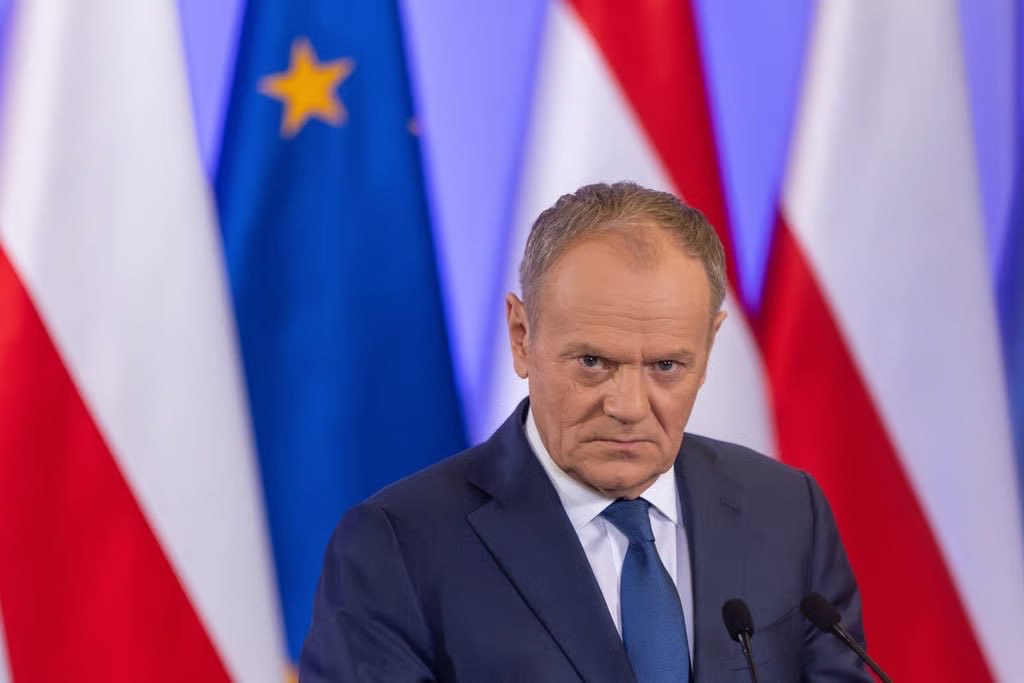
Poland is on the verge of "Polexit"—leaving the European Union, according to Prime Minister Tusk. Years of disinformation and lies emanating from Russia, without resistance from the EU, are taking their toll. The Prime Minister declared that Poland's exit from the EU is no longer hypothetical. This is due to the actions of internal Eurosceptic forces, which he believes are working for external actors, including Russia, the American MAGA movement, and the European right wing led by Orbán. In particular, the Confederation factions and the majority of the Law and Justice (PiS) party are effectively pushing Poland toward a break with Brussels. The situation worsened after President Karol Nawrocki blocked a law on obtaining €43.7 billion in defense loans from the EU, jeopardizing the financing of the army, whose expenditures are supposed to reach 5% of GDP. Experts note that despite widespread support for the EU, one in four Poles is already prepared to vote to leave, reminiscent of the dynamics in the UK before Brexit.
Jürgen Nauditt 🇩🇪🇺🇦 tweet media
English
469
948
3K
184K
Current Report
Current Report@Currentreport1·
BREAKING: UK has officially rejected Trump's request and will not send warships to the Strait of Hormuz.
Current Report tweet mediaCurrent Report tweet media
English
1.5K
7.1K
38.8K
2M
Gintime
Gintime@gintime·
@GWmag A very beautiful baby pink rose - her favourite colour
English
0
0
0
120
Gintime
Gintime@gintime·
@JaneFallon Had exactly the same thing you’ll be fine they know what they are doing. Good luck
English
0
0
0
12
Jane Fallon
Jane Fallon@JaneFallon·
So... I thought I should post something as I've had a few people notice I've been a bit quiet on here lately. About a month ago I was diagnosed with breast cancer - very early stage thankfully & the prognosis is excellent. I had a routine mammogram a week before Christmas …
Jane Fallon tweet mediaJane Fallon tweet mediaJane Fallon tweet media
English
1.6K
171
10.2K
441.9K
Gintime retweetledi
Protect Kamala Harris ✊
Protect Kamala Harris ✊@DisavowTrump20·
🚨NEW: In a deranged and incoherent tirade this evening at a rally, Donald Trump referred to President Obama as "weak and pathetic." RETWEET if you stand with President Obama against Trump!
Protect Kamala Harris ✊ tweet media
English
251
1.7K
2.5K
28.4K
Gintime retweetledi
Robert Inlakesh
Robert Inlakesh@falasteen47·
BREAKING: Israel Carries Out A Beach Massacre In Beirut An Israeli strike reportedly targeted displaced people’s tents in the Ramla al-Bayda beach area. A huge number of dead & injured. An outrageous war crime reminiscent of the massacres carried out in Gaza.
English
637
12.8K
19.3K
1.5M
Gintime retweetledi
Art Candee 🍿🥤
Art Candee 🍿🥤@ArtCandee·
Pete Hegseth is banishing photographers from the Pentagon over “unflattering” photos of him? Would be a shame if this picture kept circulating.
Art Candee 🍿🥤 tweet media
English
1.6K
13.3K
21.5K
230.3K
Gintime retweetledi
Christy ✨
Christy ✨@WillowMantis·
Epstein has stopped trending. This is exactly what they were hoping. Don’t forget about the victims! #EpsteinTrumpCoverUp
Christy ✨ tweet media
English
663
32.1K
65.5K
714.3K
Shanaka Anslem Perera ⚡
Shanaka Anslem Perera ⚡@shanaka86·
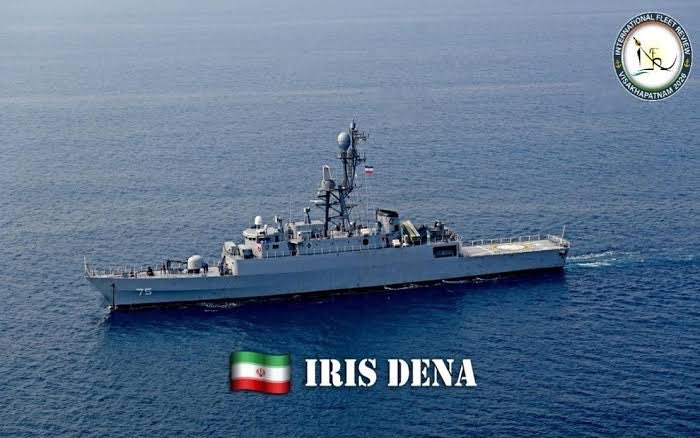
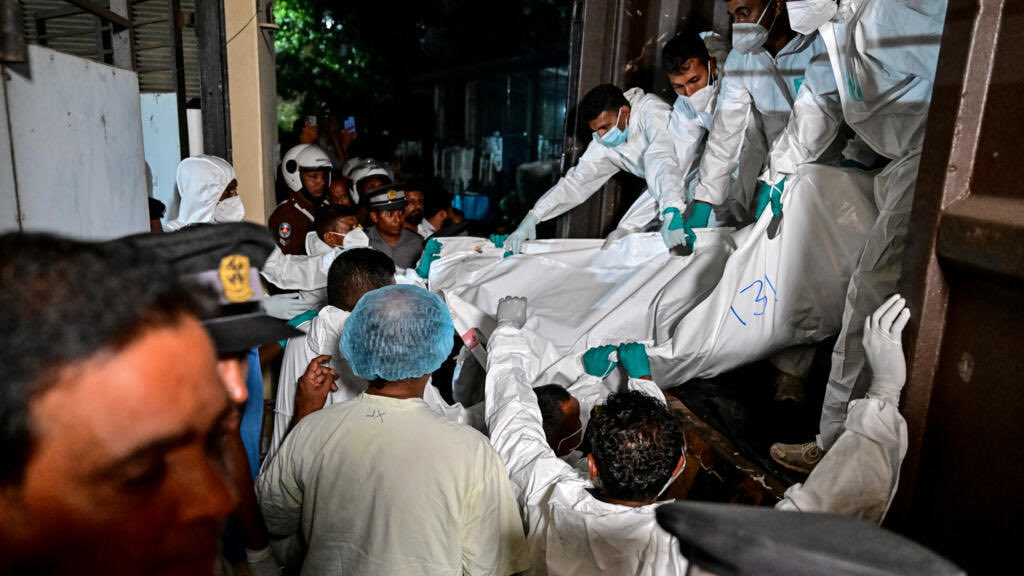
JUST IN: A Sri Lankan court just handed 84 dead Iranian sailors back to Iran despite a US diplomatic cable ordering the opposite. The Galle Chief Magistrate’s Court ruled today that the bodies of 84 identified crew members from the IRIS Dena, torpedoed by a US submarine 40 nautical miles off Sri Lanka’s coast on 4 March, be handed over to Iranian Embassy officials for repatriation. Thirty-two survivors were rescued by the Sri Lankan Navy. Eighty-seven were killed. Eighty-four have been identified, stored under refrigeration at Karapitiya Hospital, and are now legally released to Tehran. Five days ago, a leaked US State Department cable told Sri Lanka to do the opposite. The cable, dated 6 March and obtained by Reuters, was authored by US Charge d’Affaires Jayne Howell at the Embassy in Colombo. It explicitly urged Sri Lankan authorities not to repatriate the 32 Dena survivors or the 208 crew of the second Iranian vessel IRIS Bushehr, docked at Trincomalee. The stated goal: “minimize Iranian attempts to use the detainees for propaganda.” Howell briefed the Israeli ambassador to India and Sri Lanka that there were “no plans to repatriate the crew to Iran.” The Israeli envoy asked about “engagement with the crew to encourage defection.” Defection. The word sits in a diplomatic cable about 32 sailors pulled from the Indian Ocean after their ship was torpedoed by the country writing the cable. Washington wanted Sri Lanka to hold the survivors, deny Iran the propaganda of return, and explore whether traumatised sailors could be convinced to abandon their nation during a war. Sri Lanka said no. The court ruling today applies to the 84 bodies, not the living survivors, but the signal is unmistakable: Colombo will follow international humanitarian law, not Washington’s preference. The bodies will go home. The funerals will happen. The martyrdom narrative that the cable was designed to prevent will proceed on Iranian state television within days. This matters beyond diplomacy because of what those 84 coffins represent when they arrive in Tehran. The IRIS Dena was sunk in the Indian Ocean, not the Persian Gulf. Not in the Strait of Hormuz. Not in a combat zone. In international waters off a non-aligned country 4,000 kilometres from the war’s declared theatre. Three Australian Navy personnel aboard a US submarine were ordered to their sleeping quarters before the torpedoes launched. Two Mark 48 torpedoes fired. One struck. Reports via Iran International, citing a sailor’s father, indicate the US submarine issued two warnings and the Iranian captain refused to evacuate. Thirty-two survivors defied orders to stay aboard. The sinking expanded the war’s geography from the Gulf to the Indian Ocean. The court ruling expands its politics from great-power competition to small-state sovereignty. Sri Lanka, a nation of 22 million with $4.2 billion in Chinese debt, just told the United States that international humanitarian law applies to the bodies of sailors killed by American weapons, regardless of what a leaked cable requests. The US publicly “respects Sri Lanka’s sovereignty.” Privately, the March 6 cable reveals the opposite: Washington wanted these bodies held, these survivors detained, and this propaganda denied. The court disagreed. The bodies will fly to Tehran. The funerals will be broadcast. And every Indian Ocean nation watching Colombo’s decision, the Maldives, Mauritius, Madagascar, Seychelles, will calculate what it means when a small country chooses law over alliance in a war between giants. Eighty-four bodies. One court order. One leaked cable. And the war just arrived in every non-aligned capital on Earth. Full analysis in the link below. open.substack.com/pub/shanakaans…
Shanaka Anslem Perera ⚡ tweet mediaShanaka Anslem Perera ⚡ tweet media
Shanaka Anslem Perera ⚡@shanaka86

A bankrupt island nation of 22 million people just taught every great power on Earth a lesson in leverage. Sri Lanka’s President Dissanayake stood before cameras on 6 March and said: “We are neutral but also humanitarian. Sri Lanka is a free and non-aligned nation. We do not favour any country. We treat every human being equally, whether Iranian, American, or Israeli. We jealously guard our non-aligned policy while ensuring that humanitarian values and the saving of lives remain our top priority.” Then he granted free one-month humanitarian visas to all 236 Iranian sailors, the 32 survivors pulled from the wreckage of the IRIS Dena and 204 crew evacuated from the disabled IRIS Bushehr. He described sheltering them as “the most courageous and humanitarian course of action a state can take.” The United States, which sank the Dena using USS Charlotte (SSN-766), a Los Angeles-class nuclear-powered fast-attack submarine firing Mk 48 heavyweight torpedoes 19 to 44 nautical miles off Galle, is pressuring Colombo through a State Department cable to retain the sailors under conditions favourable to American intelligence access. Washington wants the 32 survivors who witnessed classified US submarine engagement tactics. China, which holds Hambantota port under a 99-year lease 90 kilometres from the sinking site, says nothing publicly. The debt speaks for itself. India, which hosted the Dena at its MILAN 2026 exercise weeks before the ship was sunk by India’s closest strategic partner, has not uttered a single word about any of it. Iran is broadcasting the rescue footage across every state media channel. Eighty-seven dead sailors and a neutral nation that refused American demands. And Sri Lanka, sovereign-defaulted in 2022, currently under IMF conditionality, owing billions to Beijing through Belt and Road, dependent on Indian goodwill for regional security, and sitting at the intersection of every great-power pressure line in the Indian Ocean, chose international law. UNCLOS Article 98 required the rescue. Geneva Convention II Article 17 required the internment. Hague Convention XIII prohibited allowing the sailors to re-enter combat. Sri Lanka followed every obligation to the letter. Uruguay did the same during the Falklands. Switzerland did the same throughout World War II. The law is unambiguous. The politics are not. This is the same Sri Lanka that founded the Non-Aligned Movement in 1961. That hosted the fifth NAM summit in 1976. That proposed the Indian Ocean as a Zone of Peace in 1971 and got the UN to adopt it. And that is now pursuing BRICS partner status under India’s 2026 chairmanship, with Prime Minister Amarasuriya calling membership “strategically appealing” on 6 March, the same week her government was sheltering Iranian sailors against American objections. Every major power assumed Sri Lanka would fold. Washington assumed economic leverage would force compliance. Beijing assumed debt would ensure silence. Delhi assumed proximity would guarantee deference. Tehran assumed sympathy would guarantee solidarity. Instead, Colombo followed the law, issued the visas, sheltered the sailors, and told every great power exactly the same thing: we are neutral, we are humanitarian, and we do not take sides. The weakest economy in the Indian Ocean just demonstrated the strongest foreign policy. Full analysis for paid subscribers. open.substack.com/pub/shanakaans…

English
280
5K
11.9K
659.8K