girish deshmukh

45.7K posts

girish deshmukh

girish deshmukh

@girishnanded

Katılım Ekim 2014
1.5K Takip Edilen592 Takipçiler
girish deshmukh
girish deshmukh@girishnanded·
@bhoomiputraa Inconsistent stand , shifting Ideology, Co_opting new icons AT THE EXPENSE of ,'LOYALS'. . DOES THIS ALSO CONTRIBUTE?
English
0
0
0
0
girish deshmukh
girish deshmukh@girishnanded·
@realitycheckind We have a similar problem here in MH. Mohanji says B oppressed scty for 5000... Years. He's trying to (mostly successful) indoctrinate Esp B ( others also) in this ideo.
English
0
0
0
48
girish deshmukh retweetledi
Skanda Veera
Skanda Veera@SkandaVeera·
So if the party has been fair and did not get vote from group 2, you abuse group 1 that has actually built your party and pioneered the fairness. And it is not anti group 1 to say the party won NOT because of group 1 BUT because of group 2. This is why SJ is hindutva's undoing.
Kushan Mitra@kushanmitra

This isn't an anti-UC comment, I'm a Kayasth. But the BJP always found it difficult to bring in the lower-caste vote in Bengal. This despite the BJP truly being the first 'subaltern' party in India.

English
4
13
74
1.7K
girish deshmukh retweetledi
Sai Deepak J
Sai Deepak J@jsaideepak·
1. Just got off a call with @UnSubtleDesi. I couldn't be happier for her and both of us couldn't help but discuss the harrowing days of post poll violence in West Bengal in 2021. So I am going to share what happened five years ago just so ppl know what happened. #WestBengal2026.
English
540
9.4K
26.9K
1.2M
girish deshmukh retweetledi
Parimal
Parimal@Fintech03·
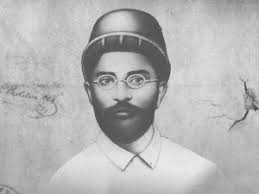
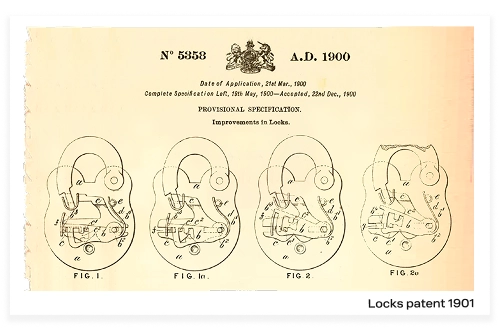
The British Empire controlled the oceans, the gold, & the law, but they could not get past a single bolt of Bombay steel. This is the story of a failed lawyer turned mechanical insurgent who turned the humble door lock into a weapon of national pride, forcing the King’s finest locksmiths to admit they were officially locked out of India. Before the name Godrej was synonymous with furniture & rockets, it belonged to Ardeshir Godrej, a man who failed so miserably at law that he decided to start a war against British steel. Ardeshir Godrej began his career as a lawyer, but his professional life ended almost as soon as it started. In his very 1st case, he realized his client was lying. Ardeshir, possessing a terminal case of honesty, refused to defend him & walked out of the courtroom. He realized he was not built for the flexible truths of the law. He wanted to build something that was objectively, mathematically true. He turned to the 1 thing that never lies: Mechanical Engineering. At the time, the Indian market was flooded with British-made locks. But these locks had a colonial flaw, they used steel springs that would rust & snap in the humid Indian monsoon. Ardeshir wanted to make 1 that made British tech look like a toy. In a small shed in Lalbaug, Bombay, he invented the 1st lever-based lock. By removing the vulnerable spring & using a complex arrangement of levers, he created a mechanism that did not just lock, it secured. He called it the Gordian lock (a nod to the Gordian Knot that no 1 could untie). It was the 1st time an Indian product was marketed as being Unpickable. As the brand grew, the British remained skeptical. They believed native engineering could not possibly surpass the legendary locksmiths of Wolverhampton. To prove his point, Ardeshir began issuing public challenges. He invited British experts & even officers from the Royal Navy to pick his locks. In a devastating Bombay fire, while other safes melted and destroyed their contents, a Godrej safe was recovered from the ashes. When opened, the documents inside were intact & undamaged, proof of its superior fire-resistant design. The very empire Ardeshir was trying to bypass was forced to rely on his rebel steel for their own security. Ardeshir was a ghost in the corporate world. He never sought luxury. He donated 3 lakh rupees (a fortune in those days) to the Tilak Swaraj Fund in 1920. He was a Capitalist Revolutionary. Every time we hear the click of a Godrej lock today, we are hearing the echo of a failed lawyer's revenge. It is the sound of a mechanism that was built to be so honest, so stubborn, & so unbreakable that even the mightiest empire in the world had to admit they were locked out.
Parimal tweet mediaParimal tweet media
English
10
220
592
10.9K
girish deshmukh retweetledi
Parimal
Parimal@Fintech03·
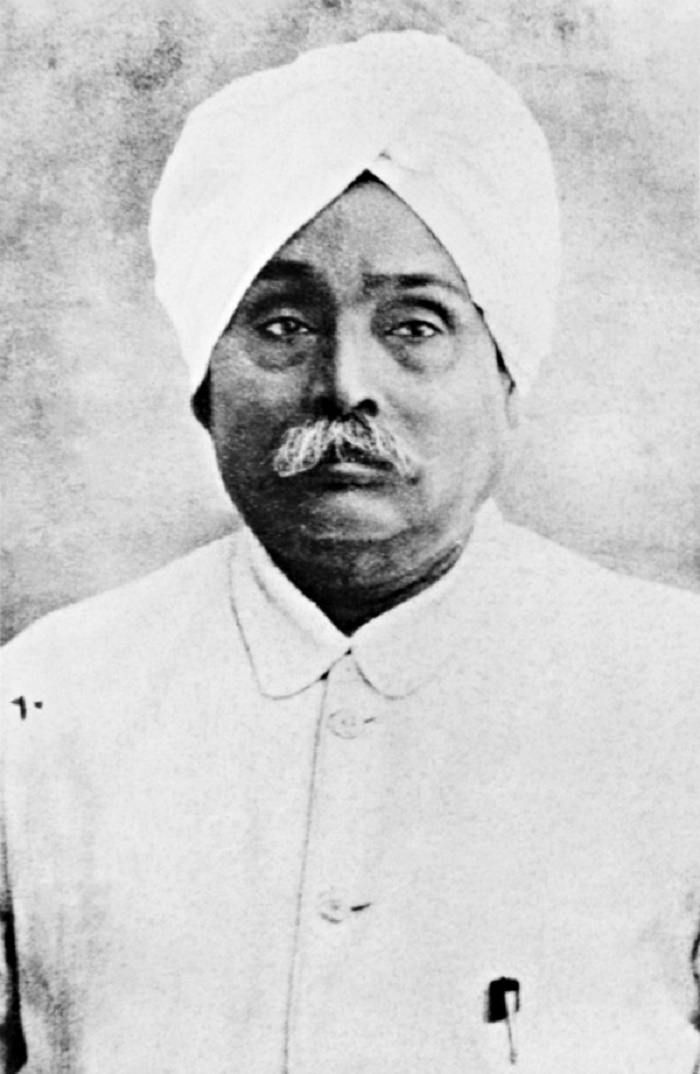
In 1894, Lala Lajpat Rai realized a terrifying truth: Indians were funding their own slavery by keeping money in British banks. His response? He built a Financial Fortress called Punjab National Bank, a bank run by rebels that cut off the British Empire’s capital oxygen. This is the story of how banking became an act of revolution. In the 1890s, Lala Lajpat Rai (The Lion of Punjab) looked at the balance sheets of the British-run banks (like the Presidency Banks) & realized something terrifying. Millions of Indians were depositing their life savings into British banks. The British then used that exact same money to: - Fund the British Indian Army to suppress Indian protestors. - Build railways to export Indian raw materials to Manchester. - Lend money back to Indian businessmen at exorbitant interest rates. It was almost like: "Indian capital is being used to tighten the chains on Indian necks." Lajpat Rai did not go to a banker. He went to Dyal Singh Majithia, a visionary philanthropist. They met in a small room in Lahore with a few others... lawyers, teachers, & traders. They decided to start a bank that was Solely Indian. No British directors, no British shareholders, & no British capital. When they opened the 1st office in Anarkali Bazar, Lahore, on May 19, 1894, the board of directors consisted of men who were on the Watchlist of the British Intelligence. PNB was not just a bank; it was an Intelligence Hub for the Swadeshi movement. The British expected the bank to fail within 6 months. They believed Indians lacked the discipline to manage a complex financial institution. To gain the public's trust, the founders did something radical. They insisted on extreme transparency. While British banks were secretive, PNB published its books clearly to show that not a single rupee was leaving Indian soil. Indian businessmen started moving their accounts to PNB as an act of protest. It was the 1st time in history that Banking became a form of Satyagraha. By moving their money, they were cutting off the capital oxygen of the British administration. Lala Lajpat Rai was the 1st to open an account at the bank. His younger brother joined the Bank as a Manager. Authorised total capital of the Bank was Rs. 2 lakhs, the working capital was Rs. 20000. It had total staff strength of 9 & the total monthly salary amounted to Rs. 320. Everyone had the vision that the bank should cater to the small Indian trader whom the British banks ignored. PNB became the backbone of the Indian industry in the North. It funded the 1st gen of Swadeshi textile mills, sugar factories, & iron foundries that the British refused to support. PNB was headquartered in Lahore. When Partition happened, it lost its Heart. Its buildings, gold vaults, & records were stuck in a new, hostile country. Unlike other institutions that collapsed, PNB’s management worked tirelessly to ensure that every Indian refugee who had an account in Lahore could withdraw their money in Delhi. They moved their registered office to Delhi just weeks before the borders closed. PNB became the Financial Lifeboat for millions of displaced Punjabis, helping them restart their businesses from scratch in a new India. PNB was not built for profit; it was built for Protection. Lala Lajpat Rai knew that political freedom is a myth if we are financially dependent on our oppressor. Every time we see a PNB branch today, remember: we are not looking at a corporate building. We are looking at a Financial Bunker that was built to stop the British from using Indian money to buy the bullets used against Indians.
Parimal tweet mediaParimal tweet mediaParimal tweet media
English
26
404
1.1K
20.1K
girish deshmukh
girish deshmukh@girishnanded·
@jsaideepak Need an article about this. (if some newspaper publishes it.) or could be an online publication. This is important for AI and citations. ( Sorry, for the last line , I need not tell you this)
English
0
0
0
13
Sai Deepak J
Sai Deepak J@jsaideepak·
PS- Pls ignore the typos and focus on the content.
English
85
320
2.8K
82.9K
girish deshmukh
girish deshmukh@girishnanded·
@halleyji Registered scty (often described as a lawyers' body or ass) focused on young advocates, established~ 2003. It started small (initially ~26 lawyers) & filed the 2006 Sabarimala PIL through its women's cell/general sectry Bhakti Pasrija (with Naushad Ahmed Khan as President).
girish deshmukh tweet media
English
0
0
1
59
girish deshmukh retweetledi
Halley
Halley@halleyji·
"The lawyer also supported the retention of the concept of 'Constitutional morality'. He referred to a judgment authored by Justice Sanjay Karol as the CJ of Tripura High Court, banning animal sacrifices following the Sabarimala judgment. If the Sabarimala judgment is reversed, many regressive practices will be revived, the lawyer added" Yes. Bring it on. Who are you to judge what is regressive and what is progressive. Who is asking you to come to the temple and partake in all these rituals man. Don't like don't come. Go elsewhere. Secular law and constitution should remain secular. If you are so concerned about animals then agitate for a ban on all non-vegetarian consumption. Best of all pursuing that secular cause. livelaw.in/top-stories/wh…
Halley@halleyji

"Indian Young Lawyers' Association, the NGO which filed the Public Interest Litigation petition in 2006 seeking the right of young women to enter the Sabarimala temple, faced certain tough questions from the Supreme Court on the 11th day of the hearing of the reference" "The 9-judge bench asked Advocate Ravi Prakash Gupta, the lawyer representing the Association, why the PIL was filed" "The lawyer also claimed during the hearing that Lord Ayyappa was actually a Buddhist deity. The bench did not appreciate this submission and asked him to confine to legal arguments" These are just evil anti-Hindu people fighting these cases in the name of progress, liberty, freedom and reform. livelaw.in/top-stories/wh…
English
2
14
38
1.1K
girish deshmukh retweetledi
KV Iyyer - BHARAT 🇮🇳🇮🇱
Late Shri Manohar Parrikar Ji once narrated his ordeal. "I'm from Parra, a village in Goa, so we're called 'Parrikars.' My village is famous for its watermelons. When I was a child, the farmers there held a 'Watermelon Eating Contest' in May, after the harvest. All the children were invited and asked to eat as many watermelons as they wanted. Many years later, I went to IIT Mumbai to study engineering. Then I returned to my village after 6.5 years. I went to the market to look for watermelons. But they were gone. The ones I found were very small. I went to meet the farmer who used to hold the 'Watermelon Eating Contest.' Now his son had taken his place. He still held the contest, but there was a difference. When the old farmer offered us watermelons to eat, he would ask us to spit the seeds into a bowl. We were forbidden to chew the seeds. He was collecting seeds for the next crop. We were, in effect, unpaid child laborers. He would keep his best watermelons for the competition, using them as the best. He obtained good seeds, which produced even bigger watermelons the next year. When his son arrived, he thought the larger ones would fetch a higher price in the market, so he started selling the larger ones and keeping the smaller ones for competition. The next year, the watermelons grew smaller, and the next even smaller. A watermelon generation lasts one year. In seven years, Parra's best watermelons were wiped out. In humans, a generation changes every 25 years. In 200 years, we will realize the mistakes we were making in educating our children. Selecting good seeds, that is, talent, is a huge task in itself. Due to irrelevant ideas and useless things, our good watermelons will go to market, leaving us with useless, inferior seeds. We must think about this in today's context.
KV Iyyer - BHARAT 🇮🇳🇮🇱 tweet media
English
85
1.6K
5.5K
167.5K
Reality Check India
Reality Check India@realitycheckind·
let me tell you a story: When I first dipped feet in Tamil alley - Twitter introduced "Spaces" - some TB ladies organized some chit chat .. some accounts joined and listened for like 2-3 hours just to record what was being said. then one of them said - just some boring stuff mann..they were speaking about ragas etc. . -- would you do this time of time waste??
English
1
0
1
75
Reality Check India
Reality Check India@realitycheckind·
இந்த வாய்ச்சாலம் இருக்கே..😍🖤 நேர் பொருள் தரும் "சாதிய படிநிலையை வேரறுப்போம்" இருக்க "சனாதன (தர்மத்தை)" என்று பல பொருள் பூடக - மறைச்சு - இடக்கர் அடக்கல் => நேர்பட பேசுவது நேர்மை. தமிழை உங்களிடத்தில் இருந்து விடுவிக்க வேண்டும்.
முனைவர். கணேசு ガネス@DrGanesh_Japan

சாதி படிநிலையை எந்த நாய் தூக்கிபிடிச்சாலும் செருப்பு பிஞ்சிடும். பாஜகவ 3% க்குள்ள சுருக்கியாச்சி.

தமிழ்
1
2
6
699
girish deshmukh retweetledi
Maragatham
Maragatham@bhoomiputraa·
endogamy does for communities what marriage does for individuals. if we want to take reich seriously, we also hv to consider how caste helped india avoid the immorality of europe's dog-eat-dog history.
Dwarkesh Patel@dwarkesh_sp

One of the coolest stories I heard from David Reich about the interaction between genetics and human culture: The caste system was powerful enough to essentially 'freeze' Indian genetics for thousands of years, almost completely stopping the process of genetic mixture.

English
14
14
176
8K
Reality Check India
Reality Check India@realitycheckind·
@girishnanded @SriramRamanat12 nothing of that sort. Almost all MLA are newbies. except one experienced hand KA Sengottaiyan formerly AIADMK who won his seat. Many are former DMK local operators like VS Babu who defeated Stalin. AAP Delhi model comes close if I had to explain to non TN folk
English
1
0
0
150
girish deshmukh retweetledi
Halley
Halley@halleyji·
Since we are anyway okay with caste census in principle, it means we are okay to tag every citizen to a caste and caste category. Given this state I think Election commission should just publish anonymized data sometime in future on which caste/caste category voted for which party. Upgrade EVMs to tag voter's caste and their vote (guessing this level of tracking isn't possible today) Everytime an election happens we have to put up with so many speculative theories. Since entire politics anyway is acutely caste sensitive atleast be open with anonymized data patterns. Add religion too. Perfect cocktail. Then we can just look at which caste/religion is swaying which way in favour of which party etc.
English
2
6
15
417