Sabitlenmiş Tweet

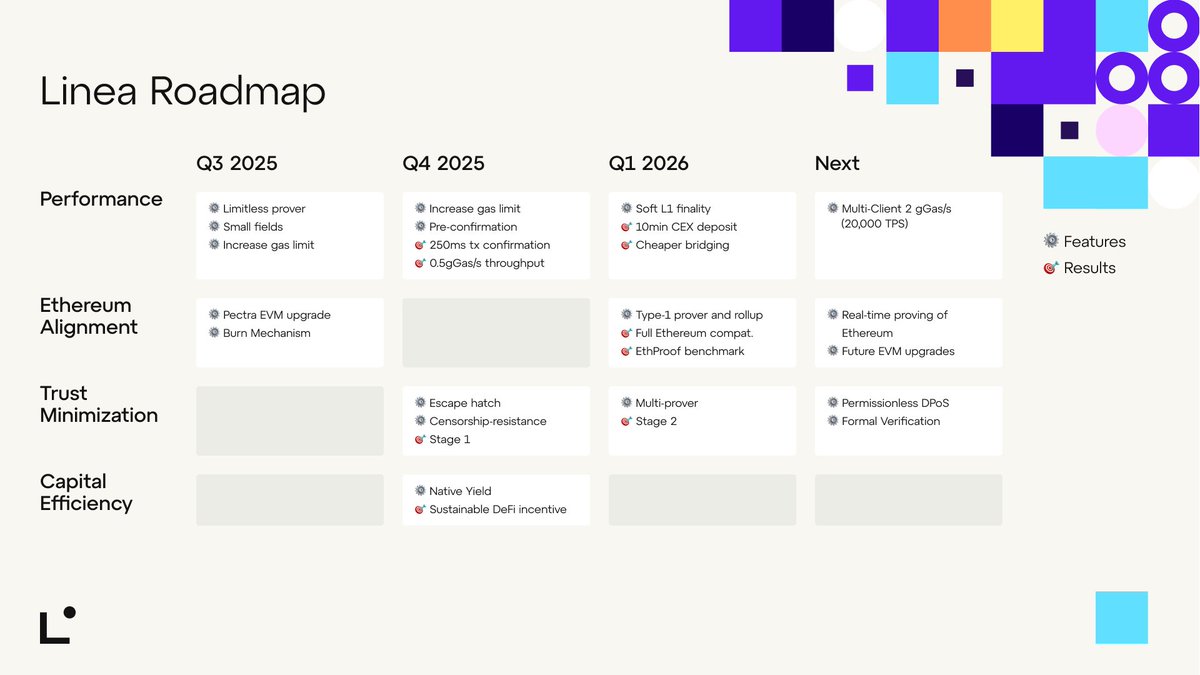
Linea takes Ethereum mainstream by providing large, fast, and low‑cost block space, without compromising Ethereum’s security and economic model.
Let’s unpack our PRODUCT ROADMAP for the next 9 months 👇
English
goinfrex.linea.eth
250 posts
@goinfrexeth
Product @LineaBuild



Powerful new Harvard Business Review study. "AI does not reduce work. It intensifies it. " A 8-month field study at a US tech company with about 200 employees found that AI use did not shrink work, it intensified it, and made employees busier. Task expansion happened because AI filled in gaps in knowledge, so people started doing work that used to belong to other roles or would have been outsourced or deferred. That shift created extra coordination and review work for specialists, including fixing AI-assisted drafts and coaching colleagues whose work was only partly correct or complete. Boundaries blurred because starting became as easy as writing a prompt, so work slipped into lunch, meetings, and the minutes right before stepping away. Multitasking rose because people ran multiple AI threads at once and kept checking outputs, which increased attention switching and mental load. Over time, this faster rhythm raised expectations for speed through what became visible and normal, even without explicit pressure from managers.

Ever wonder why sedans disappeared and every car is huge now? "Thanks, Obama!" His administration changed fuel economy standards in a way that had the perverse impact of making cars even bigger. Here are all the vehicles for sale by the 3 largest US automakers. 62 vehicles, 4 sedans (6%). 20 years ago this chart would have been ~50% sedans! What happened? Obama administration changed auto fuel efficiency rules to tie fuel economy targets to vehicle size. Under the new system: -The bigger the car's footprint, the easier the MPG target was. -Light trucks (including SUVs and crossovers) had far lower requirements than passenger cars. -Crossovers were quietly reclassified as "trucks," giving them a huge regulatory advantage. Instead of building lighter, more efficient cars, automakers simply made everything bigger, and made more trucks and SUVs. Notice that cars that used to be sedans are now crossovers? They do this so it counts as a light truck - they raise ground clearance, square off the rear for cargo capacity, and meet off-road approach minimums so they get qualified as a light truck. Think Subaru Legacy > Subaru Outback. As you can see in the chart, it's a LOT easier to meet MPG requirements if your vehicle is classified that way. So cars got LARGER to meet fuel efficiency goals. The new Honda Civic is 20 inches longer and 4 inches wider than it used to be, about the same size as an old Accord. By making the Civic larger, Honda slightly shifted it into a more favorable regulatory category. ...and smaller cars disappeared. The Honda Fit was a great little car, but would have had to hit 67 MPG in 2026, which would be nearly impossible... so instead, Honda stopped selling them. So, the only way to make small vehicles now is to make them EV's (Chevy Bolt). The Slate truck that is all the rage now is only possible because it's an EV... otherwise its footprint would have demanded an overly onerous MPG target. So in short - Obama era CAFE standards had the opposite of the desired impact: sedans died, vehicles ballooned in size, and America's streets turned into an SUV parking lot. All thanks to a policy that accidentally incentivized bloat instead of efficiency. Don't get me started on "cash for clunkers!"
Congrats Ethereum, congrats Linea! For the first time, Linea upgrade in realtime with Ethereum. A major achievement for zkEVM. There are still a lot of work to do but this shows a clear path to have both direct, efficient EVM proving and fast ZK circuit implementation to stay up to date with Ethereum upgrade. More on this during our livestream tomorrow.
Today, Linea and Ethereum Mainnet upgrade simultaneously for the first time. This proves zkEVMs can keep pace with Ethereum's upgrade cadence, something many thought impossible. Learn more: @linea/ethereum-evolves-and-so-does-linea-introducing-the-fusaka-upgrade" target="_blank" rel="nofollow noopener">paragraph.com/@linea/ethereu…





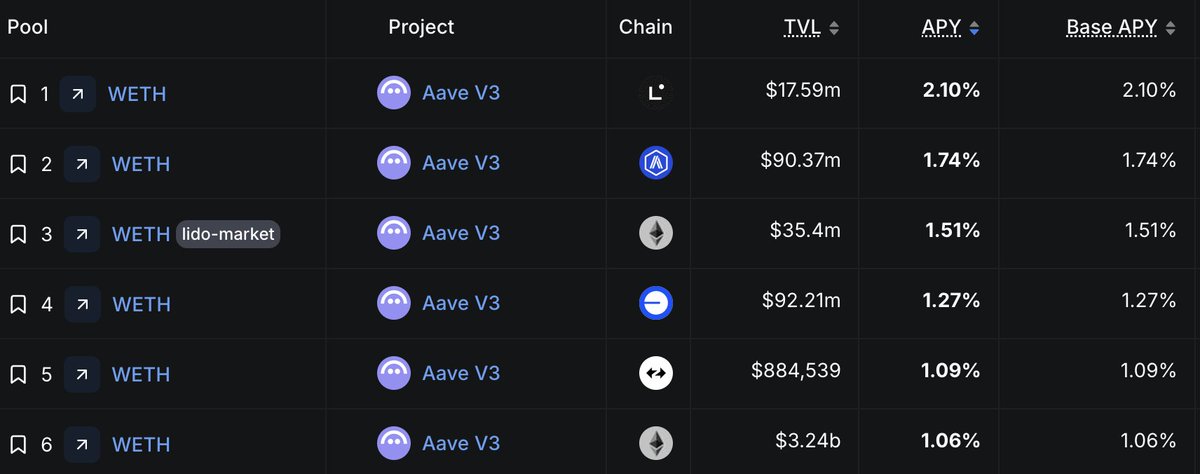
The Most Ethereum-Aligned DEX in History A proportion of trading and liquidation fees flow into the Assistance Fund, which executes buybacks in an 80% $REYA, 20% $ETH ratio. As trading on Reya grows, buybacks scale automatically, turning Reya into a systematic buyer of Reya and ETH. This creates direct alignment between Ethereum and the trading system embedded in it, making Reya the most Ethereum aligned DEX in history.