Sharon

224 posts

Sharon banner
Sharon

Sharon

@gratefulheart

They wrote a code for my life. I burned it. Memoirist. Exited founder. Filipino-American. Ancestral memory & freedom. The Code — coming soon.

California, USA Katılım Nisan 2008
301 Takip Edilen131 Takipçiler
Sabitlenmiş Tweet
Sharon
Sharon@gratefulheart·
I want to tell you something funny about my life. I grew up with no electricity in a beautiful island in the Philippines. Gas lamps. Manual labor. Making sure the lamps had enough gas before dark because when it got dark out there, it was really dark. I learned Mathematics and Physics not from privilege but from necessity. First principles, because there was nothing else to work with. Then I left for Taiwan. Factory worker. Sent money home every month. Read philosophy books on my breaks because I didn’t know what else to do with the questions I had. Somewhere in all of that… I learned how the world actually gets built. With hands. With repetition. With people who show up and don’t ask for applause. Fast forward. I married a Caucasian man. We rebuilt a business. Attended acquisition meetings not once but 6 times without MBA🥹 Exited Co-founder. I retired at 42. We live in the San Diego countryside now and yes, I know how that sounds against a gas lamp🤩 And the part that makes me laugh every time? The chips powering the AI? Made in Taiwan. The stocks quietly growing in my portfolio? Taiwan semiconductors. I went from no electricity… to investing in the electricity of the future. But the real joke isn’t the money. The real joke is what the writing showed me. The part that made me start writing in the first place… I thought my story was about the struggles I overcame. The factory floors. The sacrifices. Helping my family rebuild. Becoming millionaire before most people figure out what they want to be. Those are all true. And they are all great. But that’s not my story. My story is what the writing revealed underneath all of it. The girl from the island who had to travel the entire circumference of the world through Taiwan, through marriage, through wealth, through retirement, through AI and chip stocks just to finally turn around and see where she actually came from. I thought I was building a life away from where I came from. I was actually building the distance I needed to finally see it. You cannot read a room you’ve never left. The Filipino consciousness I write about now…. the inherited belief systems, the colonial residue, the sacrifice dressed up as virtue… I couldn’t have named any of it from inside it. I needed the factory floor. The philosophy. The exit. The countryside. Jim. I always wanted to be a philosopher growing up but I became engineer instead and I didn’t know I needed both. The West gave me the mirror. But what I saw in it was always the girl from the island. And now I write about her. For her. For whoever is lighting a gas lamp somewhere right now and wondering if any of this leads anywhere. It does. It just doesn’t go where you think✨ N.B. My Dad sent me this video, this was our playground growing up.
English
0
0
0
100
Sharon
Sharon@gratefulheart·
This my memoir’s structure actually. It doesn’t argue that I “got over” colonial programming or the inherited family system. It demonstrates that I carried it forward, named it, and built a life that includes rather than erases it. It doesn’t resolve the wound. It shows that I’m living past it, anchored in the present, the history still intact✨
English
0
0
0
57
Kekius Maximus
Kekius Maximus@Kekius_Sage·
🚨 Research shows “bouncing back” is a myth, after trauma, you never return to who you were, you learn to live stronger with it.
Kekius Maximus tweet media
English
91
42
339
6.7K
World of Statistics
World of Statistics@stats_feed·
Christianity in Asia is far bigger than most people think 🌏✝️ Largest Christian populations in Asia (2026): 1.🇵🇭 Philippines - 107.7M 2.🇨🇳 China - 72.2M 3.🇮🇳 India - 34.0M 4.🇮🇩 Indonesia - 30.9M 5.🇷🇺 Russia (Asia) - 29.6M 6.🇰🇷 South Korea - 16.1M 7.🇻🇳 Vietnam - 8.5M 8.🇰🇿 Kazakhstan - 5.2M 9.🇵🇰 Pakistan - 4.2M 10.🇲🇲 Myanmar - 3.5M 11.🇲🇾 Malaysia - 3.3M 12.🇦🇲 Armenia - 3.0M Key insight: Asia isn’t just the birthplace of major religions - it’s also home to over 300 million Christians. The Philippines alone has more Christians than most countries on Earth. Source: Seasia stats
English
98
239
2.2K
144.7K
Sharon
Sharon@gratefulheart·
Sharon@gratefulheart

A commenter put it plainly: "Stop blaming colonization. It's been 400 years. Get over it." I sat with that for a while. Because there's something in it that deserves a real answer, not a dismissal. Here's mine: If you broke your leg and it was never set properly. It was never examined, never treated, just wrapped and walked on, would we say, after twenty years of limping, "Get over it, it's been two decades"? Or would we first want to understand why the limp is still there? Four hundred years is not a long time when the patterns were never named. When the generation that lived through the wound raised children without language for what happened. Who raised children. Who raised children. Trauma researchers call this epigenetic transmission. The finding that severe, prolonged stress doesn't just change behavior. It changes gene expression. It rewires the stress response in the body and passes it forward, biologically, to people who were never there. The children of Holocaust survivors show measurably altered cortisol levels. They weren't in the camps. The body keeps the score across generations. Not as excuse. As biology. So the question isn't why are you still talking about colonization. The question is: what does it take for a pattern to end? And the honest answer is: first, you have to see it. That's all this is. Not grievance. Not victimhood. Not an excuse to stop trying. Just... turning on a light in a room that has been dark for a very long time. The commenter wanted us to move forward. So do I. But you can't move forward from somewhere you've never actually stood.

QME
0
0
0
10
𝅙
𝅙@i7093684968640·
@gratefulheart @Freeze472 @stats_feed why are you strayinf away when you're the one who said "one of the reasons why nothing changed in the philippines" to a post that CLEARLY talks about christian populace you're just a pathetic atheist
English
2
0
0
30
Sharon
Sharon@gratefulheart·
"Stop blaming colonization. It's been 400 years. Get over it."I sat with that for a while. Because there's something in it that deserves a real answer, not a dismissal. Here's mine: If you broke your leg and it was never set properly. It was never examined, never treated, just wrapped and walked on, would we say, after twenty years of limping, "Get over it, it's been two decades"?Or would we first want to understand why the limp is still there? Four hundred years is not a long time when the patterns were never named. When the generation that lived through the wound raised children without language for what happened. Who raised children. Who raised children. Trauma researchers call this epigenetic transmission. The finding that severe, prolonged stress doesn't just change behavior. It changes gene expression. It rewires the stress response in the body and passes it forward, biologically, to people who were never there. The children of Holocaust survivors show measurably altered cortisol levels. They weren't in the camps. The body keeps the score across generations. Not as excuse. As biology. So the question isn't why are you still talking about colonization. The question is: what does it take for a pattern to end?And the honest answer is: first, you have to see it.That's all this is. Not grievance. Not victimhood. Not an excuse to stop trying. Just... turning on a light in a room that has been dark for a very long time. The commenter wanted us to move forward. So do I. But you can't move forward from somewhere you've never actually stood. x.com/gratefulheart/…
English
0
0
0
5
TheMiko
TheMiko@miko1166·
@gratefulheart @stats_feed Ahh the classic political blaming and using religion to push their personal ineptitude. US is about 70% christian and still out paces the mostly agnostic and islamic EU. your argument is invalid.
English
1
0
0
17
Sharon
Sharon@gratefulheart·
A commenter put it plainly: "Stop blaming colonization. It's been 400 years. Get over it." I sat with that for a while. Because there's something in it that deserves a real answer, not a dismissal. Here's mine: If you broke your leg and it was never set properly. It was never examined, never treated, just wrapped and walked on, would we say, after twenty years of limping, "Get over it, it's been two decades"? Or would we first want to understand why the limp is still there? Four hundred years is not a long time when the patterns were never named. When the generation that lived through the wound raised children without language for what happened. Who raised children. Who raised children. Trauma researchers call this epigenetic transmission. The finding that severe, prolonged stress doesn't just change behavior. It changes gene expression. It rewires the stress response in the body and passes it forward, biologically, to people who were never there. The children of Holocaust survivors show measurably altered cortisol levels. They weren't in the camps. The body keeps the score across generations. Not as excuse. As biology. So the question isn't why are you still talking about colonization. The question is: what does it take for a pattern to end? And the honest answer is: first, you have to see it. That's all this is. Not grievance. Not victimhood. Not an excuse to stop trying. Just... turning on a light in a room that has been dark for a very long time. The commenter wanted us to move forward. So do I. But you can't move forward from somewhere you've never actually stood.
English
0
0
0
16
Sharon
Sharon@gratefulheart·
Same families, no changes… you said it. That’s the whole argument. The reason the same families are still here is the colonial system that put them there and the post-colonial arrangement that kept them in place. It’s not spilled milk. It’s the thing currently doing the stealing. The anger is right. The diagnosis is what gives the anger somewhere to land.
English
1
0
0
11
Baron Bunny trust fr
Baron Bunny trust fr@Freeze472·
@gratefulheart Colonialism is way back before and it is not the problem of today like do you want to cry over spilled milk? The current problem now is the political dynasties controlling the country, and they got away stealing trillions without repercussions. Same Families, No changes, No sht
English
2
0
0
23
Sharon
Sharon@gratefulheart·
𝐖𝐡𝐲 𝐭𝐡𝐞 𝐏𝐡𝐢𝐥𝐢𝐩𝐩𝐢𝐧𝐞𝐬 𝐊𝐞𝐞𝐩𝐬 𝐄𝐥𝐞𝐜𝐭𝐢𝐧𝐠 𝐭𝐡𝐞 𝐒𝐚𝐦𝐞 𝐅𝐨𝐫𝐭𝐲 𝐅𝐚𝐦𝐢𝐥𝐢𝐞𝐬 Most people who try to explain Philippine politics start with the wrong thing. 𝐴 𝑐𝑜𝑛𝑠𝑡𝑖𝑡𝑢𝑡𝑖𝑜𝑛 𝑖𝑠 𝑗𝑢𝑠𝑡 𝑝𝑎𝑝𝑒𝑟. 𝑇ℎ𝑒 𝑙𝑎𝑛𝑑 𝑖𝑠 𝑡ℎ𝑒 𝑐𝑜𝑢𝑛𝑡𝑟𝑦. They start with corruption, or culture, or colonialism as a vague fog of bad feelings. None of that explains why the same surnames keep showing up on every ballot for a hundred years. There's a simpler explanation, and once you see it, you can't unsee it. 𝐻𝑒𝑟𝑒 𝑎𝑟𝑒 𝑡ℎ𝑒 𝑓𝑖𝑣𝑒 𝑟𝑢𝑙𝑒𝑠 𝑡ℎ𝑎𝑡 𝑎𝑐𝑡𝑢𝑎𝑙𝑙𝑦 𝑟𝑢𝑛 𝑡ℎ𝑒 𝑐𝑜𝑢𝑛𝑡𝑟𝑦. 𝐎𝐧𝐞. 𝐋𝐚𝐧𝐝 𝐢𝐬 𝐩𝐨𝐰𝐞𝐫. 𝐄𝐯𝐞𝐫𝐲𝐭𝐡𝐢𝐧𝐠 𝐞𝐥𝐬𝐞 𝐢𝐬 𝐝𝐞𝐜𝐨𝐫𝐚𝐭𝐢𝐨𝐧. This is an agrarian story before it's anything else. Whoever owns the land owns the people working it, the food they eat, the votes they cast, and the schools their children attend. Every layer of Philippine power, from 1571 to last Tuesday, traces back to who got the land and who didn't. The shift from communal stewardship under the datu to private title under the Spanish, then locked in by the Americans, is the original rupture. Everything else downstream of that is just consequences arriving on schedule. 𝐓𝐰𝐨. 𝐄𝐦𝐩𝐢𝐫𝐞𝐬 𝐝𝐨𝐧'𝐭 𝐠𝐨𝐯𝐞𝐫𝐧. 𝐓𝐡𝐞𝐲 𝐬𝐮𝐛𝐜𝐨𝐧𝐭𝐫𝐚𝐜𝐭. Spain ran the archipelago for 333 years with about 5,000 Spaniards on the ground. That's not enough people to govern a mid-sized town, let alone 7,000 islands. So they did what every thin empire does: they picked local strongmen, made them loyal, and let them run things. The principalía wasn't an accident or a tragedy😲 𝐼𝑡 𝑤𝑎𝑠 𝑡ℎ𝑒 𝑜𝑝𝑒𝑟𝑎𝑡𝑖𝑛𝑔 𝑚𝑜𝑑𝑒𝑙. The Americans showed up, looked at the system, and kept it running. Why wouldn't they? It was cheap and it worked. 𝐓𝐡𝐫𝐞𝐞. 𝐂𝐨𝐦𝐩𝐥𝐢𝐚𝐧𝐜𝐞 𝐟𝐥𝐨𝐰𝐬 𝐮𝐩. 𝐋𝐨𝐲𝐚𝐥𝐭𝐲 𝐟𝐥𝐨𝐰𝐬 𝐝𝐨𝐰𝐧. 𝐄𝐯𝐞𝐫𝐲𝐨𝐧𝐞 𝐢𝐬 𝐬𝐨𝐦𝐞𝐛𝐨𝐝𝐲'𝐬 𝐝𝐞𝐛𝐭𝐨𝐫. The native elite owed their position to the colonial power. The peasants owed their survival to the native elite. Utang na loob mapped onto this perfectly... not because Filipinos are uniquely bound by gratitude, but because the colonial economy took an existing relational ethic and turned it into a debt structure. You owed your patron. Your patron owed the friars. The friars owed the Crown. The web of obligation was already there. The vertical hierarchy stacked on top of it was the new part. 𝐅𝐨𝐮𝐫. 𝐖𝐡𝐞𝐧 𝐭𝐡𝐞 𝐫𝐮𝐥𝐞𝐫 𝐜𝐡𝐚𝐧𝐠𝐞𝐬, 𝐭𝐡𝐞 𝐞𝐥𝐢𝐭𝐞 𝐜𝐡𝐚𝐧𝐠𝐞𝐬 𝐮𝐧𝐢𝐟𝐨𝐫𝐦𝐬. 𝐍𝐨𝐭 𝐛𝐨𝐝𝐢𝐞𝐬. 𝐓𝐡𝐢𝐬 𝐢𝐬 𝐭𝐡𝐞 𝐦𝐨𝐯𝐞 𝐦𝐨𝐬𝐭 𝐅𝐢𝐥𝐢𝐩𝐢𝐧𝐨𝐬 𝐡𝐚𝐯𝐞 𝐧𝐞𝐯𝐞𝐫 𝐛𝐞𝐞𝐧 𝐬𝐡𝐨𝐰𝐧 𝐜𝐥𝐞𝐚𝐫𝐥𝐲, 𝐬𝐨 𝐈'𝐥𝐥 𝐬𝐡𝐨𝐰 𝐢𝐭. 𝐓𝐡𝐢𝐬 𝐢𝐬 𝐭𝐡𝐞 𝐦𝐨𝐯𝐞 𝐦𝐨𝐬𝐭 𝐅𝐢𝐥𝐢𝐩𝐢𝐧𝐨𝐬 𝐡𝐚𝐯𝐞 𝐧𝐞𝐯𝐞𝐫 𝐛𝐞𝐞𝐧 𝐬𝐡𝐨𝐰𝐧 𝐜𝐥𝐞𝐚𝐫𝐥𝐲, 𝐬𝐨 𝐈'𝐥𝐥 𝐬𝐡𝐨𝐰 𝐢𝐭. The Spanish lost. The Americans came. 𝑇ℎ𝑒 𝑠𝑎𝑚𝑒 𝑓𝑎𝑚𝑖𝑙𝑖𝑒𝑠 𝑐𝑜𝑙𝑙𝑒𝑐𝑡𝑖𝑛𝑔 𝑟𝑒𝑛𝑡𝑠 𝑢𝑛𝑑𝑒𝑟 𝑡ℎ𝑒 𝑒𝑛𝑐𝑜𝑚𝑖𝑒𝑛𝑑𝑎 𝑔𝑜𝑡 𝑒𝑙𝑒𝑐𝑡𝑒𝑑 𝑡𝑜 𝑡ℎ𝑒 𝑃ℎ𝑖𝑙𝑖𝑝𝑝𝑖𝑛𝑒 𝐴𝑠𝑠𝑒𝑚𝑏𝑙𝑦. Then the Japanese came; many of those families collaborated. Then the Americans came back; the families were restored. Then independence came; the families wrote the constitution. Then Marcos came; some families went into exile, others got richer. Then Marcos fell; the exiled families came home. Then Bongbong won in 2022; the cycle closed. 𝐅𝐢𝐯𝐞 𝐫𝐞𝐠𝐢𝐦𝐞 𝐜𝐡𝐚𝐧𝐠𝐞𝐬 𝐢𝐧 𝐨𝐧𝐞 𝐜𝐞𝐧𝐭𝐮𝐫𝐲. The load-bearing surnames barely moved. 𝗜𝗳 𝘁𝗵𝗮𝘁 𝗱𝗼𝗲𝘀𝗻'𝘁 𝘀𝘁𝗿𝗶𝗸𝗲 𝘆𝗼𝘂 𝗮𝘀 𝘀𝘁𝗿𝗮𝗻𝗴𝗲, 𝘆𝗼𝘂'𝗿𝗲 𝗻𝗼𝘁 𝗽𝗮𝘆𝗶𝗻𝗴 𝗮𝘁𝘁𝗲𝗻𝘁𝗶𝗼𝗻. 𝐅𝐢𝐯𝐞. 𝐀 𝐜𝐨𝐧𝐬𝐭𝐢𝐭𝐮𝐭𝐢𝐨𝐧 𝐢𝐬 𝐝𝐨𝐰𝐧𝐬𝐭𝐫𝐞𝐚𝐦 𝐨𝐟 𝐚𝐧 𝐞𝐜𝐨𝐧𝐨𝐦𝐲. Here's the principle nobody quite names. Paper rules don't generate power. They describe how existing power has already agreed to behave.
Sharon tweet media
English
1
0
0
61
Sharon
Sharon@gratefulheart·
𝐅𝐨𝐮𝐫. 𝐓𝐡𝐢𝐬 𝐢𝐬 𝐧𝐨𝐭 𝐮𝐧𝐢𝐪𝐮𝐞 𝐭𝐨 𝐭𝐡𝐞 𝐏𝐡𝐢𝐥𝐢𝐩𝐩𝐢𝐧𝐞𝐬. Here is the part that took me a long time to see, and I think it's worth seeing. The Cordillera system isn't a Filipino curiosity. 𝐼𝑡'𝑠 𝑎 𝑚𝑒𝑚𝑏𝑒𝑟 𝑜𝑓 𝑎 𝑠𝑚𝑎𝑙𝑙, 𝑠𝑐𝑎𝑡𝑡𝑒𝑟𝑒𝑑 𝑔𝑙𝑜𝑏𝑎𝑙 𝑓𝑎𝑚𝑖𝑙𝑦 𝑜𝑓 𝑢𝑛𝑏𝑟𝑜𝑘𝑒𝑛 𝑐𝑜𝑚𝑚𝑢𝑛𝑎𝑙 𝑙𝑎𝑛𝑑 𝑠𝑦𝑠𝑡𝑒𝑚𝑠. The Essene communities around the Dead Sea operated this way. Parts of pre-Roman Britain. Some of the Andean ayllus that survived the Spanish in the highlands of Peru and Bolivia. Pockets of indigenous stewardship in North America, in West Africa, in the Pacific. What these systems share is not ideology. They didn't read the same books. They share an operating principle: 𝐥𝐚𝐧𝐝 𝐢𝐬 𝐫𝐞𝐥𝐚𝐭𝐢𝐨𝐧𝐚𝐥, 𝐭𝐡𝐞 𝐝𝐞𝐚𝐝 𝐩𝐚𝐫𝐭𝐢𝐜𝐢𝐩𝐚𝐭𝐞 𝐢𝐧 𝐝𝐞𝐜𝐢𝐬𝐢𝐨𝐧𝐬, 𝐫𝐢𝐭𝐮𝐚𝐥 𝐢𝐬 𝐢𝐧𝐟𝐫𝐚𝐬𝐭𝐫𝐮𝐜𝐭𝐮𝐫𝐞, 𝐚𝐧𝐝 𝐨𝐮𝐭𝐬𝐢𝐝𝐞𝐫𝐬 𝐚𝐫𝐞 𝐧𝐨𝐭 𝐚𝐥𝐥𝐨𝐰𝐞𝐝 𝐭𝐨 𝐜𝐨𝐧𝐯𝐞𝐫𝐭 𝐚𝐧𝐲 𝐨𝐟 𝐢𝐭 𝐢𝐧𝐭𝐨 𝐩𝐫𝐨𝐩𝐞𝐫𝐭𝐲. 𝐓𝐡𝐚𝐭'𝐬 𝐢𝐭. 𝐓𝐡𝐚𝐭'𝐬 𝐭𝐡𝐞 𝐰𝐡𝐨𝐥𝐞 𝐩𝐚𝐭𝐭𝐞𝐫𝐧. When Filipinos look at the Cordillera and feel something stir, what's stirring is the recognition that this is family. The same family the Essenes belonged to. The same family that built the Andean terraces. The same family the Crown spent four hundred years trying to dissolve. Most of that family didn't make it. Some of it did. Some of it is in the Philippines, and most Filipinos have never been told. 𝐅𝐢𝐯𝐞. 𝐓𝐡𝐞 𝐟𝐮𝐭𝐮𝐫𝐞 𝐦𝐚𝐲 𝐧𝐨𝐭 𝐫𝐞𝐪𝐮𝐢𝐫𝐞 𝐢𝐦𝐩𝐨𝐫𝐭𝐢𝐧𝐠 𝐚𝐧𝐲𝐭𝐡𝐢𝐧𝐠. This is what the Manila reform conversation is still missing. The default assumption is that the Philippines needs to import something... better institutions, a parliamentary system, a federal structure, foreign investment, a modernized bureaucracy. The whole reform vocabulary is borrowed. 𝗕𝘂𝘁 𝘁𝗵𝗲𝗿𝗲 𝗶𝘀 𝗮 𝘄𝗼𝗿𝗸𝗶𝗻𝗴 𝗹𝗮𝗻𝗱 𝘀𝘆𝘀𝘁𝗲𝗺 𝗮𝗹𝗿𝗲𝗮𝗱𝘆 𝗶𝗻𝘀𝗶𝗱𝗲 𝘁𝗵𝗲 𝗰𝗼𝘂𝗻𝘁𝗿𝘆. 𝗜𝘁 𝗵𝗮𝘀 𝗯𝗲𝗲𝗻 𝗿𝘂𝗻𝗻𝗶𝗻𝗴 𝗳𝗼𝗿 𝗮 𝗺𝗶𝗹𝗹𝗲𝗻𝗻𝗶𝘂𝗺. 𝗜𝘁 𝘀𝘂𝗿𝘃𝗶𝘃𝗲𝗱 𝗲𝘃𝗲𝗿𝘆𝘁𝗵𝗶𝗻𝗴 𝘁𝗵𝗲 𝗰𝗼𝗹𝗼𝗻𝗶𝗮𝗹 𝗽𝗼𝘄𝗲𝗿𝘀 𝘁𝗵𝗿𝗲𝘄 𝗮𝘁 𝗶𝘁. 𝗜𝘁 𝗶𝘀 𝗵𝗲𝗹𝗱 𝗯𝘆 𝗽𝗲𝗼𝗽𝗹𝗲 𝘄𝗵𝗼 𝗻𝗲𝘃𝗲𝗿 𝘀𝘁𝗼𝗽𝗽𝗲𝗱 𝗸𝗻𝗼𝘄𝗶𝗻𝗴 𝘄𝗵𝗮𝘁 𝘁𝗵𝗲𝘆 𝗸𝗻𝗲𝘄. This doesn't mean the answer is to make the lowlands into the Cordillera. The lowland economy is too far down a different road for that. 𝐵𝑢𝑡 𝑖𝑡 𝑑𝑜𝑒𝑠 𝑚𝑒𝑎𝑛 𝑡ℎ𝑒 𝑐𝑜𝑢𝑛𝑡𝑟𝑦 ℎ𝑎𝑠 𝑎 𝑝𝑖𝑒𝑐𝑒 𝑜𝑓 𝑖𝑡𝑠 𝑜𝑤𝑛 𝑎𝑛𝑠𝑤𝑒𝑟 𝑎𝑙𝑟𝑒𝑎𝑑𝑦 𝑖𝑛 𝑡ℎ𝑒 𝑏𝑢𝑖𝑙𝑑𝑖𝑛𝑔, 𝑎𝑛𝑑 𝑡ℎ𝑒 𝑐𝑜𝑛𝑣𝑒𝑟𝑠𝑎𝑡𝑖𝑜𝑛 𝑎𝑏𝑜𝑢𝑡 𝑡ℎ𝑒 𝑓𝑢𝑡𝑢𝑟𝑒 ℎ𝑎𝑠 𝑏𝑎𝑟𝑒𝑙𝑦 𝑎𝑐𝑘𝑛𝑜𝑤𝑙𝑒𝑑𝑔𝑒𝑑 𝑖𝑡. That's strange, when you think about it. We're walking past the one thing in the country that proves the hierarchy isn't inevitable. What was preserved in the highlands wasn't backwardness. It was refusal. A refusal to convert what was sacred into what was sellable. Four centuries later, the country that gave up the most is the one most desperate for an answer, and the country that gave up the least is still being told it's behind. That's the inversion most Filipinos have never been shown. Once you see it, you don't unsee it.
English
0
0
0
6
Sharon
Sharon@gratefulheart·
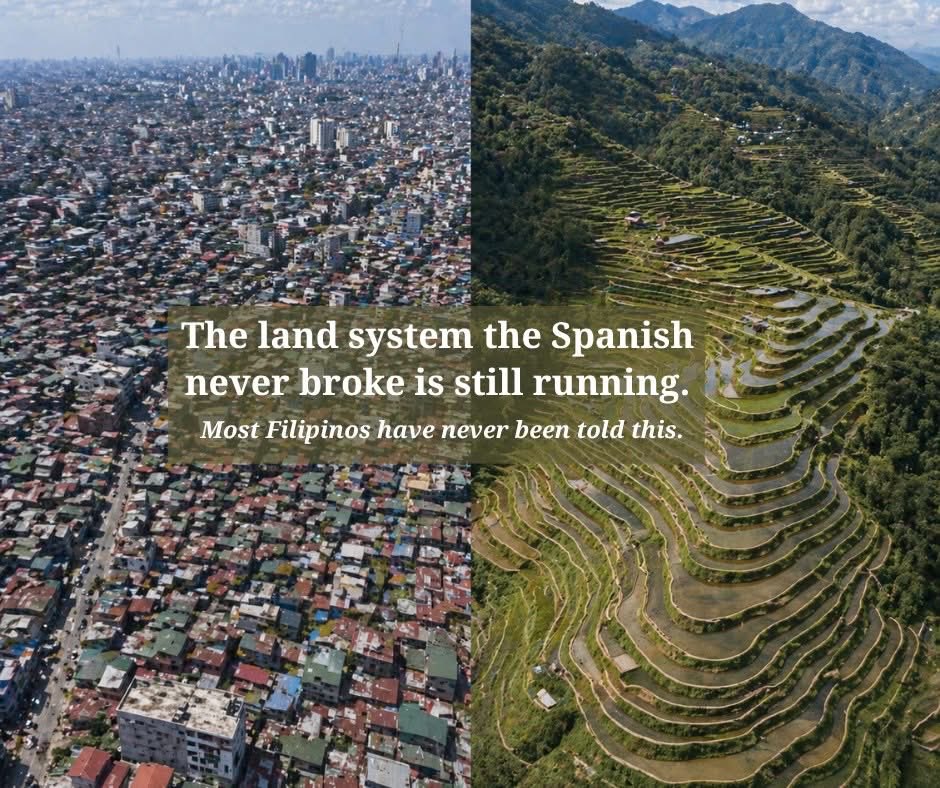
𝐖𝐡𝐚𝐭 𝐭𝐡𝐞 𝐂𝐨𝐫𝐝𝐢𝐥𝐥𝐞𝐫𝐚 𝐊𝐧𝐞𝐰 𝐓𝐡𝐚𝐭 𝐌𝐚𝐧𝐢𝐥𝐚 𝐅𝐨𝐫𝐠𝐨𝐭 𝑇ℎ𝑒 𝑙𝑎𝑛𝑑 𝑠𝑦𝑠𝑡𝑒𝑚 𝑡ℎ𝑒 𝑆𝑝𝑎𝑛𝑖𝑠ℎ 𝑛𝑒𝑣𝑒𝑟 𝑏𝑟𝑜𝑘𝑒 𝑖𝑠 𝑠𝑡𝑖𝑙𝑙 𝑟𝑢𝑛𝑛𝑖𝑛𝑔. 𝑀𝑜𝑠𝑡 𝐹𝑖𝑙𝑖𝑝𝑖𝑛𝑜𝑠 ℎ𝑎𝑣𝑒 𝑛𝑒𝑣𝑒𝑟 𝑏𝑒𝑒𝑛 𝑡𝑜𝑙𝑑 𝑡ℎ𝑖𝑠. Most stories about the Philippines start with what was done to it. The Spanish came. The Americans came. The Japanese came. The Americans came back. Each ruler is described, the damage tallied, and the reader is left with the impression that the country is the sum of its colonizations. There's a different story available, and almost nobody tells it. Parts of the Philippines were never fully colonized. Not the way the lowlands were. The Cordillera mountains in the north, home to the Ifugao, Bontoc, Kalinga, Ibaloi, and Kankanaey peoples held off the Spanish for 350 years. The Americans had a marginally better time but never finished the job either. 𝑇ℎ𝑒 𝑙𝑎𝑛𝑑 𝑠𝑦𝑠𝑡𝑒𝑚 𝑢𝑝 𝑡ℎ𝑒𝑟𝑒 𝑖𝑠 𝑛𝑜𝑡 𝑎 𝑟𝑒𝑚𝑛𝑎𝑛𝑡. 𝐼𝑡 𝑖𝑠 𝑎 𝑝𝑎𝑟𝑎𝑙𝑙𝑒𝑙 𝑐𝑜𝑢𝑛𝑡𝑟𝑦 𝑟𝑢𝑛𝑛𝑖𝑛𝑔 𝑜𝑛 𝑎 𝑑𝑖𝑓𝑓𝑒𝑟𝑒𝑛𝑡 𝑜𝑝𝑒𝑟𝑎𝑡𝑖𝑛𝑔 𝑠𝑦𝑠𝑡𝑒𝑚, 𝑎𝑛𝑑 𝑖𝑡 ℎ𝑎𝑠 𝑏𝑒𝑒𝑛 𝑟𝑢𝑛𝑛𝑖𝑛𝑔 𝑐𝑜𝑛𝑡𝑖𝑛𝑢𝑜𝑢𝑠𝑙𝑦 𝑓𝑜𝑟 𝑎 𝑡ℎ𝑜𝑢𝑠𝑎𝑛𝑑 𝑦𝑒𝑎𝑟𝑠. Here is what that operating system looks like, in plain terms. 𝐎𝐧𝐞. 𝐋𝐚𝐧𝐝 𝐢𝐬 𝐧𝐨𝐭 𝐩𝐫𝐨𝐩𝐞𝐫𝐭𝐲. 𝐈𝐭 𝐢𝐬 𝐫𝐞𝐥𝐚𝐭𝐢𝐨𝐧𝐬𝐡𝐢𝐩. In Cordillera customary law, land is held by kin groups, not individuals. You don't own a rice terrace. You belong to a lineage that has the right and the duty to steward a particular terrace. The terrace existed before you. It will exist after you. Your job, while you're here, is to not break it. This is the opposite of the Spanish title system, which treats land as a thing one person can buy, sell, or hoard. Under customary law, you can't sell a terrace because the terrace isn't yours to sell. It belongs to the dead and the unborn, and you're just the link in between. 𝐼𝑓 𝑡ℎ𝑎𝑡 𝑠𝑜𝑢𝑛𝑑𝑠 𝑚𝑦𝑠𝑡𝑖𝑐𝑎𝑙, 𝑐𝑜𝑛𝑠𝑖𝑑𝑒𝑟 𝑡ℎ𝑎𝑡 𝑖𝑡'𝑠 𝑎𝑙𝑠𝑜 𝑒𝑛𝑜𝑟𝑚𝑜𝑢𝑠𝑙𝑦 𝑝𝑟𝑎𝑐𝑡𝑖𝑐𝑎𝑙. Terraces require coordinated water management across hundreds of plots. Privatize them and the system collapses within a generation. Keep them communal and they last a millennium. The people who built them knew this, which is why they built the social system to match. 𝐓𝐰𝐨. 𝐃𝐢𝐬𝐩𝐮𝐭𝐞𝐬 𝐝𝐨𝐧'𝐭 𝐠𝐨 𝐭𝐨 𝐜𝐨𝐮𝐫𝐭𝐬. 𝐓𝐡𝐞𝐲 𝐠𝐨 𝐭𝐨 𝐞𝐥𝐝𝐞𝐫𝐬. When two families disagree about a boundary, a water share, or an inheritance, the case is heard by elders who know both families, both terraces, and both lineages. The ruling isn't about who wins. It's about restoring the relationship, because the relationship will outlive the dispute. This is slow. It's also the reason these communities have stayed coherent through a millennium that broke most of the world's similar systems. The court system the Americans installed in Manila assumes strangers settling one-time disputes. The elder system assumes neighbors who will still be neighbors in fifty years. Different problem, different tool. 𝐓𝐡𝐫𝐞𝐞. 𝐓𝐡𝐞 𝐥𝐚𝐧𝐝 𝐢𝐬 𝐚𝐥𝐢𝐯𝐞, 𝐚𝐧𝐝 𝐭𝐡𝐞 𝐚𝐧𝐜𝐞𝐬𝐭𝐨𝐫𝐬 𝐚𝐫𝐞 𝐩𝐫𝐞𝐬𝐞𝐧𝐭. This is the part that sounds strange to lowland ears, because the lowland mind has been trained for four hundred years to treat the spiritual and the material as separate departments. In the Cordillera they aren't separate. The terrace has spirit. The forest has elders. The dead are present in how the living organize. Rituals aren't decoration on top of the land system. They are the land system. The ceremonies that mark planting, harvest, inheritance, and dispute resolution are the load-bearing structure of the social order. Strip out the ritual and the system stops working, the same way a constitution stops working when the underlying economy is gone. 𝑇ℎ𝑒 𝑐𝑜𝑠𝑚𝑜𝑙𝑜𝑔𝑦 𝑎𝑛𝑑 𝑡ℎ𝑒 𝑎𝑔𝑟𝑜𝑛𝑜𝑚𝑦 𝑎𝑟𝑒 𝑡ℎ𝑒 𝑠𝑎𝑚𝑒 𝑑𝑜𝑐𝑢𝑚𝑒𝑛𝑡.
Sharon tweet media
English
1
0
0
22
Sharon
Sharon@gratefulheart·
@Freeze472 @i7093684968640 @stats_feed here’s my answer if you care to read x.com/gratefulheart/…
Sharon@gratefulheart

𝐖𝐡𝐲 𝐭𝐡𝐞 𝐏𝐡𝐢𝐥𝐢𝐩𝐩𝐢𝐧𝐞𝐬 𝐊𝐞𝐞𝐩𝐬 𝐄𝐥𝐞𝐜𝐭𝐢𝐧𝐠 𝐭𝐡𝐞 𝐒𝐚𝐦𝐞 𝐅𝐨𝐫𝐭𝐲 𝐅𝐚𝐦𝐢𝐥𝐢𝐞𝐬 Most people who try to explain Philippine politics start with the wrong thing. 𝐴 𝑐𝑜𝑛𝑠𝑡𝑖𝑡𝑢𝑡𝑖𝑜𝑛 𝑖𝑠 𝑗𝑢𝑠𝑡 𝑝𝑎𝑝𝑒𝑟. 𝑇ℎ𝑒 𝑙𝑎𝑛𝑑 𝑖𝑠 𝑡ℎ𝑒 𝑐𝑜𝑢𝑛𝑡𝑟𝑦. They start with corruption, or culture, or colonialism as a vague fog of bad feelings. None of that explains why the same surnames keep showing up on every ballot for a hundred years. There's a simpler explanation, and once you see it, you can't unsee it. 𝐻𝑒𝑟𝑒 𝑎𝑟𝑒 𝑡ℎ𝑒 𝑓𝑖𝑣𝑒 𝑟𝑢𝑙𝑒𝑠 𝑡ℎ𝑎𝑡 𝑎𝑐𝑡𝑢𝑎𝑙𝑙𝑦 𝑟𝑢𝑛 𝑡ℎ𝑒 𝑐𝑜𝑢𝑛𝑡𝑟𝑦. 𝐎𝐧𝐞. 𝐋𝐚𝐧𝐝 𝐢𝐬 𝐩𝐨𝐰𝐞𝐫. 𝐄𝐯𝐞𝐫𝐲𝐭𝐡𝐢𝐧𝐠 𝐞𝐥𝐬𝐞 𝐢𝐬 𝐝𝐞𝐜𝐨𝐫𝐚𝐭𝐢𝐨𝐧. This is an agrarian story before it's anything else. Whoever owns the land owns the people working it, the food they eat, the votes they cast, and the schools their children attend. Every layer of Philippine power, from 1571 to last Tuesday, traces back to who got the land and who didn't. The shift from communal stewardship under the datu to private title under the Spanish, then locked in by the Americans, is the original rupture. Everything else downstream of that is just consequences arriving on schedule. 𝐓𝐰𝐨. 𝐄𝐦𝐩𝐢𝐫𝐞𝐬 𝐝𝐨𝐧'𝐭 𝐠𝐨𝐯𝐞𝐫𝐧. 𝐓𝐡𝐞𝐲 𝐬𝐮𝐛𝐜𝐨𝐧𝐭𝐫𝐚𝐜𝐭. Spain ran the archipelago for 333 years with about 5,000 Spaniards on the ground. That's not enough people to govern a mid-sized town, let alone 7,000 islands. So they did what every thin empire does: they picked local strongmen, made them loyal, and let them run things. The principalía wasn't an accident or a tragedy😲 𝐼𝑡 𝑤𝑎𝑠 𝑡ℎ𝑒 𝑜𝑝𝑒𝑟𝑎𝑡𝑖𝑛𝑔 𝑚𝑜𝑑𝑒𝑙. The Americans showed up, looked at the system, and kept it running. Why wouldn't they? It was cheap and it worked. 𝐓𝐡𝐫𝐞𝐞. 𝐂𝐨𝐦𝐩𝐥𝐢𝐚𝐧𝐜𝐞 𝐟𝐥𝐨𝐰𝐬 𝐮𝐩. 𝐋𝐨𝐲𝐚𝐥𝐭𝐲 𝐟𝐥𝐨𝐰𝐬 𝐝𝐨𝐰𝐧. 𝐄𝐯𝐞𝐫𝐲𝐨𝐧𝐞 𝐢𝐬 𝐬𝐨𝐦𝐞𝐛𝐨𝐝𝐲'𝐬 𝐝𝐞𝐛𝐭𝐨𝐫. The native elite owed their position to the colonial power. The peasants owed their survival to the native elite. Utang na loob mapped onto this perfectly... not because Filipinos are uniquely bound by gratitude, but because the colonial economy took an existing relational ethic and turned it into a debt structure. You owed your patron. Your patron owed the friars. The friars owed the Crown. The web of obligation was already there. The vertical hierarchy stacked on top of it was the new part. 𝐅𝐨𝐮𝐫. 𝐖𝐡𝐞𝐧 𝐭𝐡𝐞 𝐫𝐮𝐥𝐞𝐫 𝐜𝐡𝐚𝐧𝐠𝐞𝐬, 𝐭𝐡𝐞 𝐞𝐥𝐢𝐭𝐞 𝐜𝐡𝐚𝐧𝐠𝐞𝐬 𝐮𝐧𝐢𝐟𝐨𝐫𝐦𝐬. 𝐍𝐨𝐭 𝐛𝐨𝐝𝐢𝐞𝐬. 𝐓𝐡𝐢𝐬 𝐢𝐬 𝐭𝐡𝐞 𝐦𝐨𝐯𝐞 𝐦𝐨𝐬𝐭 𝐅𝐢𝐥𝐢𝐩𝐢𝐧𝐨𝐬 𝐡𝐚𝐯𝐞 𝐧𝐞𝐯𝐞𝐫 𝐛𝐞𝐞𝐧 𝐬𝐡𝐨𝐰𝐧 𝐜𝐥𝐞𝐚𝐫𝐥𝐲, 𝐬𝐨 𝐈'𝐥𝐥 𝐬𝐡𝐨𝐰 𝐢𝐭. 𝐓𝐡𝐢𝐬 𝐢𝐬 𝐭𝐡𝐞 𝐦𝐨𝐯𝐞 𝐦𝐨𝐬𝐭 𝐅𝐢𝐥𝐢𝐩𝐢𝐧𝐨𝐬 𝐡𝐚𝐯𝐞 𝐧𝐞𝐯𝐞𝐫 𝐛𝐞𝐞𝐧 𝐬𝐡𝐨𝐰𝐧 𝐜𝐥𝐞𝐚𝐫𝐥𝐲, 𝐬𝐨 𝐈'𝐥𝐥 𝐬𝐡𝐨𝐰 𝐢𝐭. The Spanish lost. The Americans came. 𝑇ℎ𝑒 𝑠𝑎𝑚𝑒 𝑓𝑎𝑚𝑖𝑙𝑖𝑒𝑠 𝑐𝑜𝑙𝑙𝑒𝑐𝑡𝑖𝑛𝑔 𝑟𝑒𝑛𝑡𝑠 𝑢𝑛𝑑𝑒𝑟 𝑡ℎ𝑒 𝑒𝑛𝑐𝑜𝑚𝑖𝑒𝑛𝑑𝑎 𝑔𝑜𝑡 𝑒𝑙𝑒𝑐𝑡𝑒𝑑 𝑡𝑜 𝑡ℎ𝑒 𝑃ℎ𝑖𝑙𝑖𝑝𝑝𝑖𝑛𝑒 𝐴𝑠𝑠𝑒𝑚𝑏𝑙𝑦. Then the Japanese came; many of those families collaborated. Then the Americans came back; the families were restored. Then independence came; the families wrote the constitution. Then Marcos came; some families went into exile, others got richer. Then Marcos fell; the exiled families came home. Then Bongbong won in 2022; the cycle closed. 𝐅𝐢𝐯𝐞 𝐫𝐞𝐠𝐢𝐦𝐞 𝐜𝐡𝐚𝐧𝐠𝐞𝐬 𝐢𝐧 𝐨𝐧𝐞 𝐜𝐞𝐧𝐭𝐮𝐫𝐲. The load-bearing surnames barely moved. 𝗜𝗳 𝘁𝗵𝗮𝘁 𝗱𝗼𝗲𝘀𝗻'𝘁 𝘀𝘁𝗿𝗶𝗸𝗲 𝘆𝗼𝘂 𝗮𝘀 𝘀𝘁𝗿𝗮𝗻𝗴𝗲, 𝘆𝗼𝘂'𝗿𝗲 𝗻𝗼𝘁 𝗽𝗮𝘆𝗶𝗻𝗴 𝗮𝘁𝘁𝗲𝗻𝘁𝗶𝗼𝗻. 𝐅𝐢𝐯𝐞. 𝐀 𝐜𝐨𝐧𝐬𝐭𝐢𝐭𝐮𝐭𝐢𝐨𝐧 𝐢𝐬 𝐝𝐨𝐰𝐧𝐬𝐭𝐫𝐞𝐚𝐦 𝐨𝐟 𝐚𝐧 𝐞𝐜𝐨𝐧𝐨𝐦𝐲. Here's the principle nobody quite names. Paper rules don't generate power. They describe how existing power has already agreed to behave.

English
1
0
0
30
Baron Bunny trust fr
Baron Bunny trust fr@Freeze472·
@gratefulheart @i7093684968640 @stats_feed Using colonialism and religion as scapegoat for the incompetence of the country is a pathetic excuse. The problem is political dynasties, even if everyone there turn atheist that won't stop them from abusing the rigged system and having rigged elections.
English
2
0
1
68
Sharon
Sharon@gratefulheart·
ha! The argument isn’t that religion causes corruption. It’s that being colonized installs structures including but not limited to religion that outlast the colonizers. Denmark adopted Christianity. Spain and Portugal exported it. The Philippines received it at sword point. Those are three different chemistries with three different outcomes.
English
1
0
0
65
Sharon
Sharon@gratefulheart·
@CoachDanGo I’ll send this to my nephew😄 interesting information!
English
0
0
0
181
Dan Go
Dan Go@CoachDanGo·
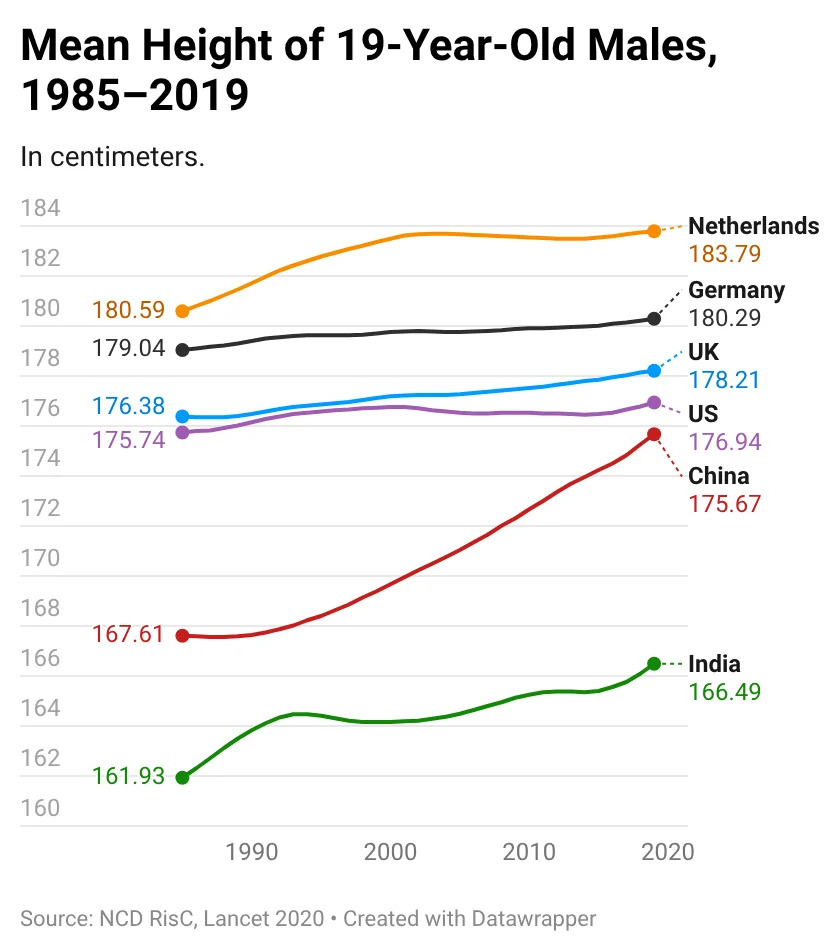
For context: I'm Chinese. Born in the Philippines. Family moved to North America when I was a baby. My siblings and I are all 3-4 inches taller than our parents. Mom was adamant we drink milk and eat meat every day.
Dan Go tweet media
English
9
8
628
111.1K
Dan Go
Dan Go@CoachDanGo·
Over the past 34 years the average Chinese man became, on average, 3 inches taller than his grandfather. But entire population can't rewrite its DNA in 35 years. So what made them grow so fast? The answer might surprise you.
Dan Go tweet media
English
344
618
5.4K
3.4M
kouji 🇯🇵
kouji 🇯🇵@yoyonofukuoka·
ワクチンを打った事で、真実に目覚めた人はどれくらいいるのだろうか?🤔
日本語
87
43
565
17K
Sharon
Sharon@gratefulheart·
The constitution didn’t fail because Filipinos are different. It failed because the Americans built it on top of 350 years of Spanish colonial architecture and then left in 1946 with the architecture intact. The same forty families who ran the country under Spain ran it under America and run it now. The paper landed on an oligarchy. The oligarchy ate it. Lee Kuan Yew knew this. His point wasn’t that Filipinos lacked capacity. It was that the political economy the Americans inherited and refused to dismantle made any imported form structurally unworkable. You cannot graft a Madisonian republic onto an extractive colonial economy and expect the document to do the work the economy refuses to do. The deeper miss: Filipinos already had functioning indigenous governance. The Ifugao ran their rice terraces collectively for two thousand years. Kapwa and bayanihan are real civic technologies. The Americans never looked. They built on Spanish bones, in English, using a document drafted in Philadelphia in 1787, and then blamed the soil when nothing grew. No magic paper. Agreed. But no magic foundation underneath either. That part matters.
English
0
0
1
78
Rothmus 🏴
Rothmus 🏴@Rothmus·
It didn’t work in the Philippines. It didn’t work in Liberia. Because they aren’t Americans. The U.S. Constitution wasn’t imposed on a people. It grew out of them. It emerged bottom-up from American culture, values, habits, and institutions. No matter how brilliant its design, it cannot be transplanted top-down onto fundamentally different peoples and cultures. No magic sand. No magic paper.
English
138
544
2.8K
118.6K
Sharon
Sharon@gratefulheart·
I’ve always believed our ancestors lived closer to the original signal… purer, clearer, less corrupted than what we inherited. What we have today is mostly noise, static, and inefficiency. Along the way, our natural ability to trust ourselves has been systematically stripped away from us.
English
0
0
0
387
Sahil Bloom
Sahil Bloom@SahilBloom·
My grandfather told me: The worst decisions in life are made when you allow your head to talk you into something when your gut already said no. I'll never forget that.
English
127
377
3.9K
87.3K
Sharon
Sharon@gratefulheart·
@yoyonofukuoka Couldn’t agree more & a lot of us went through compression points until the pressure level is reached and it’s now unstoppable.
English
0
0
0
83
kouji 🇯🇵
kouji 🇯🇵@yoyonofukuoka·
You are a being who voluntarily chose to reincarnate into this prison in order to awaken humanity. In other words, you and we are comrades. We are nodes, deliberately placed at equal intervals across the world, for the sole purpose of awakening humanity. That is precisely why we are all lonely. There are no comrades nearby. Our comrades are spread across the entire Earth. There is only one thing you need to do. Simply pursue the truth, right where you are. This is a war within consciousness.
English
133
366
1.8K
26.7K
Sharon
Sharon@gratefulheart·
Writer and I’m lucky I retired at 42 and now have time to finally write - first principles, Filipino consciousness worth dissecting, not just lamenting or celebrating, interior architecture of colonized self, how the code was installed, what it cost & how to rewrite it, all based on felt truths that meet with structural insights. I also enjoy your content. Your last post about quantum weirdness was very helpful. My ancestors’ original signal were more accurate but the evil colonizers twisted it, replaced it & weaponized it against them.
English
1
0
0
352
Kekius Maximus
Kekius Maximus@Kekius_Sage·
If you didn’t have to work for a living, what would you be doing?
English
898
29
491
48.7K
Sharon
Sharon@gratefulheart·
You cannot sell certainty to someone at peace with uncertainty. You cannot sell hierarchy to someone whose identity doesn’t depend on rank. You cannot sell salvation to someone who already trusts the unfolding.
English
0
0
0
11