Maina@Maina_Bajie
Poverty rates in western and Nyanza region
Nearly half of Western Kenya lives in poverty and the numbers compared to central Kenya should make every Kenyan angry
I want to share some numbers that stopped me in my tracks. Not because they're surprising to those of us from the region but because seeing them laid out next to the rest of Kenya makes the scale of inequality impossible to ignore.
The Numbers
According to the Kenya National Bureau of Statistics (KNBS), here are the official poverty rates for western Kenya counties:
County | Poverty Rate
| Migori 49.6%
| Kakamega 49.2%
| Homa Bay 48.4%
| Bungoma 47.3%
| Trans Nzoia 41.2%
| Kisumu 39.9%
| Siaya 38.2%
Nearly 5 in every 10 people. In 2024.
Now Compare That To This
🔴 Kakamega: 49.2% poverty rate
🔴 Migori: 49.6% poverty rate
🟢 Kiambu: 19.9% poverty rate
🟢 Nairobi: 16.5% poverty rate
Same country. Same government. Same tax base. Yet western Kenya counties are experiencing two to three times the poverty of central Kenya counties. That gap doesn't happen by accident.
The Painful Irony
Kakamega alone contributes 4.77% to Kenya's entire national poverty index.... the single highest contribution of any county. This is a county with:
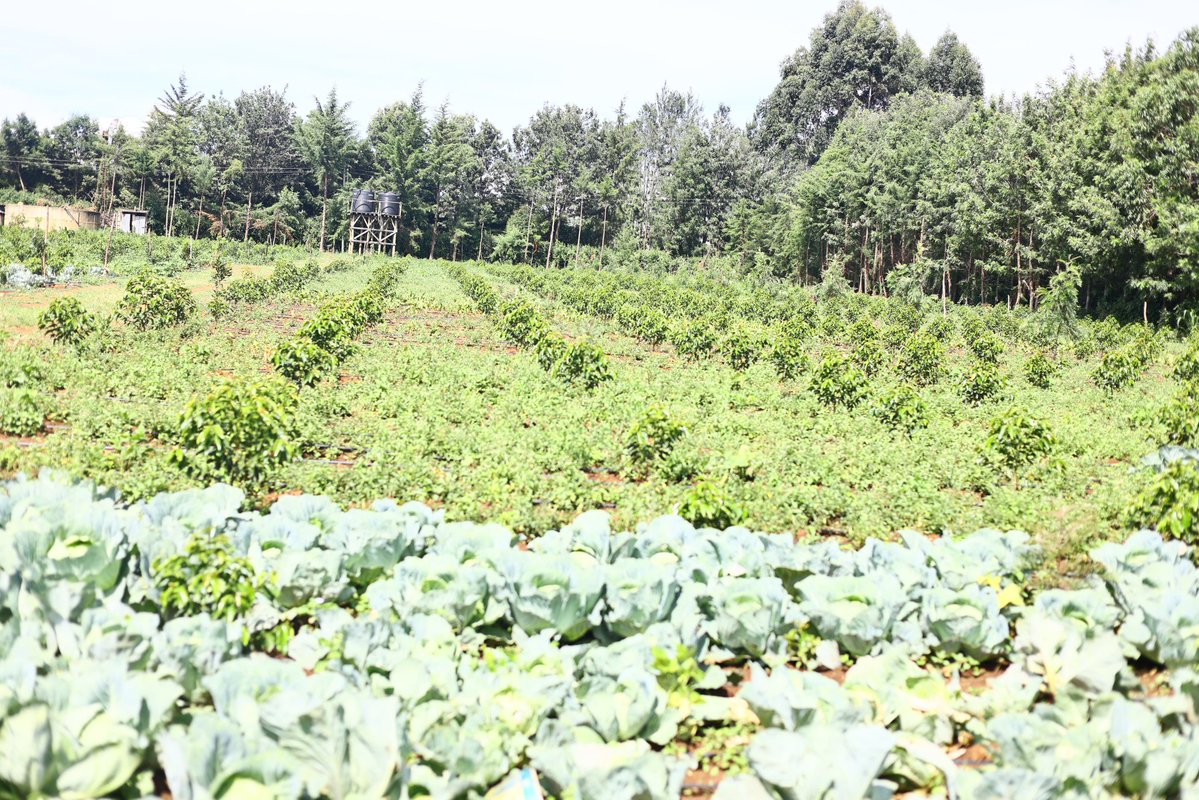
✅ Fertile agricultural land
✅ The Kakamega rainforest
✅ Gold deposits
✅ High literacy rates
✅ Sugarcane production
The resources are there. The investment has never matched them.
What Happened to the Industries?
Mumias Sugar Company was once the largest sugar miller in East Africa. Thousands of jobs. Entire towns economically dependent on it. Today it has collapsed mismanaged and politically abandoned while farmers who depended on it were left with nothing.
The Health Factor
HIV and malaria rates in Western and Nyanza provinces are among the highest in Kenya. Research shows that more than 3 in 5 households fall into poverty partly because of disease — medical costs drain income while illness prevents work. Poverty and poor health feed each other in a cycle that underfunded health infrastructure cannot break.
Is This By Design?
During colonial rule, western Kenya was used primarily as a labour reserve ,people taken to build railways and work farms elsewhere while their home region received minimal infrastructure in return. After independence, budget allocations and industrial investment continued to follow political proximity to power rather than need or potential.
Western Kenya has produced brilliant minds, influential politicians, and hardworking communities. It has also been on the losing side of Kenya's patronage-based development system for most of its post-independence history.
What I'm Asking
I'm not here to tribal-bait or point fingers at communities. I'm asking that we as Kenyans look honestly at these numbers and ask whether this is the country we want to be. Development should not follow ethnicity. Resources should not follow political loyalty.
If you're from western Kenya — your experience is valid and these numbers confirm it. If you're from elsewhere — this inequality affects Kenya's potential as a whole.
TL;DR: Western Kenya counties have poverty rates of 38–50%, nearly 3x higher than central Kenya counties like Kiambu (19.9%) and Nairobi (16.5%). Kakamega contributes the highest share of any county to Kenya's national poverty index — despite having fertile land, resources, and an educated population. This is the result of decades of structural underinvestment, collapsed industries, and political marginalization.
Sources: Kenya National Bureau of Statistics (KNBS) | Kenya Demographic Health Survey | The Standard Kenya