Stephan Grupp MD PhD
3.3K posts

Stephan Grupp MD PhD
@GruppSteve
#CARTCell expert, bone marrow transplanter, pediatric oncologist, husband to my vastly better half. All opinions my own, not an investor. RT not=endorsement🌊🌊

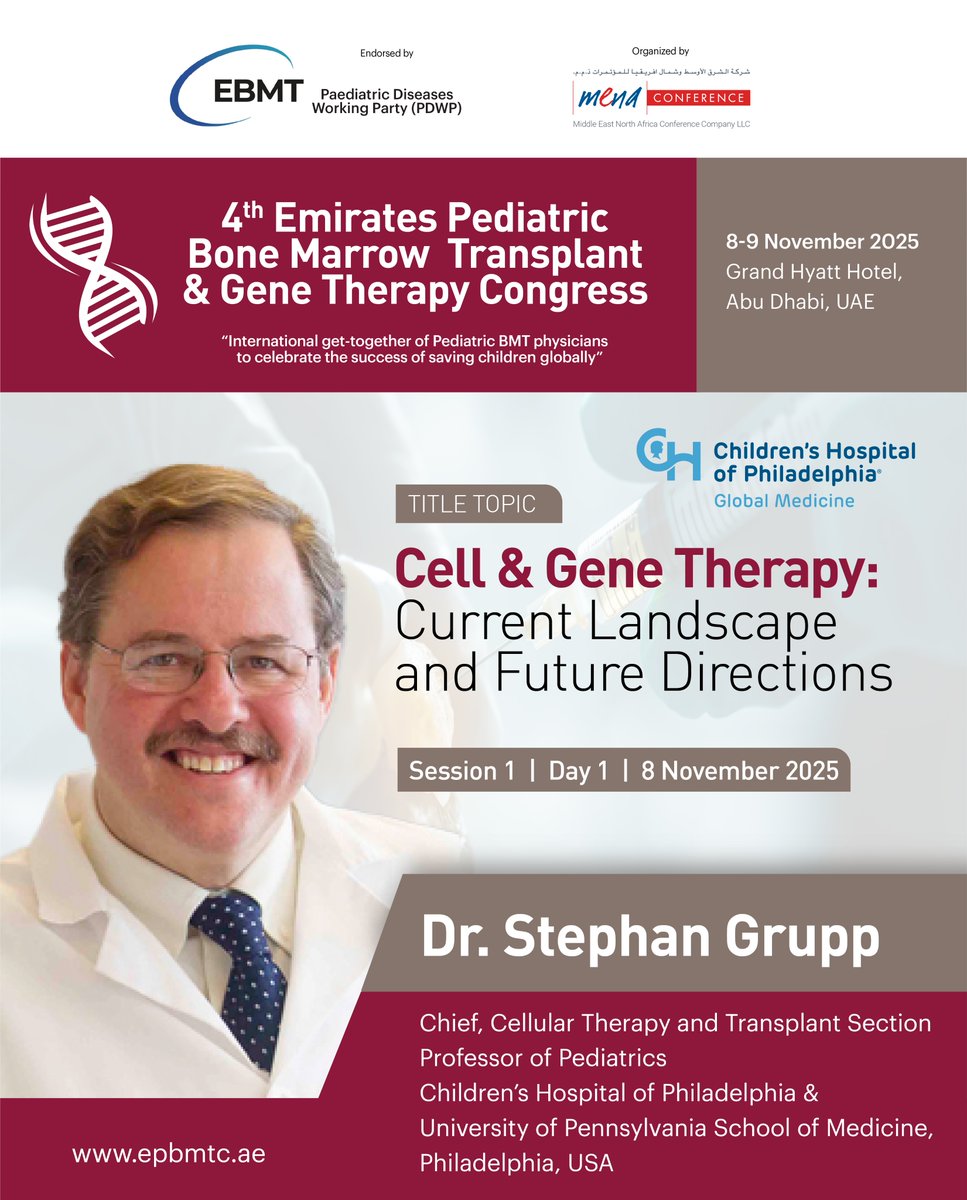
Have you made a breakthrough in HCT, cellular or gene therapy? Showcase your work at #Tandem26 & discuss your findings with experts from around the globe. 🌍 Submit your abstract today! @CIBMTR 📅 Deadline: October 9, 2025 🔗 ow.ly/wyrJ50WMqJY

I am deeply honored and humbled to have received the 2025 Merkin Prize in Biomedical Technology along with my long term mentor and colleague Carl June, and Isabelle Rivière, and Michel Sadelain. Innovation and translation of CAR T cell therapies first to clinical trials and then to regulatory approval and commercialization is the collaborative work of many people at many centers. We recognize the importance of that collaboration and the participation of patient volunteers in clinical trials. Without them and faith in science (and NIH, philanthropic, and industry funding), we would not be able to bring new therapies to patients. @PennMedicine @PennCancer @columbiacancer @broadinstitute broadinstitute.org/news/2025-merk…








“$8 million for making mice transgender — this is real.” Umm, Mr. President?
This is a serious measles outbreak in Texas. The measles vaccine has been proven safe & effective since 1963.
Brilliant strategy in this litigation over the Trump admin’s research gutting policy on paying NIH grants: Any relief the court orders only affects the 22 states that have sued, predominately blue states, putting the squeeze on GOP states to pressure the admin to rescind the policy.


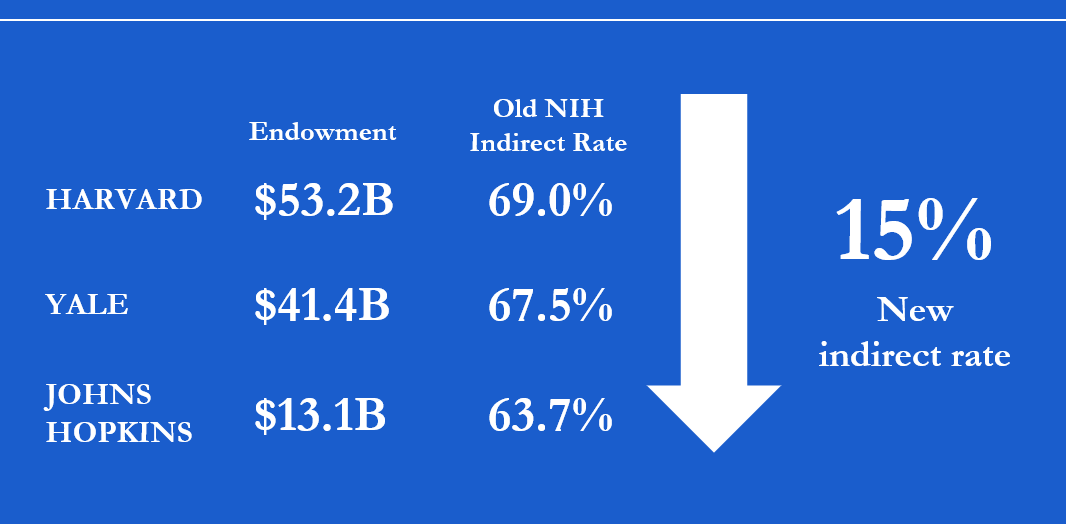
Last year, $9B of the $35B that the National Institutes of Health (NIH) granted for research was used for administrative overhead, what is known as “indirect costs.” Today, NIH lowered the maximum indirect cost rate research institutions can charge the government to 15%, above what many major foundations allow and much lower than the 60%+ that some institutions charge the government today. This change will save more than $4B a year effective immediately.