Gabriel Sjöblom

1.4K posts

Gabriel Sjöblom banner
Gabriel Sjöblom

Gabriel Sjöblom

@gsfodor

Mostly cultural heritage and occasional analysis.🇸🇪🇫🇮

Stockholm Katılım Haziran 2015
2.9K Takip Edilen520 Takipçiler
Gabriel Sjöblom retweetledi
Champions of the Ice
Champions of the Ice@ChampionsOTIce·
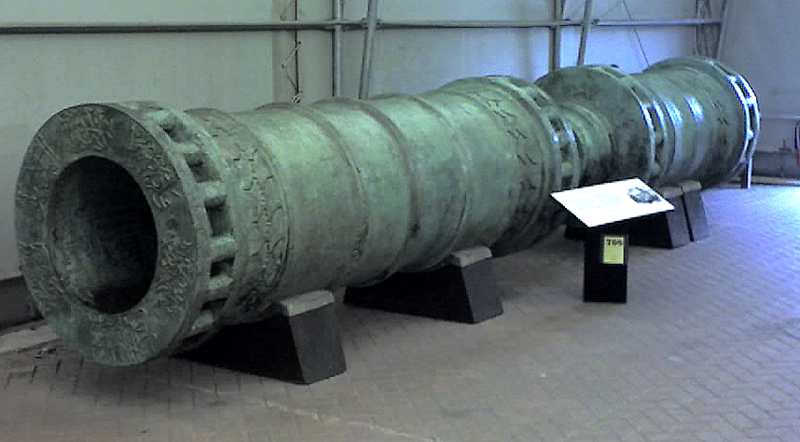
Crazy that Constantinople fell almost entirely because the Emperor didn't want to pay for a Hungarian's autism project (building a 19 ton cannon with a 30" bore inspired by much smaller models introduced by the Mongols) so the autist in question asked the Ottomans if they would like to fund his superweapon instead. Being tired of repeatedly losing, they said yes and threw money at him to make the damn thing, which destroyed the previously unassailable walls of the city using 1200lb cannon balls with a range of up to a mile. Dude wasn't concerned with politics, religion, or the civilizational consequences of his actions. He just really wanted to make an enormous cannon, and by god did he succeed.
Champions of the Ice tweet media
drakolobo@DerceinLycaon

@___TheGOOdWitch 1. The crusade did not expanding Christianity; it was to defend Byzantium, which was besieged by Islam. 2. The expansion of Christianity was done through evangelization and only became military when a king became Christian and forced his subjects to convert.Really was martyrdom:

English
202
1.1K
16.3K
862.1K
Gabriel Sjöblom retweetledi
Alfred Lin
Alfred Lin@Alfred_Lin·
I was reminded recently of an article by David Brooks in The Atlantic, titled "You Might Be a Late Bloomer." Two paragraphs that have stuck with me: "We have a notion that the happiest people are those who have aimed their life toward some goal and then attained it, like winning a championship trophy or achieving renown. But the best moments of life can be found within the lifelong learning or quest itself. It's doing something so fulfilling that the work is its own reward. 'Effort is the one thing that gives meaning to life,' the Stanford psychologist Carol Dweck once wrote. 'Effort means you care about something.' 'The secret of life is to have a task, something you devote your entire life to, something you bring everything to, every minute of the day for the rest of your life,' the sculptor Henry Moore once told the poet Donald Hall. 'And the most important thing is—it must be something you cannot possibly do.'"
Alfred Lin tweet media
English
34
414
3.7K
166.9K
Gabriel Sjöblom retweetledi
Macdonald-Laurier Institute
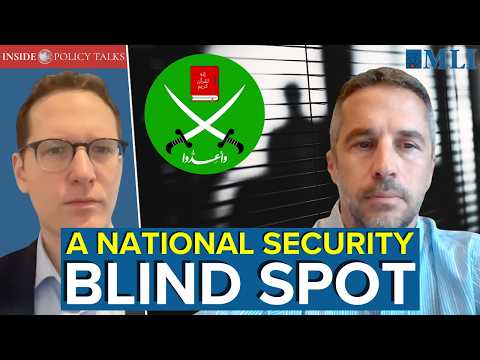
The West offers the “ideal environment” for an organization like the Muslim Brotherhood to carry out its operations “because we are extremely tolerant,” says Lorenzo Vidino, an expert on the Islamist organization. The Muslim Brotherhood has inspired or spawned some of the world's most dangerous terrorist organizations. Yet its goals, strategy, structure, and financing remain poorly understood – even by many of the world's leading national security and intelligence agencies. The Brotherhood’s long-term goal is the Islamification of society. The West’s tolerance offers fertile grounds for its activities to remain unchecked – creating a national security blind spot within Western democracies. One of the world’s leading experts on the Brotherhood, Vidino is director of the Program on Extremism at The George Washington University @gwupoe. He joins Inside Policy Talks to share his research conducted over the past 25 years. “In the West, they could operate freely,” says Vidino. “They can fundraise, they can open mosques, they can disseminate the propaganda, they can carry out all the social, religious, and political activities and fundraising activities.” On the podcast, he explains in detail to MLI’s @DrCaseyBabb how the Brotherhood carries out activities like raising revenues. He says this involves a combination of receiving money from the Middle East, conducting ventures like real estate businesses in the West, and obtaining funds directly from unsuspecting Western governments. Watch the full episode: youtu.be/phGWAqgimLA
YouTube video
YouTube
English
2
33
43
4.9K
Gabriel Sjöblom retweetledi
Edmund Burke
Edmund Burke@devoffice·
“Romantic heartbreak has an elaborate infrastructure. There are films for it. Songs for it. Poetry, rituals, sympathy, advice columns, entire industries dedicated to helping people metabolise romantic loss. Friendship grief, however, remains oddly invisible. Nobody teaches you how painful it feels to slowly lose access to someone who once knew your inner life intimately. Someone who understood the silences before your sentences. Someone who could identify your mood from the way you said ‘okay’. Someone who knew everything about your crushes and petty insecurities.” timesofindia.indiatimes.com/blogs/civil-ir…
English
8
230
1.2K
78.1K
Gabriel Sjöblom retweetledi
Arnesa Buljušmić-Kustura
Arnesa Buljušmić-Kustura@arnesa_kustura·
You’re not truly Muslim until you have parents that believe Michael Jackson converted to Islam and that’s why they killed him.
English
78
897
9K
198.2K
Gabriel Sjöblom
Gabriel Sjöblom@gsfodor·
@sharghzadeh In Istanbul, its known as the Menderes yikimlari (Menderes demolitions, it even has its own hashtag on Turkish history twitter)
English
0
0
0
31
شرق‌زده sharghzadeh
شرق‌زده sharghzadeh@sharghzadeh·
Istanbul has had its fair share of urban planning disasters (once a Sufi brother pointed out where an important graveyard right outside the old city walls had become a parking lot) but it is largely intact.
English
1
0
35
3.6K
شرق‌زده sharghzadeh
شرق‌زده sharghzadeh@sharghzadeh·
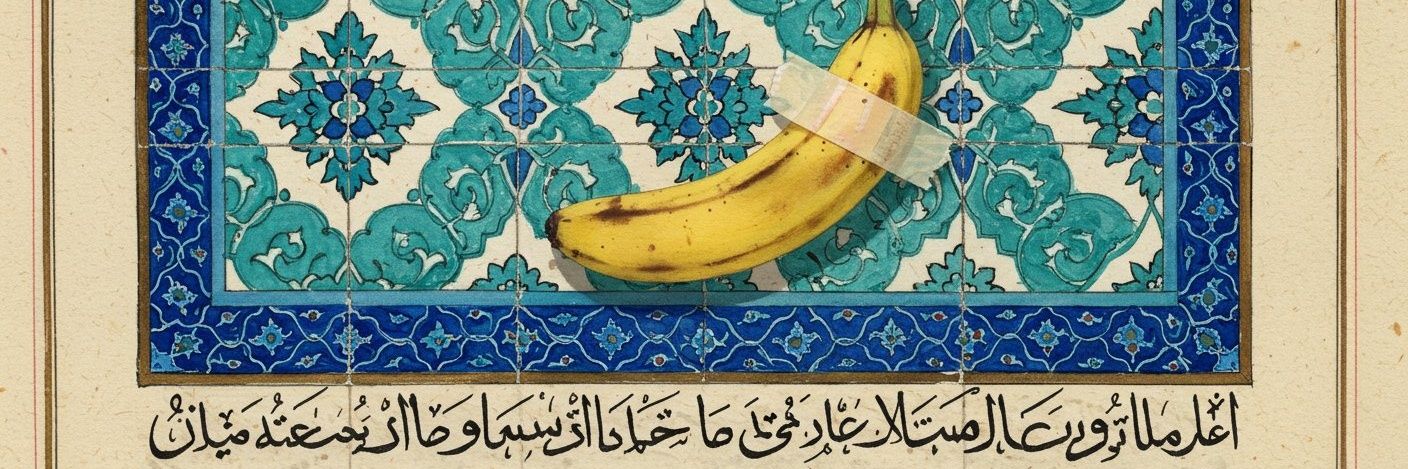
This is why Istanbul and Isfahan are so precious, they have not been mangled as described.
Hasan Spiker@RealHasanSpiker

My wife and I had a 12-hour layover in Cairo today, and so I was tremendously privileged to be able to make a quick visit to the maqām of Imam Husayn. The sublime energy of pure light in that place contrasted forcefully with the demented chaos of urban horror that surrounds it for endless miles of rubbish-strewn concrete outgrowth, around which brutal traffic swarms. The British were the first to attempt social engineering through soul-destroying urban planning here, when they maliciously cut Islamic Cairo in two by driving a busy modern traffic corridor right through Imam al-Husayn and al-Azhar, thereby separating them. In doing so, they badly impaired the environmental cohesiveness of the area, and thence, indeed, impeded the ability of the spirituality that both informed and supervened upon that environmental cohesiveness to flow therein. They did this because they were afraid; they wished to attempt to curb, in whatever small way, the alarming power that radiates from Islamic civilization when it is true to itself, and thence imbues its corresponding urban environments with the beauty and goodness that allow us to live and move and have our being within environments which affirm our deepest metaphysical convictions, rather than calling them into question. Naturally, the post-Islamic secular authorities dutifully followed suit in their rush to ‘keep up’, to genuflect to ‘modernisation’, to assure their former colonial overlords (and more than anything else, to assure themselves ) that they were not backward natives, even if they were regrettably still surrounded by such great swarms of them. Only spineless sycophantic stooges such as these could have allowed the tumoral malignancy of modern Cairo to fester unchecked around one of the greatest and most beautiful cities of Islam. This reminded me of the hadith in which we are told that we should expect the Hour when authority becomes standardly invested in those unfit for it. The worst of people. And so this vomitous vision of hell surrounded us the entire way from the airport to Imam al-Husayn; until the ancient mosques from the days of the splendour and majesty of Islam began to appear, and we quite suddenly found ourselves enveloped in an effusion from the timeless reality in which that glorious past had participated so fully, and upon on whose vestiges that baraka still supervenes. Yes, the Islamic city, and indeed, the Muslims, used to be something else entirely. Our dīn was founded in dhawq or direct tasting of spiritual light, and this taste inspired us to establish truth in our vision of the world, beauty in our environment, and goodness in our conduct. If we find ourselves comfortable in the dehumanising nightmare of the modern post-Islamic city, it is because we have lost that ability to taste. And we thus have very little to do with the pure light of the maqams of Imam Husayn or Sayyidatuna Nafisa, or the spiritual radiance of the Old City of Damascus, or the luminous maqam of Shaykh Abd al-Qadir al-Jilani in Baghdad. We share nothing with the spirit that enlivened the Islamic past other than proximity in location; and indeed, when we are untroubled by its disfigurement, we have become its active enemies.

English
3
14
184
18.4K
Gabriel Sjöblom retweetledi
Dear Self.
Dear Self.@Dearme2_·
so much of adulthood is just grieving in secret. grieving ex lovers, grieving dead friendships, grieving your parents sinking into old age, grieving the person you thought you'd grow into. grieving cities you never got to live in. grieving parts of you that couldn't survive. Scam
English
122
4.2K
21.5K
418.9K
Gabriel Sjöblom retweetledi
Omar
Omar@omar_dddg·
“A recurring theme in these accounts is the encounter with a version of Islam experienced as punitive, intellectually brittle, and spiritually empty. Prominent scholars including Hamza Yusuf, Abdal Hakim Murad, and Sherman Jackson have been saying as much for years, observing that a tradition once characterised by intellectual richness, aesthetic grandeur, and spiritual depth had been reduced to a checklist of superficial prohibitions.”
Omar@omar_dddg

x.com/i/article/2054…

English
25
47
295
26.2K
Gabriel Sjöblom retweetledi
İstanbul Kitâbeleri
İstanbul Kitâbeleri@istanbulkitabe·
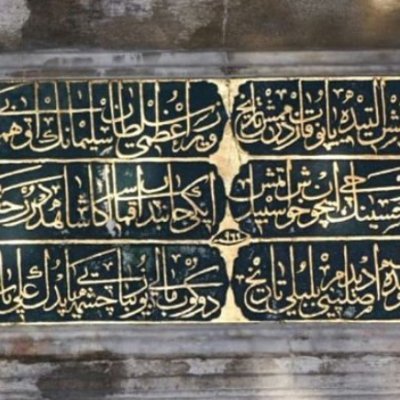
Vazifesi uğruna can veren isimsiz kahramanlardan.. 100 yıl önce,iletişim hatlarını ayakta tutmak için soğukla mücadele eden bir görev adamının son durağı.. Mustafa Efendi’nin hüzünlü hikayesi, günümüz ve geçmişin imkanlarını,hangi zorluklarla hizmet edildiğini bize hatırlatıyor.
İstanbul Kitâbeleri tweet media
Türkçe
2
15
90
2.8K
Gabriel Sjöblom retweetledi
Nafderlin
Nafderlin@mobiusdisk·
They used to write about the sociology of Jihadism and what prompted people to get into it, but soon enough they’ll discover a new form of it across nations, disciplines, religions, and tendencies.
MC Squared@mcsquared34

English
13
60
911
47.8K
Gabriel Sjöblom retweetledi
şeşü
şeşü@suslankirsall·
Sofilerin genel sıkıntısı belli noktadan sonra kendilerini ‘oldum ben ya’ sanıp akıl vermesi. Buna benim amcam da düştü. Sofi oldu akıl verip cübbe giydi babam bunu bi dövdü. Şimdi sadece kumar oynuyor. İntihar etmesini bekliyoruz. O borclar ancak ölürse kapanır. Aynı milli son.
🎙️ Muhbir@ajansmuhbir1923

Adana Sıfır Bir dizisinde oynayan Ferit Yanık, İslam üzerinden hocalığa başladı: “Ey bir aileye bile hükmedemeyen ilerici, 3 kıta 7 denize hükmeden ecdadın mı gerici?”

Türkçe
4
2
133
20K
Gabriel Sjöblom retweetledi
Lütfi Şeyban
Lütfi Şeyban@lutfiseyban·
Bu, iki dünya arasında sıkışmış bir kimlik hâlinin göstergesi. Dış görünüş ile iç aidiyet arasındaki mesafe, Türkiye’de modernleşmenin ürettiği kültürel gerilimin tipik yansımalarından biri. Mesele aile, çevre ve şehir hayatının birlikte ürettiği melez fakat yaralı bilinçtir.
nur@silverflamesss

Bursa’da o kadar çok böyle insan var ki. Muhafazakar zengin aile çocukları. Aileleri yaşam tarzı ve kıyafetlerini kısıtlamaz. Anneleri kapalı olsa da kızlar şortla gezip saç boyatabilir. O yüzden dışardan çok seküler görünürler ama esasen dindarlardır.

Türkçe
1
1
12
2.5K
Gabriel Sjöblom retweetledi
Birch Brother 🪓
Birch Brother 🪓@BjorkBrodern·
Men will watch this video of German riot police stuck in the mud at a coal mine protest and suddenly get the battle of Agincourt.
English
388
2K
13.9K
1.2M
Pera Müzesi
Pera Müzesi@PeraMuzesi·
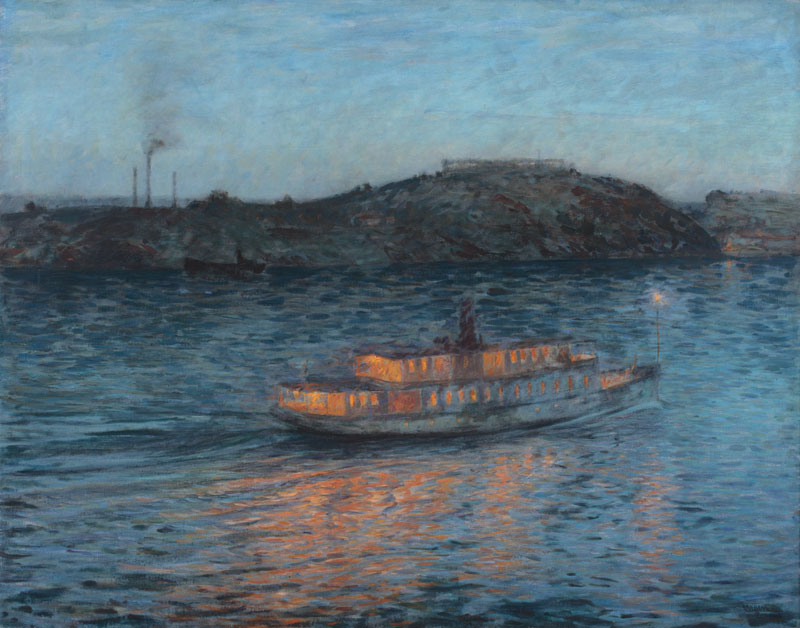
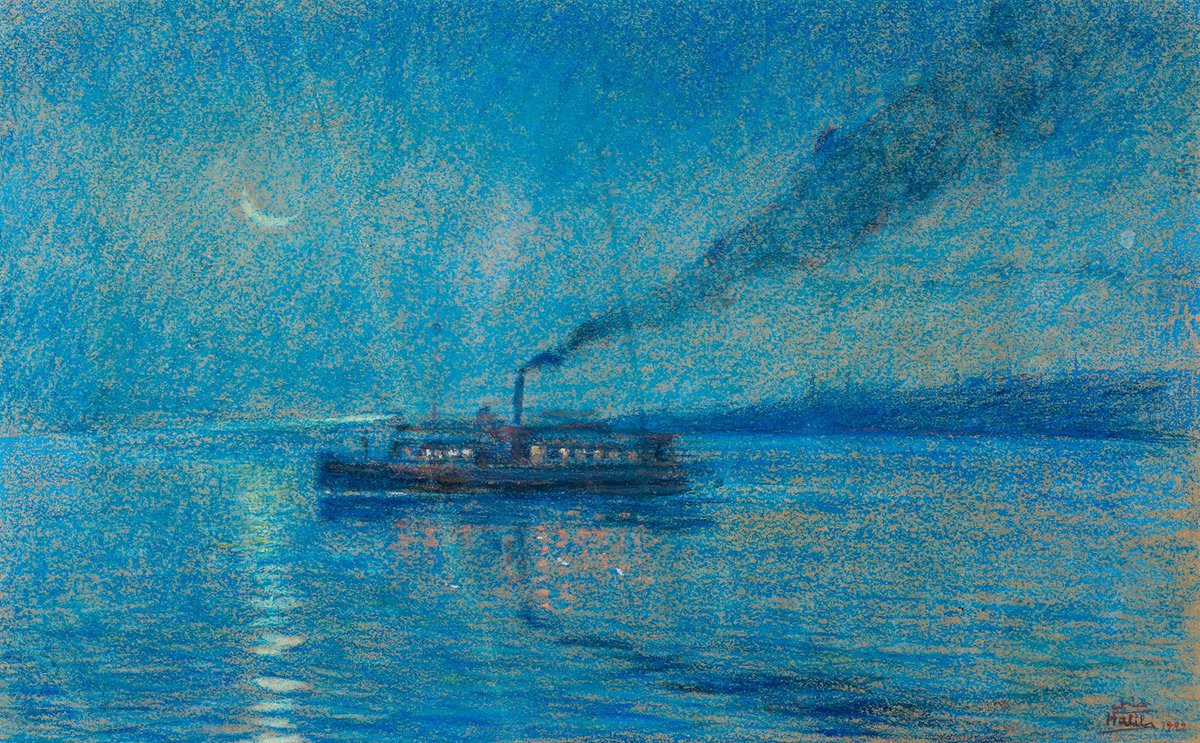
Halil Paşa'nın İstanbul manzaralarında yerel atmosfer yaratma konusundaki başarısı onun sanatsal gücünü yansıtır. "Suyun Kıyısında" sergimiz devam ediyor. Bu sergide bambaşka bir İstanbul keşfedecek ve Halil Paşa'nın yaşamına da sanatına da yakından bakacaksınız. Ziyaret saatleri, ücretsiz günler ve sergiyle ilgili detaylı bilgi web sitemizde.
Pera Müzesi tweet media
Türkçe
2
5
55
4.9K
Gabriel Sjöblom retweetledi
Enselenen Mizantrop Kedi
Enselenen Mizantrop Kedi@enselenencat·
Lisans tezimi yazarken bir köyde tarihi bir mesciti arıyordum, tescil kaydındaki yerine gittim ama karşımda 1-2 yıl önce yapılmış bir mescit var. İmamı buldum, nedir ne değildir diye sordum. İmam, mescit cok eskiydi köyümüze yakışmıyordu, yeni mescit istedik yapmadılar biz de +
🎙️ Muhbir@ajansmuhbir1923

1741 tarihli İshak Ağa Çeşmesi’ni ‘restore’ ettiren muhtar: “Eski çeşmeydi yıktık, yenisini yaptık.”

Türkçe
56
197
3.5K
586.6K
Gabriel Sjöblom retweetledi
The Ways of A Gentleman
The Ways of A Gentleman@Gentleman_Ways·
"Eat at a local restaurant tonight. Get the cream sauce. Have a cold pint at 4 o’clock in a mostly empty bar. Go somewhere you’ve never been. Listen to someone you think may have nothing in common with you. Order the steak rare. Eat an oyster. Have a negroni. Have two. Be open to a world where you may not understand or agree with the person next to you, but have a drink with them anyways. Eat slowly. Tip your server. Check in on your friends. Check in on yourself. Enjoy the ride." -Anthony Bourdain
The Ways of A Gentleman tweet media
English
297
1.2K
6.7K
279.9K
Gabriel Sjöblom retweetledi
Athenaeum Book Club
Athenaeum Book Club@athenaeumbc·
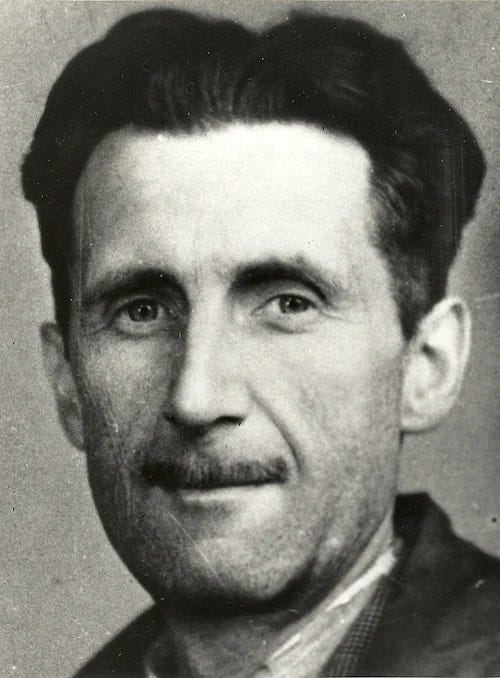
In 1928, George Orwell went to Paris because he wanted to see what it was like to be poor. He rented a cheap room, ran out of money faster than expected, and ended up washing dishes in hotel kitchens for twelve to fourteen hours a day. The work was brutal in a boring way. Hot steam, greasy plates, shouting chefs, no breaks. You stood until your legs stopped working. When the shift ended, there was just enough time to eat badly and sleep before doing it again. When he got sick, no one helped much. You missed a shift, you lost the job. Later, in England, he lived among tramps and slept in shelters because he had nowhere else to go. He kept notes the whole time… He turned the experience into Down and Out in Paris and London. The book shows what happens when life becomes logistical and dignity turns into something you can’t afford. That period stayed with him. Long after he became famous, his writing never forgot how fragile comfort is, or how fast a person can slide from being someone to being invisible.
Athenaeum Book Club tweet media
English
209
3.5K
19.3K
1.3M
Gabriel Sjöblom retweetledi
İsmail Küçükkılınç
İsmail Küçükkılınç@ismailkkilinc·
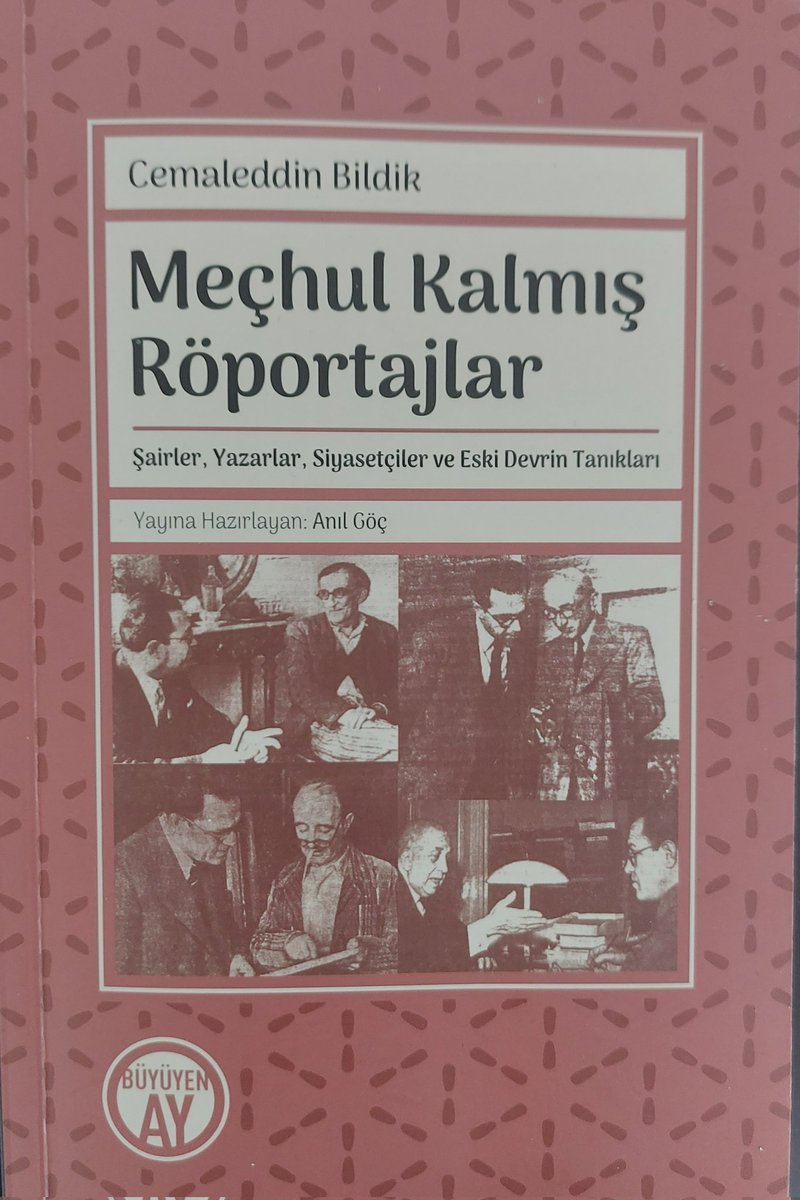
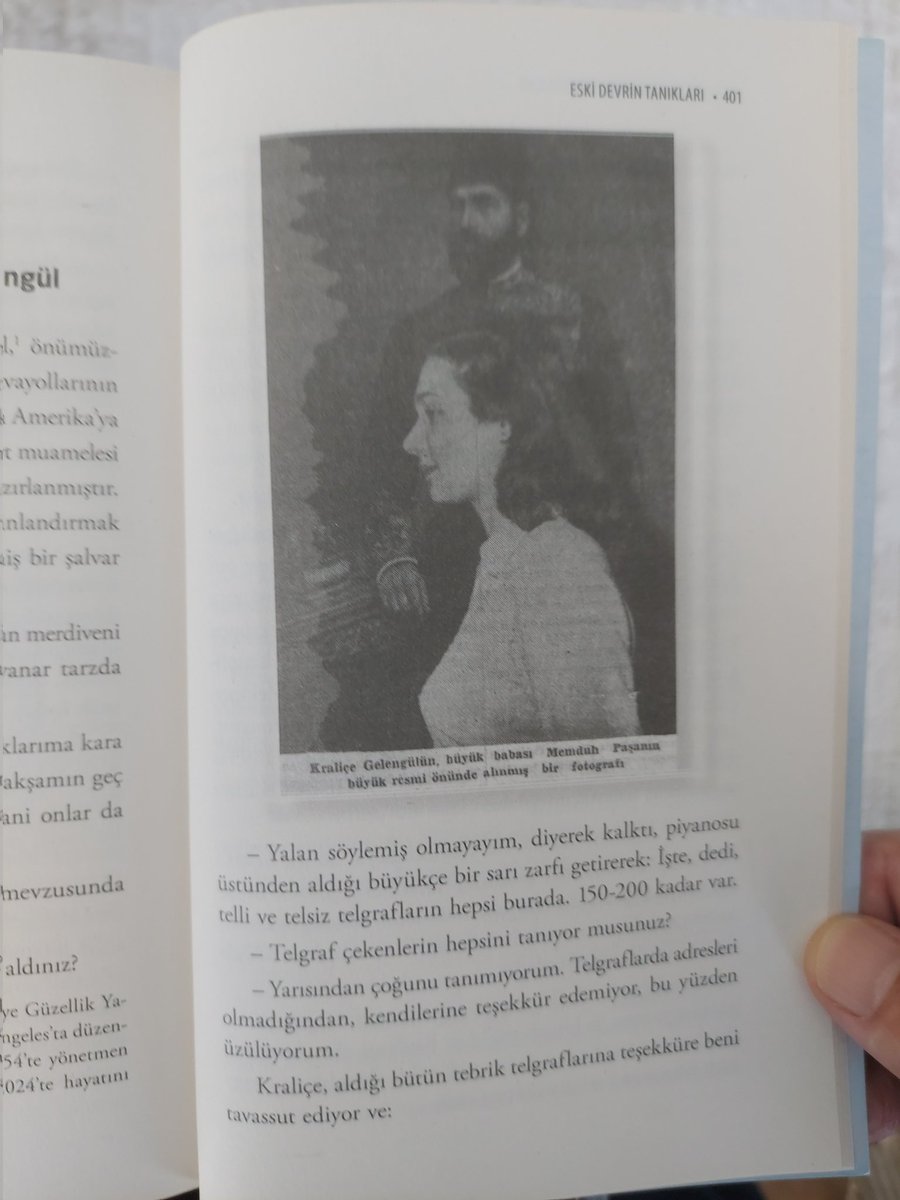
"ABDÜLHAMİD İYİYDİ AMA ÇEVRESİ KÖTÜYDÜ" GEYİĞİ! İTC, İttihadçılık ve Meşrutiyet devri ile az da olsa behresi ve ihtisası olan biri vasfıyla Abdülhamid'e dair esaslı birşeyler söylemememiz imkansızdır. Abdülhamid'e haksızlık yapmadan tenkid tevcih eden biriyim ve düşmanım dahi olsa birine haksızlık yapmaktan, adaletsiz davranmaktan hele de zulmetmekten, bühtanda bulunmaktan Allah'a sığınırım. Abdülhamid maalesef hırsız paşaları korur, liyakat ve ehliyet kadar sadakate de önem verir, paşaları da ona karşı sadıkane değil minnetdar görünürdü, ta ki hal' edilene kadar. Karaktersiz ve şahsiyetsiz biri olduğu müsellem Küçük Said Paşa, 31 Mart Vak'ası ertesi Meclis-i Millî'de Abdülhamid hal' edilirken öyle haysiyetsizce şeyler yapmıştır ki mezburun ismi zikredildikçe onun yerine ben utanırım. Sadakat ve ubudiyet beklerken Abdülhamid, bunun kuru kuruya olmadığını bilir, kullarını nimete boğardı. Gerçi Abdülhamid'in paşaları, Abdülaziz'in paşaları gibi devlette ortaklık iddiasında bulunmazlardı. Tanzimat paşaları hele de Âli ve Fuad paşalar öyle pervasızdı ki padişahın sarayı gibi bir konak inşa ettirebilmişlerdi. Abdülaziz'in hayatında yaptığı en haysiyetli işlerden biri Fuad Paşa'nın Beyazıt'ta yaptırdığı ve Eczacılık Fakültesi binası olarak bilinen konağa el koyup onu Maliye Nezareti binası yapması idi. Fuad Paşa işi arsızlığa vardırmış ve padişaha nazire edercesine saray misillü bir konak yaptırmıştı. Bu ara yeri gelmişken İstanbul Üniversitesi rektörlüğünü kınadığımı ifade etmek isterim. Bu konak artık tarihi eserdir ve bunu korumak lazımken onun tam dibinde bir bina yükseliyor. Bu tarihi konağın Vefa'ya bakan kısmını karanlıkta bırakan ve adeta ondan intikam alır gibi inşa edilen bu betonarme bina tarihe karşı açık bir saygısızlığın da göstergesidir. Abdülhamid'in paşalarının ve dar kadrosunun bir diğer özelliği de seküler bir hayat tarzını benimsemiş insanlar oluşu idi. Abdülhamid, din eğitimini baltalayan, medreseleri köhneliğe ve ademe mahkum eden, medrese mezunlarının devlette istihdamının önünü kapatan ama seküler görünümlü okullarda esaslı ve lüzumlu bir dinî eğitimi de tesis edemeyen bir padişah idi. Abdülhamid sırf kendi korkusu sebebiyle sekülerleşmenin bir seyelan halini almasına yol açan padişah idi. Amcası medrese talebelerinin ve ulemanın başlattığı bir isyan neticesi tahttan indirildiği için bunu hiçbir zaman unutmamış, bu sebeple medrese ve ulemaya düşmanlık yapmış ancak şeyhleri Arap olan birkaç tarikatı desteklemiştir. Maalesef bizim tarih cahili dindar-muhafazakar camia bilhassa da tarihçi değil şair bir aksiyon adamı olan Necip Fazıl'ın gazıyla Abdülhamid'i ululamış, İttihadçıları da düşman bellemiştir. Nişantaşı, Teşvikiye, Beşiktaş, Beyoğlu ve Yıldız civarındaki konakların kahir ekseriyeti Abdülhamid'in hazineden sadık paşalarına hediye ettiği konaklardı. 23 Temmuz 1908'te Meşrutiyet ilan edildikten sonra İttihadçılar "hırsız" paşaların hepsini tutuklayıp sürgün etti. Küçük Said Paşa, aslında hırsız paşalardan daha zengin olmasına rağmen ona ilişilmedi. Demek ki İTC bir ayrıma gitmiş, padişahın nimete boğduğu paşalarla nimeti az bulup bir de çalan paşalara farklı muamelede bulunmuştur. Kısaca İTC, hırsız paşaları gözaltına almış, onları sürgün etmiş, bir de çaldıklarının mühim bir kısmını da bağış adı altında müsadere etmiş yani el koymuştur. İşte İTC'nin gözaltına aldığı, sürgüne gönderdiği ve servetine el koyduğu paşalardan biri de Osmanlı ve Cumhuriyet tarihinde en uzun süreli İçişleri Bakanlığı yapan Memduh Paşa idi. Daha evvel hem kitaplarımda hem de yazılarımda Memduh Paşa hakkında geniş bilgi verdim ve yakın tarihimizi birinci elden öğrenmemize vesile olan isimlerden biri olduğu için de kendisini hep önemsedim. Yenilerde Büyüyenay Yayınları arasından çıkan Cemaleddin Bildik'in Meçhul Kalmış Röportajlar kitabının hayli mühim olduğunu yazmıştım. İşte o kitapta yer alan bir röportaj da Memduh Paşa'nın Türkiye güzeli seçilen torunu ile olandı. Vaktim olsa yazacak o kadar çok şey var ki!
İsmail Küçükkılınç tweet mediaİsmail Küçükkılınç tweet mediaİsmail Küçükkılınç tweet mediaİsmail Küçükkılınç tweet media
Türkçe
7
9
72
8.3K