
Sabitlenmiş Tweet
Elon ⚪
5.6K posts


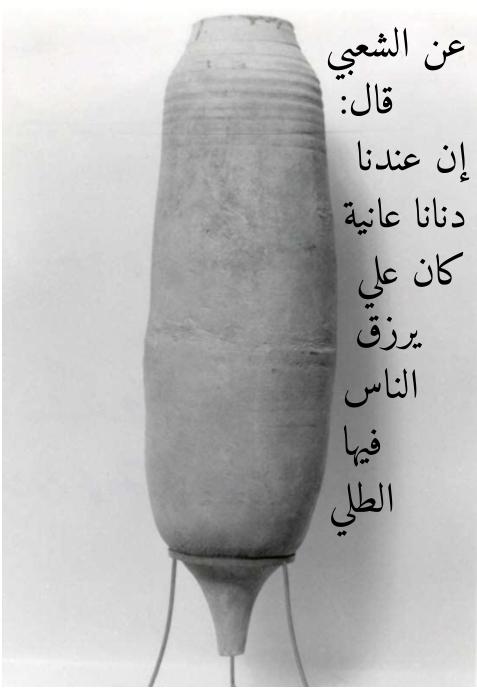
@mratkmiskeena @Boxy_FT גיום טען שהכוונה אולי למסג'ד אלג'עראנה שליד מכה, אבל טענה זו לא התקבלה במחקר חוץ מאצל מרדכי קידר וכדו'.
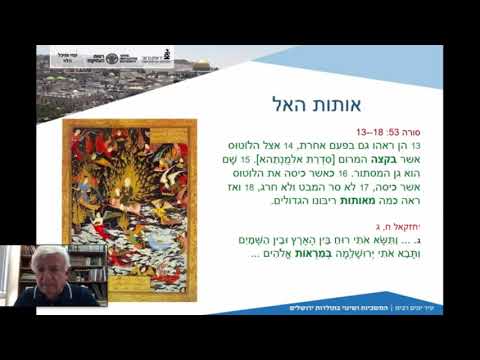
רוב הראיות המוקדמות כולל הקונטקסט של הפסוק בקוראן מצביעות על ירושלים. הרצאה מומלצת של אורי רובין בעניין:
youtube.com/watch?v=h_mBpA…
YouTube
עברית
@EEmpathyx The hadith is about a holy man who says something after being tortured. The method of torture isn't an essential part of the story. It can change from version to version, as happens in oral tradition
English

@hadithworks @GabrielSaidR Is this Hadith about a crucified man?
If so, how could a crucified man wipe his face?
English
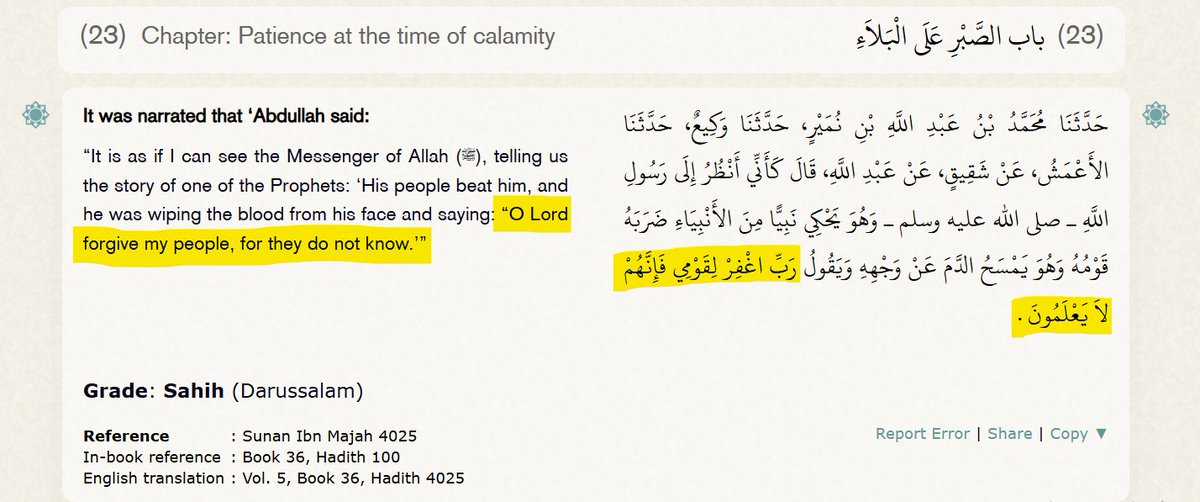
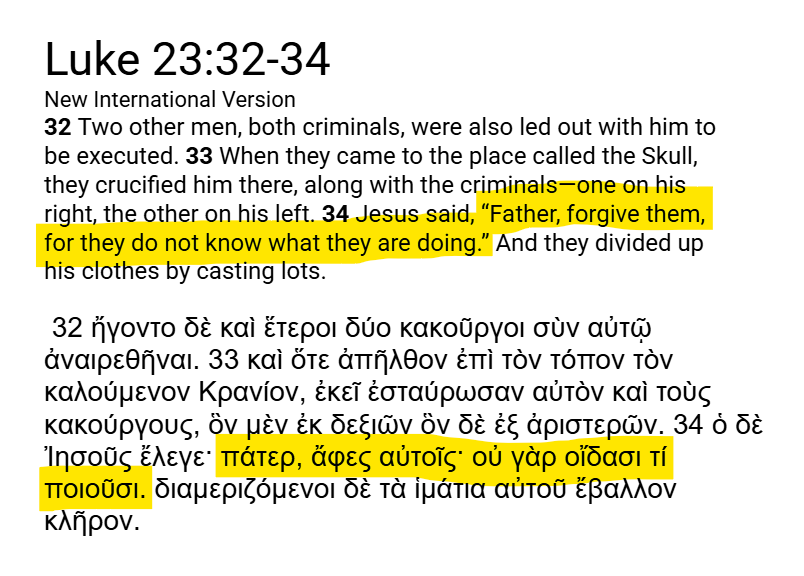
@EEmpathyx @GabrielSaidR The word masah is the usual word for "wiping". This detailed is added likely for dramatic effect & also to make the transmission seem more authentic
English
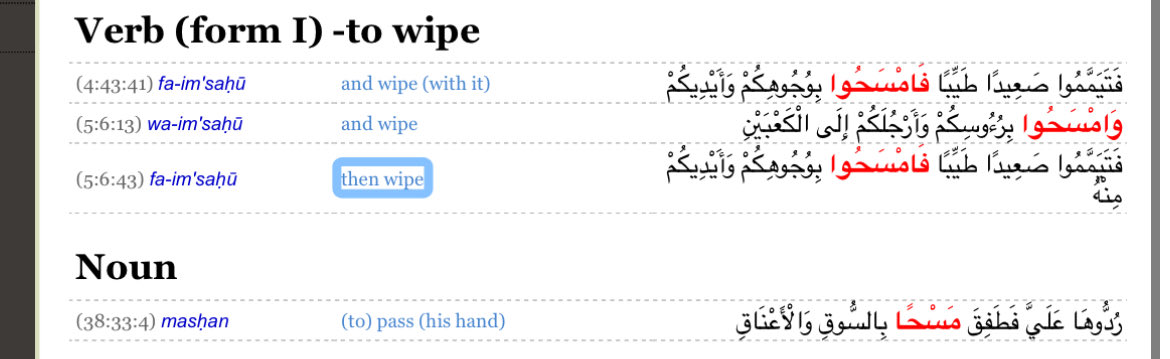
The word for wipe here is the form مسح.
He wipes the blood from his face?
Why is this detail included?
If this is about a crucified man, which it would appear to be, then how could he wipe his face?
I looked into this Hadith initially because this was the argument a Muslim caller made on God Logic’s stream. He argued “that Hadith can’t be about Jesus, cause Jesus was crucified and how could a crucified man wipe his face?!?!”.
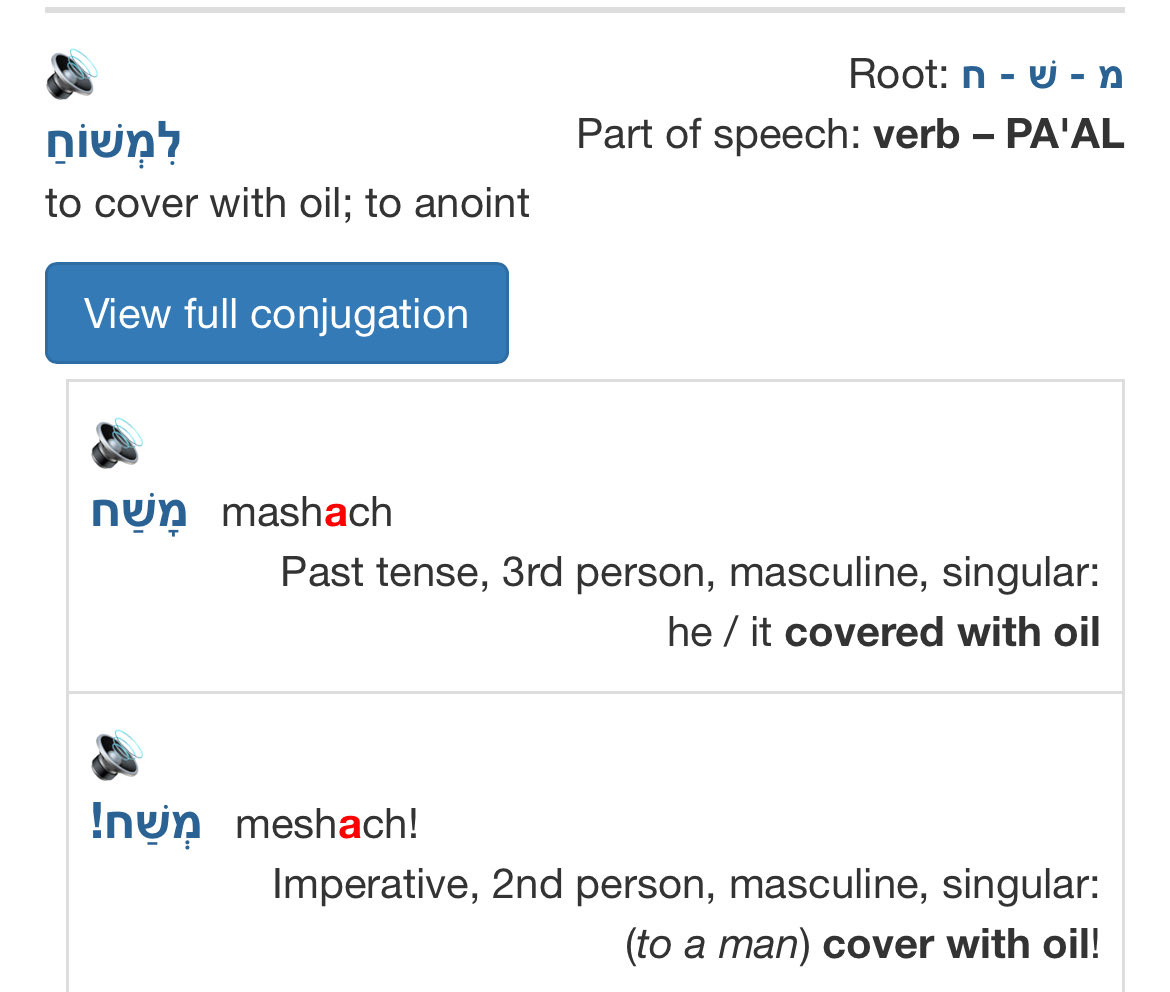
So I examined this word for wipe. The claimed root form of مسح is by rasm indistinguishable with مشح. That would be the root for Messiah, as in “anoint”.
Could the blood from his face have been anointed, rather than wiped?
This form appears a handful of times and strangely the corpus.quran.com website doesn’t link the root مسح with the form مسيح in its congruence…
corpus.quran.com/qurandictionar…)
I suspect the form is actually pointing to the root m-š-h / מ-ש-ח, both in the Quran and this Hadith, and this sense of wiping is an overlay.

English
@mratkmiskeena יש את החג של אלח'צ'ר שחוגגים התורכים שבמסגרתו קופצים מעל מדורות. כנראה איזשהו חג אביב
en.wikipedia.org/wiki/H%C4%B1d%…
עברית
@mattcrotts I remember how these butterflies fit in the story better than I remember who are the lambs and why they are silent
English





@hadithworks Thats not the point. If we take it as fiction, the wording is still too simple. As the author of Luke also made it up. Thats not a very uncommon phrase…
English
@Easyisi423697 But he's relaying information that reportedly came to him from a reliable divine source.
English
@Easyisi423697 If the Prophet tells a story about a previous prophet, it's traditionally assumed that he's describing something that happened as it happened.
English
@hadithworks Sure, however the hadith report does not imply an observation while Luke 23:34 is roleplaying a testimony. The Hadith-Transmitters should be aware that their wording would have a metaphysical origin. Also if taken as fiction, the wording is rather simple.
English
@BilalsBoulder It's possible, though I haven't seen any proof for that. I also haven't looked into the matter that deeply
English

@hadithworks @MuslimBin13574 Is it possible that Jesus’ quote was a “fulfillment” of some previous prophecy?
English
@Easyisi423697 In my estimation, as a secular critic, Luke 23:34 & the hadiths discussed in the thread are all fiction (to use the term in your post)
English
@hadithworks @GabrielSaidR Tbh the saying isnt that complex. We have to keep in mind that Luke 23:34 is rather fiction and in contradiction to other anonymous bible authors. The Bible-Report not even being a Daif Hadith afterall.
English
Addendum 1: Jesus' words in Luke 23:34 are missing in some early NT manuscripts though it is definitely attested in the 3rd century
Bart Ehrman argues that scribes may have omitted these words
ehrmanblog.org/did-jesus-pray…
English
@Mohamed56728584 Thanks for this comment. Jesus' words in Luke 23:34 are attested in the 3rd century (e.g. in Origen). FWIW Bart Ehrman thinks it's original and that some scribes omitted it.
See:
ehrmanblog.org/did-jesus-pray…
English

Unfortunately, this Gospel of Luke text is most likely not original and is not found in p75 and the Vatican manuscript. Therefore, the critical edition (UBS) has identified the text as non-original and rated it A.
Elon ⚪@hadithworks
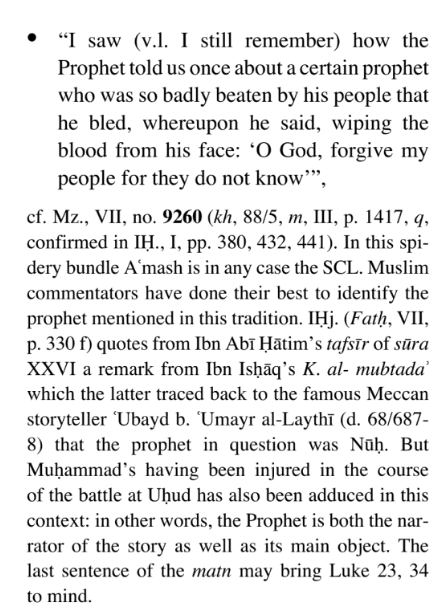
Hadith 🤝 New Testament [Luke 23:34] Jesus on the cross: “Father, forgive them for they know not what they are doing” [A Prophetic Hadith] an anonymous tortured prophet: “God, forgive my people for they do not know” 🧵[1/6]
English
@MuslimBin13574 A. Yes, because they came to recognize Islam as superior.
B. In any case, pardoning is different from asking God to pardon/forgive
English

@hadithworks Nope, the Prophet pardon them all in spite of them torturing Muslims for decades
English
@MuslimBin13574 Is it? It's more of a demonstration of fighting your enemies until they submit to God.
English
@hadithworks The whole incident of fath Makkah is evident for that
English
@UnveilIslam 1. An Islamic source isn't likely to portray any Prophet being crucified.
2. Changes occur in oral traditions.
3. The detail about the wiping of the blood is found only the version attributed to Abu Wa'il Shaqiq, where I suspect it's an addition.
English
@MuslimBin13574 Are there other Qur'anic verses or hadiths about pardoning your enemy due to his or her ignorance? (perhaps, but this is not a common theme)
English
@hadithworks That's not love for the enemies, it's more kinda pardoning the enemies due to their ignorance. Jesus never loved the enemies of God either
English
@iftiswelt This hadith is in the 2 Sahihs, so you do have a point. Still, commentators grappled with its meaning & had to reconcile it with the prohibibition to pray for infidels.
English

@hadithworks @MuslimBin13574 It undoubtedly also characterises a lot of teachings of the Quran and Sunna.
English
@MuslimBin13574 It seems to reflect a "love your enemies" attitude that characterizes a lot of Jesus' teachings in the New Testament. This didn't sit well with a lot of Muslim theologians who sought to clarify why it was okay for the Prophet to pray for his enemies
English
@hadithworks It fits more perfectly about the nature of all Prophets. They often pardon those disbelievers due to their ignorance. God knows best
English