@drupad_t@TB_Perth@MaxMassi75@CurtinChem@CHIRI_curtin One of the limitations is the need to keep the sample frozen. This makes sample prep and transportation more difficult and laborious. This also requires dry ice, adding an additional cost to each time you run the instrument.
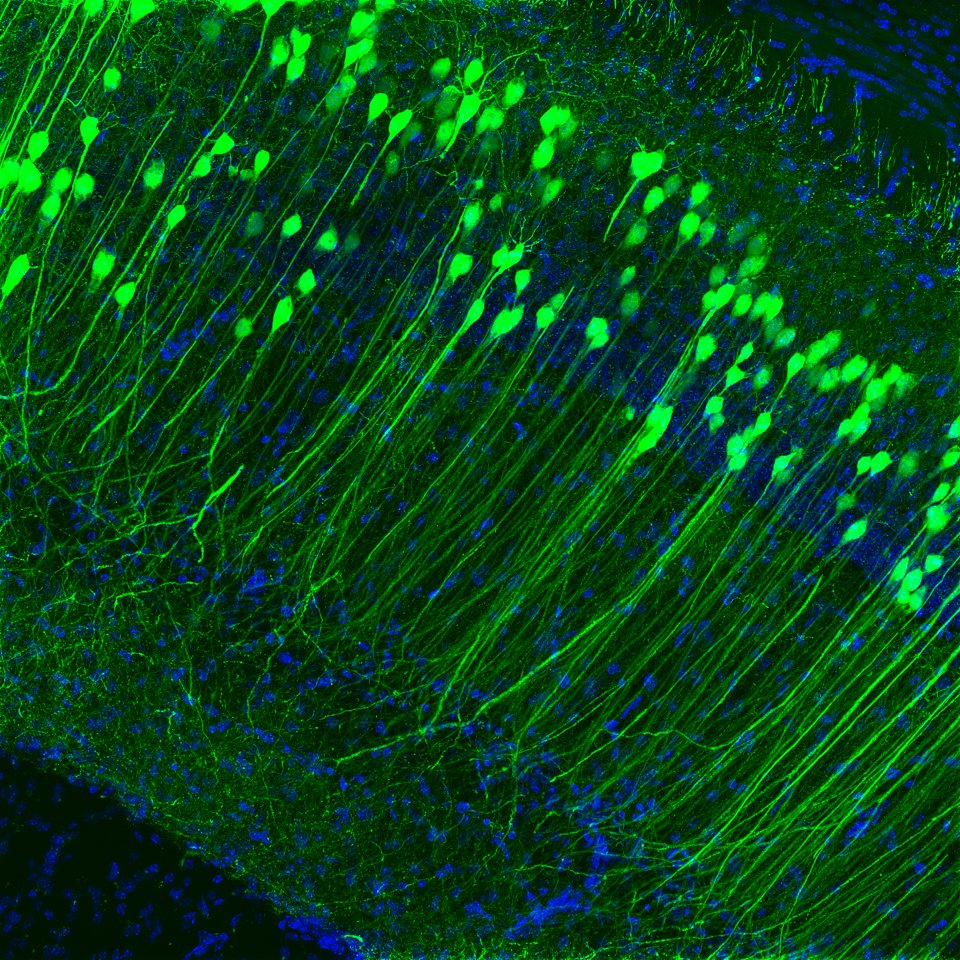
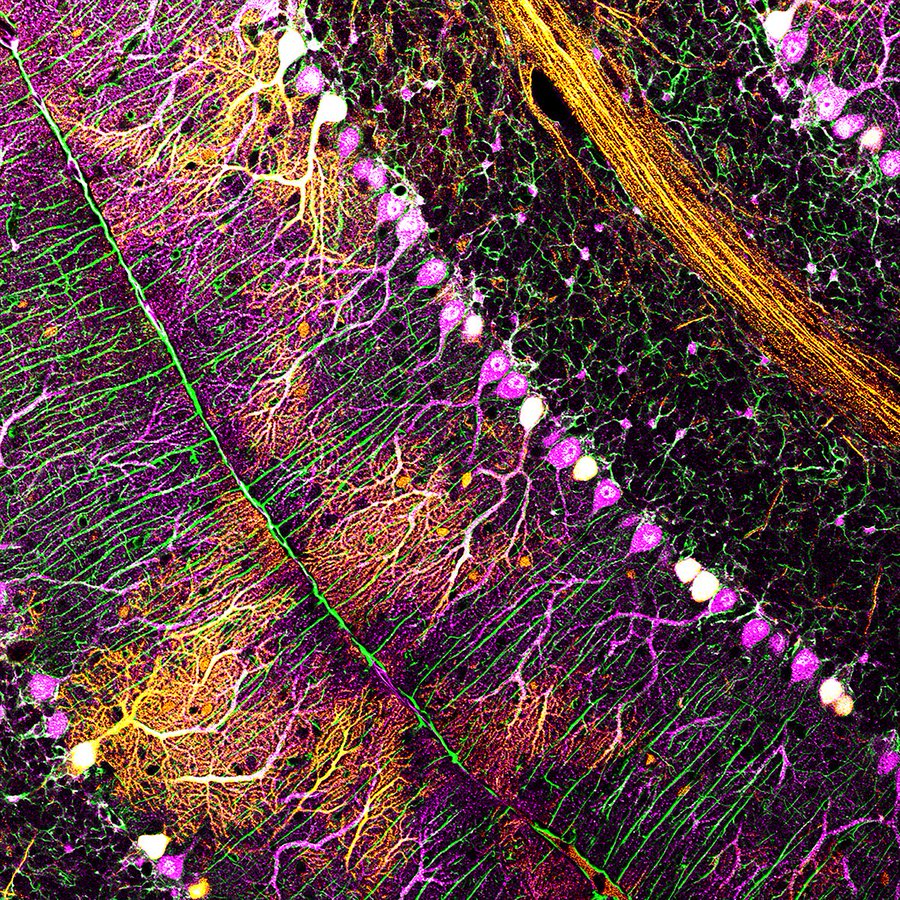
📢 Calling all neuro-enthusiasts! registration for #2021SWAN is now OPEN and FREE! Virtually discover all the exciting neuroscience research happening right here in #Perth#WA and beyond!
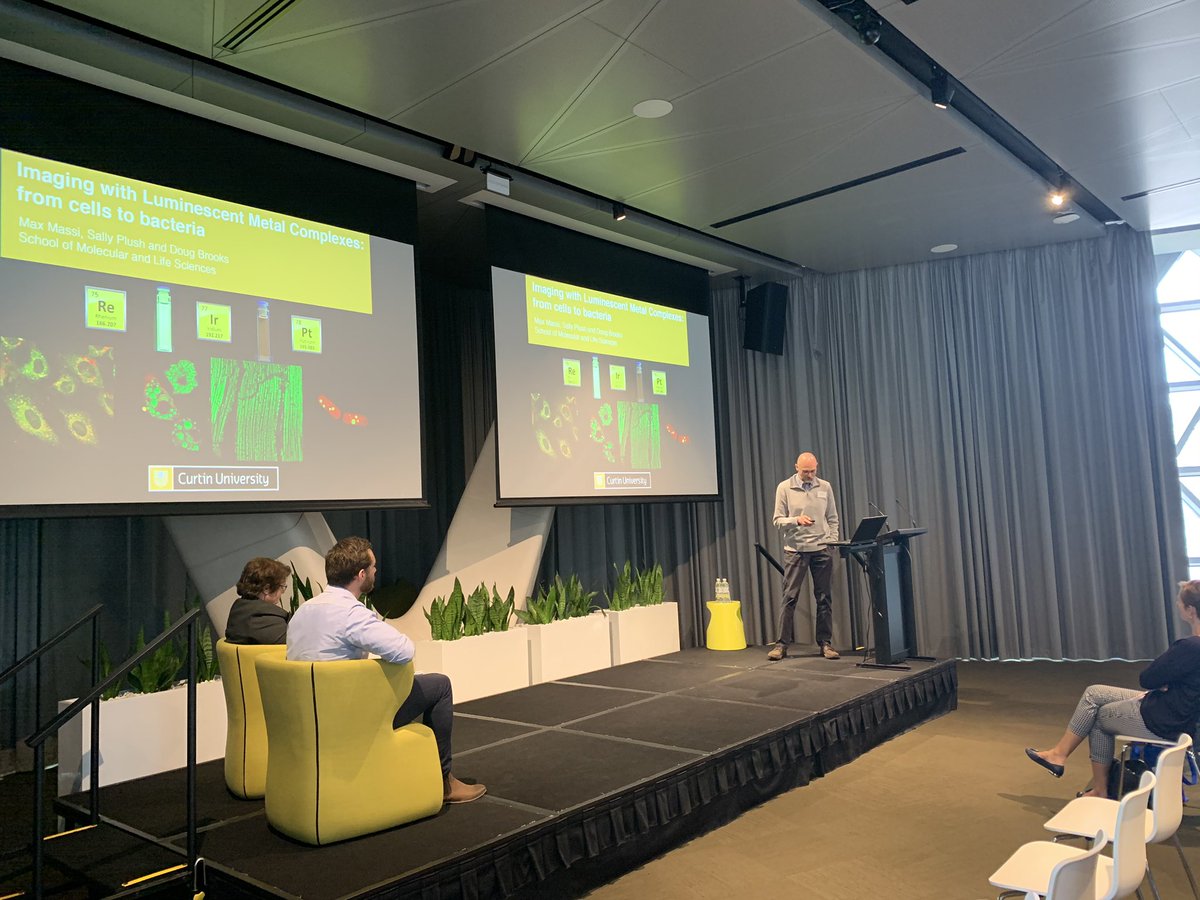
Our last invited speaker of the day, from just over the ditch is @MaxMassi75 of @CurtinUni wowing us with high quality molecular imaging with Luminesfent Metal Complexes!
#ASMI2019@sahmriAU
@reneewebs@CurtinChem We used brain tissue because neurons don't divide therefore, these deposits may give insight into the "biological history" of a cell. Our aim was to better understand the mechanisms behind oxidative stress during aging. For this method live patient analysis would not be viable :)
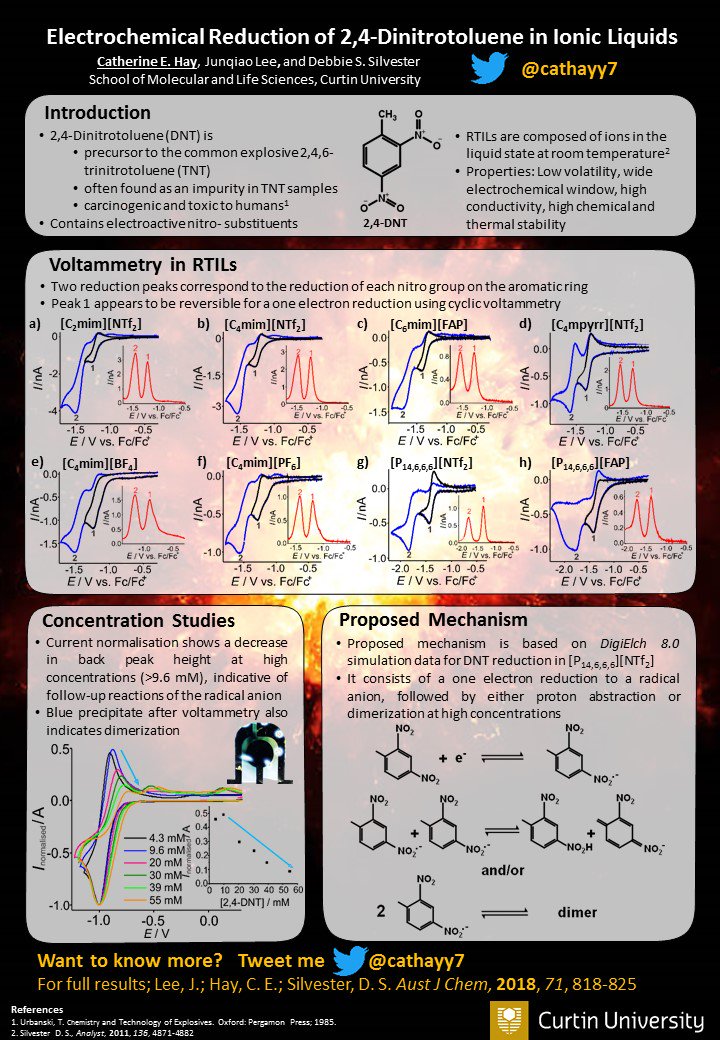
@hartnell_david@CurtinChem you used mouse brain tissue for this, is the goal to be able to sample tissue from a living person for this analysis? If so, what tissues are suitable? #rscanalytical#rscposter
@HollehButler@CurtinChem Hi Holly! These deposits display strong peaks in lipid regions but, there were no changes seen over the timepoints. We used a label free method for this study however SERS and fluorescent stains are techniques we want to look at in the future! I hope I answered your question :)
@hartnell_david@CurtinChem Hi David! Interesting study you have presented. Do these lipofuscin deposits have specific Raman peaks that can be monitored - perhaps in lipid regions? Could a techhniue such as SERS be used for labelling? #RSCPoster#RSCAnalytical
"FTIR Spectroscopy with Chemometrics as a Rapid Screening Tool for Plastic Card Examinations" - how spectroscopy and statistics could help front-line officers to spot fake IDs #RSCPoster#RSCAnalytical#OzChem#SciComm#Forensics