NATE FOX
5.7K posts


NATE FOX
@heynatefox
Innovator, Creative Director, and Avid Dreamer | Building cool shit | ex-Robinhood, Google, and Lyft. | still finding my place in this world 👽











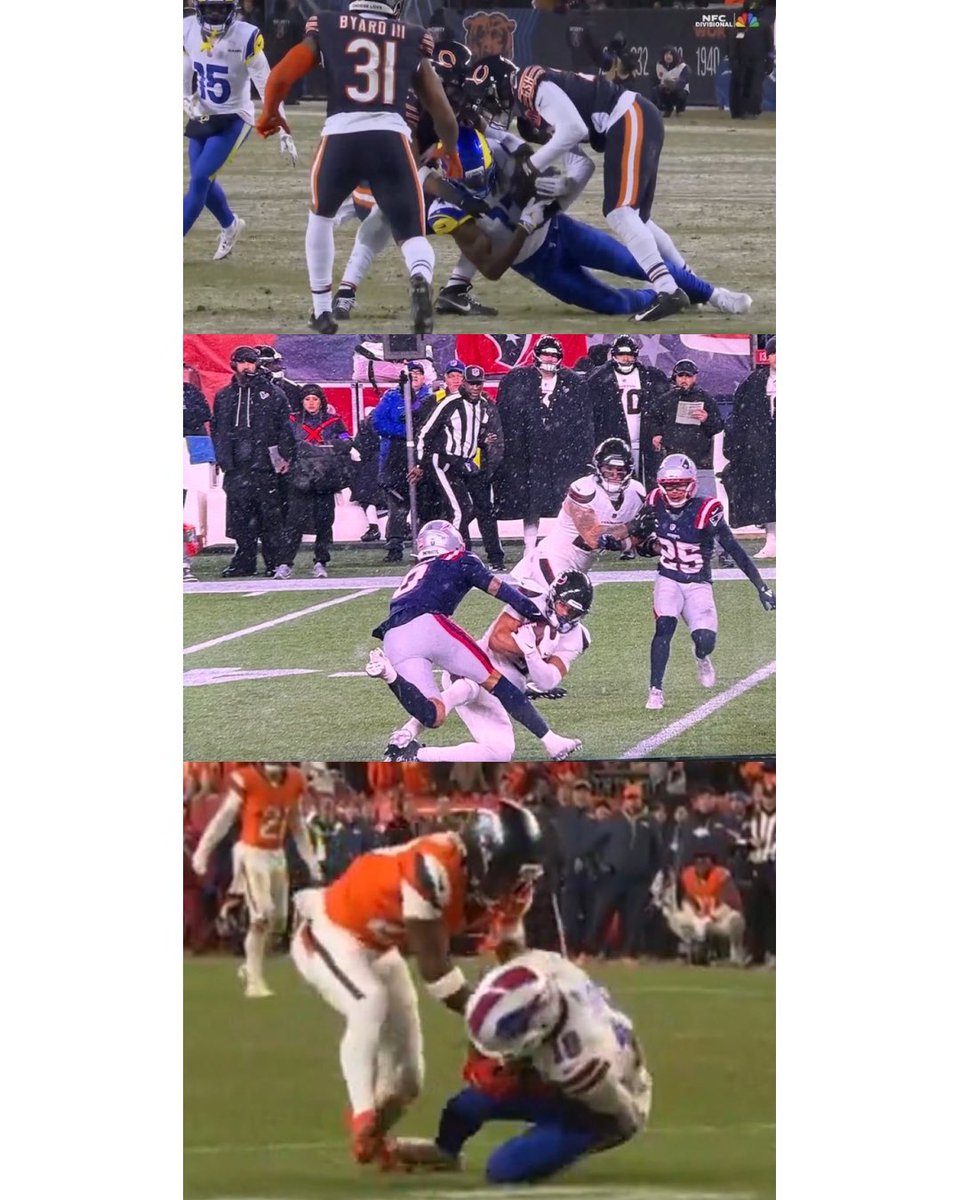
At some point when reviewing plays, the league should consider adding a speed threshold for anything involving the element of time. When you slow plays down to 1/100th the speed, it distorts what actually happened and makes it look like, in this case, Cooks possessed the ball for seconds prior to losing it. The game is not played in slow motion or frame by frame. For a catch: A) Secure control of the ball ✅ B) Two feet down in bounds ✅ C) After (a) and (b) have been fulfilled, clearly performs any act common to the game (e.g., extend the ball forward, take an additional step, tuck the ball away and turn upfield, or avoid or ward off an opponent), or he maintains control of the ball long enough to do so. C is where there is a judgement needed since A and B are clearly met. Now consider this note to the rule: If a player, who satisfied (a) and (b), but has not satisfied (c), contacts the ground and loses control of the ball, it is an incomplete pass if the ball hits the ground before he regains control, or if he regains control out of bounds. Because Cooks did lose control of the ball when he contacted the ground and the ball never contacted the ground, it was ruled an interception by Denver.
NFL rules analyst Walt Anderson on @NFLGameDay: “As the receiver’s going to the ground, as soon as he hits the ground, the ball is immediately loose. That would be an incomplete pass if comes out and hits the ground. Here, the ball never hits the ground.”


REALLY, SUL?!



"FOR THE LOVE OF THE GAME, THAT SHOULD HAVE BEEN RULED A CATCH" – @EmmanuelAcho weighs in on the controversial interception ruling in the Bills' loss to the Broncos WE ARE LIVE RIGHT NOW DISCUSSING JOSH ALLEN ➡️ @speakeasy" target="_blank" rel="nofollow noopener">youtube.com/@speakeasy