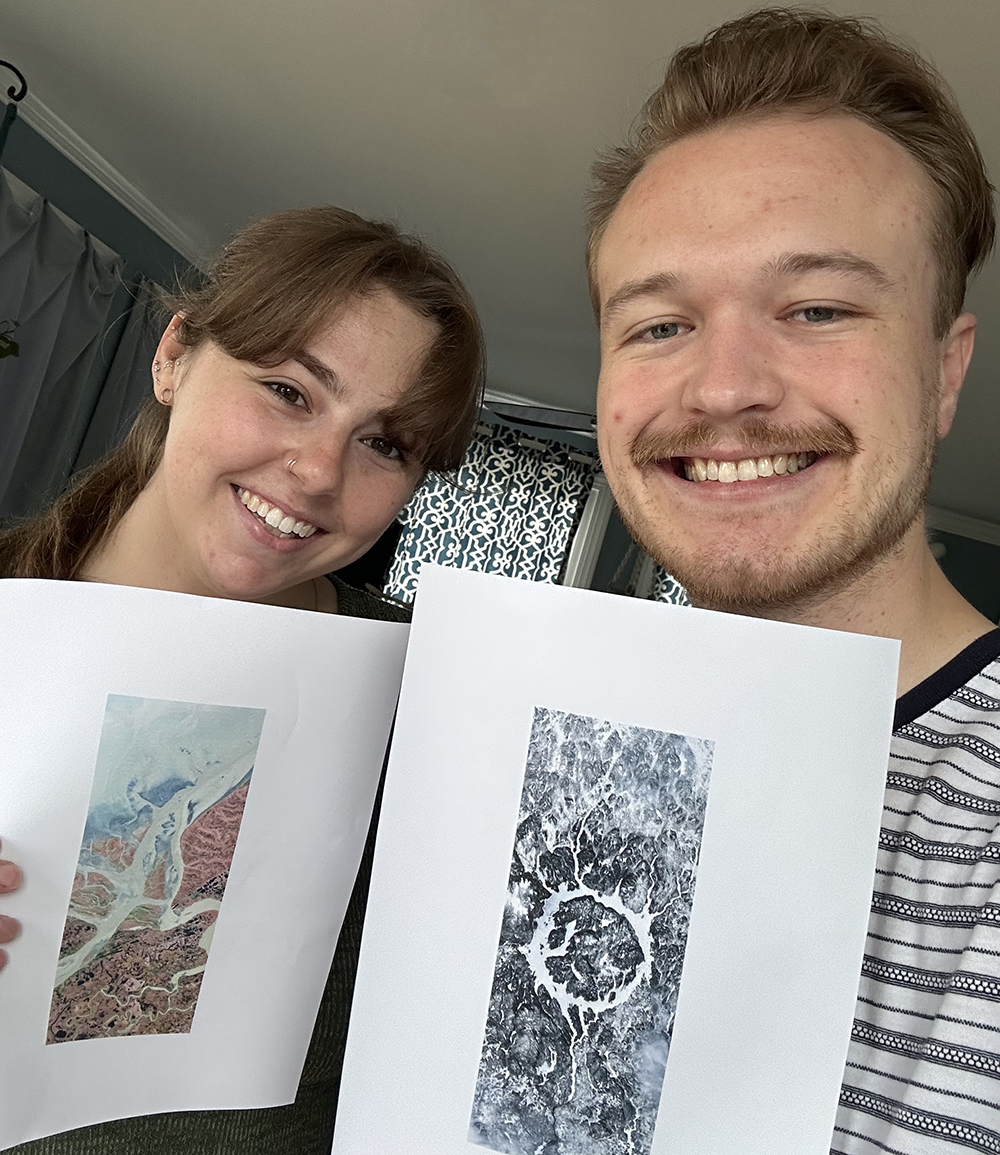
That's us! 🌍
The Artemis II crew captured beautiful, high-resolution images of our home planet during their journey to the Moon. As @Astro_Christina put it: "You guys look great."
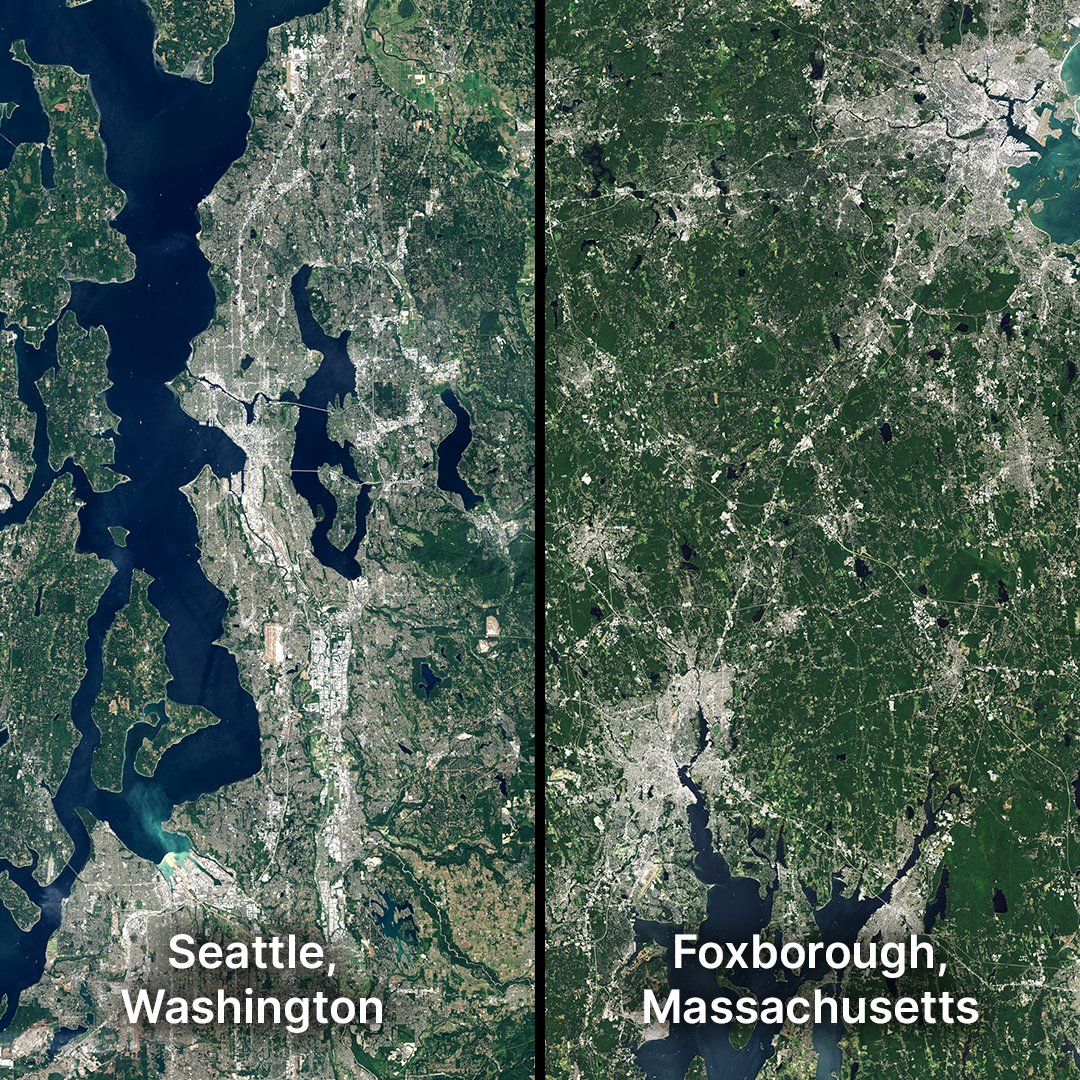
Today the Seattle Seahawks face off against the New England Patriots in the #SuperBowl! 🏈
The @NASA / @USGS Landsat 8 satellite captured these images of each team’s hometown: Seattle, Washington and Foxborough, Massachusetts. Which team are you rooting for? #SBLX
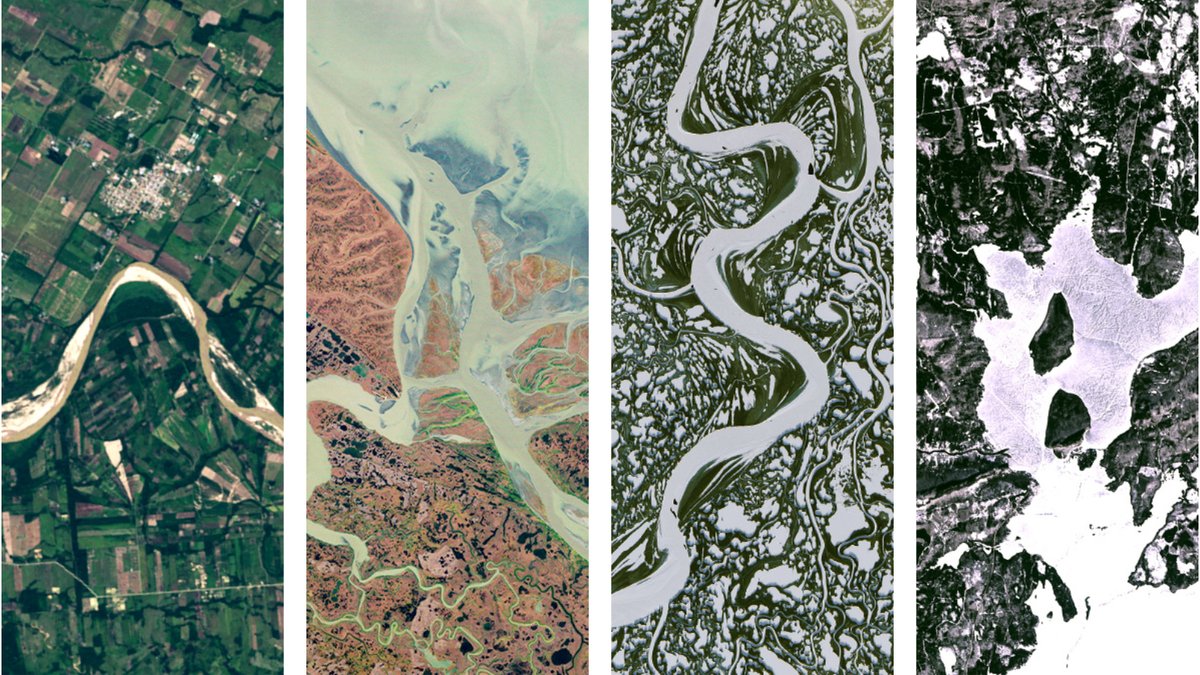
Why are the streams of this river so tangled? And why do they keep moving?
This is the Yarlung Zangbo River in Tibet, a classic example of a braided river. This timelapse of false-color @NASA/@USGS Landsat images shows the changing channels from 1988-2025.
New month, new #Landsat insights! 📰🛰️
Our April newsletter explores forest change across Hispaniola, hurricane-driven damage in Florida, insights from a NASA data expert, and more.
Read the full newsletter: conta.cc/44l4zgd
What’s new with #Landsat? 🤔🛰️📰
Our March newsletter is here with insights on uncovering a carbon sink in boreal forests, spotting vegetation change, turning science into art, and more.
Check it out: conta.cc/4j8OT3D
What is a satellite 'underfly'? 🛰️
Early in its mission life, #Landsat 9 flew directly under Landsat 8, and the two imaged Earth simultaneously.
This allowed scientists to cross-calibrate the instruments, ensuring accurate and consistent data for long-term Earth observation.
Launched #OTD in 1984, #Landsat 5 transformed how we study our planet. 🛰🌍
Operating for 28 years and 10 months, it holds a Guinness World Record as the longest-operating Earth observation satellite.
What’s your favorite Landsat 5 image? 🤔
go.nasa.gov/4h1V7kn
Happy launch-iversary, #Landsat 8! 🛰️
Launched on this day in 2013, LDCM—later renamed Landsat 8—continued the decades-long mission of observing Earth from space, helping monitor agriculture, urban heat islands, water quality, coastal change & more. 🌍
go.nasa.gov/493t9BR
Have you found your name in #Landsat? 🤔🛰️
Check out a new Q&A and discover how the Landsat outreach team sourced the letters, developed the interactive, and now utilize the tool to highlight the mission’s important contributions to society.
go.nasa.gov/3CTYFXL
It’s called Landsat, but these satellites study more than just land!
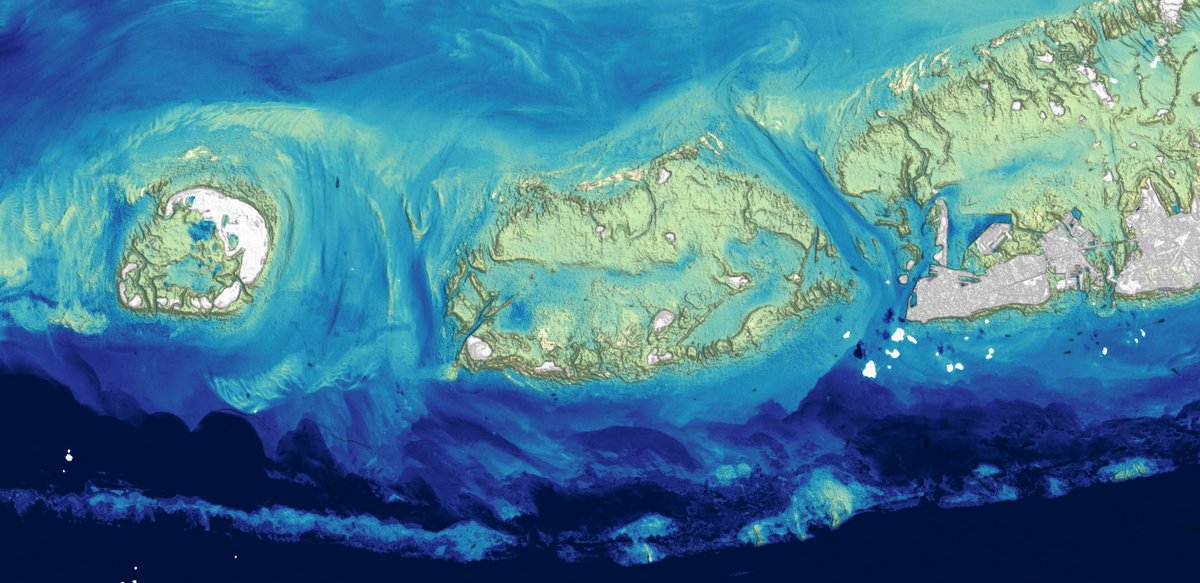
@USGS scientists developed a new way to map the seafloor from space. 🌊
The method measures ocean depth in shallow areas near shore using data from the @NASA/USGS #Landsat satellites. go.nasa.gov/3UO9aBU
Torrential rains caused deadly flooding and extensive damage in the province of Valencia, located in eastern Spain. These #Landsat images show the extent of flooding as of October 30, 2024.
More: go.nasa.gov/3Az6voJ
Who’s that at the door? 🍬
These trick-or-treaters once ranged from chameleons to wizards. Now they’re part of a team of NASA Earth scientists, engineers, and communicators that is focused on our home planet. 🌎 #NASAHalloween
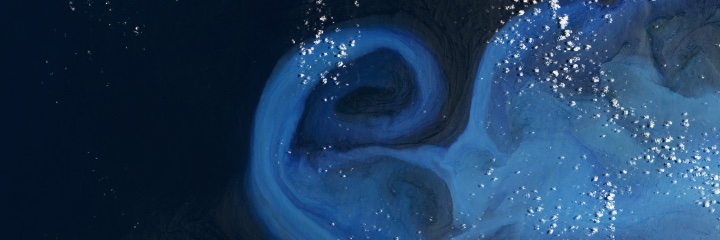
Double, double, toil and trouble… What's brewing in the Baltic Sea? 🧙
This natural-color image shows a swirling green phytoplankton bloom tracing the edges of a vortex. #Landsat data help scientists understand how these blooms impact marine ecosystems. go.nasa.gov/2uLK4aZ
Earth Science is everywhere, and #Landsat captures it from space! 🛰️🌍
From tracking changes in forests, cities & coastlines to monitoring shifts in climate & ecosystems, Landsat data have connected us to the planet for over 50 years. #EarthScienceWeekgo.nasa.gov/3RRb3gw
Explore our September newsletter for upcoming events, featured publications, and insights on Landsat’s role in ecosystem monitoring. 🐘📰
View past issues and subscribe to stay up-to-date on all things #Landsat!
go.nasa.gov/3UIqQ0O
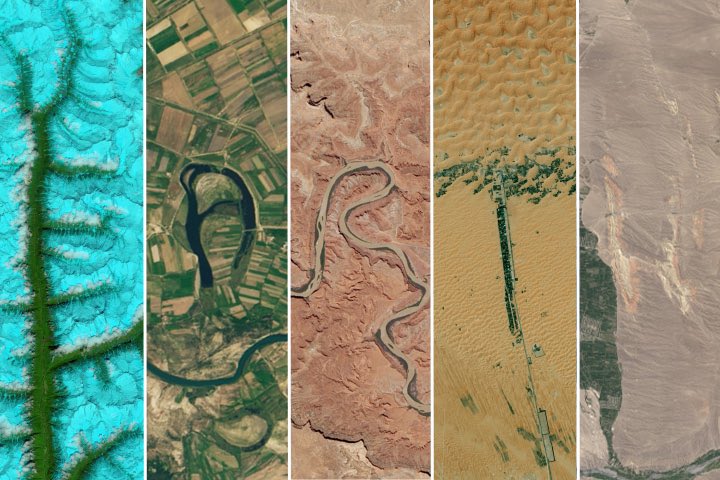
Can you see our name in these satellite photos of Earth?
Spell yours in images from the @NASAEarth & @USGS Landsat program, which has observed our home planet for over 50 years: go.nasa.gov/EarthName
Have you ever wondered how #Landsat satellites capture stunning images of Earth? Or how scientists use these data to study our planet’s changing surface?
Explore the science behind satellite imagery: go.nasa.gov/3T4NrVw#CampLandsat