USGS

27.8K posts

USGS banner
USGS

USGS

@USGS

Science is only a tweet away. Tweets do not = endorsement: https://t.co/VoRuucTNuK

Reston, VA Katılım Nisan 2008
94 Takip Edilen764.8K Takipçiler
USGS retweetledi
Indian Affairs
Indian Affairs@USIndianAffairs·
Day one of the Tribal Energy Summit concluded with a Federal Partners Panel. ⚡️ Officials from @EPA, @DOIONRR, @USGS, @PermitCouncil and @Interior discussed how the Trump administration is working across the government to cut red tape, improve coordination, and build tribal capacity to speed up the process of converting resources to revenue so that tribes can invest in their communities.
Indian Affairs tweet media
English
1
4
14
4.3K
USGS
USGS@USGS·
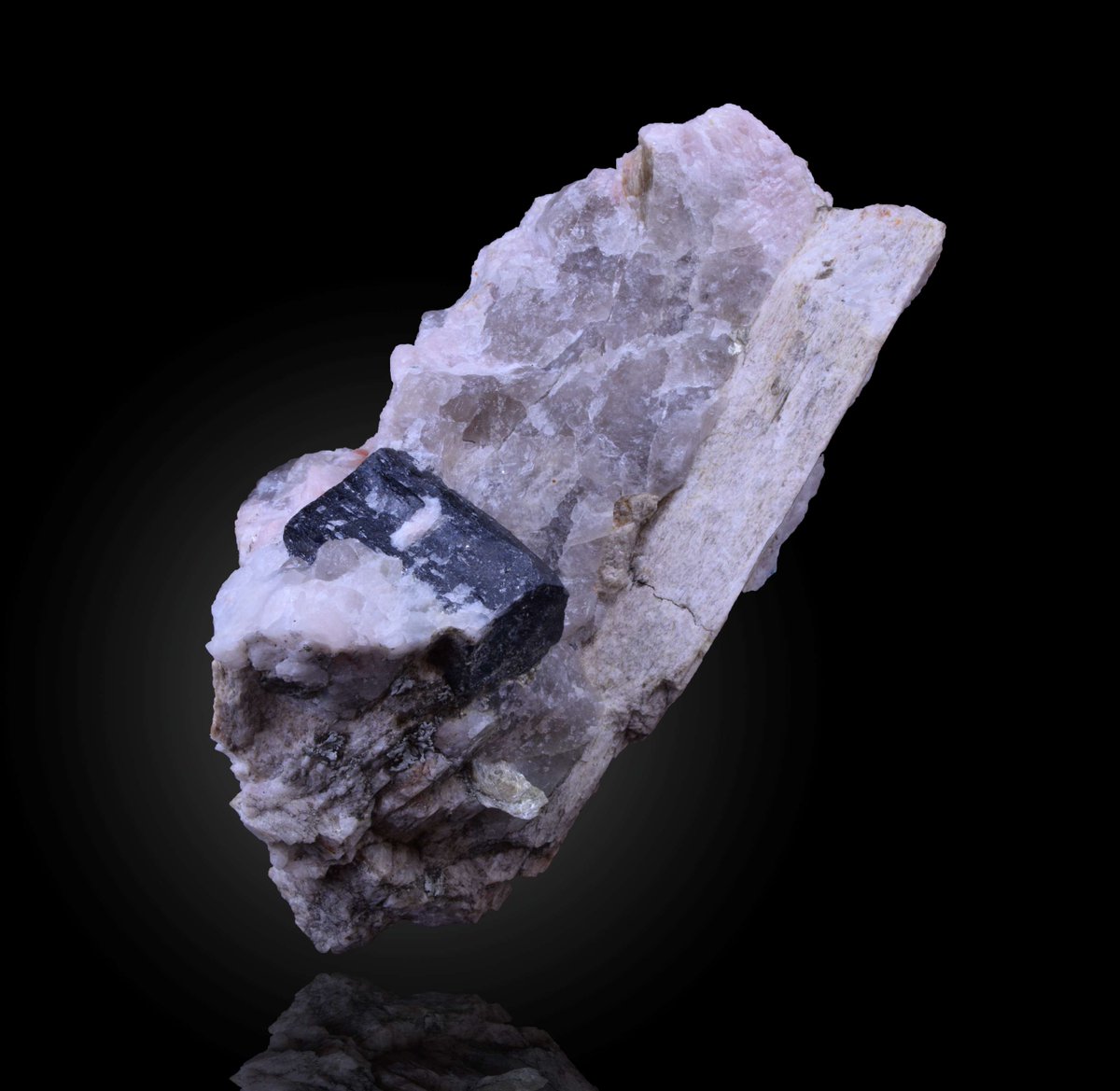
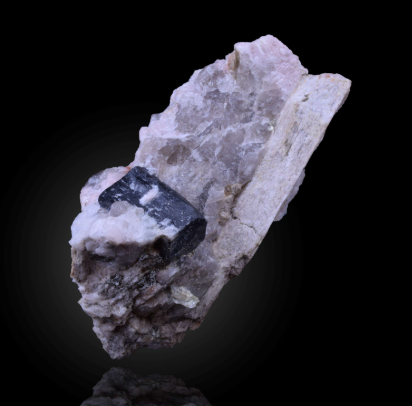
A new USGS assessment estimates that the Appalachian region of the eastern U.S. contains 2.3 million metric tons of undiscovered, economically recoverable lithium. That's enough lithium to replace 328 years of imports! Lithium is essential for batteries that power EVs, energy storage systems, electronics, and military technologies. The U.S. still relies heavily on foreign supply, and this research shows that the Appalachians contain enough lithium to help meet the nation's growing needs. Read more about what this geologic assessment means for U.S. supply: ow.ly/V73e50YRhJg 📸: Lithium in pegmatite, with tantalum (black)
USGS tweet media
English
101
360
1.5K
132.4K
USGS
USGS@USGS·
From 1,400 books to one of the world’s largest Earth science collections 📚🌎 When the USGS was established in 1879, the library started with just 1,400 books—supporting early efforts to explore and understand the nation’s landscapes. Today, it has grown into one of the most comprehensive Earth science collections in the world: 📖 1.5 million volumes 🗺️ 750,000 maps 📷 500,000 historical photos 📝 30,000 field records Whether you’re tracing the history of a volcanic eruption, studying water resources, or exploring decades of fieldwork, the USGS library has resources that can help. During National Library Week, we recognize the USGS Library and libraries everywhere for preserving knowledge, supporting discovery, and connecting generations of science. Explore the collections 👉 ow.ly/Y1es50YPsMc 📷1: USGS library reading room in the Interior Building, Washington, D.C. 1935. 📷2: USGS library in the Hooe Building, Washington, D.C. 1917. 📷3: USGS library display of the world-famous George Frederick Kunz library of gems and precious stones. Washington, D.C. 1935. #NationalLibraryWeek
USGS tweet mediaUSGS tweet mediaUSGS tweet media
English
1
21
80
7.4K
USGS
USGS@USGS·
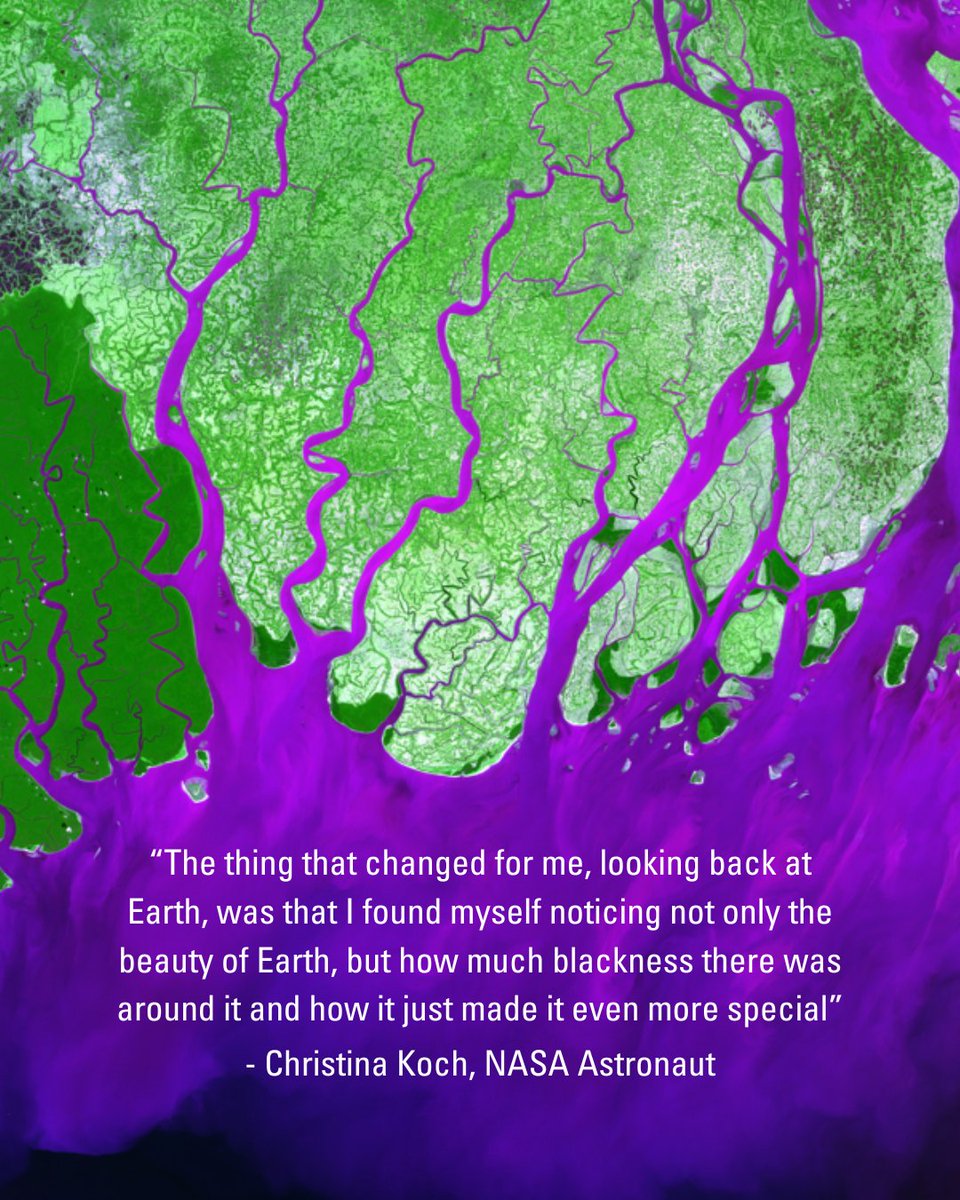
Happy Earth Day 🌎🌿 Earth is truly a beauty to behold, as seen in these stunning images captured through the USGS/NASA Landsat program. We capture these satellite images to create a long, continuous record of Earth’s land surface so we can monitor and understand how the planet is changing over time. Artemis II astronaut, Christina Koch, described her powerful experience of viewing our planet from space and what that meant to her. On Earth Day we are reminded of just how breathtaking the place we call home truly is. Images from the Earth As Art collection: ow.ly/BR2n50YObEb 📷1: The Ganges River forms an extensive delta where it enters the Bay of Bengal. The delta is largely covered with swamp forest known as the Sundarbans, which is home to the Royal Bengal Tiger. 📷2: The Yukon River flows from northern British Columbia through Yukon, Canada, and Alaska, USA, before emptying into the Bering Sea. In the Yukon Delta, countless lakes, sloughs, and ponds are interconnected across one of the largest river deltas in the world. 📷3: Sediment in the Gulf of Mexico off the Louisiana coast forms layered patterns of color in the water. River outflow carries sediment into the Gulf, creating complex swirling textures. #EveryDayIsEarthDay
USGS tweet mediaUSGS tweet mediaUSGS tweet media
English
0
15
70
6.8K
USGS
USGS@USGS·
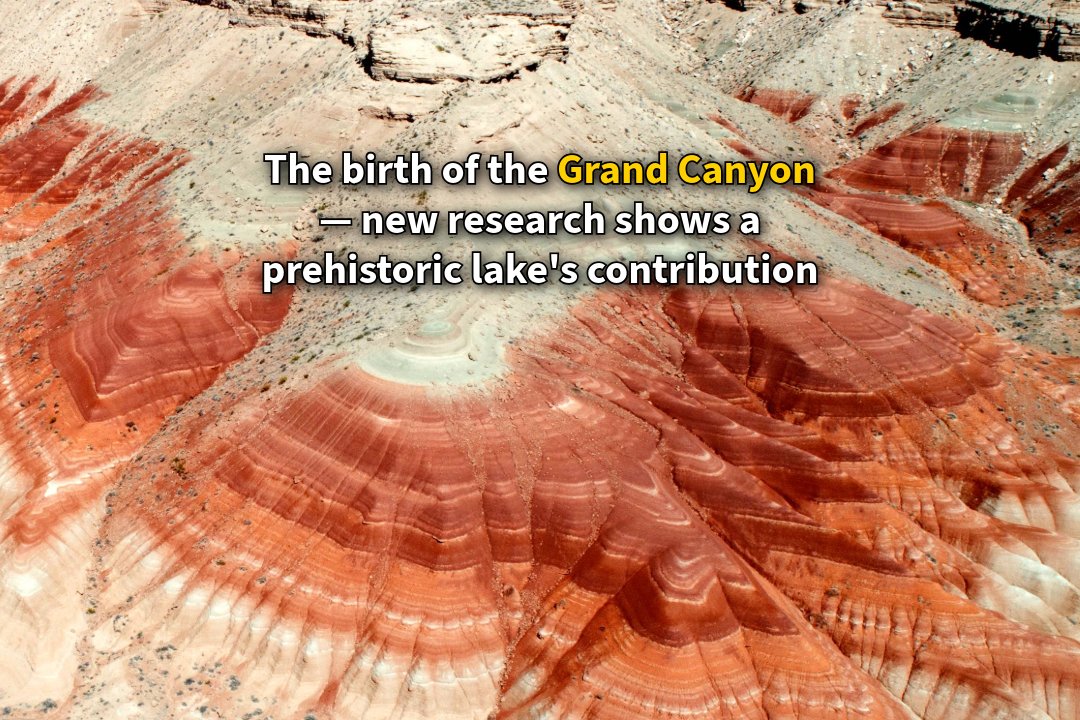
How a prehistoric lake helped carve the Grand Canyon 💧 Scientific discussion about the formation of the Grand Canyon began in 1869, with an expedition led by John Wesley Powell, a pioneering geologist and future director of the USGS. Powell navigated the Colorado River by boat, advanced early theories about the canyon’s origins and demonstrated the national need for a dedicated science agency—work that ultimately contributed to the creation and mission of the USGS. That legacy of exploration continues today, as researchers uncover new insights into the Grand Canyon’s origins. A new collaborative study led by the USGS provides strong evidence that the Grand Canyon was carved out by spillover flooding from ancient Lake Bidahochi, a large lake fed by the ancestral Colorado River. The lake’s eventual spillover likely helped establish the course of the Colorado River. Beginning about 6.6 million years ago, the sand within these lake deposits shows a clear and distinct Colorado River signature. Two million or so years later, evidence indicates the river system had fully integrated, connecting headwaters in the Rockies all the way to the Pacific through the Gulf of California, thus carving what is now the Grand Canyon along the way. Learn more about the study here: ow.ly/hjhG50YLeSR 📷: At Greasewood mesa the contrast between the dark red mudstone beds and the tan sand-dominated layers above marks the arrival of Colorado River sediment into the Bidahochi basin 6.6 million years ago. Photo by Brian Gootee, Arizona Geological Survey. Any person(s) wishing to conduct unmanned aerial vehicle flights on the Navajo Nation must first apply for and receive a permit from the Navajo Department of Transportation.
USGS tweet media
English
1
21
49
6.2K
USGS
USGS@USGS·
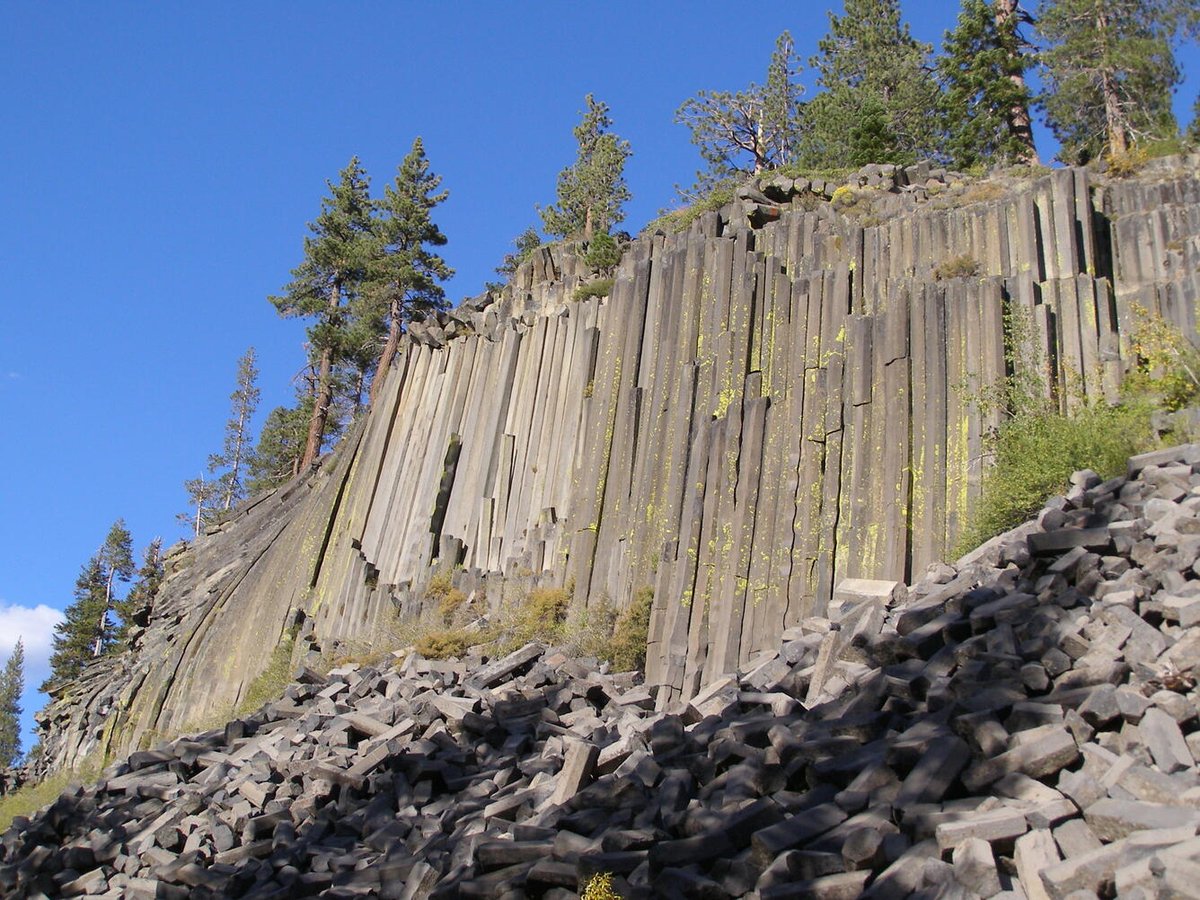
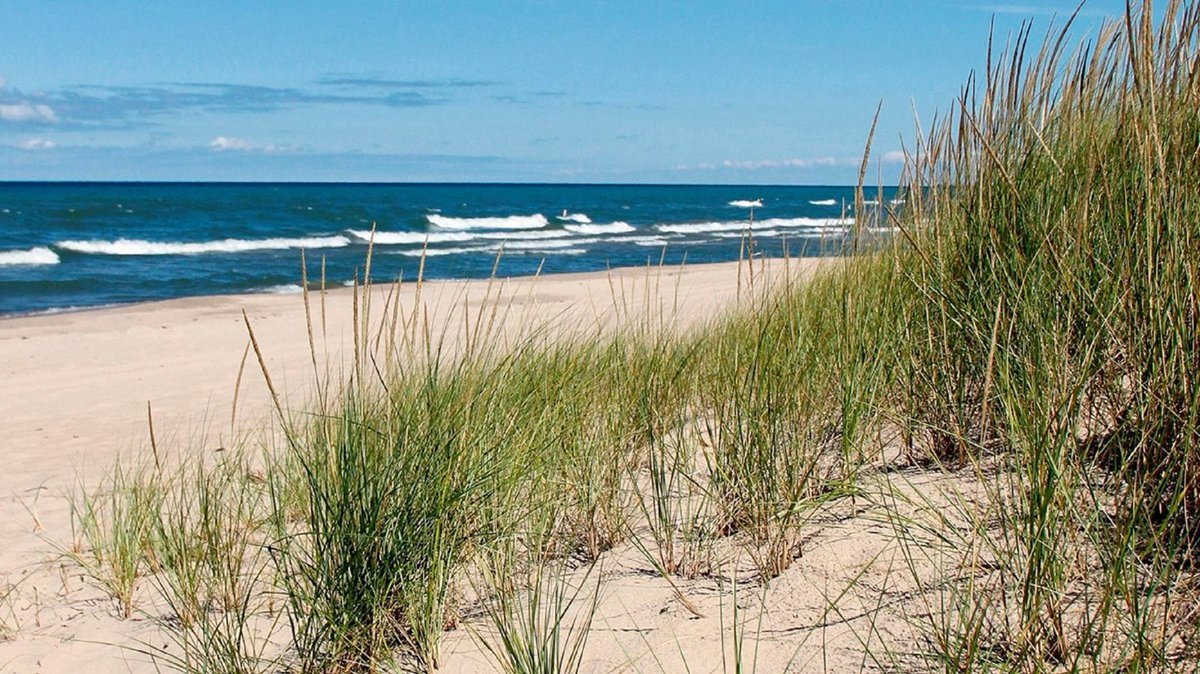
Discover the geology beneath your feet 🔍🌍 The ground you walk on holds more than just rocks. It holds stories. Geoheritage identifies geologic features that shape our landscapes and our history, culture, and identity as a nation. These places help us understand Earth’s past and how it affects us today. From the columnar basalt formations of Devils Postpile National Monument to dunes shaped by wind and glacial sands at Indiana Dunes National Park, these sites show how geologic processes shape the land and how people study and use it. USGS scientists study and share these places to support research, education, and public understanding. 🎉 This month marks one year since the Geoheritage Sites of the Nation Explorer launched. Celebrate with us by exploring this interactive tool to find geoheritage sites across the country: ow.ly/jq8Z50YJ58N 📷1: Vertical columns of basaltic volcanic rock at Devils Postpile National Monument are formed when a thick lava flow slowly cools. Credit: USGS 📷2: Marram grass growing out of the sand near the shoreline in West Beach at Indiana Dunes National Park. Credit: NPS
USGS tweet mediaUSGS tweet media
English
2
6
77
10.9K
USGS retweetledi
USGS Earthquakes
USGS Earthquakes@USGS_Quakes·
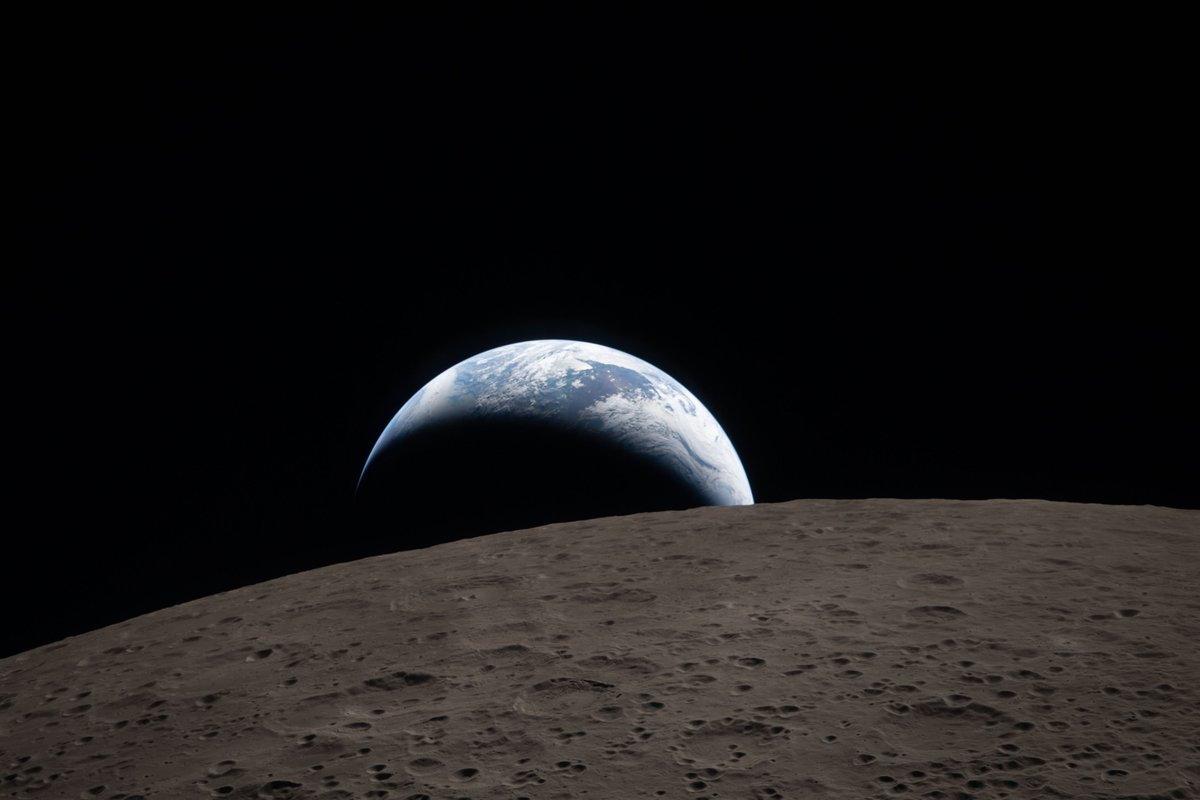
T-minus 3 hours until you might hear and feel sonic boom(s) in southern California from Artemis II re-entry! The sonic boom is expected at ~5-5:15 pm Pacific time today, April 10. Share your experience using our Did You Feel It survey so we can understand the spatial extent of the boom: earthquake.usgs.gov/earthquakes/ev… 📸Earthset captured through the Orion spacecraft window at 6:41 p.m. EDT, April 6, 2026, during the Artemis II crew’s flyby of the Moon. (NASA)
USGS Earthquakes tweet media
English
17
158
561
35.4K
USGS retweetledi
USGS Earthquakes
USGS Earthquakes@USGS_Quakes·
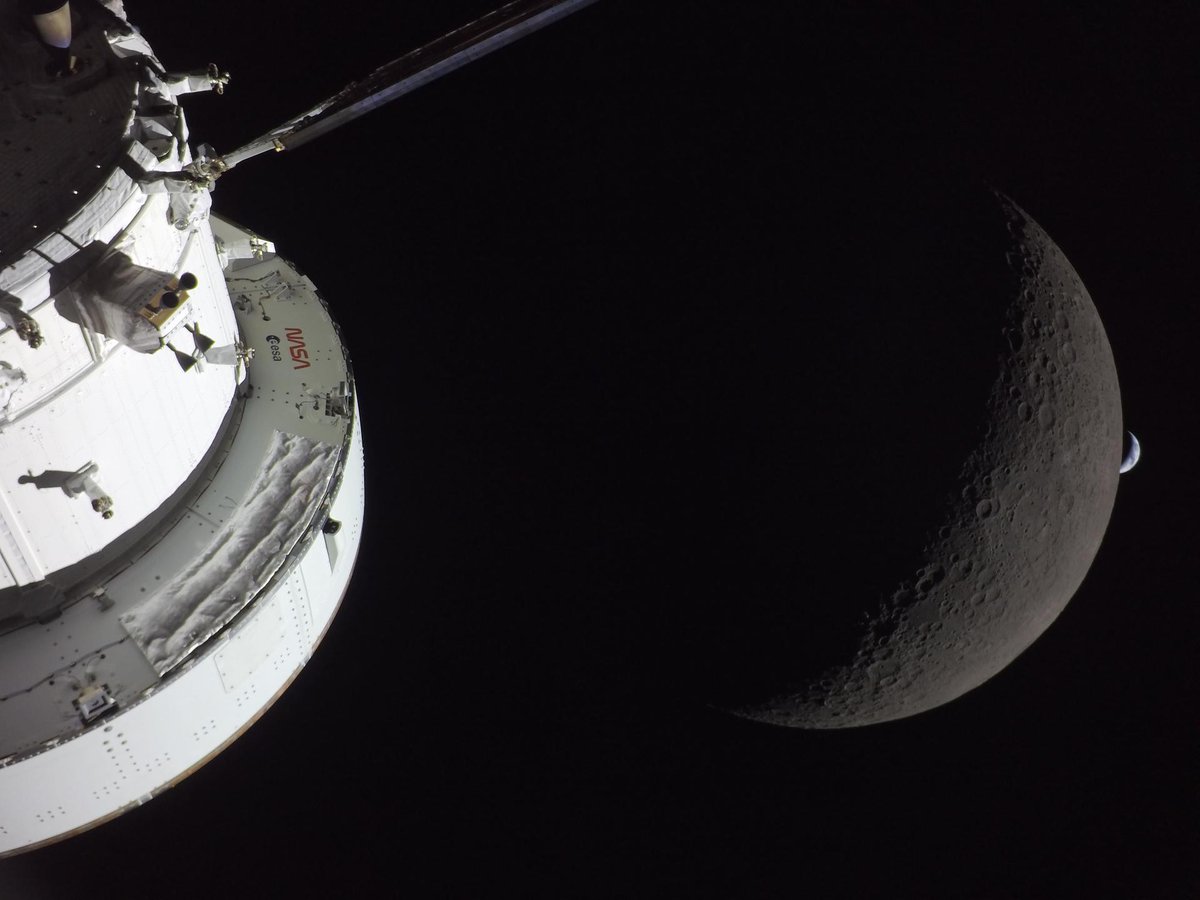
🌑Artemis II is nearing its return to Earth🌎 A sonic boom is expected as the spacecraft re-enters the atmosphere and could potentially be felt and heard throughout Southern California between 5:00 and 5:15 pm local time tomorrow, April 10. If you hear or feel sonic booms (or not), please fill out this "Did You Feel It" survey. earthquake.usgs.gov/earthquakes/ev… 📷: NASA’s Orion spacecraft captures the Moon and the Earth in one frame during the Artemis II crew’s deep space journey at 6:42 p.m. ET on the sixth day of the mission.
USGS Earthquakes tweet media
English
33
486
2.6K
187.9K
USGS
USGS@USGS·
The Moon, revealed through its geology. 🌗 Explore the Unified Geologic Map of the Moon! Created by @usgs_astrogeo, in collaboration with @nasa and other partners, this first-ever comprehensive map reveals the Moon’s entire surface geology, combining Apollo-era data with recent satellite missions. It not only shows the 4.5-billion-year history of our lunar neighbor, but also serves as a key tool for future human missions and an invaluable resource for scientists, educators, and space enthusiasts. Download the full map and legend 👉ow.ly/yY7l50YAPCY 📹: This animation shows a rotating globe of the Unified Geologic Map of the Moon with shaded topography from the Lunar Orbiter Laser Altimeter (LOLA). Credit: NASA/GSFC/USGS. #NASA #Moon #GeologicMap
English
13
349
927
132.8K
USGS
USGS@USGS·
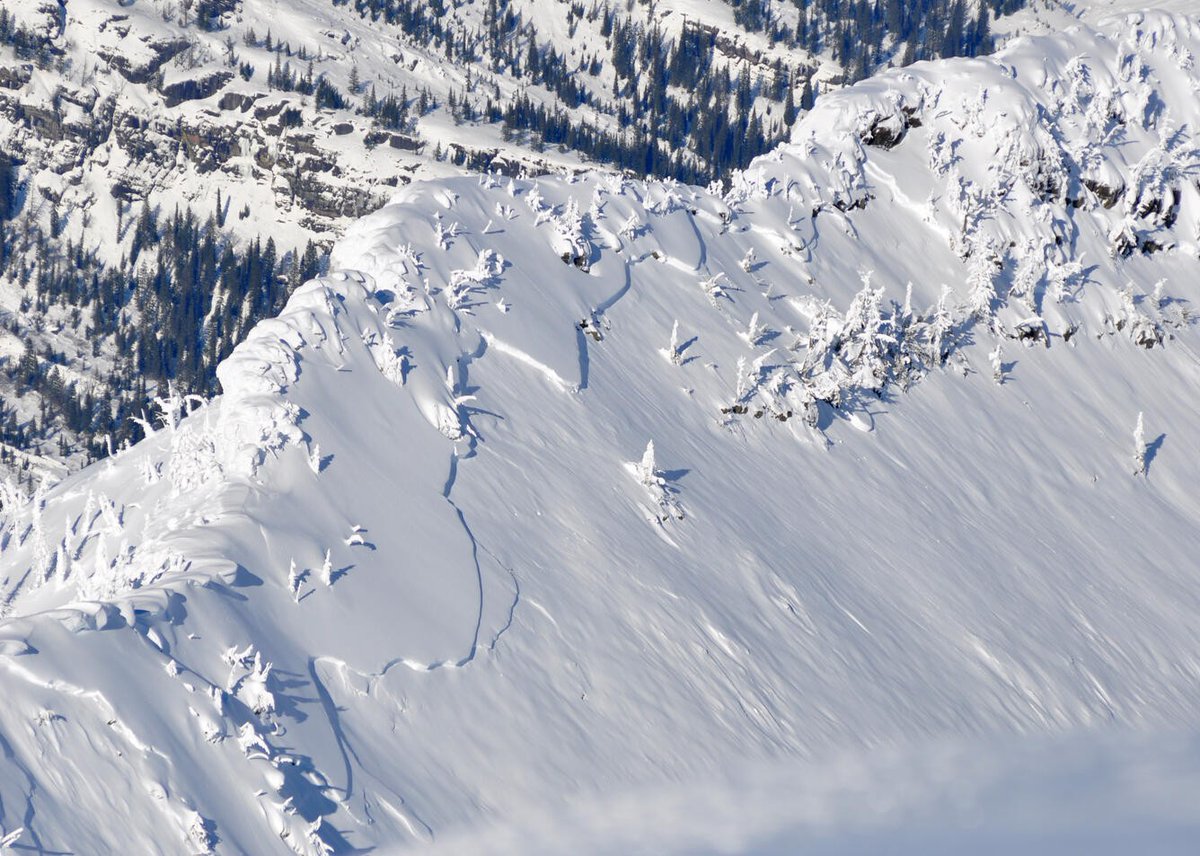
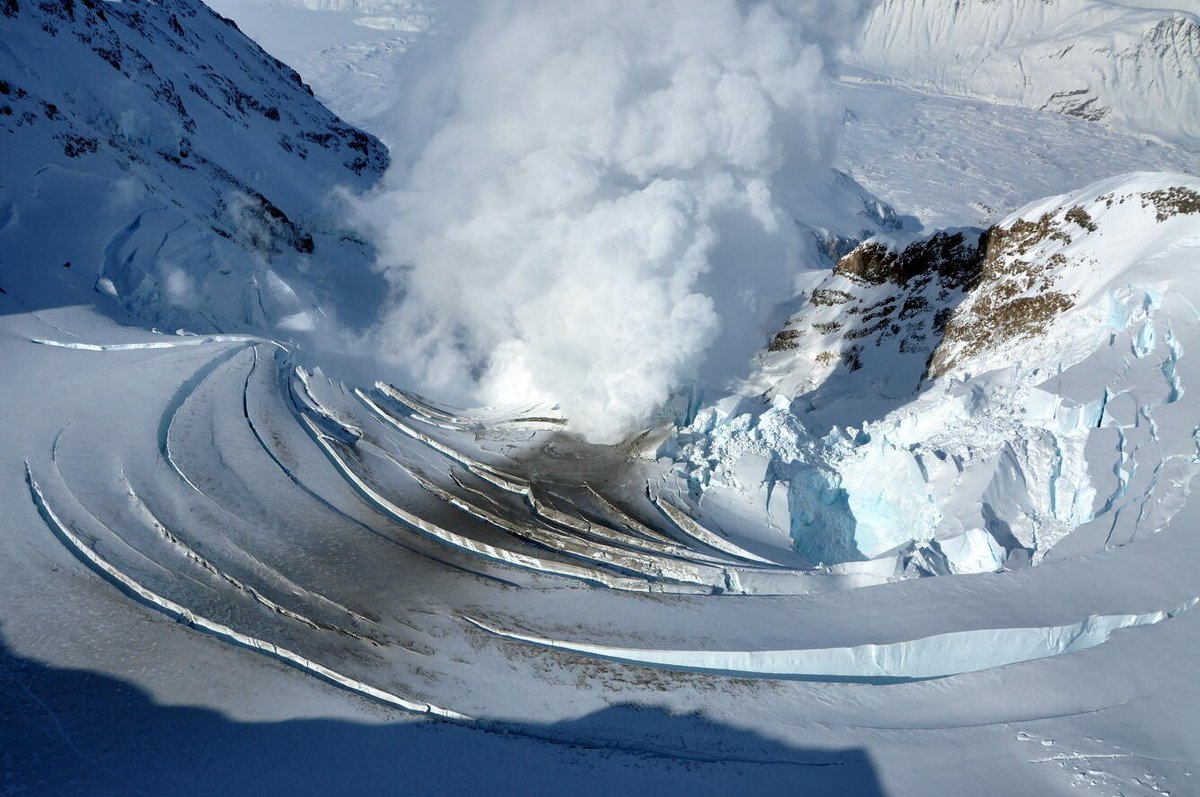
On the Iditarod Trail, winter conditions can change mile by mile. River ice thickens and thins. Snow bridges form and collapse. Glaciers shift. What looks solid one day may change the next. USGS scientists study glacier movement and ice conditions across Alaska to better understand how these winter landscapes behave. Because when travel depends on frozen rivers and valleys, reading the landscape matters. 📸 1: Aerial photo showing fracture line of avalanche along a snow ridge line. A reminder of how quickly conditions can shift in steep terrain. 📸 2: Steam rises through fractured ice at Redoubt Volcano, where heat from below reshapes the frozen surface above. 📸 3: View of Nellie Juan Glacier from Wolverine Glacier, where visibility and weather can change in minutes. Credit: USGS
USGS tweet mediaUSGS tweet mediaUSGS tweet media
English
4
5
40
7.5K
USGS
USGS@USGS·
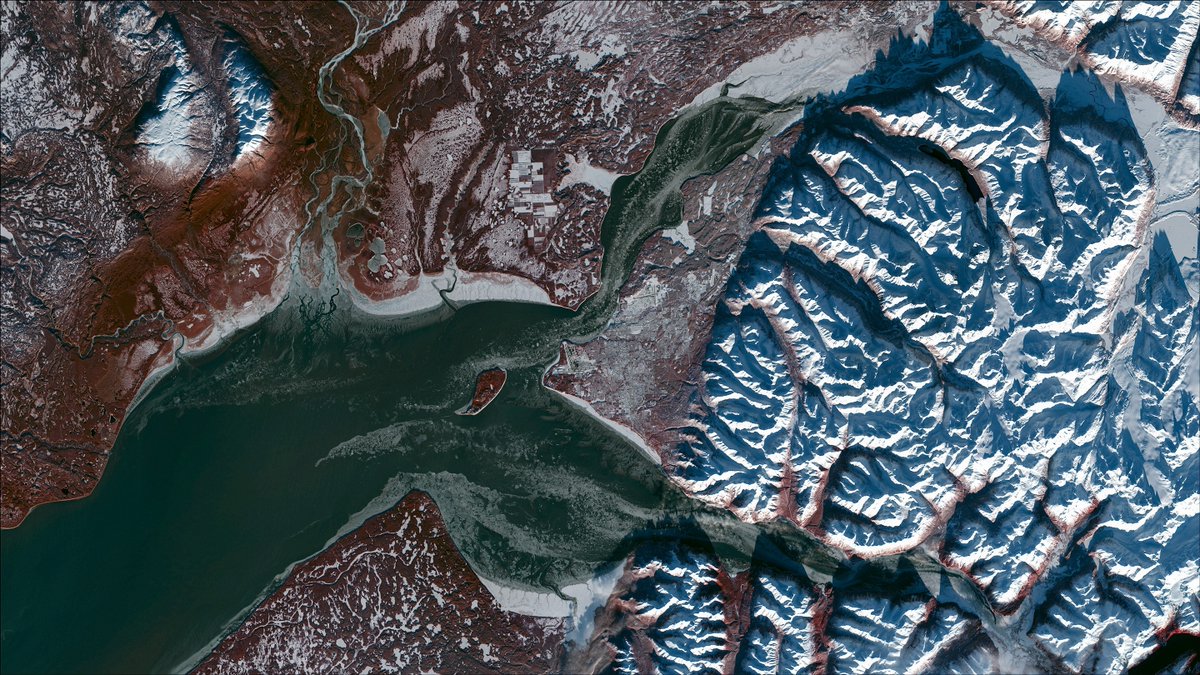
Each March, mushers and sled dogs prepare to travel one of Alaska’s most historic winter routes during the Iditarod Trail Sled Dog Race. The trail itself isn’t permanent. It takes shape each winter. The depth, density, and timing of snowpack determine when a winter trail can safely take shape across public lands, including sections managed by the Bureau of Land Management. Small shifts in temperature can mean thinner snow at lower elevations or earlier melt in key sections. In fact, low snow has forced the Iditarod to move its starting location in 2003, 2015, 2017, and again in 2025. USGS scientists track snow conditions from satellites and in the field to better understand how Alaska’s winter landscape changes from year to year. By race day, winter has already built the trail across Alaska’s public lands. 📷: Landsat 9 image of Anchorage, Alaska, captured November 20, 2021. @BLMNational @BLMAlaska
USGS tweet media
English
1
5
44
7.9K
USGS
USGS@USGS·
Each year, reopening Going-to-the-Sun Road in Glacier National Park depends on daily avalanche forecasting and a decades-long partnership between the U.S. Geological Survey and the National Park Service.   The 50-mile engineering marvel crosses the Continental Divide, connecting the east and west sides of the park.   Since 2003, USGS avalanche scientists have worked side-by-side with the NPS to deliver daily avalanche forecasts that guide “go/no-go” decisions for crews clearing snow and avalanche debris from the road.   Spring conditions in Glacier can change quickly, with sudden snowstorms and avalanches threatening crew safety and slowing progress.   This USGS–NPS partnership ensures road crews have the information they need to work safely and efficiently, saving time and resources while helping the park prepare for the busy season ahead.   The Going-to-the-Sun Road typically opens in late June or early July each year. Visitors can check the park’s website for the latest updates.
English
1
6
57
7.7K
USGS retweetledi
USGS Volcanoes🌋
USGS Volcanoes🌋@USGSVolcanoes·
Hydrothermal explosions at Norris Geyser Basin...earthquakes...ground deformation...geyser eruptions... It's all in the latest Yellowstone Volcano Observatory monthly video update! youtu.be/aMNlRpbu5MI @YellowstoneNPS
YouTube video
YouTube
English
2
16
92
27K
USGS
USGS@USGS·
Happy 147th birthday to us! 🎉 We know, we know...we don’t look a day over 146 — but hey, that’s super young in geologic time! Mapping, measuring, and discovering since 1879. 🌎 #Freedom250 #America250
USGS tweet media
English
12
15
154
8.6K
USGS retweetledi
USGS Volcanoes🌋
USGS Volcanoes🌋@USGSVolcanoes·
Go back in time through decades of Kīlauea eruptions monitored by USGS scientists 🌋 ⚒️ 🪨 The USGS Hawaiian Volcano Observatory is the oldest volcano observatory in the United States. It was founded in 1912 and has been a part of several Federal Agencies—U.S. Weather Bureau (1919–1924), the U.S. Geological Survey (1924–1935), and the National Park Service (1935–1947)—before finding a permanent place with the U.S. Geological Survey in 1947. In the decades since then, scientists at the observatory have monitored dozens of eruptions at Kīlauea, which is one of the most active volcanoes on Earth. Kīlauea eruptions have reshaped Hawaii's landscapes time and time again. During the past 75 years, there have been 43 eruptions either at the summit or along the two rift zones. Discover where each of these eruptions occurred, how long they lasted, and what their impacts were with our new interactive timeline. 👉 Go here to learn more: usgs.gov/news/featured-… Photos of Kīlauea eruptions in 1960, 1973, 1983, 2009.
USGS Volcanoes🌋 tweet mediaUSGS Volcanoes🌋 tweet mediaUSGS Volcanoes🌋 tweet mediaUSGS Volcanoes🌋 tweet media
English
38
23
149
13.6K
USGS
USGS@USGS·
White Sands National Park - where geology meets history. Home to the world’s largest gypsum dunes and fossilized human footprints from ~23,000–21,000 years ago. Explore more sites like this on our Geoheritage Sites of the Nation Explorer 👉 ow.ly/b4Js50WCSM1
USGS tweet mediaUSGS tweet media
English
27
49
322
18.4K
USGS
USGS@USGS·
U.S. mines produced $112 billion in nonfuel mineral commodities in 2025—an estimated $6 billion increase from 2024, used in products valued at more than $4 trillion, or one-eighth of the US economy, according to the 2026 USGS Mineral Commodity Summaries released Feb 6 👉ow.ly/5MPR50YasgO #Mineral #CriticalMinerals
USGS tweet media
English
11
12
26
6.4K
USGS
USGS@USGS·
Regional view. Reliable data. Meet the USGS 250K OnDemand Topo. Big landscapes need big-picture maps. At 1:250,000 scale (1 inch ≈ 4 miles), it’s ideal for regional views—elevation, hydrography, boundaries, & more. Build your own custom 250K Topo👉 topobuilder.nationalmap.gov
USGS tweet mediaUSGS tweet media
English
6
5
29
6.6K
USGS retweetledi
USGS Volcanoes🌋
USGS Volcanoes🌋@USGSVolcanoes·
Yellowstone is famous for its literal ups and downs -- the ground there is constantly rising and falling. But how do scientists measure these moving mountains? Check the latest monthly video update of the Yellowstone Volcano Observatory to find out! youtu.be/MiCBA4jEGGE
YouTube video
YouTube
English
4
16
83
26.3K