Moko

24K posts

Moko banner
Moko

Moko

@holymoko

Public faker🍂

Zambia mufulira Katılım Ocak 2012
995 Takip Edilen2.3K Takipçiler
Moko retweetledi
Literarium
Literarium@Literarium12·
May flowers grow in the saddest parts of you.
Literarium tweet media
English
29
3.3K
11.5K
203.8K
Moko retweetledi
jack
jack@unattendedjack·
All minerals rich African countries is where you will find a heavy presence of NGOs. Africa never needed any aid.
English
11
485
1.3K
12.2K
Moko retweetledi
Africa Today Media Group
Africa Today Media Group@africatodayMG·
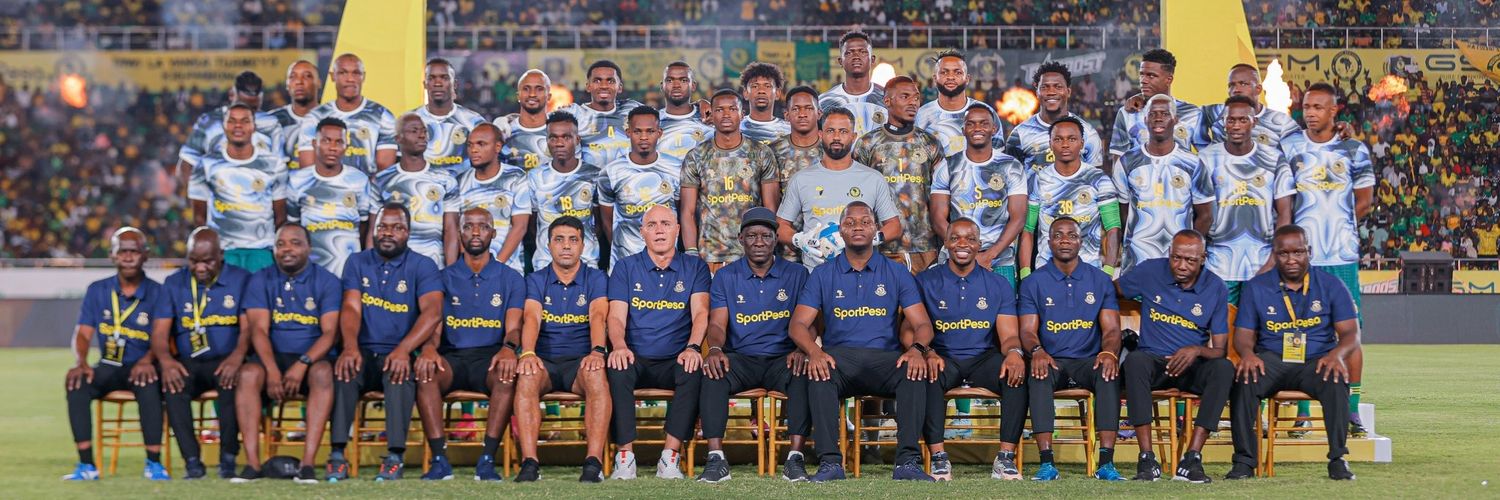
Peter Magana Kenyatta (born August 11, 1943) is the elder half-brother of Kenya's fourth president, Uhuru Kenyatta, and the only child of Kenya’s founding father, Mzee Jomo Kenyatta, and his second wife, Edna Clarke. Unlike his siblings who pursued prominent roles in Kenyan politics and business, Magana has largely lived a private life in the United Kingdom, where he built a career as a presenter and producer for the BBC. Not much is known about Magana whose presence in Kenya has been fleeting. Magana was raised and educated in the UK after his father returned to Kenya in 1946 to lead the independence struggle. He chose to remain in Britain even after Kenya gained independence and his father became president. He worked for decades at the BBC before retiring. While he was reportedly offered government positions in Kenya during his brother's presidency, he declined them to maintain his life abroad.
Africa Today Media Group tweet mediaAfrica Today Media Group tweet mediaAfrica Today Media Group tweet media
English
3
12
65
11.7K
Moko retweetledi
Africa Facts Zone
Africa Facts Zone@AfricaFactsZone·
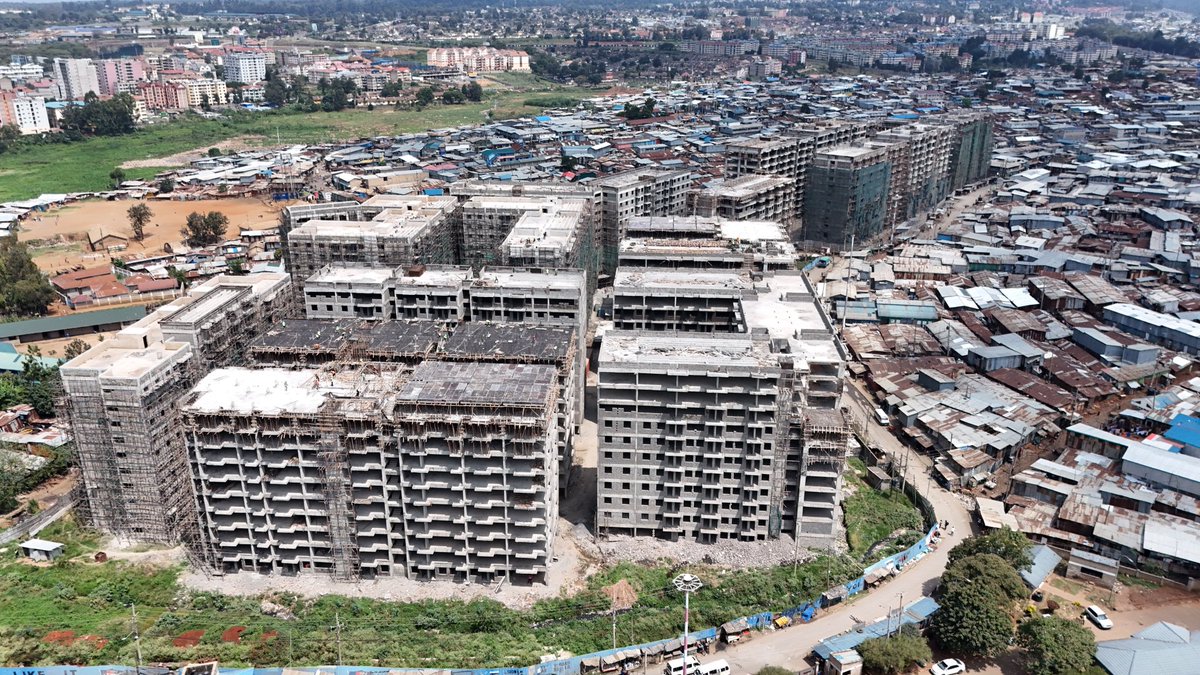
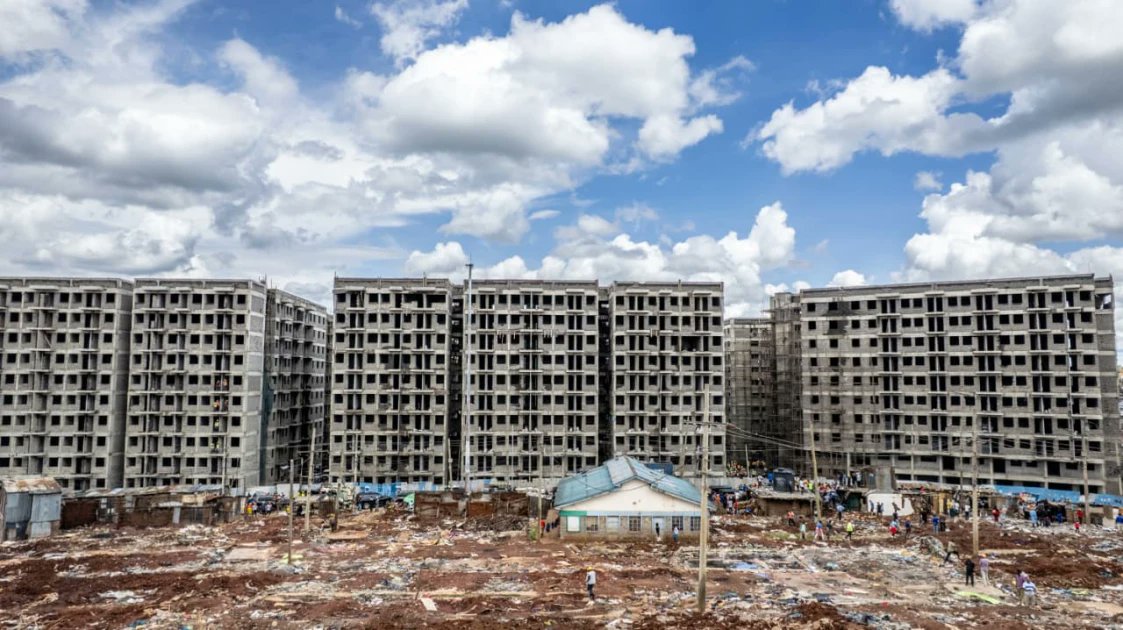
Kenya is transforming Africa's largest slum, Kibera into a modern area with a $57 million housing project. The Kibera Housing Project includes 4,465 housing units. It will have a school, health centre, and recreation facilities.
Africa Facts Zone tweet mediaAfrica Facts Zone tweet mediaAfrica Facts Zone tweet mediaAfrica Facts Zone tweet media
English
109
307
1.9K
86K
Moko retweetledi
𝓓𝓾𝓴𝓮 🦇
𝓓𝓾𝓴𝓮 🦇@sodiqSZN·
Exposure will save you from being impressed by nonsense
English
33
2K
6.6K
61.2K
Moko retweetledi
ɠɧıʂɧ
ɠɧıʂɧ@rirokpik·
Africa won’t be free until corruption becomes a crime with consequences, not a career with benefits.
English
53
4.2K
10K
80.7K
Moko retweetledi
African Hub
African Hub@AfricanHub_·
Ethiopia is projected to earn $10 billion in export revenue by the end of the current fiscal year, up from less than $3 billion three years ago. The country’s industrial sector growth and the “Made in Ethiopia” initiative are credited for this progress. Ethiopia has also generated about $14.5 billion in import-substitute goods over four years and plans to double that figure. Industrial production capacity has increased from 47% to 67%, alongside more than 2,800 new domestic and foreign investments.
African Hub tweet media
English
11
32
120
5.7K
Moko retweetledi
William Samoei Ruto, PhD
William Samoei Ruto, PhD@WilliamsRuto·
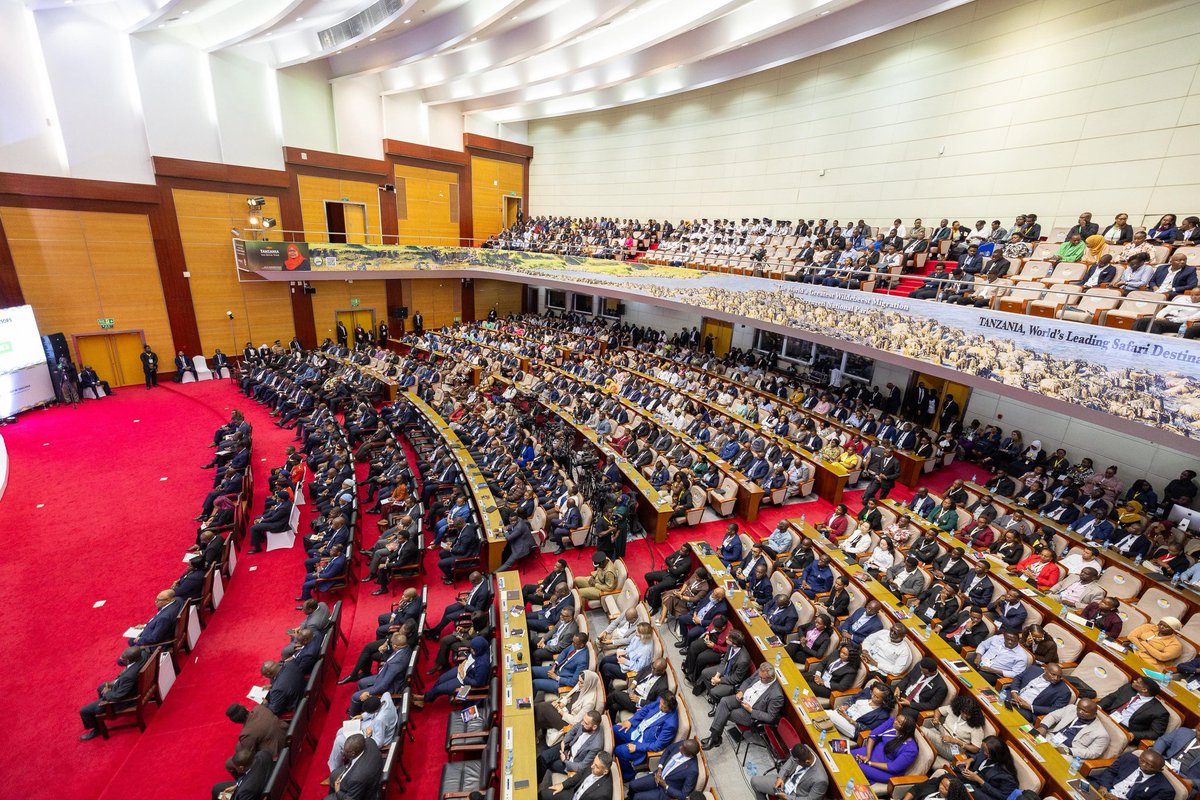
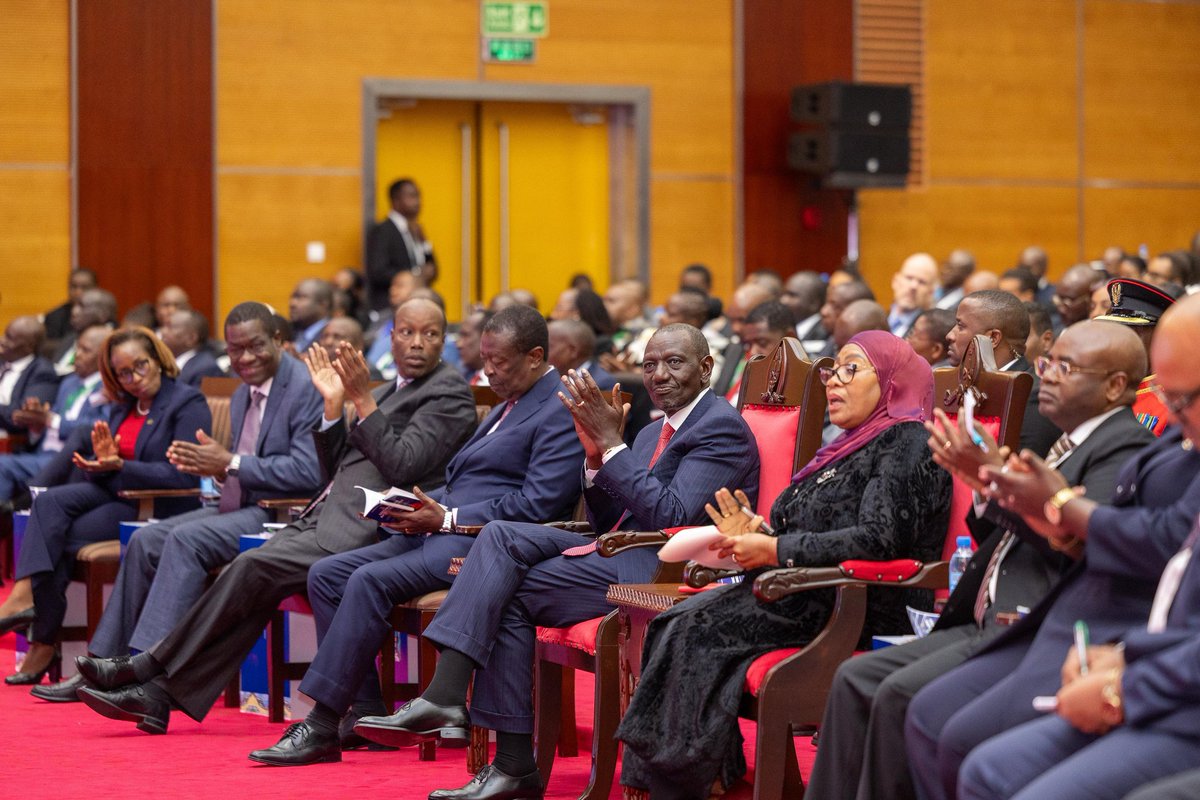
Kenya and Tanzania have set a target of KSh130 billion in new trade and KSh65 billion in fresh cross-border investments. To achieve this ambition, we must deliberately bring down hurdles that hinder free movement of people, goods and services. Business and trade will grow exponentially if non-tariff barriers are eliminated, including border delays, non-harmonised standards, and restricted market access. This is the reason we have set ourselves a June 30, 2026 target to ensure all these barriers are removed. Consequently, our Joint Business Council must become the central platform for structured collaboration. Additionally, the Tanzania-Kenya Business Forum will be institutionalised as an annual event to review progress, track implementation, and unlock new opportunities. With President Samia Suluhu Hassan, we addressed the Tanzania-Kenya Business Forum in Dar es Salaam last evening. The event brought together more than 300 business and private sector people. We reaffirmed our steadfast resolve to provide a stable, predictable, and enabling environment, anchored on regulatory clarity, investor protection, and private sector-led growth
William Samoei Ruto, PhD tweet mediaWilliam Samoei Ruto, PhD tweet mediaWilliam Samoei Ruto, PhD tweet mediaWilliam Samoei Ruto, PhD tweet media
English
76
140
557
26K
Moko retweetledi
Amos Wekesa
Amos Wekesa@wekesa_amos·
PRESIDENT WILLIAM RUTO vs EAC President @WilliamsRuto has suggested that East Africa phone calls should all work like domestic phone calls! Great idea especially if Tanzania, Kenya , Rwanda and Ugandan leadership agrees to that. EAC AVIATION TAXES While the phone calls issue is important, I think even more important all East African flights should be considered as domestic flights too! A flight between Nairobi and Entebbe will attract more than usd 100 in taxes and yet a flight between Nairobi and Mombasa will be usd 4.65. Tanzania flight taxes are about usd 90 making a flight between Nairobi and Kilimanjaro airport usd 140 in taxes alone. Yet usd 140 should actually be the cost of a ticket between Nairobi and Kilimanjaro airport in Tanzania. Interestingly, the tickets between Dubai and Nairobi are cheaper than entebbe Nairobi at any time. What East African countries are saying directly is that we better have business between us and Dubai than trading within east Africa. The faster and affordably entrepreneurs can move between places, the more business that will be between those places and East African countries shouldn’t short change themselves. For a country like Uganda which is landlocked stands yet expensive access by road, unless rail and aviation becomes cheaper, leaders will be spending time explaining how well we are doing with no reality on the ground. People love moving cheaply and will be happy to spend more on doing business or accommodation or entertainment etc. As long as movement between East African countries is expensive, Intra trade will massively be affected.
English
32
110
375
14.4K
Moko retweetledi
Mwango Capital
Mwango Capital@MwangoCapital·
Interesting takeaways from the Kenya-Tanzania Business Forum at the Julius Nyerere International Convention Centre in Tanzania: — KCB CEO Paul Russo said the bank has deployed ~$520M (~KES 67.6B) over ~2.5 years into 4 Tanzania-linked transactions, including ~$180M (~KES 23.4B) for a cement acquisition, ~$120M (~KES 15.6B) for fleet/cement assets, ~$110M (~KES 14.3B) for construction and another ~$100M (~KES 13.0B) for an undisclosed facility. — Taifa Gas argued that governments alone cannot fund development and that capital will only follow well-prepared, bankable projects with clear risk allocation. — Amsons Group said it is anchoring regional integration through its ~$300M (~KES 39.0B) Bamburi Cement acquisition, 69% stake in East African Portland Cement, and ~$250M (~KES 32.5B) clinker plant commitment. — Kenya Private Sector Alliance and Tanzania Private Sector Foundation said Kenya–Tanzania anchor a >$200B (~KES 26.0T) economy and 300M+ market, but non-tariff barriers, standards misalignment, border delays and overlapping taxes continue to suppress trade. — The private sector committed to a joint Kenya–Tanzania Business Council, coordinated lobbying against new non-tariff barriers, and more joint ventures. At the same time, Kenya, Tanzania, and Zanzibar chambers signed an MoU on investment access, market intelligence, and trade-barrier resolution. — President Ruto said EAC trade rose 25% to ~$156B (~KES 20.3T) in 2025, while intra-EAC trade rose 28% to ~$19.3B (~KES 2.5T), though it still accounts for only ~12% of total regional trade. Also said that Kenya–Tanzania bilateral trade fell to ~$860M (~KES 111.8B) in 2025 from ~$950M (~KES 123.5B) in 2024, with ~$100M (~KES 13.0B) lost to non-tariff barriers. — Ruto said ~20 non-tariff barriers have been identified for resolution by the end of May 2026, shifting the focus from dialogue to time-bound execution and monitoring. — Ruto confirmed feasibility work for a Tanzania–Mombasa gas pipeline, highlighted the ~500km power interconnector, and set targets of $500M (~KES 65.0B) in new cross-border investments and $1B (~KES 130.0B) in trade over three years. — President Samia said Tanzania Vision 2050 will be ~70% private sector-led, 22% government-led, and 8% public enterprise-led, framing Kenya–Tanzania integration as an execution agenda rather than a diplomatic talking point.
William Samoei Ruto, PhD@WilliamsRuto

Kenya-Tanzania Business Forum, Julius Nyerere International Convention Centre x.com/i/broadcasts/1…
English
0
19
31
7.5K
Moko retweetledi
jonzing.
jonzing.@ehisssss·
i’m still of the opinion that, even if you weren't raised properly, you’re an adult now, you’ve mixed with people.. learn from them at least.
English
76
6.4K
17.5K
184.6K
Moko retweetledi
Edwin Sifuna
Edwin Sifuna@edwinsifuna·
Mama anasema tuchapwe mikwaju…tutalinda demokrasia kama watoto watovu wa adabu!
Indonesia
577
2.2K
6.9K
189.1K
Moko retweetledi
Moe
Moe@moneyacademyKE·
Tanzanian President Samia Suluhu says she was not aware of the Tanga oil refinery announcement by President Ruto. She questioned him over why the announcement was made without her knowledge.
English
174
1.4K
6K
115.2K
Moko retweetledi
MUHAMMAD ONYANGO
MUHAMMAD ONYANGO@Moha001_Onyango·
What a diplomatic embarrassment in Dar es Salaam.
English
28
406
2.3K
90.5K
Moko retweetledi
Null
Null@Vhoyde·
Governments will create economies that can only be survived by being childless and then wonder why people aren't having children.
English
53
2.3K
10.2K
113.4K
Moko retweetledi
Wealth
Wealth@thecapitalistt0·
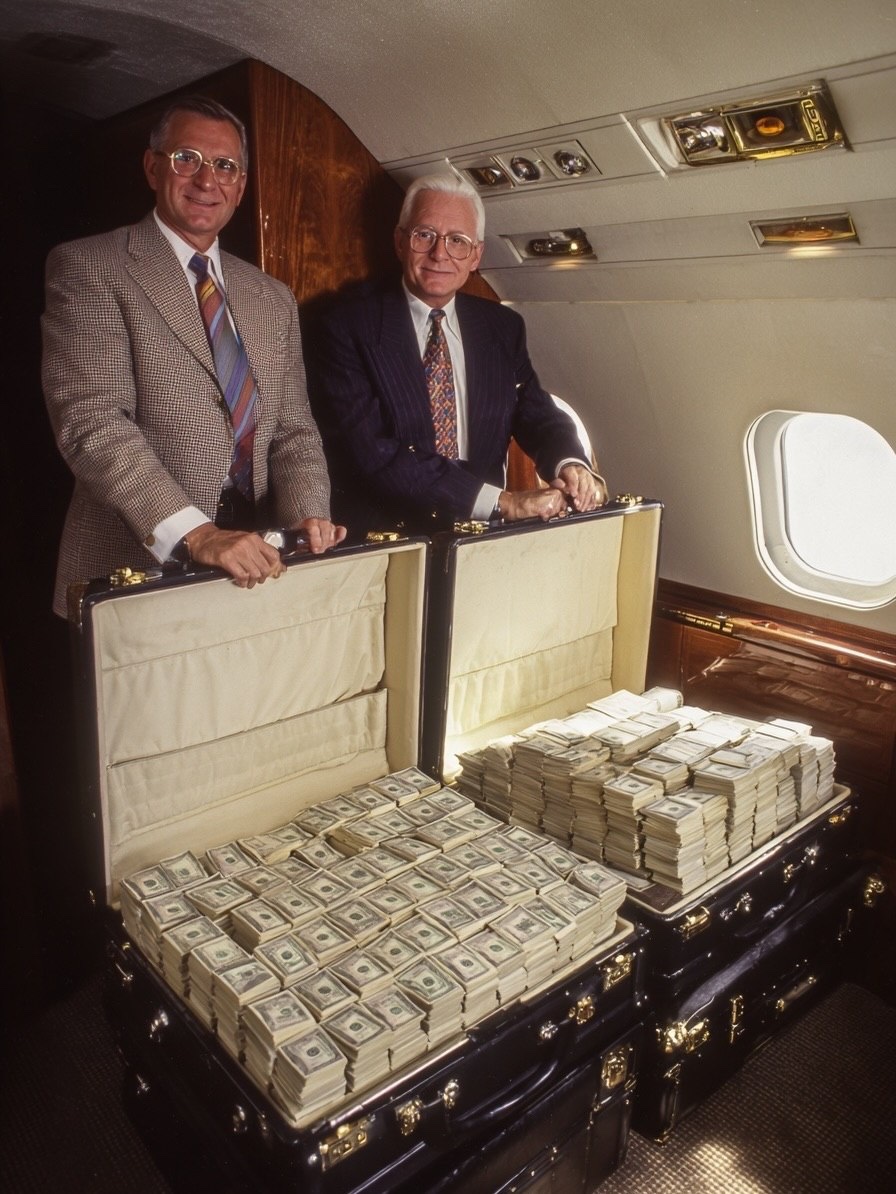
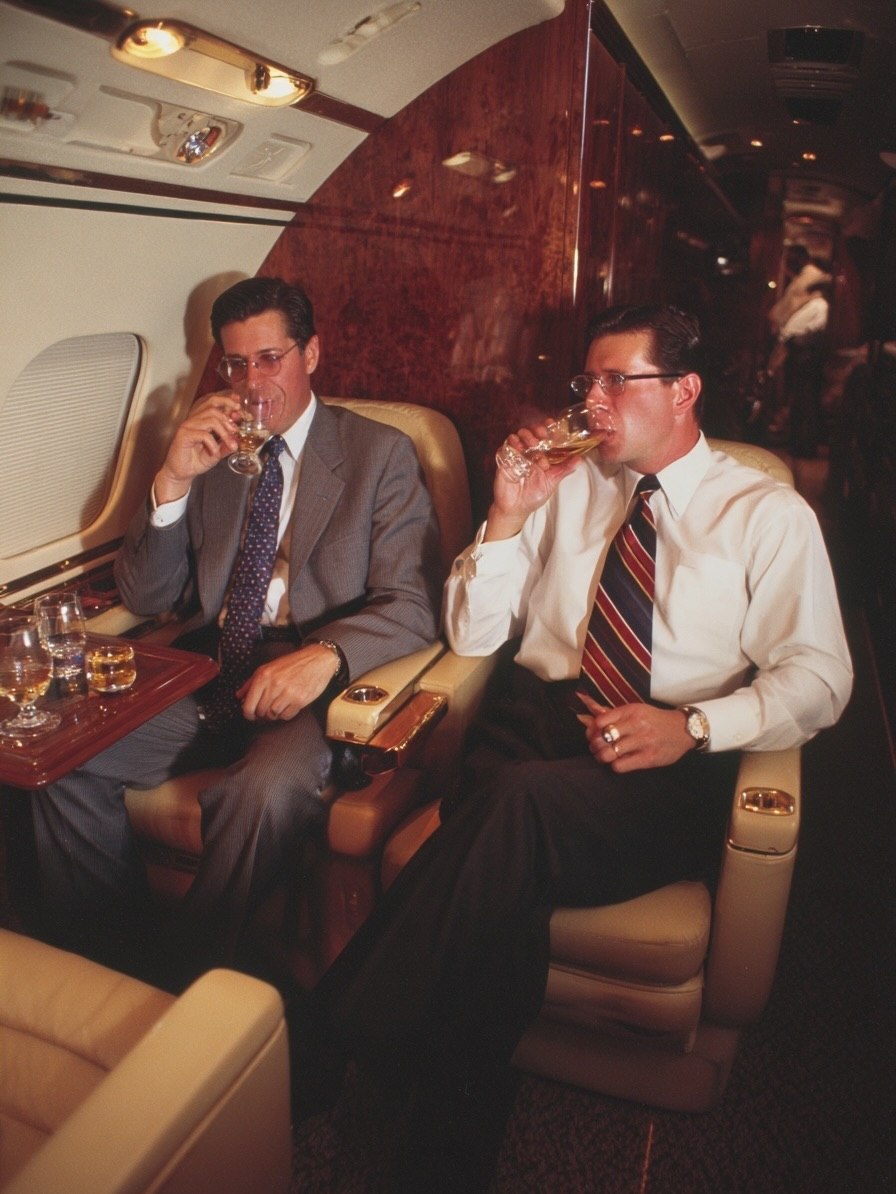
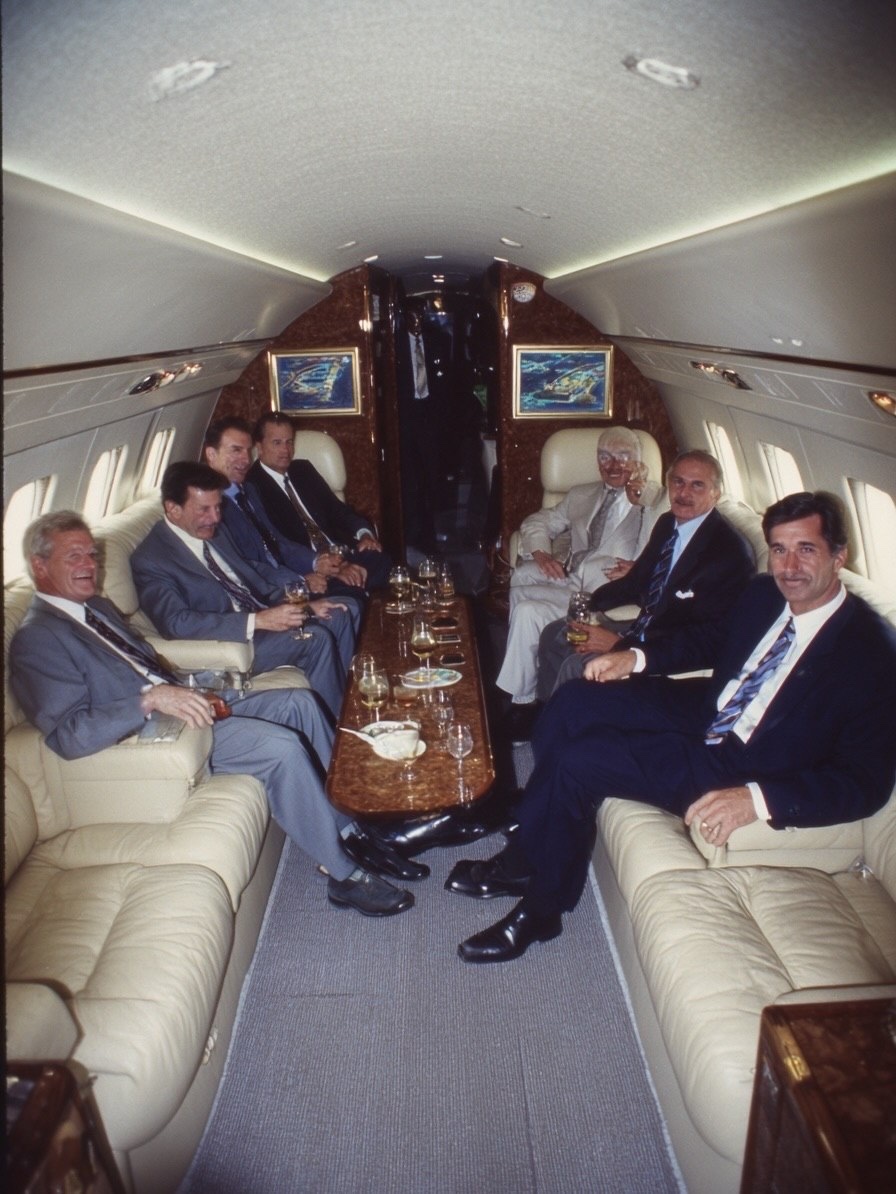
In the 1990s, bankers and businessmen who traveled by private jet moved through a world that felt fast, exclusive, and full of opportunity. These trips were often tied to major deals, expansion into new markets, or high level negotiations that required face to face meetings. It was not unusual for them to travel with trusted colleagues and long time partners, people they relied on to handle different parts of a transaction and to provide advice during critical moments. On some occasions, they carried large suitcases filled with cash, especially when working in places where banking systems were slower or less reliable. Having immediate access to money could help secure agreements quickly and show seriousness in negotiations. The cabin of the jet became a private space where sensitive discussions could happen without risk. Life on board combined business with comfort. They sat in wide leather chairs, sometimes reviewing documents, other times simply leaning back to rest. Champagne was often served, marking a successful deal or just easing the tension of constant travel. Cigars added to the atmosphere, with slow conversations drifting between business and personal stories. Meals were carefully prepared, offering a proper lunch even while in the air. After eating, some would sleep, using the quiet cabin to recover before landing and heading straight into meetings. Traveling this way allowed them to stay efficient, maintain strong relationships, and move quickly in a competitive environment.
Wealth tweet mediaWealth tweet mediaWealth tweet mediaWealth tweet media
English
7
69
587
59.8K
Moko retweetledi
African News
African News@SaharaWire·
🚨 This is why Ruto and Samia traded 'blame' over oil refinery. Aliko Dangote has publicly stated that had he known the full extent of the challenges, he would not have embarked on the $20 billion Dangote Petroleum Refinery project. Africa’s largest refinery, with a capacity of 650,000 barrels per day, overcame significant obstacles including difficult terrain, alleged sabotage, regulatory hurdles, and inconsistent crude supply. It has since achieved full production, transforming Nigeria into a net exporter of petroleum products for the first time in decades, with shipments now reaching markets including Mozambique. However, what's always not said, the project also disrupted a long-standing economic arrangement in which Nigeria exported low-cost crude oil and imported refined products at higher prices — a system that generated substantial profits for international oil traders, European refiners, and local intermediaries. Industry observers note that this shift has faced resistance, including delays in crude allocations and quality disputes, amid concerns from the United States and European partners over the broader implications for global trade flows and Africa’s role as primarily a raw material supplier. (waiting to be exploited) Despite the difficulties, the refinery represents a significant step toward energy self-reliance. That's why Kenya 'demolished' its refinery, and Tanzania can't commit. A scam.
African News tweet media
African News@SaharaWire

🚨 🇹🇿 🇰🇪 Tanzanian President Samia Suluhu Hassan asks Kenya's Ruto to clarify on the issue of building a refinery in Tanga. Ruto, rather embarrassed and pained explains, should he have known, he would've suggested the refinery be built in Mombasa, Kenya. Kenya had a refinery up until 2013 when Changamwe Oil refinery was decommissioned, out of the blues, after Kenya discovered oil in 2012. You are watching presidents tussle over the oil business shenanigans strongly controllee from Western capital. The Changamwe Oil Refinery was established in 1960. It now functions as a storage and distribution facility for imported petroleum products, with Kenya Pipeline Company managing its assets, including 45 storage tanks with a 484-million-liter capacity

English
1
15
52
15K
Moko retweetledi
African News
African News@SaharaWire·
🚨 🇹🇿 🇰🇪 Tanzanian President Samia Suluhu Hassan asks Kenya's Ruto to clarify on the issue of building a refinery in Tanga. Ruto, rather embarrassed and pained explains, should he have known, he would've suggested the refinery be built in Mombasa, Kenya. Kenya had a refinery up until 2013 when Changamwe Oil refinery was decommissioned, out of the blues, after Kenya discovered oil in 2012. You are watching presidents tussle over the oil business shenanigans strongly controllee from Western capital. The Changamwe Oil Refinery was established in 1960. It now functions as a storage and distribution facility for imported petroleum products, with Kenya Pipeline Company managing its assets, including 45 storage tanks with a 484-million-liter capacity
African News@SaharaWire

⚡️ 🛢️ DANGOTE EYES EAST AFRICAN REFINERY "I applaud President Museveni for his bold decision to ban the export of unprocessed minerals. I also want to commit to the two presidents here that, with their support for the refinery, we will build a similar one in East Africa like the one we have in Nigeria" - Aliko Dangote

English
3
13
14
18.9K
Moko retweetledi
Tasunungurwa Mufumiri
Tasunungurwa Mufumiri@freemufumiri·
And Chivayo was not even the most compromised man in that photograph. Meet the other two. Kudakwashe Tagwirei aka Regimond Mathambo, is sanctioned by not one but two of the world's most powerful governments. The United States designated him under the Magnitsky Act for bribing senior Zimbabwean officials with high-value gifts to seize control of key economic sectors. The United Kingdom imposed a full asset freeze and travel ban after his company, Sakunda Holdings, redeemed Government of Zimbabwe Treasury Bills at up to ten times their official value – a scheme so brazen it collapsed Zimbabwe's currency and put food beyond the reach of ordinary citizens. The UK's Foreign Secretary called it one of the most serious incidences of corruption under the current government. Two governments. Two sanctions regimes. And yet Mnangagwa handed him Zimbabwe's most politically explosive portfolio – chairman of the Presidential Land Tenure Implementation Committee. A committee that deliberately bypasses the constitutionally mandated Zimbabwe Land Commission – the very body the constitution created to prevent exactly this kind of unaccountable power over land. But here is where the architecture of self-dealing becomes staggering in its audacity. The land title deeds programme is being underwritten by CBZ, Zimbabwe's largest bank, in which Tagwirei holds significant undisclosed influence. The digitisation of those title deeds was awarded to Dokuma. The government told the public that Dokuma was a Rwandan company, founded abroad and selected on merit through a proper taskforce process. That narrative has now collapsed. Dokuma was founded in Zimbabwe. It expanded to Rwanda. And on its own website, the company states it has been working on the land tenure committee initiative since 2021 informally, years before any public tender, years before any formal announcement, from the very inception of the programme that Tagwirei himself chairs. Read that again slowly. The company that won the government contract to digitise Zimbabwe's national land records was embedded in the committee that designed the programme quietly, without disclosure, without competition before the contract ever existed. And now, CBZ Holdings is taking a 17.5% stake in Dokuma, the very company it helped position, in a programme it is simultaneously underwriting. This is not a conflict of interest. This is a pipeline – from policy design to vendor selection to contract award to bank acquisition – with the same fingerprints on every door handle. A sanctioned businessman chairs the committee. His bank underwrites the programme. His company was embedded in that committee for years before winning the contract. His bank is now buying into that company. And every Zimbabwean who owns property has been given 24 months to pay into this system – or watch their title deeds rendered legally obsolete. Tempter Paul Tungwarara – Mnangagwa's own Special Advisor, whose remit was expanded in 2026, faces serious criminal complaints on multiple fronts. An Indian businessman alleges he was defrauded of over USD $2 million. A Zimbabwean complainant claims he was swindled out of over USD $350,000. He allegedly overbilled the government for a perimeter wall at State House itself. Those cases are going nowhere. Dockets have vanished. Investigations have stalled in ways that do not happen by accident. When a sitting president's own Special Advisor faces criminal exposure and the dockets disappear, you no longer have a justice system. You have a loyalty programme with a law enforcement budget. So let us be absolutely precise about what that photograph contains: One man whose assets are frozen by South African courts and whose brother is a Hawks fugitive. One man sanctioned by the United States and the United Kingdom for state capture and currency destruction is now chairing a presidential land committee whose bank underwrites the programme, whose company was secretly embedded in that committee for years before winning the contract, and whose bank is now buying into that company. One man – the President's own Special Advisor – is facing multiple criminal fraud complaints running into millions of dollars, whose dockets keep vanishing before they see a courtroom. And one African president who built his entire political identity on fighting state capture, flew in as their guest, smiled for the camera, and apparently asked no questions. This is not a social visit. This is a power structure posing for a portrait. You. Cannot. Make. This. Up. @AdvoBarryRoux @ChrisExcel102 @geoffreyyork @Sophie_Mokoena @Muswatadzi @Hon_Kasukuwere @zimlive @eNCA @News24
Tasunungurwa Mufumiri@freemufumiri

Today, President @CyrilRamaphosa visited Zimbabwe and was photographed with Wicknell Chivayo, a man currently under investigation by South Africa's own FIC for allegedly laundering over R800 million in Zimbabwean public funds. South Africa's Financial Intelligence Centre found that over R1.1 billion from Zimbabwe's Ministry of Finance @ZimTreasury flowed into a South African printing company, with more than R800 million rapidly transferred into accounts belonging to Chivayo-linked companies. The Hawks, SARS and SAPS are all involved. A South African High Court has already frozen Chivayo's bank accounts at FNB, Absa and Standard Bank and grounded his private jet in a case brought by his estranged wife Louise Sonja Madzikanda. But it gets worse. Wicknell's younger brother, Joachim 'G6' Chivayo, was arrested in November 2024 by the Hawks' Serious Organised Crime Unit in Brakpan for possession of six gold bars worth approximately R15 million. He was granted bail of R20,000 with strict conditions; he could not leave Gauteng or South Africa. He then failed to appear in court, and a warrant of arrest was issued against him on March 11, 2025. He jumped the border and never came back. Joachim Chivayo was subsequently appointed ZANU-PF's deputy secretary for information and publicity in Harare province in September 2025, a fugitive from South African justice, rewarded with a political position. So here is the full picture: South Africa's FIC is actively investigating the elder Chivayo. South Africa's Hawks have an outstanding warrant for the younger Chivayo. A South African court has frozen the family's assets. And Ramaphosa flew to Zimbabwe and posed for photographs with the man at the centre of all of it. What does this say about South Africa's rule of law? When a sitting president shares a frame with someone his own country's financial intelligence unit is investigating for money laundering and whose fugitive brother is sheltered by the very government hosting that visit, the message sent to criminals everywhere is clear: connections trump consequences. You genuinely cannot make this up. 🇿🇦🇿🇼 @Leon_Schreib @Sophie_Mokoena

English
21
258
374
46.5K
Moko retweetledi
ZEDD-Enigma
ZEDD-Enigma@sisuyasuke·
Ukipata mdaa pitia online usome kuhusu hizi story; 1. The witches of Bo'ness - 1680 2. The Tunguska event Siberia - 1908 3. The SS waratah - 1912 Matukio ya kweli ya kushangaza yaliotokea duniani miaka ya kale.
Filipino
4
24
59
3.6K