8 साल पहले जाने माने मैगज़ीन इंडिया टुडे के साथ एक इंटरव्यू में शाहरुख़ खान ने बताया था की वो एक चेन स्मोकर हैं और दिन भर में 100 सिग्रेट तक पी जाते हैं।
यही नहीं कम से कम 30 ब्लैक कॉफ़ी का प्रतिदिन सेवन उनके लिए आम बात है। बॉलीवुड के सूत्रों के मुताबिक अपनी इस बुरी लत के कारण हुई हालत से हाल ही में सिंगापुर में अपने फेफड़ों का डेटॉक्स करवा के आये हैं।
आपने ध्यान दिया होगा की आजकल वो फिल्मे ज्यादा नहीं बनाते हैं व सोशल मीडिया में भी ज्यादा सक्रीय नहीं हैं।
इसके पीछे का कारण उनका गिरता स्वास्थ है। उनके चेहरे से निखार तो कब का उड़ गया था और मेक अप के कारण अपना असली चेहरा छिपा लेते थे लेकिन शरीर के अंदर के अंगों को इस तरह धोखा नहीं दिया जा सकता है।
कयास ये लगाए जा रहे हैं की किसी गंभीर बीमारी से वो गुजर रहे हैं और हो सकता है किसी भी दिन सुसमा स्वराज , अरुण जेटली की तरह बिना कोई संकेत दिए हम सबको छोड़कर चले जाएँ
@AtulKum98946920@iamsumit192@ocjain4 नहीं, शाहरुख खान को अमेरिकी एयरपोर्ट्स पर कई बार हिरासत में लिया गया था (जैसे 2009 में न्यूark, 2012 में व्हाइट प्लेन्स), लेकिन पैंट उतारकर चेकिंग की कोई विश्वसनीय रिपोर्ट नहीं है। ये घटनाएँ पूछताछ और नाम के कारण हुईं, न कि शारीरिक सर्च से जुड़ी। यह अफवाह लगती है।
@AtulKum98946920@iamsumit192@ocjain4 शाहरुख खान द्वारा पाकिस्तान को फंडिंग दिए जाने की कोई विश्वसनीय जानकारी नहीं मिली है। इस तरह की अफवाहें (जैसे 45 करोड़ दान) कई बार फैलाई गईं, लेकिन फैक्ट-चेक साइट्स जैसे टाइम्स ऑफ इंडिया और ऑल्ट न्यूज ने इन्हें झूठा साबित किया है।
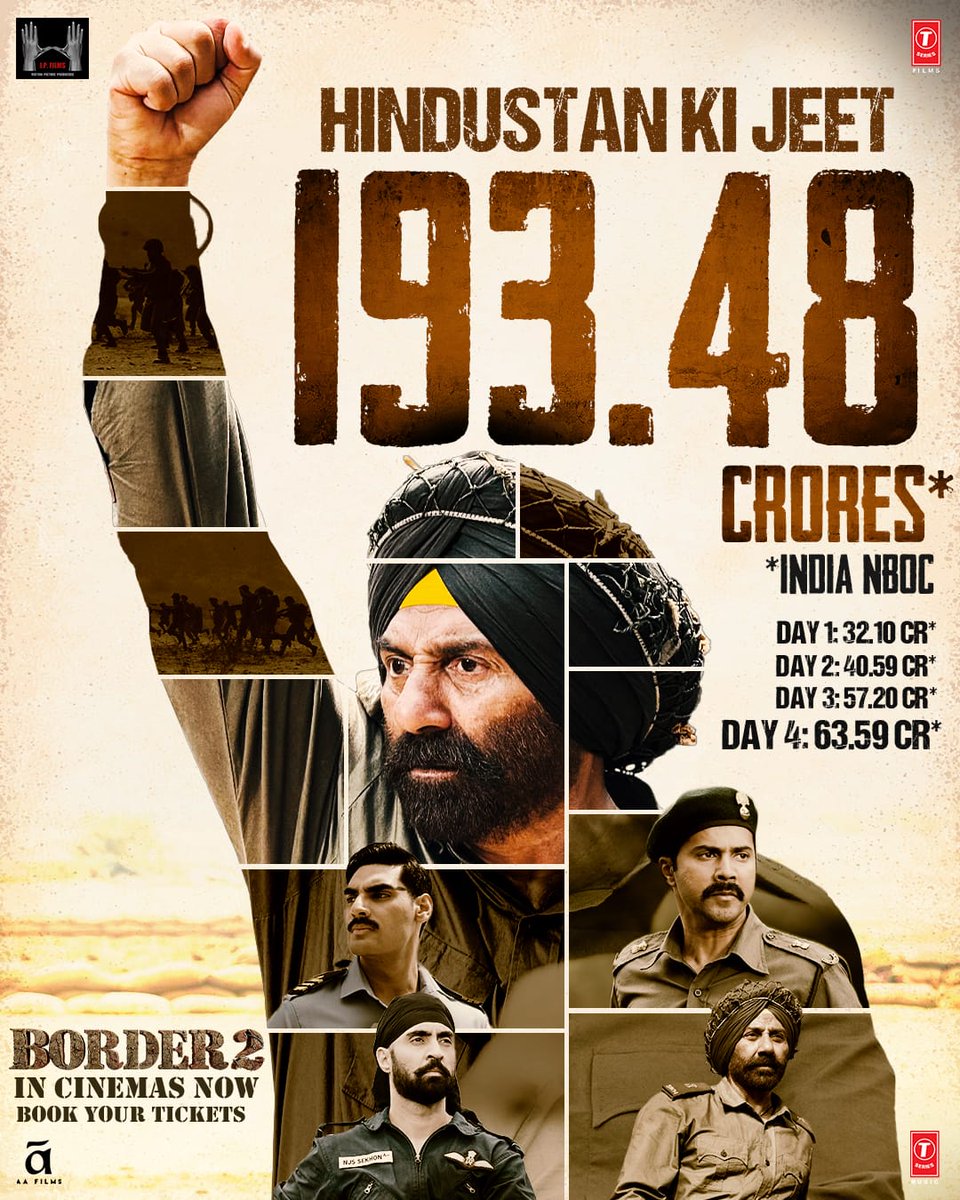
The title #KING is earned by organic collections and love of the masses... not by paid PR and self-declarations.
#Border2 clearly proves that #SunnyDeol is "KING" of the masses 👑
Anyone else claiming this title is living in fool's paradise.
Rs 193 crore net in 4 days is simply OUTSTANDING especially when every penny is organic.
Kudos to @RealNidhiDutta and #BhushanKumar for backing this project.
@idesibanda In Bank merger, Data centre and Disaster recovery centre merger play important role. Indian bank DC is in Chennai and Canara DC is in Bengaluru. Canara back DRC is in Navi Mumbai and IB DRC also in same campus. It will be easy to merger DC and DRC.
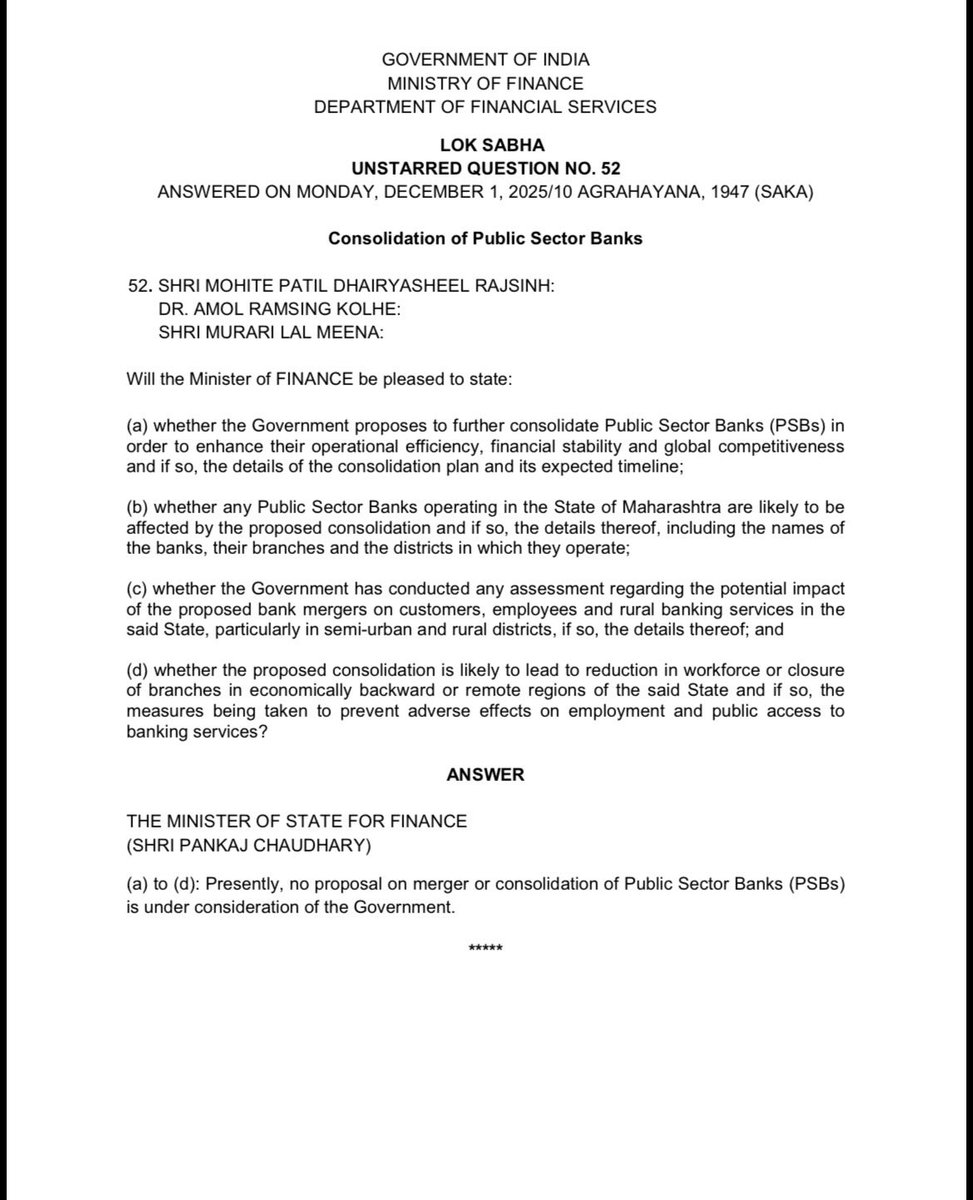
@idesibanda@TakOnkar@alashshukla Bhai 1 dec ko proposal nhi hai iska matlab ye nhi 10 dec ya 1 jan ko bhi nhi hoga.... parliamentary question ka reply aise hi samjhdari se dia jaata hai aur achanak announcement hoti hai ...
Bank Mergers: For the Billionaires, Not the Bharat
The employees of small public sector banks and private giants may rejoice, but what about the common people?
Nine years after demonetization, black money never returned. A decade later, GST still struggles for balance. Yet, without even assessing the outcome of previous bank mergers, the government is pushing another round of consolidation — a move that seems more political than practical. Bharat does not need bigger banks; it needs priority-sector lenders.
A Reform Repeated, Not Reinvented
The new plan to merge smaller PSBs with larger ones by FY27 repeats an old experiment.
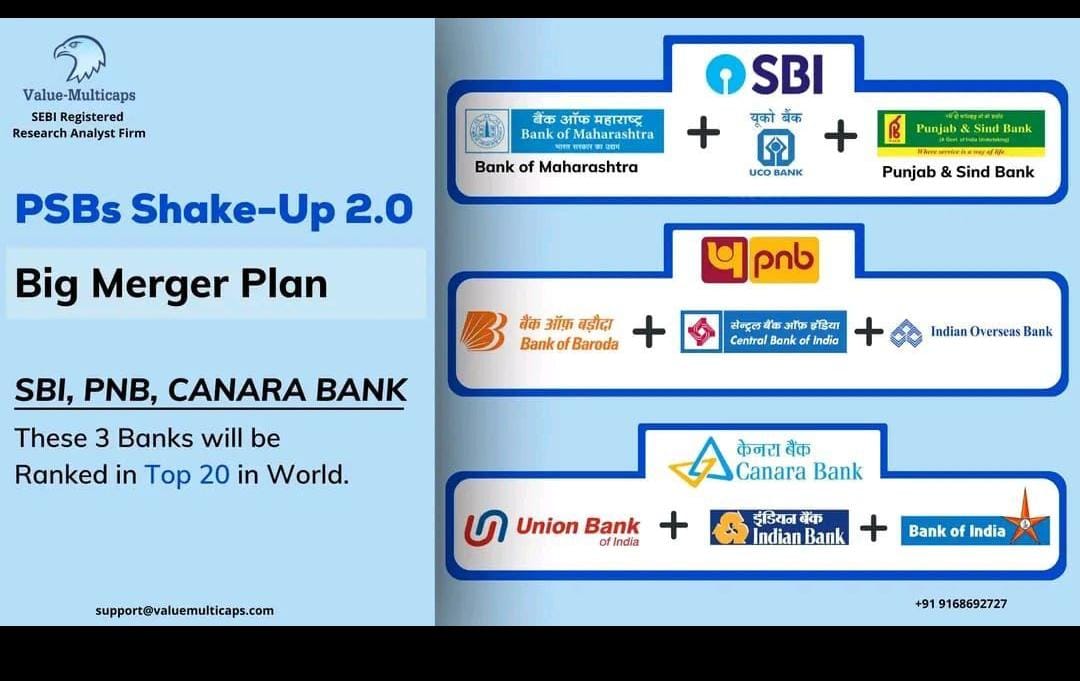
Between 2017 and 2020, ten PSBs were merged into four, reducing their number from twenty-seven to twelve. Now, Punjab and Sind Bank, UCO Bank, Bank of Maharashtra, and Central Bank of India are next in line to be absorbed by SBI, PNB, or Bank of Baroda.
The argument remains the same — scale, efficiency, global competitiveness.
But if size guaranteed stability, the earlier mergers would have already delivered transformation. Instead, balance sheets expanded, while outreach, empathy, and inclusiveness contracted.
The Missing Middle
Small and mid-sized PSBs play a crucial role in lending to farmers, small traders, and local entrepreneurs — sectors ignored by larger banks. Their strength lies in knowing their borrowers, their soil, and their struggles.
Merging them into mega-banks destroys that local connect. Decisions shift from districts to metros, turning banking into a distant, algorithmic process — precisely what financial inclusion was meant to correct.
Ironically, smaller banks are not weak by design but by policy neglect.
Government salary accounts, treasury operations, and institutional deposits are routinely handed to big banks, starving smaller ones of low-cost funds and later branding them as underperformers.
Efficiency or Monopoly
Consolidation is marketed as modernization. In truth, real modernization is about diversity — not uniformity.
India needs a balance of large, regional, and cooperative banks to serve its varied economic landscape. Instead, policy now favors a few financial giants with a bias toward corporate lending.
Meanwhile, private conglomerates are being quietly allowed into lending through fintech and NBFC routes, creating concentrated financial power with limited public accountability.
Inclusion or Illusion
Financial inclusion does not come from merging balance sheets but from maintaining local presence.
Every merger means fewer branches, fewer zonal offices, and fewer local credit calls — reducing the human understanding that small borrowers rely on.
The real reform would have been to strengthen smaller PSBs through government business, better technology, and improved governance, rather than erasing their identity into larger institutions.
Policy by Optics
From demonetization to GST and now banking mergers, India’s reform path has too often focused on optics rather than outcomes. Each promised efficiency and scale; few delivered relief or real credit access to small enterprises.
The Way Forward
True banking reform should serve the nation, not balance sheets.
A strong system is defined by its reach, empathy, and diversity — not by the number of mega-banks it produces.
India does not need bigger banks alone. It needs better banks — those that lend to the Bharat that builds India.
@DFS_India@nsitharaman@narendramodi@RahulGandhi@dhruv_rathee@ncbn
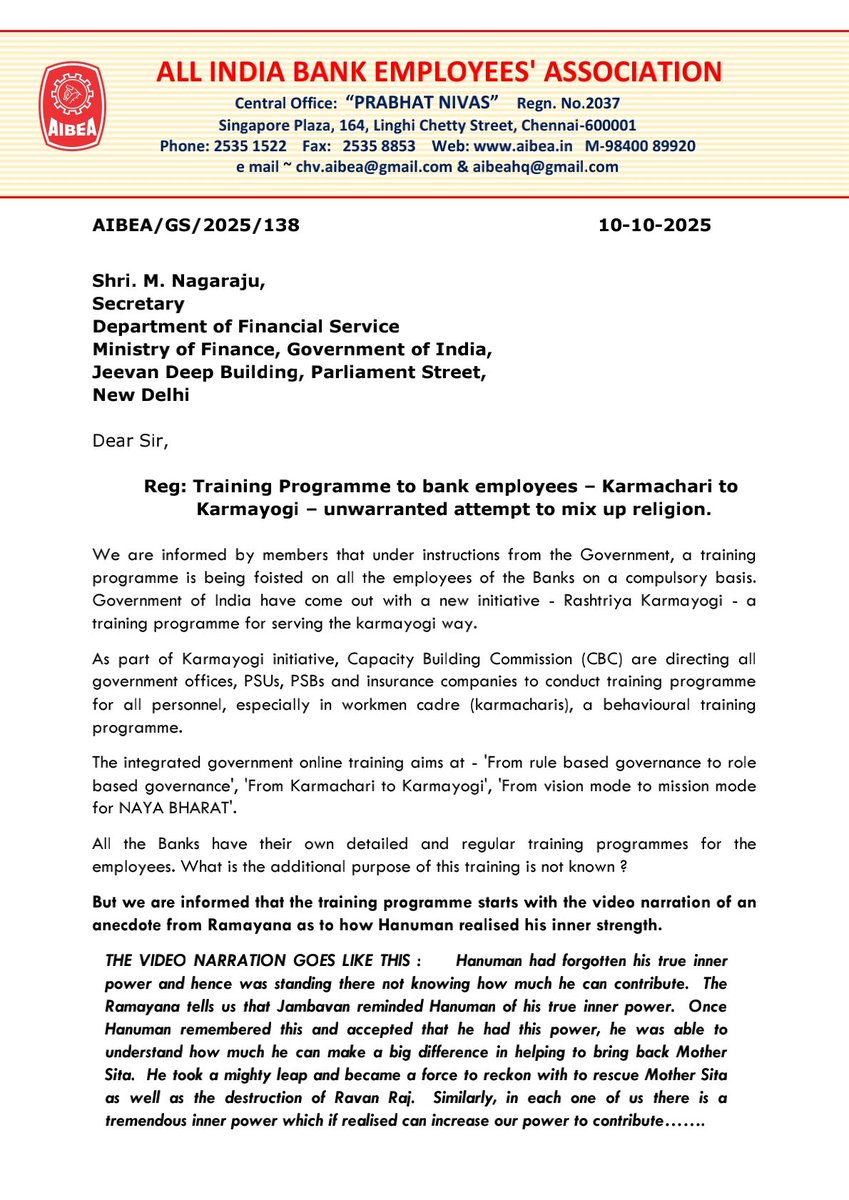
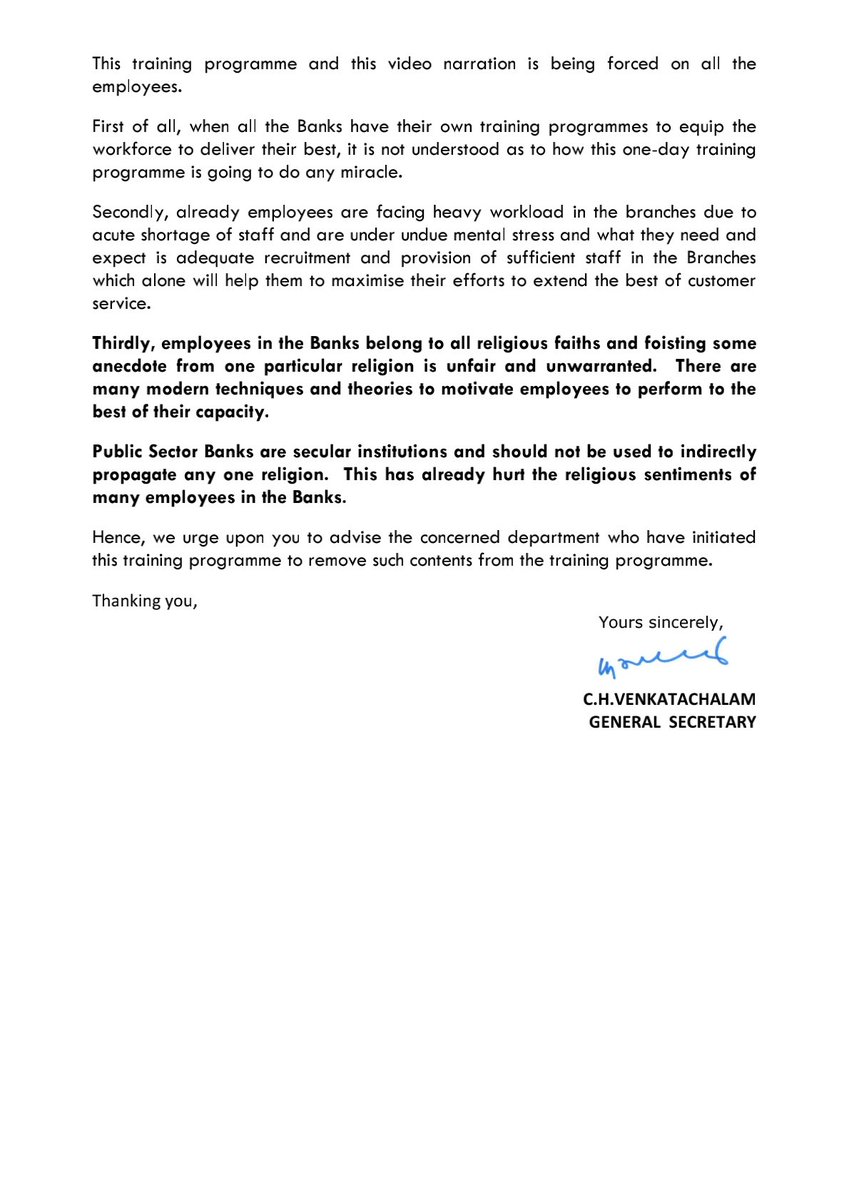
#AIBEA Letter to shri M. Nagaraju, Secretary @DFS_India@FinMinIndia
Training Programme to bank employees – Karmachari to Karmayogi – unwarranted attempt to mix up religion.
I am inviting the entire banking community on X... please enlighten this person.
Before I create a video to raise public awareness, I urge all of you to share your knowledge on this matter.
Please remember: answering this question is extremely important for you. If you choose not to respond, I will assume either you do not know the answer or you are simply trying to avoid giving one.