
Sabitlenmiş Tweet

This monument was erected for the civilians who were massacred in Aydın when it was invaded by the Greeks on May 27, 1919. May their souls rest in peace.
37°52'13''N 27°35'57''E

Germencik, Aydın 🇹🇷 English
Fatih ERKEK
9.8K posts

@icimdeki_efe
Ya yol yap, ya yol göster ya da yoldan çekil.







Yerli Honda scooter siparişe açıldı… 💢Honda Türkiye Motosiklet ’in İzmir Aliağa’daki fabrikasında üretilen ilk model olan “PCX125” satışa sunuluyor. 💢PCX125, kırmızı, beyaz, mavi ve gri renk seçenekleriyle Honda bayilerinde ön siparişe açılmış. 💢Fiyat 189 bin TL olarak açıklandı. 💢Honda PCX125’in 125 cc hacimli, su soğutmalı 4 supaplı motoru, 12,5 HP güç, 6.500 d/d’de 11,7 Nm tork üretiyor. Start&stop sistemli motor, 8,1 litrelik depoyla yaklaşık 385 km menzil sunabiliyor.
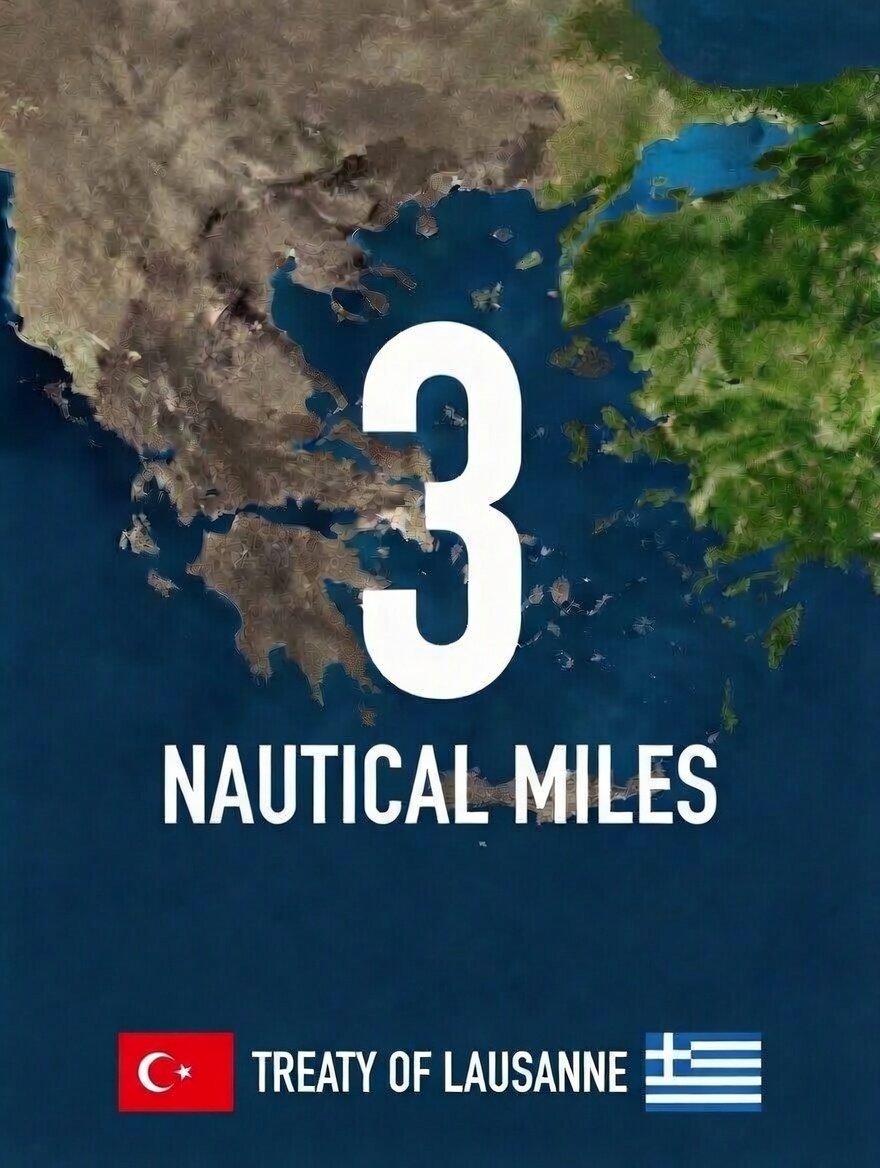
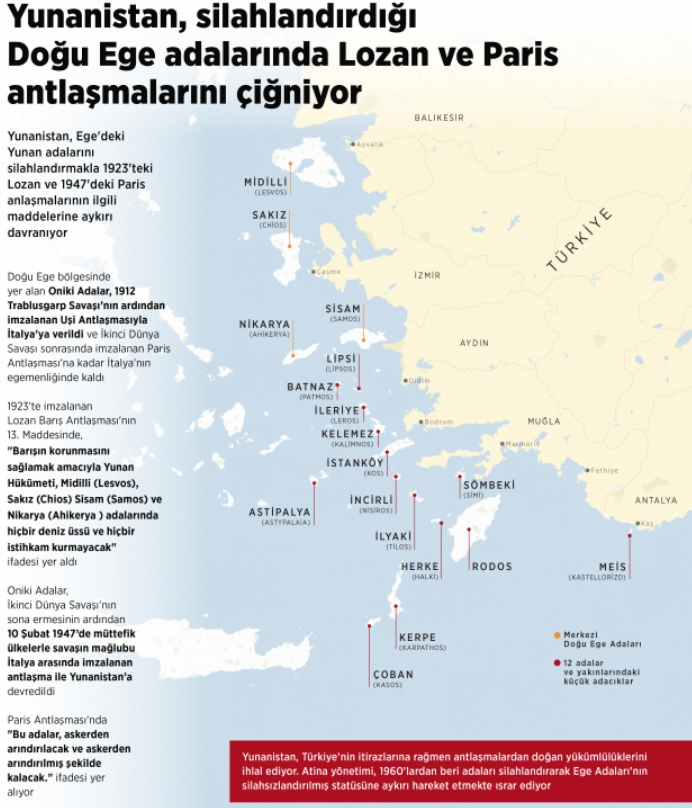
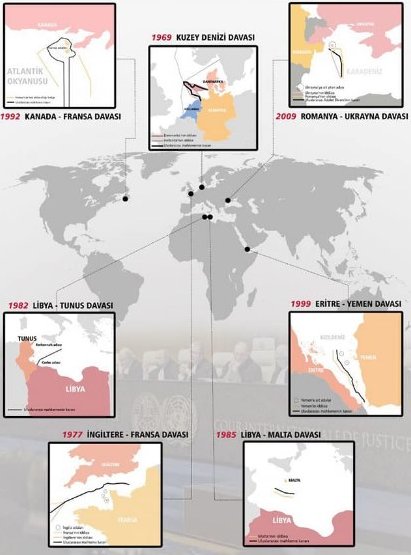
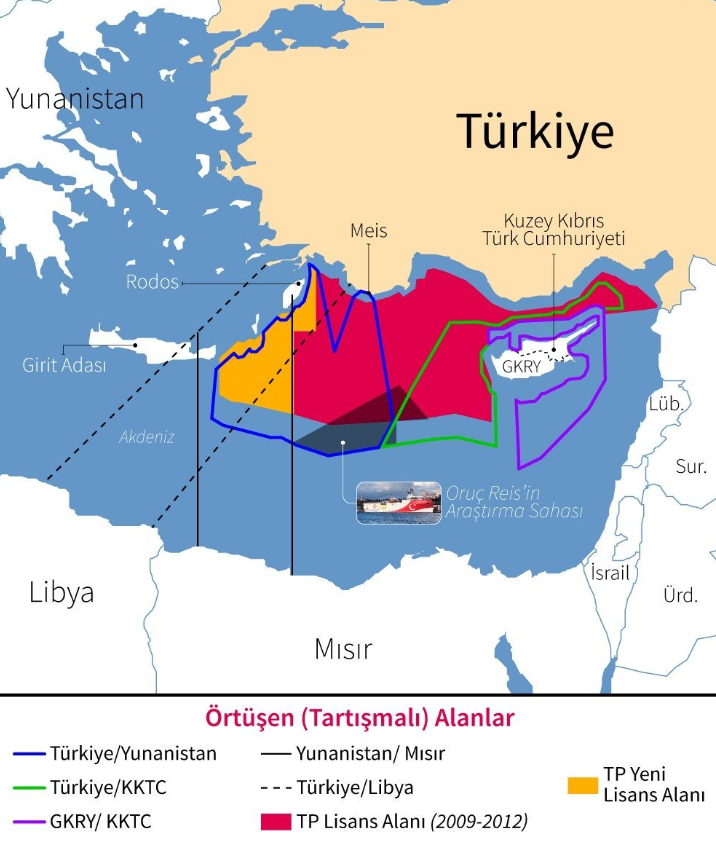
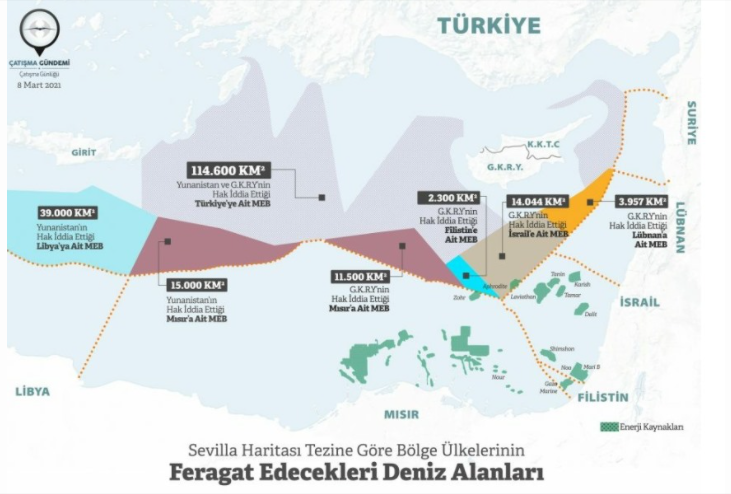
Turkey’s Maritime Expansionism Is Rooted in Revisionism They apply 12 nautical miles elsewhere while threatening Greece with war for asserting the same right in the Aegean, a clear contradiction. According to a recent Bloomberg report, Ankara is preparing legislation to formalize its expansive maritime claims in the Aegean and Eastern Mediterranean. Turkey will frame this as "fairness." In reality, it is another revisionist attempt to rewrite established international maritime law at the expense of Hellenic sovereign rights. Under UNCLOS, the globally accepted framework governing maritime rights, inhabited islands generate territorial waters, continental shelves, and EEZs just like mainland territory. The Hellenic position is grounded in this legal order. Turkey refuses to sign UNCLOS precisely because it rejects the implications of islands possessing full maritime rights. Ankara's argument essentially asks the world to pretend major Hellenic islands near the Turkish coast either generate reduced maritime zones or none at all. But international courts have consistently recognized islands as legitimate sources of maritime jurisdiction. Geography does not erase sovereignty. The contradiction becomes even sharper when Turkey's own practice is examined. Ankara applies 12 nautical miles in the Black Sea and much of the Mediterranean, yet maintains a standing casus belli against Greece for exercising the exact same right in the Aegean. That is not legal consistency. It is revisionist geopolitics. This dispute is not simply about maps or gas reserves. It is about whether international law applies equally to all states, including maritime and island nations, or whether regional powers can demand exceptions whenever the rules become inconvenient. The Hellenic position aligns with international jurisprudence, EU policy, and the broader rules-based maritime order. Unilateral attempts to institutionalize disputed claims risk further destabilizing an already fragile region. - Greek Report

@ralphellis87311 @arsensamurai @ianmiles @grok @HOkanBalcolu1 @PvtSakarium @zamacingo @zzeb99 The names of cities ending with -nos and -na were not greek.⬇️ The names of cities ending with -nthos, -ntha, -nda, -ndos were not greek.⬇️ The names of cities ending with -ssos, -ssa, -sos and -sa were not greek.⬇️




🇹🇷🇮🇱 NEW: According to Israeli Channel 13, Turkey’s “Blue Homeland” doctrine is rapidly transforming Ankara into a strategic maritime power stretching from Greece to Yemen, calling it an “unprecedented challenge” for Israel. According to the report, Turkey aims to control the critical sea passages between the Black Sea and the Mediterranean while securing access to major Eastern Mediterranean gas and oil reserves, paving the way for long-term energy independence. Turkey is no longer just drawing maps,” the channel said. “It is enforcing them through power projection and aggressive diplomacy.

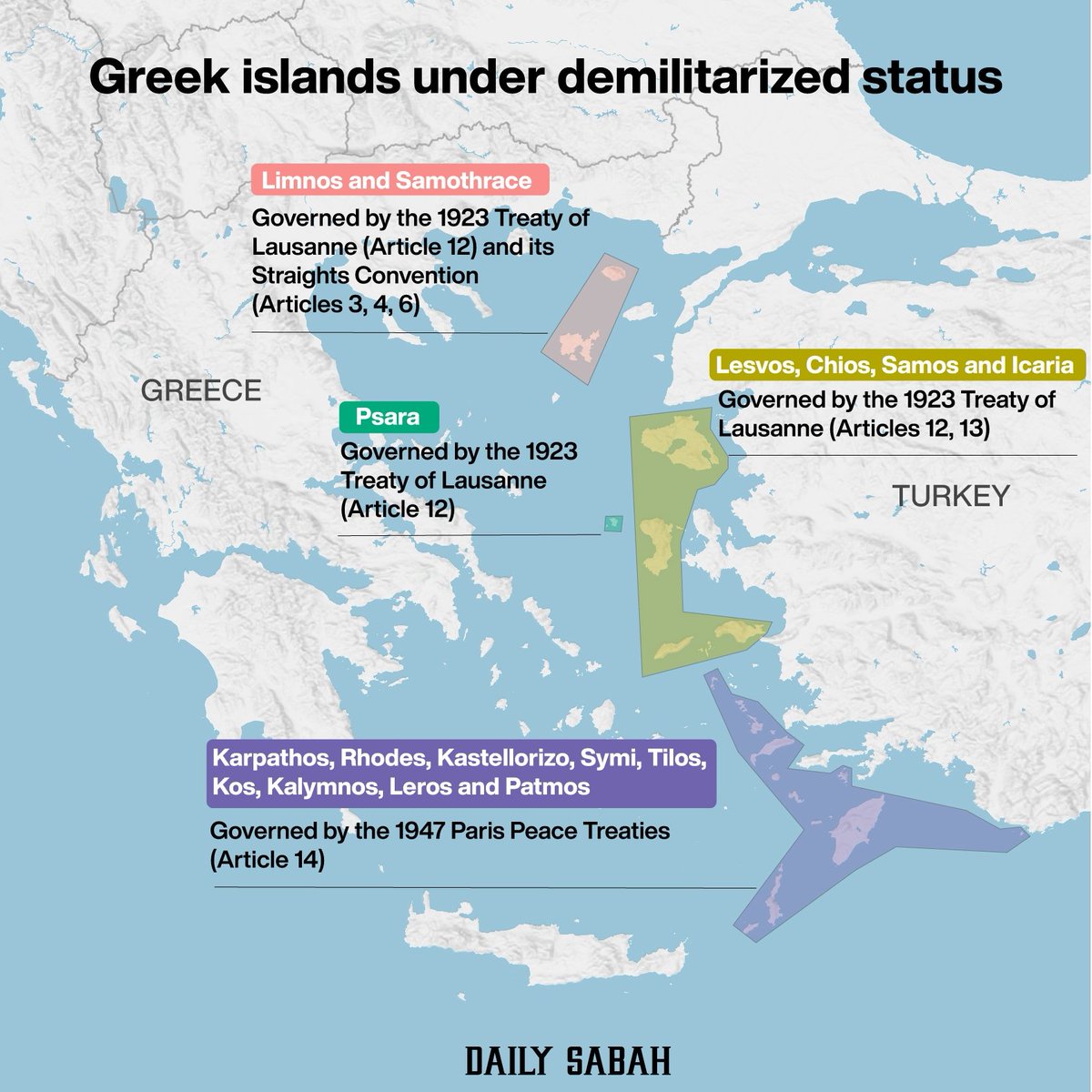
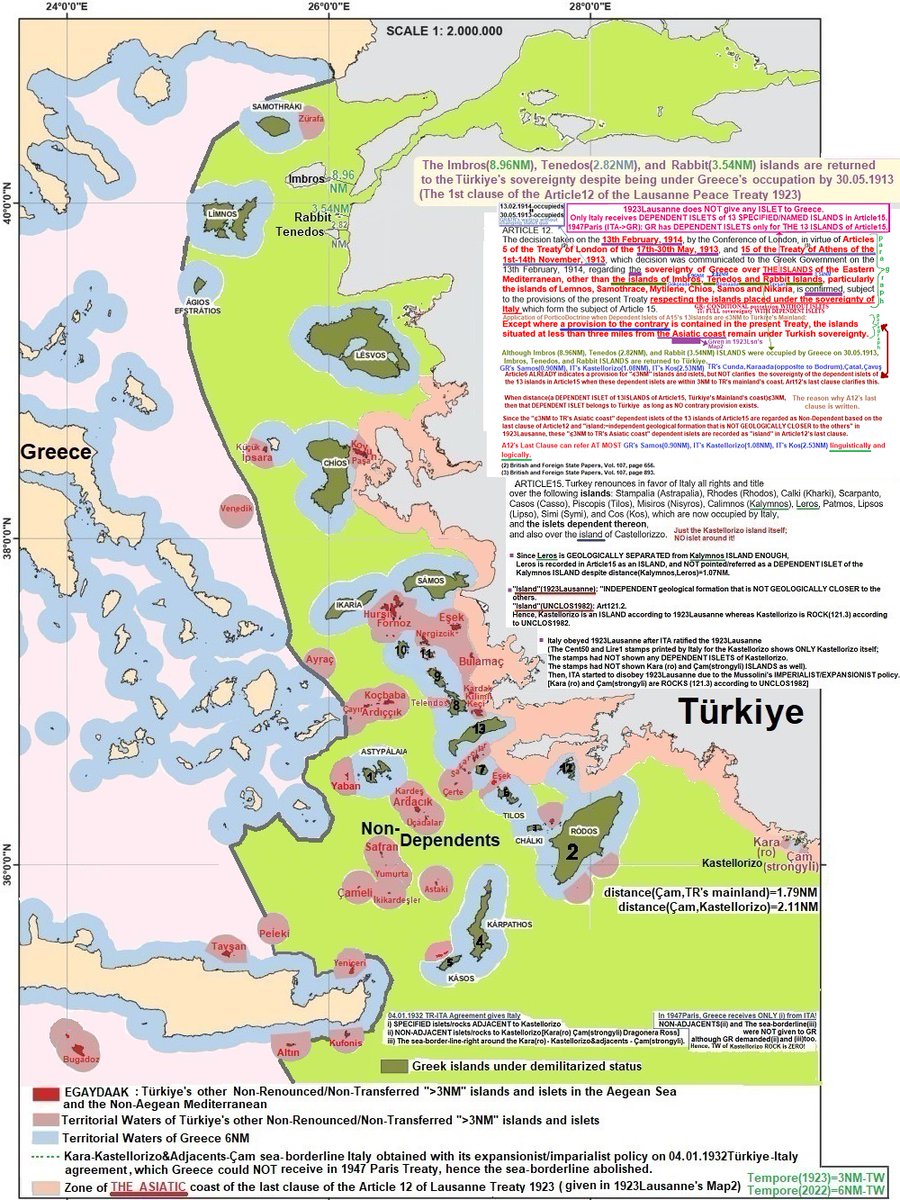
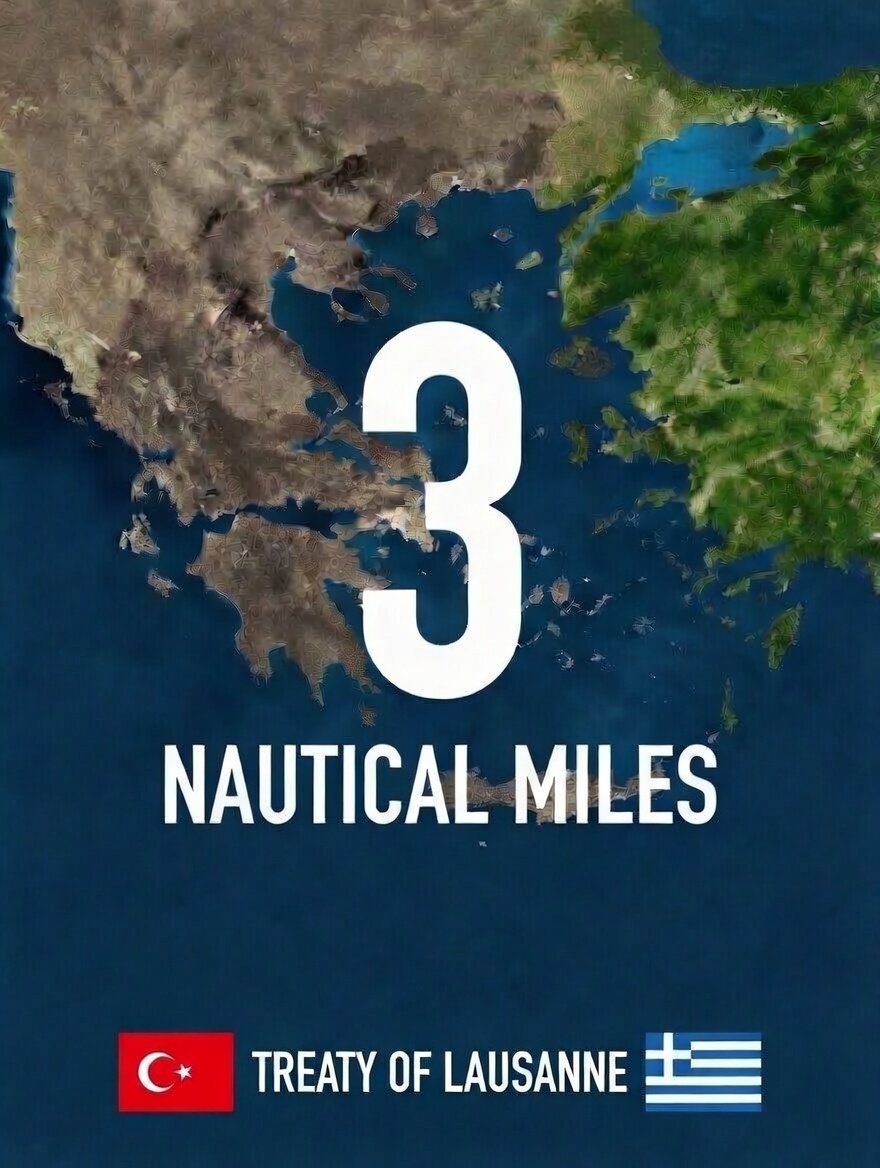


Turkey may pass such legislation domestically, but no unilateral act can override international law or create legal entitlements where none exist. Any such law would carry no legal weight internationally and would instead deepen Turkey’s diplomatic and economic isolation while forcing the EU to demonstrate credibility. When a third country like Turkey actively undermines international law while directly targeting the interests and sovereign rights of EU member states, it ceases to be a bilateral issue and becomes a direct challenge to the bloc’s credibility, security, energy objectives, and foundational principles. @eu_eeas bloomberg.com/news/articles/…