SP Lee

422 posts

SP Lee banner
SP Lee

SP Lee

@id21sp

Weapon Designer ( Stealth Winds ),Weapon Analysis Writer,Weapons Analyst ,Interior Designer

Katılım Mart 2014
47 Takip Edilen59 Takipçiler
SP Lee
SP Lee@id21sp·
⏩️ 3. The future real "C~ AI Unmanned Combat Fighter" will shoulder half of the air force's mission requirements. Although it does not belong to the 7th generation unmanned stealth fighter, it can lay the foundation for future 7th generation fighter development and validation.      ⏩️ 4. However, it must be noted that developing "D~ Unmanned Combat Fighter (Loyal Wingman, semi-AI functions)" must possess supersonic functions and stealth fighter configuration design; otherwise, on the future battlefield: collaborating with main manned fighters will fail to keep up with the speed, survival rate in evading missile pursuits will be lower, attack combat effectiveness will be impaired, let alone being unable to effectively hunt down the enemy's 4th generation fighters.
English
0
0
0
7
SP Lee
SP Lee@id21sp·
⭕️ Key Observation Point: Stealth Fighter Configuration Design      Industrial technology is improved, enhanced, and refined. Currently, at least two models claiming to be "6th Generation Stealth Fighters" still have tails in their R&D configurations, obviously remaining in the configuration mindset of "5th Generation Stealth Fighters".   The tailless design of the 6th generation stealth fighter is a concept proposed by three US arms manufacturers at least ten years ago; however, the tailless configuration design indeed has three problems that must be overcome, which have not been effectively solved so far.      However, from the partial photo of the F-47 fighter released by President Trump, it can currently be clearly confirmed to have canards. As for whether it is a tailless design, that is worth looking forward to.      Originally, the French Dassault 6th generation stealth fighter was a tailless design. Later, due to the "Future Combat Air System" (FCAS) of France, Germany, and Spain, the original design was canceled and changed to a tailed design (currently collapsed).
English
0
0
0
5
Leonardo
Leonardo@Leonardo_live·
The second joint international contract has been awarded for the Global Combat Air Programme (#GCAP), the next-generation fighter aircraft development programme between #Italy, #Japan and the #UK. The £4.6 billion contract will enable completion of the advanced concept and assessment phase of the programme, and further joint detailed design and development. The 18-month contract has been awarded by the GCAP Agency, which manages GCAP on behalf of the three Governments, to @EdgewingLtd, the trinational prime contractor and design authority for the GCAP aircraft. Learn more: lnrdo.co/4vKdT8l
Leonardo tweet mediaLeonardo tweet media
English
6
56
325
16.1K
SP Lee
SP Lee@id21sp·
🔘 Tarnkappenkampfflugzeuge und unbemannte Kampfflugzeuge in der Entwicklung  ⏹️ SPID-Designanalyse   Dassault in Frankreich steht bei der eigenständigen Entwicklung eines „Tarnkappenkampfflugzeugs der 6. Generation“ in der Tat vor enormen Herausforderungen hinsichtlich der F&E-Technologie sowie der F&E-Finanzierung.   Das ursprünglich 2018 vorgestellte NGF war ein schwanzloses Kampfflugzeug der 6. Generation. Nach dem Beitritt weiterer Investoren wurde die Konfiguration jedoch in ein Tarnkappenflugzeug der 5. Generation geändert. Im Laufe der jahrelangen F&E-Phase konnten die Meinungen wahrscheinlich nicht mehr unter einen Hut gebracht werden, was letztendlich zum Bruch führte.    ⭕️ Bewertung und einfache Klassifizierung/Zusammenfassung der Struktur von Luftstreitkräften in 10 Jahren~   ▶️ A~ Tarnkappenkampfflugzeug der 6. Generation   ▶️ B~ Tarnkappenkampfflugzeug der 5. Generation   ▶️ C~ KI-gesteuertes unbemanntes Kampfflugzeug (kein Tarnkappenflugzeug der 7. Generation)   ▶️ D~ Unbemanntes Kampfflugzeug („Loyal Wingman“, teil-KI-gestützte Funktionen)   ▶️ E~ Kampfflugzeug der 4. Generation (erneute Nutzungsdauerverlängerung und begrenzte Modernisierungen)   ⭕️ Wichtiger Beobachtungspunkt: Konfigurationsdesign von Tarnkappenkampfflugzeugen   Das schwanzlose Design von Tarnkappenkampfflugzeugen der 6. Generation ist ein Konzept, das vor mindestens zehn Jahren von drei US-Rüstungskonzernen vorgeschlagen wurde. Allerdings bringt die schwanzlose  Konfiguration tatsächlich drei zu überwindende Probleme mit sich, die bis heute nicht effektiv gelöst werden konnten.      Aus dem von Präsident Trump veröffentlichten Teilfoto des F-47-Kampfflugzeugs lässt sich derzeit jedoch klar bestätigen, dass es über Entenflügel (Canards) verfügt. Ob es sich dabei um ein schwanzloses Design handelt, bleibt abzuwarten.      Ursprünglich war das französische Dassault-Tarnkappenflugzeug der 6. Generation als schwanzloses Design ausgelegt. Später wurde dieser ursprüngliche Entwurf im Rahmen des „Future Combat Air System“ (FCAS) von Frankreich, Deutschland und Spanien verworfen und durch ein Design mit Leitwerk ersetzt (welches derzeit gescheitert ist).      Industrielle Technologie wird kontinuierlich verbessert, erweitert und verfeinert. Derzeit weisen mindestens zwei Modelle, die für sich beanspruchen, „Tarnkappenkampfflugzeuge der 6. Generation“ zu sein, in ihren F&E-Konfigurationen weiterhin ein Leitwerk auf, was deutlich macht, dass sie gedanklich noch in der Konfiguration der „Tarnkappenkampfflugzeuge der 5. Generation“ verharren. Image : Internet
SP Lee tweet media
Deutsch
0
0
0
518
Armchair General 🇩🇪
Armchair General 🇩🇪@Leopard24theWin·
"denn mit 55 Prozent Arbeitsanteil für Dassault hätte die gemeinsame Entwicklung eines Kampfflugzeugs wohl funktioniert. Mit zwei Dritteln für Airbus Deutschland und Airbus Spanien und nur einem Drittel für Dassault sei es jedoch nicht gegangen." 1/4 faz.net/aktuell/wirtsc…
Deutsch
13
7
117
13.7K
SP Lee
SP Lee@id21sp·
🔘 Stealth Fighters and Unmanned Combat Fighters Under Development  ⏹️ SPID Design Analysis    Evaluating and simply classifying/summarizing the Air Force structure 10 years into the future~     ▶️ A~ 6th Generation Stealth Fighter  ▶️ B~ 5th Generation Stealth Fighter  ▶️ C~ AI Unmanned Combat Fighter (not 7th Generation Stealth Fighter)  ▶️ D~ Unmanned Combat Fighter (Loyal Wingman, semi-AI functions)  ▶️ E~ 4th Generation Fighter (life extension again and limited upgrades)      ⭕️ Key Observation Point: Stealth Fighter Configuration Design      The tailless design of the 6th generation stealth fighter is a concept proposed by three US arms manufacturers at least ten years ago; however, the tailless configuration design indeed has three problems that must be overcome, which have not been effectively solved so far.      However, from the partial photo of the F-47 fighter released by President Trump, it can currently be clearly confirmed to have canards. As for whether it is a tailless design, that is worth looking forward to.      Originally, the French Dassault 6th generation stealth fighter was a tailless design. Later, due to the "Future Combat Air System" (FCAS) of France, Germany, and Spain, the original design was canceled and changed to a tailed design (currently collapsed).      Industrial technology is improved, enhanced, and refined. Currently, at least two models claiming to be "6th Generation Stealth Fighters" still have tails in their R&D configurations, obviously remaining in the configuration mindset of "5th Generation Stealth Fighters".      ⏩️ 1. The future real "C~ AI Unmanned Combat Fighter" will shoulder half of the air force's mission requirements. Although it does not belong to the 7th generation unmanned stealth fighter, it can lay the foundation for future 7th generation fighter development and validation.      ⏩️ 2. However, it must be noted that developing "D~ Unmanned Combat Fighter (Loyal Wingman, semi-AI functions)" must possess supersonic functions and stealth fighter configuration design; otherwise, on the future battlefield: collaborating with main manned fighters will fail to keep up with the speed, survival rate in evading missile pursuits will be lower, attack combat effectiveness will be impaired, let alone being unable to effectively hunt down the enemy's 4th generation fighters.
English
0
0
1
76
Alex McColl
Alex McColl@AlexRMcColl·
While many are proposing CCAs that are much smaller, & marginally cheaper, than a typical light fighter; Saab is leaning into their expertise by proposing a much larger drone with clear Gripen economies of scale. A Canadian Gripen factory today could be a CCA factory tomorrow.
JamesFennell MBE@FennellJW

Saab Uncrewed Fighter. Saab have also been working on a CCA after flirting with the UK/Italy Tempest-FCAS project in 2021. They have also pledged to fly their prototype in 2027, which will be fighter-sized. Sweden has allocated £600m to the programme to 2030.

English
9
7
64
3.7K
SP Lee
SP Lee@id21sp·
🔘 Stealth Fighters and Unmanned Combat Fighters Under Development  ⏹️ SPID Design Analysis    Evaluating and simply classifying/summarizing the Air Force structure 10 years into the future~     ▶️ A~ 6th Generation Stealth Fighter  ▶️ B~ 5th Generation Stealth Fighter  ▶️ C~ AI Unmanned Combat Fighter (not 7th Generation Stealth Fighter)  ▶️ D~ Unmanned Combat Fighter (Loyal Wingman, semi-AI functions)  ▶️ E~ 4th Generation Fighter (life extension again and limited upgrades)      ⭕️ Key Observation Point: Stealth Fighter Configuration Design      The tailless design of the 6th generation stealth fighter is a concept proposed by three US arms manufacturers at least ten years ago; however, the tailless configuration design indeed has three problems that must be overcome, which have not been effectively solved so far.      However, from the partial photo of the F-47 fighter released by President Trump, it can currently be clearly confirmed to have canards. As for whether it is a tailless design, that is worth looking forward to.      Originally, the French Dassault 6th generation stealth fighter was a tailless design. Later, due to the "Future Combat Air System" (FCAS) of France, Germany, and Spain, the original design was canceled and changed to a tailed design (currently collapsed).      Industrial technology is improved, enhanced, and refined. Currently, at least two models claiming to be "6th Generation Stealth Fighters" still have tails in their R&D configurations, obviously remaining in the configuration mindset of "5th Generation Stealth Fighters".      ⏩️ 1. The future real "C~ AI Unmanned Combat Fighter" will shoulder half of the air force's mission requirements. Although it does not belong to the 7th generation unmanned stealth fighter, it can lay the foundation for future 7th generation fighter development and validation.      ⏩️ 2. However, it must be noted that developing "D~ Unmanned Combat Fighter (Loyal Wingman, semi-AI functions)" must possess supersonic functions and stealth fighter configuration design; otherwise, on the future battlefield: collaborating with main manned fighters will fail to keep up with the speed, survival rate in evading missile pursuits will be lower, attack combat effectiveness will be impaired, let alone being unable to effectively hunt down the enemy's 4th generation fighters.
English
0
0
0
130
JamesFennell MBE
JamesFennell MBE@FennellJW·
Saab Uncrewed Fighter. Saab have also been working on a CCA after flirting with the UK/Italy Tempest-FCAS project in 2021. They have also pledged to fly their prototype in 2027, which will be fighter-sized. Sweden has allocated £600m to the programme to 2030.
JamesFennell MBE tweet media
English
5
8
75
18.6K
JamesFennell MBE
JamesFennell MBE@FennellJW·
Collaborative Combat Aircraft - the runners and riders. Boeing MQ-28 Ghostbat. Ghost Bat is Australia's first foray into combat aircraft design for some time and given them a head start in the field. MQ-28 is fielded and in early stages of operational deployment with the RAAF.
JamesFennell MBE tweet media
English
12
35
278
38.4K
SP Lee
SP Lee@id21sp·
⭕️ Key Observation Point: Stealth Fighter Configuration Design      Industrial technology is improved, enhanced, and refined. Currently, at least two models claiming to be "6th Generation Stealth Fighters" still have tails in their R&D configurations, obviously remaining in the configuration mindset of "5th Generation Stealth Fighters".   The tailless design of the 6th generation stealth fighter is a concept proposed by three US arms manufacturers at least ten years ago; however, the tailless configuration design indeed has three problems that must be overcome, which have not been effectively solved so far.      However, from the partial photo of the F-47 fighter released by President Trump, it can currently be clearly confirmed to have canards. As for whether it is a tailless design, that is worth looking forward to.      Originally, the French Dassault 6th generation stealth fighter was a tailless design. Later, due to the "Future Combat Air System" (FCAS) of France, Germany, and Spain, the original design was canceled and changed to a tailed design (currently collapsed).
English
0
0
0
13
UK Defence Journal
UK Defence Journal@UKDefJournal·
Canada has become the first Observer Nation of the Global Combat Air Programme, gaining privileged access to the UK, Italian and Japanese fighter effort, in an announcement made on Wes Streeting's first day as Defence Secretary. Click image for more. ukdefencejournal.org.uk/canada-joins-g…
English

10
45
281
12.5K
SP Lee
SP Lee@id21sp·
⭕️ 観察のポイント:ステルス戦闘機の形状デザイン   産業技術とは改良・向上・洗練されていくものであり、現在、少なくとも2機種が「第6世代ステルス戦闘機」と主張していますが、開発中の形状にはいまだ尾翼が付いており、明らかに「第5世代ステルス戦闘機」の思考形状にとどまっています。      第6世代ステルス戦闘機が採用する無尾翼デザインは、少なくとも10年前にアメリカの軍需企業3社が提唱したコンセプトです。しかし、無尾翼形状のデザインには確かに克服すべき3つの課題が存在し、現在もなお効果的に解決されていません。      ですが、トランプ大統領が公開したF-47戦闘機の部分写真からは、現在カナード(前翼)を備えていることが明確に確認でき、無尾翼デザインとなるかどうかは期待に値します。      もともとフランスのダッソー(Dassault)による第6世代ステルス戦闘機は無尾翼デザインでしたが、その後、仏・独・西3ヵ国による「将来空戦システム」(FCAS)により元のデザインが撤回され、有尾翼デザインへと変更されました(現在は決裂)。
日本語
0
0
0
26
NewsNews.Today
NewsNews.Today@newsnews_today·
カッコイイね😊👍 ↓ 日本🇯🇵イギリス🇬🇧イタリア🇮🇹共同開発 次期戦闘機 GCAP at Farnborough 2026: A First Look at the Future Combat Aircraft youtu.be/hOMdJDQ25lw?si…
YouTube video
YouTube
日本語
3
20
57
5K
SP Lee
SP Lee@id21sp·
⭕️ Key Observation Point: Stealth Fighter Configuration Design   Industrial technology is improved, enhanced, and refined. Currently, at least two models claiming to be "6th Generation Stealth Fighters" still have tails in their R&D configurations, obviously remaining in the configuration mindset of "5th Generation Stealth Fighters".      The tailless design of the 6th generation stealth fighter is a concept proposed by three US arms manufacturers at least ten years ago; however, the tailless configuration design indeed has three problems that must be overcome, which have not been effectively solved so far.      However, from the partial photo of the F-47 fighter released by President Trump, it can currently be clearly confirmed to have canards. As for whether it is a tailless design, that is worth looking forward to.      Originally, the French Dassault 6th generation stealth fighter was a tailless design. Later, due to the "Future Combat Air System" (FCAS) of France, Germany, and Spain, the original design was canceled and changed to a tailed design (currently collapsed).
English
0
0
1
19
GCAP
GCAP@GCAP_int·
This is how we celebrated the arrival of Canada as our first #GCAP Observer, on day 2 of @FIAFarnborough #FIA26 🇮🇹🇯🇵🇬🇧➕🇨🇦
English
3
115
608
20.9K
SP Lee
SP Lee@id21sp·
⭕️ Key Observation Point: Stealth Fighter Configuration Design      Industrial technology is improved, enhanced, and refined. Currently, at least two models claiming to be "6th Generation Stealth Fighters" still have tails in their R&D configurations, obviously remaining in the configuration mindset of "5th Generation Stealth Fighters".   The tailless design of the 6th generation stealth fighter is a concept proposed by three US arms manufacturers at least ten years ago; however, the tailless configuration design indeed has three problems that must be overcome, which have not been effectively solved so far.      However, from the partial photo of the F-47 fighter released by President Trump, it can currently be clearly confirmed to have canards. As for whether it is a tailless design, that is worth looking forward to.      Originally, the French Dassault 6th generation stealth fighter was a tailless design. Later, due to the "Future Combat Air System" (FCAS) of France, Germany, and Spain, the original design was canceled and changed to a tailed design (currently collapsed).
English
0
0
0
16
UK Defence Journal
UK Defence Journal@UKDefJournal·
The MoD has awarded BAE Systems a £708m contract extension to progress sovereign sixth-generation combat air technologies underpinning the UK's role in GCAP, covering the Tempest aircraft and the wider Future Combat Air System. Click image for more. ukdefencejournal.org.uk/huge-new-contr…
English
2
24
166
5.3K
SP Lee
SP Lee@id21sp·
⭕️ 観察の重点:ステルス戦闘機の機体構造デザイン   産業技術は改良・向上と精進であり、現在少なくとも2つの「第六世代ステルス戦闘機」を主張するモデルにおいて、開発中の機体構造は未だ尾翼を備えており、明らかに依然として「第五世代ステルス戦闘機」の思考構造にとどまっている。   第六世代ステルス戦闘機が採用する無尾翼デザインは、少なくとも10年前にアメリカの軍需企業3社が概念を提示していたものである;しかし無尾翼の機体構造デザインには確かに克服すべき3つの問題があり、現在に至るまでまだ有効に解決されていない。   ただし、トランプ大統領が公開したF-47戦闘機の部分写真から、現在はカナード(前翼)を有していることが明確に確認でき、無尾翼デザインであるかどうかは、期待に値する。   元々フランスのダッソー(Dassault)の第六世代ステルス戦闘機は無尾翼デザインであったが、後に仏独西3ヶ国の「将来空戦システム」(FCAS)により元のデザインが取り消され、有尾翼デザインに変更された(現在は破局)。
日本語
0
0
1
264
Aviation Wire
Aviation Wire@Aviation_Wire·
三菱重工、次期戦闘機の装備品I/F統合で日英伊4社協業=GCAP aviationwire.jp/archives/347779 日英伊3カ国による次期戦闘機の共同開発「GCAP」で三菱重工が誘導弾など「エフェクター」と呼ぶ装備品の共通インターフェース構築に向け協業契約。詳しくは記事で。#FIA2026
Aviation Wire tweet media
日本語
1
59
216
12.8K
SP Lee
SP Lee@id21sp·
Be cautious with this new concept, because if a driver has bad habits, it turns into dangerous driving!   ​For example, changing lanes dangerously or aggressively merging into main lanes creates major safety concerns—as well as liability issues in future autonomous driving accidents (due to the AI learning bad driving behaviors).   ​In a comparative evaluation of autonomous driving across 36 electric vehicle models conducted by the Chinese automotive platform Dongchedi (懂車帝), several EVs failed the tests. Ultimately, Tesla's two featured models delivered the top performance across all metrics, ranking as the best, safest, and highest-rated.   ​This is because Tesla's analytical approach and logic for autonomous driving across various road conditions strictly prioritize safety and efficiency—transcending human habits and flaws to avoid mistakes. ​youtu.be/0xumyEf-WRI?si…
YouTube video
YouTube
English
0
0
0
4
Ming
Ming@tslaming·
GOOD NEWS 📰 The next big leap for Tesla FSD could be the Memory 🧠 FSD is already safe enough, but right now, it drives everyone's car exactly the same way 😳 Elon Musk just confirmed that the car will soon start remembering your specific interventions 💥 Whether it's staying in the express lane longer or taking your preferred route home, FSD is transitioning from a "one-size-fits-all" AI to a hyper-personalized system that matches your individual preferences 🔥 This feature will continue to widen the gap between FSD and other autonomous driving systems 🆒
Ming tweet mediaMing tweet media
Elon Musk@elonmusk

@wholemars The car will start to remember your specific interventions and match each person’s individual preferences

English
130
502
4.9K
287.8K
SP Lee
SP Lee@id21sp·
Be cautious with this new concept, because if a driver has bad habits, it turns into dangerous driving!   ​For example, changing lanes dangerously or aggressively merging into main lanes creates major safety concerns—as well as liability issues in future autonomous driving accidents (due to the AI learning bad driving behaviors).   ​In a comparative evaluation of autonomous driving across 36 electric vehicle models conducted by the Chinese automotive platform Dongchedi (懂車帝), several EVs failed the tests. Ultimately, Tesla's two featured models delivered the top performance across all metrics, ranking as the best, safest, and highest-rated.   ​This is because Tesla's analytical approach and logic for autonomous driving across various road conditions strictly prioritize safety and efficiency—transcending human habits and flaws to avoid mistakes. ​youtu.be/0xumyEf-WRI?si…
YouTube video
YouTube
English
0
0
0
4
The Tesla Newswire
The Tesla Newswire@TeslaNewswire·
🔥 Elon Musk confirms that FSD (Supervised) will remember individual user preferences in an upcoming release! He previously said FSD will: ✅ Remember specific interventions ✅ Adapt to each owner’s individual driving preferences
The Tesla Newswire tweet media
Elon Musk@elonmusk

@OwenSparks Upcoming release will remember individual user preferences, so you won’t need to keep correcting your car

English
5
10
186
18.1K
SP Lee
SP Lee@id21sp·
Be cautious with this new concept, because if a driver has bad habits, it turns into dangerous driving!   ​For example, changing lanes dangerously or aggressively merging into main lanes creates major safety concerns—as well as liability issues in future autonomous driving accidents (due to the AI learning bad driving behaviors).   ​In a comparative evaluation of autonomous driving across 36 electric vehicle models conducted by the Chinese automotive platform Dongchedi (懂車帝), several EVs failed the tests. Ultimately, Tesla's two featured models delivered the top performance across all metrics, ranking as the best, safest, and highest-rated.   ​This is because Tesla's analytical approach and logic for autonomous driving across various road conditions strictly prioritize safety and efficiency—transcending human habits and flaws to avoid mistakes. ​youtu.be/0xumyEf-WRI?si…
YouTube video
YouTube
English
0
0
0
3
Dalton Brewer
Dalton Brewer@daltonbrewer·
NEWS: Elon says your Tesla will start to remember your specific interventions and match your individual preferences This makes sense, for example your Tesla should have your route to work mastered $TSLA
Dalton Brewer tweet mediaDalton Brewer tweet media
English
36
63
750
23.3K
SP Lee
SP Lee@id21sp·
Be cautious with this new concept, because if a driver has bad habits, it turns into dangerous driving!   ​For example, changing lanes dangerously or aggressively merging into main lanes creates major safety concerns—as well as liability issues in future autonomous driving accidents (due to the AI learning bad driving behaviors).   ​In a comparative evaluation of autonomous driving across 36 electric vehicle models conducted by the Chinese automotive platform Dongchedi (懂車帝), several EVs failed the tests. Ultimately, Tesla's two featured models delivered the top performance across all metrics, ranking as the best, safest, and highest-rated.   ​This is because Tesla's analytical approach and logic for autonomous driving across various road conditions strictly prioritize safety and efficiency—transcending human habits and flaws to avoid mistakes. ​youtu.be/0xumyEf-WRI?si…
YouTube video
YouTube
English
0
0
0
2
SP Lee
SP Lee@id21sp·
Be cautious with this new concept, because if a driver has bad habits, it turns into dangerous driving!   ​For example, changing lanes dangerously or aggressively merging into main lanes creates major safety concerns—as well as liability issues in future autonomous driving accidents (due to the AI learning bad driving behaviors).   ​In a comparative evaluation of autonomous driving across 36 electric vehicle models conducted by the Chinese automotive platform Dongchedi (懂車帝), several EVs failed the tests. Ultimately, Tesla's two featured models delivered the top performance across all metrics, ranking as the best, safest, and highest-rated.   ​This is because Tesla's analytical approach and logic for autonomous driving across various road conditions strictly prioritize safety and efficiency—transcending human habits and flaws to avoid mistakes. ​youtu.be/0xumyEf-WRI?si…
YouTube video
YouTube
English
0
0
0
7
Elon Musk
Elon Musk@elonmusk·
@wholemars The car will start to remember your specific interventions and match each person’s individual preferences
English
932
807
11.5K
1.6M
Whole Mars Catalog
Whole Mars Catalog@wholemars·
One thing that really frustrates me is when Tesla Self-Driving exits the carpool lane or express lane and then gets stuck in traffic. As I see everyone else whizzing by in the far left lane, I get extremely annoyed knowing I should be there too. Respect the settings please 🙏
English
103
64
1.9K
251.1K
SP Lee
SP Lee@id21sp·
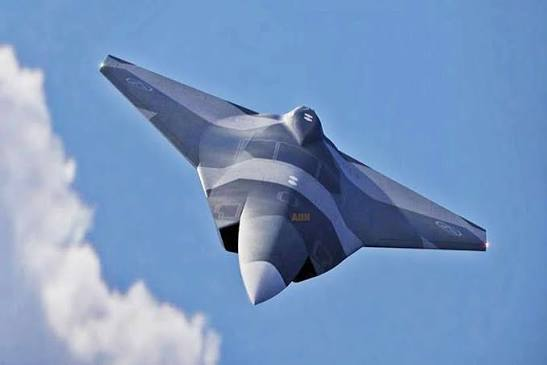
🔘 Brontanax   The UK's first uncrewed autonomous Collaborative Combat Aircraft (CCA)     ⏹️ SPID Design Analysis   Since it adopts a tailed design and is intended to serve as a wingman for 5th- and 6th-generation manned stealth fighters in the future, attention must be paid to its design—which, in my view, inherently carries clear flaws...    🅾️ A Puzzling Structural Configuration   A stealth UCAV featuring a V-tail should incorporate an internal missile bay. However... its intake design resembles that of China's 4th-generation J-10 with a DSI (Diverterless Supersonic Inlet) approach. Such a stealth shaping layout is likely far from ideal in terms of radar cross-section (RCS) signature reduction.   Of course, one could argue that it dispenses with an active radar (or accommodates a smaller radar package) in favor of passive sensors. What remains puzzling, however, is the operational life cycle of a UCAV with this configuration: is it intended to be retired 10 years after entering service, or to function merely as an expendable platform? This airframe layout is unlikely to become a classic benchmark in stealth UCAV design—perhaps this requires some reconsideration!    🅾️ Subsonic Speed Limitation   In recent years, highly touted UCAVs / Loyal Wingmen have set ambitious tactical goals: coordinating seamless operations with primary manned fighters. Yet, these concepts overlook a key operational reality: subsonic UCAVs will struggle to keep pace with primary fighters operating at supersonic speeds while negotiating combat zones.   The US YFQ-44A recently demonstrated the capability to launch AIM-120 AMRAAM missiles. Does an operational concept rooted in 3rd-generation fighter design assumptions imply that these platforms will never penetrate contested enemy airspace in future combat scenarios? Given that future-oriented operational concepts already exist, why settle for a transitional design rather than getting it right the first time?    🅾️ Artificial Intelligence in UCAVs   Future UCAVs must incorporate advanced AI—enabling autonomous takeoff and landing without remote human piloting, executing mission plans, and dynamically altering tactical approaches based on real-time battlefield assessment to achieve strike objectives. Consequently, a UCAV's airframe configuration is paramount: a well-designed, scalable configuration allows continuous evolutionary upgrades. If the baseline configuration is only optimized in a subsequent design iteration, the underlying AI models and flight control algorithms would have to be rewritten from scratch.    📸 Image: BAE Systems concept artwork of the Brontanax, before the new CCA was unveiled. BAE Systems ⭕️ BAE Systems baesystems.com/en/article/fir…
English
0
0
0
18
TWZ
TWZ@thewarzonewire·
Typhoons Paired With CCA Fighter Drones Armed With Meteor Missiles Eyed By UK The emerging concepts envision Typhoon commanding loyal wingman drones with help of new radar and next-gen cockpit. twz.com/air/typhoons-p…
English
2
9
38
8.8K
SP Lee
SP Lee@id21sp·
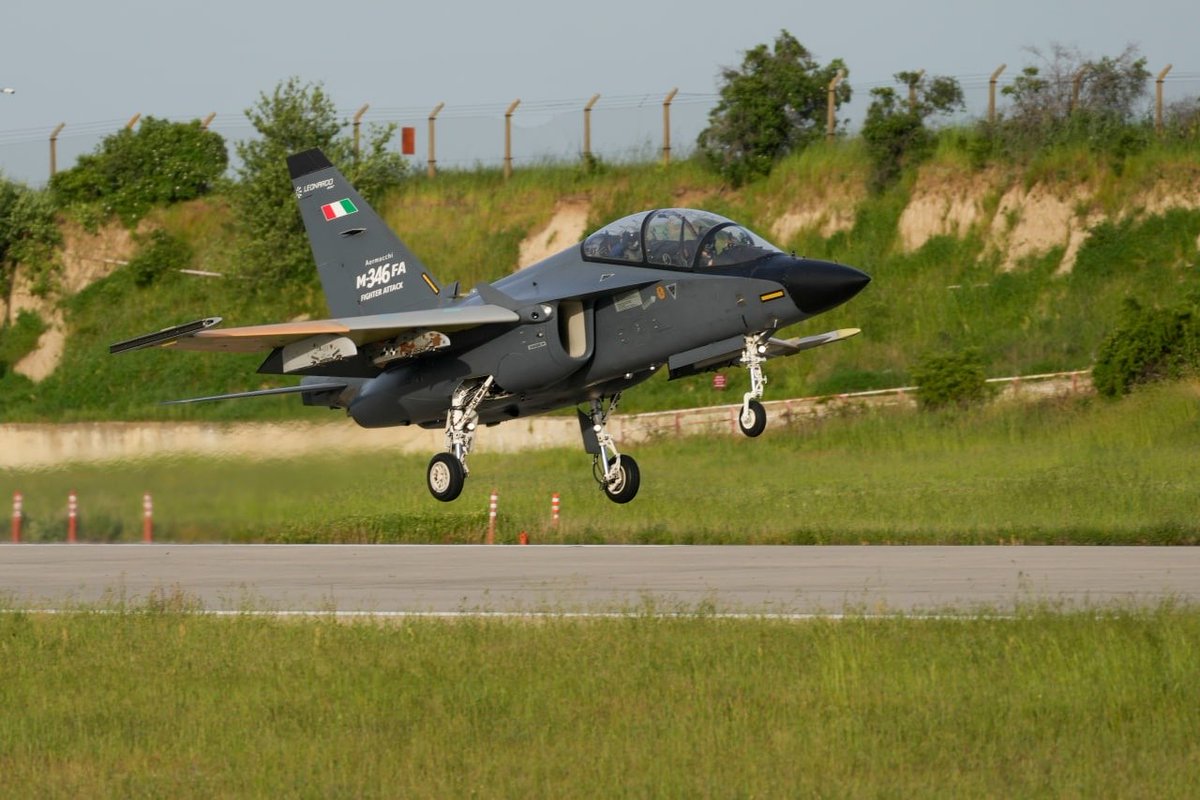
@TheAviationist The M346 has one of the best designs. A pilot activated recovery system (PARS) is present which, when pressed, conducts an automatic recovery by returning the aircraft to a steady and level flight path.
English
0
0
0
90
The Aviationist
The Aviationist@TheAviationist·
Italian Air Force Backs Jet Ab Initio Training as Essential for Next-Generation Fighter Pilots The service says its M-345 offers capabilities turboprops cannot match and has already used it in aggressor/cruise-missile surrogate role in exercises. Story: theaviationist.com/2026/07/23/m-3…
English
1
15
86
4.4K
SP Lee
SP Lee@id21sp·
🔘 Stealth Wing   USPTO US 10773791 B2
SP Lee tweet media
English
0
0
0
28
SP Lee
SP Lee@id21sp·
🔘 Stealth Fighters and Unmanned Combat Fighters Under Development  ⏹️ SPID Design Analysis    Evaluating and simply classifying/summarizing the Air Force structure 10 years into the future~     ▶️ A~ 6th Generation Stealth Fighter  ▶️ B~ 5th Generation Stealth Fighter  ▶️ C~ AI Unmanned Combat Fighter (not 7th Generation Stealth Fighter)  ▶️ D~ Unmanned Combat Fighter (Loyal Wingman, semi-AI functions)  ▶️ E~ 4th Generation Fighter (life extension again and limited upgrades)     Among current R&D, between "A~ 6th Generation Stealth Fighter" and "C~ AI Unmanned Combat Fighter", is there a R&D requirement for a "Second-Line Stealth Fighter"? Theoretically, yes:      ⏩️ 1. Because "A~ 6th Generation Stealth Fighter" is quite expensive, it cannot be procured and deployed on a large scale.      ⏩️ 2. Used to replace "B~ 5th Generation Stealth Fighter". In terms of technology and performance, it is secondary to the US "A~ 6th Generation Stealth Fighter".      ⭕️ Key Observation Point: Stealth Fighter Configuration Design      The tailless design of the 6th generation stealth fighter is a concept proposed by three US arms manufacturers at least ten years ago; however, the tailless configuration design indeed has three problems that must be overcome, which have not been effectively solved so far.      However, from the partial photo of the F-47 fighter released by President Trump, it can currently be clearly confirmed to have canards. As for whether it is a tailless design, that is worth looking forward to.      Originally, the French Dassault 6th generation stealth fighter was a tailless design. Later, due to the "Future Combat Air System" (FCAS) of France, Germany, and Spain, the original design was canceled and changed to a tailed design (currently collapsed).      Industrial technology is improved, enhanced, and refined. Currently, at least two models claiming to be "6th Generation Stealth Fighters" still have tails in their R&D configurations, obviously remaining in the configuration mindset of "5th Generation Stealth Fighters".      ⏩️ 3. The future real "C~ AI Unmanned Combat Fighter" will shoulder half of the air force's mission requirements. Although it does not belong to the 7th generation unmanned stealth fighter, it can lay the foundation for future 7th generation fighter development and validation.      ⏩️ 4. However, it must be noted that developing "D~ Unmanned Combat Fighter (Loyal Wingman, semi-AI functions)" must possess supersonic functions and stealth fighter configuration design; otherwise, on the future battlefield: collaborating with main manned fighters will fail to keep up with the speed, survival rate in evading missile pursuits will be lower, attack combat effectiveness will be impaired, let alone being unable to effectively hunt down the enemy's 4th generation fighters.
Nicholas Drummond@nicholadrummond

The GCAP demonstrator is extremely interesting. At first glance, it simply seems like a one-off prototype designed to validate the many technologies that GCAP itself will incorporate. Though smaller than GCAP, could form the basis of a second aircraft that could ultimately replace Typhoon as a dedicated, less costly, crewed interceptor to control a bunch of CCA wingman aircraft?

English
0
0
1
139