YeesUs

921 posts

YeesUs

YeesUs

@illlya5

Katılım Kasım 2021
473 Takip Edilen69 Takipçiler
YeesUs
YeesUs@illlya5·
@TraderMagus Magus, most of my trades on medium/high TF, stocks/crypto. It hard for me to find trades like yours in that post, intraday, I just can’t come up with ideas and don’t understand what to look at such TF, are they mostly based on flows? Any recommendations? Thx
English
1
0
1
142
Magus
Magus@TraderMagus·
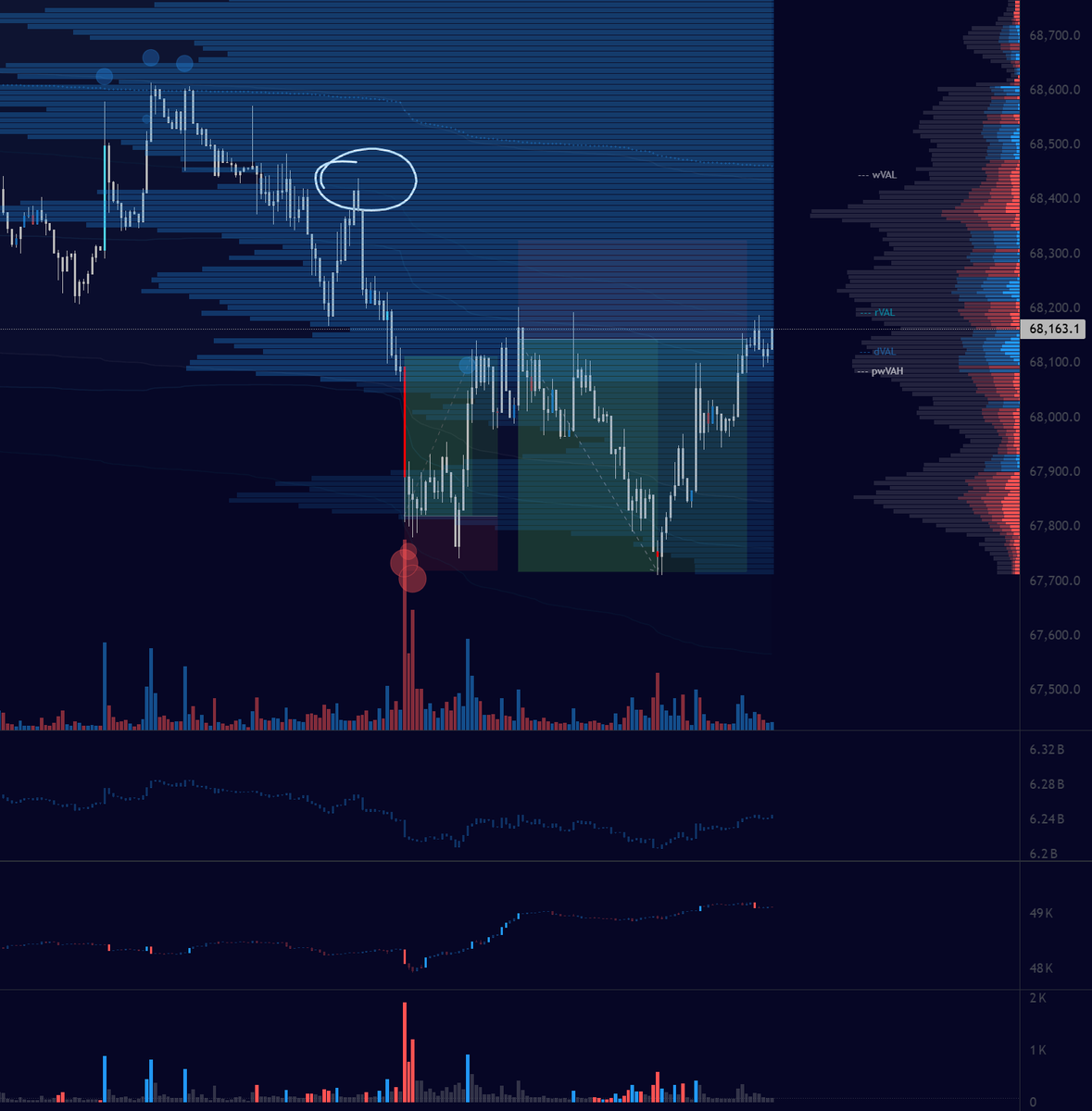
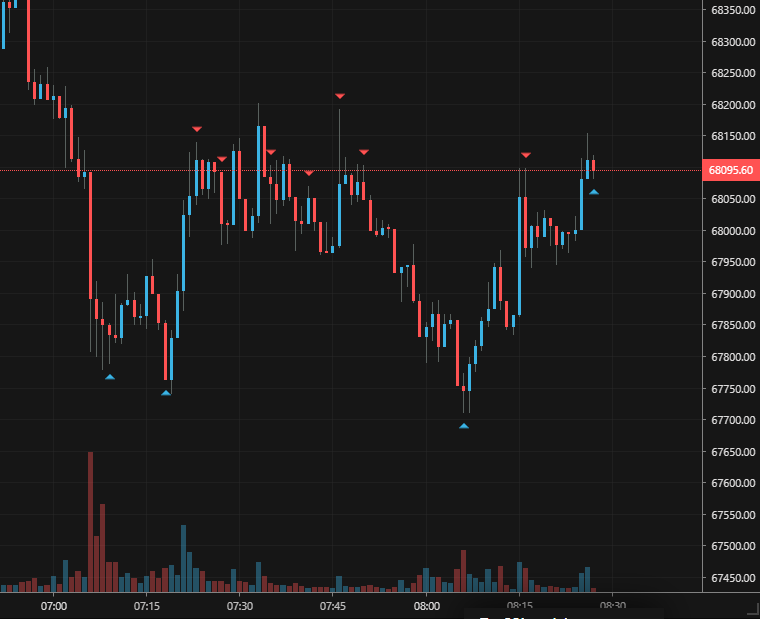
You guys want mistakes? Check this short I built up, only took one clip off, round tripped three, added one back, closed for small loss I think you all need to understand it takes a lot to fuck up, be mad at yourself and then rush to twitter to share your faults/shortcomings
Magus tweet mediaMagus tweet media
Juan Manarmy@_juanmanarmy

@TraderMagus @docXBT Share your losses - would love to see how you manage a position that works against you after building it and adding to it heavily like you usually do! Not trolling, genuinely wanna know!

English
9
1
134
11K
YeesUs retweetledi
ZachXBT
ZachXBT@zachxbt·
Lazarus Group is the collective name for all DPRK state sponsored cyber actors. The main issue is everyone groups them all together when the complexity of threats are different. Threats via job postings, LinkedIn, email, Zoom, or interviews are basic and in no way sophisticated (DPRK groups: DPRK IT workers, Contagious Interview, Dangerous PW/Bluenoroff/SapphireSleet). The only thing about it is they’re relentless. If you or your team still falls for them in 2026 you’re very likely negligent. The ONLY two DPRK groups you will see regularly doing sophisticated crypto attacks are TraderTraitor (Bybit/DMM) & AppleJeus (Radiant/Drift) I always see companies write about how they stopped the most elaborate attempt by Lazarus Group and it ends up being a basic attempt by a low iq subgroup….
ZachXBT tweet media
English
50
119
1.3K
107K
YeesUs retweetledi
Citrini
Citrini@citrini·
I have a working theory that when the market gets choppy it concentrates speculative behavior into just a few tickers and causes a kind of paradoxical squeeze in very select memes versus broad memes. For example, back in 2022 while the index was down like 20% YTD, a scam IPO from Hong Kong trading under the ticker HKD went from $200M to having a larger market cap than Exxon Mobil. Started out as low float shenanigans but became the last refuge for meme stock traders searching for anything that would still go up. Anyway, here’s a chart of VCX.
Citrini tweet media
English
74
39
885
179.5K
YeesUs retweetledi
Sim
Sim@simpelyfe·
I figured out why the tape always shows fake and shallow flow: It's a means to probe whether informed participants have entered the market. The milliseconds after a trade is matched can tell you so much. If the mid is higher, for example, 200ms after a buy trade gets matched, that buyer might know something. If the mid is continually above subsequent buys, asymmetric information has hit the market; and it's time to take liquidity. Also, if you're interested in microstructure: monitoring book speed -- the shelf-life of quotes: this will tell you much more than tape speed ever will. Tape speed is stale information. By the time tape speed spikes, market makers have already shifted liquidity surface curves, and taking liquidity in the direction of move has a high probability of being toxic fills. These two metrics: fill-to-move ratio and quote lifetime, IME, are the most actionable when combined with OBI, CVD, etc. etc. Anyways, I still prefer my retarded TA diagonals and Elliot Waves lol
English
1
2
51
4.9K
YeesUs
YeesUs@illlya5·
@LSDinmycoffee 1 more question Sometimes for me is hard to pull a trigger, i waiting for confirmation that sometimes won’t come and i miss, but analysis for good What would u recommend?
English
2
0
1
35
krillin ॐ
krillin ॐ@LSDinmycoffee·
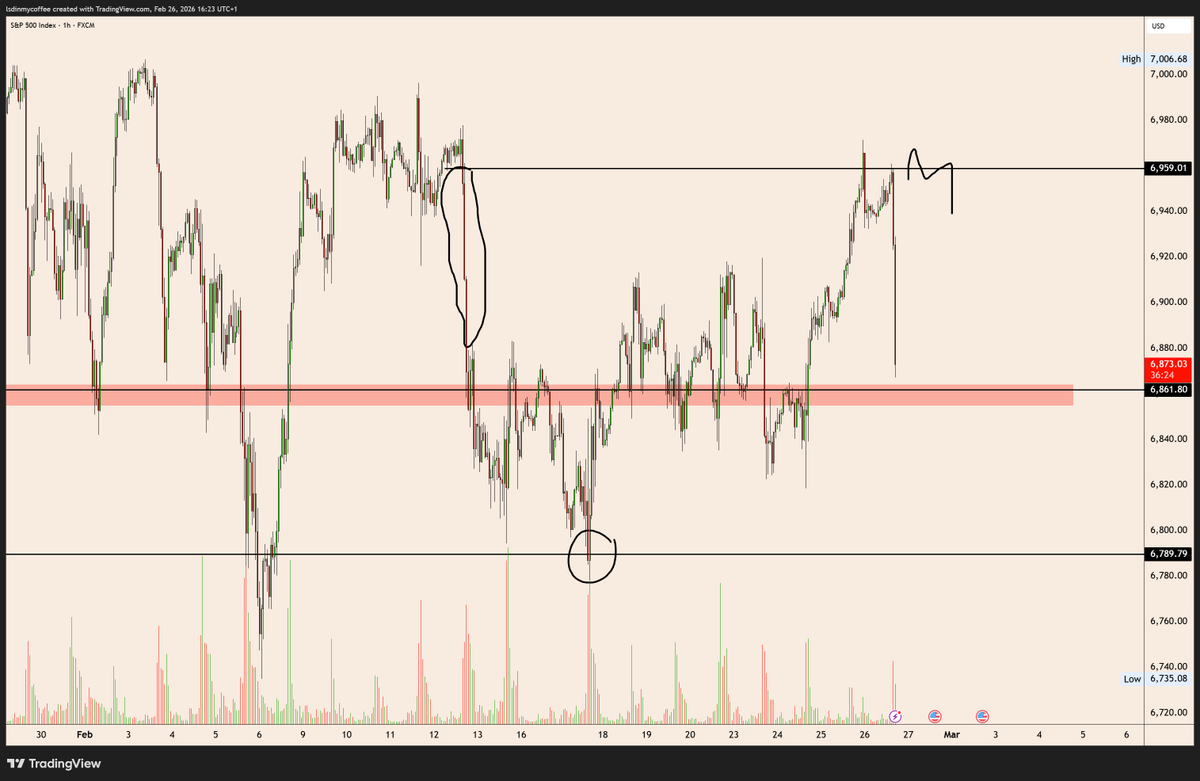
@illlya5 i mostly trade reversals upon inefficiencies getting filled if NVDA had been looking stronger post earnings I might have waited a bit longer but immediately retracing earnings pump wasn't a good look
English
1
0
0
122
YeesUs
YeesUs@illlya5·
@TheFlowHorse Much appreciate of ur opinion Noticed that some stocks moving only on earnings, then dying, waiting for next earnings. Was thinking is there any edge with that type of single names, because all vol. happening before/on earnings
English
0
0
0
97
Horse
Horse@TheFlowHorse·
@illlya5 No, teams of people spend their whole existence trying to do this, and you probably can not compete with them.
English
1
0
2
485
Horse
Horse@TheFlowHorse·
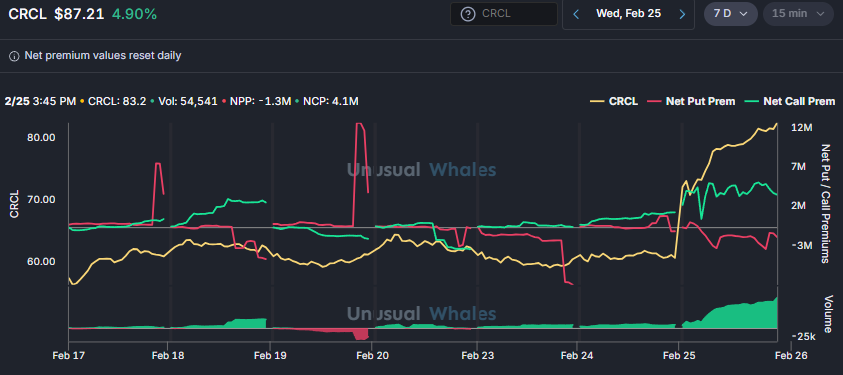
I shorted CRCL yesterday and closed out early in the session because the flow was one directional and persistent. Trading 88 now. 💀 The headscratcher question is why did I not just long? Anchoring to the original bias much.
Horse tweet mediaHorse tweet media
English
11
1
52
11.7K
YeesUs
YeesUs@illlya5·
@0xkyle__ Where can I find this dashboard
English
0
0
0
87
Kyle
Kyle@0xkyle__·
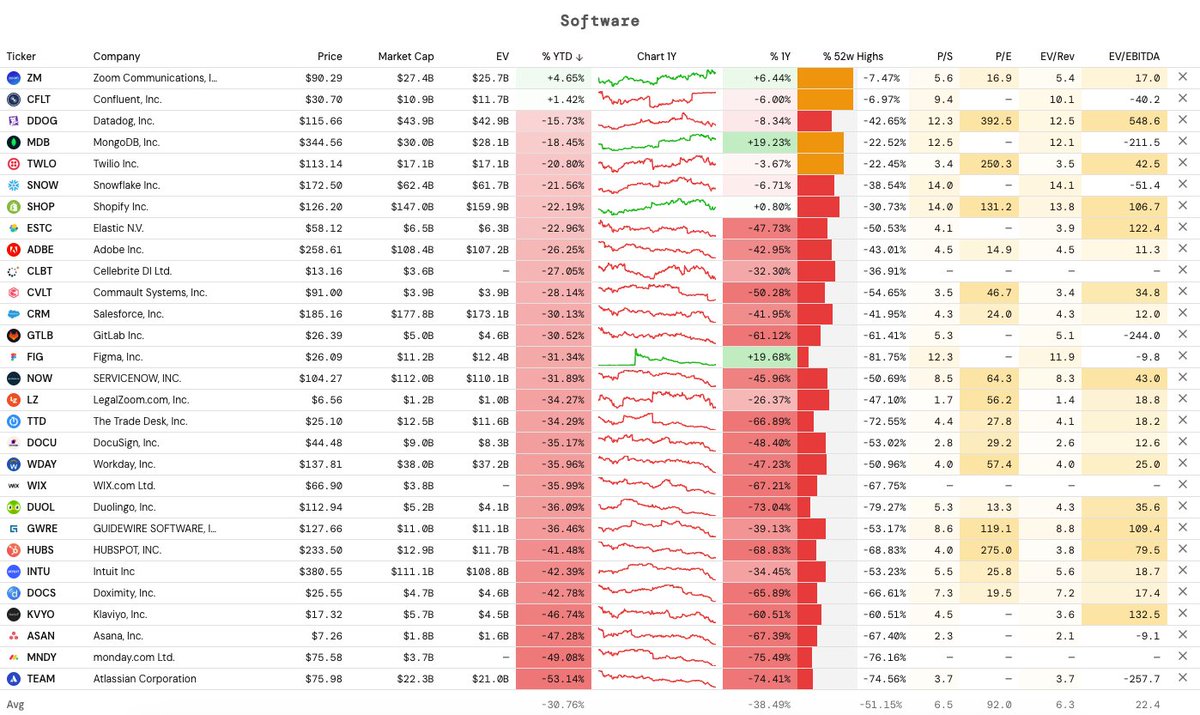
out of all the software stocks tracked, only 2 are up YTD it's not a great year to be a software investor i can tell you that
Kyle tweet media
English
13
4
54
7.8K
YeesUs retweetledi
Citrini
Citrini@citrini·
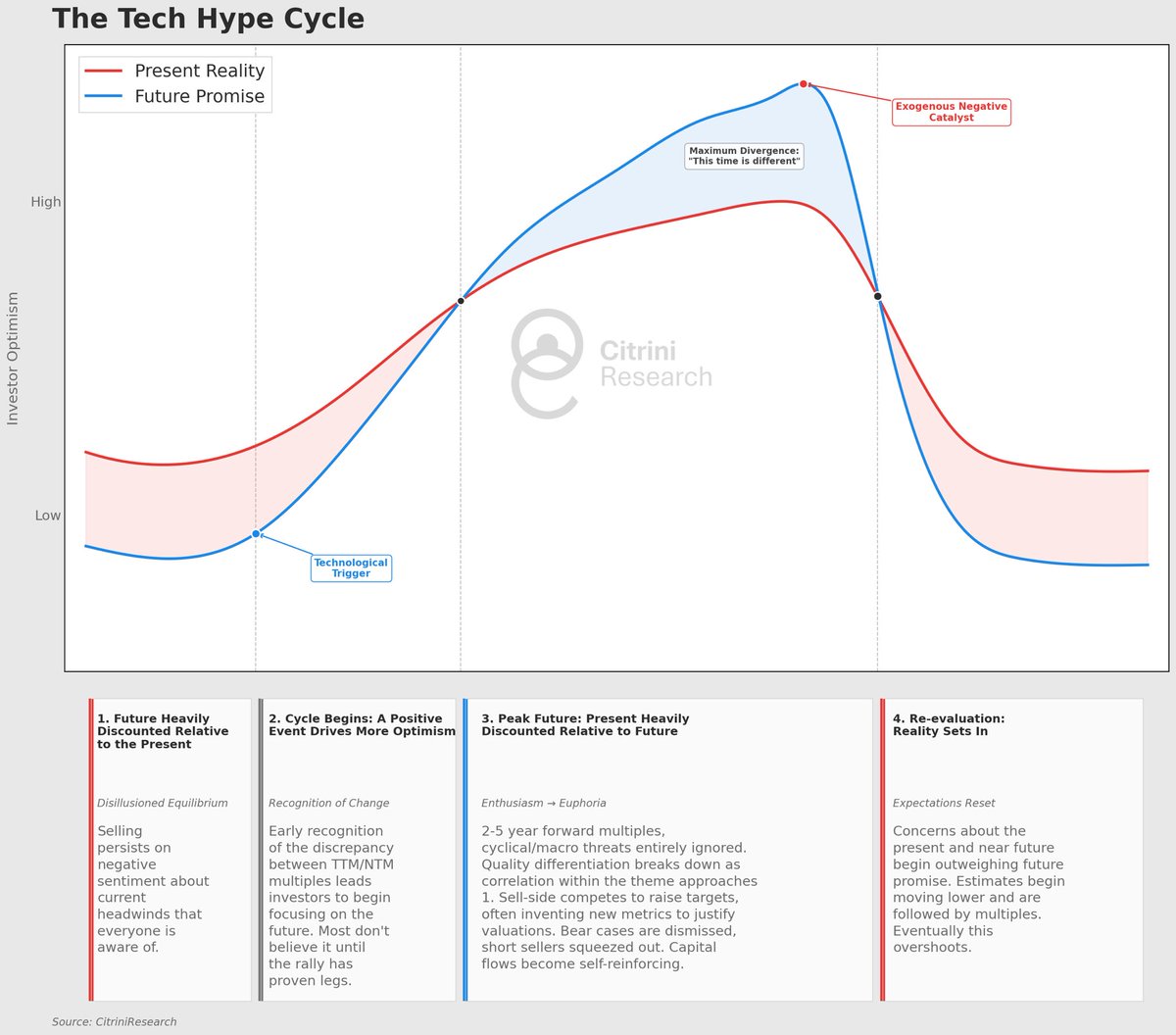
This is how I think about hype cycles in markets. It is basic, but that’s the point (frameworks shouldn’t be overly complex, I think). Investors are always either discounting the promise of the future or the reality of the present. And they are never equally weighting them. During the early part of a hype cycle, leading up to and directly following a technological advancement, investors are typically discounting the future while focusing on the present. A good example for this is Nvidia at the end of 2022: investors were solely focused on the headwinds presented by the crypto GPU glut, the anemic gaming PC market and the recent rise in rates causing fears about a near term recession. Then, as the cycle begins, investors begin to shift to incorporate the future - they stop focusing so much on the present and see the promise. They move out in terms of valuing away from last twelve months current price / current earnings to next twelve months. Then, as price climbs and the technology becomes more exciting, their imagination takes hold. At a certain point they begin discounting the present much more heavily and the future becomes the only thing that matters. Valuation metrics over the next twelve months become useless in favor of 2, 3 or 5 years forward. At the peak, the present is not considered at all, it is 100% driven by an imagined future (even when that imagination doesn’t necessarily align with a bullish outcome for the stocks driving the rally). Analysts aggressively raise estimates in ways that, at the time, seem fundamentally justifiable (if you take the assumptions at face value - for example, “everyone in the world will have two cell phones” was a good one from the mobile phone hype cycle). Capital is sucked in which ultimately forces performance chasing and crowds stocks with money that doesn’t really believe in the thesis. “A twilight period where people continue to play the game, but no longer believe in the rules” emerges, as Soros put it. The valuation of SaaS stocks in mid-2021 is a great example of what happens when the future is overvalued relative to the present - nobody cared about climbing inflation, that rates had nowhere to go but up, that these companies were reliant on ZIRP or that software could become more competitive. Then, a negative catalyst occurs - this can but doesn’t have to be related to the technology, macro, credit, underwhelming earnings. The estimates start to seem unattainable, and the present begins to matter more when the future seems more uncertain. That exact mechanism that drove future optimism to unsustainable heights mechanically reverses, everyone needs out. The future begins to be discounted until it results in a sense of disillusionment with not just the stocks but the technology itself. This overshoots to the downside, investors eventually become disillusioned and seemingly allergic to anything having to do with the technology. This happens in a very asymmetric manner to the climb (“stairs up, elevator down”). This is the crucible in markets for truly transformative tech. If advancements persist, another opportunity to get long presents itself before capital once again begins flowing into the companies (the internet, for example). If they don’t - not necessarily “the tech goes away” but rather that it ceases to advance once the capital isn’t free or plateaus or the economics prove to be unfavorable - the cycle will still start again, just with a new technology. Or maybe not…maybe this time is different.
Citrini tweet media
English
38
94
920
88.6K
YeesUs retweetledi
Davy
Davy@Blinklebloop·
The timing of this is perfect. Citrini's framework maps exactly onto something I think about a lot. If you want to actually make money in markets, you need to live in the middle of this curve. But at the extremes, you get two schools and what's interesting is they're both right about one thing and wrong about another. Die Hard Value Bros These guys live on the left side of the curve. They want to buy before the inflection or after the blowup. @michaeljburry is the poster child because he fishes in bombed-out wreckage and he's actually good at it. But what separates Burry from the average value bro: he's not just screening for cheap multiples. He's identifying where the market has become so narratively disgusted with something that it's over-discounting the present- he buys from pessimists. @Citrini7 is closer to Burry that we realize, except he plays where the market is not optimistic enough, where the market is not discounting the future correctly. The imitators miss this. They cling to paying less than 7x EV/EBIT like it's scripture from the Oracle himself, and then pile into a value trap because the number was too sweet to pass up. The irony is that Buffett figured this out decades ago and he realized he couldn't predict five years out with precision, so instead he bought companies that would probably benefit regardless of what happened. Instead of forecasting 5 years out, Buffett positioned for it. That's actually where you want to be on this curve. Degenerate Gamblers These guys live on the right side. And they're correct about the one thing value bros refuse to accept: sometimes you have to pay up for the future. Where it falls apart is that their conviction isn't built on a thesis instead it's built on price action. Stock going up confirms the thesis. Stock going down means the thesis is broken. When the curve rolls over, they have nothing to anchor to, so they sell into exactly the disillusionment phase Citrini describes. The middle The place to be is forward-looking but grounded. If you're paying north of 30x EV/EBIT, you'd better have a real view 2–3 years out and not just vibes. Does the company have the capacity to grow into that multiple? Is it positioned to capture what's coming? Can you articulate why, specifically, without pointing at the stock chart? The value bros are right that the present matters. The gamblers are right that the future matters but the money is in knowing which one to weight more heavily at any given point on the curve.
Davy tweet media
Citrini@citrini

This is how I think about hype cycles in markets. It is basic, but that’s the point (frameworks shouldn’t be overly complex, I think). Investors are always either discounting the promise of the future or the reality of the present. And they are never equally weighting them. During the early part of a hype cycle, leading up to and directly following a technological advancement, investors are typically discounting the future while focusing on the present. A good example for this is Nvidia at the end of 2022: investors were solely focused on the headwinds presented by the crypto GPU glut, the anemic gaming PC market and the recent rise in rates causing fears about a near term recession. Then, as the cycle begins, investors begin to shift to incorporate the future - they stop focusing so much on the present and see the promise. They move out in terms of valuing away from last twelve months current price / current earnings to next twelve months. Then, as price climbs and the technology becomes more exciting, their imagination takes hold. At a certain point they begin discounting the present much more heavily and the future becomes the only thing that matters. Valuation metrics over the next twelve months become useless in favor of 2, 3 or 5 years forward. At the peak, the present is not considered at all, it is 100% driven by an imagined future (even when that imagination doesn’t necessarily align with a bullish outcome for the stocks driving the rally). Analysts aggressively raise estimates in ways that, at the time, seem fundamentally justifiable (if you take the assumptions at face value - for example, “everyone in the world will have two cell phones” was a good one from the mobile phone hype cycle). Capital is sucked in which ultimately forces performance chasing and crowds stocks with money that doesn’t really believe in the thesis. “A twilight period where people continue to play the game, but no longer believe in the rules” emerges, as Soros put it. The valuation of SaaS stocks in mid-2021 is a great example of what happens when the future is overvalued relative to the present - nobody cared about climbing inflation, that rates had nowhere to go but up, that these companies were reliant on ZIRP or that software could become more competitive. Then, a negative catalyst occurs - this can but doesn’t have to be related to the technology, macro, credit, underwhelming earnings. The estimates start to seem unattainable, and the present begins to matter more when the future seems more uncertain. That exact mechanism that drove future optimism to unsustainable heights mechanically reverses, everyone needs out. The future begins to be discounted until it results in a sense of disillusionment with not just the stocks but the technology itself. This overshoots to the downside, investors eventually become disillusioned and seemingly allergic to anything having to do with the technology. This happens in a very asymmetric manner to the climb (“stairs up, elevator down”). This is the crucible in markets for truly transformative tech. If advancements persist, another opportunity to get long presents itself before capital once again begins flowing into the companies (the internet, for example). If they don’t - not necessarily “the tech goes away” but rather that it ceases to advance once the capital isn’t free or plateaus or the economics prove to be unfavorable - the cycle will still start again, just with a new technology. Or maybe not…maybe this time is different.

English
2
18
222
24.6K
YeesUs
YeesUs@illlya5·
@Ameba_NM Can u remind the name of app/site in that post
English
0
0
0
302
Ameba
Ameba@Ameba_NM·
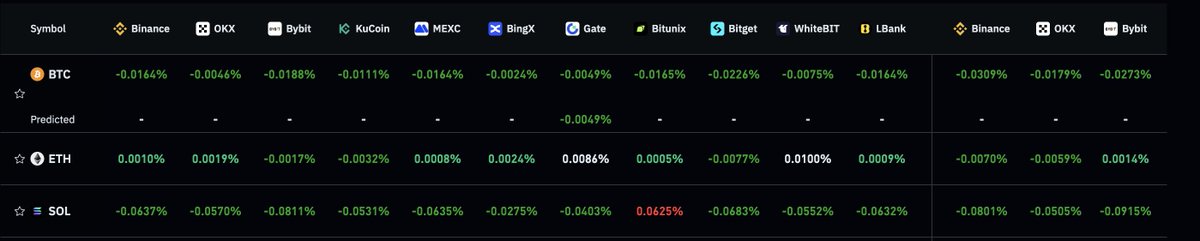
that funding across the board... especially on $SOL... jfc... the unwind will be spectacular.
Ameba tweet media
English
4
0
22
4K
YeesUs retweetledi
Poffi!! 🔆🦴
Poffi!! 🔆🦴@Poffiwawa·
does anyone know how to fix this
Poffi!! 🔆🦴 tweet media
English
2.8K
1.2K
48.6K
3.7M
YeesUs retweetledi
奶奶 capital
奶奶 capital@testinprodcap·
the secret is to ignore citrini's ridiculous 100 asset multi-country portfolio and just full port into stuff he writes a full post about.
English
28
14
980
64K
YeesUs retweetledi
Red Panda Koala
Red Panda Koala@RedPandaKoala·
🚨 Jeffrey Epstein says the best traders act on intuition they don't fully understand "If you talk to really experienced and successful traders and you ask them how they know what's going on, they can't give you an answer. They don't know. They feel it. They can feel the way the market's moving. They can feel the way the stock's moving. And that these are not very well-defined terms. Great traders feel it and then act on their feelings. That's the difference. Many people feel it but are afraid because they want a mathematical justification before they take that next step."
English
362
680
9.4K
1.6M
YeesUs
YeesUs@illlya5·
@TheFlowHorse Can u tell which things u look at your HTF system besides EMAs?
English
0
0
0
161
Horse
Horse@TheFlowHorse·
My high timeframe system has a few boxes I check and man one of them is just a moving average, and that thing has kept me on the right side of things for so long.
English
14
1
172
25.8K
YeesUs retweetledi
DCP
DCP@Dcpcooks·
Working with a newer trader to explain how I approach the markets Here is a copy of a dm I sent, I hope it can help Yes slow the brain down, the market will tell you what to do. The hard part is getting to that level of zen if you will. It took me years to slow down and listen to what is going on. I try to keep it as simple as possible You want a system that is simple repeatable and scalable. Then you want a system for managing order entry and exit Stop loss and profit target must be identified before you enter a trade. Risk management is the most important things you control outside of your emotions. I use very simple tools to measure the market Every morning I look at the opening range of the first 30 seconds at 8:30:00 to 8:30:30 I use that as the baseline for positioning. I look to be long above or short below that price range Every algo has that price level in its baseline formula Also the same for the prior days closing range If we are above yesterday’s closing range and we trend above the current opening range I look for a trend day which is around 20% of trading days If we are in between those levels we are likely in a range bound consolidation and which is the majority of trading days You want to learn how to identify which environment you are in and adjust your trade plan accordingly I look to add aggressively on trend days I scalp level to level on consolidation/ range days I like to take a quick profit and adjust my stops to in the money and left the market run. Then I look at momentum and where were are in terms of std deviations within different time frames to gauge market strength. If we are trading up towards a 2 std deviation and momentum is above trend I look for adjust my expectations for an exit price. Same for being short just in reverse. That is a trend day example On a consolidation day I will look for opportunities for mean reversion. By that I look for entry and exit levels with the expectation we will revisit the opening range. Two separate concepts to learn. Once you begin to see that in the market it takes a lot of the thinking out of your day. You don’t need to be correct on your macro view you can just trade price action without emotion f’ng with you. On a trend day when the market trend is strong and it aligns with my macro view is the scenario where I add aggressively to winning positions
English
49
95
873
118.2K
YeesUs
YeesUs@illlya5·
@simpelyfe Great one Maybe one more piece of knowledge u can share with us that we should be aware of
English
0
0
0
57
YeesUs
YeesUs@illlya5·
@stoicsavage Which region is more important for u, 91,9k or yearly open at 93,5-94k region confluence with Yearly open?
English
0
0
0
302