

nick
7 posts

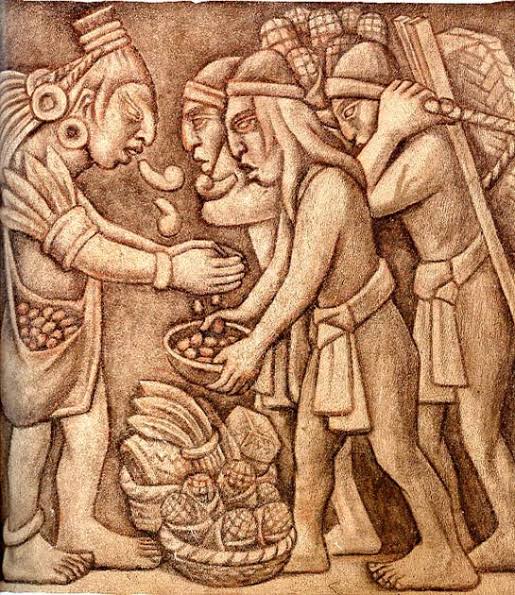
The Aztec Empire developed one of history's most unusual monetary systems between the 14th and 16th centuries. Cacao beans—the raw ingredient for chocolate—functioned as standardized currency throughout Mesoamerica. These beans possessed the essential qualities of effective money: portability, divisibility, durability, and universal recognition across the empire's vast trade networks.
Cacao's value stemmed from practical scarcity. The trees grew only in specific tropical lowland regions, making beans rare enough to resist inflation while remaining abundant enough for circulation. The Aztecs couldn't cultivate cacao in their highland capital of Tenochtitlan, forcing them to obtain beans through tribute from conquered territories or long-distance trade. A single bean could purchase a tamale; 100 beans bought a slave; 8,000 beans represented significant wealth.
The system created immediate problems with counterfeiting. Enterprising traders hollowed out beans and filled empty shells with dirt or avocado pits to increase their supply of currency. Merchants developed expertise in detecting fraudulent beans through weight, sound, and visual inspection. Unlike metal coinage, cacao eventually rotted, preventing long-term hoarding and encouraging active trade rather than wealth accumulation.
Spanish conquistadors recorded detailed accounts of the cacao economy when they encountered it in the 1520s. Hernán Cortés initially dismissed the practice as primitive, failing to recognize the sophisticated economic thinking behind it. The Spanish eventually recognized cacao's utility and temporarily integrated it into colonial currency systems before gradually replacing it with European metal coins. By the mid-16th century, cacao's role as money had largely disappeared.
The Aztec cacao system demonstrated that currency requires social agreement, not inherent value. Metal has no more natural claim to monetary status than beans—both work because communities trust them. The practice reveals economic sophistication often denied to pre-Columbian civilizations and shows how environmental constraints shape financial innovation.
The Aztec cacao currency system established precedents that influenced economic thinking far beyond its collapse. It demonstrated that commodity money could function without centralized minting or precious metals, influencing later debates about what constitutes legitimate currency. The system's vulnerability to counterfeiting and decay prefigured similar problems in paper money systems centuries later. Spanish documentation of cacao currency provided European economists with concrete examples of alternative monetary systems, broadening theoretical frameworks about money's nature. The practice preserved cacao cultivation networks that outlasted the empire itself, as demand for chocolate as a luxury good eventually created global trade routes. Most significantly, the system's disappearance illustrated how conquest disrupts not just political structures but fundamental economic relationships, forcing populations to abandon working systems for imposed foreign alternatives. The cacao economy remains a powerful counter-example to claims that only gold or silver can serve as "real" money.
#archaeohistories
English

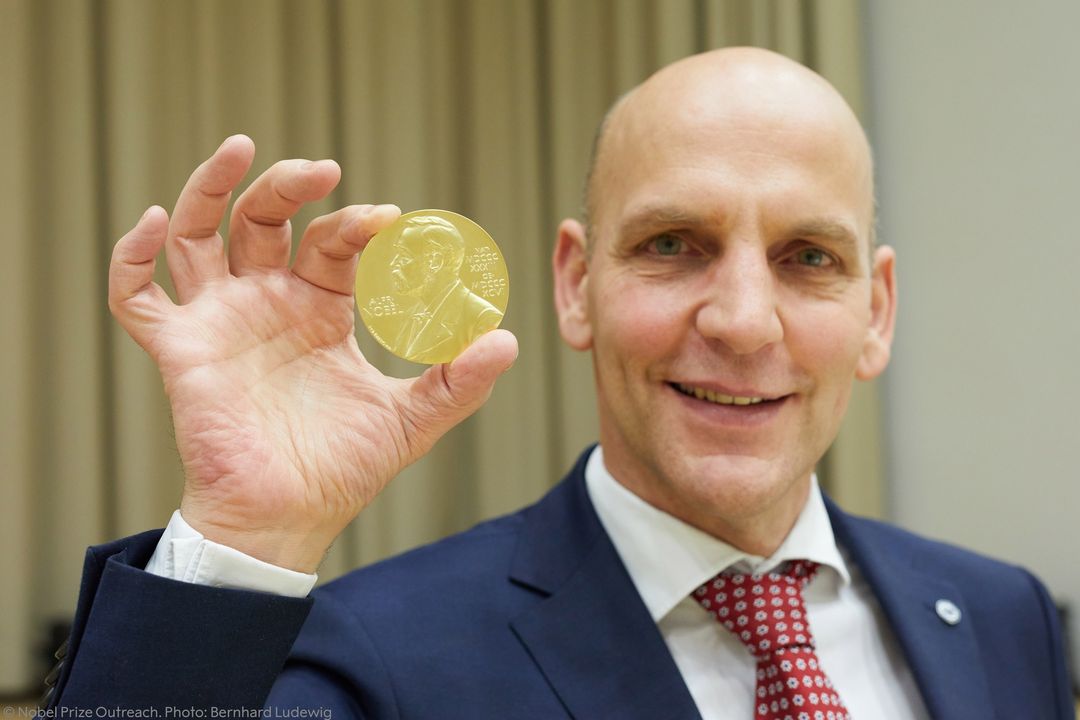
"It’s not us who shape or create the world and the universe, but we try to understand it."
Catalysts, substances that accelerate chemical reactions without becoming part of the final product, are important for chemists' ability to construct molecules.
In 2000, Benjamin List developed a new type of catalysis that builds upon small organic molecules. Such catalysts are used for example in pharmaceutical research and have made chemistry more environmentally friendly.
Read more about List's scientific journey to the Nobel Prize: bit.ly/2YDTYO5
English
@To_Immortality @RobertKennedyJr @AGJamesUthmeier Lol. This made me laugh a lot. Very much the vibe. Is all he can do make replies on x about this? Maybe one day he'll just get real crazy and make a whole post on social media himself. Pathetic
English


In 2022, the Schumer/Pelosi-controlled Congress tasked the Biden White House with researching geoengineering and weather modification to lower the amount of sunlight that reaches the earth’s surface.
This research isn’t a conspiracy theory. NOAA is already funding it.
Florida’s largest industry is tourism. Sunshine is our selling point.
We’ve seen the left weaponize government and science to push their agenda. Blue states closed schools for years due to COVID-19, all with the support of the Biden admin. Then the climate cult chimed in, pushing for “green lockdowns.”
The left will stop at nothing to push their agenda, and we should not allow the left to weaponize the climate cult’s agenda to destroy Florida.
Let’s ensure these are felony-level crimes, get @IleanaGarciaUSA's SB56 to Governor DeSantis’ desk, and ban weather modification to ensure we protect Florida’s future.
English
@OklahomaDEQ PM levels over 1,000.... pretty sure that's going to put us higher than "Unhealthy." Try Hazardous, at least!

English

DEQ has updated the previously-issued Air Quality Health Advisory.

English
nick retweetledi

To celebrate 2023 we are finishing up the year with 12 days of competitions to win awesome prizes 🧑🎄🎄
Stay tuned #KrakenCryptomas starts later today!
Find out more: k.xyz/12DY
*Geo restrictions apply

English