itz

10K posts

itz banner
itz

itz

@itsitz_

Cyber-Flâneur 👁✨@gringojobs @bitso @CHANEL

Mexico City & LatAm Katılım Haziran 2009
1.3K Takip Edilen2.7K Takipçiler
itz retweetledi
Moris Dieck
Moris Dieck@MorisDieck·
México NO tiene un problema de emprendedores, tiene un problema de contexto. Aquí no faltan ideas ni motivación, lo que falta es un ambiente que no mate los negocios. Con ambiente me refiero a estado de derecho. Moches interminables, extorsiones e inseguridad; emprender aquí involucra un riesgo que no todos están dispuestos a tomar. Con ambiente me refiero a los “costos” de ser productivo en México. Carreteras en mal estado e inseguras, aeropuertos saturados, logística cara. ¿Así cómo se compite en un mercado global? Con ambiente me refiero a los costos de energía, en donde la electricidad industrial puede llegar a ser hasta doble que en EUA. A los mexicanos no nos hace falta motivación para emprender, …nos falta cancha.
Español
96
412
2K
217.5K
itz retweetledi
Patrick OShaughnessy
Patrick OShaughnessy@patrick_oshag·
William on how an early stage employee takes way more risk than a founder: "If I'm making $400-500K at Google or Meta and go to an early stage company to get 1% of this company and make $90,000. I've now changed the trajectory of my life, that's a lot of risk. But as a founder, you're not. It's a much higher likelihood that of the next round, regardless of your company, you'll be able to sell some secondary. If it shuts down, you can get employed at a great company, and you have a CEO on your resume. That first employee, they have first employee at a failed company. That's actually not a great resume line item. So we've de-risked the founder, but we haven't de-risked the early stage employee."
Patrick OShaughnessy@patrick_oshag

.@williamhockey is one of the least visible founders in tech relative to what he has created. He co-founded Plaid and is now building Column, a software company that owns a bank, and powers Ramp, Wise, Bilt, Mercury, and others. He funded it himself by borrowing against nearly everything he had in Plaid shares, and has never raised any outside capital. His story matters because so much of the value in our industry gets created through exactly this kind of extreme personal risk. He is maniacal about being the best in the world at his thing, and has spent his entire career betting on himself and doing whatever it takes to win. He also spends a lot of time outside the US (in places like Kinshasa) which has given him a rare perch on the power of the US dollar. We discuss: - Why emerging markets are often the most financially innovative - What owning 100% of his company allows him to do that VC-backed founders cannot - Getting margin called and nearly going bankrupt - Why the best founders are specialists - What it takes to be the best in the world at your thing - How Silicon Valley's consensus culture produces consensus founders - How the US dollar functions as an instrument of national security Enjoy! Timestamps: 0:00 Intro 9:19 Emerging Markets 14:03 Silicon Valley's Elite Consensus Problem 16:03 Rejecting the VC Hamster Wheel 21:45 Equity and Liquidity 26:03 Funding a Bank 29:45 The Necessity of Extreme Founder Risk 37:18 Finding Leverage 45:20 Longevity and Profitability in Banking 48:46 Matching Your Capital Structure to Your Business 51:44 The Unseen Power of the US Dollar 1:02:30 How AI Will Transform Legacy Banks 1:09:23 The Kindest Thing


English
107
104
2.5K
886.3K
itz retweetledi
Zach Abrams
Zach Abrams@zcabrams·
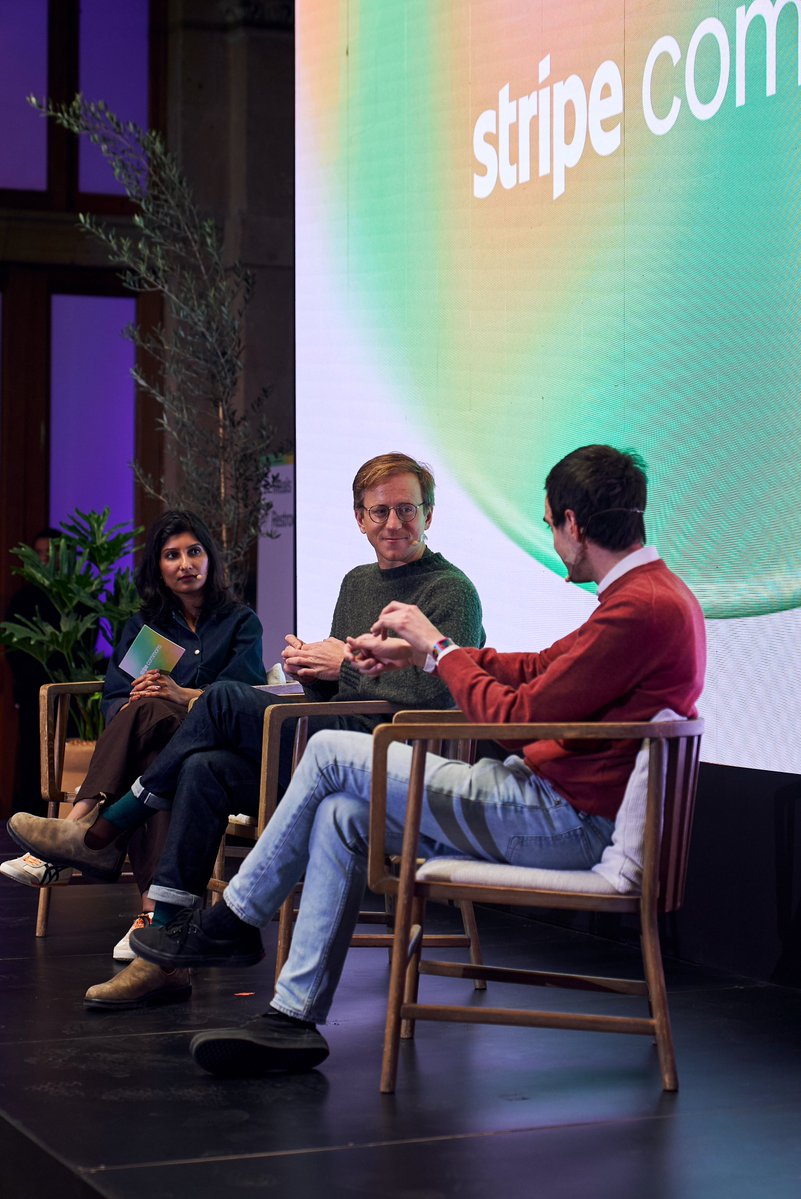
no region has done more to prove the stablecoin thesis than latam. so mexico city felt like the right place to host stripe's first crypto event. ~300 founders and leaders joined us. we covered stables, blockchains, defi, agents, and more. its incredibly energizing connecting with so many great builders. the future of our space will be disproportionately shaped by this group.
Zach Abrams tweet mediaZach Abrams tweet mediaZach Abrams tweet media
English
5
15
173
10.2K
itz
itz@itsitz_·
@amrith 💛💛💛 loved it!
English
1
0
1
2.5K
Amrith
Amrith@amrith·
Been homesick lately so I vibe coded this over the weekend. Meet Dhuni – a 24/7 radio that plays Indian classical & instrumental music 🎶 Each station has its own season, raga, and mood.
Amrith tweet media
English
95
138
1.6K
125.5K
Noah Ryan
Noah Ryan@NoahRyanCo·
Mold is literally everywhere. And is part of the reason why Florida drives everybody crazy after a few years. It wasn't as big of an issue when we had concrete houses and indoor/outdoor living. But we've effectively created super-strains with EMF-induced epigenetic changes and antifungal-resistance. Combine this with insulated, water damaged, and cellulose-rich drywall/sheetboard buildings and you have a perfect storm to oneshot anybody with a compromised immune system (most people).
MyFitnessFeelings@fitnessfeelingz

If you've wondered why UK has gone insane, I have an answer—mold. Never seen water damage on this scale. It's every building, & it's driving people mad.

English
101
1.1K
13.3K
1.2M
itz retweetledi
Damian Player
Damian Player@damianplayer·
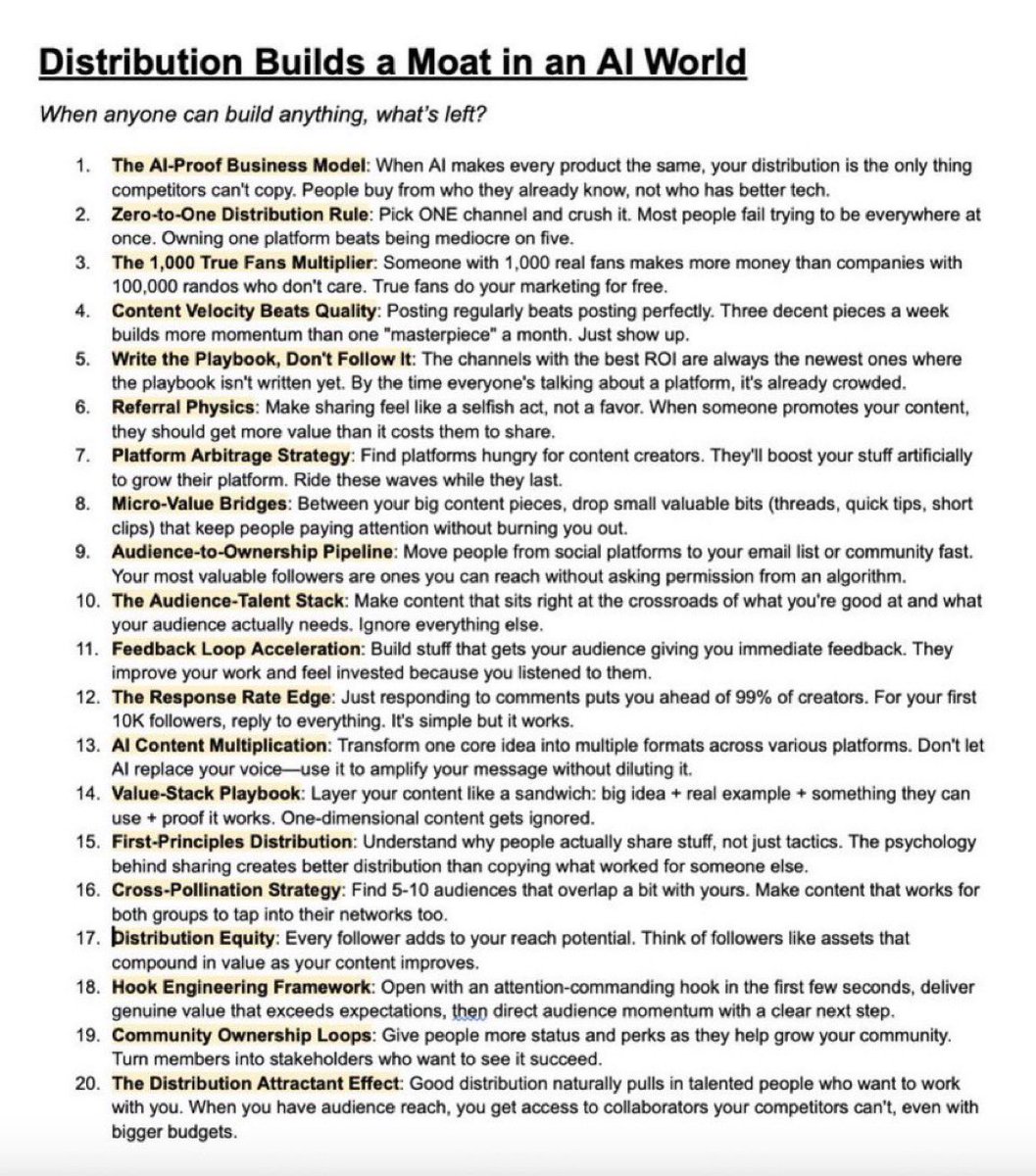
when anyone can build anything, the only moat left is distribution. here’s the playbook (save this):
Damian Player tweet media
English
39
154
1.5K
83.1K
itz
itz@itsitz_·
@iam_preethi I’m curious, what daily dosage do you recommend? I see pills ranging from 0.5 to 10 mg. I’ve heard it’s better to take it in the late evening instead of right before sleep
English
1
0
0
354
Preethi Kasireddy
Preethi Kasireddy@iam_preethi·
You probably think of melatonin as a sleep hormone. It's also one of the most concentrated antioxidants in your ovarian follicular fluid. It protects your egg from oxidative damage during the final stages of maturation before ovulation. In one study, women who supplemented melatonin saw fertilization rates jump from 20% to 50%. Women who work night shifts have a 29-51% higher miscarriage risk and are 40% more likely to need fertility treatment. Scrolling your phone in bed or sleeping late at night doesn't just wreck your sleep. You're also missing out on the most potent molecule that keep your eggs young.
English
8
8
96
47.3K
itz retweetledi
Kevin Gee
Kevin Gee@kevg1412·
Patrick and John Collison on the 5 levels of agentic commerce
Kevin Gee tweet media
English
8
43
500
57.3K
itz retweetledi
grace
grace@0xgrace·
> return flight to nyc gets canceled by snowstorm > call united > immediately connected with customer service (rare) > voice is uncanny, def AI but they gave it a human-like accent > takes ~20 min to get rebooked (pretty good imo) > I ask if it's AI > "haha no ma'am but I get that a lot" > I ask it to calculate 228*6647 > it runs the calculation > ggs
English
376
2.6K
142.1K
4.7M
itz retweetledi
Adam Cochran (adamscochran.eth)
Adam Cochran (adamscochran.eth)@adamscochran·
The leader of Mexico’s most powerful cartel has been killed. El Mencho of CJNG was killed this morning in a raid by the Mexican Military. CJNG are carrying out attacks and creating unrest across Mexico in retaliation. The CJNG is the largest and most militarized of the cartels, and responsible for most US smuggling operations, including their own military grade drone force at the border. El Mencho has consolidated power in CJNG by killing off two former high ranking CJNG members who had split off to form a major rival cartel (Nueva Plaza Cartel) The new CJNG quickly grew to rival the size of the long standing Sinaloa cartel (under El Chapo) but is know for far worse violence and precision military operations - including shooting down Mexican Military helicopters with RPGs during raids. Because of El Mencho having such an ironclad hold over the cartel, the lack of a clear heir apparent and the organizations focus on violence against rival groups, it’s expected that El Mencho’s death will result in large in-fighting amongst the different divisions of the CJNG as division leaders, and regional leaders vie for power in this new vacuum. Unlike other cartels who have continued seamlessly after losing a leader, this could be a major win for the Mexican government for long term.
Eco_1_LVM@Eco1_LVM

🚨🚨🚨Puerto Vallarta -Jalisco- El poder del narco debe impresionar a los turistas, así se ve el Puerto.

English
44
385
3.2K
660.2K
itz retweetledi
Boring_Business
Boring_Business@BoringBiz_·
This was an eye opener from Jensen Huang When asked whether he would rather relive his 20s or be 20 years old today, this is what he had to say: "I thought our 20s were happier than these 20s. I think everyone deserves some time to be oblivious, and not wear all of the world's problems on their shoulders on Day 1 We are raising a generation that is very cynical and too informed They are cynical, not because they are inherently cynical. They are cynical because they see so much stuff. It is too much stuff You have to build up some internal reserve of optimism. You have to build up some reserve of goodness."
English
367
2.9K
32.3K
2M
itz retweetledi
itz retweetledi
Nikola
Nikola@nikolacupic·
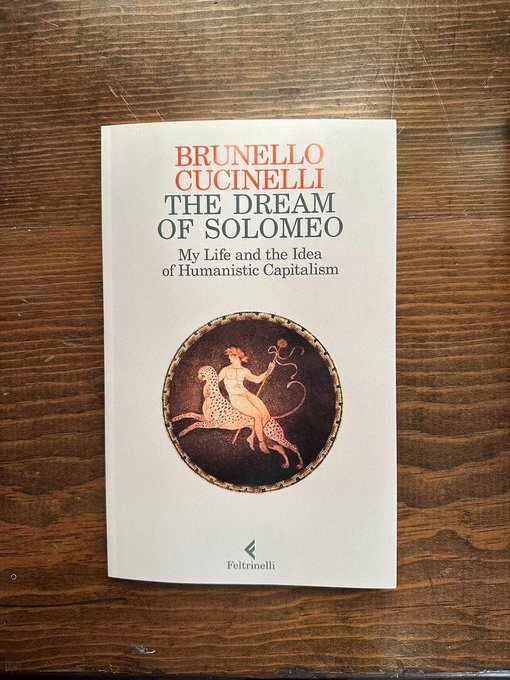
Brunello Cucinelli runs a $7.5B company on a philosophy 2,000 years older than capitalism. He bans work emails after 5:30 PM, pays 20% above market & puts "beauty" over quarterly growth. He's a pro-tempore guardian of humanity. 12 lessons from a different kind of capitalist:
Nikola tweet media
English
27
186
2.2K
166K
itz retweetledi
Sheel Mohnot
Sheel Mohnot@pitdesi·
This is correct: consumer stablecoin merchant acceptance in the west is a complete non-starter imo. You can't build a new payment network without exclusivity or a compelling forcing function (rewards, credit), the inertia of status quo is too strong. And the current card-based system for point of sale isn't actually broken for most merchants and consumers in developed markets. Every successful payment network in our lifetime launched with some form of exclusivity or a killer reward: Crypto: Served the genuinely unbanked, people in hyperinflationary economies, and grey/black markets where traditional rails were unavailable or unworkable PayPal: Was initially the only practical way to transact peer-to-peer online and became the default payment method for eBay, which created a massive captive marketplace... they also started by giving out free money Discover Card: Launched with exclusive acceptance at Sears (then the world's largest retailer) and offered electronic payment when that was still novel - essentially a closed loop that bootstrapped network effects WeChat/AliPay: Credit cards weren't common in China, this was the only way for most people to interact with social media/digital services Starbucks: The one case where it isn't exclusive (you can still pay with card) but they've done a good job giving out killer rewards to frequent users (more stars) Fortnite/Roblox: You get the idea Stablecoin checkout has: No captive audience, no exclusive inventory, and no problem it solves better than cards for the average consumer or merchant. You're asking both sides to adopt new infra/workflows... for what marginal benefit? People always talk about fees but there's too much friction for that to matter, and consumers like their credit card rewards. The one exception might be AI agents: Cards currently require human identity, credit checks, and personal liability - AI agents don't fit that framework. They might make thousands of micro-transactions daily where card fees don't make sense. Machine-to-machine commerce could need programmable, instant settlement without human-in-the-loop friction. But even here, if the AI is just acting on behalf of a human/company, you can put a card on file. And critically - are there AI-native marketplaces that only accept stablecoins? Without exclusive AI-specific commerce at scale, you're back to the same bootstrap problem. Certainly AI's aren't going to be buying stuff at the in-person merchant networks being built. To Nikil's point - the real opportunity is cards backed by stablecoins. This makes sense because it doesn't require rebuilding acceptance infrastructure, just like Apple Pay is a nice front-end but uses existing infra.
Nikil@NikilKonduru

Why are folks still wasting time trying to recreate a merchant acceptance network for stablecoins? It should be a foregone conclusion at this point that the killer use case for stablecoins in commerce isn’t at the point of sale; it’s behind-the-scenes settlement, after authorization is captured over card rails. For those pouring good money after bad trying to roll out stablecoin checkout — you simply cannot create a two-sided network without incentivizing all the critical nodes in the current structure to switch. And by the time you find the market-clearing rate that gets everyone bought in, you’ll notice you just reinvented the status quo. You’re fighting immutable behavioral economics by trying to end-run the card networks. The moat has hardly ever been about technology; it’s about standards and governance. Instead, the real opportunity lies in stablecoin-backed cards. Cards have ubiquitous acceptance, while stablecoins are a phenomenal way to store value across borders. The next era of payments will belong to builders who can marry the two, amplifying the daily utility of stablecoin wallets: store value anywhere with stables, spend anywhere with cards.


English
32
12
249
116.5K
itz retweetledi
Pavel Durov
Pavel Durov@durov·
This year, I wish you less — less information, less food, less entertainment, less communication, less stimulation. You already have too much of all that, and it stands in the way of your serenity, health, sleep, and creativity. Merry Christmas! ☦️
English
1.8K
3.5K
36.4K
1.1M
itz retweetledi
Jaynit
Jaynit@jaynitx·
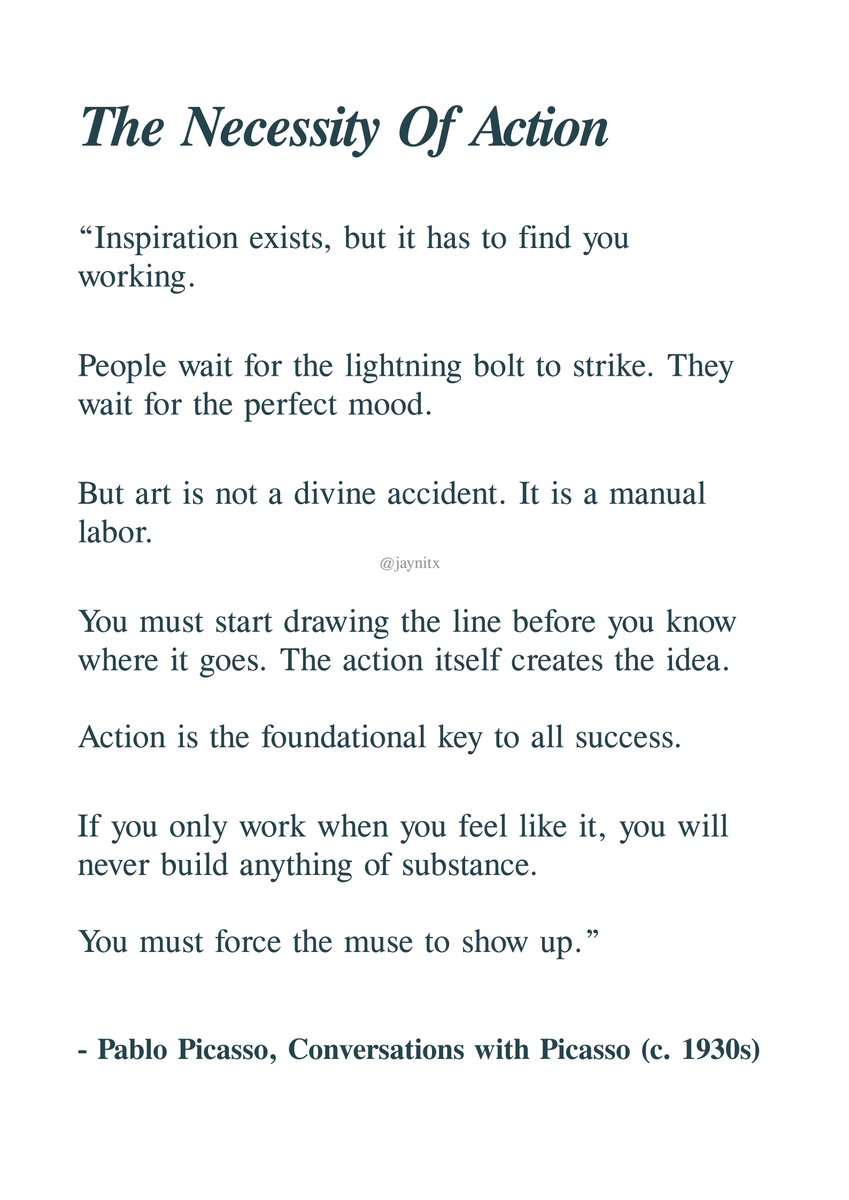
Pablo Picasso literally revealed the foundational key to all success:
Jaynit tweet media
English
61
1.5K
8.1K
297.9K
itz retweetledi
Big Brain Business
Big Brain Business@BigBrainBizness·
Below are 5 rejection emails that Airbnb got 17 years ago when raising at a $1.5M valuation: (today, Airbnb is worth $74 billion)
Big Brain Business tweet media
English
7
32
270
18.9K