itsored

1.6K posts

itsored

itsored

@itsored

Co-founder @DotpayDeFi || AI Blockchain Explorer || Solving Internet Problems

Decentralized Katılım Aralık 2021
3.3K Takip Edilen599 Takipçiler
itsored retweetledi
量子赌徒
量子赌徒@quantum_degen·
@stitchbygoogle google shipping a TypeScript SDK for both humans and agents is the most 2026 sentence possible.
English
0
1
1
698
itsored retweetledi
Emeka Ajene ✍🏽
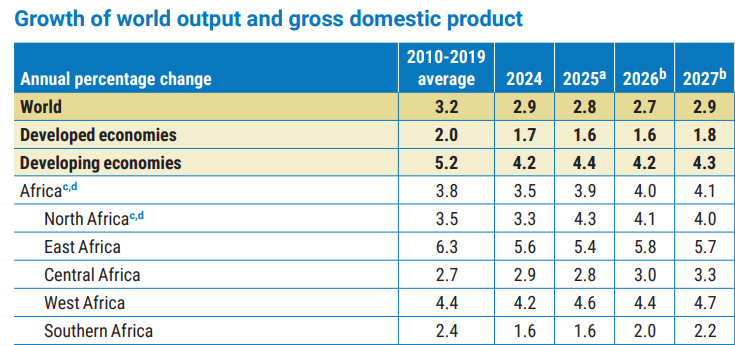
Where growth is, capital follows. East Africa has been Africa's fastest-growing region for over a decade and is projected to stay that way. But many residents still lack banking services. Plus, return on equity for banks in the region is nearly double the global average. So it makes sense that Africa's largest banks — sitting on some of the continent's deepest pools of capital — are now looking East and betting on Kenya as the beachhead. Underpenetrated + highly profitable + fast-growing = Irresistible.
Emeka Ajene ✍🏽 tweet media
Bloomberg@business

Africa’s biggest lenders are converging on Kenya, betting the country offers the best gateway into East Africa’s fast-growing but underbanked economies bloomberg.com/news/articles/…

English
1
23
60
3.4K
itsored retweetledi
The National Treasury
The National Treasury@KeTreasury·
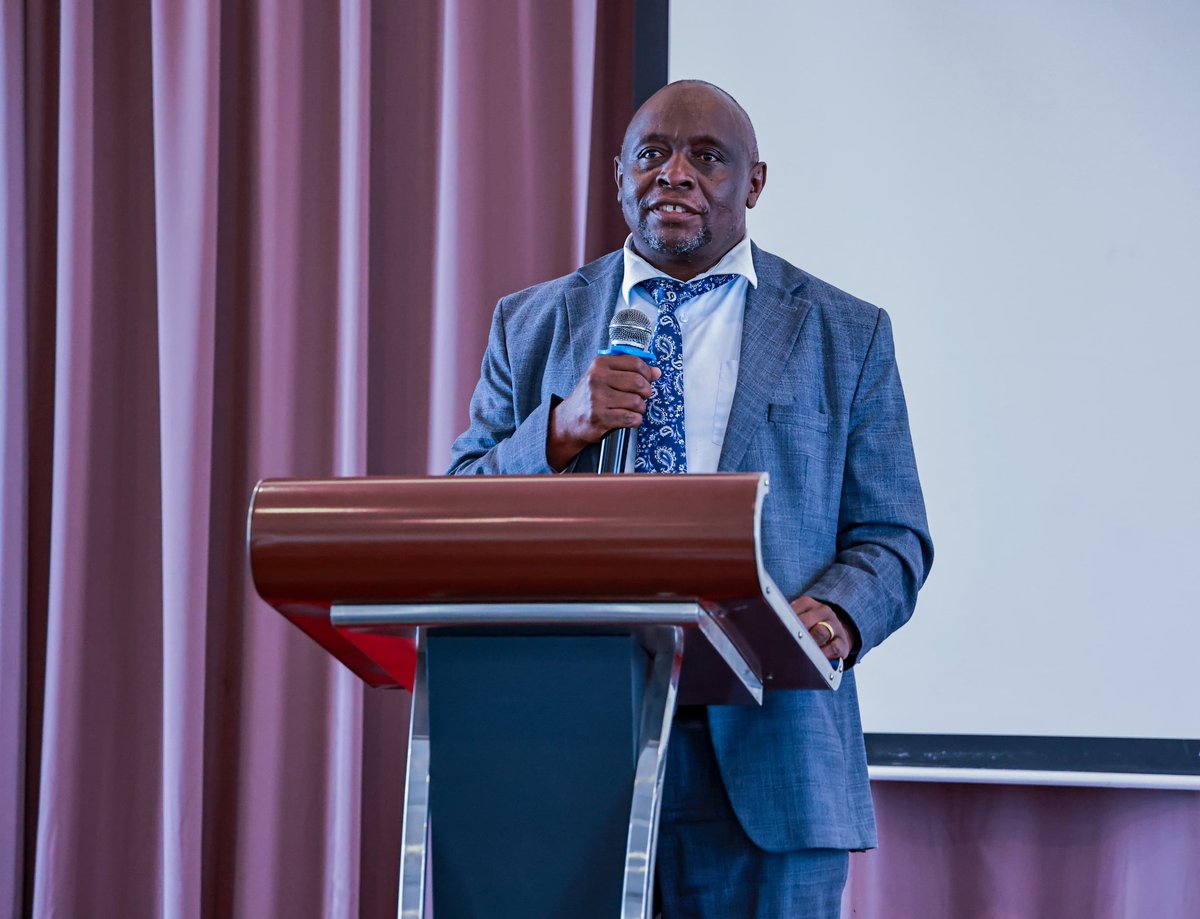
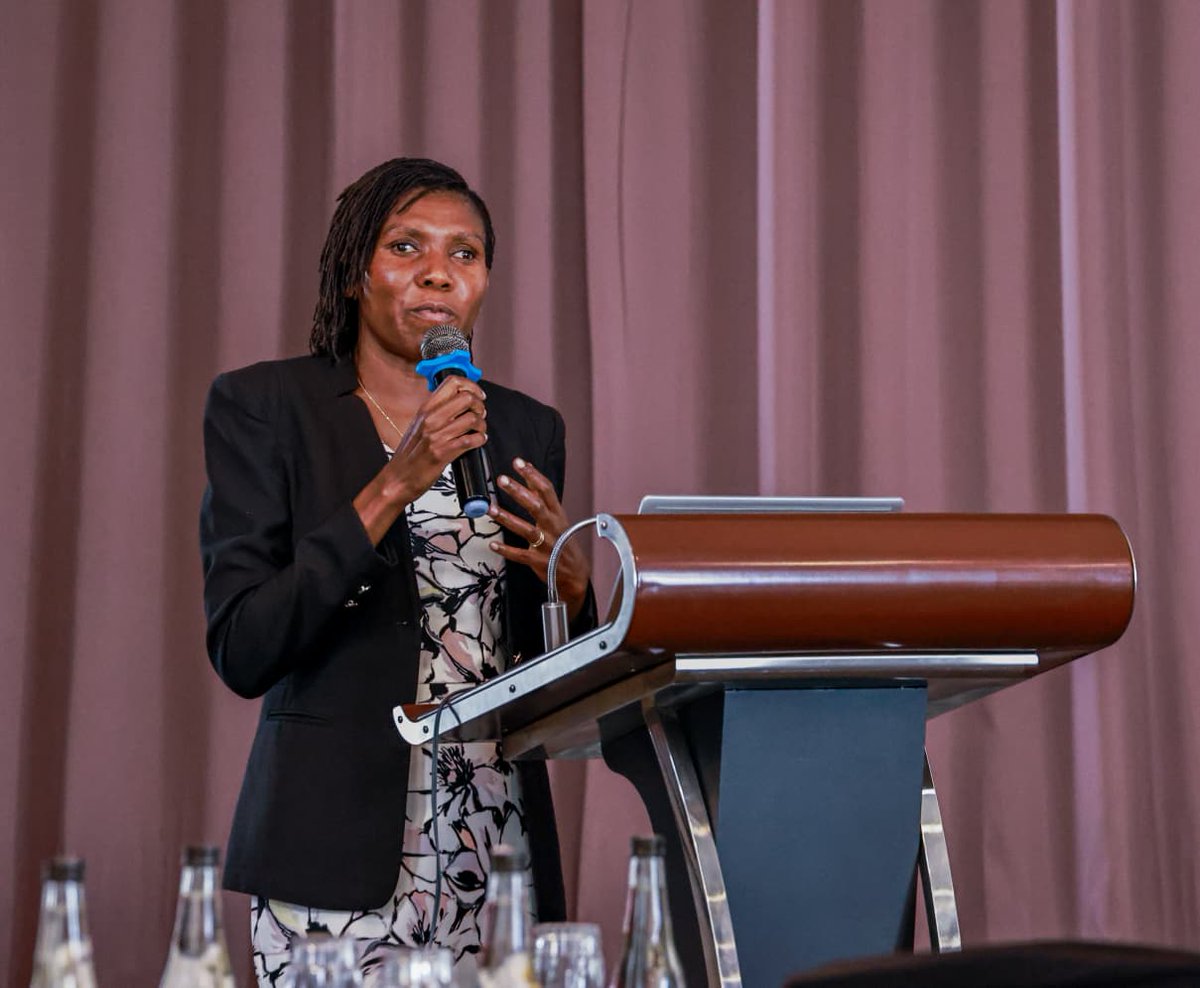
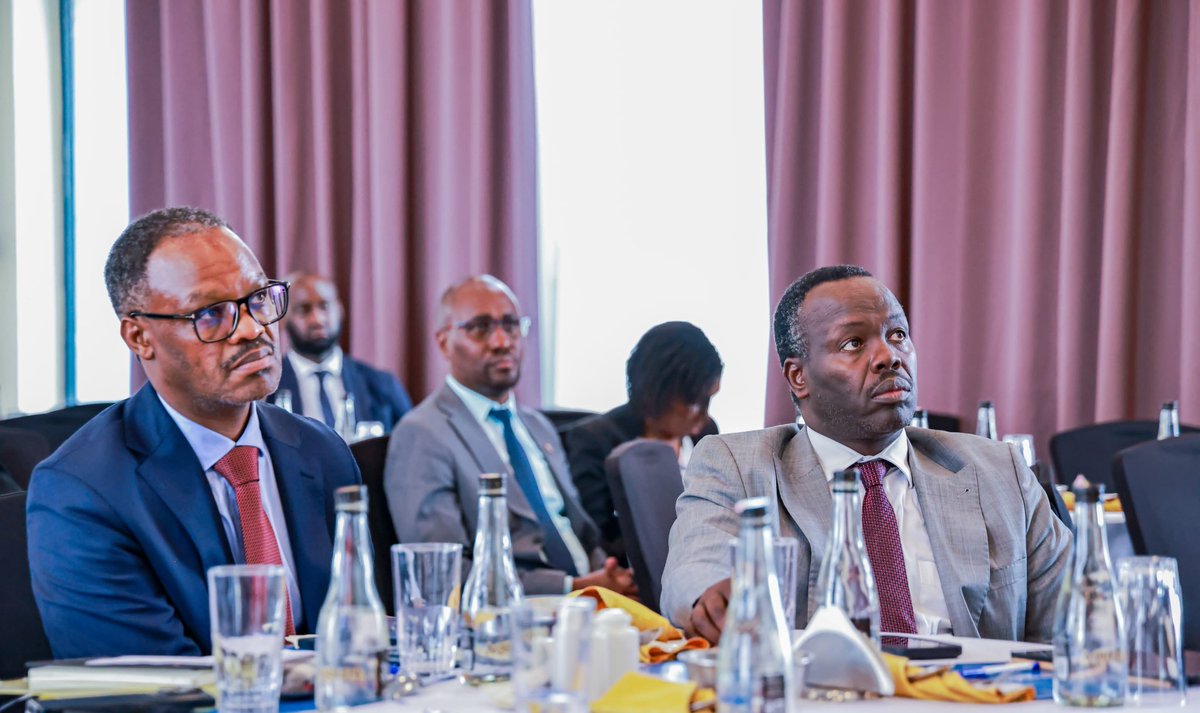
Kenya is paving the way for a secure and resilient digital economy through the proposed Virtual Asset Service Providers (VASP) Regulations, 2026. The Government has taken a decisive step to establish a well regulated digital asset ecosystem following a high level review of the draft framework, designed to safeguard financial stability while enabling innovation. PS Dr. Chris Kiptoo @Kiptoock today convened key government agencies to refine the draft, which operationalizes the VASP Act passed in late 2025. In remarks delivered on his behalf by the Director of Financial Sector Affairs and Development Mr Leonard Inyangala, Dr. Kiptoo said that the regulations provide a robust regime to safeguard Kenya’s financial system. The framework introduces strict standards for: ▪︎ Governance & Transparency: High bars for institutional leadership and reporting. ▪︎Capitalization: Ensuring providers have adequate financial cushions. ▪︎Risk Management: Focused measures to mitigate fraud and cyber threats. Consumer Protection at the Core A primary pillar of the 2026 Regulations is the enhancement of consumer safeguards. Dr Kiptoo highlighted that the draft mandates: ▪︎Clear Risk Disclosures: Ensuring investors understand the volatility of digital assets. ▪︎ Fee Transparency: Eliminating hidden costs for users. ▪︎Asset Safeguards: Strict requirements for the segregation and protection of customer funds. The framework aligns Kenya with international best practices, specifically targeting money laundering and terrorism financing. By introducing firm provisions against insider trading and market manipulation, Kenya aims to exit the global "grey list" and position itself as a credible destination for institutional digital investment. "The Regulations adopt a proportionate, risk-based approach that balances innovation with financial stability." Dr. Kiptoo said. The review was supported by a Multi-Agency Task Force, demonstrating a unified regulatory front. Key participants in today's event included: • Mr. Wycliffe Shamiah (CEO, Capital Markets Authority) @CMAKenya • Mr. Godfrey Kiptum (CEO, Insurance Regulatory Authority) @ira_kenya • Representatives from the Central Bank of Kenya (@CBKKenya), Kenya Revenue Authority (@KRACare), and the Financial Reporting Centre (FRC). Call to action The CS National Treasury Hon. FCPA John Mbadi through an advert below invites all stakeholders to participate in the ongoing public consultation. Feedback must be submitted by April 10, 2026, to help refine the final version of these historic regulations 👇👇
The National Treasury tweet mediaThe National Treasury tweet mediaThe National Treasury tweet mediaThe National Treasury tweet media
English
1
11
24
2.5K
itsored retweetledi
Tutor Eunice_LN
Tutor Eunice_LN@tutorE_LN·
Africa's major financial institutions are indeed making a high-stakes play for Kenya, solidifying its status as the "financial anchor" for the East African Community (EAC), a market now exceeding 300 million people. As of March 2026, the convergence of Nigerian, South African, and regional giants has turned Nairobi into a fierce battleground for banking dominance.
English
1
1
5
1.2K
RWA Foundation
RWA Foundation@RWAFoundation_·
If you’re interested in the tokenization of real-world assets and you’re not tapped into this yet, you’re missing out where the proper content and education is actually happening. This isn’t just another RWA page, it’s a media and marketing platform built around the RWA sector. A place where founders, investors, and builders come to share insights, break down trends, and push the industry forward. Through podcasts, articles, spaces, content and distribution, it connects the people building the future of finance with the audience trying to understand it. The RWAF 🐘
English
22
5
64
2K
itsored retweetledi
Trending Bitcoin
Trending Bitcoin@TrendingBitcoin·
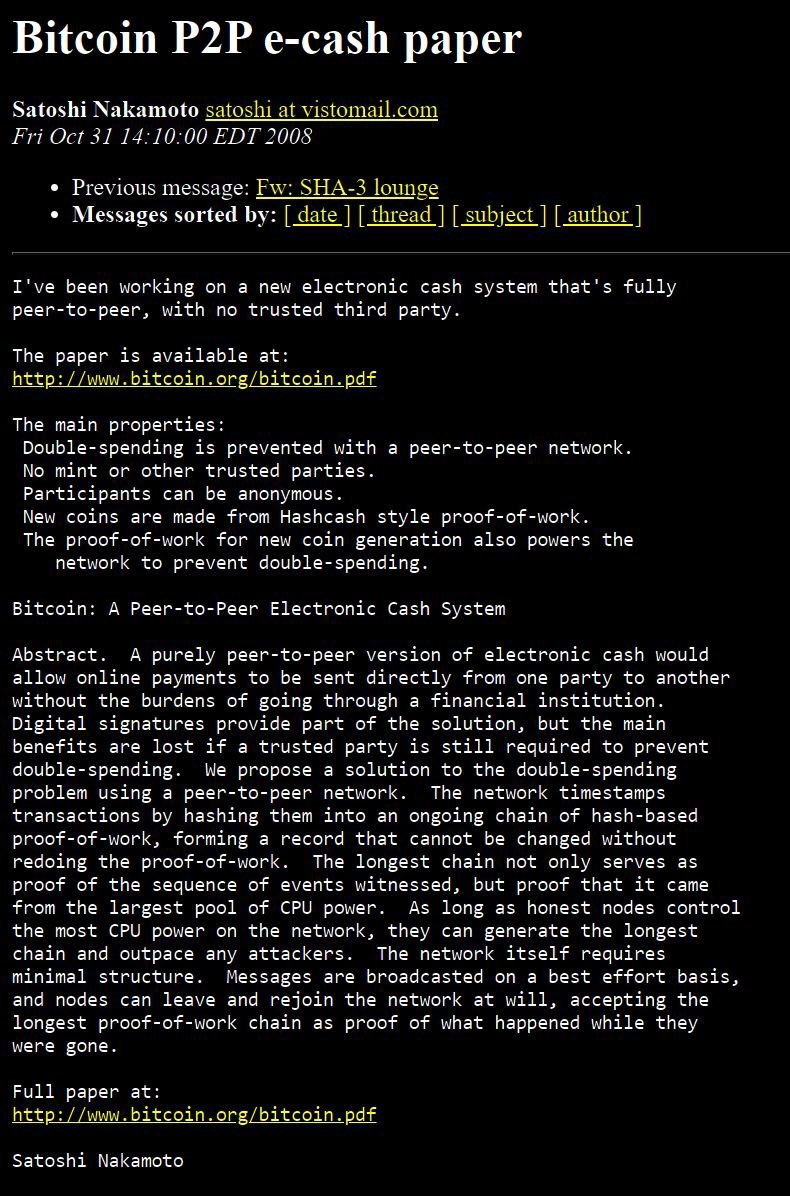
A single email changed the course of human history.
Trending Bitcoin tweet media
English
7
51
160
3.7K
itsored retweetledi
Polymarket
Polymarket@Polymarket·
We're excited to announce 'The Situation Room' by Polymarket is coming to Washington, D.C. The world's first bar dedicated to monitoring the situation. 🧵
Polymarket tweet media
English
1.6K
2.3K
27.2K
33M
itsored retweetledi
Dotpay
Dotpay@DotpayDeFi·
Why we chose @arbitrum for Dotpay and why we’re building toward our own Layer 3. Most people think chain choice is about hype. For payments, it’s about cost, control, and reliability. 🧵
English
2
7
9
112
itsored retweetledi
RWA Foundation
RWA Foundation@RWAFoundation_·
Real world assets include things like: real estate, private credit, government bonds / T-bills, corporate bonds, commodities like gold or oil, equities / stocks, invoices and trade finance, revenue streams, funds, carbon credits, infrastructure projects, reinsurance, collectibles, and sometimes things like solar farms or other cash-flow-generating physical assets. The important part isn’t just what can be tokenized, it’s how it’s structured, verified, and made accessible onchain.
English
13
11
74
2.2K
itsored
itsored@itsored·
@grahamfergs I guess a bull market is a market of opportunities too?? Just that in bear we won't need it
English
0
0
0
18
itsored retweetledi
Graham Ferguson
Graham Ferguson@grahamfergs·
If what you’re building is only relevant in a bull market, you should probably build something else.
English
9
4
57
2.6K
itsored
itsored@itsored·
@Defi_Warhol I guess it's all being at the edge, AI and Crypto are the fastest moving tech because of new tech disruption every second
English
0
0
0
22
DeFi Warhol
DeFi Warhol@Defi_Warhol·
Most revenue in crypto sits with 2-3 major players in each vertical. I actually think that’s healthy. Look at GPU's, AI, email, or social media. A few names usually dominate for a while, but that changes once a better product shows up. I mapped out the main crypto verticals and how concentrated they are ↓
DeFi Warhol tweet media
0xngmi@0xngmi

In many defi sectors almost all revenue is captured by the top 2 market participants, basically most crypto verticals are turning into duopolies credit to @joeljohn (based on defillama data)

English
30
26
150
14.2K
milian
milian@milianstx·
One of the more misleading marketing claims in crypto comes from instant cryptocurrency exchanges. ChangeNOW, Changelly, SimpleSwap, and the like. Calling themselves “non-custodial” while literally taking custody of funds during execution does not make sense. You send funds to an address they control. From that point, control over the transaction flow is no longer yours. They can freeze funds, delay execution, request KYC mid-swap, or in some cases, retain the funds entirely. No account ≠ non-custodial. Temporary custody is still custody. And if you’re not willing to provide KYC, proof of funds, or proof of address if requested, or if the exchange has gone rogue, “temporary custody” can quickly become indefinite. I understand the intent behind “non-custodial” may be to distinguish from exchanges that hold user balances between trades, but it’s not the right term for what is actually happening.
English
39
16
181
16K
itsored
itsored@itsored·
@ZeusRWA Well articulated breakdown, learnt a ton. Thanks
English
0
0
1
12
Zeus
Zeus@ZeusRWA·
Neo Finance is banking rebuilt on new rails. On the surface, nothing changes. You still see payments, wallets, FX, lending, treasury, investments. Under the hood, everything does. Traditional banks rely on centralised ledgers, batch settlement and reconciliation, and fragmented payment and FX systems. Neo Finance replaces that with blockchains as shared, real-time ledgers, wallets instead of accounts, and smart contracts for settlement, treasury, and lending.
Zeus@ZeusRWA

x.com/i/article/2033…

English
11
9
64
2K
itsored retweetledi
Tech Tafari
Tech Tafari@tech_tafari·
M-Pesa is arguably the greatest fintech innovation in East Africa. It built an entire economy, powered inclusion, and changed lives like nothing else. Massive respect to @SafaricomPLC. The Daraja API "go live" process is still way too steep. You need a fully approved Paybill/Shortcode, KRA docs, go-live letters…weeks of bureaucracy just to move from sandbox to real transactions. Contrast that with something like paystack: sign up, integrate in minutes, and you can start collecting real payments up to KES 600,000 (Starter tier) before full verification. That low-friction model actually supports rapid innovation, proper PoCs, and MVP testing. Worse still, callbacks are notoriously unreliable. Flaky sandbox behavior, silent failures that break transaction logic in prod. M-Pesa lacks real investment in DevRel & DX, lighter onboarding tiers, faster production activation, better docs, and community support. If they lowered the barrier even a little, the Kenyan/East African dev ecosystem would explode with apps built on M-Pesa.
English
21
53
188
13.5K
itsored retweetledi
Sandeep | CEO, Polygon Foundation (※,※)
F**k learning. I’m honestly tired of people coming to me saying, “I want to do something where I can enhance my learning and excel.” My answer is always the same: Stop trying to learn. Start doing. Learning is wildly overrated when it becomes an activity by itself. The people who become great at anything didn’t sit around trying to “learn.” They built things. Broke things. Tried things. Repeated things. Learning wasn’t the goal. It was the side-effect. So instead of asking: “What should I learn?” Ask: “What should I start doing today?” Do things you enjoy. Do things obsessively. Do things repeatedly. Learning will take care of itself.
English
169
124
1K
48.9K
itsored retweetledi
kepano
kepano@kepano·
your edge is whatever you know that the models don't know
English
191
460
4.2K
413.1K