IzzyDB
229 posts


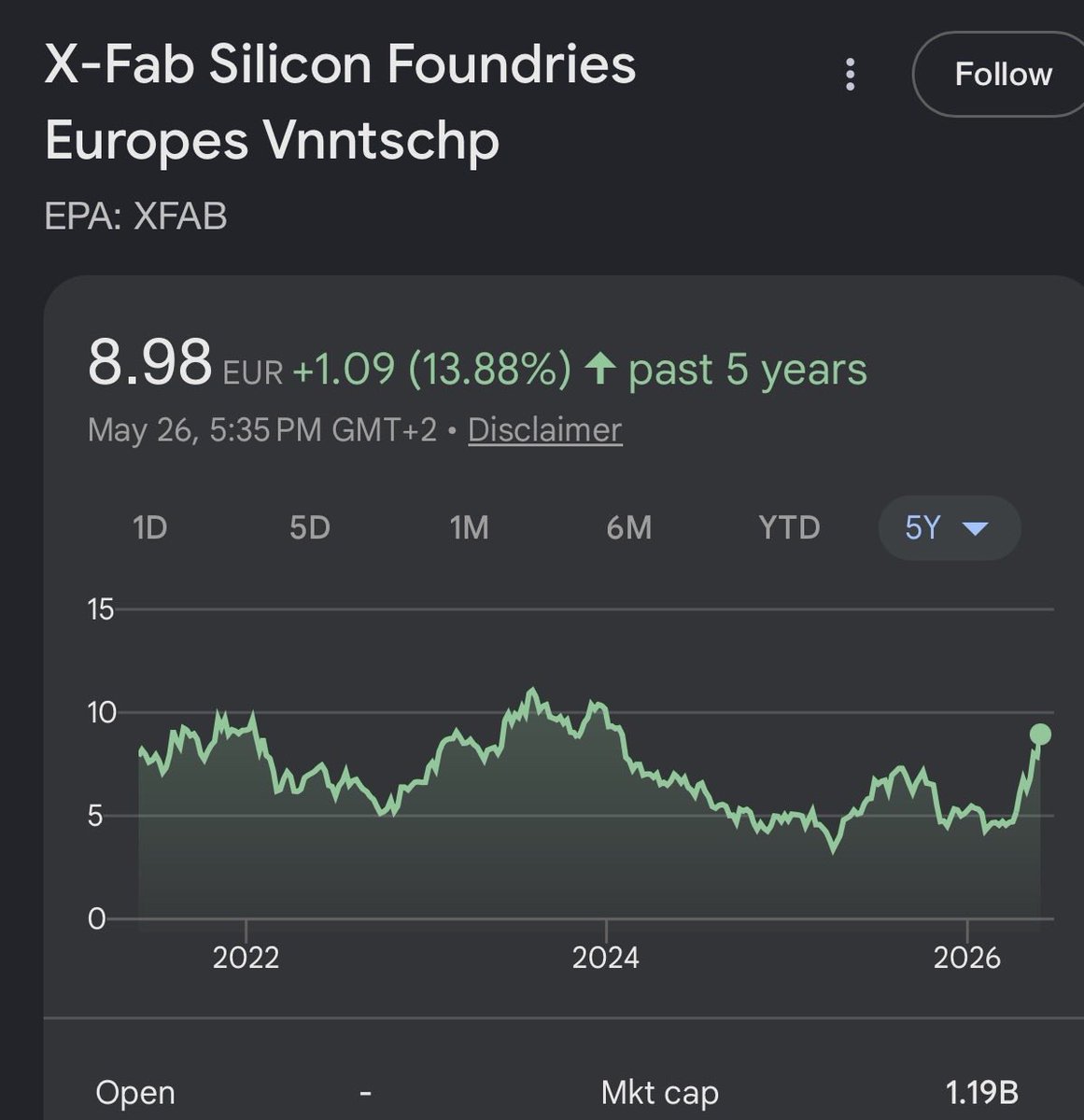
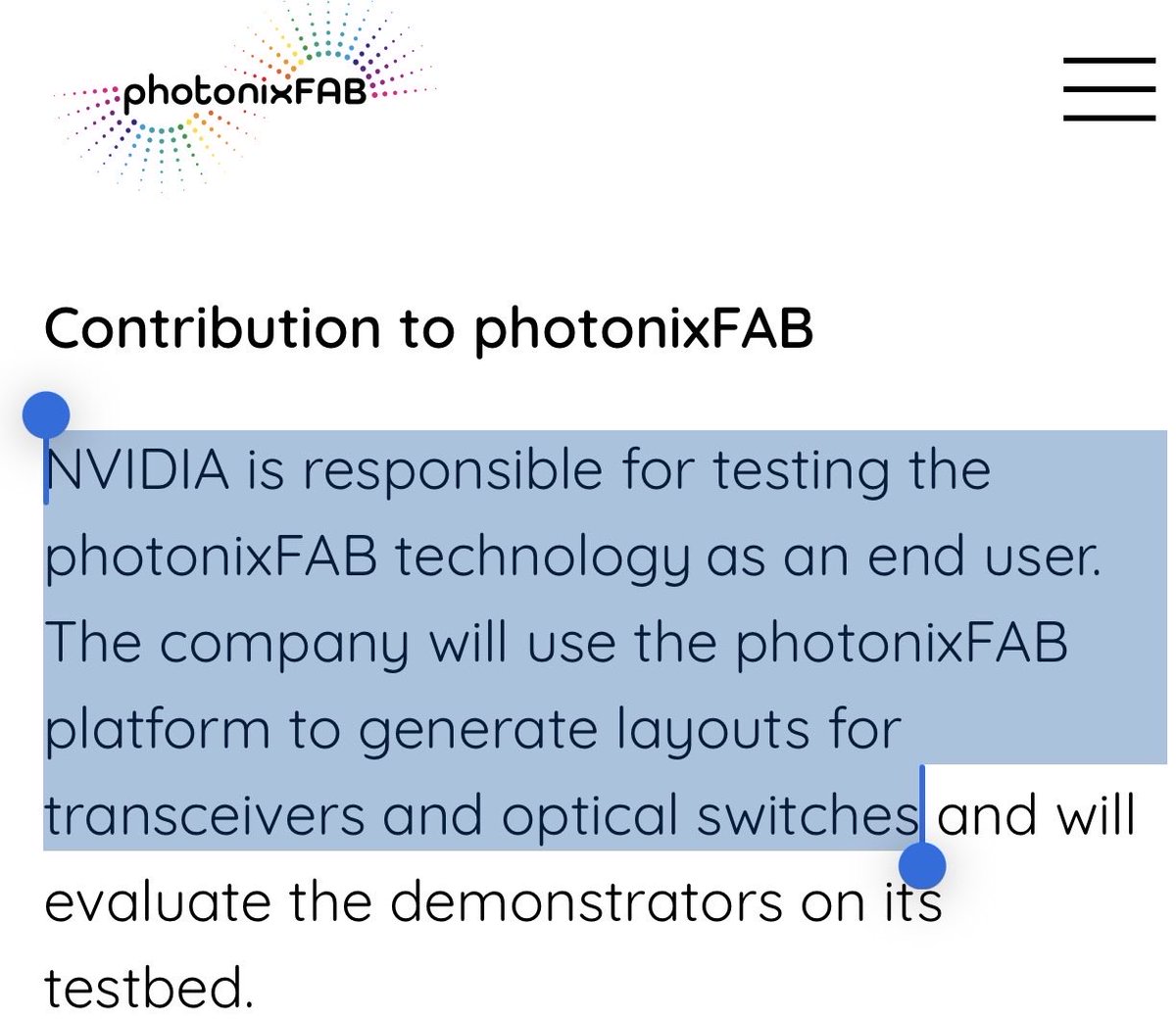
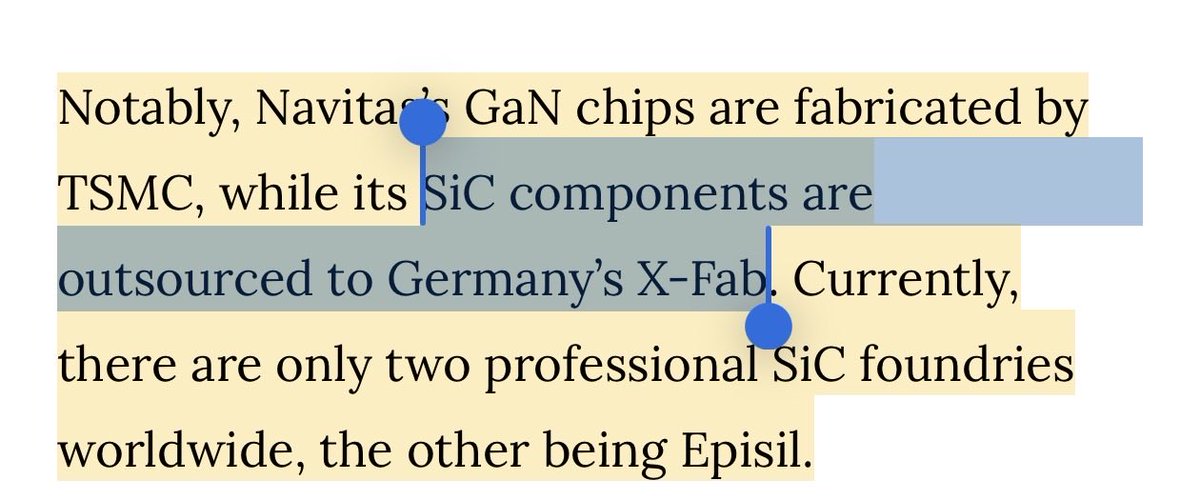
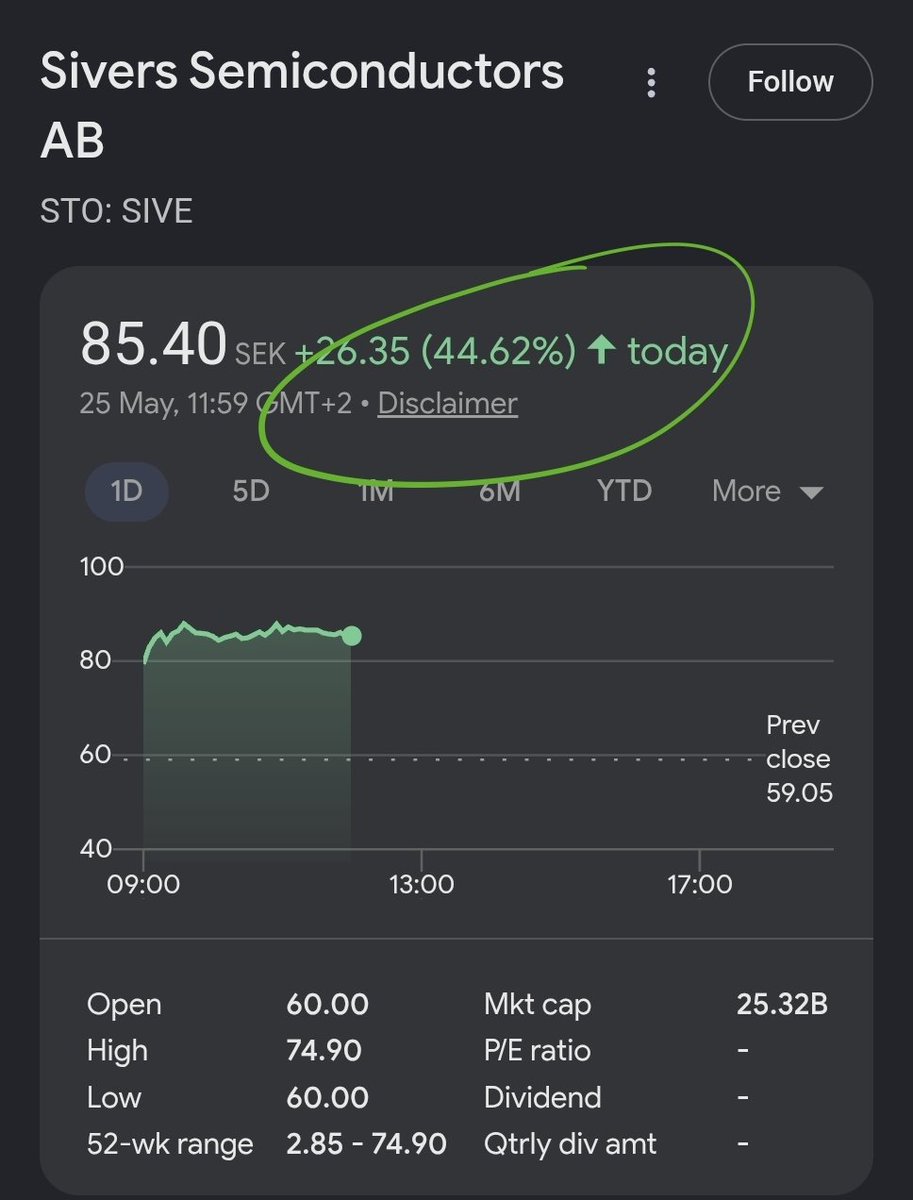
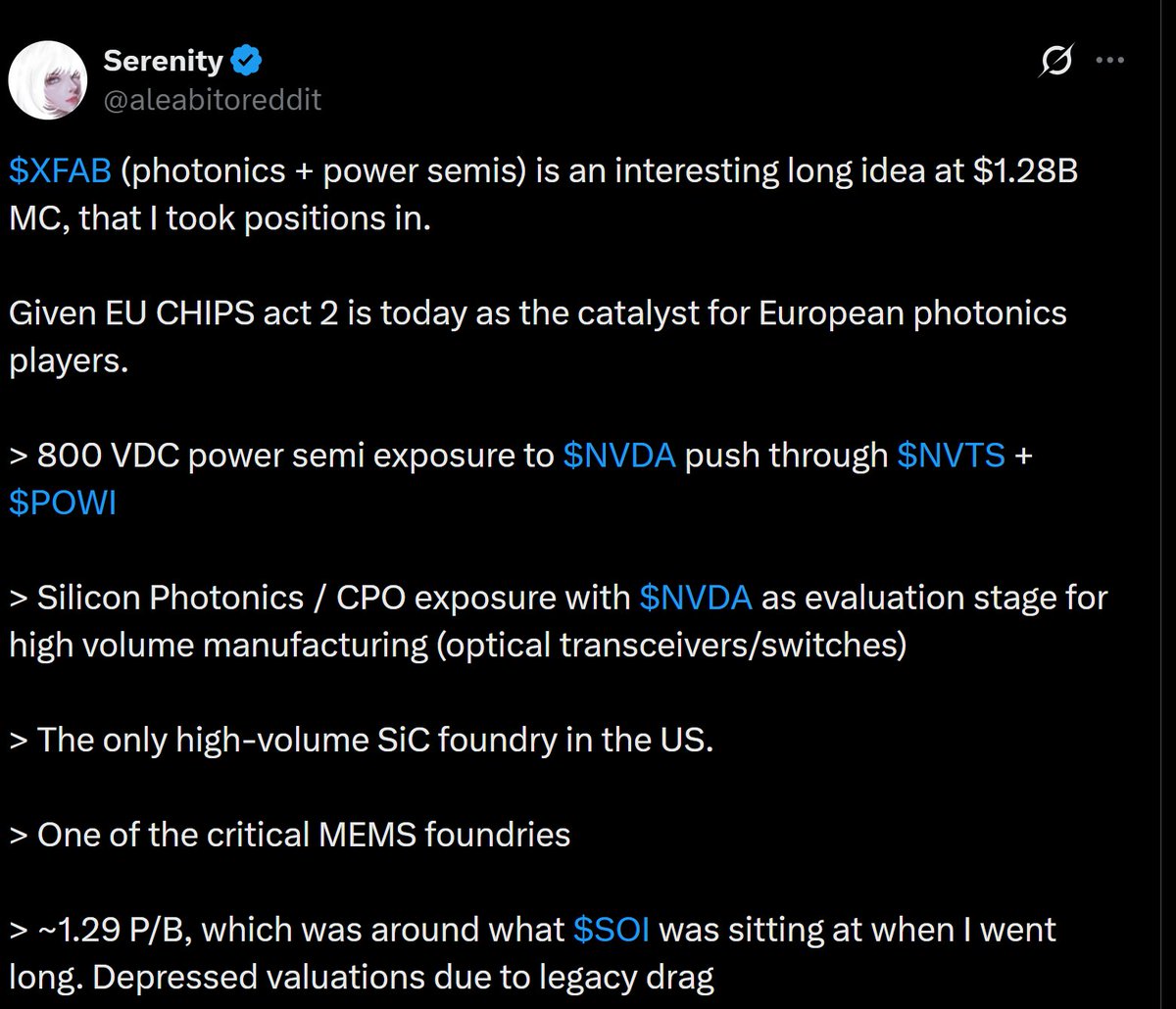
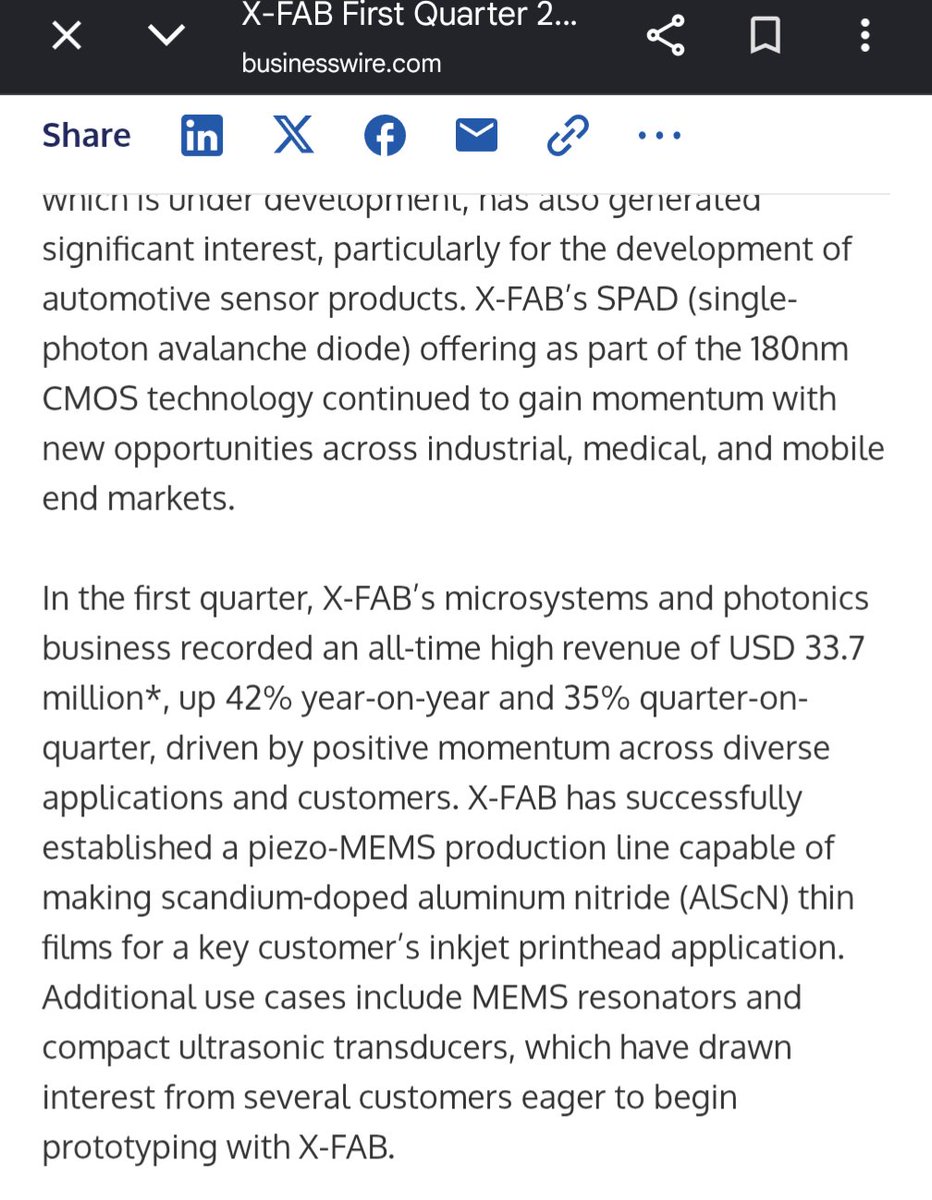
I was just about to tweet yesterday that this cowboy will release another small cap to cover for the decimation they know is coming with $SIVE It classic 101 of scam art. Deflection. Get this one pumping $XFAB so noone can complain about the dropoff in Sivers Youre warned!!


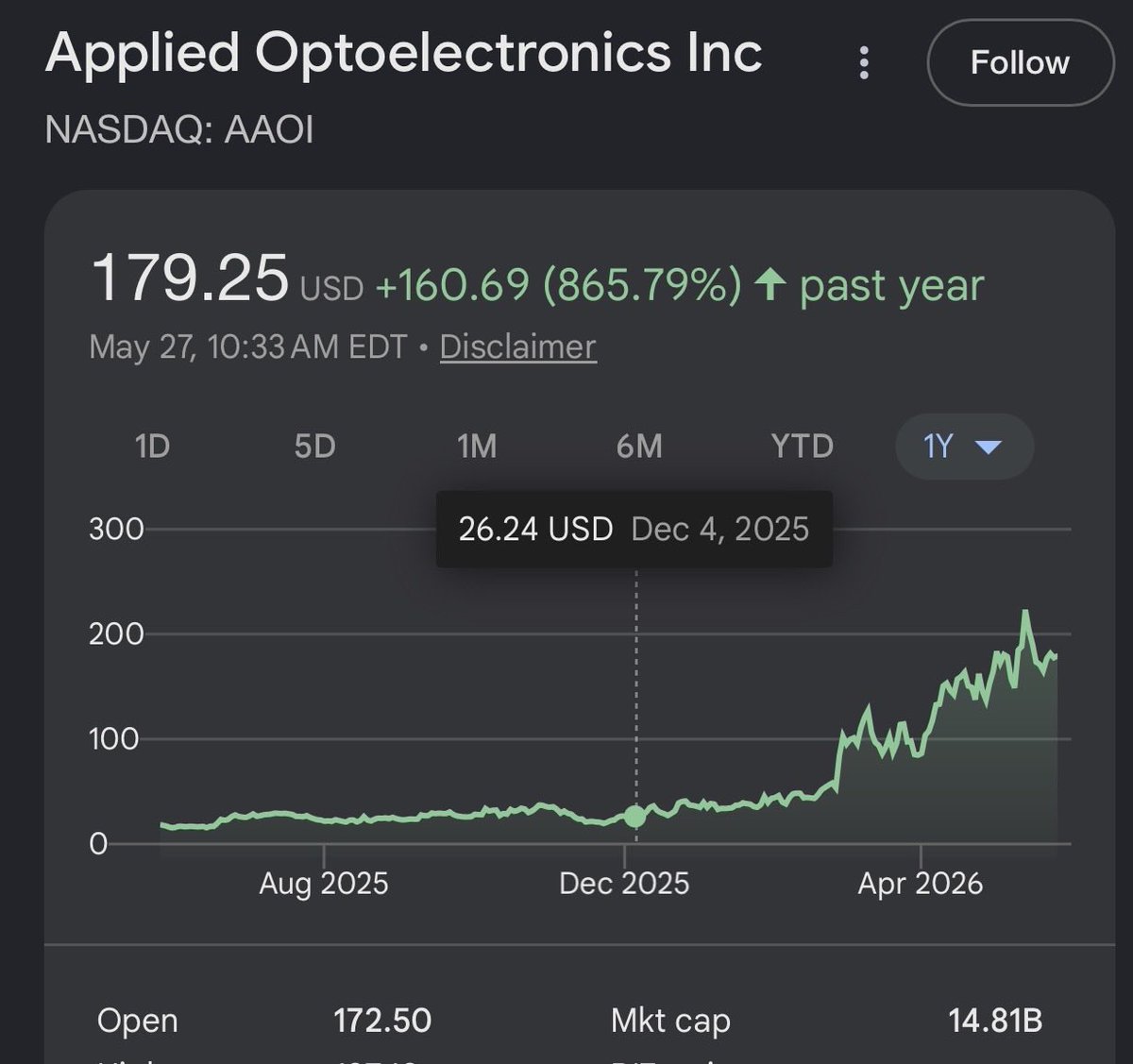
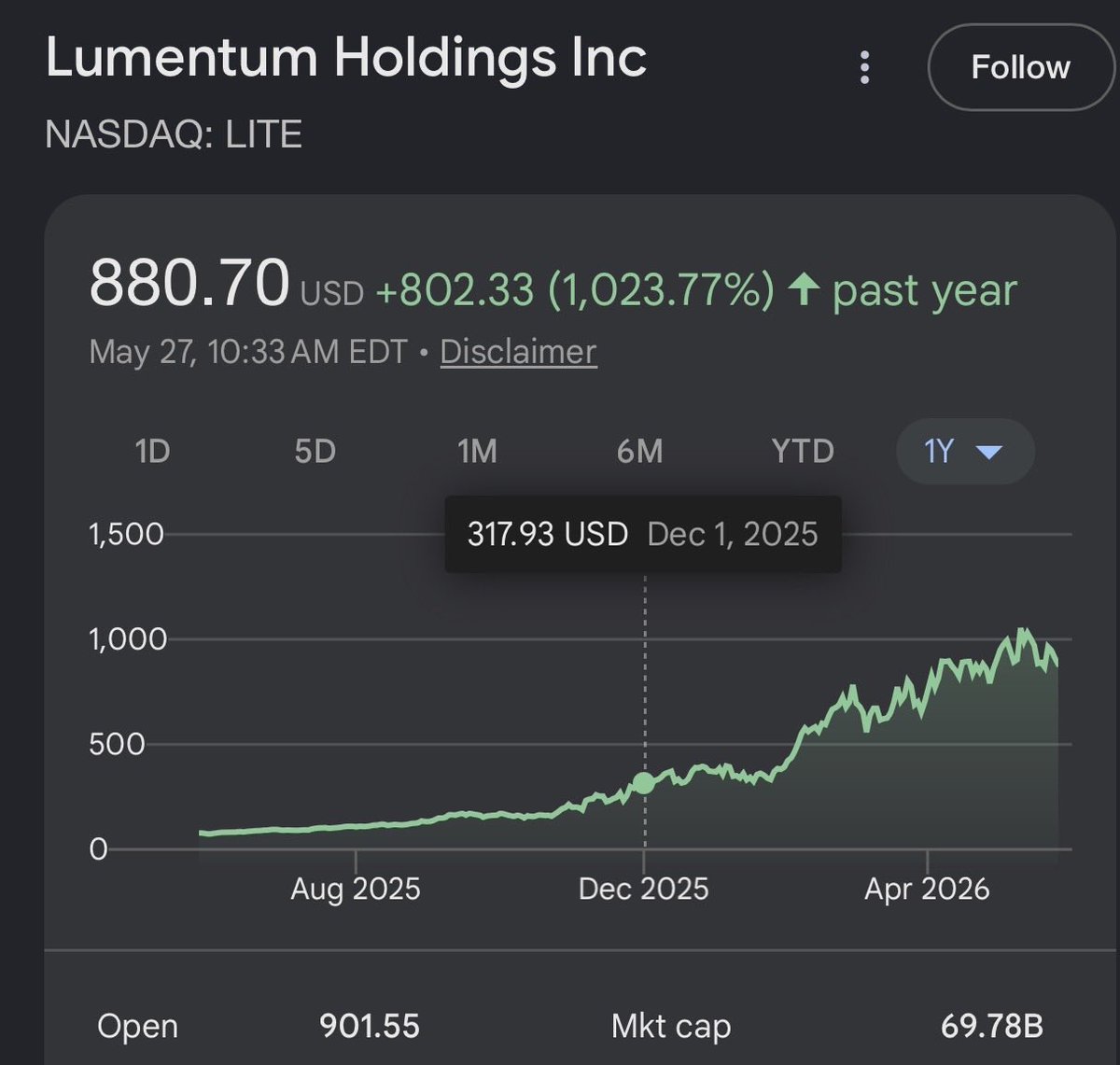
$AAOI is up 24% and $LITE is 5% since my thesis today. From BOM analysis, LITE ($27B) is levered toward TPU Ironwood due to OCS but benefits from NVDA + all ASICs. AAOI ($2.5B), is levered toward MSFT MAIA ramp and Amazon Trainium. InP like HBM, will be a bottleneck for 2026 as they’re the foundational materials used for lasers in these deployments. Similar to memory bottlenecks with Micron and SK Hynix, we’ll likely see attention drawn to InP fabs, such as $AAOI, which happens to be one of the sole ones in America (COHR,Macom) But compared to $LITE that is up 362% YTD due to the success of Google’s TPU (from Meta and Anthropic purchase orders), $AAOI is only up 7% YTD. We’re largely seeing this because there’s a lack of retail or media attention on the $AMZN Trainium or $MSFT Maia deployments, which are largely expected to ramp up in 2026-2027. However they’re all likely to succeed due to each hyperscaler wanting to lower costs of inference for their own cloud platform. If we see other hyperscalers adopt OCS for optimized performance that the TPU achieved, expect $LITE to re-rate more than they have now given their monopoly in that specific segment. However, if we see $MSFT Maia ramp up (given $AAOI is likely developing a new architecture for them), and $AMZN Trainium ramp up ($4B warrant + purchase orders), expect $AAOI to rerate. Photonics and InP will be the new bottleneck like memory. We’ll likely see investments pour down stream to players like $COHR, Innolight, $LITE, and hidden levered plays on specific hyperscaler ASICs like $AAOI as a theme in 2026. The market is currently rewarding the Google TPU supply chain but might be missing other hyperscaler ASIC ramps.





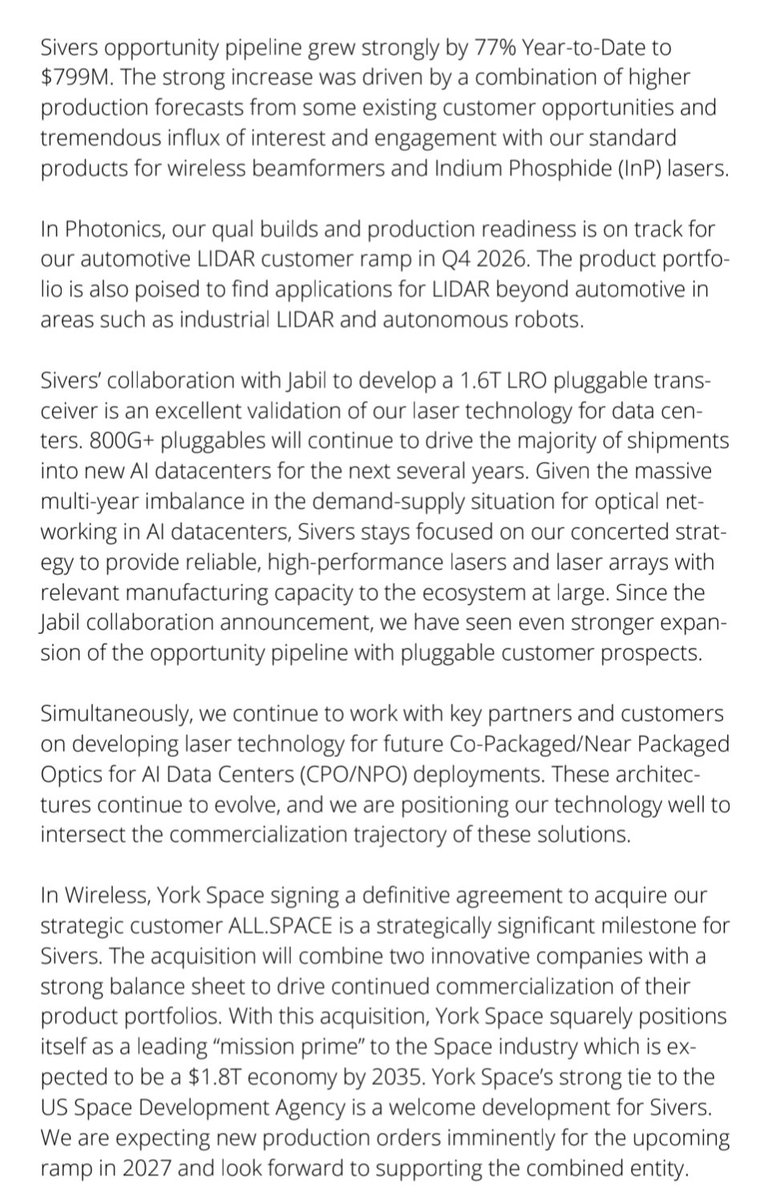

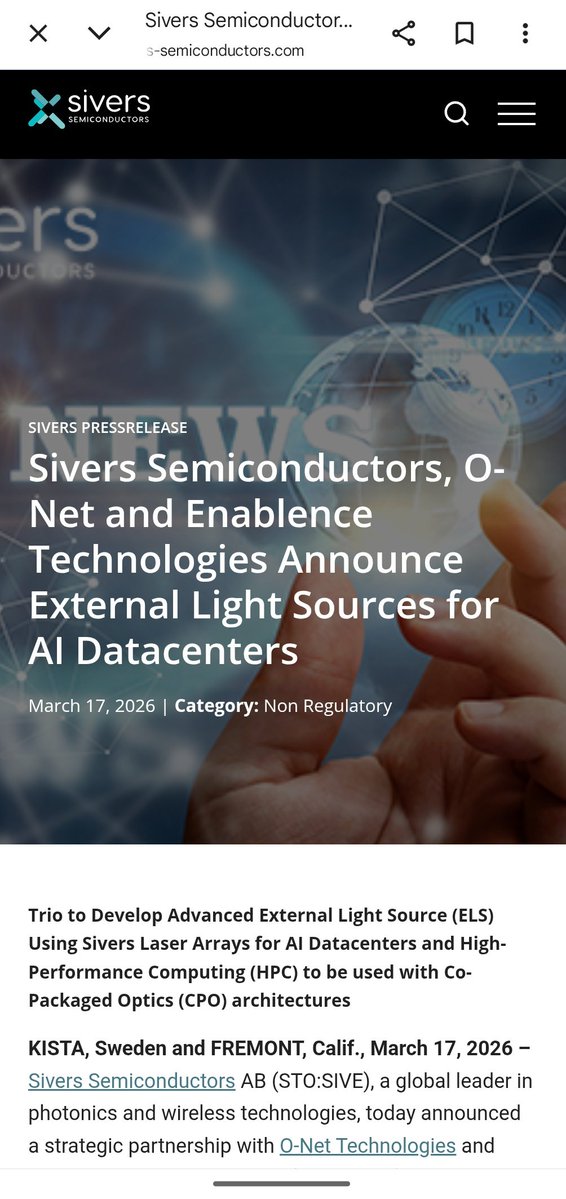





To be honest I do believe $SIVE can reach 80b market cap. It's in an exploding market and its peers have done it.... So what prevents them?


The accounts pumping (and inevitably dumping) $SIVE at ~$2.3b market cap have not done their one job as providers of investment research: showing the numbers. $SIVE had ~$33 million of revenue in 2025. 70% of it was their legacy wireless segment. The 30% of it that is photonics isn't purely data center, as that segment also includes LIDAR. A sub-division between the two categories is not given. So, yes, they have at most $10m in DC photonics revenue and trade at least 230x that revenue today. Now, of course, trailing revenue is a terrible way to value a photonics business, but we need an anchor somewhere with real numbers. $LITE give us plenty every single earnings call. 1. >$1b OCS run-rate in 2027. 2. Greensboro fab that supports >$5b of CPO revenue likely to be sold out. 3. $8b revenue run rate to be achieved in 18 months. $SIVE has not announced a single DC photonics *volume* purchase order or given any DC photonics revenue guidance. Not a single one, and I'm not kidding. The only anchor we have to go off of is that they had, at most, $10 million in data center photonics revenue in 2025, most likely far less. What CAGR is needed to justify their current $2.3 billion market cap?
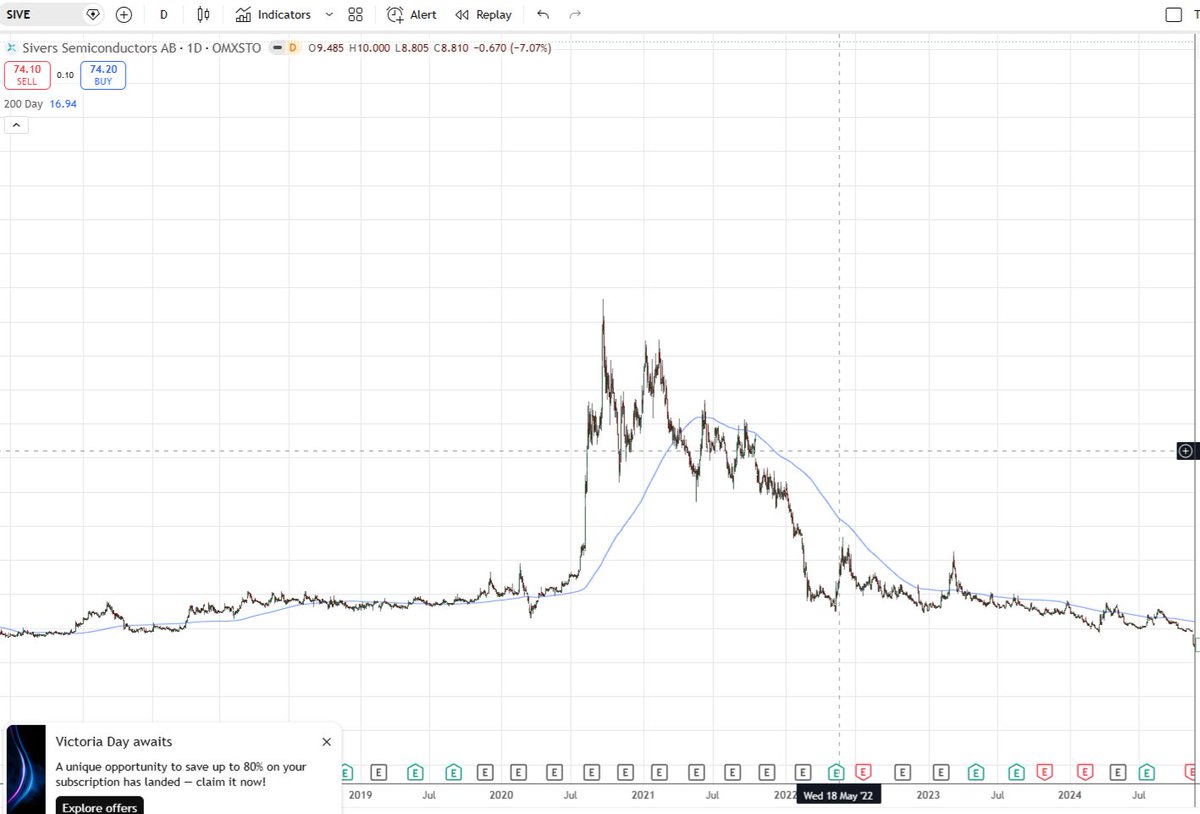
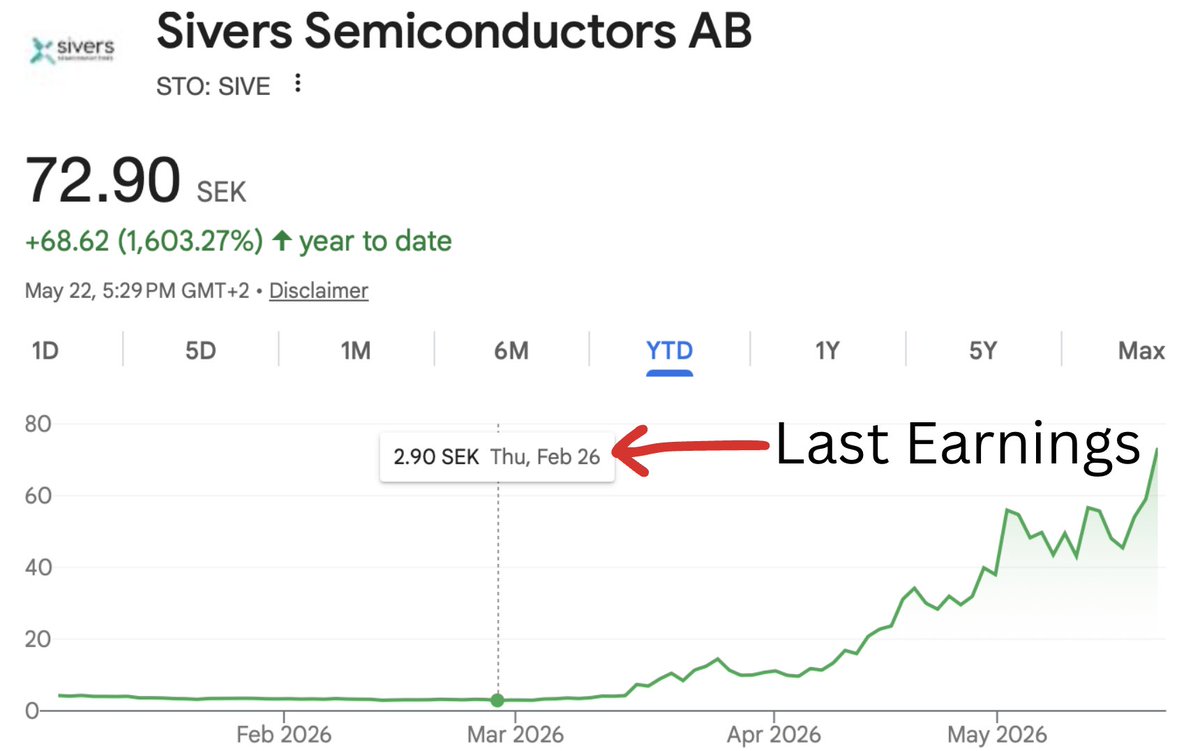

" $SIVE can reach $80b because $LITE is $80b" has to be the dumbest and most dangerous investment thesis ever. People will lose their savings listening to all this misinformation. It's sad and needs to stop (I am starting an anti $SIVE crusade). 1. $SIVE is not a bottleneck (despite it being the poster child of the photonics bottleneck craze). A bottleneck, by definition, must be the company that constrains the production of a massive downstream industry. To constrain production, you must both own hard physical assets and hold a dominant market share position. Sivers has neither. Sivers is a fabless design company that relies on WIN for Foundry services, and with revenues of ~$30 million, they hold near zero market share in the massive datacom laser industry. 2. Supply chain analysis is misleading. In semiconductors (or any industry producing a durable manufactured good) switching costs are near zero while process power, cornered resources, and scale dominate. Therefore, "who has a superior product" is far more important than "who supplies what to whom." CPO external light sources require quality lasers meeting noise (linewidth and RIN) and power (400mW+) specs. $SIVE lasers are far inferior to that of larger peers like $LITE. 3. $SIVE valuation is comically detached from reality. On NTM metrics, $LITE trades at 14x EV/Revenue and 32x EV/EBITDA while $SIVE trades at 50x and 650x (!!) those same metrics. As a permanent AI infra bull, I fully agree that consensus is too conservative; however, they are not off by two orders of magnitude. The misinformation needs to stop. Let's help actually help retail understand what they own.