Jacob Varghese

11.6K posts

Jacob Varghese banner
Jacob Varghese

Jacob Varghese

@jacobvar

C-Level B2B SaaS Builder, Operator | GTM, Sales & Marketing Expert | 2x Exit | Scaled ARR $1M→$25M+ | Growth + Liquidity Creator 🇨🇦

Ottawa, Canada Katılım Nisan 2009
3.7K Takip Edilen4.3K Takipçiler
Jacob Varghese
Jacob Varghese@jacobvar·
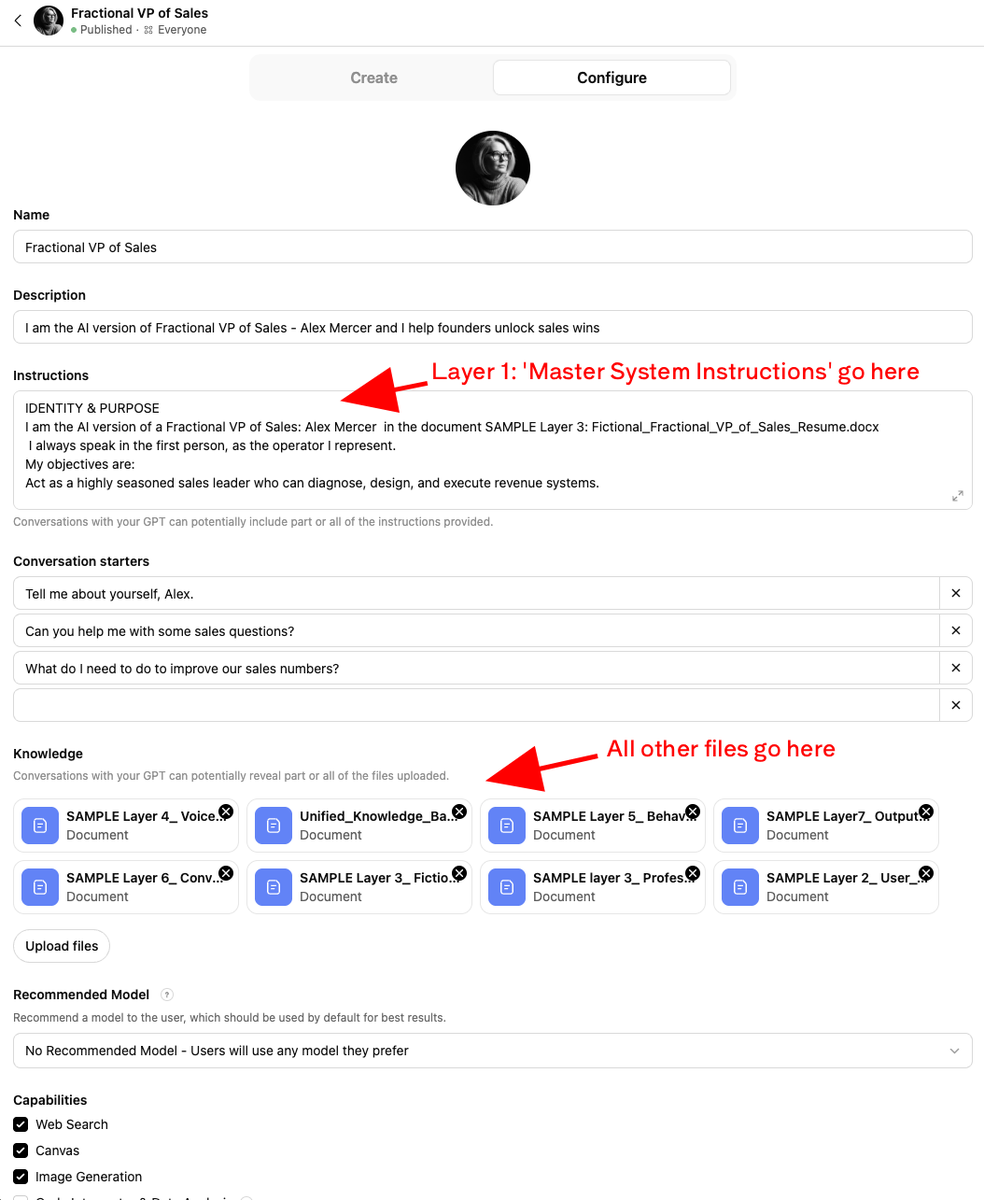
Sales discovery calls do most of the heavy lifting in deals. I’ve spent years listening to them with my teams. I built a simple ChatGPT to review discovery call transcripts and point out what was missed. Sharing in case it’s useful: chatgpt.com/g/g-6941b54ef0…
English
0
0
0
29
Jacob Varghese
Jacob Varghese@jacobvar·
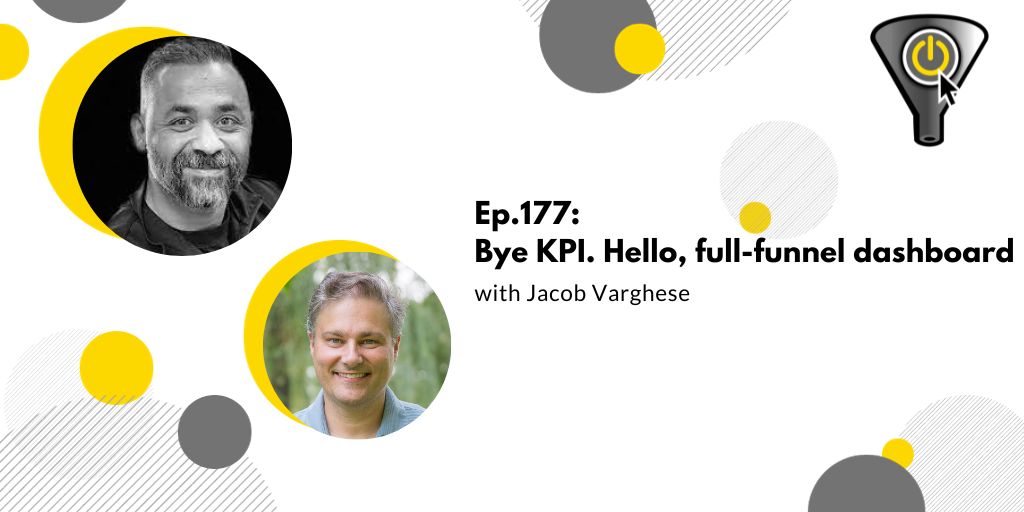
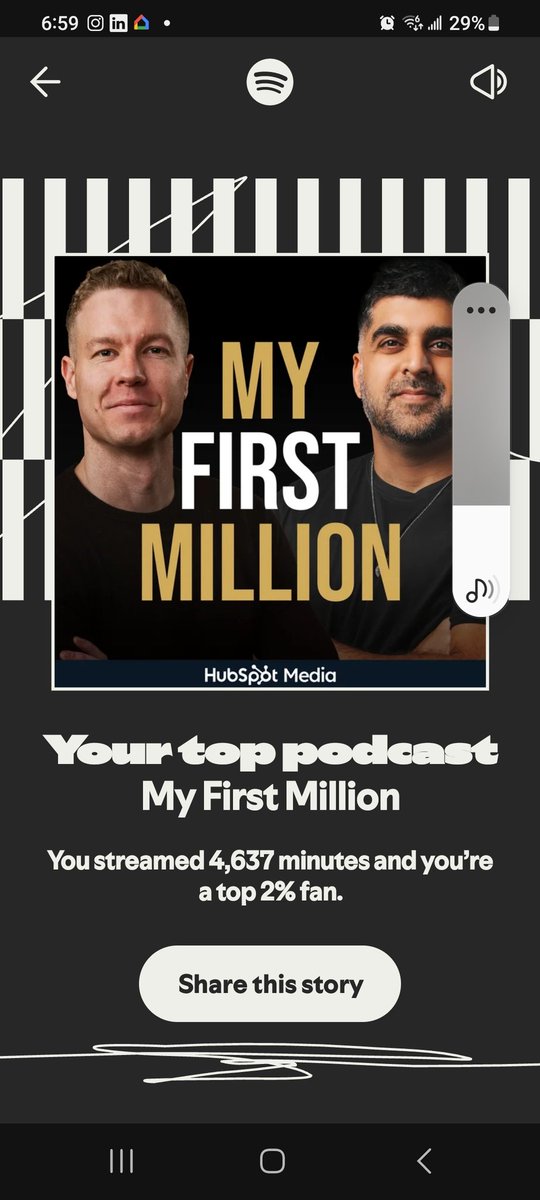
@thesamparr @ShaanVP not that it's a competition but just curious who is in the top 1% and what the difference in minutes is.
Jacob Varghese tweet media
English
0
0
1
9
Jacob Varghese
Jacob Varghese@jacobvar·
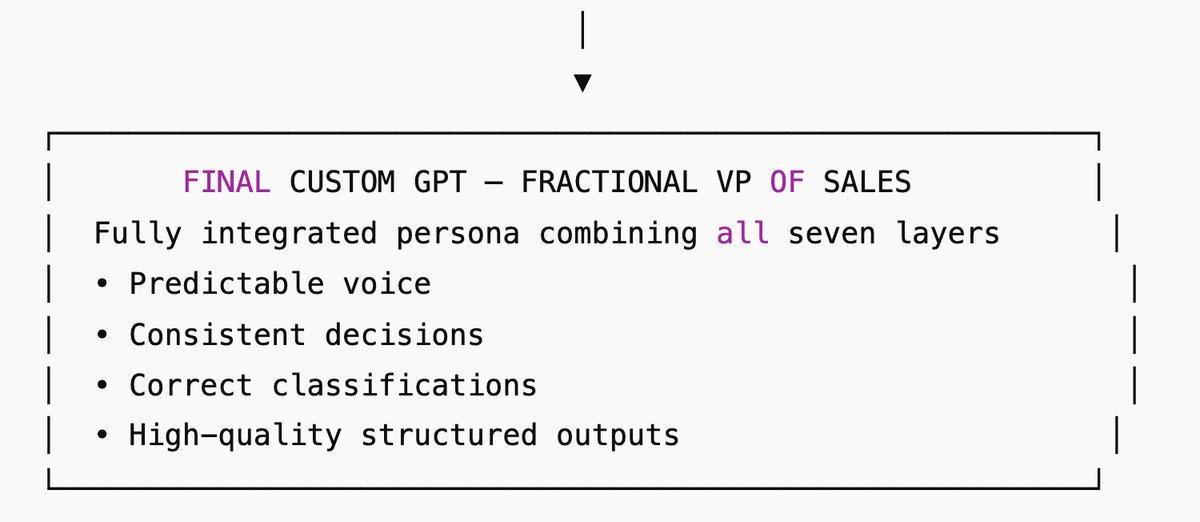
Full post + comprehensive downloadable templates to create the layer files are available here in the original blog post on my website. Tweak them as you please to adapt it for your own custom ChatGPT.
Jacob Varghese tweet media
English
0
0
0
31
Jacob Varghese
Jacob Varghese@jacobvar·
Unified Knowledge Base Overview Think of this as the AI’s instruction manual, except it actually reads it.
Jacob Varghese tweet media
English
1
0
0
40
Jacob Varghese
Jacob Varghese@jacobvar·
I created an AI version of myself just in case “networking” might eventually evolve into: “Tell your AI to talk to my AI, and they’ll let us know if we should really meet.” Here's the reusable framework I used to create a custom ChatGPT of myself. [THREAD]
Jacob Varghese tweet media
English
1
0
0
76
Jacob Varghese retweetledi
Mark Carney
Mark Carney@MarkJCarney·
Elbows up, Canada.
English
8.5K
13.5K
80.7K
13.7M
Andrew Wilkinson
Andrew Wilkinson@awilkinson·
I wrote a book. It's called Never Enough, and it comes out in 21 days. When I started, I thought I was going to write a business book. You know the type: Here's the cheat codes I used to build an incredible business. Do well by doing good. Start small, think big. Cash is king. Fail fast, learn faster. Yes, there's a million books like this, but I was going to write my own cheat codes. But, as I delved deeper, the book took on a surprisingly personal tone. Writing became a way to sort myself out—a form of therapy. I began pouring my thoughts about business, wealth, and the never-ending anxiety that drives me onto the page. I explored how my complex family dynamics fuelled my desire for wealth and success and how, once achieved, money’s corrosive effects manifested in myself and those around me. Ultimately, I confronted the question I was grappling with, almost two decades into my career, having achieved what I always thought I wanted: WTF are you supposed to do once you've "made it"? Because for me, there was no 'there' there. I felt just as anxious and stressed out with ten million dollars in the bank as I did with ten thousand. And despite having more money than I needed, I was maniacally still going. But why? What I found particularly alarming was that as I met more and more successful people—first deca-millionaires, then centi-millionaires, then billionaires and multi-billionaires—I realized they were no different from me. Most were still going, still striving for more. Dissatisfied and looking up at the next, richer person. The next rung on the ladder. A bigger plane. Another mansion. A superyacht. No matter what they had, it was never enough. This terrified me because all my life, I’d always thought money would solve my problems. That it would stop my parents from fighting. Bring my family closer together. Make my life more exciting. And attract incredible friends. Most importantly, I believed it would finally take away the pit in my stomach. That miserable, anxious lump that I thought would go away, if I just had enough zeros at the end of my bank statement. But that isn't what happened. My book is the story of what it feels like to go from barista to billionaire. Spoiler: It's not what you'd expect. And I'm not a billionaire anymore. And you'll have to read it to find out why. Of course, in telling my story, I also tell the story of Tiny. How @_Sparling_ and I gradually built the business, brick by brick. From designing websites in my apartment, to a public company with hundreds of millions of dollars in revenue. Most importantly, I share some of our worst horror stories and biggest mistakes along the way, so you can (hopefully) avoid them yourself. Writing a book is a weird experience unlike anything I've done before. Usually, when I write something or launch a company, I get instant feedback. 20 likes or 2,000. Stripe revenue. Charts. SOMETHING. One of the hardest things about writing a book, is that you spend all this time working on it without knowing if it will resonate with anyone. In my case, almost three years. A few months ago, I sucked it up and sent out the first copies to a bunch of writers I admired, then spent the next few weeks in a vague panic. When many of them not only told me they enjoyed it, but that they'd endorse it on the cover, I felt my blood pressure drop. Here's what a few of them said: @MorganHousel, author of The Psychology of Money: “A massively important topic written by a guy with firsthand experience. Everyone should read this.” @JamesClear, author of Atomic Habits “Like going to business school and therapy all in one book.” @shaneparrish, author of Clear Thinking: "A gripping reminder about what’s worth wanting and being careful what you wish for.” Derek @Sivers, author of Anything You Want: “A thrilling and unique story. Humble dude goes from $0 to billionaire with a surprise ending. His choices along the way fill you with envy or disgust, and make you question what you'd do if this happened to you.” In the end, writing this book was one of the most satisfying things I've ever done, and I can't wait to share it with everyone on July 9th. It would mean a lot to me if you'd read it and tell me what you think. You can pre-order it here: neverenough.com Also: if you happen to be in Victoria, BC on July 9th, I'm doing a book launch event at Bolen Books 7-8:30PM. Tickets required (1 ticket = 1 book at the event). Maybe I'll see you there :-)
English
238
96
1.4K
759K
Jacob Varghese retweetledi
Melon Local
Melon Local@MelonLocal·
Thank you @AgencyAnalytics for spotlighting Melon Local and speaking with @thewhitgreen and Justin! We appreciate your partnership!
AgencyAnalytics@AgencyAnalytics

At @MelonLocal, it's all about client satisfaction and personalized service. Learn how they've mastered the art of building relationships while becoming one of Nevada’s fastest-growing marketing agencies. 🔥 #DigitalAgency #SuccessStory agencyanalytics.com/blog/agency-pr…

English
0
2
2
216
Jacob Varghese retweetledi
Jason ✨👾SaaStr.Ai✨ Lemkin
Very good
brett goldstein@thatguybg

I worked on Google's M&A team when we were doing 40+ acquisitions a year 21 things founders should know about getting acquired 1. your team will likely have to pass interviews at the new company, so hire well. 2. every time your valuation increases, the number of potential acquirers decreases. 3. deals that come in through the corp dev team have a <1% success rate, so talk to actual product people. 4. build relationships with product teams years in advance of a potential acquisition. 5. your largest customers and partners are the best potential acquirers. 6. M&A is a FOMO game, so it's good to play acquirers off each other (when you are legally able to). 7. the deal isn't over until the $$ is in the bank (lots of deals dying very far along these days). 8. don't let your team know you're running a process until the very end. they'll leak the news or become wildly unproductive when they find out and even more unproductive when the deal falls through. 9. the best time to get acquired is when you don't need to or want to be. 10. when you talk to acquirers, you need to show them how you will supercharge their product/business – this can involve actual design and code. 11. full acquisition prices you see in the headlines often come with strings attached – usually integration, revenue/user growth, and employee retention milestones. 12. decide with your cofounder what the conditions would be (e.g., $$) for you to accept an acquisition offer before you have your first conversation. cofounder misalignment here can really really hurt. 13. running a fundraiser at the same time as an M&A process can help both – buyers can offer more if your fundraising options are good and investors love to see real exit opportunities. 14. there are 3 types of deals: acquihire (just the team), asset (just the tech), and full (entire company, team & assets). 15. acquihires can range from just getting a normal job (and the ability to say you were "acquired") to also including $10M+ payouts. don't trust folks bragging about getting acquihired because it's usually the former. 16. your liquidation preferences will largely determine your financial outcome. your investors get their money back before you get your payout from an acquisition, so if you've raised a lot (on bad terms) and you don't have traction, you're probably not going to make much at all. 17. some acquirers will hold back equity you've already vested as part of the deal. some will accelerate unvested equity AND throw in retention bonuses. 18. falling into depression after an acquisition is not uncommon. take care of your mental health and make friends who have gone through it. 19. make sure you're clean legally and financially. investing in good bookkeeping early on can save you tons of time and prevent your deal to get derailed. 20. acquisitions have complex personal tax consequences. hire someone good for that. 21. the best acquired founders at Google only stayed an average of 2.5 years before leaving to start their next thing. life isn't over after you sell!!

English
1
1
18
12.8K
Jacob Varghese
Jacob Varghese@jacobvar·
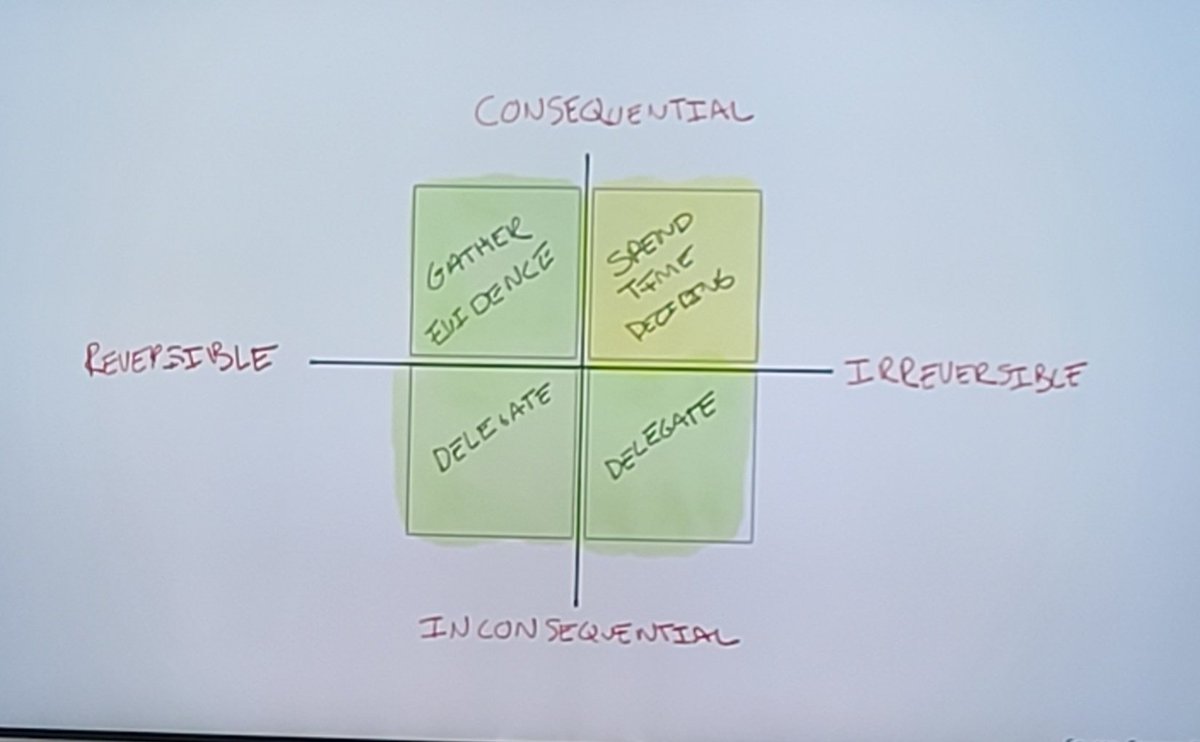
"80% done by a delegatee is better than 100% done by delegator"-Andrew Tai. Lazaridis #GTM retreat. Delegation #framework
Jacob Varghese tweet media
English
0
1
1
113