🌊🇯🇵

1.3K posts

🌊🇯🇵 banner
🌊🇯🇵

🌊🇯🇵

@jakeroot

Transportation geek.

Japan Katılım Mayıs 2009
201 Takip Edilen70 Takipçiler
🌊🇯🇵 retweetledi
no context memes
no context memes@nocontextmemes·
ZXX
55
1.6K
13.2K
318.5K
🌊🇯🇵 retweetledi
もじゃクッキー
もじゃクッキー@mojacookie·
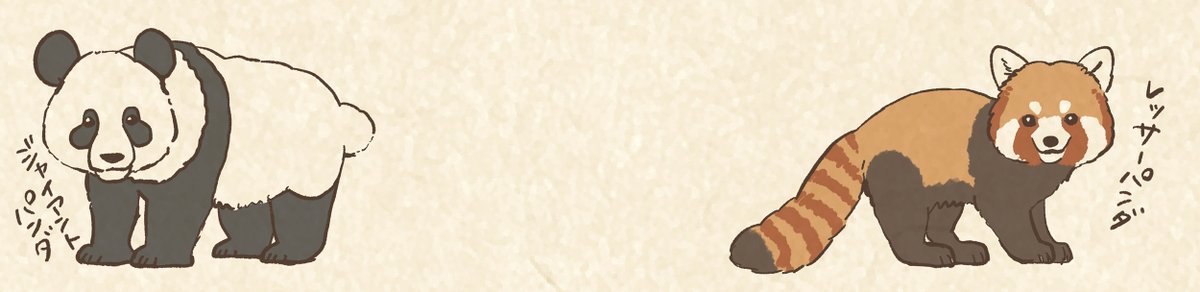
しっぽ しっぽ だ〜れだ?
もじゃクッキー tweet mediaもじゃクッキー tweet mediaもじゃクッキー tweet mediaもじゃクッキー tweet media
日本語
108
2.7K
54.2K
2.6M
🌊🇯🇵 retweetledi
ダンゴムシマン
ダンゴムシマン@dangomushi_man_·
オォン!!!!!!!!!
ダンゴムシマン tweet mediaダンゴムシマン tweet mediaダンゴムシマン tweet mediaダンゴムシマン tweet media
日本語
427
9.4K
155.3K
15.5M
🌊🇯🇵 retweetledi
Insider Paper
Insider Paper@TheInsiderPaper·
WATCH - Big fight breaks out inside Poland’s Wroclaw Zoo
English
471
6.2K
59.4K
10.8M
🌊🇯🇵 retweetledi
Russ McSpadden
Russ McSpadden@PeccaryNotPig·
Just a coyote howling from the rooftop of a car in Tucson, Ariz.
English
445
7.6K
62.6K
19.9M
🌊🇯🇵
🌊🇯🇵@jakeroot·
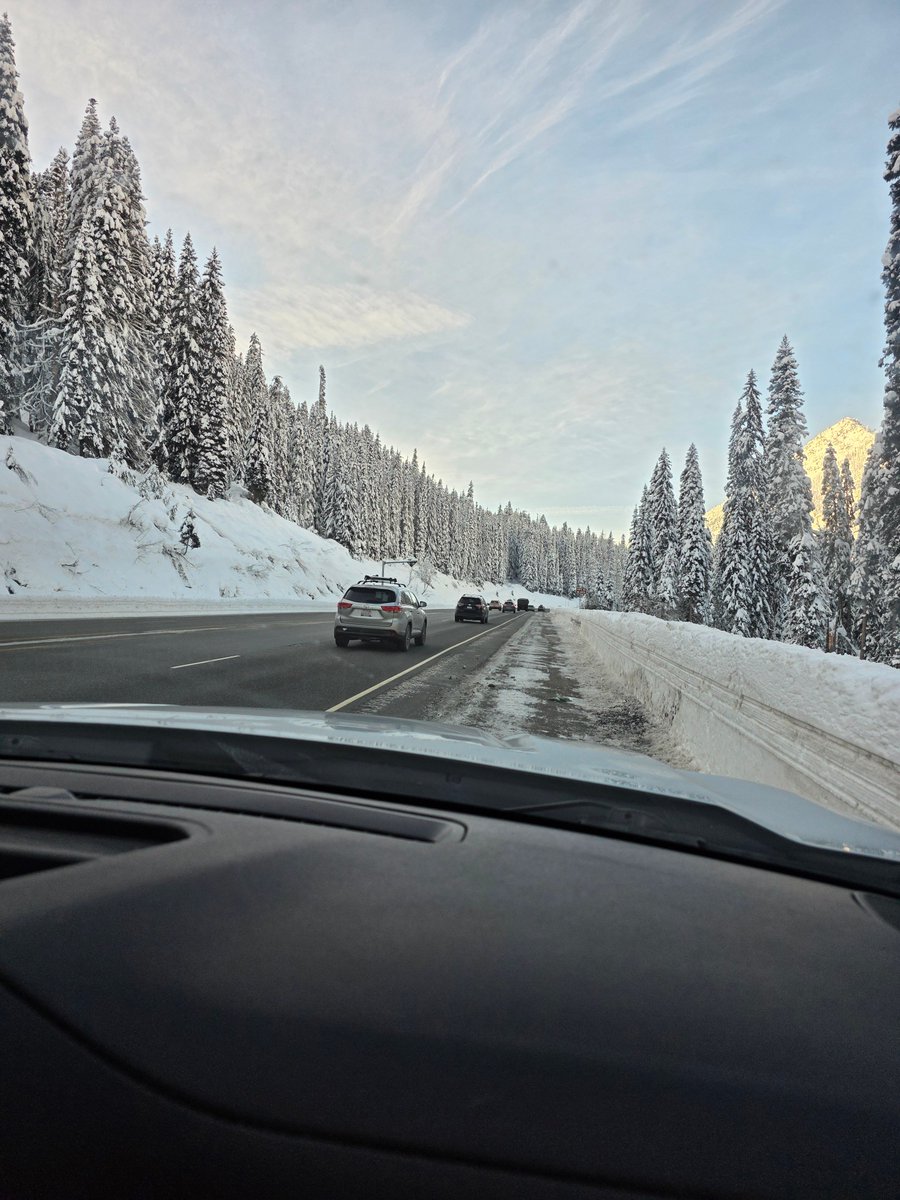
@CuriosACStewart @WSDOT_East @wsdot @wspd6pio With you, drivers must follow pilot cars. But it’s not entirely obvious, at least from WSDOT photos, what is going on. And those one in a hundred who don’t know what’s going on might try and pass when they shouldn’t. WSDOT shouldn’t assume drivers will follow an orderly line.
English
0
0
0
89
Alex C Stewart
Alex C Stewart@CuriosACStewart·
@jakeroot @WSDOT_East @wsdot @wspd6pio I've followed pilot cars down Steven's Pass. They are there for the purpose of getting you up or down in compromised situations. It only makes sense to stay behind pilot cars. You don't know why lanes not coned off. Best to follow & appreciate ability to get up & down mountain.
English
1
0
0
102
WSDOT East
WSDOT East@WSDOT_East·
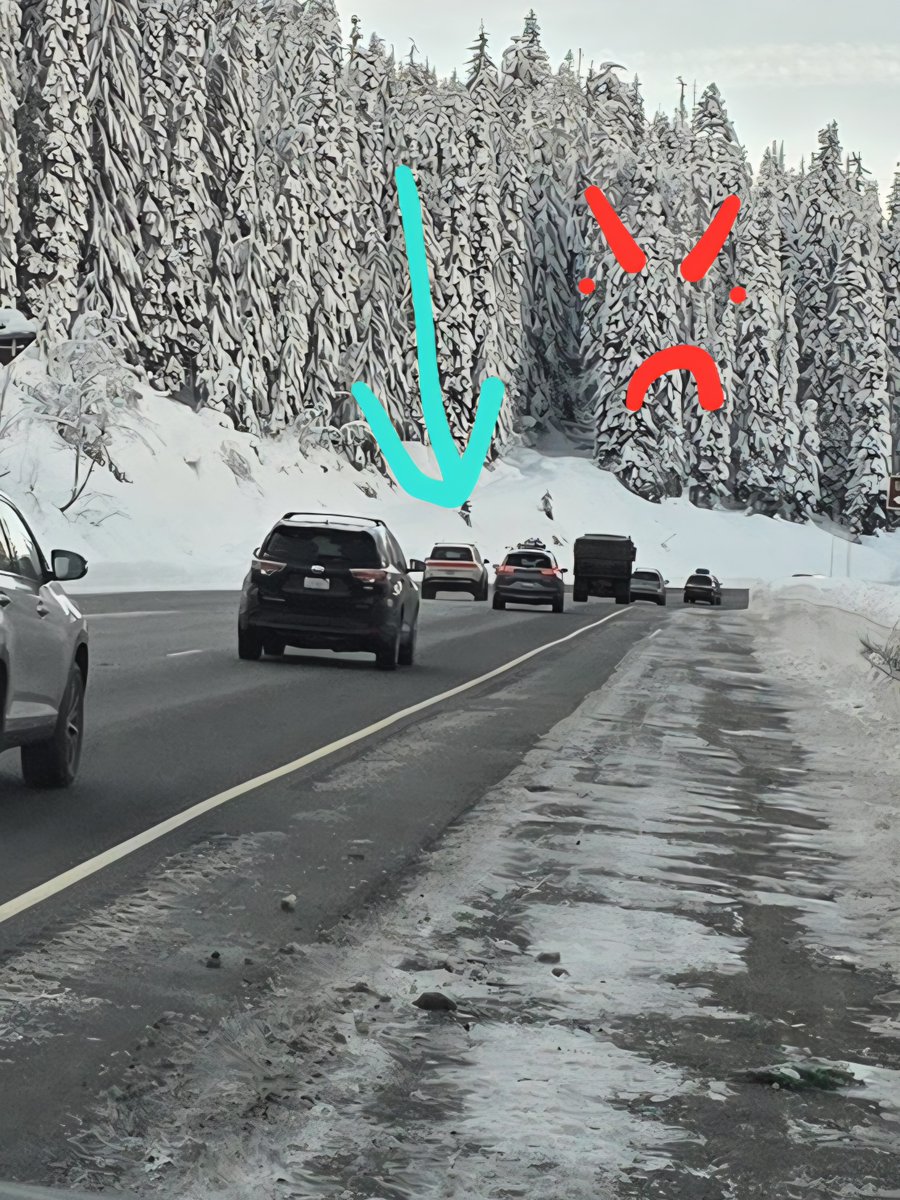
Visiting US 2 Stevens, hearing multiple reports of cars passing the pilot car line and within 2 minutes see this rude move by an inconsiderate driver doing just that. This isn't just obnoxious, it is unsafe. You are endangering crews and fellow travelers. Just don't. @wspd6pio
WSDOT East tweet mediaWSDOT East tweet media
English
55
51
472
52.3K
lander
lander@landaire·
@jakeroot @billybaroo1989 @WSDOT_East @wsdot @wspd6pio For what it’s worth though I agree that signage and/or lane closure that makes it clear this is not permittable would probably go a long way if not already present. The type of people who know the RCWs are likely to not do this to begin with.
English
1
0
9
1.1K
🌊🇯🇵
🌊🇯🇵@jakeroot·
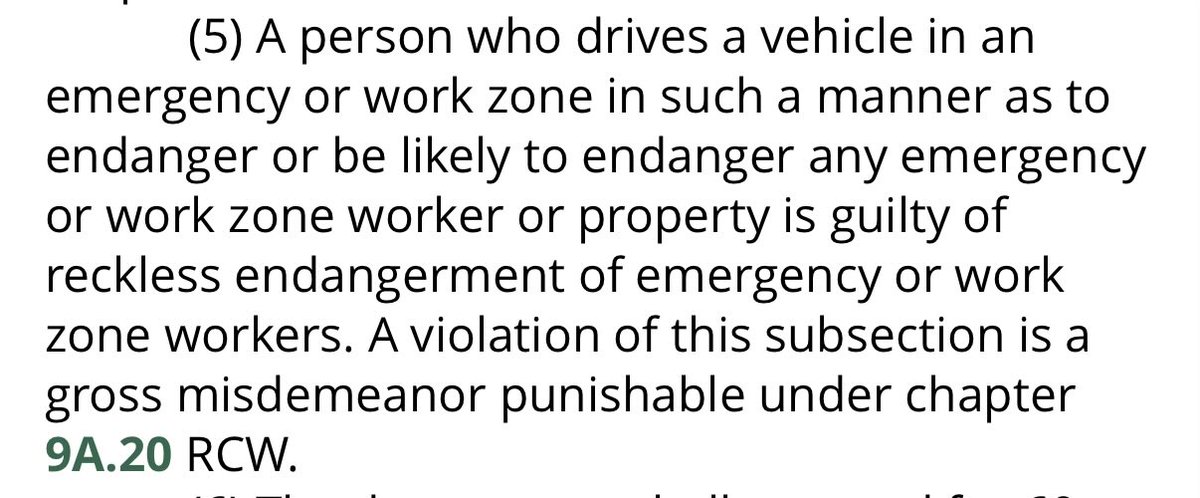
@DavidInPuyallup @WSDOT_East @wsdot @wspd6pio That RCW makes zero mention of overtaking or passing. Section (4) could be used to implicate a driver overtaking another, but that’s still only a maybe. The best thing would be to prevent it entirely by closing the lane.
English
0
0
0
110
David
David@DavidInPuyallup·
If you are behind a pilot car or escort vehicle that is controlling traffic (common in construction zones), you are not allowed to pass other vehicles in that line, even if you don’t pass the pilot car itself.RCW 46.61.527 This section gives the State authority over construction zone traffic control devices (signs, cones, lane redirects)In a construction or controlled traffic situation, failing to obey traffic control devices (signs, flaggers, pilot cars) can lead to: A traffic infraction or Charges like reckless driving under RCW 46.61.500 (if your actions show a wanton disregard for safety)
English
1
0
5
155
🌊🇯🇵
🌊🇯🇵@jakeroot·
@NEWSGUYSULLY @WSDOT_East @wsdot @wspd6pio WSDOT’s post doesn’t say anything about passing a pilot car. It implies (poorly) that drivers are passing each other within the line behind the pilot car. Yeah, it’s rude, but an open lane is likely to be used by some drivers to pass other drivers. As we can see in the photos.
English
0
0
0
70
🌊🇯🇵
🌊🇯🇵@jakeroot·
@NEWSGUYSULLY @WSDOT_East @wsdot @wspd6pio Sully, I’ve been a big fan of yours for a long time. Great journalism. So maybe you can ask WSDOT why they haven’t closed the lane. That’s a huge miss on their part. They’re creating needless hazards.
English
3
0
0
166
🌊🇯🇵
🌊🇯🇵@jakeroot·
@WSDOT_East @wsdot @wspd6pio RCW 46.61.527 does not say anything about passing in a work zone. If you don’t want traffic to use a very apparently open lane, you need to close it. I’ll stand corrected if you closed the lane and it s not apparent from your photos.
English
6
0
12
1.7K
WSDOT East
WSDOT East@WSDOT_East·
@jakeroot @wsdot @wspd6pio Perhaps you’re new here so I’ll clarify: THIS IS AN EMERGENCY WORK ZONE behind a pilot car. We can’t “cone it off” because crews need to dump fill and move equipment in that lane to repair the damaged eastbound lanes and shoulder. Equipment and crews are literally working there.
English
7
2
178
3.2K
🌊🇯🇵 retweetledi
Archaeo - Histories
Archaeo - Histories@archeohistories·
A grainy photograph taken in 1864 shows a group of Japanese samurai standing in front of the Great Sphinx of Giza in Egypt. This jolting image messes with our sense of history – the traditional Japanese clothes, the ancient Egyptian monument, and the European camera just don’t seem to add up. As unexpected as this combination may be, the 161 year-old photograph highlights a pivotal moment in the history of Japan and the globalized world.  The image depicts the Second Japanese Embassy to Europe, also called the “Ikeda Mission.” Under the order of the Tokugawa shogunate, the military dictators who ruled feudal Japan, local governor Ikeda Nagaoki was sent off to Europe in 1864 in a bid to resolve a burning disagreement over the port of Yokohama. Alongside the 27-year-old was a delegation of 36 men. As we can see in images of the men taken in Paris, many were armed with two swords – an honor that was reserved for samurai, the educated warrior class of Japan who wielded significant political power at the time. The second half of 19th Century was a time when Japan was at an existential crossroads. European colonizers had taken control of huge swathes of Asia, as well as Africa and the Americas. To hold them at bay, Japan had been acting on a strict isolationist policy called sakoku since 17th Century that attempted to cut off the island from outsiders in a push to preserve their culture. As part of this policy, Christianity was strictly forbidden and they only traded with the Chinese and the Dutch. The proud island of Japan had managed to stay relatively untouched by the relentless force of colonialism, but it became increasingly clear that change was knocking at their front door. Around 1853, US Commodore Matthew Perry arrived on the shores of Yokohama with a fleet of American warships and demanded that Japan open up its ports for international trade. Reluctantly, they agreed, and the coastal settlement of Yokohama quickly became a hub of foreign trade. Japan was understandably uneasy about the growing influence outsiders had on their country and anti-foreign sentiment became inflamed. In 1863, Emperor Kōmei promoted the edict: "Revere the Emperor, Expel the Barbarians." As part of the push to take back control, Ikeda was ordered to travel to France and demand an end to the open-port status of Yokohama. Onboard a French warship, Ikeda and his crew set sail, making stops in Shanghai, India and Cairo. When making their pitstop in Egypt, they took the time to visit the Great Pyramids of Giza. It is here, at the foot of the Sphinx, where the delegation had their picture taken by photographer Antonio Beato. After traveling through Egypt by train, expedition set sail through the Mediterranean and eventually arrived in France. Ikeda met with the French, but their demands to close the port of Yokohama were outright rejected and the mission crumbled in total failure. Japan was eventually forced to let go and concede. In 1868, the Japanese kick-started the Meiji Restoration. Following the overthrow of the Tokugawa Shogunate, the island opened its doors to Westernization, sparking rapid modernization, industrialization, and urbanization. Amid intense social change, Japan didn’t lose its identity. Still paying attention to their tradition and culture, Japan rose to become an imperial powerhouse that started to rival the West. Perhaps they didn’t know it at the time, but when the Ikeda Mission stood at the foot of the Sphinx in 1864 they were standing on the precipice of Japan’s contemporary history, with the world's pre-modern past behind them and the uncertain modern future ahead. 📷© Antonio Beato © IFL Science #archaeohistories
Archaeo - Histories tweet media
English
86
202
1.2K
98.4K
🌊🇯🇵 retweetledi
Mark Skaggs
Mark Skaggs@markskaggs10·
Snoqualmie Falls is going CRAZY right now! Water levels are currently at 17.8 feet, the highest at the falls in 10 years! #wawx
English
101
735
5.4K
243.6K
🌊🇯🇵 retweetledi
Brandon Starship 🇺🇸
Brandon Starship 🇺🇸@BStarr119·
Home insurance called today to say we need to review your policy, we made an anonymous visit & there was a dog. I explained both my neighbors have dogs, but what’s really not helping my case is I have a doggy door for my robot lawnmower to go between the front & back 😅 how do I prove I don’t have a dog?!? Also those big brother visits need to end.
English
86
21
1.5K
326.5K
🌊🇯🇵 retweetledi
Archaeo - Histories
Archaeo - Histories@archeohistories·
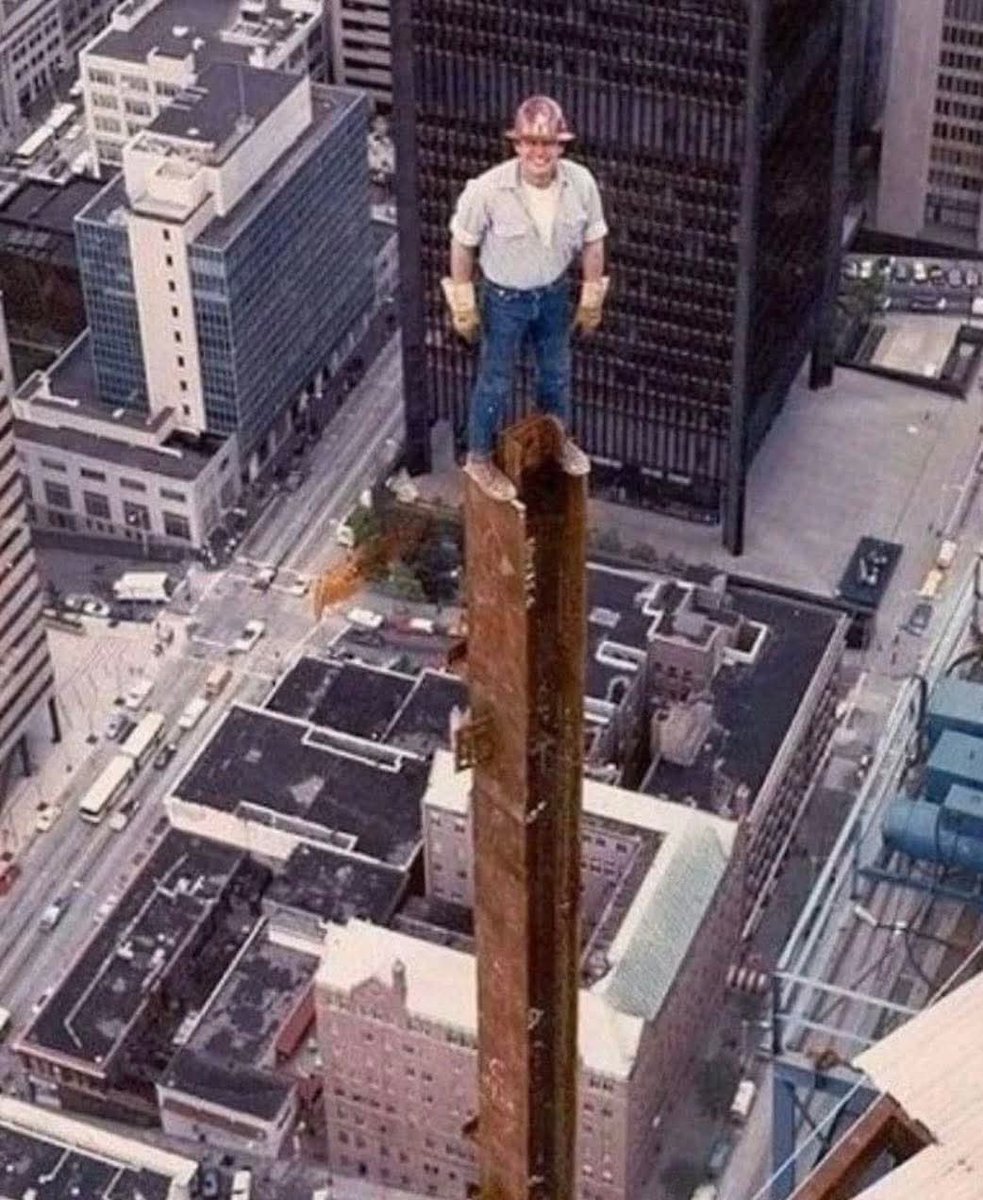
A worker during construction of the Columbia Center skyscraper, Seattle, 1980... Skyscraper construction in the late twentieth century still carried echoes of an earlier era when ironworkers walked beams hundreds of feet above the ground with almost casual ease. Jobs like this demanded strong balance, absolute trust in the crew, and the ability to keep your head steady despite the wind and the sheer drop below. The Columbia Center project was one of the largest undertakings in Seattle’s history. Rising more than seventy floors, it reshaped the skyline and required thousands of tons of steel fitted together piece by piece. Workers spent long days climbing ladders, guiding beams into place, bolting them down, and signaling crane operators from tiny perches like the one seen here. Safety harnesses were gradually becoming more common by the early nineteen eighties, but many workers still relied on experience and confidence more than protective gear. These crews were known for their toughness, their tight knit culture, and their ability to work at heights that would unsettle almost anyone else. The Columbia Center opened in 1985 and remained the tallest building in the Pacific Northwest for more than three decades. © Vintage American Photos #archaeohistories
Archaeo - Histories tweet media
English
7
20
188
22.3K
🌊🇯🇵 retweetledi
“paula”
“paula”@paularambles·
there’s ai slop and there’s ai kino. this is ai kino.
English
711
4.6K
51.5K
5M