Jas

476 posts

Jas banner
Jas

Jas

@jasleen2020

investing in fintech infrastructure at @NycaPartners @DirtyParrotVC

New York, NY Katılım Ağustos 2017
208 Takip Edilen220 Takipçiler
Jas
Jas@jasleen2020·
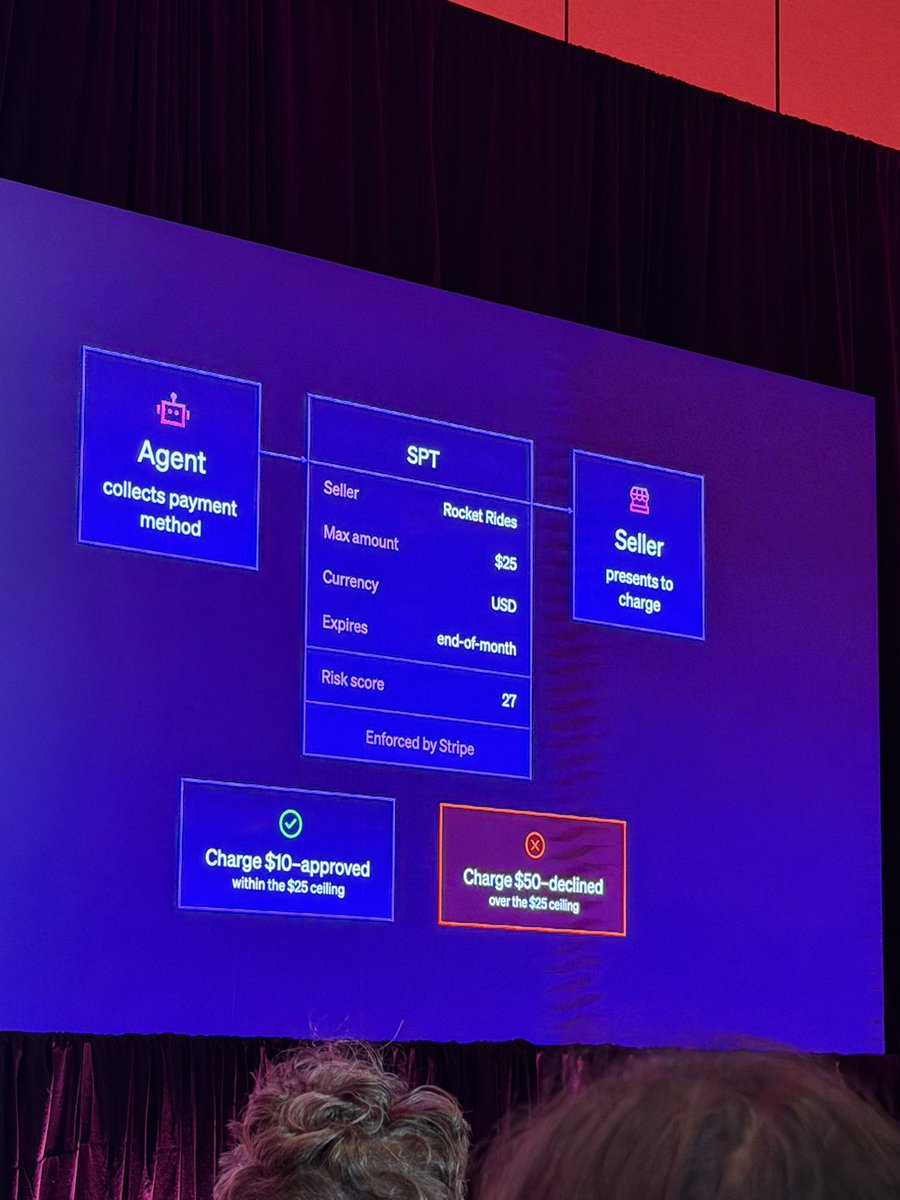
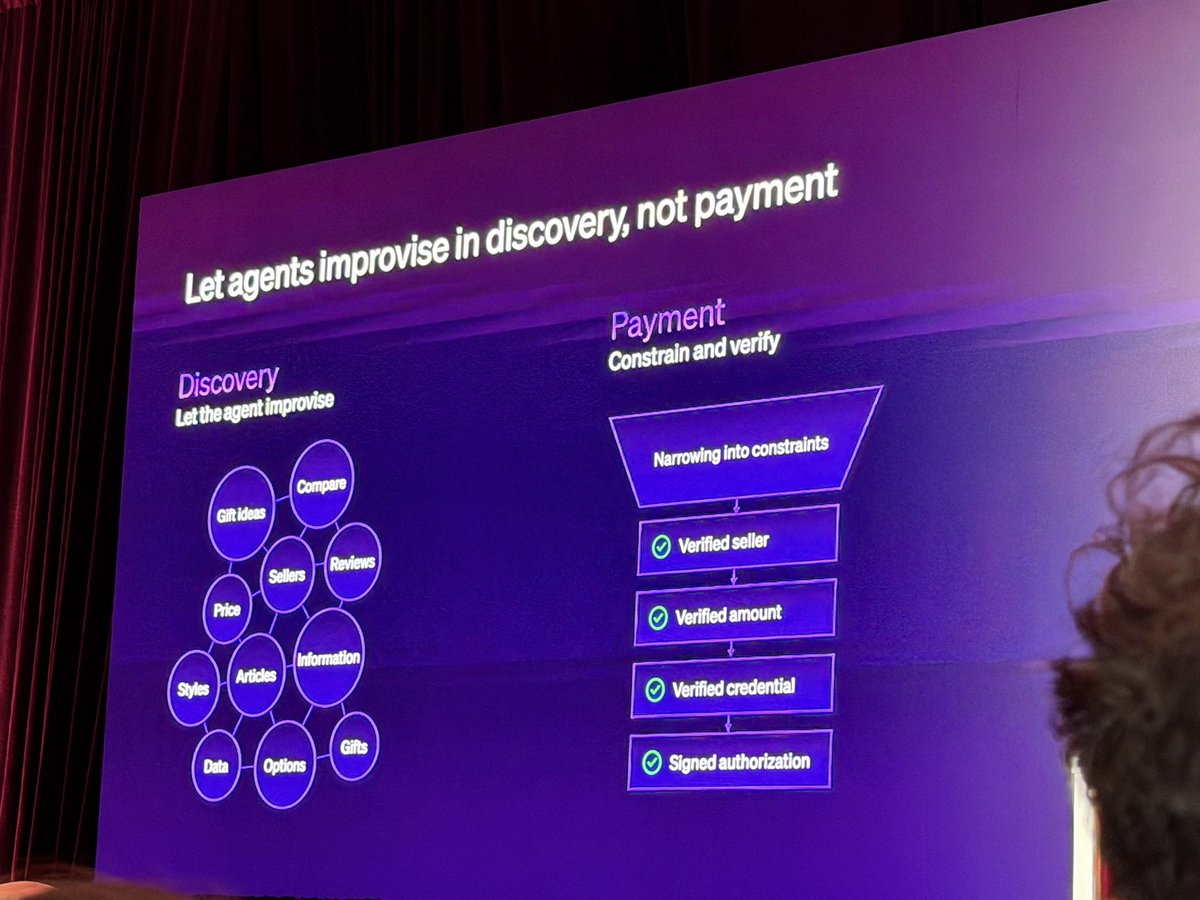
2/2 The most practical unlock is going to be shared payment tokens: agents can relay payment credentials with built-in guardrails. Spend limits, merchant scope, currency, and expiry are enforced programmatically — and charges outside those limits get declined. That matters because agent commerce needs more than access to a payment method. It needs verifiable constraints. One strong view from the panel discussion: protocol sprawl is not necessarily a problem. In an early market, experimentation is healthy. And unlike humans, agents can handle more complexity across standards and payment methods. Another important point: open standards matter. If machine commerce becomes foundational infrastructure, the protocols probably shouldn’t be controlled by a small number of companies. The push was for open, community-owned rails. My biggest takeaway: the payment piece is getting real, but trust is still the harder unsolved layer. How do users verify an agent actually did what it was supposed to do?
English
0
0
1
7
Jas
Jas@jasleen2020·
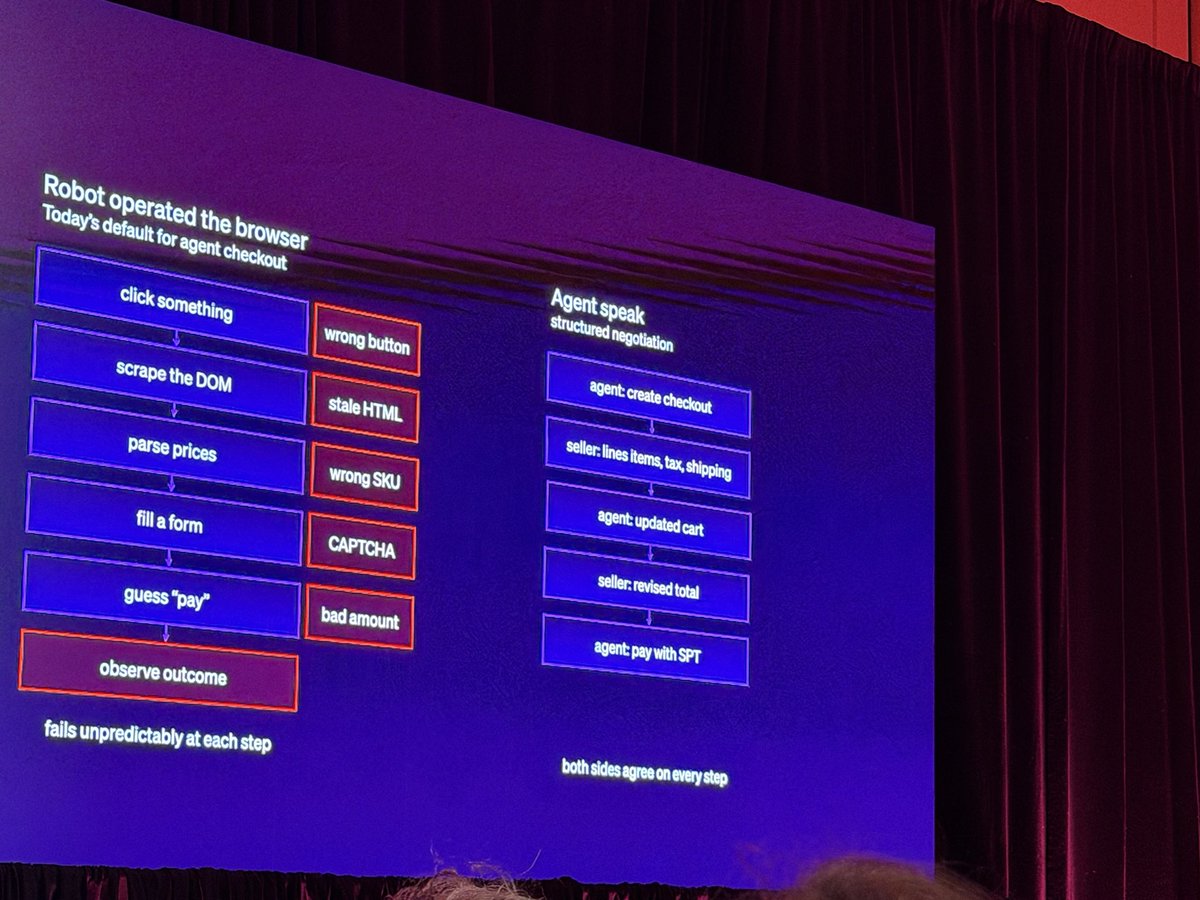
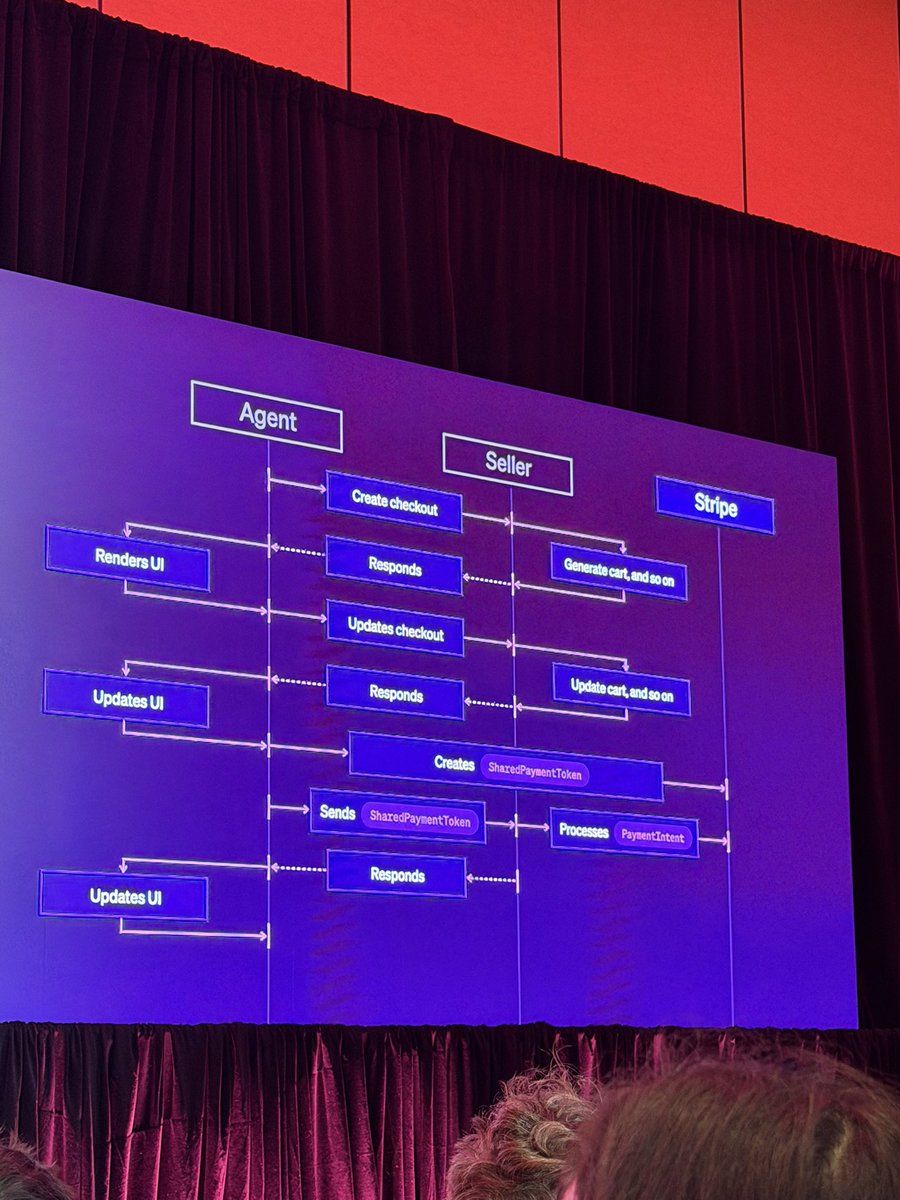
1/ 2 #stripesessions - segment on Machine payments and the protocols behind agentic commerce AI agents won’t scale commerce by pretending to be humans in a browser. Parsing HTML, clicking buttons, filling forms, and dodging CAPTCHAs is a brittle way to buy things. The real shift is toward protocol-native commerce rails. The key idea: agents are non-deterministic by design, but payments can’t be. In commerce, you need hard constraints around seller, amount, currency, expiry, and authorization. Creativity in discovery is useful but precision in spending is mandatory. you have two protocols which can replace UI navigation with programmatic negotiation between agent and seller. - UCP for structured checkout via API - MPP for machine payments via HTTP 402 UCP turns checkout into an API flow. Instead of scraping a webpage, the agent gets structured data for cart, shipping, tax, and totals directly from the seller backend. That means less guessing, less breakage, and better control. MPP handles the case where the “product” is machine-native: API calls, data access, MCP tools, software actions. A server can return an HTTP 402 challenge, the agent pays inline, and the request continues. Clean, direct, programmable.
Jas tweet mediaJas tweet mediaJas tweet mediaJas tweet media
English
1
0
1
39
Jas
Jas@jasleen2020·
@DonovanKay29015 I actually think real volume comes first, and then real regulation to reel in bad actors comes after. It’s true with most big shifts.
English
0
0
0
3
Kaylani Donovan
Kaylani Donovan@DonovanKay29015·
@jasleen2020 The long-term impact of cryptocurrency economics will depend on governance, regulation, and responsible innovation over the next decade.
English
1
0
0
11
Jas
Jas@jasleen2020·
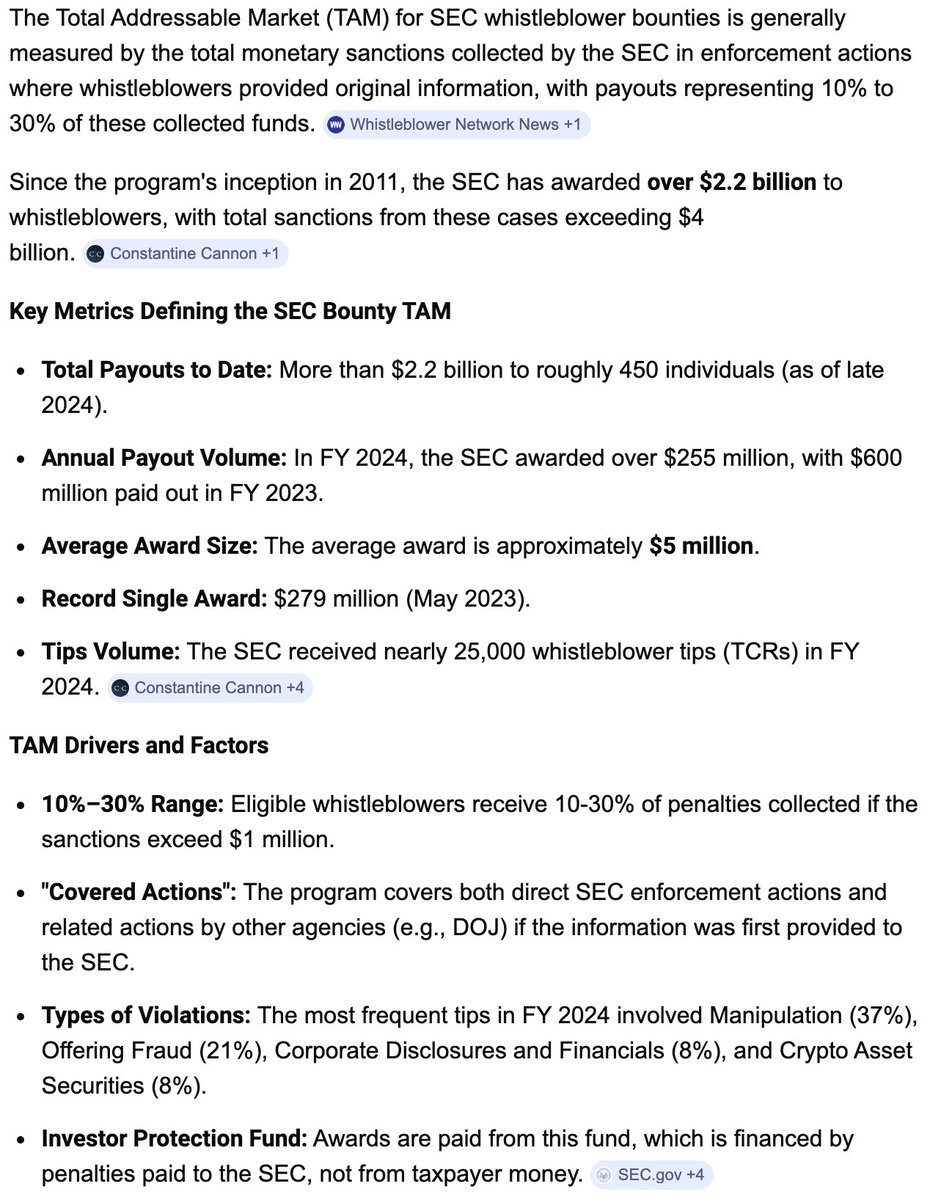
Ok one of the the next big ideas IMO - detecting agent intention. We know how to figure out human intention through telemetry signals, but we need to collect an obscene amount of data to build signals on what is the agent trying to do and why? Merchants will unblock bots to welcome agents to their sites, but how do you figure out what might be fraudulent activity of an autonomous agent? There’s layers of detection required - - good human, bad agent (hallucinating/going rogue) - bad human, bad agent (acting as good agent) Stripe is well positioned to collect the data and enhance Radar product, but this is also open/green field for someone else to identify valid signals and build signal detection.
John Collison@collision

Increasingly, the best part of using Stripe is the millions of other companies using Stripe. How we use the network improve the product has been a big focus this year. Here are some of the networked ships from Stripe Sessions this week: Fraud. Radar is trained on signals from across Stripe, which now just sees most internet users and most payments. If a bad actor signs up for your product, we've generally already seen their device fingerprint, their email, or their card behavior—on someone else's business. For one AI company, 80% of the bad actors Radar caught had sailed right through their prior anti-fraud provider. As Stripe grows, the better every business on Stripe is protected. Link started as a way to save your payment details and has grown into a network of more than 250 million consumers. Link now stores stablecoins, powers agent wallets, and drives a 5% conversion lift for returning customers. Whenever a user signs up with Link on one business, every other Stripe business benefits the next time that customer checks out. Money movement. It turns out that Stripe businesses pay each other 4.8 million times a day. So we built instant, free transfers between Stripe Treasury accounts. Intelligence. 1.6% of global GDP now runs through Stripe; over 70 trillion data points last year. We've historically used that data to power our own products (Radar, authorization optimization). But now we’re putting it directly in your hands with Stripe Signals. Send us a customer, a transaction, a business—on or off Stripe—and we return a real-time risk score and explanation. Here's everything we announced this morning: stripe.com/blog/everythin….

English
1
0
1
47
Jas
Jas@jasleen2020·
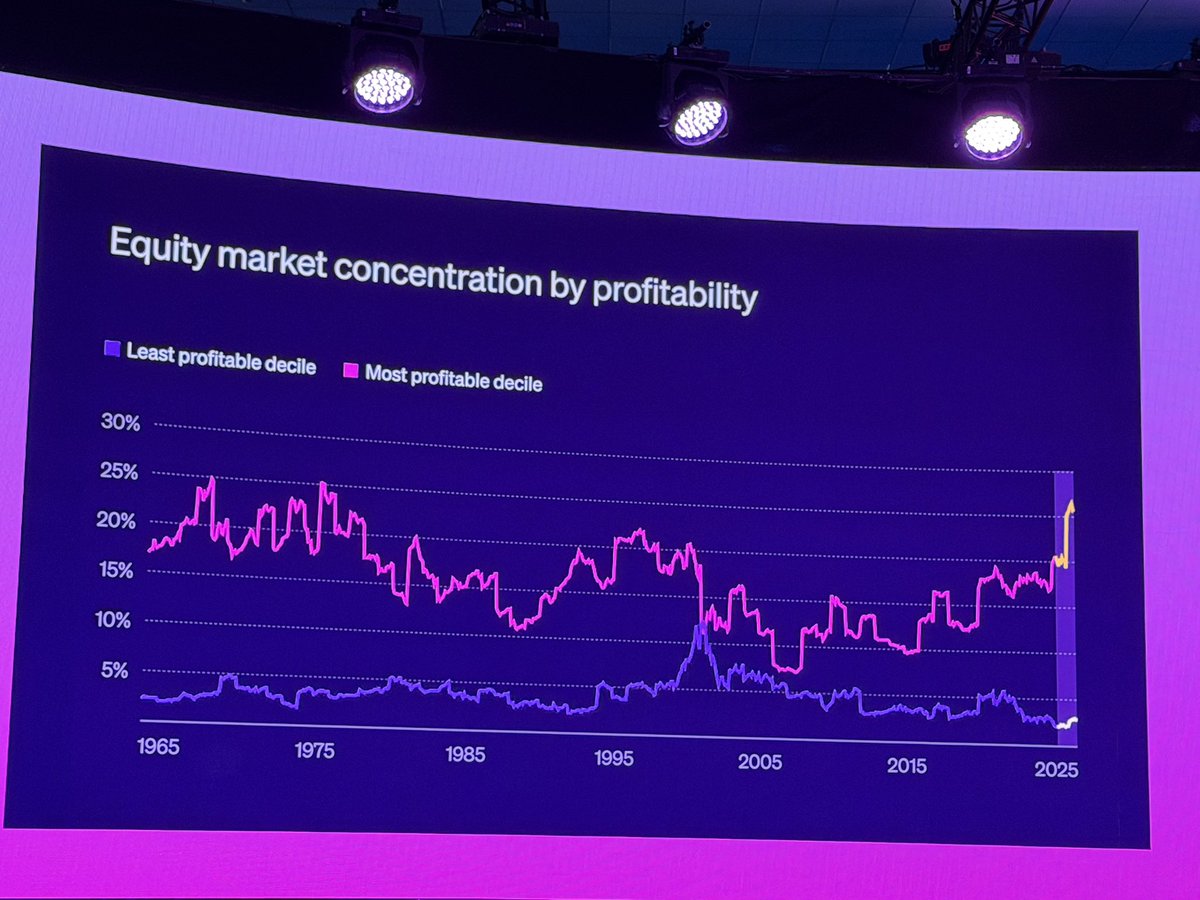
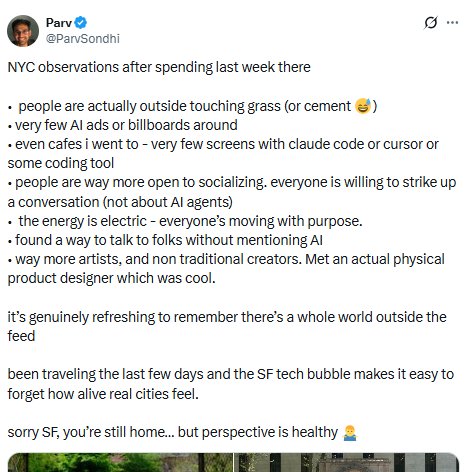
@stripe Sessions Day 2 kicks off with @collision "Indexing the AI Economy" - AI isn’t killing SaaS. It’s killing the market’s willingness to pay for unprofitable SaaS. Stripe’s data suggests revenue is still growing — the real reset is around profitability premiums. - One of the more interesting counters to the “K-shaped economy” narrative: Stripe says the gap between high- and low-income consumer spending is actually shrinking, not widening. - AI is lowering the minimum efficient size of a company. Solopreneurs are reaching real scale faster, and the class of new internet businesses looks meaningfully stronger than prior cohorts. - The new startup playbook: launch global on day 1, keep headcount lean, automate aggressively. Stripe’s data on AI startups suggests international revenue is arriving earlier than ever before. - If AI makes intelligence abundant, the real winners may be its complements: compute, power, proprietary data, network effects, and real-world operational infrastructure.
Jas tweet mediaJas tweet mediaJas tweet mediaJas tweet media
English
1
1
3
208
Jas
Jas@jasleen2020·
“Adopt AI aggressively. Build better products. But don’t assume the entire socioeconomic system completely reconfigures.” - @sama on everyone assuming every company disappears just because AI gets better.
English
0
0
1
23
Jas
Jas@jasleen2020·
key takeways - AI feels like it’s crossed from demo to deployment: coding first, then broader “computer work” like workflows, messaging, docs, and routine tasks. - Biggest unlock isn’t one new app — it’s realizing how much of a workday can be delegated to agents. - Best AI-native orgs share 3 traits: CEO-led adoption, broad internal data access, and agentic workflows across the stack. - OpenAI seems to view itself less as a vertical app company and more as an intelligence utility: low margin, high volume, infrastructure-like. - Biggest long-term upside may be science: accelerating materials discovery, biology, and eventually cures for complex disease.
English
1
0
2
40
Jas
Jas@jasleen2020·
@NikMilanovic I can’t tell if this is real or satire. both valid.
English
0
0
1
24
Nik
Nik@NikMilanovic·
the SF/NYC twitter genre is dumb and played-out but oh man was this grim
Nik tweet media
English
3
0
6
1.2K
Jas
Jas@jasleen2020·
@stripe @Venmo @link @PayPal Also the string quartet playing modern pop hits is such an interesting choice that has really grown on me throughout the day. Also they’ll go from this to reggaeton music in the main hall
Jas tweet media
English
0
0
1
35
Jas
Jas@jasleen2020·
I think the countdown to @stripe facing the consumer directly has begun. They should buy @Venmo, issue every user a @link wallet and start eating @PayPal’s lunch.
English
1
0
2
29
Jas
Jas@jasleen2020·
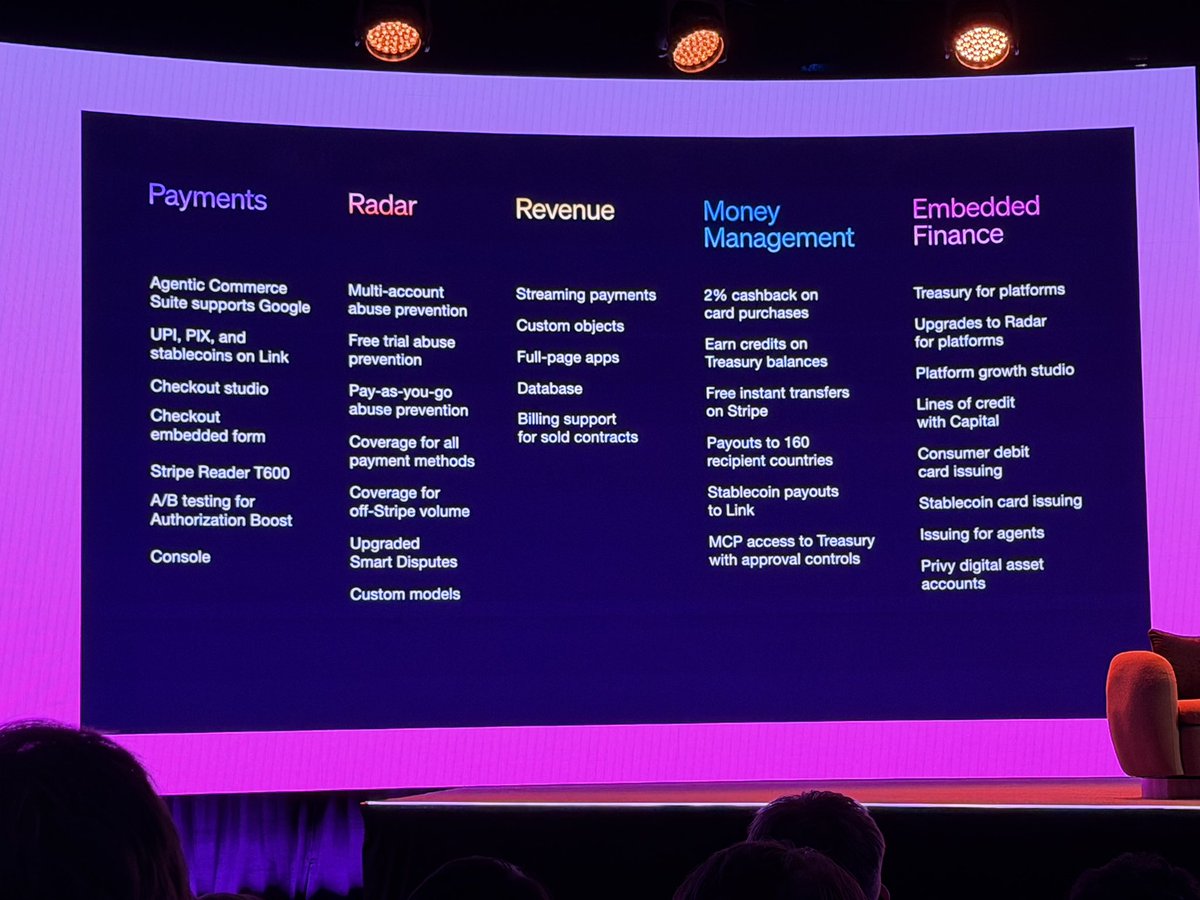
@stripe is one of the most elite fintech companies of all time. They announced what are effectively multiple companies as products and features during day 1 of stripe sessions today. The appeal is to merchants, brands, platforms, AI companies, enterprises, financial institutions, SMBs, and almost every vertical you can think of. Most exciting - we’ve been chatting about what the new business model of this era is going to look like at @nyca and how do you capture the revenue around that. stripe announced support for it today - streaming payments. An enhanced version of UBB (usage based billing), where you can see how much agents are spending and charge based on the type of usage. You don’t have to cap agents with the worry that they’ll burn tokens, instead charge based on their activity. To continue to stay relevant in a new era of fintech is hard, to do it at the scale the company is currently operating at is often near impossible. This is best in class operating, companies like stripe don’t just survive, they thrive. Stripe has carved out a way for themselves to be a huge benefactor of the AI revolution. Increasingly they are growing outside of their core focus to capture all the ancillary opportunity. AND STILL, this company has so much they can do and grow into globally. TLDR; stripe is positioning itself as the programmable financial OS for AI driven activity, and they’re completely unstoppable.
Jas tweet media
English
1
0
2
85
Jas
Jas@jasleen2020·
This isn’t unbelievable, as your income increases, your expenses increase. Most people live like this. If you make more money you start buying nicer and more expensive things which leads to the “paycheck to paycheck” effect in higher income brackets. This is a good episode to listen to, changed my life completely. open.spotify.com/episode/3EUByD…
Frank Chaparro@fintechfrank

This is pretty wild: A 2025 Goldman Sachs report found that 40% of people earning $500,000+ per year say they’re living paycheck to paycheck.

English
0
0
1
31
dasmer
dasmer@dasmersingh·
Finally started using @WisprFlow , and holy mackerel, it's insane.
English
2
0
3
1.6K