Muhammad Jazab
895 posts

Muhammad Jazab
@jazab1
Full Stack Software Developer, A Car Enthusiasts who Love to travel, code and explore things.
Lahore Katılım Mart 2013
143 Takip Edilen86 Takipçiler
@summandar01 It's Edex-UI, a full-screen, cross-platform terminal emulator and system monitor that looks and feels like a sci-fi computer interface.
Not some hacking took.
English

پاکستان🇵🇰افغانستان🇦🇫 سرحد کے قریب نامعلوم افراد کے زیرِ انتظام پاکستانی سائبر گروپس نے مبینہ طور پر طالبان کے کئی ریڈیو کمیونیکیشن سسٹمز جام کر دیئے، جس کے باعث سرحدی علاقوں میں ان کی سپلائی لائن رابطہ کاری متاثر ہو گئی ۔
ہندوستان کو 1 دن میں سبق سکھانے اور 14 طبق روشن کرنے کے بعد یہ پاکستان کی سائبر فورس کے لیے ایک بڑی اور قابلِ ذکر کامیابی ہے۔
جدید جنگ میں اب محاذ صرف زمین یا فضا نہیں سائبر اسپیس بھی فیصلہ کن میدان جنگ بن چکی ہے۔
#Ghazab_ul_Haq
اردو
@JOKAQARMY1 Electorstatic electricity?
Have you missed 3rd grade?
English

@Aadiiroy2 neither of you know your father.” I was shocked at his audacity. He was asking for a lift and still trying to provoke me. I stopped the car at Ayub Chowk, telling him I had to take another route
English
@Aadiiroy2 This is the same guy I met near Shokat Khanum, Lahore. He said he was collecting money for a book of Ahadees and was coming back from Raiwind. I didn’t have much cash, so he asked me to drop him at the bus terminal. On the way, he said, “Angrez and you Punjabis are the same.
English

توہین کا ہتھیار خطرناک ہی نہیں ہے، سستا بھی بہت ہے۔ اب تو اتںا سستا ہوگیا ہے کہ بھکاری بھی ہاتھوں میں لیے پھر رہے ہیں۔
کہانی سنتے ہوئے ان سارے واقعات کا تصور کریں جن میں اچانک کسی شخص پر توہین کا الزام لگا اور موقع پر موجود لوگوں نے اس شخص پر پتھراؤ کرکے آگ لگادی۔
اردو
Muhammad Jazab retweetledi

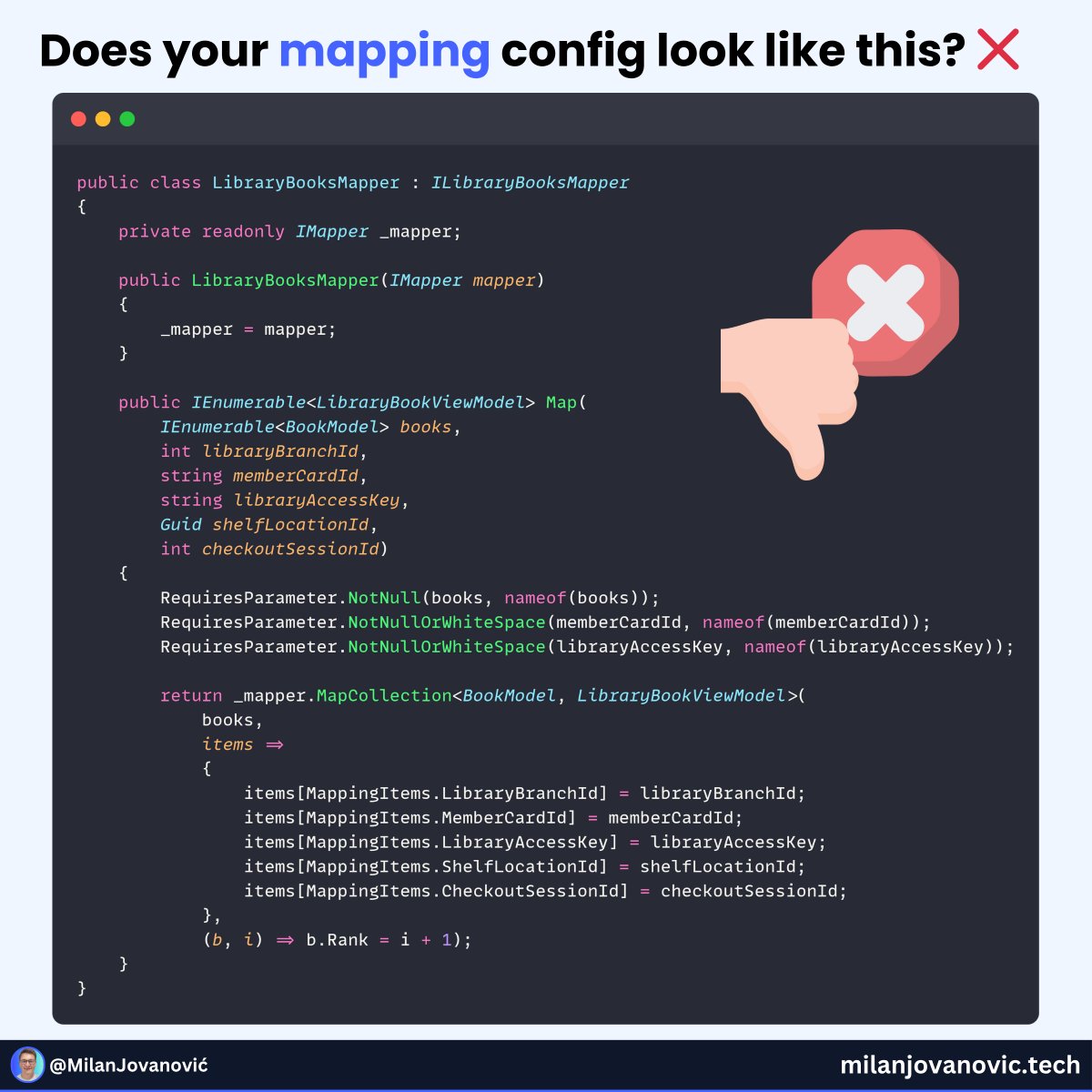
Hot take: you DON'T NEED mapping libraries.
- Write a constructor
- Call the constructor
- Jobs done
This can also be a static method, or whatever you prefer using.
I rarely have more than 1 level of mapping in my application.
And it's even more rare that I'll use a mapping library.
P.S. Here's a free Clean Architecture template (without mapping libraries), to speed up your development: milanjovanovic.tech/templates/clea…
English
Muhammad Jazab retweetledi

.NET development is sometimes underrated, even in 2025 😞
Many think .NET is just:
- Writing C# classes
- Drag-drop in Visual Studio
- EF Core scaffolding
- Click “Publish” and you’re done
But that’s just the tip of the iceberg.
The reality?
Professional .NET development is way more than building CRUD endpoints.
A strong .NET Developer can:
- Design clean architectures and follow SOLID principles
- Model business domains (DDD) instead of dumping everything into one folder
- Build Scalable Systems and Services
- Optimize EF Core queries and transactions for real-world performance
- Implement caching, distributed systems, and make APIs scalable
- Secure applications using AuthN/AuthZ, Identity, OAuth
- Build automated tests and ensure proper coverage
- Review code, enforce branching strategies, and improve PR quality
- Optimize hosting costs and design cloud-ready systems
- And literally, so much more!
.NET isn’t just a framework – it’s a discipline.
Share this with someone who would want to read this.

English
Muhammad Jazab retweetledi

If you're in your 20s and 30s, read this...
1.

English
Muhammad Jazab retweetledi

Microsoft is shutting down its Pakistan operations after 25 yrs — laying off staff
So much for the economic boom hype . With Uber & many others exiting, Pakistan's economy is crumbling despite this fascist govt's desperate attempts to convince us otherwise with hollow promises.

English
Muhammad Jazab retweetledi


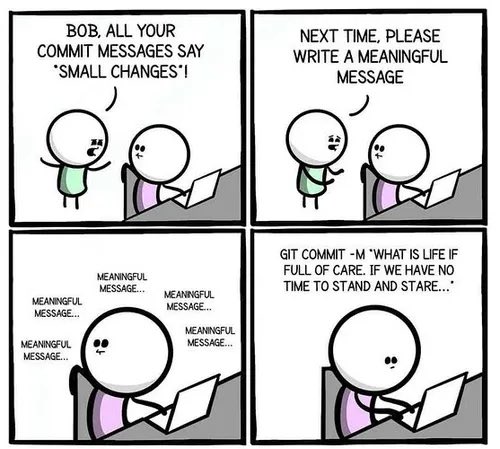
Told my teammate to stop writing “small changes” in every commit.
Next thing I see:
git commit -m "What is life if full of care. If we have no time to stand and stare..."
I walked right into that one. 😅
#programmer
#DevLife #GitCommit #CodeHumor #SoftwareEngineer #Relatable
English
Muhammad Jazab retweetledi

**امریکہ نے "ایٹمی جنگ" کو روکا، ٹرمپ نے کہا، لیکن… کچھ اور غلط ہو گیا۔**
(صرف اُن لوگوں کے لیے جو سیزفائر کی کہانی کا دوسرا رخ جاننا چاہتے ہیں)
تو امریکہ کا اس انڈیا/پاکستان کشیدگی سے کوئی تعلق نہیں تھا، ٹھیک؟ کم از کم شروعات میں یہی کہا گیا جیسا کہ جی ڈی وینس نے دعویٰ کیا۔
اردو
Muhammad Jazab retweetledi

Over the past two days, I've been very curious about CNN's report that the US had received "alarming intelligence" during the India-Pakistan war.
What was so urgent and critical that Washington intervened directly and pushed for an immediate ceasefire, breaking all the formalities and protocols?
This vague reference raised more questions than answers.
So, based on open-source intelligence (OSINT), my own findings, and discussions with a few domain folks, I’ve pieced together a likely explanation that might not be far from the truth, or could be completely wrong. You decide.
First, let's clear something up. This wasn't about Pakistan threatening nuclear strikes as propagated by the Indian godi media. This narrative plays well on TV, but strategic decision-makers, especially in professional armed services and intelligence circles, don't act on noise. They act on signal. And the real signal here may have been electronic.
On the day of heightened tensions, Pakistan probably had its ZDK-03 Karakoram Eagle AEW&C (built on the Chinese Y-8 aircraft) airborne somewhere near Islamabad/RWP or Peshawar. In addition, the Saab 2000 Erieye, the Swedish-origin AEW&C platform, was also likely deployed.
I’m not making this up on my own. That’s how modern air combat missions are planned – just go and check the 2019 Pak-India stand-off details and you’ll find out.
For those who aren't into aviation stuff and think I'm referring to some ordinary radar planes, then you’re wrong. Airborne Early Warning and Control (AEW&C) platforms are equipped for electronic surveillance, battlefield command and control, and early warning. They work in synergy as airborne signal intelligence (SIGINT) nodes, providing data links to fighter jets like J-10C, JF-17, and F-16. And these are lethal weapons capable of monitoring, jamming, and directing electronic warfare in real time. Pakistan has around 7 of these, and India has 5.
At the same time, India's Netra AEW&C was most probably also in the air. But, the problem with Netra is its limited range and relatively weaker EW capabilities compared to the layered and integrated setup on the Pakistani side, thanks to our Chinese and Turk friends.
This difference matters a lot because modern air combat isn't just about expensive jets, air superiority, or missile range. It's all about command-and-control (C&C) dominance and full battlefield visibility.
And in this case, the electronic warfare edge leaned heavily toward Pakistan. Some reports online say the Pakistan Air Force was upgrading its ZDK-03s just last month, in April. If that's confirmed, then I might be close to the truth.
Now, here's where it gets interesting...
Based on my findings on how this entire EW game is planned (while also going through PAF's press briefings) and how regional satcom configurations work, I believe that Pakistan, with China's indirect help, may have activated jamming or interference capabilities targeting Indian military satellite uplinks, specifically those connected to GSAT-6 and GSAT-7A. These satellites (esp GSAT-7A operated by IAF) are central to India's military communications network, providing real-time connectivity between airbases, UAVs, and AEW&Cs, including links to its Strategic Forces Command.
Yes, you heard it right. It's the command chain responsible for controlling and deploying nuclear assets, just like Pakistan has the Army Strategic Forces Command for the same job.
While all of this was happening, one of the US surveillance satellites in orbit, most probably USA-245 (KH-11), which is known for optical recon, and PAN/NEMESIS, a classified SIGINT satellite that is usually repositioned over "hot zones" for RF interception, likely detected unusual RF (radio frequency) anomalies or some sort of signal disruptions in that zone.
At the same time, it's hard to deny that one of the Chinese Yaogan-30 satellites was likely also being used for SAR imaging in South Asia. And all of this seems like a perfect scenario in which electronic warfare dominance was probably verging on strategic decapitation of India's defence backbone without needing to resort to nuclear posturing.
Now, if I combine all of this and notice Indian leadership's reckless behavior over the past many weeks, I'm just visualizing and only speculating that while they were in a complete panic mode after Rafales and S-400s got neutralized by PAF, they might have tried to sidestep normal nuclear command procedures and possibly pushed for a retaliatory stance without full coordination with the Indian military.
While I cannot confirm this as a fact, even the signs of such a move could have set off serious alarms in US intelligence circles.
From Washington's perspective, this wasn't about preventing any nuclear war. It was about stopping an electronically one-sided escalation by Pakistan.
If India had been electronically blinded or silenced while its leadership tried to escalate, it would have resulted in strategic humiliation and potentially irreversible damage to the perception of India's conventional and nuclear deterrence credibility.
So, I believe that this was the "alarming intelligence" that made the US intervene immediately because it saw a one-sided escalation forming.
Pakistan was electronically prepared, India wasn't, and China was quietly watching and supporting all of this. That's not the kind of power dynamic the US wants exposed.
I'm 60-70% confident that my speculation is factually and technically plausible, for the following five reasons:
1. AEW&C presence (ZDK-03 and Erieye) is publicly documented during high-alert periods. Even PAF confirmed during the press briefings that they had AEW&Cs deployed.
2. India's GSAT-based nuclear C2 (Command & Control) vulnerabilities are available online. Just Google it.
3. Pakistan's EW (Electronic Warfare) advancements, especially in jamming and RF targeting, have been heavily upgraded and matured significantly with Chinese cooperation post-2019 India and Pakistan stand-off, when 1 Mig-21 and 1 SU-30MKI were shot down after they were electronically jammed.
4. US ISR tracking capabilities are known to detect signal anomalies or uplink interference in real time.
5. CNN’s framing ("alarming intel" without disclosing nuclear threats) aligns more with real-time electronic or protocol disruptions than nuke posturing.
On an ending note, I'll mention once again that this post is my own analytical take based on OSINT, public military data, and discussions with a few domain folks I've access to. I'm not claiming any insider information or any secret leaks. Just using open-source military facts and known doctrinal gaps to explain what may really have triggered the world's most powerful country to step in and call time on a regional conflict before it spiraled into something far worse.
I might be wrong, but my instinct says that this logic holds up when I connect the dots. Sometimes, understanding geopolitics isn't about waiting for official narratives. It's about breaking down the story, reading the signals, and knowing when silence says more than headlines.
Open to thoughtful critique, insights, or corrections from anyone in the space, especially those who've tracked these domains longer than I have. Let's keep it sharp, factual, and focused.
Like, RT, and follow if you found this helpful.
#IndiaPakistanWar #BunyanUlMarsoos #OperationSindoor #AlarmingIntelligence #PakistanAirForce #PakistanArmy

English
You can run with a lie But you can't hide From the truth. It will catch you!
#ceasefire #PakistanIndianWar #OperationSindoor #OperationBunyanulMarsoos
Schlangenjäger@Shadowfox_11
Big Breaking!! 📍First satellite imagery of Adampur Air Base makes appearance. Leaves no doubt that S-400 has been knocked out at the Airbase. 1/2
English
Muhammad Jazab retweetledi

اس قوم نال بھارت لڑن آیا سی 😝
یہ میم نہیں ایک لاہورئیے کی سنجیدہ گفتگو ہے
🤣🤣🤣🤣🤣🤣❤️
اردو
Muhammad Jazab retweetledi

“PAF vs IAF. 6-0” - Aurangzeb Ahmed
The aura is insane
#IndiaPakistanWar #IndiaPakistanWar2025 #Pakistan #PakistanZindabad #PakistanArmy
CY
Muhammad Jazab retweetledi