

JC
7.9K posts


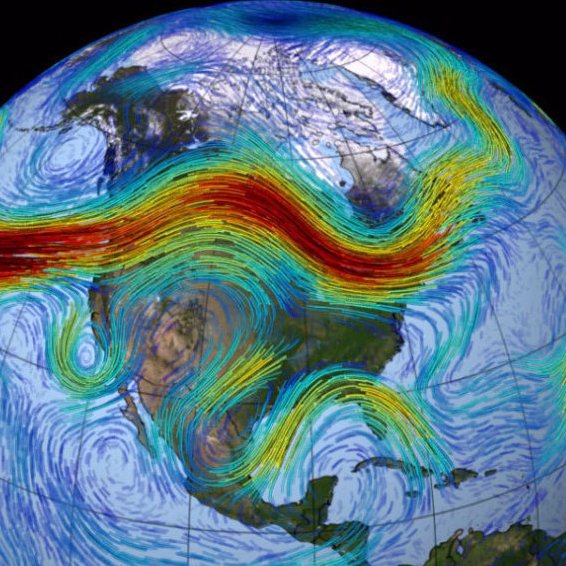
The BBC: "Climate scientists have said that this heat wave that they're experiencing at the minute in the United States would have been virtually impossible without human-induced climate change." 🤡
English


JC retweetledi



The reports we've seen that Arne Slot's job is safe next season are very different from what we've been hearing.
Arne Slot needs a miracle to keep his job. Senior players are baffled by his tactics this season.
English
JC retweetledi


JC retweetledi
In 2023, Antarctic sea ice hit a record low. Researchers from the British Antarctic Survey were quick to blame climate change, saying human CO2 emissions made such an event "four times more likely."
But then reality intervened.
Through 2025 and into 2026, Antarctic sea ice surged back, returning to levels similar to 1980 - a dramatic rebound the models did not predict.
This is the problem with climate attribution theatre.
When ice declines - it's climate change.
When it rebounds - it's ignored.
And a complicit media never updates the public.
English
JC retweetledi
New research claims human emissions are not driving atmospheric CO2.
A paper by Dai Ato ran multiple linear regressions for 1959 to 2022, testing two predictors of the annual CO2 increase: sea surface temperature and human emissions.
The result was clear, when the oceans warmed, CO2 levels rose almost exactly in step: about two to three ppm for every 1C of warming.
Adding human emissions to the model didn't change the outcome.
Using only ocean temperature, the model reproduced global CO2 levels with near-perfect accuracy, a correlation of 0.995 and an error of just one to two ppm by 2022.
The main factor governing the annual increase in atmospheric CO2 concentration is sea surface temperature rather than human emissions.
Earlier studies have shown the same pattern.
Temperature changes first, CO2 follows.
If Ato is correct, cutting human emissions won't lower atmospheric CO2 because it's the oceans that set the pace.
English
JC retweetledi


@brown12008 WTAF its not like we get any oil from Iran 60 something % from north sea
English

JC retweetledi
At the peak of the last ice age, 20,000 years ago, sea levels were 400 feet lower than today.
As the ice sheets melted, oceans surged upward, rising at an average of 15 mm per year between 15,000 and 8,000 years ago.
During 'Meltwater Pulse 1A', seas shot up by 50 feet in just 500 years - a foot per decade as ice sheets collapsed. But by 6,000 years ago, the Great Melt was largely complete.
Since then, sea levels have been relatively stable. Yet today, we're told to believe that the last few inches are catastrophic and all our fault, not part of the natural cycles that have driven Earth's climate time immemorial.
That ignores history, data and basic science.
The rate of rise we've seen over the past centuries is not increasing, according to global tidal gauge data.
A recent study of 204 tidal gauges worldwide found 95% show no statistical acceleration, and the few that do are explained by local land motion/subsidence - not climate change.
English
JC retweetledi

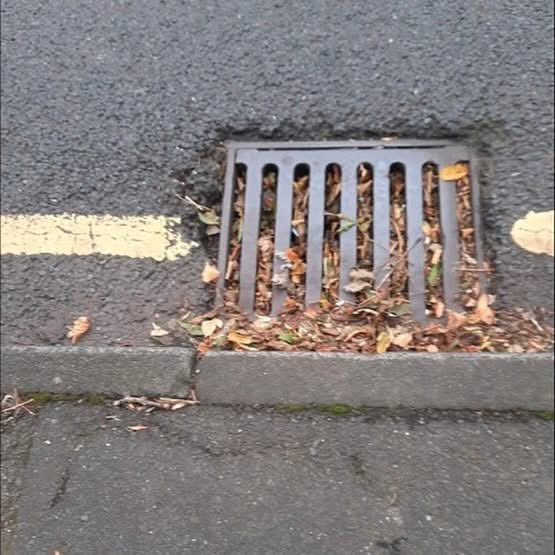
They blame road flooding on the “climate crisis”. It’s much more simple than that. Local councils aren’t cleaning the road drains.
English


Mark Hehir was a bus driver in London who chased down a man who stole a passenger's necklace.
He’s a hero. But guess what? The bus company @metroline sacked him.
They said the thief was a “customer”. Inexplicably a tribunal upheld their decision.
It’s no wonder we live in a country that increasingly feels lawless. One where decent people feel the system is stacked against them.
Metroline should reinstate Mark and apologise for their disgraceful conduct.

English



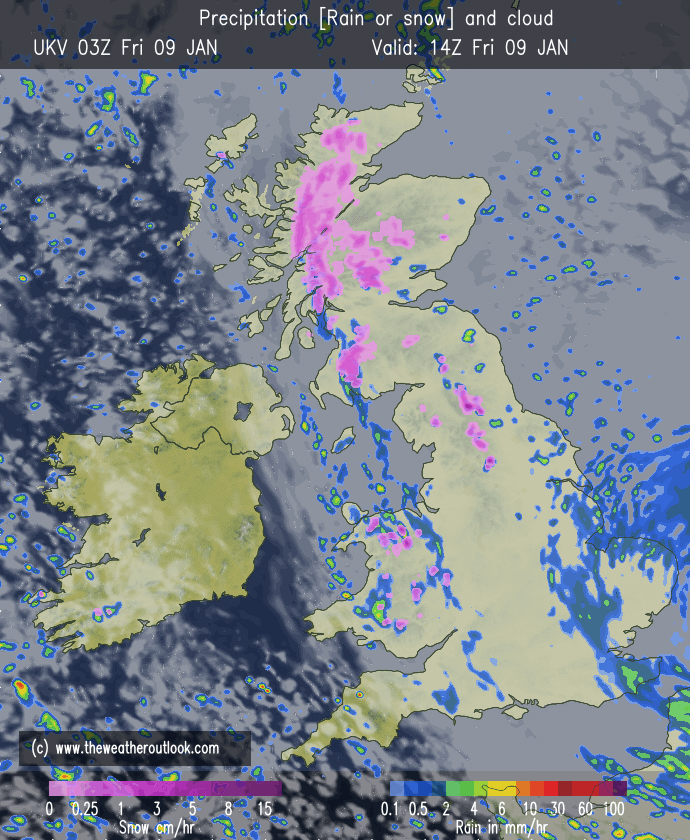
Snow showers will push in across parts of Scotland through today.
Showers of rain, sleet & perhaps hill snow in any heavier bursts will linger across East Anglia & SE England through much of the day, potentially quite a grim day here.
English
