Jess Apple

2.6K posts

Jess Apple banner
Jess Apple

Jess Apple

@jessapple

Metabolic Revolution, co-founder

Katılım Mayıs 2009
2K Takip Edilen2.3K Takipçiler
Jess Apple retweetledi
Dr Shawn Baker 🥩
Dr Shawn Baker 🥩@SBakerMD·
The US Dietary Guidelines are soon to be released and they clearly have a huge impact to include what kids eat at school Unfortunately, we now live in a society filled with metabolically sick adults and children and it’s gotten so bad that the sick are now the majority. We cannot medicate our way out of this problem nor should we. We need a dietary policy that reflects the current state of the health of Americans Clearly a low carb option should be listed as a viable option for the 10s of million of Americans suffering with metabolic disease. Failing to do so is quite frankly a grievous harm to the millions that could otherwise be helped by this very simple option. Share this with your elected officials, repost this widely and let’s take back our health together! @RobertKennedyJr @Secbrooke360 @bigfatsurprise
English
33
131
600
34.2K
Chris Palmer, MD
Chris Palmer, MD@ChrisPalmerMD·
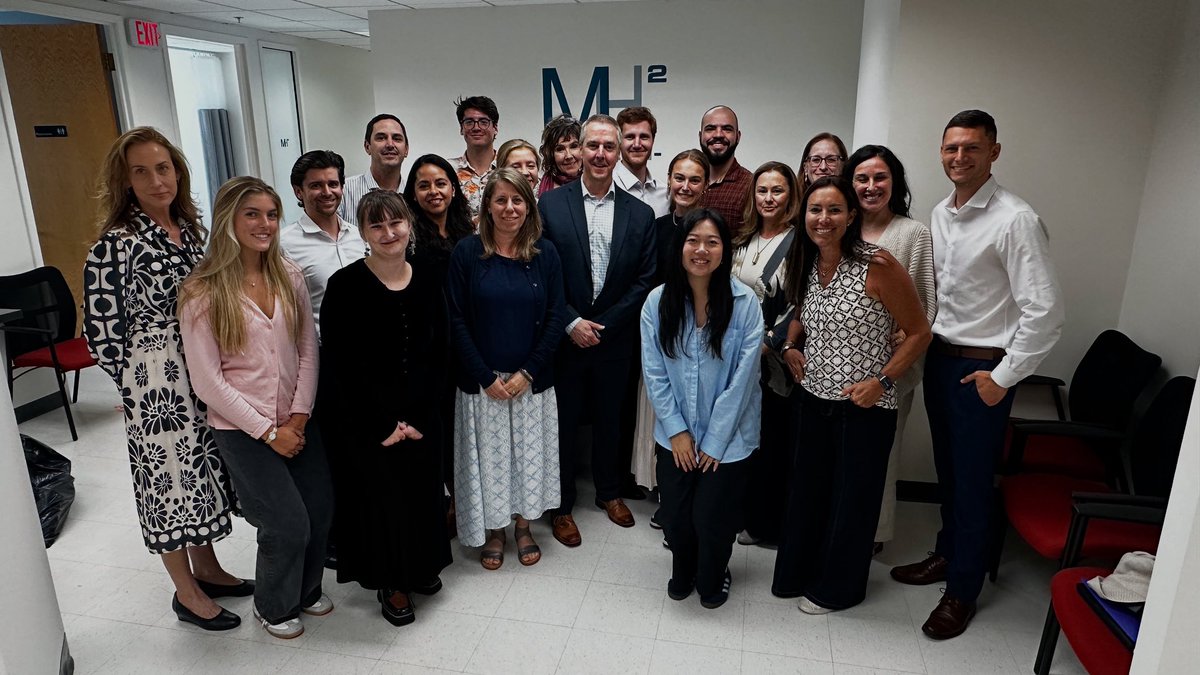
I’m so excited to launch MH², a new model of health care… Where mental health meets metabolic health! I couldn’t be more proud of our team. mh2.health
Chris Palmer, MD tweet media
English
84
105
796
44.9K
Nick Norwitz MD PhD
Nick Norwitz MD PhD@nicknorwitz·
28 years ago, I attended my first Harvard graduation in my mother’s arms. Yesterday was round 2. I’ve been dreaming about finishing the MD PhD. But the truth: it’s not about the destination or the journey. It’s about the company. I’m a lucky man to have my family and friends ❤️
Nick Norwitz MD PhD tweet mediaNick Norwitz MD PhD tweet media
English
112
29
934
31.4K
Jess Apple retweetledi
Dr. Stephen Hussey, DC
Dr. Stephen Hussey, DC@DrStephenHussey·
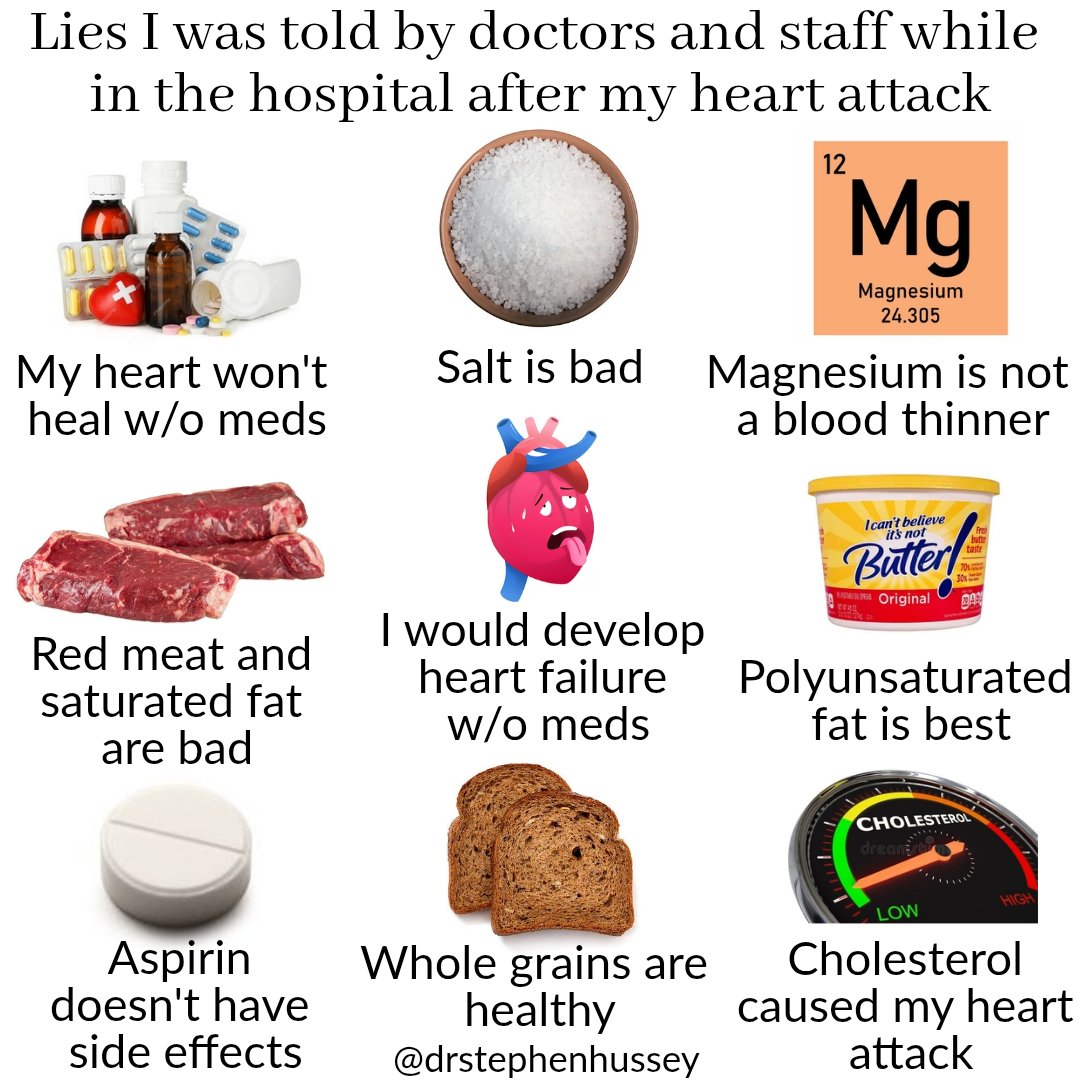
After my heart attack, I was pretty demoralized and full of self-doubt. At that point, I was at the mercy of the medical system, and I threw my hands up and said, "Okay, what do you have for me. Why did this happen?" As I listened to their reasoning and the advice they gave me to prevent this from happening again, it reinvigorated me. I knew the shortcomings of Western medicine, but to experience it first hand and see how their recommendations did not reflect what the research shows really worried me. I realized that, unfortunately, people would be in the same situation as me and would receive the same incorrect advice. I have made it my mission to share the information I have found that allowed me to reverse my heart disease and completely recover.
Dr. Stephen Hussey, DC tweet media
English
15
31
189
21.6K
Tia Reid, MHP, NNP
Tia Reid, MHP, NNP@carbaddictcoach·
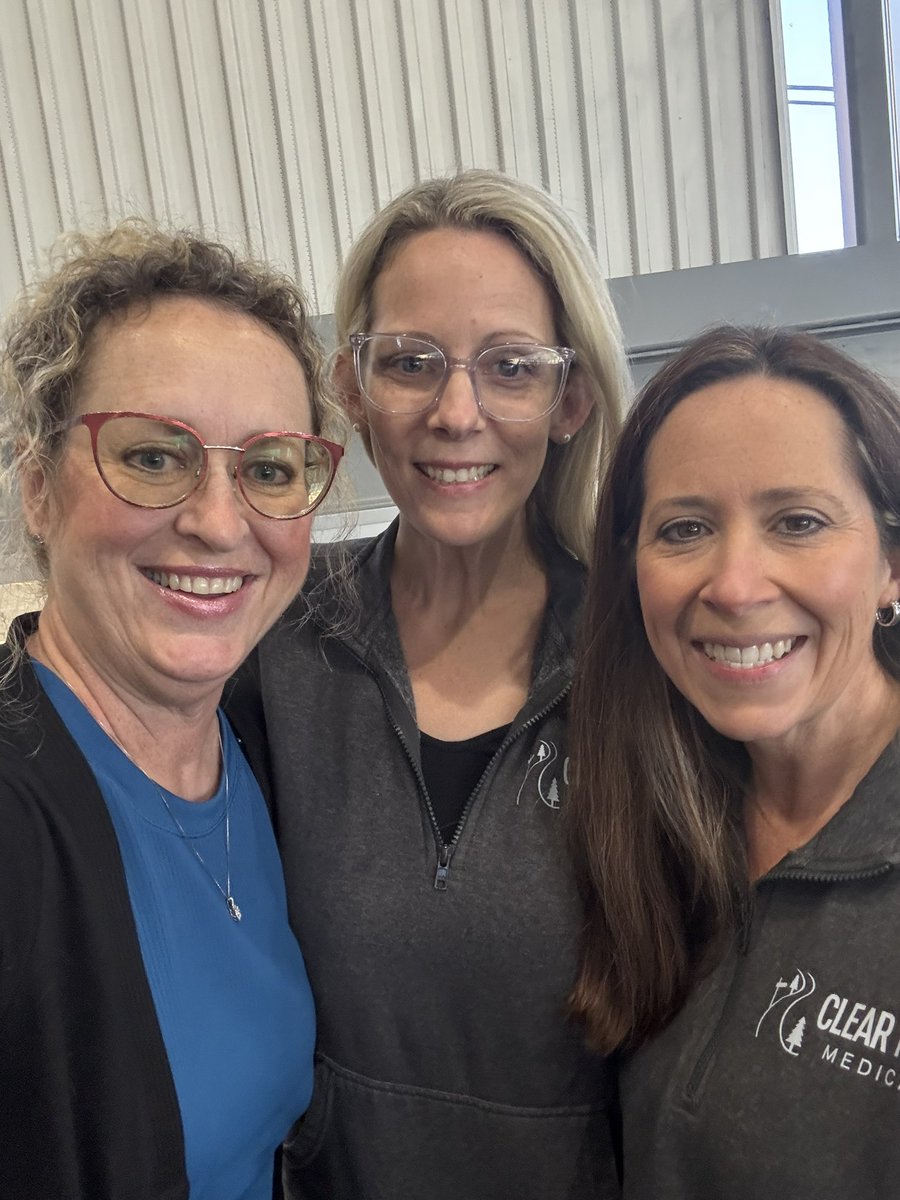
Spending the day with these amazing peeps In Memphis TN with DeNitra Davis at Well-Informed Women Win & I AM MAN, a life-changing health & healing experience where you'll learn how to reverse chronic illness, fight inflammation, and regain your vitality with expert guidance and real transformational stories! Anxiously waiting for Dr. Berry to take the stage. @doctorkiltz @deckerlesscarbs @KenDBerryMD #KnewtritionalKnowledge
Tia Reid, MHP, NNP tweet mediaTia Reid, MHP, NNP tweet mediaTia Reid, MHP, NNP tweet media
English
2
1
12
616
Jess Apple retweetledi
Benjamin Bikman
Benjamin Bikman@BenBikmanPhD·
I'm glad to see Ralph DeFronzo getting some attention recently. In the realm of insulin resistance, he's a legend. Let's look at a bit of some of his more novel, yet overlooked, work. Whether intentional or not, his work provides robust support for the carbohydrate-insulin model of obesity. He found that insulin—not glucose—is the driver of hunger, overeating, and obesity. Using hyperinsulinemic clamps, his group controlled glucose while ramping up insulin, isolating its effects. The results are undeniable. When insulin spiked—even with high or low glucose—subjects faced surging hunger and a heightened craving for sweets. This flips the script: hunger isn’t just about dropping glucose; insulin itself stimulates the urge to eat. Again, subjects with high insulin, regardless of glucose highs or lows, reported growing appetite over time, consuming more food post-experiment than controls. Importantly, glucose wasn't the driver—insulin was. This aligns with what many informed have stated: hyperinsulinemia, in addition to promoting fat storage, promotes hunger. What is the value of counting calories if your hunger overrides your counting? The implications of his work are sobering. Imagine a person who eats something sweet/carb heavy. They get a large insulin spike, but, rather than feeling satisfied, the high insulin drives even more hunger. It's easy to imagine the cycle continuing. The key to controlling hunger is controlling carbs. To avoid the roller-coaster of insulin and hunger, don't get on in the ride in first place. pubmed.ncbi.nlm.nih.gov/3894001/
Benjamin Bikman tweet media
English
28
120
510
53.3K
Jess Apple retweetledi
Chris Palmer, MD
Chris Palmer, MD@ChrisPalmerMD·
In psychiatry, we confidently label people with schizophrenia, bipolar disorder, or major depression—implying we understand their origins. We don’t. Schizophrenia isn’t one disease with a single cause. It’s a syndrome—likely a collection of idiopathic psychotic disorders with different underlying mechanisms. The same is true for depression, OCD, and autism. Yet psychiatry often presents these labels as definitive, rather than as placeholders for conditions we don’t fully understand. Reframing mental illnesses as idiopathic would open the door to a more scientific and precise approach. It would push us to search for root causes—metabolic dysfunction, neuroinflammation, trauma, gut-brain interactions—rather than assuming a one-size-fits-all disorder. It’s time for psychiatry to catch up with the rest of medicine. We must stop treating our diagnoses as explanations and start admitting when we simply don’t know. Most importantly, when we don't know, we must ask the questions that will lead us to the answers.
English
11
41
230
9.5K
Jess Apple retweetledi
Chris Palmer, MD
Chris Palmer, MD@ChrisPalmerMD·
New research finds impaired brain energy metabolism is associated with cognitive impairment in psychotic disorders. Imagine if we had treatments to improve brain energy metabolism. 🤫 academic.oup.com/schizophreniab…
English
30
75
422
36.2K
Jess Apple retweetledi
Calley Means
Calley Means@calleymeans·
These are sponsors of an FDA-funded conference at Stanford. Why are pharma companies funding FDA academic conferences?
Calley Means tweet media
English
104
548
2K
82.9K
Jess Apple retweetledi
Thomas Weimbs, PhD
Thomas Weimbs, PhD@weimbslab·
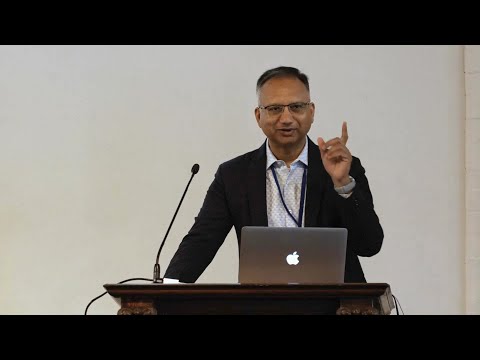
Ketogenic Diet for Polycystic Kidney Disease? What is the evidence? Excellent talk by Australian nephrologist Dr. Alok Gupta. youtu.be/37Ov8qM-9Co
YouTube video
YouTube
English
2
14
32
21.2K
Jess Apple
Jess Apple@jessapple·
Incredible information for those interested in a metabolic healing approach for #MS. I’m so grateful @anthony_chaffee. Thank you! 🙏💕💕💕💕💕 #keto #carnviore ☀️
Anthony Chaffee, MD@anthony_chaffee

I've put together a straightforward protocol that seems to work quite well for people with Multiple Sclerosis (MS). A carnivore/lion diet works great for MS, but if you optimize a few nutrients and habits it can really improve your results and spur recovery. By just doing a carnivore/lion diet, there are now people who have not only put their symptoms into remission but have started to reverse their lesions on MRI. Some of these individuals will be in our upcoming case series on MS patients who are recovering using the carnivore diet. This full protocol can help even more. Dr. Chaffee's Protocol for Optimizing Multiple Sclerosis Recovery: This protocol outlines a comprehensive approach to supporting recovery from multiple sclerosis (MS), emphasizing dietary modifications, light optimization, and physical activity. 1) Dietary Intervention: The cornerstone of this protocol is a strict, high-fat, carnivore "lion" diet, predominantly consisting of beef and lamb, with 2g of fat for every 1g of protein, as detailed in my videos. All carbohydrates, sugars, and alcohol must be strictly excluded to induce and maintain ketosis, and to prevent further damage and inflammation to the nervous system. Ketones serve as the brain's preferred energy source and readily cross the blood-brain barrier, where they are converted into fatty acids, the essential building blocks for brain tissue. Prioritize grass-fed fats such as tallow, butter, or lamb fat, incorporating them into every meal for optimal results. Exclusively eating grass-fed meat is not required, these fats can be purchased separately. Grass-fed butter is readily available, as is grass finished tallow, and less often grass finished lamb. Bone marrow and even brain are excellent options as well. Wild-caught fatty fish is also acceptable; however, grass-finished lamb fat contains approximately 20 times the omega-3 fatty acids (DHA and EPA) compared to even oily wild-caught fish. DHA, EPA, and cholesterol are essential for myelin sheath regeneration on axons. 2) Nutritional Supplementation: For the first month, consume 50-100g (a few ounces) of liver daily. This can then be reduced to three times per week, with concurrent monitoring of B12 and homocysteine to maintain optimal levels. Maintain B12 levels between 800-1200 pmol/L or 1100-1600 pg/mL (American units). Homocysteine levels should remain below 7. If homocysteine is elevated, regardless of B12 levels, increase B12 intake. If liver consumption is not feasible, supplement with a methylated multi-B vitamin and/or sublingual methylcobalamin (methylated B12). Allow the sublingual dose (2000-2500 mcg daily for the first month) to dissolve under the tongue for at least five minutes before swallowing. Monitor B12 levels as described above and adjust accordingly. When testing B12 levels, discontinue B vitamin and B12 supplementation for approximately one week prior to the test to avoid artificially elevated results. Supplemental B vitamins can also interfere with other blood tests, particularly B7 (biotin). 3) Light Optimization and Circadian Rhythm: Optimize vitamin D levels and circadian rhythm by exposing yourself to direct sunlight for 30 minutes each morning, looking towards the sun (but not directly at it). Refrain from wearing sunscreen, sunglasses, or corrective lenses during this time. Direct, unfiltered sunlight exposure on as much skin as possible, including the eyes, is crucial, and multiple exposures throughout the day are beneficial. Minimize exposure to screens and artificial blue light, especially in the evenings. Wear blue-light-blocking glasses when using electronic devices or under artificial light after sunset. Remember that MS prevalence decreases closer to the equator; emulate these conditions as much as possible. Maximize vitamin D absorption by delaying showering for at least six to eight hours after sun exposure. Vitamin D is produced in the skin's sebum and can be washed away, particularly with soap. Absorption can take up to 48 hours, so allowing at least six to eight hours is essential. Vitamin D3 can also be obtained from wild-caught fatty fish and grass-fed animal fats. Monitor vitamin D levels six weeks from commencing the protocol, aiming for the high end of the normal range or preferably above. While supplemental vitamin D3 with K2 is an option, natural sunlight exposure and proper diet is preferred. Take repeat blood tests every 6-8 weeks in order optimize these levels and maintain them there. Once stabilized with your current diet +/- supplementation, you can can extend this period to once every 6 months. 4) Physical Activity: Maintain an active lifestyle. Nerve stimulation promotes growth and repair. Engage in as much activity as possible, gradually increasing intensity each week. As tolerated, incorporate resistance training and, if possible, sprinting. If walking is all you can do though, then walk. If not, then work your way up to walking. Important Considerations: Underlying Principles: This protocol addresses the root causes of MS and provides the resources and stimuli for tissue repair. The dietary and light hygiene modifications aim to halt further damage. The specified nutrients and light exposure provide the building blocks for repair, while exercise and light stimulate regrowth. The Crucial Role of Light: One example of the beneficial nature of light is UVA exposure. UVA light directed into the eyes (without glasses or other filters), stimulates the production of brain-derived neurotrophic factor (BDNF), which promotes brain growth, healing, and myelin repair. Proper light hygiene offers numerous benefits beyond BDNF stimulation, but it would be well worth it even if this were the only one. By adhering to this comprehensive protocol, individuals with MS can potentially achieve significantly improved outcomes compared to standard care. For the best results, ensure you are receiving proper medical supervision, particularly with regard to supplementation, blood work, and medications. Do not stop any medications until or unless it is appropriate to do so under medical supervision. *Always work closely with your healthcare provider when implementing any new interventions or protocols. #ms #multiplesclerosis #carnivore

English
0
0
3
208
Jess Apple retweetledi
justasking
justasking@justask66054535·
People make their own choices about how to live and how to eat. But informed consent is an absolute necessity. Deluding and misinforming by medical authorities is unforgivable. -5
English
2
1
32
1.2K
Jess Apple retweetledi
Martin Picard
Martin Picard@MitoPsychoBio·
The main point is that we have been at the amyloid hypothesis for 20+ years and it has yielded very little Some people have severe dementia and Alzheimer's disease without any amyloid plaque nor tau tangles - pathology does not match with clinical phenotypes/human experiences
steve roedde@steveroedde

@MitoPsychoBio Martin, is your hypothesis that mitochondrial dysfunction and subsequent energy crises is the root of things (and amyloid etc just downstream effects)? If so, can you provide me with the best reference to support this position?

English
8
8
68
4.2K
Steve Fields
Steve Fields@MetabolicSteve·
-16 degrees - getting my morning sun and grounding. There are few reasons for most people to not get the benefits of morning sunlight.
Steve Fields tweet mediaSteve Fields tweet media
English
4
0
2
109
Jess Apple
Jess Apple@jessapple·
@KetoCounselor Congrats! 🎊such wonderful and necessary work 🙏👏💪💕💕
English
1
0
3
80