J8y

37.5K posts

J8y banner
J8y

J8y

@JoeBaguley

CTO EMEA, Broadcom : Tech, EVs (Road & Track), Motorsports (Trustee @MissionMotorspt), Energy, Science, Sustainability, Fireworks, eMTBs, Gadgets

Marlow Katılım Ocak 2009
2.6K Takip Edilen10.5K Takipçiler
J8y retweetledi
Liberty Pill Memes
Liberty Pill Memes@LibertyPillMeme·
"Wish servers" 💀
English
98
951
10.6K
361.2K
J8y retweetledi
Ihtesham Ali
Ihtesham Ali@ihtesham2005·
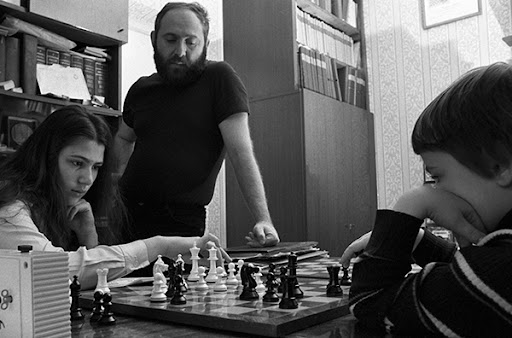
A Hungarian psychologist raised three daughters to prove that any child could become a chess grandmaster through early specialization. He succeeded. Two of them became grandmasters. One became the greatest female chess player who ever lived. Then a sports scientist looked at the data and found something nobody wanted to hear. His name is David Epstein. The book is called "Range." The Polgar experiment is one of the most famous case studies in the history of deliberate practice. Laszlo Polgar wrote a book before his daughters were even born arguing that geniuses are made, not born. He homeschooled all three girls in chess from age four. By their teens, Susan, Sofia, and Judit were dominating tournaments against grown men. Judit became the youngest grandmaster in history at the time, breaking Bobby Fischer's record. The story became the gospel of early specialization. Pick a domain young, drill it hard, and you can manufacture excellence. Epstein opens his book by telling that story honestly and then quietly demolishing the conclusion most people drew from it. Chess works that way. Most things do not. Here is the distinction that took him four years of research to articulate, and that almost nobody who quotes the 10,000 hour rule has ever read. There are two kinds of environments in which humans develop expertise. Psychologists call them kind and wicked. A kind environment has clear rules, immediate feedback, and patterns that repeat reliably. Chess is the cleanest example. Every game ends with a winner and a loser. Every move is recorded. The board never changes shape. The pieces never invent new ways to move. A child who plays ten thousand games will see most of the patterns that exist in the game, and pattern recognition is exactly what chess mastery is built on. A wicked environment is the opposite. Feedback is delayed or misleading. Rules shift. The patterns that worked yesterday may be exactly the wrong patterns to apply tomorrow. Most of the real world looks like this. Medicine is wicked. Investing is wicked. Building a company is wicked. Scientific research is wicked. Almost every job that involves a complex changing system with humans in it is wicked. The Polgar sisters trained in the kindest environment any human can train in. Their success was real and the method was correct. The mistake was generalizing the method to fields where the underlying structure of the environment is completely different. Epstein's research is what made the implication impossible to ignore. He looked at the careers of elite athletes outside of chess and golf and found that the pattern was almost the inverse of what people assumed. The athletes who reached the very top of their sports were overwhelmingly people who had played multiple sports as children, specialized late, and often switched disciplines well into their teens. Roger Federer played squash, badminton, basketball, handball, tennis, table tennis, and soccer before tennis became his focus. The kids who specialized in tennis at age six and trained year-round for a decade mostly burned out, got injured, or topped out at lower levels of the sport. The same pattern showed up everywhere he looked outside of kind environments. Inventors with the most patents had worked in multiple unrelated fields before their breakthrough work. Comic book creators with the longest careers had drawn for the most different genres before settling. Scientists who won Nobel Prizes were dramatically more likely than their peers to be serious amateur musicians, painters, sculptors, or writers. The skill that mattered in wicked environments was not depth in one pattern. It was the ability to recognize when a pattern from one domain applied unexpectedly in another. That kind of thinking cannot be built by drilling a single subject. It can only be built by accumulating mental models from many subjects and learning to move between them. The deeper finding is the one that should change how you think about your own career. Specialists in wicked environments often get worse with experience, not better. Epstein cites studies of doctors, financial analysts, intelligence officers, and forecasters showing that years of experience in a narrow domain frequently produce more confident judgments without producing more accurate ones. The expert builds elaborate mental models that feel comprehensive and turn out to be increasingly disconnected from the actual structure of the problem. They stop noticing what does not fit their framework. They mistake fluency for understanding. Generalists do better in wicked domains for a reason that sounds almost mystical until you understand the mechanism. They have less invested in any single mental model, so they abandon broken models faster. They are used to being a beginner, so they are not threatened by the discomfort of not knowing. They have seen enough different domains that they can usually find an analogy from one field that unlocks a problem in another. The technical name for this is analogical thinking, and the research on it is one of the most underrated bodies of work in cognitive science. The single most useful sentence in the entire book is the one Epstein puts almost as a throwaway. Match quality matters more than head start. A person who tries six different fields in their twenties and finds the one that genuinely fits them will outperform a person who picked one field at fourteen and stuck to it on willpower alone. The lost years were not lost. They were the search process that produced the match. Every field they walked away from taught them something they later imported into the field they finally chose. The reason this is so hard to accept is cultural, not empirical. We tell children to pick a path early. We reward the prodigy who knew at six. We treat the late bloomer as someone who failed to launch on time, when the data suggests they were running an entirely different and often more effective optimization process underneath. The Polgar sisters were not wrong. The conclusion the world drew from them was. If your environment is genuinely kind, specialize early and drill hard. If it is wicked, and almost every interesting human problem is, then the people who win are the ones who refused to specialize until they had seen enough to know what was actually worth specializing in. You are not behind. You were running the right experiment all along.
Ihtesham Ali tweet media
English
380
2.9K
11.2K
1M
J8y retweetledi
Andrew Pla
Andrew Pla@AndrewPlaTech·
"Not a happy marriage." @jsnover on why .NET and Windows have never gotten along. This clip has Bill Gates' obsession, the Longhorn disaster, Dave Cutler's backup tapes, and the day Notepad ballooned from 15KB to 15MB.
English
47
162
1.4K
141.3K
J8y
J8y@JoeBaguley·
@Tankslider I think a dicky rear ride height sensor is pretty normal for men of our age.
English
1
0
1
17
James Cameron
James Cameron@Tankslider·
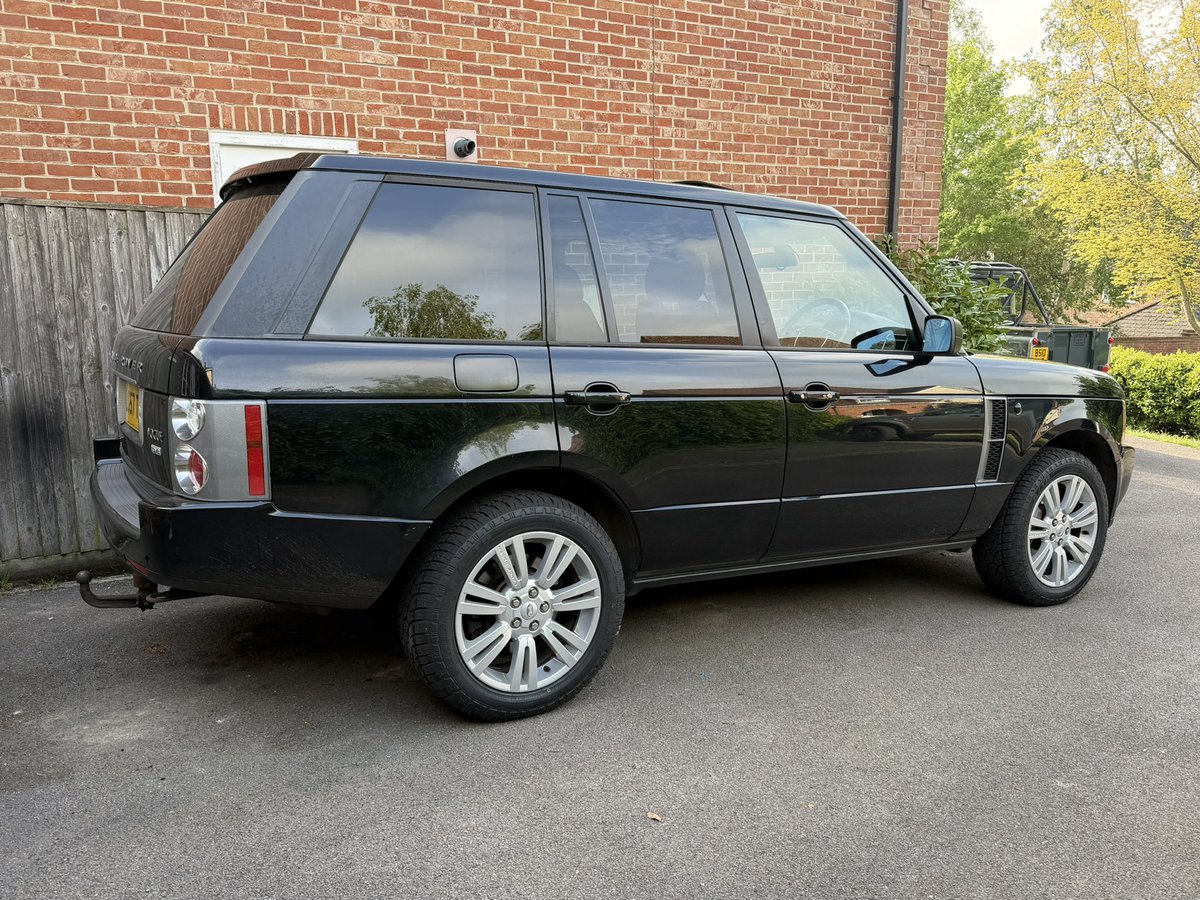
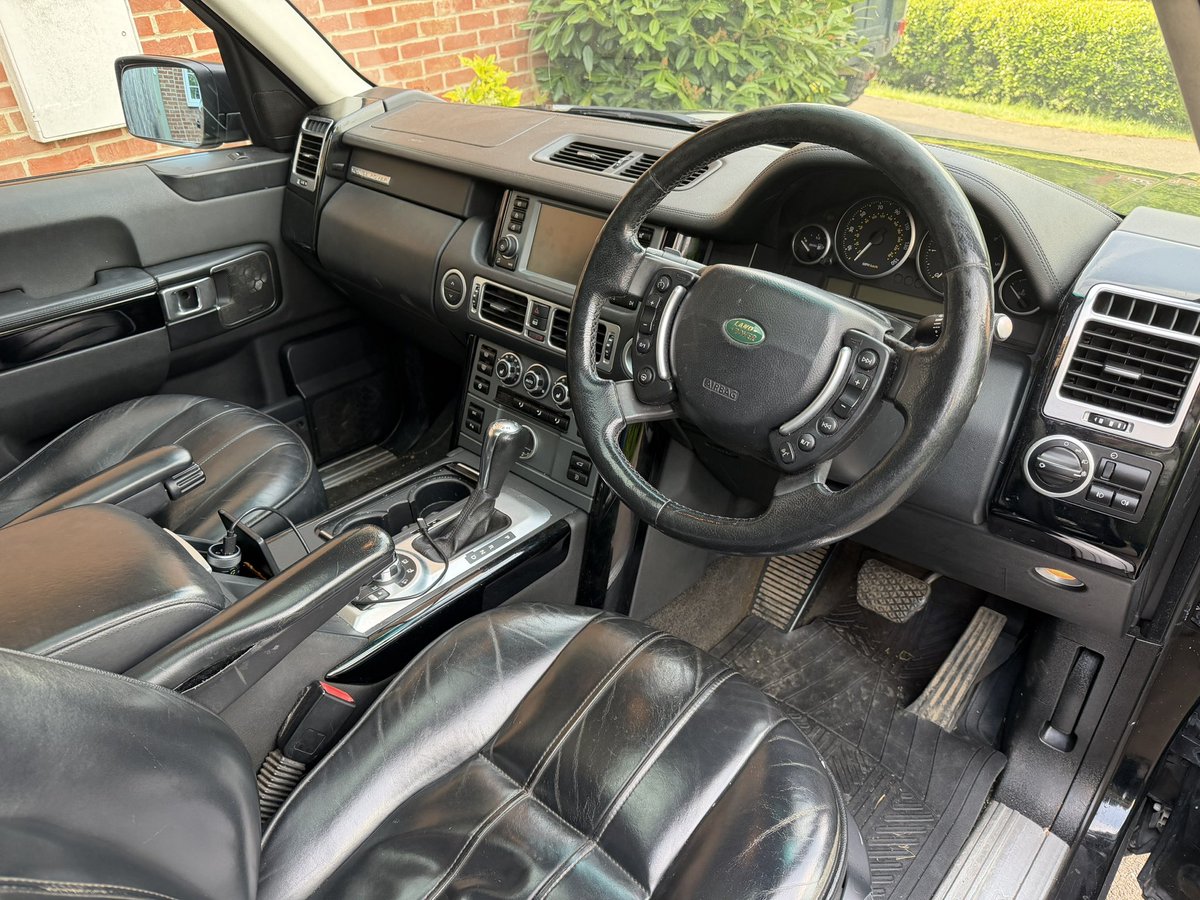
@JoeBaguley Such a nice place to be. I've got a slightly dicky rear ride height sensor that I need to replace... but otherwise. 🤞 Made light work of this today
James Cameron tweet media
English
1
0
1
27
James Cameron
James Cameron@Tankslider·
In cheap L322 news, I've probably spent the same again on it in bottom arms, bushes, alignment, servicing and tyres. Absolutely love it. Fingers crossed that continues.
James Cameron tweet mediaJames Cameron tweet mediaJames Cameron tweet media
English
11
0
91
6.1K
J8y
J8y@JoeBaguley·
@Tankslider Would still have another one though…
English
1
0
1
48
J8y
J8y@JoeBaguley·
@Tankslider What's funny is how I instantly recognised that bonnet release catch. Nearly wore mine out on my 2002 BMW M62 engined version towards the end!
English
1
0
4
249
J8y
J8y@JoeBaguley·
This is a thoughtful post. Instead of just building next-level RPA (which was a horror in and of itself as a concept) with Agentic AI, we will need to rethink the whole architecture and interactions. This is fun.
signüll@signulll

the craziest part now is that the modern computer probably has to be entirely reinvented, from scratch. pretty much like how jobs & co brought apple ii to market. like not improved. not given a chatbot sidebar or something but really from the ground up like the iphone redefined what it meant to be a pocket computer. the current paradigm for computers was built around a human staring at a screen, moving a cursor, opening apps, managing windows, naming files, remembering where things live, & manually translating intent into interface actions. that made sense when the human was the runtime. but in an ai native world, it starts to look kinda ridiculous. you can see this ridiculousness when you use computer use agents… they are useful sure, but they’re also obviously transitional. they’re teaching ai to operate machines designed for humans, which is clever, but also kind of absurd. it’s like making a robot hand so it can use a doorknob instead of asking why the door needs a knob at all. yes i know humans also need to use a door knob, but maybe in the future humans don’t need to use a computer, or at least what we think of a computer today at all. this all leads to some interesting questions: - what is a file when the system understands context? - what is an app when intent can route itself? - what is a desktop when work can be decomposed, executed, monitored, & summarized by agents? - what is a browser when the agent can retrieve, compare, transact, & remember? - what is an operating system when the primary user is no longer just a person, but a person plus a swarm of delegated intelligences? or no person at all. the old computer assumed navigation. the new computer has to assume a new kind of intention. the old computer organized information. the new computer has to try to organize agency. we’re still in the hacky middle stage at the moment with sidebars, copilots, agents clicking through legacy ui, & automation layers sitting on top of 40 year old metaphors. the new computer is likely one where memory, context, identity, permissions, tools, agents, & interfaces are native primitives. this means desktop, mobile, browser, apps, files, folders deserves another first principles look.

English
1
0
0
288
J8y retweetledi
Aakash Gupta
Aakash Gupta@aakashgupta·
That iPhone video is the farthest a consumer smartphone has ever been from Earth. Roughly 250,000 miles away, handheld through a docking hatch window, at 8x zoom with no modifications. Apollo 8's Earthrise was shot on a Hasselblad 500EL that NASA had torn apart and rebuilt. Custom lubricants that wouldn't off-gas in vacuum. 70mm Ektachrome film. A 250mm Zeiss Sonnar lens on a bespoke camera body with motorized film advance. 1968 peak-of-engineering, purpose-built for one job. Reid shot his version on an iPhone 17 Pro Max. 200mm equivalent focal length at 8x. f/2.8. The same phone shipping to Apple stores this week. The 8x view looks close to the human eye because the tetraprism folds the optical path inside a sensor the size of a fingernail. Apple spent a decade compressing what used to require a 250mm Zeiss barrel into 4mm of stacked glass plus computational denoising. The four astronauts went 252,756 miles from Earth. The device that documented the view sits on your nightstand.
Reid Wiseman@astro_reid

Only one chance in this lifetime… Like watching sunset at the beach from the most foreign seat in the cosmos, I couldn’t resist a cell phone video of Earthset. You can hear the shutter on the Nikon as @Astro_Christina is hammering away on 3-shot brackets and capturing those exceptional Earthset photos through the 400mm lens. @AstroVicGlover was in window 3 watching with @Astro_Jeremy next to him. I could barely see the Moon through the docking hatch window but the iPhone was the perfect size to catch the view…this is uncropped, uncut with 8x zoom which is quite comparable to the view of the human eye. Enjoy.

English
27
182
2.6K
285.2K
J8y
J8y@JoeBaguley·
@bensthinks Ah - only there today…
English
1
0
1
14
J8y
J8y@JoeBaguley·
@bensthinks Agreed! You at Goodwood today BTW?
English
1
0
0
44
Crawdad
Crawdad@bensthinks·
@JoeBaguley I’m amazed the rollover protection held up on that Defender. It always felt that that was a weak point
English
2
0
0
39
J8y retweetledi
James Cameron
James Cameron@Tankslider·
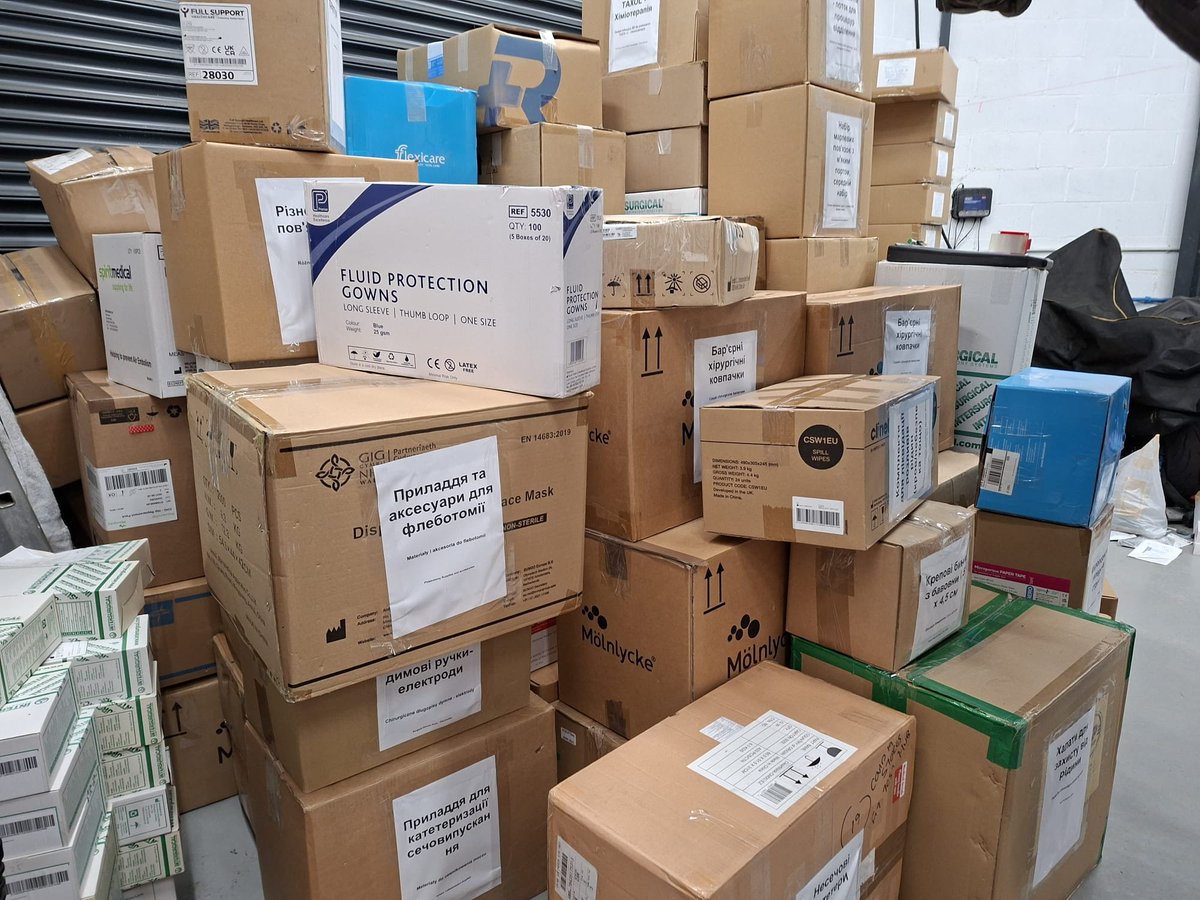
Next week I'll be enroute to Ukraine with this stuff. We've some way to go - please help Jack and I #info" target="_blank" rel="nofollow noopener">donorbox.org/jamesandjack#i
James Cameron tweet mediaJames Cameron tweet media
English
3
15
43
2.3K
Alan Page
Alan Page@Alanpage190·
@JoeBaguley @Tankslider Man alive! In the new DRABCDE model E stands for Exposure....let's keep it to the bottom of the list can we please!
English
1
0
1
35
J8y retweetledi
Javier de la Cuadra
Javier de la Cuadra@JavierDlacuadra·
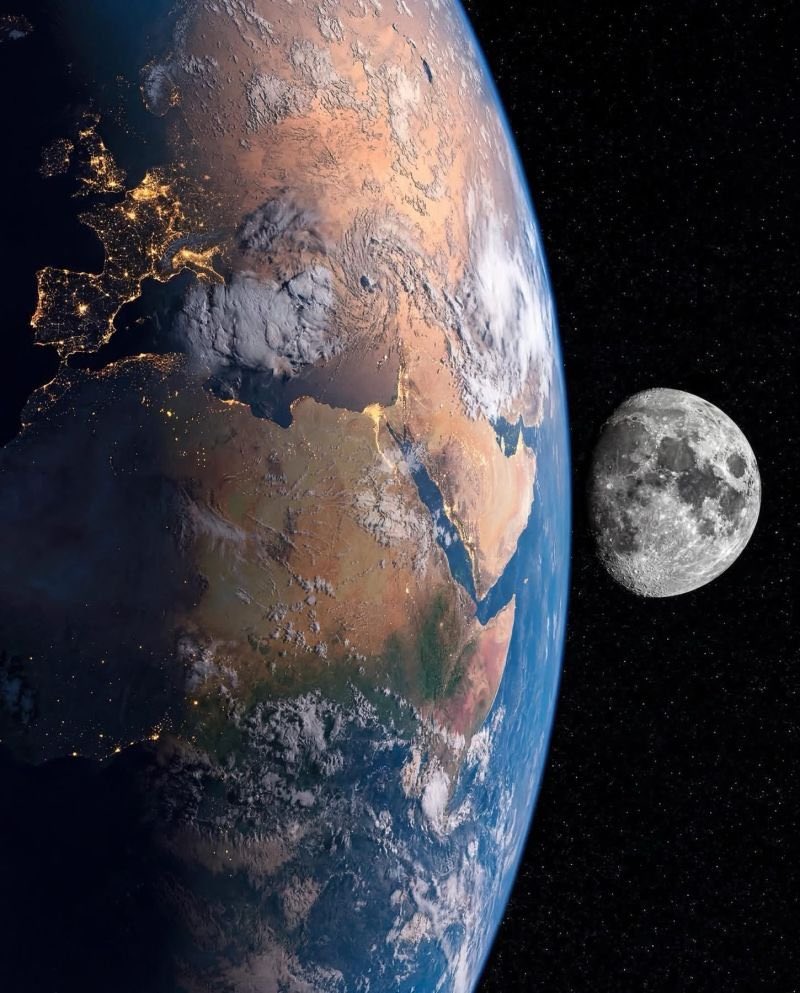
Ahora sí hablemos en serio de la foto. Este es un trino para interesados en fotografía, astrofotografía y el que quiera ¿Por qué esta foto es increíble? Algún conspiranóico, dándoselas de suspicaz, preguntó que por qué esta foto tomada por el comandante del Artemis II se veía más opaca que la foto tomada por la tripulación del Apolo 17 en 1972. Bueno. Acá viene lo emocionante. Esta fotografía hubiera sido imposible tomarla con una cámara análoga; y no cualquier cámara digital puede tomarla. El archivo original de esta foto está disponible para su descarga en la página de la NASA. En las propiedades del archivo se puede ver con qué cámara fue tomada y los ajustes de exposición que se usaron. Hasta el serial de la cámara. Esto, primero que todo, garantiza que la foto que estamos viendo no fue creada digitalmente, ni con IA, sino capturada por una cámara real por un humano. Sé que no es suficiente argumento para los conspiranóicos, pero ni modos. Esa que está ahí es la Tierra. Ahora sí lo interesante. ¿Por qué se ve como más opaca que la del 72? porque resulta que en la cara de la tierra que vemos en esa foto, está de noche; si hacen zoom pueden ver el brillo de la iluminación nocturna. Pero ¿cómo, si es de noche, puede verse como si fuera de día? Porque la foto se hizo con un altísimo ISO de 51200! El ISO es la sensibilidad del sensor a la luz. Con la mayoría de cámaras digitales, con ISOs de más de 6400, el ruido es tanto que la foto se ve prácticamente ilegible. Pero la cámara que tiene el comandante Reid Wiseman es una NIKON D5, que no es una cámara muy nueva; tiene 10 años de haber sido lanzada. Pero su sensor es reconocido por garantizar una calidad decente de imagen con ISOs altos. Y eso, para los que siempre preguntan cómo se hace una buena foto del cielo, es fundamental ¿Por qué? Pues para poder tomar fotos de los astros sin tener que bajar mucho la velocidad de exposición. Porque si bajas mucho la exposición apra que entre más luz, queda capturado el movimiento de los astros y de la rotación de la Tierra, cuando estás en la Tierra. Así que un iSO tan alto hizo posible que Wiserman pudiera disparar a una velocidad de 1/4 de segundo. Que es baja, pero no tanto. Es digamos, el límite para la astrofotografía. Por eso esta foto tiene ruido, porque de todas formas es un ISO altísimo. Pero lo que más me emociona a mí, es que la tomó con un lente 14 -24mm F2.8. Es decir, en terminos coloquiales, que esta foto no tiene zoom. Para que lo dimensionen: cuando uno quiere tomar una foto de la Luna desde la Tierra que salga así de "cerca" tiene que usar un lente de unos 400mm de distancia focal. Wiserman usó un ¡gran angular de 22mm! Es decir que él estaba viendo la Tierra asi de grande frente a sus ojos. Porque la foto no fue recortada en edición y eso lo sabemos porque en las propiedades del archivo siempre aparece cuando una foto fue editada. El archivo está limpio, tiene la resolución original de la cámara. La tierra era inmensa frente a su mirada. Hermoso. Pero para mí lo más mágico de esta foto, incluso más que las auroras boreales, es que se ve como la luz de sol, que está del otro lado de la tierra, ilumina nuestra atmosfera. Y eso es magia pura, porque esa atmosfera tiene una composición milimétricamente perfecta para permitir que la vida, tal y como la conocemos, sea posible. Esta foto, es un regalo precioso para la humanidad. Les dejo al link para que descarguen la foto en alta resolución y el pantallazo de las propuedades del archivo.
Javier de la Cuadra tweet media
Español
723
8K
31.3K
1.7M
J8y retweetledi
Mark Brookfield
Mark Brookfield@virtualhobbit·
@JoeBaguley @EurostarUK YES!!! Been banging this drum for years and no one paid attention! A perfect way to get work for 2hrs (Paris) or 5hr (Amsterdam) ruined by a tin cage that blocks signals.
English
0
1
1
203
J8y retweetledi
martinclarkson
martinclarkson@martinclarkson·
@JoeBaguley @EurostarUK I am in 100% agreement, normal trains are bad, these are impossible. Such a missed opportunity to make a great journey very productive.
English
0
1
2
221
J8y
J8y@JoeBaguley·
I’ve come to the conclusion that the @EurostarUK trains are in fact Faraday cages. Terrible cell signal on them every time. WiFi on them is worse as is just a shared cell connection! Any other train, fabulous signal. Makes working on it rather tricky sadly…
English
2
0
5
549