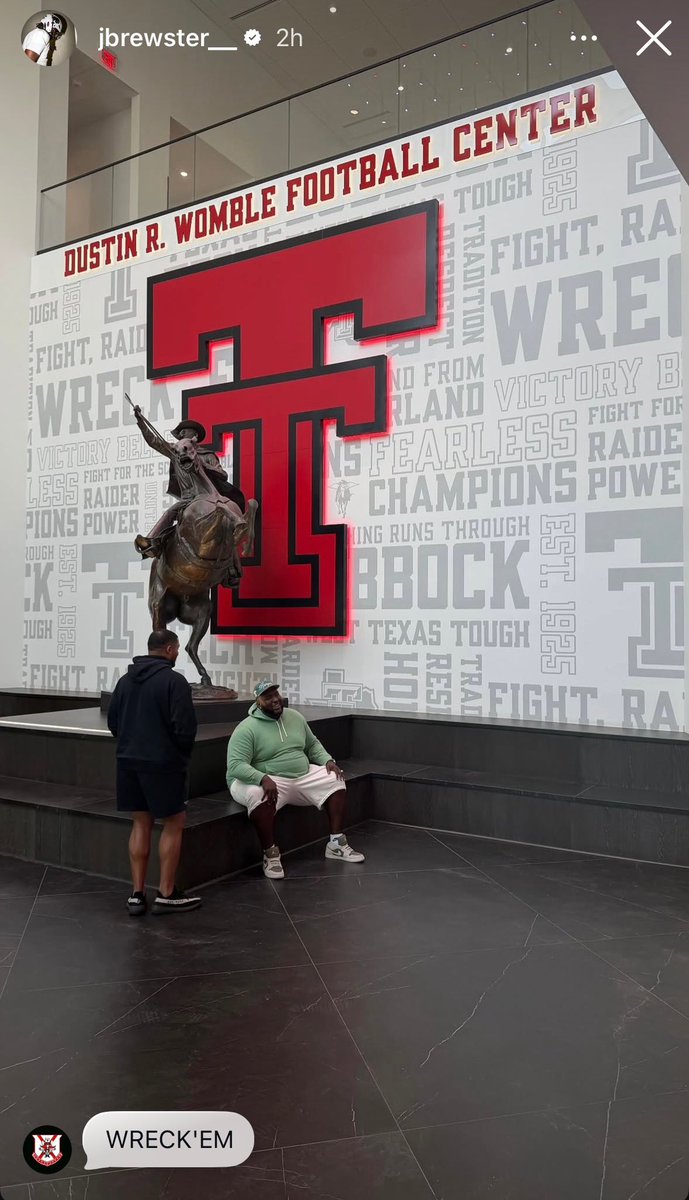
5-star #TexasTech commit DL Jalen Brewster (@j8ylen__) is in Lubbock for a spring visit‼️
Brewster is the No. 1 player in the country per @Rivals 🔥
📸: jbrewster__/IG
March 17, 1996: 3-seed Texas Tech’s Darvin Ham breaks the backboard on a dunk during a 92-73 second round NCAA Tournament win over 6-seed North Carolina.
@SouthwestAir@thepointsguy lots of ticked off travelers. Everyone is now delayed cause one guy with his family of 4 had his seats assigned problem is a 2 year old and 4 year old all in middle seats separate rows
@SouthwestAir@thepointsguy Southwest needs to abolish their new idiotic assigned seat policy. Planes are too small.They're not ready for it. Loyal A List preferred clients that travel for business during week and family on trips getting shafted breaking families up on the plane
@Jihooncrypto The Biden administration sold the U.S. Helium Reserve on their way out the door in 2024. At one time, we had plenty of it (stored underground in the Texas Panhandle) for a situation like this, but that is no longer the case.
@BowTiedYukon Endorush, white flood, best one that was hard to find and banned adrenolyn cuts and adrenolyn bulk also any of the pro hormones from Gaspari: M1T, then there was a winstrol and var version. 1AD was legit and 4-andro
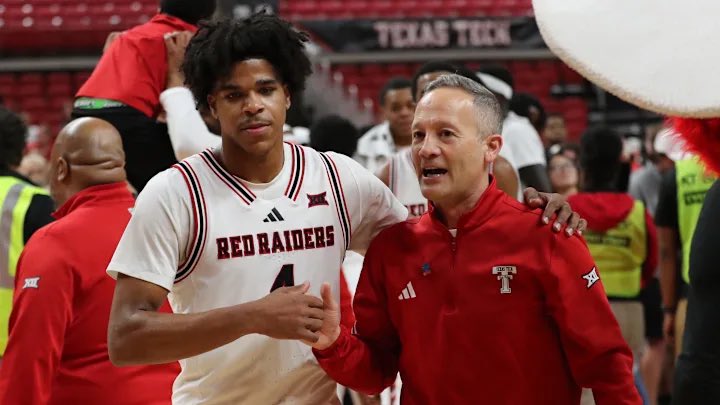
Texas Tech has the best wins in the COUNTRY.
#1 Duke (N)
#2 Arizona (A)
#4 Iowa State (A)
#5 Houston (H)
The Red Raiders have beaten four of the current Top 5 teams and have a 4-1 record vs Top 5 opponents 🤯
@Michael_J_New@SouthwestAir@SouthwestAir Solution to this is still give boarding numbers based on rank and then assign seats. This would allow seniority to take place and experienced fliers would not take overhead space where they don’t have seats.
@Michael_J_New@SouthwestAir A List preferred new assigned seat is terrible just flew and normally I’m A1-15. Now even though I am seat 1D both flights since I wasn’t in line 15 min before the flight boards then I’m at the back of line for group 1. I get on the plane and all overhead space is gone up front
.@SouthwestAir customers (especially if you are A-list or A-list preferred). Keep up the pressure on social media
Negative comments about the end of open seating have been trending on X (Twitter) for weeks.
I am sure @SouthwestAir is taking notice.
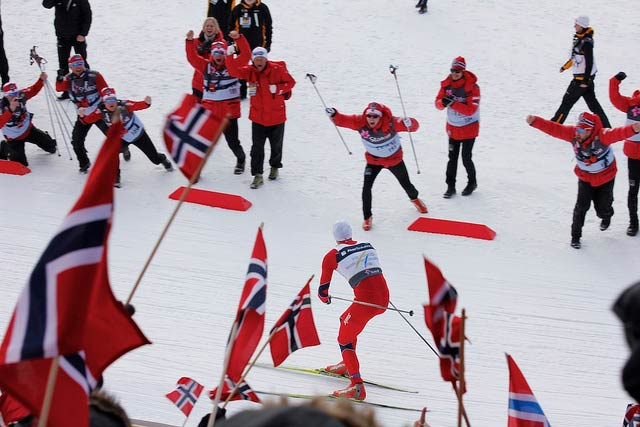
Norway consistently wins the most medals at the Winter Olympic Games, with a population of just 5.6 million people.
A big part of their success is how they treat youth sports—and it’s the opposite of what we do in the US. Here’s what we can learn from Norway:
1. Scorekeeping:
In the US: Youth sports tend to be hyper competitive even at early ages. Leagues almost always keep score.
In Norway: Scorekeeping isn’t even allowed until age 13.
Removing winners and losers keeps the focus on the process not outcomes. It keeps kids engaged longer because it minimizes pressure (and tears) and maximizes fun, learning, and growth. The goal isn’t to win a third grade championship. It’s to love sport and keep playing.
2. Trophies:
In the US: If you give everyone a trophy, you’re creating snowflakes who will never gain a competitive edge.
In Norway: Whenever trophies are awarded, they are handed out to everyone.
If getting a trophy makes young kids feel good, we should give them trophies. Maybe they’ll come back and play again next year!!
As for the creation of snowflakes with no competitive edge—Norway’s athletes are tough as nails and all they do is win.
3. Prioritizing Fun:
In the US: Far too often, the goal is to win.
In Norway: The national philosophy is “joy of sport.”
Youth sports in the US are driven by adults, ego, and money. Youth sports in Norway are driven by fun.
Only half of kids in the US participate in sports. The number one reason they drop out: because they aren’t having fun anymore. In Norway, 93% of kids participate in youth sports. Fun is the foremost goal.
4. Playing Multiple Sports:
In the US: There’s pressure to specialize early and play your best sport year round.
In Norway: Try as many sports as you can before specializing as late as college.
Norway encourages kids to try all types of sport. This reduces injury and burnout and increases all-around athleticism. It also helps promotes match quality, or finding the sport you are best suited for as your body develops, which is impossible if you commit to a single sport too early.
5. Affordability
In the US: There is increasingly a pay-to-play model with high fees for leagues, equipment, and travel. This excludes many kids from playing.
In Norway: It’s a national priority to keep youth sports affordable and therefore accessible for all.
Kids aren’t priced out, which creates opportunities for everyone to participate (and develop into athletes), regardless of their parents’ income level.
We could learn a lot from Norway:
In the US, 70% of kids drop out of youth sports by age 13. This not only diminishes an elite-athlete pipeline, but it also destroys an opportunity for healthy habits and all the character lessons kids can learn from sport.
In Norway, lifelong participation in sport is the norm. The goal isn’t to have the best 9U team. It’s to develop the best athletes. Those are two very different things. And Norway has the gold medals to prove it.
La gente que nació entre 1975 y 1999 pertenece a una generación verdaderamente irrepetible.
No por moda, no por ego… sino por historia vivida.
Nacimos justo entre dos mundos.
Antes de que el internet dominara todo, pero lo suficientemente a tiempo para adaptarnos cuando llegó.
Crecimos sin pantallas táctiles, pero aprendimos a usarlas.
Jugamos en la calle hasta que oscurecía… y luego vimos cómo el mundo se volvía digital.
La generación anterior nos enseñó el valor del esfuerzo, la disciplina, la constancia, el respeto y la palabra.
La siguiente nos mostró el trabajo inteligente, la rapidez, la innovación y la tecnología.
Y nosotros… aprendimos de ambas.
Vimos pasar la historia frente a nuestros ojos:
📻 la radio
📺 la televisión
🎮 Mario Bros
📼 cassettes y VHS
📀 DVD
📱 Nokia
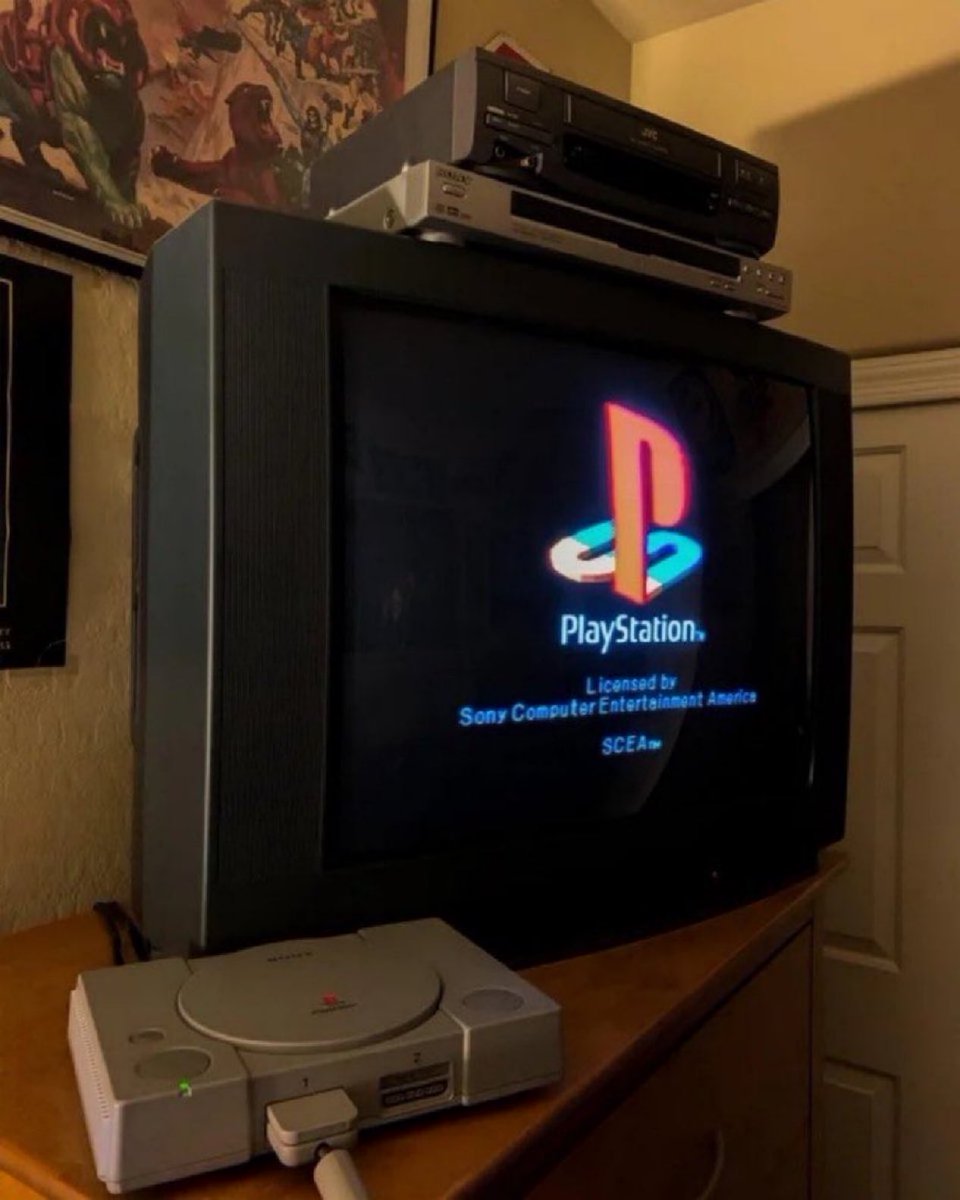
🕹️ Nintendo y PlayStation
🏬 los videoclubs
📲 Netflix, Snapchat
🤖 y ahora la realidad virtual
Somos la generación que recuerda y razona.
Que respeta la tradición, pero no tiene miedo de cuestionarla.
Que piensa antes de creer y analiza antes de seguir.
Los de antes no preguntaban.
Los de después muchas veces no recuerdan de dónde viene todo.
Somos el puente entre la era industrial y la era del internet.
Entendemos ambos lados porque los vivimos, no porque nos los contaron.
Por eso esta generación debería estar moviendo el mundo.
Porque los de antes ya no ven lo que está pasando…
y los que vienen no siempre saben de dónde salió lo que hoy tienen.
Somos la generación que conecta el pasado con el futuro.
Y eso… no se aprende, se vive…
There is mitigating context, but trading Pavel Buchnevich, Chris Kreider, and Artemi Panarin for a combined package that's basically the same as what you paid to rent Andrew Copp is ridiculous work.