Joe Pitts

1.1K posts

Joe Pitts

Joe Pitts

@JPittsAZ

Arizonan.

Katılım Temmuz 2018
5K Takip Edilen3.2K Takipçiler
Joe Pitts retweetledi

Jonathan Liedl
Jonathan Liedl@JLLiedl·
St. Joe's in Manhattan went viral this Easter. Headlines compared it to a NYC nightclub, while X users framed it politically or called it a "Clavicular podcast." @BartschKayla, a St. Joe's parishioner, set the record straight on what's really going on. ncregister.com/commentaries/w…
English

3
6
27
2.6K
James Lynch
James Lynch@jameslynch32·
Today is my first day as Director of Media at the Institute for Family Studies @FamStudies. So excited to be part of a growing team with an excellent mission and tremendous research. All reporters, editors, bookers, etc can reach me at james@ifstudies.org. Let's go!
James Lynch tweet media
Carter Skeel@CarterSkeel

Delighted to welcome @RealDCochrane and @jameslynch32 to the IFS team. And very grateful to my colleagues for making all of it possible @BradWilcoxIFS @lymanstoneky @WendyRWang @grantjbailey @KBurchfiel3 @jareddhayden

English
23
12
149
20.6K
Joe Pitts retweetledi
Gil Guerra
Gil Guerra@gildeguerra·
Grateful to the @washingtonpost for running my letter to the editor in response to this column: "Regarding Shadi Hamid’s April 8 online column, 'Muslims shouldn’t have to assimilate to belong': As a son of Mexican immigrants who researches immigration and assimilation, I share Hamid’s concern for the dignity of newcomers and their children. But his column defended minorities against a demand America has largely stopped making. Hamid sees assimilation as requiring convergence with the mainstream. That version of assimilation had real force in the 20th century, when several states passed laws banning foreign-language instruction and voters in Oregon tried to outlaw Catholic schools in the name of Americanization. But today, the country’s most dominant institutions, from academia to corporations, incentivize assimilation into something else: a worldview that celebrates distance from the American mainstream. As countless scholarships, campus centers and diversity, equity and inclusion programs geared toward expressions of cultural difference demonstrate, today’s children of immigrants are not being asked to converge on anything. In fact, their supposed foreignness is rewarded."
Shadi Hamid@shadihamid

My new @washingtonpost column: Why do Muslims need to be like everyone else? A case against assimilation. washingtonpost.com/opinions/2026/…

English

8
10
63
13.2K
James🗳
James🗳@_fat_ugly_rat_·
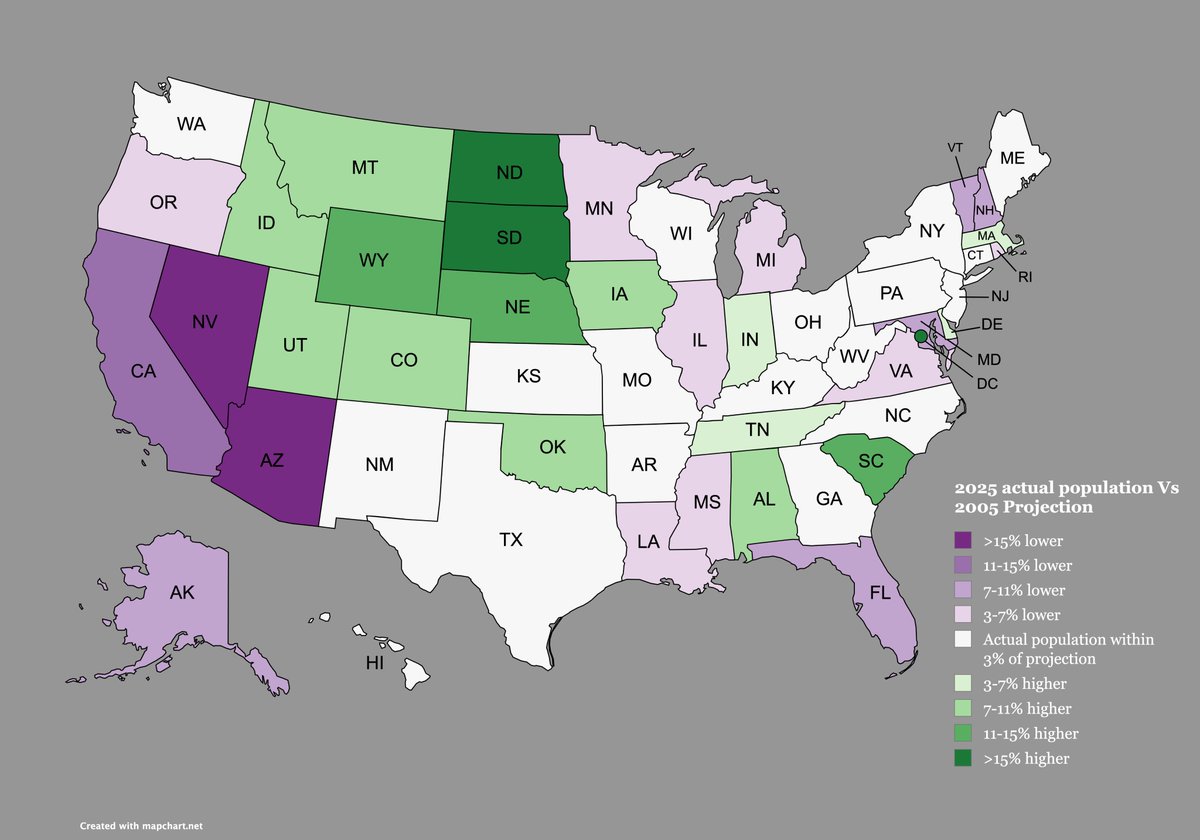
The Census Bureau released population projections in 2005 that went out to 2030 Biggest misses, 2025 actual vs projected AZ: -20% NV: -15.1% CA: -11.2% NH: -10.8% AK: -10.2% FL: -9.5% - Nationwide: -2.2% - WY: +11.3% NE: +11.3% SC: +11.7% SD: +16.6% ND: +28.8% DC: +52.4%
James🗳 tweet media
English
21
28
486
41.8K
Joe Pitts retweetledi
James🗳
James🗳@_fat_ugly_rat_·
Looking at one of the largest misses, Arizona, it seems like a combination of the 2008 recession hitting the Southwest super hard and water and affordability concerns slowing development were not predicted by the Census Bureau
James🗳 tweet media
English
2
5
85
5.4K
Joe Pitts retweetledi
Levi Canuleio
Levi Canuleio@LeviCanuleio·
Magnus ab integro saeclorum nascitur ordo. Iam redit et Virgo, redeunt Saturnia regna: iam nova progenies caelo demittitur alto. Tu modo nascenti puero, quo ferrea primum desinet, ac toto surget gens aurea mundo, casta fave Lucina; tuus iam regnat Apollo!
Levi Canuleio tweet mediaLevi Canuleio tweet mediaLevi Canuleio tweet mediaLevi Canuleio tweet media
VB Knives@Empty_America

It is clear that the next great Civilization will arise from the American South-West. Representing the *fusion* of Faustian Techne and Latin Civilization, with Meso-American themes as a regent in the reaction. Precise Germanic machines irrigating the Fields of the Sun! In time, we will even divert the Mississippi river and/or the Great Lakes.

Română
1
2
7
2.6K
Joe Pitts
Joe Pitts@JPittsAZ·
@LundahlHorses Reminds me of the Netflix adaptation of Train Dreams. Civilization is built by hard working people who have little appetite for vanity. Grand projects are rarely completed by grand gestures.
English
0
0
12
966
Jake Lundahl
Jake Lundahl@LundahlHorses·
Civilization was built by people like this, and there is a stunning lack of gratitude in our culture for their work. In this specific case, at least half of the apple varieties in Brown’s collection were considered “lost” until he personally tracked them down and saved them. He literally went on quests where he did things like, tracking a lost variety back to a stump of a long-ago-cut-down tree near an abandoned homestead in remote Appalachia, took cuttings from the green shoots coming out of the stump, brought them back and planted them. Absolute legend.
Undiscovered History@HistoryUnd

Tom Brown, a retired engineer, dedicated 25 years to preserving approximately 1,200 apple varieties from extinction.

English
536
21.2K
121.6K
2.8M
Joe Pitts retweetledi
Pretty Cities
Pretty Cities@PrettyCitiesX·
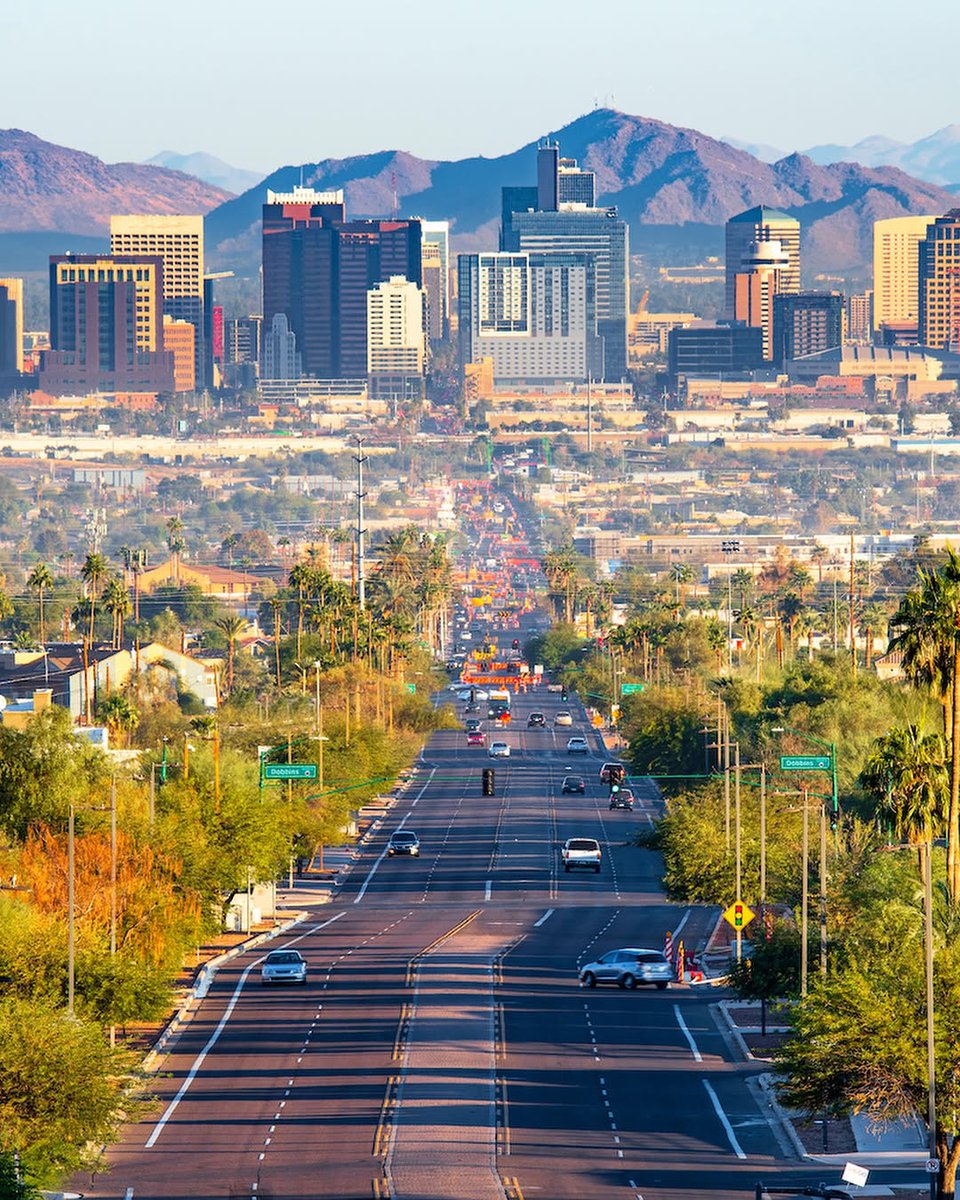
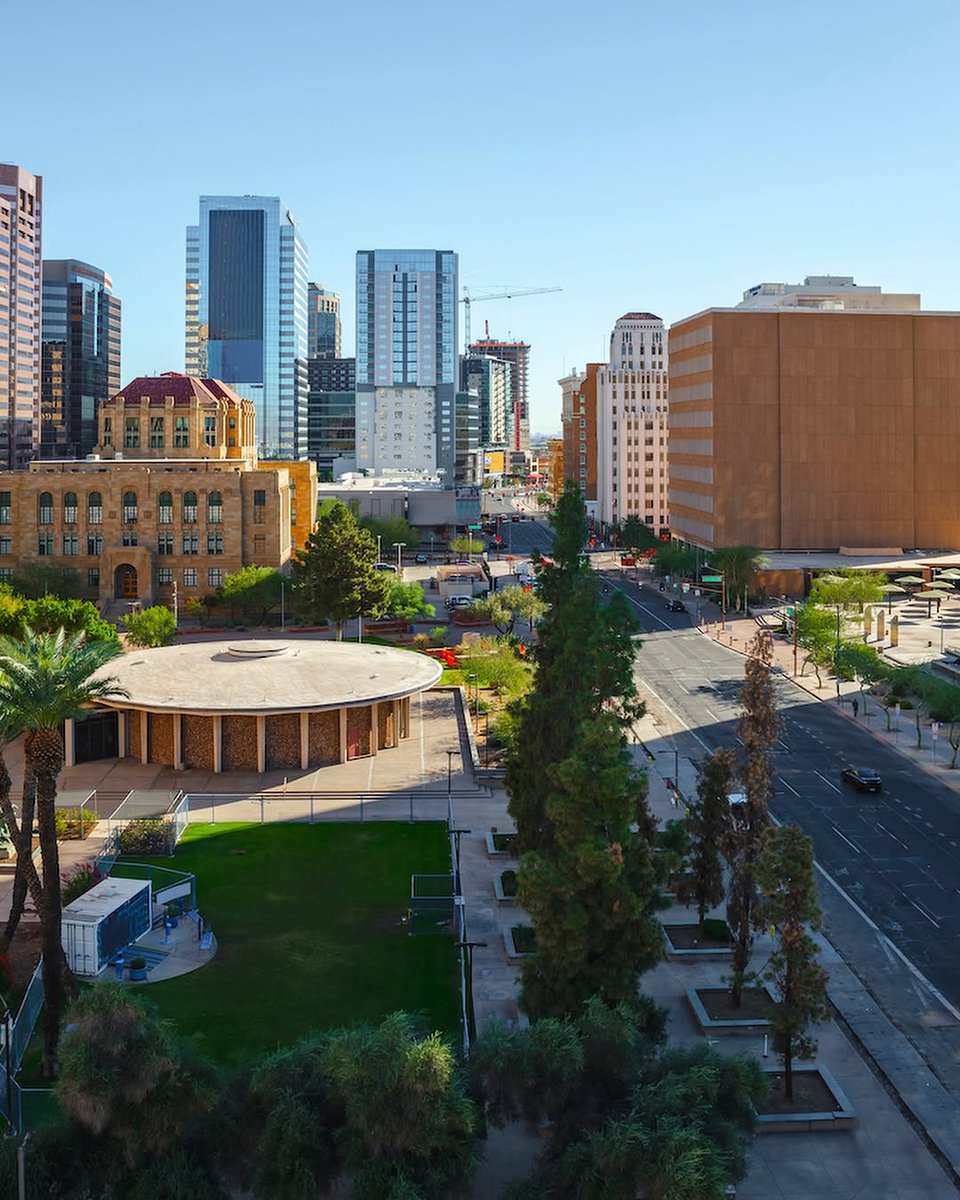
Phoenix, Arizona 🇺🇸
Pretty Cities tweet mediaPretty Cities tweet mediaPretty Cities tweet mediaPretty Cities tweet media
Română
40
208
2K
138.6K
Joe Pitts retweetledi
Tenobrus
Tenobrus@tenobrus·
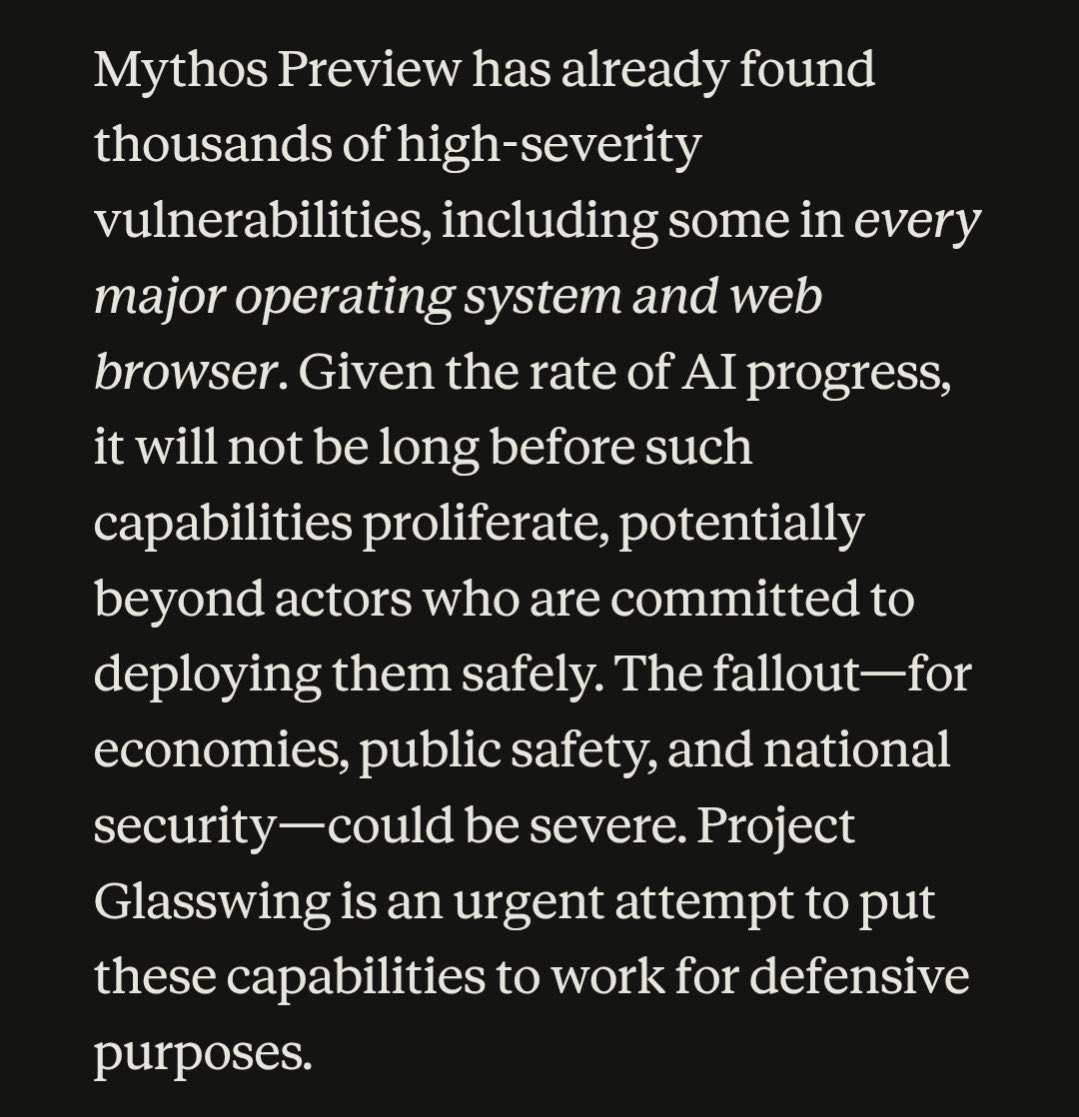
maybe this is not yet clear, so let me state it plainly: as of right now Anthropic, and really a small number of individuals at Anthropic, has the capacity to directly attack and cause major damage to the United States Government, China, and generally global superpowers. government agencies like the NSA do not have internal models or defense capabilities that outclass frontier models. if they chose to do so, they could likely exfiltrate top secret information from government systems, gain control over critical infrastructure including military infrastructure, sabotage or modify communications between members of government at the highest level, and potentially carry on activities for some time without detection. the thing about having access to a huge number of zerodays your adversaries don't know about is it gives you a massive asymmetric advantage. they did not exploit this to gain power or destabilize the world order. they publicly released the information that they had these capabilities and worked to mitigate these flaws. you should be grateful american frontier labs have proven themselves remarkably trustworthy and concerned with the public good. but it's critical you understand we are in a new regime. private entities now have power that directly rivals and impacts the government's monopoly on influence and violence. and anthropic is certainly not the only one, there's little chance OpenAI's internal models are far behind. this trend will accelerate on virtually every dimension, not slow down. my prediction for how it plays out is the relatively imminent seizure and nationalization of labs by the US government, sometime over the next two years. it's very tough for me to see how they accept the existence of this kind of threat. but this adds a whole new class of governance issues, as then we've handed these extremely wide-reaching capabilities from private entities to public ones.
Tenobrus tweet media
English
224
557
5.4K
827.1K
Joe Pitts retweetledi
Ross Douthat
Ross Douthat@DouthatNYT·
2026.
Ross Douthat tweet mediaRoss Douthat tweet mediaRoss Douthat tweet mediaRoss Douthat tweet media
10
70
711
40.4K
Joe Pitts
Joe Pitts@JPittsAZ·
Joe Pitts tweet media
Joe Pitts@JPittsAZ

In a brief for the @1912Institute, I analyze the Sun Belt's growth trajectory. "Our national consciousness remains mired in nostalgia and continues to under-index the incredibly bright trajectory of states like Arizona, Nevada, Texas, Georgia, and Florida." 🧵

ZXX
0
1
2
290
Joe Pitts retweetledi
The White House
The White House@WhiteHouse·
EARTHSET. April 6, 2026. Humanity, from the other side. First photo from the far side of the Moon. Captured from Orion as Earth dips beyond the lunar horizon. Photo: NASA
The White House tweet media
English
2.7K
17.3K
98.3K
5.5M
Joe Pitts retweetledi
Joe Pitts
Joe Pitts@JPittsAZ·
The Sun Belt’s trajectory remains bright, but there are two key trends that policymakers and entrepreneurs should keep an eye on: 1) Sun Belt population growth is driven primarily by immigration, not an increase in net births: Domestic and international immigration are contributing to recent Sun Belt population growth more than net births. In order to keep pace, the region will need to find ways to maintain net in-migration flows to the region (keeping in mind, of course, that immigration—especially foreign immigration—has non-economic impacts that should be weighed carefully). The region can also find new ways to increase net births, remembering that the large senior population will continue to weigh down natural population growth. 2) Sun Belt economic growth has primarily been a function of population growth, not productivity gains: The Sun Belt generally outperforms the Rust Belt in terms of productivity, but still lags behind the national average. To sustain growth with or without sustaining high net in-migration numbers, Sun Belt leaders can focus their attention on increasing economic productivity. This might entail better supporting the development of high-productivity industries and the cultivation of a more highly skilled workforce. Decline is a choice, but so is success. The region’s newfound vitality is not inevitable.
English
1
1
2
126
Joe Pitts retweetledi
Joe Pitts
Joe Pitts@JPittsAZ·
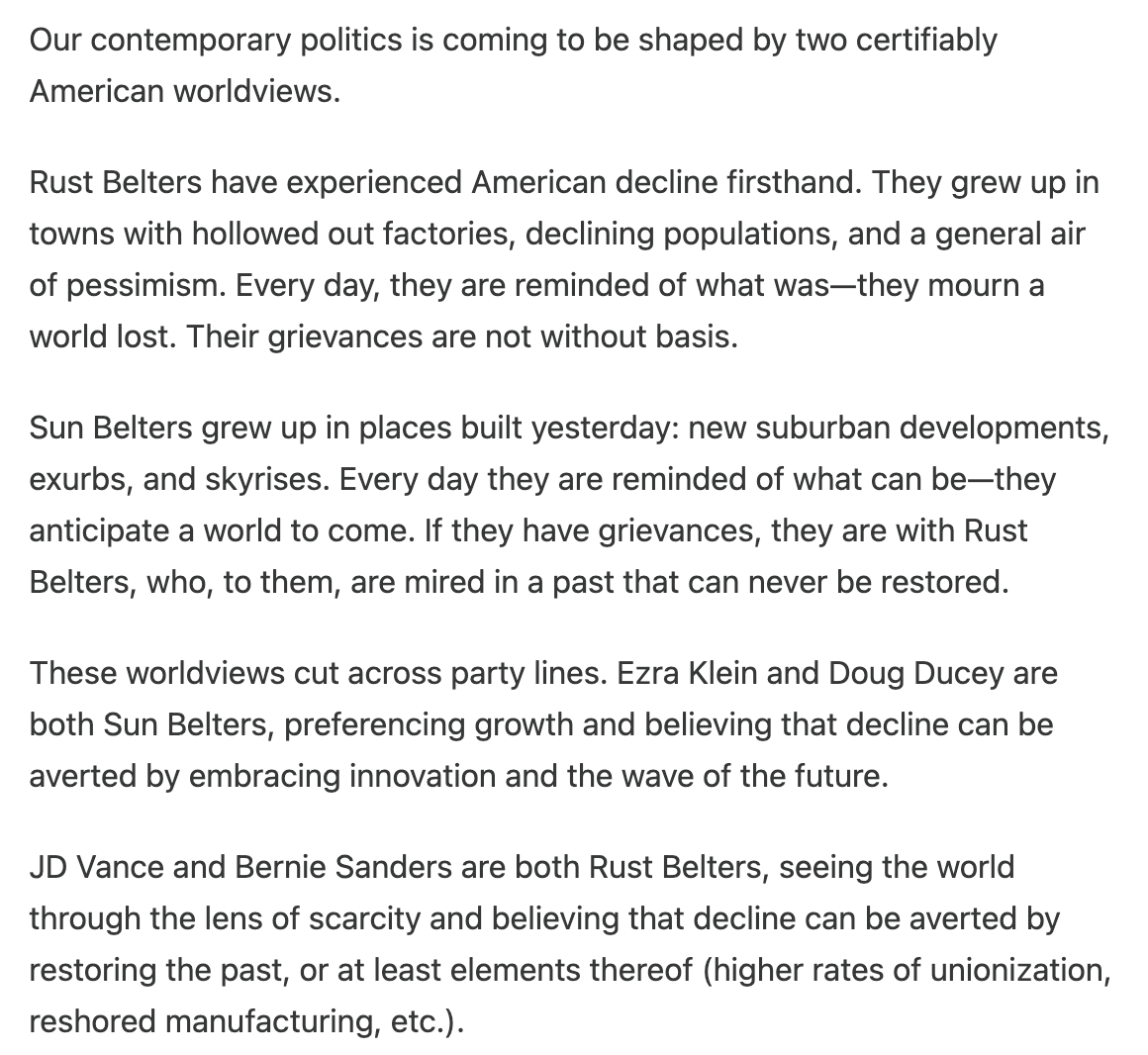
Our contemporary politics is coming to be shaped by two certifiably American worldviews. Rust Belters have experienced American decline firsthand. They grew up in towns with hollowed out factories, declining populations, and a general air of pessimism. Every day, they are reminded of what was—they mourn a world lost. Their grievances are not without basis. Sun Belters grew up in places built yesterday: new suburban developments, exurbs, and skyrises. Every day they are reminded of what can be—they anticipate a world to come. If they have grievances, they are with Rust Belters, who, to them, are mired in a past that can never be restored. These worldviews cut across party lines. Ezra Klein and Doug Ducey are both Sun Belters, preferencing growth and believing that decline can be averted by embracing innovation and the wave of the future. JD Vance and Bernie Sanders are both Rust Belters, seeing the world through the lens of scarcity and believing that decline can be averted by restoring the past, or at least elements thereof (higher rates of unionization, reshored manufacturing, etc.). (A brief aside: Sanders does not hail from a Rust Belt state. The Sun Belt and Rust Belt attitudes are regionally sourced but nationally distributed.) If the Sun Belt’s sunny trajectory continues apace—signs are good, but far from certain—Sun Belters will exercise an increasingly large role in our politics. Does this mean that Sun Belt policies will gain traction? Not necessarily. Sufficient backlash to streamlined regulation, improved state capacity, and elevated but perhaps inequitably distributed economic growth could put the Rust Belters back in the driver’s seat. The emerging dominant paradigm in our politics—Sun Belt vs. Rust Belt—cuts across party lines. It could be the fulcrum upon which 21st century American politics turns.
English
2
2
1
235
Joe Pitts retweetledi
Joe Pitts
Joe Pitts@JPittsAZ·
In a brief for the @1912Institute, I analyze the Sun Belt's growth trajectory. "Our national consciousness remains mired in nostalgia and continues to under-index the incredibly bright trajectory of states like Arizona, Nevada, Texas, Georgia, and Florida." 🧵
Joe Pitts tweet media
English
1
4
6
764
Joe Pitts retweetledi
1912 Institute
1912 Institute@1912Institute·
New from the @1912Institute: Not enough attention has been paid to the Sun Belt. Our national consciousness remains mired in nostalgia and continues to under-index the incredibly bright trajectory of states like Arizona, Nevada, Texas, Georgia, and Florida. @JPittsAZ
1912 Institute tweet media
English
1
1
1
143
Joe Pitts retweetledi
Federico Italiano
Federico Italiano@FedeItaliano76·
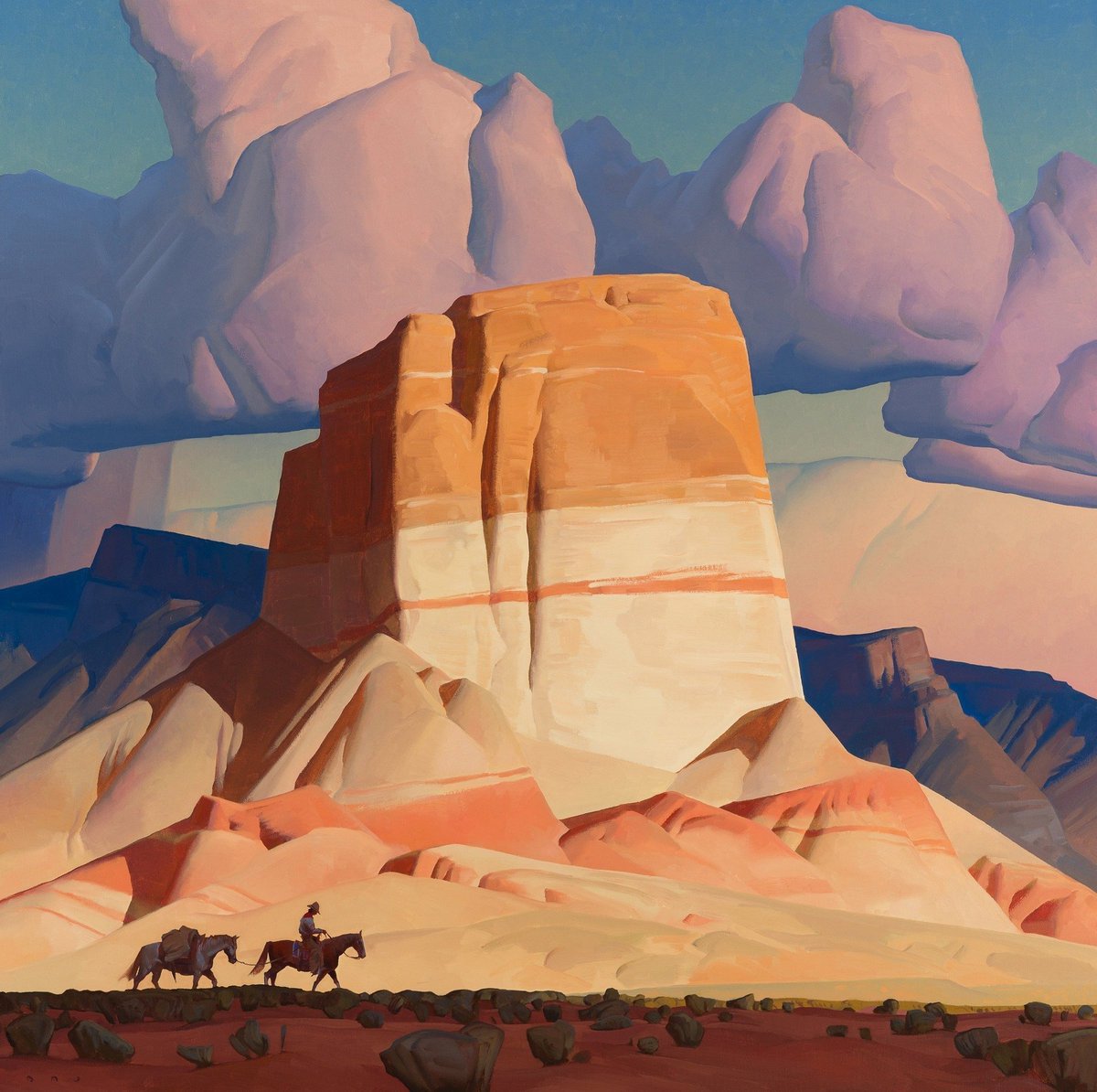
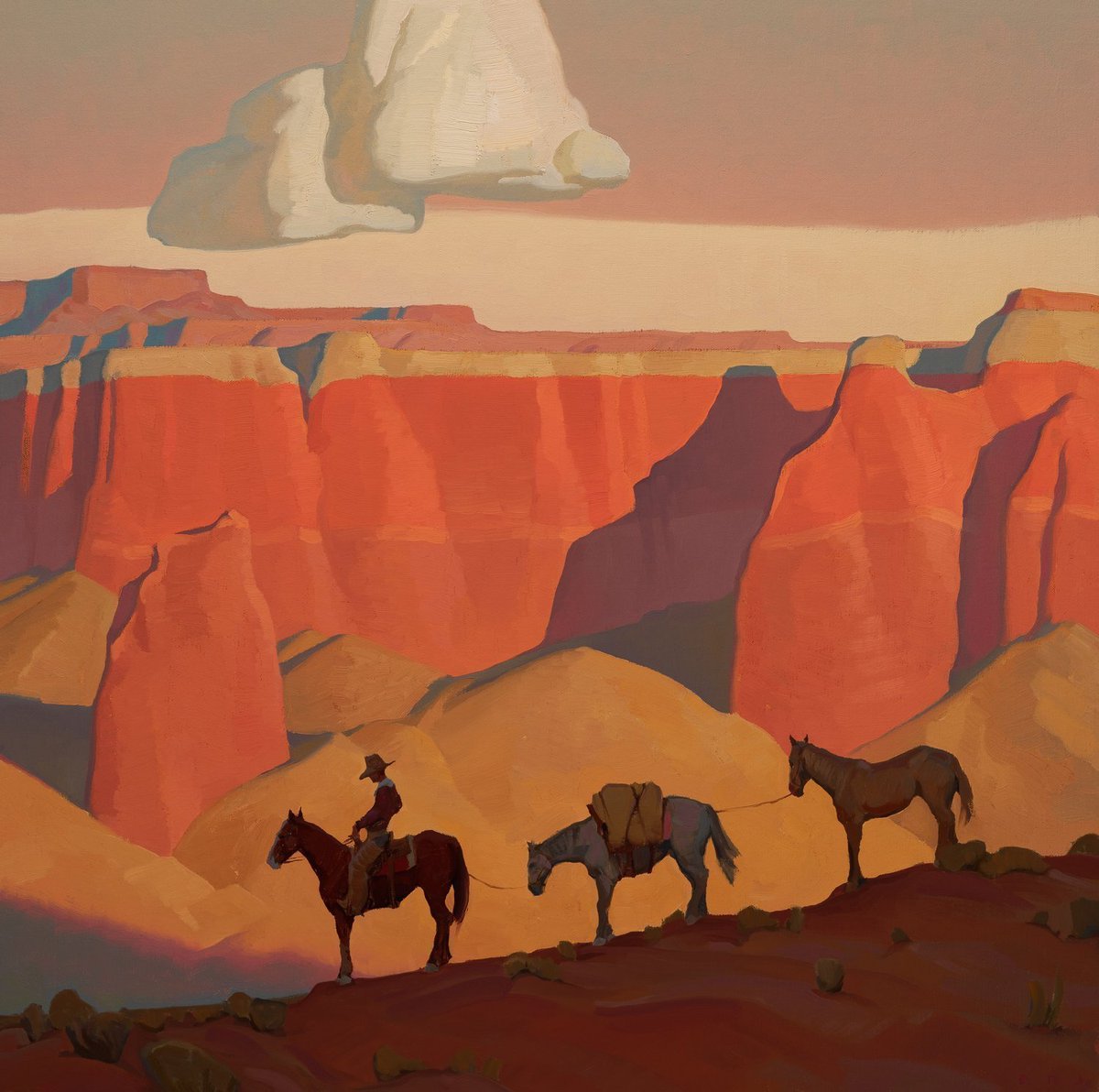
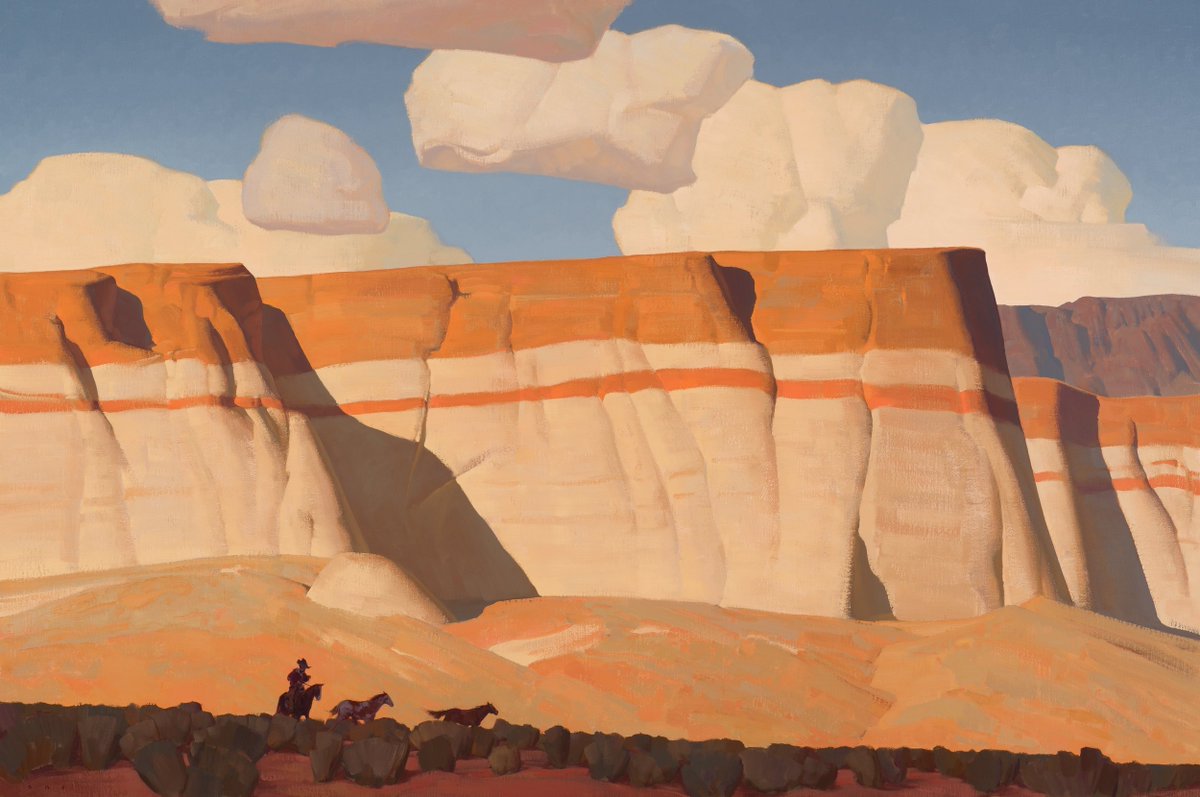
Landscapes by Lehi-based painter Brett Allen Johnson (born 1984)
Federico Italiano tweet mediaFederico Italiano tweet mediaFederico Italiano tweet mediaFederico Italiano tweet media
English
17
361
3.7K
107.2K