Jean-Paul Kimonyo

1.3K posts

Jean-Paul Kimonyo banner
Jean-Paul Kimonyo

Jean-Paul Kimonyo

@jpkimonyo

https://t.co/BTkOXsLipY

Katılım Mayıs 2012
752 Takip Edilen3.7K Takipçiler
Sabitlenmiş Tweet
Jean-Paul Kimonyo
Jean-Paul Kimonyo@jpkimonyo·
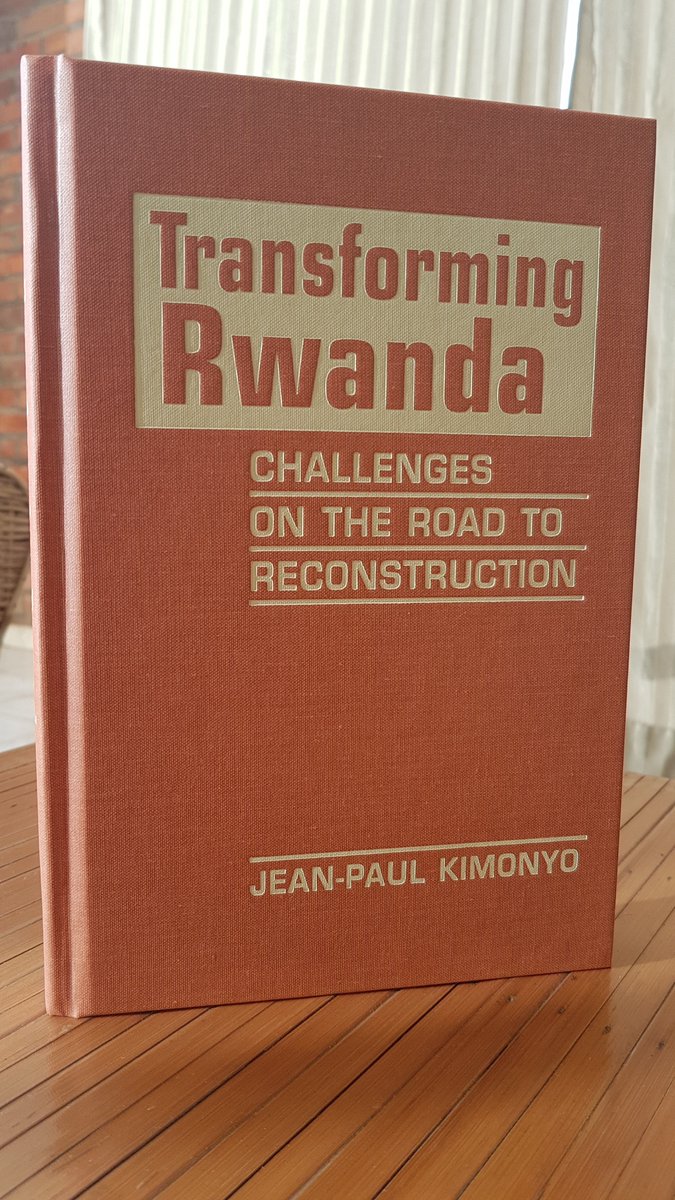
I announced the pre-order before but now it is offical: My book on Rwanda's reconstruction is out and can be ordered from the publisher. The BOOK WIIL ARRIVE IN KIGALI END OF MARCH at Ikirezi & Caritas bookstores! #RwOT #Rwanda rienner.com/title/Transfor…
Jean-Paul Kimonyo tweet media
English
26
95
277
0
Charles Onyango-Obbo
Alcohol, Drugs, and Africa's $2 Billion Betting Crisis are Draining Its Economic Future Gross gambling revenue across Africa is set to hit $13.5 billion (£10.7 billion) this year, Bloomberg reports. Gambling now accounts for more than half of all leisure spending in South Africa alone, with individuals on average staking 2% of their income last year. Some 7% of consumers are wagering all their earnings. Retailers, telcos, and other companies have seen their sales suffer because of the squeeze on consumers’ wallets. Alcohol, drugs, and gambling are finishing off African youth, costing billions of dollars in lost productivity annually across the continent. In Kenya, the economic drain from substance abuse and alcohol is estimated at KSh50 billion ($380 million/£301 million) every year, while untreated mental health and substance disorders cost an additional KSh 62.2 billion ($473 million/£375 million) in lost output. In South Africa, the social costs associated with alcohol harm are modelled at R37.9 billion ($2.1 billion/£1.6 billion) per annum. Kenya, approximately 76% of young men aged 18 to 24 gamble regularly, and 68.5% of university students report alcohol use. In Nigeria, the drug use prevalence rate of 14.4% is nearly three times the global average, with one in five youths affected. Financial diversion is significant, as 35.7% of users in specific regions prioritise substances over food and education. This is compounded by gambling trends; low-income individuals in South Africa now spend up to 41% of their monthly salary on betting. Furthermore, the share of online gambling in credit card spending surged to 58% by 2024, indicating that many are financing these habits through debt. This shift creates a long-term dependency deficit. In Nigeria, where youth unemployment is approximately 33%, an estimated $2 billion (£1.6 billion) is spent annually on sports betting. This cycle leads to a loss of workdays and a rise in loan defaults, which are increasing four times as fast among gamblers as non-gamblers. The convergence of alcohol, drugs, and gambling is eroding the continent's tax base and reducing resources available for infrastructure and education.
Charles Onyango-Obbo tweet media
English
5
17
24
3.3K
Jean-Paul Kimonyo
Jean-Paul Kimonyo@jpkimonyo·
@JosephRyarasa The effects of tablets and, AI, are more serious than the loss of reading habit, they create a quick and steep cognitive abilities decline. Quality of education was slowly improving in many African countries, this new challenge that requires institutional and personal discipline.
English
0
0
1
55
Joseph Nkurunziza Ryarasa
Joseph Nkurunziza Ryarasa@JosephRyarasa·
Sweden’s move to return to books instead of relying too much on digital learning gives us something to think about. Once children get used to phones, tablets and constant screen time, it becomes very difficult to reverse the situation and bring back the discipline of reading. Technology is useful, but it can easily take over if it is not well guided. For many African countries, the bigger concern is that we often remain consumers of these technologies rather than active creators. We import devices, applications and systems, yet invest less in developing our own solutions that respond to our realities. Education should help us build thinkers, innovators and problem solvers, not just users of tools designed elsewhere. The question is not whether books are better than technology, but whether we are using technology in a way that strengthens learning and independence. Otherwise, we risk raising a generation that is comfortable with gadgets but less grounded in deep reading and critical reflection. May the Almighty guide us to make choices that protect the quality of education and prepare our children for the future. bbc.com/news/articles/…
English
3
2
15
1.3K
Jean-Paul Kimonyo retweetledi
Steve Wembi
Steve Wembi@wembi_steve·
#RDC: Exclusif Câble | ‼️🚨🛑L’AFC/M23 et Kinshasa signent un MOU (Memorandum of Understanding) en #Suisse 🇨🇭. #CIRGL . En signant le MoU avec l’AFC/M23 , le Expanded Joint Verification Mechanism (EJVM), operating under the International Conference on the Great Lakes Region (CIRGL/ICGLR), devient automatiquement EJVM+ . Donc l’AFC/M23 déploiera aussi ses officiers dans le cadre de vérification ou monitoring de cessez-le-feu. L'EJVM collabore avec la @MONUSCO pour soutenir les préparatifs en vue de la paix et surveiller certaines zones, notamment #UVIRA, où l’AFC/M23 avait auparavant progressé avant de se retirer.
Steve Wembi tweet mediaSteve Wembi tweet media
English
84
87
429
51.6K
Jean-Paul Kimonyo retweetledi
Akagera Aviation
Akagera Aviation@AkageraAviation·
We are deeply saddened by the passing of our Managing Director, Mr. Patrick Nkulikiyimfura, on 12th April 2026. A visionary leader, his impact on Akagera Aviation and Rwanda’s aviation industry was profound. Our thoughts are with his family. May he rest in peace.
Akagera Aviation tweet media
English
23
78
375
86.3K
Jean-Paul Kimonyo retweetledi
International Conference on the Great Lakes Region
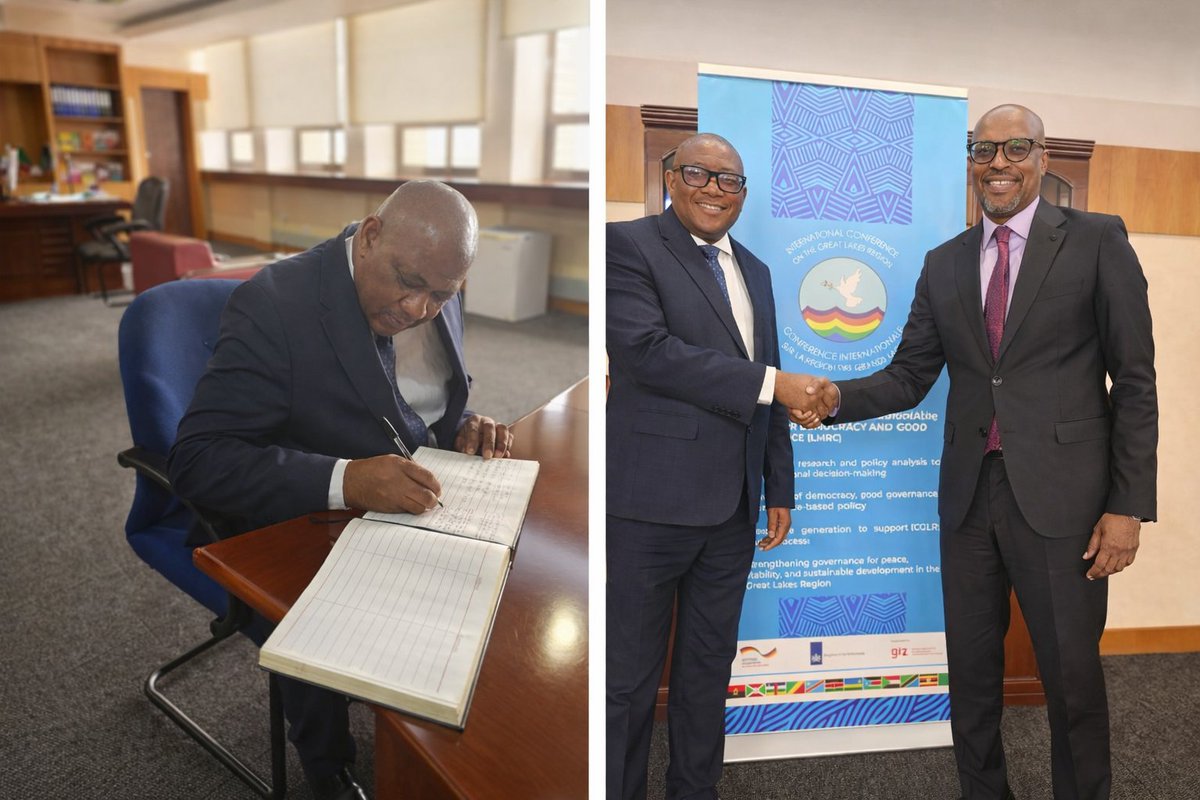
🤝Today, Mr. Christopher Sitwala, Zambia’s National Coordinator, led a delegation to the LMRC for talks with Dr. Jean-Paul Kimonyo, Regional Director and representative of the #ICGLR in Zambia, on strengthening collaboration and government support.
International Conference on the Great Lakes Region tweet mediaInternational Conference on the Great Lakes Region tweet media
LEVY MWANAWASA REGIONAL CENTRE-ICGLR@ICGLR_LMRC

Mr. Christopher Sitwala, ICGLR National Coordinator for Zambia, today visited the Levy Mwanawasa Regional Centre (LMRC) to discuss collaboration and Government of Zambia support with Dr. Jean-Paul Kimonyo, LMRC Regional Director. @ZambiaMFAIC

English
0
3
10
1.1K
Jean-Paul Kimonyo
Jean-Paul Kimonyo@jpkimonyo·
@AlexMvuka Est-ce que vous auriez des références de livres sur l'histoire ancienne et/ou récente des Banyamulege, à proposer, en français ou en anglais?
Français
0
0
1
67
Alex Mvuka, Ph.D.
Alex Mvuka, Ph.D.@AlexMvuka·
« La question des Banyamulenge ne date que de 1996. Ces gens-là ne forment en aucun cas une ethnie étant donné qu’ils n’ont jamais eu de chef coutumier, il n’y a pas d’ethnie sans chef coutumier », déclarait le président du Burundi Évariste Ndayishimiye en 2022. Cette attitude de négationnisme justifie-t-elle les actions de l’armée burundaise dans le déracinement des Banyamulenge aujourd’hui ? En termes simples, j’ai répondu au président Ndayishimiye comme suit. Chefferies des Banyamulenge En RDC, les contestations d’identité ethnique et politique autour des Banyamulenge puisent leurs racines historiques dans l’œuvre coloniale au Congo, notamment dans les politiques administratives adoptées par l’État indépendant du Congo (1885-1908) et par le Congo belge (1908-1960) liées à la création et à la gestion des entités coutumières avec toutes leurs implications portant sur le droit foncier. Dans ce domaine, l’œuvre coloniale consistait aussi bien en un pouvoir de reconnaissance, discrétionnaire et parfois arbitraire, qu’en un véritable pouvoir de création d’entités coutumières. Les premières autorités coutumières reconnues par l’administration de l’État indépendant du Congo, puis par l’administration coloniale belge, incluaient des entités dirigées par les Banyamulenge. Ce fut notamment le cas des chefferies dirigées par Gahutu et Kayira Sagitwe. Les entités dirigées par ceux qui deviendront les Banyamulenge furent ensuite supprimées par un décret du 5 décembre 1933. Cette suppression d’entités coutumières précédemment reconnues s’inscrivait dans la volonté du pouvoir colonial de consolider les entités administratives locales par l’établissement de chefferies et de secteurs agrandis. Cependant, la suppression des entités dirigées par les Banyamulenge semble également répondre à d’autres impératifs coloniaux. En effet, avant la suppression de la chefferie de Kayira en 1933, l’administration belge prit soin de le reléguer à Lulenge pour permettre au chef fuliru Mukogabwe d’administrer le territoire précédemment sous contrôle de Kayira sans obstacles. Ensuite, pour y parvenir, l’administration coloniale belge fomenta un conflit entre les deux autorités coutumières en armant de fusils le chef Mukogabwe — qui venait de passer sept ans de service obligatoire au sein des Forces publiques. À l’issue de ce conflit, Mukogabwe fut imposé par l’administration coloniale, qui relégua de force le chef Kayira Bigimba (le fils de Kayira Sagitwe) à Lulenge, à quelque deux cents kilomètres du territoire précédemment sous son administration coutumière. Il convient de souligner que cette relégation de Kayira à Lulenge semble s’inscrire dans la volonté coloniale de se débarrasser des chefs considérés comme moins malléables. En effet, la déportation de Kayira se déroula à peine sept ans avant la déposition du roi Musinga du Rwanda par le pouvoir colonial belge, en novembre 1931, et sa relégation à Kamembe au Rwanda, avant d’être plus tard relégué à Moba, au Congo belge, en 1940. Kayira a donc été relégué avant, et au même titre que le roi Musinga du Rwanda. La violence contre les Banyamulenge ne commence pas en 1996 Il est évident qu’avec l’avènement des Belges au Rwanda après l’échec de l’Allemagne à la Première Guerre mondiale, comme au Congo depuis sa colonisation, l’idéologie anti-Tutsi entretenue depuis plusieurs décennies dans la région des Grands Lacs a été un élément catalyseur, aboutissant au génocide des Tutsi au Rwanda en 1994, avec pour corollaire la haine véhiculée aujourd’hui dans les trois anciennes colonies belges (Congo, Rwanda et Burundi), que certains cherchent sciemment à perpétuer. Juste après l’indépendance de la RDC, le Premier ministre Patrice Lumumba est assassiné. Cet assassinat fut suivi d’une rébellion menée par son ministre de l’Éducation, Pierre Mulele. Le bastion des insurgés devint les territoires de Fizi, Uvira et Mwenga, sous le nom de Simba-Mulele. Certains chefs rebelles trouvèrent refuge au Burundi, notamment Gaston Sumailot. Comme au début il s’agissait d’un mouvement de révolution généralisée, les Banyamulenge l’ont soutenu, mais ils s’en sont ensuite retirés lorsque des membres de la rébellion provenant des tribus locales (Babembe, Bavira et Bafuliru) se sont retournés contre eux. Beaucoup de Banyamulenge furent victimes de massacres, perpétrés soit dans des églises soit dans des pâturages. En conséquence, toute la communauté banyamulenge quitta les hauts plateaux pour la plaine de la Ruzizi (territoire d’Uvira) et pour Baraka, dans le territoire de Fizi. Les déplacés internes subirent des conditions humanitaires extrêmes ; des milliers moururent de la malaria et d’autres maladies tropicales. La raison de ces persécutions contre les Banyamulenge était qu’ils étaient considérés comme « étrangers » ou comme n’ayant pas de droits. La guerre devint interethnique dans les plateaux d’Itombwe, avec de nombreuses pertes en vies humaines. Dans les années 1970-1980, les Banyamulenge furent ciblés à nouveau. La loi sur la nationalité fut modifiée à plusieurs reprises sous la pression de certains politiciens extrémistes en quête de positionnement. Ces derniers poussèrent les membres de leurs ethnies à qualifier les Banyamulenge et d’autres Rwandophones d’« étrangers au Congo ». Au début du processus de démocratisation (1992-1994), les Rwandophones (y compris les Banyamulenge) et d’autres personnes dites « au faciès suspect » furent expulsés de la Conférence nationale souveraine. Une résolution parlementaire fut adoptée en 1995 pour conclure formellement que ces communautés étaient de « nationalité douteuse ». Cette décision fut soutenue par une commission parlementaire, et fut appliquée par les autorités locales. Ces dernieres donnèrent un ultimatum de 7 jours aux Banyamulenge pour quitter le territoire du Zaïre et « rentrer » dans leur pays supposé, le Rwanda. Il s’ensuivit des tueries et massacres massifs de Banyamulenge ainsi que la confiscation de leurs biens, dès décembre 1995. Au même moment, ces groupes se coalisèrent avec le mouvement rebelle burundais FDD-CNDD, dans la logique de créer une base arrière militaire sur les terres ancestrales des Banyamulenge. Depuis 1996–2025, cette crise se poursuit, avec l’implication de centaines de groupes armés. Il y a déjà trois ans que le président Ndayishimiye développe une théorie de négationnisme des persécutions à caractère génocidaire contre les Banyamulenge. Il a fourni un effort visant à nier, déformer, minimiser ou banaliser les faits établis concernant les persécutions perpétrées contre les Banyamulenge en RDC, dans le but de réhabiliter une idéologie génocidaire dans la région des Grands Lacs africains. Cela peut servir à justifier ses actions actuelles du type holomodor.
Alex Mvuka, Ph.D. tweet media
Français
38
85
130
27.9K
Jean-Paul Kimonyo retweetledi
autist
autist@litteralyme0·
ZXX
154
6.3K
102.8K
1.3M
Jean-Paul Kimonyo retweetledi
Joseph Nkurunziza Ryarasa
Joseph Nkurunziza Ryarasa@JosephRyarasa·
Ethics: The missing link in service delivery and nation building Today, as the world marks the International Day of Ethics, we are invited to reflect on a simple but powerful truth: no nation can rise above the moral values of its people. In Rwanda, we often complain about poor service delivery whether in public offices, schools, hospitals, or private businesses. Yet, when we look closely, the real problem is not infrastructure or lack of resources. It is the erosion of ethics and work discipline. When ethics are absent, even the best systems fail. I once had a senior staff member well-paid and trusted who left work early, claiming to have an emergency. Later, I discovered he had gone to do consultancy elsewhere, without requesting leave or informing anyone. Ironically, someone who knew me personally saw him and said, you can’t behave like this while working with Joseph. That one incident spoke volumes not just about one person’s dishonesty, but about how far we’ve drifted from ethical conduct. Another staff member requested a sick leave, only for us to see photos the next day of them relaxing at the beach. It was disappointing not simply because of the act, but because of what it revealed: deceit no longer shocks us. Many people now treat dishonesty and irresponsibility as cleverness. Sadly, this mindset is spreading fast, even among those who should model integrity. Last year, a respected family friend a woman in her 60s whom I admired deeply engaged me in what seemed a community initiative. With time, I realized she only wanted to use the project to pay off her personal loans. I withdrew quietly, but the experience left me with a heavy question: how do we build a generation of ethical young people when even elders compromise values for convenience? This decline in ethics is not just hurting institutions; it’s also strangling Rwanda’s young entrepreneurs. Many small business owners are being forced to close their doors, not because their ideas failed, but because those they supplied have refused to pay. In some cases, the debtors even sold the goods, made profits, and still ignored their obligations. This is not just bad business it’s unethical, and it’s destroying trust in our growing entrepreneurial ecosystem. How do we expect innovation to thrive when honesty and responsibility are treated as optional? Across the country, we can observe similar patterns. Some teachers sell exam papers to students, undermining education. In hospitals, patients sometimes wait long hours because health workers are distracted by personal errands. In offices, citizens face delays not because of workload, but because some employees have lost the sense of duty. Even in churches and civil society organizations, people preach values they rarely practice. When a society normalizes such behavior, progress slows down no matter how many policies or reforms are in place. Ethics is not merely about avoiding corruption or theft. It is about doing the right thing even when no one is watching. It means being faithful to your word, respecting time, honoring commitments, and taking pride in work well done. Ethics turns a job into a service, a transaction into trust, and a country into a community. Rwanda’s progress over the past three decades has been built on discipline, unity, and a shared vision. To sustain it, we must now nurture a new culture one rooted in integrity and moral courage. Let us teach ethics at home, practice it at work, and celebrate those who live by it. The foundation of any great nation is not just strong infrastructure or policies, but a collective conscience that values truth, fairness, and accountability. As we mark this International Day of Ethics, let’s remember infrastructure builds cities, but ethics build nations. If we get ethics right, our complaints will no longer be about poor service delivery they will be about how to innovate and serve even better. The future of Rwanda depends not only on what we build, but on how honestly, we build it.
English
7
26
71
35.9K
Jean-Paul Kimonyo retweetledi
Century Real Estate
Century Real Estate@CenturyRwanda·
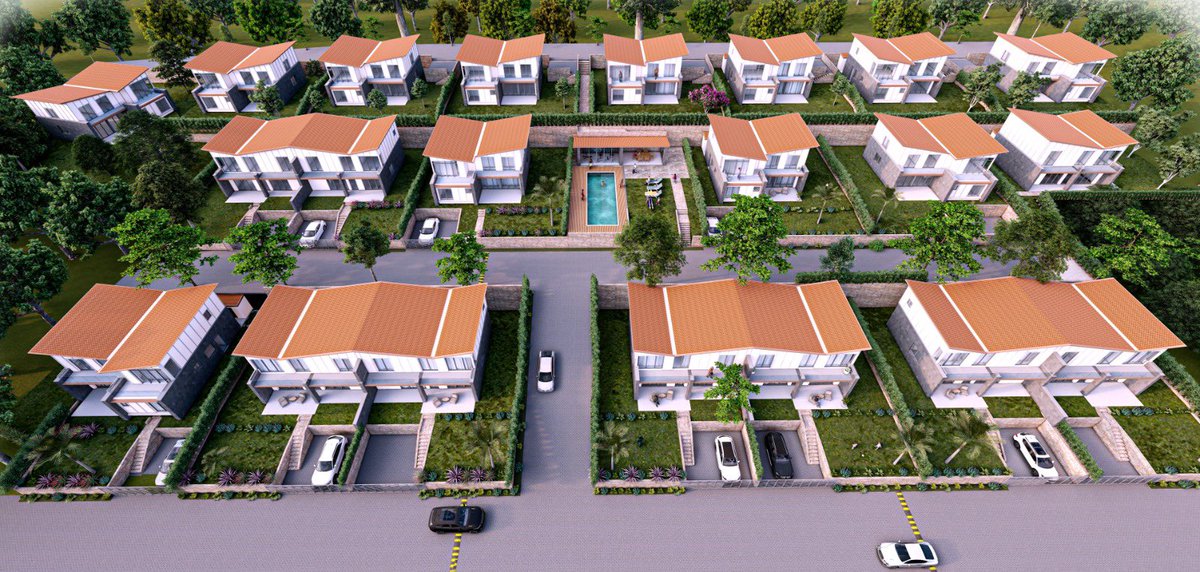
Discover Isange Phase ||| at Rebero – just 20 min from Kigali’s Convention Centre & downtown, and 25 min from the airport! 20 spacious villas (3‑ & 4‑bed), garden, pool, playground & 24/7 security. 📞 +250 732 000 212 / +250 788 314 765 Your Rebero retreat awaits!
Century Real Estate tweet media
English
0
5
12
1.1K
Jean-Paul Kimonyo retweetledi
International Conference on the Great Lakes Region
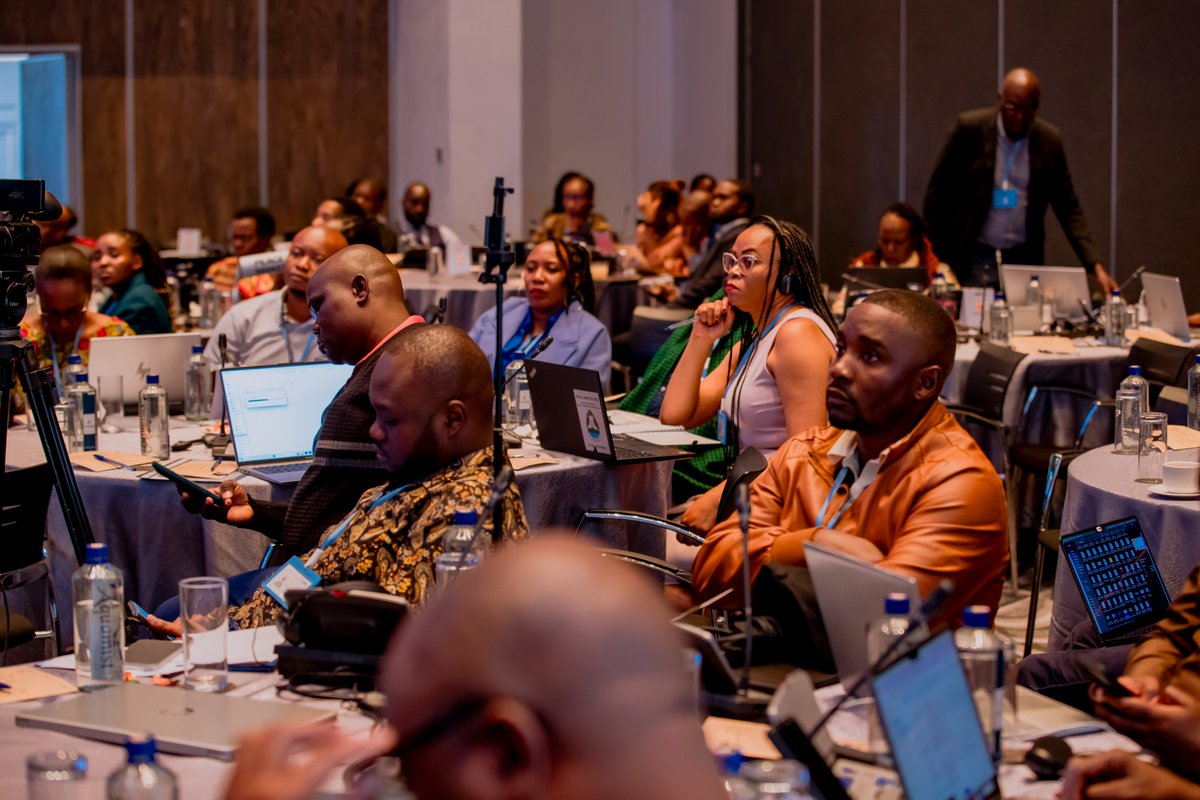
Online hate speech is silencing women in politics & public life. In Kenya, Techonology Facilitated-GBV thrives on Facebook & WhatsApp, with threats & harassment pushing women offline. We need stronger laws, safer platforms & support systems. “Hate speech fuels conflict ⚠️ and silences women 🙅🏽‍♀️. It resurfaces around elections 🗳️ and thrives even in peace 🕊️" Says the @ICGLR_LMRC Regional Director @jpkimonyo
International Conference on the Great Lakes Region tweet mediaInternational Conference on the Great Lakes Region tweet media
English
1
7
9
910
Jean-Paul Kimonyo retweetledi
Emery Ntaneza
Emery Ntaneza@emeryntaneza·
@_ICGLR_ Merci beaucoup Mr le Directeur du LMRC pour cette initiative louable! Un pas de plus franchi dans les efforts regionaux de mise en oeuvre de l'agenda Femmes, Paix et Sécurité. @jpkimonyo
Français
0
1
0
161
Jean-Paul Kimonyo
Jean-Paul Kimonyo@jpkimonyo·
@jessy_kabasele J'espère que le "Monsieur J.Kimonyo, analyste politique" que vous mentionnez ce n'est pas moi car je n'ai jamais fait une telle déclaration!
Français
0
0
2
189
Jessy M. KABASELE
Jessy M. KABASELE@jessy_kabasele·
#AGRESSION_RDC Pourquoi personne n’en parle ? Un sommet mondial majeur sur l'#IA en Afrique a eu lieu à #Kigali, mais plusieurs présidents clés invités ont choisi de ne pas se présenter. Leur absence en dit long. Ce n’est pas simplement un non-présent, mais un message puissant. Monsieur J.Kimonyo, analyste politique a même déclaré que "Le silence est une déclaration." en ajoutant que "Kagame est isolé." Selon lui, le monde commence à voir au-delà de l'image. Son emprise s'affaiblit. Sa scène, autrefois soigneusement contrôlée, est désormais vide de ses principaux acteurs. Les dirigeants refusent de valider le régime par leur présence. L'Afrique se réveille. Le masque tombe. @PaulKagame peut encore contrôler le microphone, mais les applaudissements ont cessé. Un par un, le monde prend du recul. Son isolement n'est plus caché, il est exposé au grand jour.
Jessy M. KABASELE tweet media
Français
85
100
421
60.2K
Jean-Paul Kimonyo retweetledi
ICGLR-RTF
ICGLR-RTF@IcglrR·
📢Your input is key! Help shape future strategies on #MentalHealth & #Peacebuilding. Complete our #survey by Dec 13 & contribute to the integration of Mental Health & Psychosocial Support & Peacebuilding initiatives in the #ICGLR GreatLakes Region #careuganda
ICGLR-RTF tweet media
English
0
4
6
1K
Jean-Paul Kimonyo retweetledi
Ibrahim Mayaki
Ibrahim Mayaki@NEPAD_Mayaki·
I had the privilege to know late PM Meles Zenawi of #Ethiopia when he chaired #Nepad HoScommittee; he knew in detail the philosophy &the institution &he guided its #transformation. His leadership was based on acute intelligence and pragmatism.He is deeply missed @_AfricanUnion
Tedros Adhanom Ghebreyesus@DrTedros

Remembering my late friend and colleague, Prime Minister Meles Zenawi of #Ethiopia, a beacon of vision, progress, and inspiration. Your enduring legacy continues to inspire and resonate in the hearts of many.

English
0
3
11
875
Jean-Paul Kimonyo
Jean-Paul Kimonyo@jpkimonyo·
@NoelKambanda @Radiorwanda_RBA should rebroadcast a series of Kubaza Bitera Kumenya (KBK) shows aired in 1998 with actual witnesses of the circumstances of Mwami Murata Rudahigwa death in Buja. Invaluable vivid historical accounts. At the time, KBK had shows parallel 2 Urugwiro discussions
English
0
0
3
425
Noel Kambanda
Noel Kambanda@NoelKambanda·
1) In memory of King Mutara III Rudahigwa, Nkubito y'Imanzi also known as Charles Léon Pierre, who was assassinated 65 years ago in Burundi, as seen through his pictures. Thread
Noel Kambanda tweet media
English
16
87
333
67.8K
Jean-Paul Kimonyo retweetledi
NKUNDA INKOTANYI♥️🇷🇼
NKUNDA INKOTANYI♥️🇷🇼@patriotjuniorr·
📹: Video y'umunyabigwi wacu🇷🇼♥️ 🕊Late Diplomat Claude DUSAIDI, tariki ya 18/07/1994 I New York, USA. 🕊Late Diplomat Claude DUSAIDI niwe wari uhagarariye RPF Inkotanyi muri UN. 📌Reka mbasangize ibyo nabashije kumenya kuri we: ✍️🏾: Yavukiye I Byumba, 1951. ___ #thread 👇🏾___
Indonesia
5
57
279
37.3K
Jean-Paul Kimonyo
Jean-Paul Kimonyo@jpkimonyo·
💔 #Toumani_Diabaté virtuose de la kora et géant de la musique malienne, et de la musique tout simplement, nous a quitté hier à Bamako. Sa musique versatile continuera de nous offrir des moments de pur bonheur 💥💥💥 RIP
Jean-Paul Kimonyo tweet media
Français
0
0
6
446
Jean-Paul Kimonyo retweetledi
Emmanuel BUGINGO
Emmanuel BUGINGO@Emmanu_bugingo·
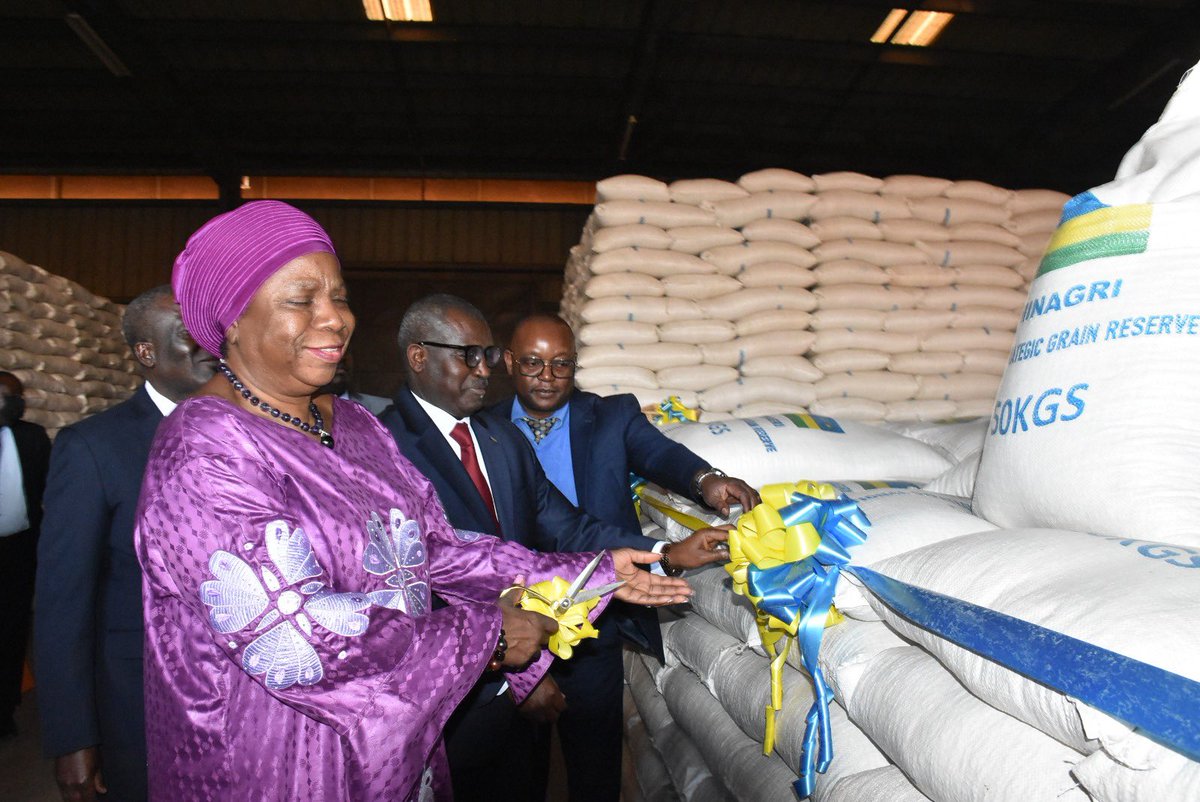
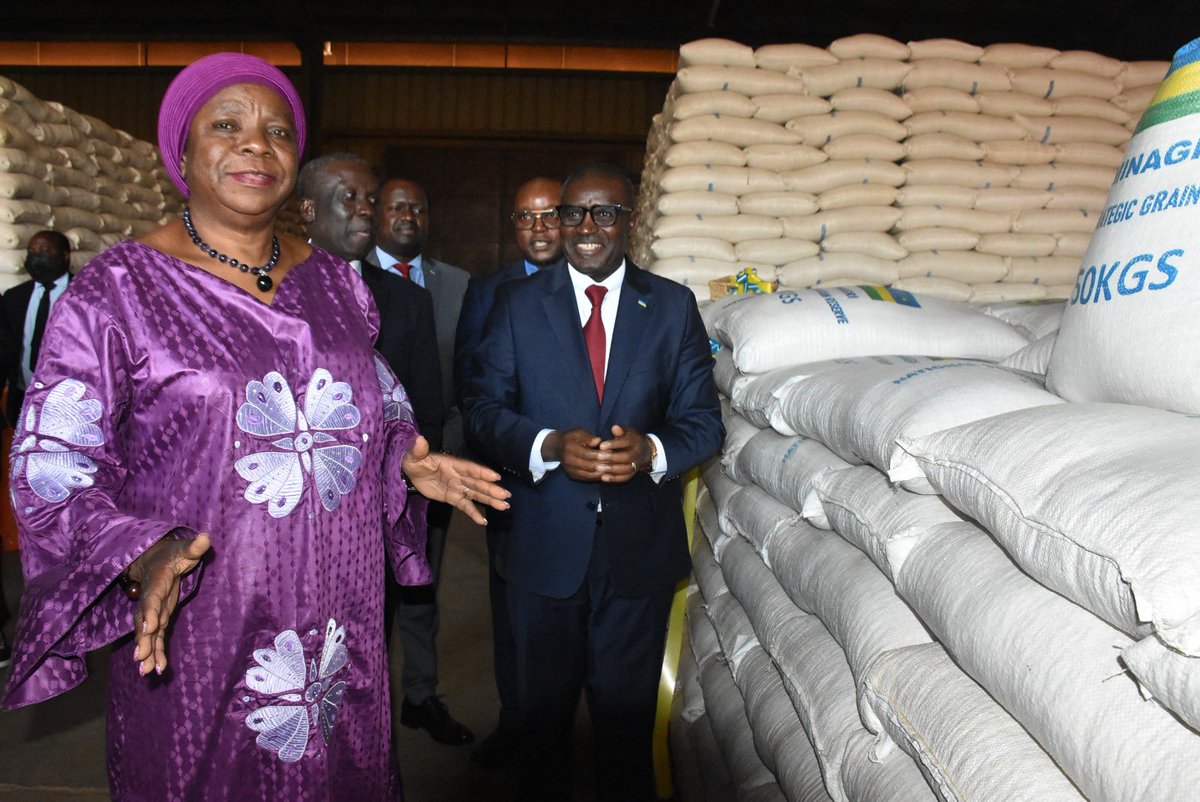
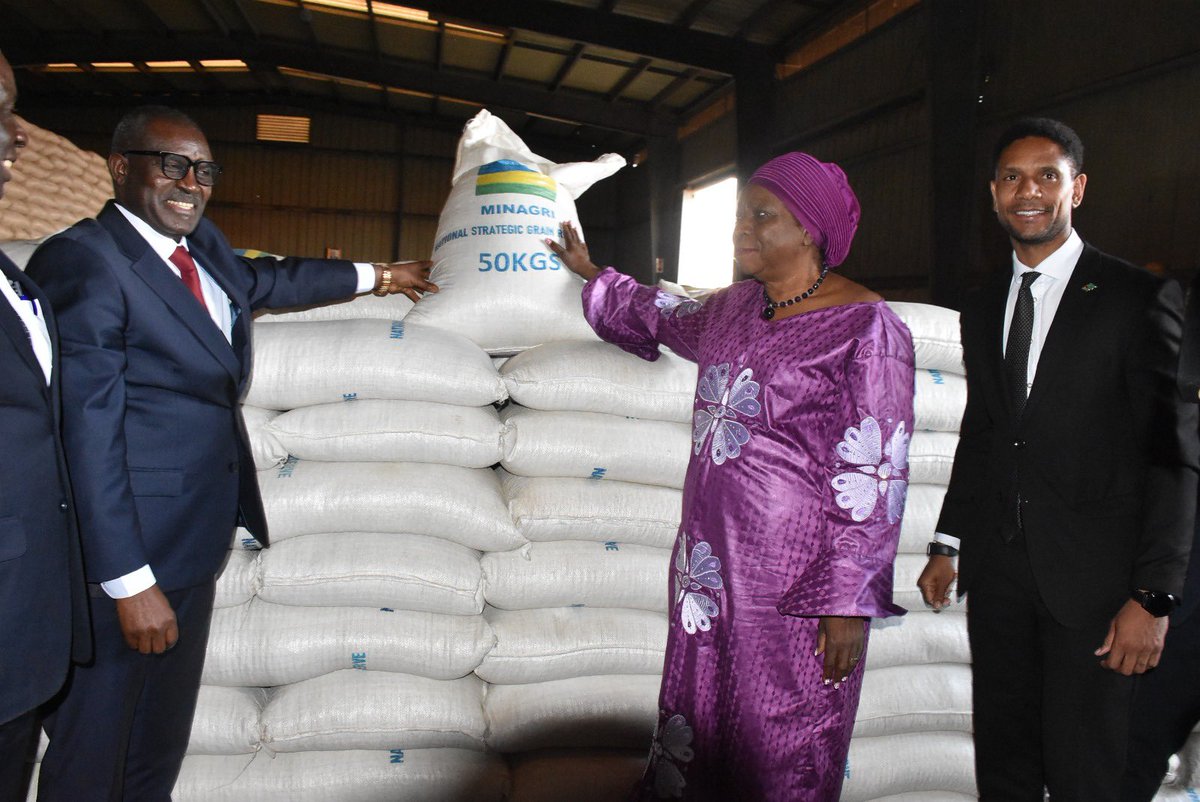
Rwanda stands in solidarity with Zambia! 🇷🇼🤝🇿🇲 Today, on behalf of @RwandaGov I delivered 1,000 metric tonnes of relief maize to #Zambia's Vice-President Nalumango, offering crucial support during the severe drought. Together, we face challenges with hope and unity.
Emmanuel BUGINGO tweet mediaEmmanuel BUGINGO tweet mediaEmmanuel BUGINGO tweet mediaEmmanuel BUGINGO tweet media
English
19
141
384
48.3K
Jean-Paul Kimonyo
Jean-Paul Kimonyo@jpkimonyo·
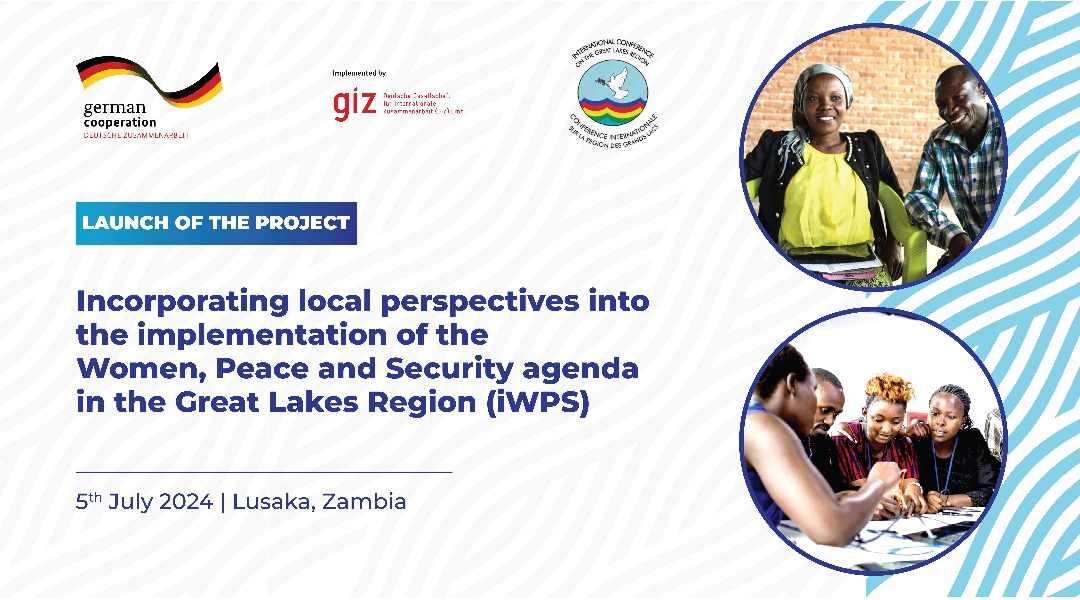
@_ICGLR_ @giz_rwanda @BMZ_Bund @ZambiaMFAIC @ICGLR_LMRC This project will allow the Levy Mwanawasa Regional Centre/ICGLR to develop 2 innovative peace and security monitoring tools in the Great Lakes Region, the IPSM a real-time data platform on peace, security and conflict events in the region and another monitoring Hate Speech
English
0
0
0
35