
Samira Verhees | toot.community/@smrms retweetledi
Samira Verhees | toot.community/@smrms
647 posts

Samira Verhees | toot.community/@smrms
@kajomka
I type with two fingers in three languages (NL/EN/RU). Retired linguist with weird hobbies. Botlikh and other languages of Dagestan.
Katılım Ekim 2020
126 Takip Edilen497 Takipçiler



functionally mastodon is such a breath of fresh air in comparison, because it doesn´t use its users as guinea pigs for new shitty features. once in a while an option will be added which you can use if you want. or not.
English
in addition to the annoying auto-translate of everything, this cursed website now serves me content from bots i do not follow, and which is not marked as an ad, on my "following" feed.
English
@avzaagzonunaada @fabricioicirbaf really cool!
English

There is this amazing platform in development boeenomoto.terradoc.org by @fabricioicirbaf and colleagues of the indigenous languages of Brazilian Amazonia that I highly recommend everyone visit. Just a treasure trove of linguistic and ethno-cultural pedagogical material.
English

There is a kind of a wider lesson here about linguistic databases: they're always full of errors at first pass, and usually the error correction mechanism is onerous; even if reporting was easy, anything actually happening is gatekept by a few specific people.
J Pystynen ✽🫐 🗒☕⌘🚯🧦ᴤ@JLingPystynen
Phoible snafu of the day: describing /θ ð/ instead of /t̪ d̪/ for a number of Nilotic languages, such as Nuer and Dholuo.
English
@avzaagzonunaada Nina Dobrushina and Olga Kultepina wrote a paper on the rise of Russian in Dagestan, and they cite a figure of 8,1% (for Dagestan as a whole) reporting that they do not speak Russian in the 2010 census. journals.sagepub.com/doi/10.1177/13…
English
@avzaagzonunaada For Dagestan the figures seem inflated. I've only very rarely encountered a(n elderly) person who could not speak Russian at all, though fluency may vary.
English
@cobbaltt @JLingPystynen .. if this can be established at all, since it often remains totally unclear why certain decisions were made in classification. and by now it is also outdated, since it is no longer maintained.
English

@JLingPystynen My experience with WALS has also been that it's disappointingly often misleading at best and outright incorrect at worst.
English
@ChrisAalberts Volgens mij ontbreekt de gemeente Tholen in je lijstje. De PVV behaalde daar in 2018 2 zetels, daarna deden ze niet meer mee, en nu heeft FVD 3 zetels behaald.
Nederlands
De neerwaartse spiraal van de #PVV lijkt moeilijk te keren.
chrisaalberts.nl/2026/03/23/de-…
Nederlands
Samira Verhees | toot.community/@smrms retweetledi

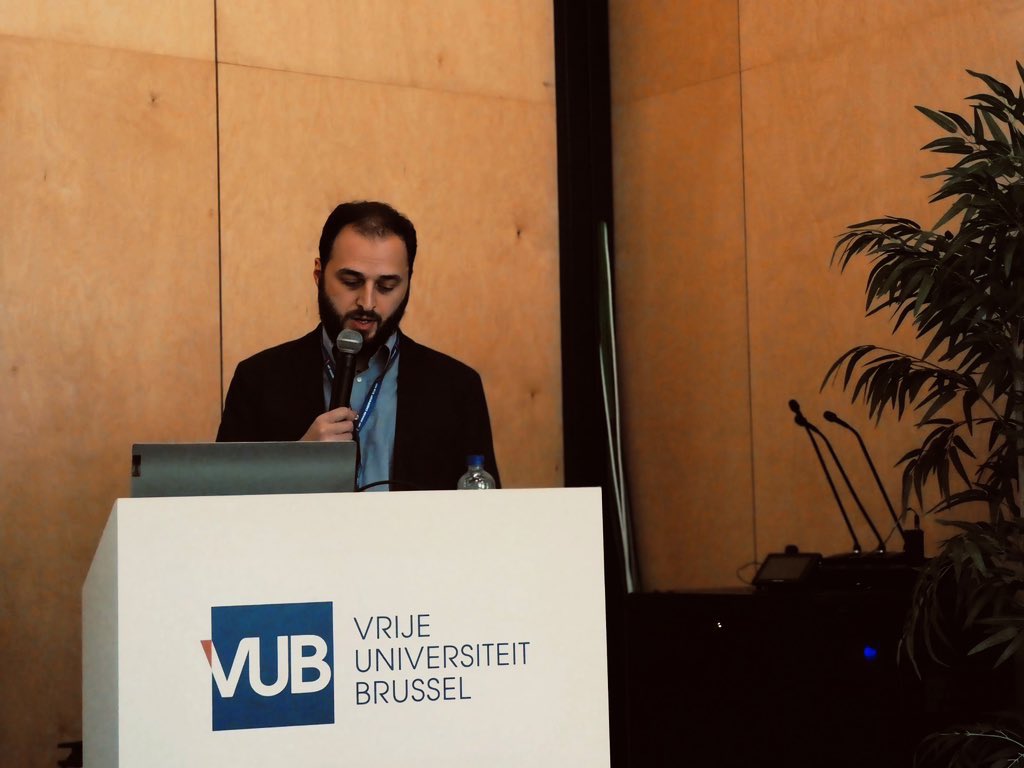
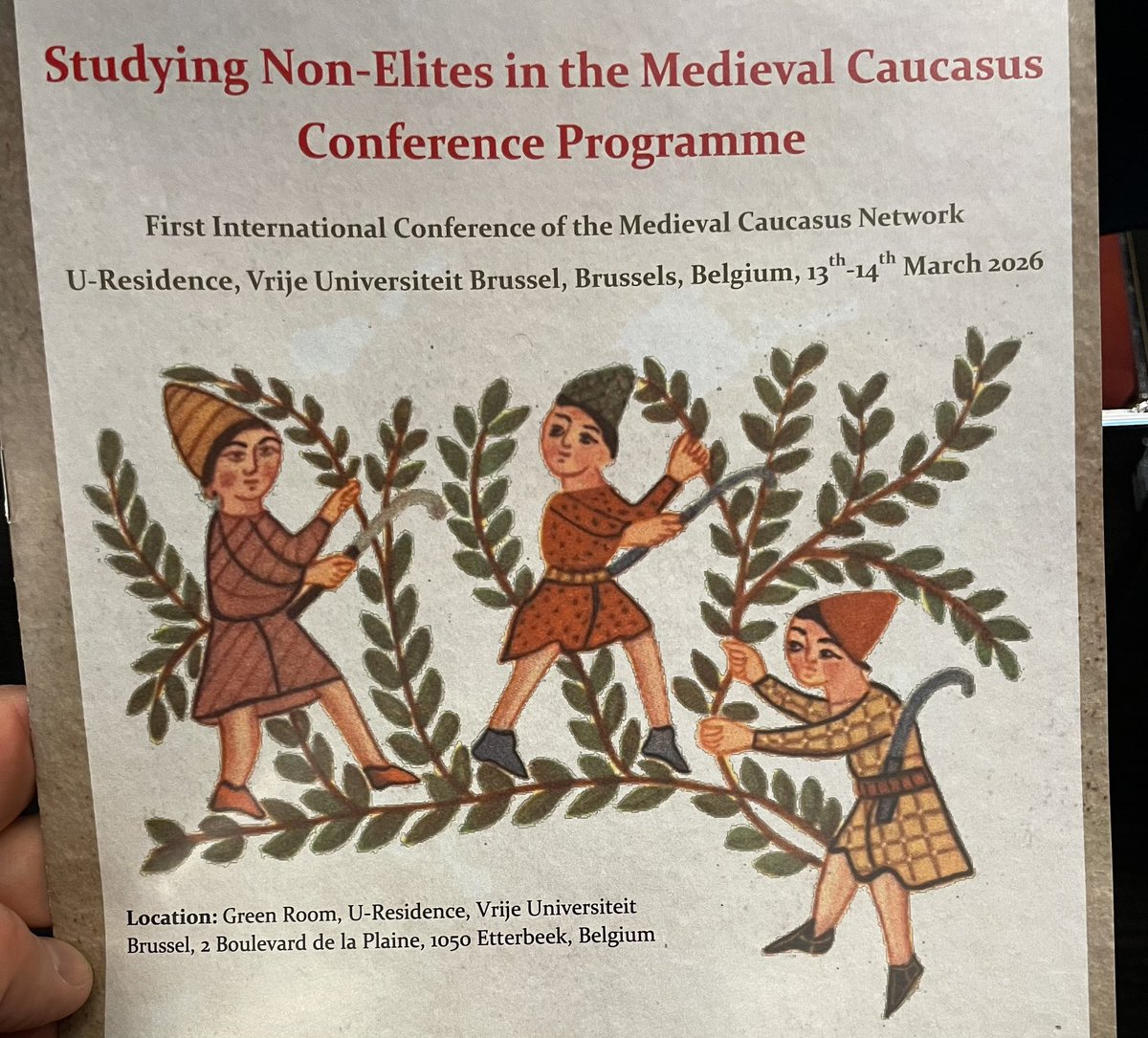
On March 13–14, I took part in a conference dedicated to the study of Caucasian medieval history, specifically focusing on research into non-elite groups. The conference was hosted at Vrije Universiteit Brussel (Belgium) by the Medieval Caucasus Network.
This network was largely established by our British and European colleagues, and this was the first international conference organised by them.
At the conference, I presented a short paper on the enigmatic religious group of the “finger-cutters” mentioned in the History of the Country of the Albanians. I examined this issue in the context of the strict Christianization and consolidation of power pursued in the 5th century by King Vachagan III of C. Albania 1/2

English


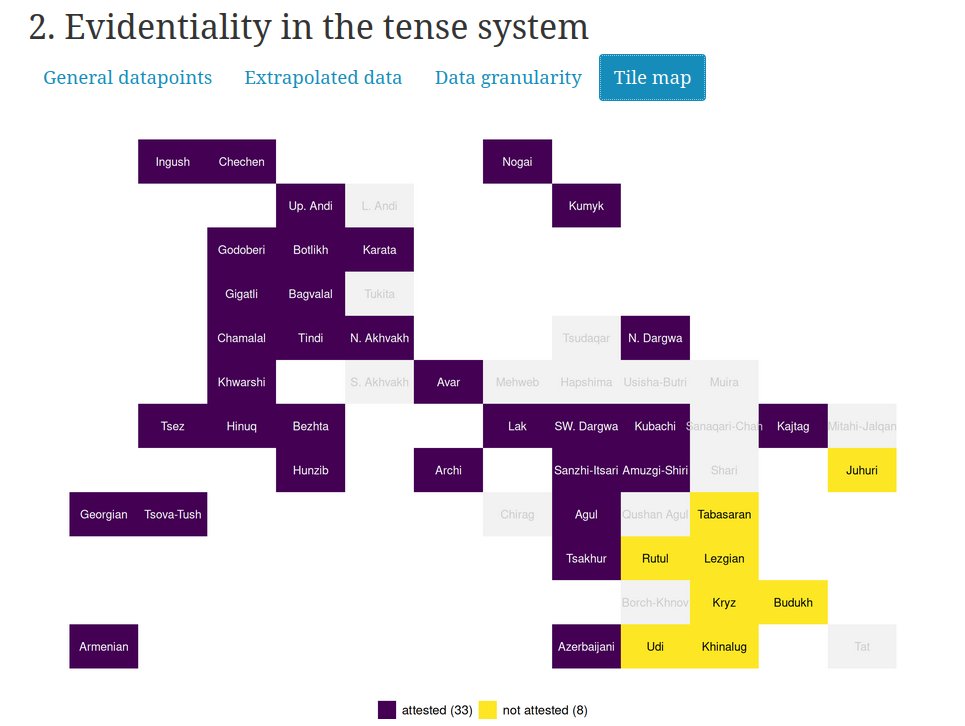
New release of the Typological Atlas of the Languages of Dagestan, with a few new chapters and a new visualization (in addition to a bunch of technical fixes): lingconlab.ru/tald/changes.h…
English
edit: it's not exclusively Circassian, recordings from other regions / in other languages are also on here.
English
Recently switched from spotify to cd's and mp3's, and purchased this album with field recordings of Circassian music. I've said this before, but I wish more projects like Ored existed in the North Caucasus. You can listen to the album here: tal-label.bandcamp.com/album/music-fr…

English
posted this question here and on mastodon, and so far, mastodon has been more productive (though through an institutional account that forwarded my question via email). generally, nothing currently beats personal email. social media as we knew it in the 2000s/2010s is dead.
Samira Verhees | toot.community/@smrms@kajomka
Any specialists in Iranian languages and dialects left here? I'm working on a small chapter about maize for the typological atlas of the languages of Dagestan, and I'm wondering if there are parallels there for compounds like hajj-wheat, prophet-wheat, king/shah-wheat.
English
Nice article about Ored recordings, a record label that aims to preserve traditional Circassian music. I wish similar initiatives existed for other musical traditions from the Caucasus theguardian.com/music/2026/jan…
English
@thomas_wier (making a bit of a leap here assuming Greek borrowed from Aramaic, since you can trace the Aramaic back to Akkadian and the words look so similar it doesn't seem likely that it's a coincidence, but maybe there's a confounding factor I'm overlooking)
English
@thomas_wier Upping this old thread with a question: words similar to simindi are also found in many Armenian dialects, which I'm told the etymological dictionary of Acharyan traces back to Ancient Greek semídalis. Do you think Greek could have mediated for Georgian as well?
English

Weekly Georgian Etymology: სიმინდი simindi 'corn, maize', from Old Georgian ႱႨႫႨႬႣႨ simindi wheat flour, from Aramaic ܣܡܻܝܕܳܐ səmīḏā, from Akkadian 𒆠𒅔𒄯𒄯 samīdu course flour, from 𒀀𒊏𒄯𒄯 samādu to grind. The word shifted meaning semantically after the Columbian Exchange.

English