Kenneth Loi

419 posts

Kenneth Loi banner
Kenneth Loi

Kenneth Loi

@kenjmloi

Decoding life's longest war Doudna Lab @UCBerkeley

Berkeley, CA Katılım Ocak 2020
1.8K Takip Edilen901 Takipçiler
Sabitlenmiş Tweet
Kenneth Loi
Kenneth Loi@kenjmloi·
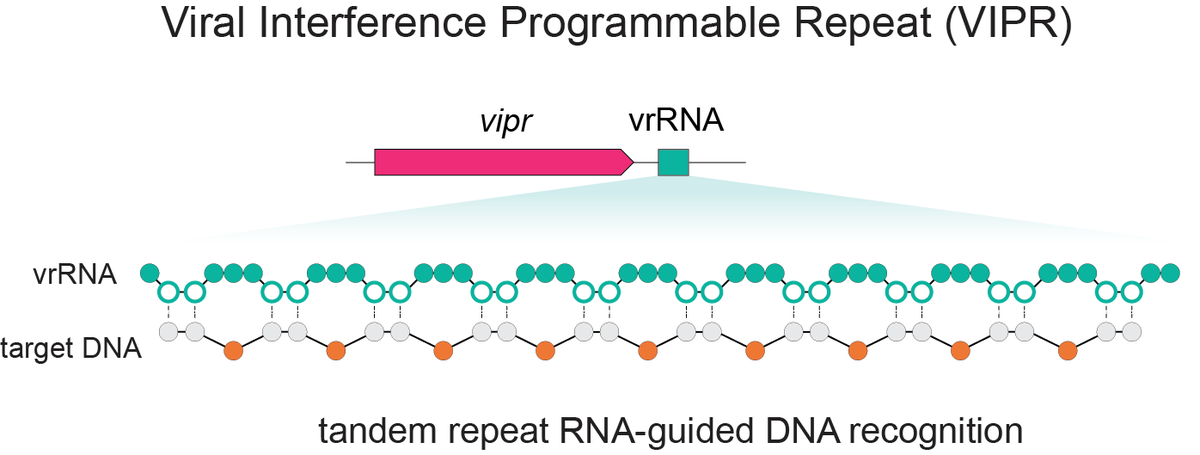
Excited to share our discovery of a new programmable RNA-guided DNA-targeting system hiding inside bacteriophages that predates CRISPR. We call it VIPR (Viral Interference Programmable Repeat), and it uses an entirely new logic to find its targets. Thread + link below.
Kenneth Loi tweet media
English
25
348
1.2K
229.5K
Kenneth Loi retweetledi
Simon Barnett
Simon Barnett@SimonDBarnett·
I think you guys actually agree with each other, but are talking past each other. The original post tacitly implied that the cost collapse of WGS would enable an era of personalized medicine, which I took to be referring to one's germline genome. Outside of high-penetrance risk variants, there's still not much to be gained (today) from having your genome in your health-wallet. That doesn't mean it won't be a centerpiece of your healthcare in the future. Sure, if you're on an extreme tail of polygenic risk or have actionable variants in CYP, then yes. But alas. If you have cancer, somatic WGS is a MASSIVE outcome determinant. Sequencing matters a ton in oncology. As far as genetics support for target discovery, yeah it's like a 2-4x PoS bump depending on the TA. That's a real thing and it's being underutilized for sure. I don't know if it's the single biggest lever now that the low-hanging fruit has been mined, but it's in the conversation for sure. So basically ~ I think you two are actually more in agreement than not. I took Martin's post/tone to be more of a reaction to the original posts Panglossian view of personalized, hereditary genetics. Which isn't OP's fault, it's a badass chart and unless you've been a student of the space for a while, easy to misinterpret.
English
0
2
11
655
Kenneth Loi retweetledi
Brady Cress
Brady Cress@bradyfcress·
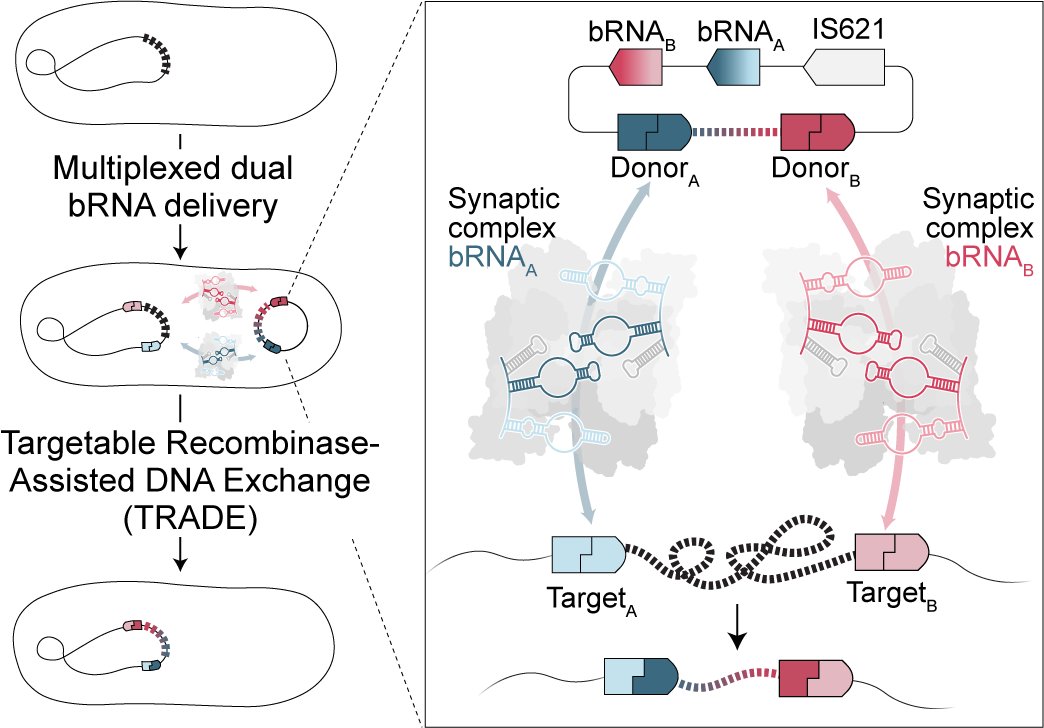
We envisioned a fully programmable "search and replace" edit using two bRNAs, dual guides marking a segment's boundaries, excising it, and swapping in a replacement in one reaction. We call this TRADE editing: Targetable Recombinase-Assisted DNA Exchange.
Brady Cress tweet media
English
1
4
21
818
kjpaw
kjpaw@matlabdogboy·
*me with one emo fringe across my eye* .,.. no ahaha... we don't use.. 🙄 .."CRISPR" here ... *i surreptitiously show off my cool snake tattoos* we use a little 😎🤏... something elssssse... 🐍🐍
Kenneth Loi@kenjmloi

Excited to share our discovery of a new programmable RNA-guided DNA-targeting system hiding inside bacteriophages that predates CRISPR. We call it VIPR (Viral Interference Programmable Repeat), and it uses an entirely new logic to find its targets. Thread + link below.

English

1
0
2
318
Ed Cartwright
Ed Cartwright@ejpcartwright·
@kenjmloi Really enjoyed this. The structural homology approach via clustered AFDB to find something this divergent is a lovely demo of where discovery biology is heading. And the wobble-position skip rule as anti-escape mechanism is a beautiful piece of evolutionary logic. Congrats to all
English
1
1
23
5.3K
Kenneth Loi
Kenneth Loi@kenjmloi·
Excited to share our discovery of a new programmable RNA-guided DNA-targeting system hiding inside bacteriophages that predates CRISPR. We call it VIPR (Viral Interference Programmable Repeat), and it uses an entirely new logic to find its targets. Thread + link below.
Kenneth Loi tweet media
English
25
348
1.2K
229.5K
Kenneth Loi
Kenneth Loi@kenjmloi·
VIPR is tiny: a ~20 kDa protein + <100 nt RNA. Reprogrammed by changing only the NN positions. This makes it one of the most minimal DNA-binding platforms known, and hints that more guide-RNA codes are still hiding in nature.
English
2
9
79
9.2K