

Ally
385 posts


@Judyth Everyone should have their own personal SnootSpray.com just for this!!
English
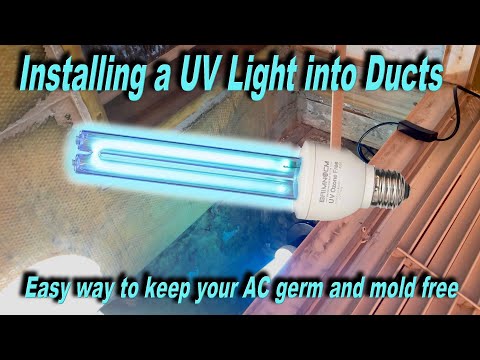
Dr Peter McCullough reposted a CNN alert on Legionnaire' Disease and suggested antibiotic. SEE BELOW. But how to AVOID it? For big AC systems & homes too, Clean filters. Disinfect water trays & drain lines. INSTALL GERMICIDAL UV (no ozone) in conduits at vents. In old buildings/old AC systems with no UV, use UV germicidal lamps 10-15 min/24 hrs in every room when nobody is present in them if there is disease in your area. Otherwise, installed UV is all that's needed. THE VIDEO SHOWS A 25 WATT LAMP. PUT TWO IN A BIG CONDUIT LIKE IN THE VIDEO.
Remember, UV Also stops CVD19, and other viruses. Change filters monthly, use HEPA filters. Yes, UV also zaps mold. Ebola, Hanta (if exposed to UV light), and sanitizes masks, bandages, and water, as well.
HERE IS THE CNN REPORT ON LEGIONNAIRES' DISEASE OUTBREAK (totally avoidable if water in AC is sterilized by germicidal non-ozone producing UV):
==The Outbreak Unfolding Right Now==
New York City is in the grip of a Legionnaires’ disease cluster that has already claimed its first life. As of mid-July 2026, the numbers are stark:
67 confirmed cases across Manhattan’s Upper East Side
55 hospitalizations—12 people currently admitted, 43 discharged after treatment
One confirmed death, with Health Commissioner Dr. Alister Martin confirming the fatality on Friday
76 buildings with cooling towers testing positive for Legionella bacteria, all ordered to drain, clean, and disinfect
And this comes just one year after a Harlem cluster sickened 92 people and killed seven. The CDC puts Legionnaires’ mortality at roughly 10%—a number that should terrify anyone over 50, anyone who smokes, anyone with a chronic lung condition, and anyone on immunosuppressive medications. That’s tens of millions of Americans walking around with elevated risk and no idea that the air they breathe could be carrying a gram-negative bacterium with a taste for alveolar macrophages.
📷 What Makes Legionnaires’ So Dangerous—and So Treatable
Legionella pneumophila is a gram-negative bacillus that thrives in warm, stagnant water. Cooling towers, hot tubs, shower heads, decorative fountains—anywhere water aerosolizes, Legionella can hitch a ride straight into your lungs. It is not contagious person-to-person. You cannot get it from drinking contaminated water. The infection occurs exclusively through inhalation of contaminated mist or vapor.
Once inside the lungs, the bacteria invade and multiply within alveolar macrophages—the very immune cells meant to destroy them. The resulting pneumonia presents with fever, chills, muscle aches, cough, and often extrapulmonary symptoms including confusion, headache, and diarrhea. Standard empiric antibiotic regimens for community-acquired pneumonia may not cover Legionella adequately if the wrong agents are chosen.
This is where the rubber meets the road. A patient walks into an ER with fever, cough, and shortness of breath. It takes hours to be seen and get a chest x-ray. If that first azithromycin dose is delayed, underdosed, or omitted from the empiric regimen, the patient deteriorates while the lab runs its urine antigen test—a test that, critically, only detects L. pneumophila serogroup 1, missing roughly 30–40% of Legionella infections caused by other serogroups and species.
The urine antigen test takes hours to days. The culture on buffered charcoal yeast extract agar takes three to five days. PCR is faster but not universally available. By the time the diagnosis is confirmed, a patient on inadequate empiric therapy may already be decompensating.
📷 The Treatment Triad: Azithromycin, Doxycycline, and Fluoroquinolones
The CDC, and every infectious disease authority agree on the treatment hierarchy for Legionnaires’ disease:
📷 Inpatient Respiratory Fluoroquinolones
Levofloxacin or moxifloxacin are the preferred agents—particularly for hospitalized patients, immunocompromised patients, and severe disease. They achieve excellent intracellular penetration, high bioavailability allowing oral step-down therapy, and bactericidal activity against Legionella. A typical course runs 7–14 days, extending to 3 weeks for the severely immunocompromised.
📷 Outpatient Azithromycin
Azithromycin is highly effective and is the macrolide of choice. It achieves concentrated intracellular levels, has a long half-life allowing once-daily dosing, and for mild-to-moderate disease in immunocompetent patients, a 5–10 day course gets the job done. Clarithromycin and erythromycin are inferior alternatives—less well-tolerated, more drug interactions, and frankly, azithromycin has largely rendered them obsolete for this indication.
📷 Alternative: Doxycycline
For mild pneumonia in immunocompetent patients who cannot tolerate macrolides or fluoroquinolones, doxycycline is a reasonable alternative. It achieves adequate intracellular levels and covers Legionella, though it is generally considered second-tier compared to azithromycin and the respiratory fluoroquinolones.
GERMICIDAL UV FOR HOMES: youtube.com/watch?v=XHiBQf…
YouTube
English
Ally retweetledi

"Philippines' House of Representatives Investigates 290K+ Excess Deaths"
Meanwhile in the UK the Gov is withholding the Data, why? Because it must be BAD!

Andrew Bridgen@ABridgen
Philippines' House of Representatives Investigates 290K+ Excess Deaths Correlated with Experimental Vaccines Back in 2022 After I raised the excess deaths in the UK following the Covid Jab rollout. The Gov. response was to get the ONS to increase the number of ‘expected deaths’
English
Ally retweetledi

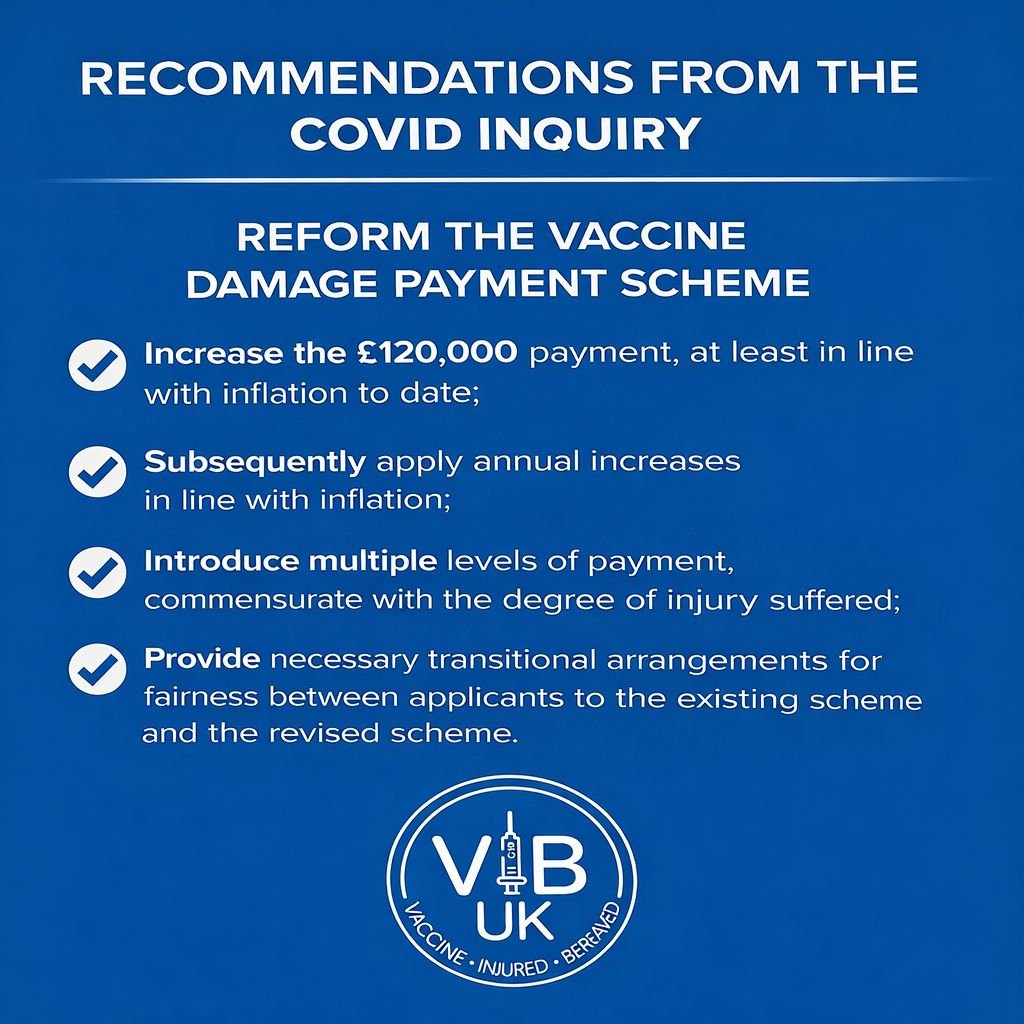
The Vaccine Damage Payment Scheme was created to provide support for people who have suffered serious harm following vaccination. However, the current fixed payment does not reflect the reality of those affected.
A single set amount cannot account for the huge differences in people’s experiences — from lifelong disability and loss of independence to the devastating impact on families who have lost a loved one.
The COVID-19 Inquiry has recommended that the payment should be increased at least in line with inflation. While this would be a welcome step, simply adjusting the amount for inflation does not address the deeper issue: the payment system does not recognise the severity, permanence, or life-changing nature of the harm suffered by some recipients.
Those who have experienced the most serious consequences need a scheme that properly acknowledges the scale of their loss and the long-term impact on their lives and their families.
A fairer approach must go beyond maintaining the value of a payment from years ago — it must reflect the reality faced by those who continue to live with the consequences every day.
@jamesmurray_ldn
@SharonHodgsonMP
@andyburnham
@DHSCgovuk
@hmtreasury
@wesstreeting
@AshleyDalton_MP
@covidinquiryuk
#VaccineInjury
#VaccineDeaths
#LifeLongDisability

English
Ally retweetledi
When @andyburnham becomes Prime Minister, will he do things differently?
Will he meet with @VIBUK_Official?
Will he listen directly to the vaccine injured and bereaved? And will he urgently commit to reforming the VDPS, as the @covidinquiryuk has recommended…so it is fair, compassionate and fit for purpose?
We've met ministers, secured debates, raised questions in Parliament, given evidence to the COVID Inquiry, and delivered a letter to Downing Street.
We've campaigned for reform, we have used FOI to get the facts and shared our stories in the hope that the vaccine injured and bereaved would finally be heard.
Yet meaningful action has remained lacking.
We're not asking for sympathy we're asking for leadership, urgency, and action.
We remain hopeful that a new chapter could bring a different approach.
@wesstreeting @AshleyDalton_MP @SharonHodgsonMP @DHSCgovuk @UKLabour @downingstreet @chris_chope @AJogee @PeterABedford @LBC @clairenewell4 @Telegraph @CatSnowdon @BBCFergusWalsh @SkyNewsThomas

English
Ally retweetledi

Oxford Street in "Modern London".
The main shopping street in England's capital city.
English
Ally retweetledi

If you're wondering why the left seem so deluded it's because they literally do not see the problems in our country
Alistair Campbell here openly admitting he doesn't think two tier policing is real despite the evidence
English
Ally retweetledi

Anecdotal evidence has shown this is an issue found in those with vaccine injury also. I repeatedly stress that it would be awesome if vaccine injured were included in research like this. Thank you @longcovidlabs for sharing.
Long COVID Labs@longcovidlabs
New paper from the Prusty group: SARS-CoV-2 spike protein reactivates latent herpesviruses in Long COVID patients 🦠 In this new paper, the authors argue that many cases of Long COVID may be caused by the SARS-CoV-2 spike protein changing cellular metabolism, in a way that allows normally latent (inactive) herperviruses to reactivate. We all have various herpesviruses in our body. Depending on genetics and several other factors which have yet to be identified by science, most of the time our immune systems are able to keep these viruses suppressed, even though they remain hidden in the body in an inactive state after we contract them. However, sometimes something can shift in our internal environment that interrupts our immune systems' ability to keep the virus suppressed. Here the Prusty group argues that in Long COVID, spike protein is affecting the way our cells function in a way that allows normally latent viruses such as human herpesvirus 6, human herpesvirus 7, and Epstein–Barr virus to reactivate. They discuss possible antiviral treatments, with some caveats. They write, "Anti-herpesvirus drugs may be therapeutically relevant for carefully selected long COVID or ME/CFS subgroups with clear evidence of herpesvirus reactivation, particularly EBV, HHV-6, CMV, VZV, or HSV. However, they should not be viewed as broadly applicable treatments in unstratified patients. Existing ME/CFS studies with artesunate, valganciclovir, or valacyclovir suggest possible benefit in virus-reactivation-defined subsets [143], while long COVID evidence remains more inferential. A key therapeutic dilemma is that different herpesviruses have different antiviral susceptibilities, so covering EBV/HHV-6/CMV versus HSV/VZV may require different or combined regimens, increasing complexity, toxicity risk, and the need for precise virological diagnostics before treatment." What this means is that while sometimes antivirals can help, we need much better diagnostics to pinpoint which patients need which drugs. Research from ME/CFS, which in many cases also appears to involve reactivation of latent viruses, shows that select subgroups of patients can respond to certain drugs - but it really depends on which virus you have, as available drugs do not work on all of the viruses. You really have to know which one you're treating, and be mindful of the risk of side effects. Additionally, they write that SARS-CoV-2 persistence may be the ultimate root cause reason as to why these viruses reactivate- so ultimately, we will need diagnostics for that as well. While we unfortunately have a ways to go in developing biomarkers, it's great to see the issues of SARS-CoV-2 persistence and latent virus reactivation receiving more attention in a mainstream publication like Cell. Thank you to the authors for this important work! 🙏 cell.com/trends-open/fu…
English
Ally retweetledi
Ally retweetledi
👏👏 @chris_chope asking the question again
"when will the Government implement changes to the vaccine damage payment scheme recommended by Baroness Hallett in her report in April?".
@jamesmurray_ldn
@DHSCgovuk still looking at it, or as we say delaying, putting off, kicking the can down the round .......


English
Ally retweetledi
Today’s UK COVID-19 Inquiry report concludes that inadequate planning left the UK unprepared to source and distribute PPE and vital equipment during the pandemic, putting frontline staff and patients at unnecessary risk. It also highlights significant waste of public money and calls for major reforms to emergency procurement. @SkyNews
As a Core Participant, VIBUK welcomes every lesson that helps protect the public in future pandemics.
But accountability must extend to everyone harmed by the pandemic response.
Those who were seriously injured or bereaved following COVID-19 vaccination are still waiting for meaningful reform of the Vaccine Damage Payment Scheme, fair compensation, and proper recognition of their suffering.
Preparedness, transparency and accountability should not stop at procurement. They must include caring for those who are suffering the consequences afterwards.
#CovidInquiry #VaccineInjury #VDPS #Accountability
news.sky.com/story/covid-in…

English
Ally retweetledi

We asked the FM to meet with us, and he refused. We asked the health secretary, they refused. We asked Public Health Scotland, and they refused. We asked Lanarkshire health board, and they refused. They all wanted to talk about the C19 jabs in 2021 they don't seem so keen now .
GIF
English
Ally retweetledi
Politicians and legacy media running with a "12 arrested for far right terrorism" targeting a Ijtima event, which are banned in 5 Muslim countries.
And it's transpired these "terrorists" were merely droning the area because of the suspicious activity.
English
Ally retweetledi
🚨NEWS: The latest figures show 205,000 illegal migrants have now crossed the channel into the UK in the last 8 years
English
Ally retweetledi
Through all the 'Football Lads Alliance' there's one man that always had my back 🤝🏻, and that's @HickinPhillip
I have the upmost respect for this gentleman.
Hear his story:
youtu.be/qcyiMb7ij24?is…

YouTube
English
Ally retweetledi
Pauline Hanson's Luton Visit: Pauline Hanson is leading the polls and poised to be Australia's next leader. She's observing UK issues to preemptively address similar challenges arriving in Australia.
English
Ally retweetledi
Flight overbooking? Jet2 isn't ejecting Muslims—they're offloading the last to book, solo travelers, or non-families. A group of 7 Muslims fit this criteria, leading to their removal, not discrimination.
English
Ally retweetledi

When do we get the patient information leaflets for each loaf of bread?
When do we get one for 'organic' sausages?
Sign and share the petition making sure you click the email to confirm your signature:
petition.parliament.uk/petitions/7695…
Dr Clare Craig@ClareCraigPath
The government suggests people consult patient information leaflets before taking folic acid. When do we get the patient information leaflets for each loaf of bread? When do we get one for 'organic' sausages?
English
Ally retweetledi

I had to learn to stand-up & walk again because Airbus threatened my job forcing me to choose between supporting my family & jeopardizing my health on a risky unproven covid jab that I didn’t want. Scared, intimidated & worried I made the wrong decision & paid a very large price
English
Ally retweetledi
I have a feeling it's time for the vaccine injured of the world to come together. @ukcvfamily
@ake2306 @KennyCarmody @Michell87463246 @HouseLyndseyRN @VIBUK_Official @scottish_vig @Amothersanthem @anettefri @BringTheNoise_X @React19org

English
Ally retweetledi

Am I wrong?
Organised Chaos
2 weeks to go! 🔥
Tickets available at Tickets Scotland: tickets-scotland.com/gra45
The Grand Awakening
📅 25th July
📍 The Classic Grand
🕔 5PM–11PM
A night of pure nostalgia, bringing everyone together for an unforgettable reunion.
Don't miss it!
English