Sabitlenmiş Tweet
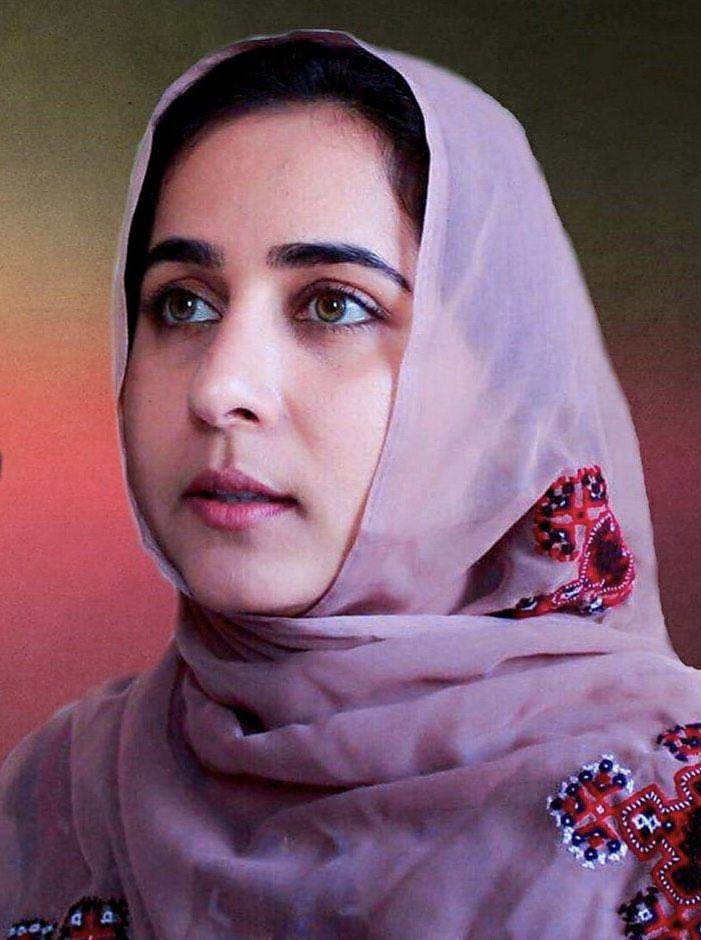
#KarimaBaloch ! you said tomorrow (23 Dec) send me reminder .... I’ll ....😢
But How I believe that you are Not gona reply me any more ? 😢
English
Keyya Baloch
79.3K posts

@keyya_baloch
@BNMovement_ member | Ex- Director of Zrumbesh | https://t.co/eoRhxAoEvR


بلوچستان کا بڑھتا بحران: غلط پالیسیوں کا لازمی نتیجہ رفیع اللہ کاکڑ @rafiullahkakar کوئٹہ ایک بار پھر خون میں نہایا۔ کتنی جانیں گئیں، کتنے گھر اجڑے یہ سوال اب اتنا پرانا ہو چکا ہے کہ جواب مانگنا بھی عبث لگتا ہے۔ ہم مرنے والوں کو یاد کرتے ہیں، پھر اگلے حملے کا انتظار کرتے ہیں۔ یہی معمول بن گیا ہے۔ بلوچستان میں تنازعہ تین دہائیوں سے جاری ہے۔ اصل سوال یہ نہیں کہ یہ کیوں چل رہا ہے یہ تو سب جانتے ہیں۔ سوال یہ ہے کہ حالیہ برسوں میں اس کی شدت اور ہلاکت خیزی میں اتنا اضافہ کیوں ہوا۔ اور اس کا جواب مسلح گروہوں کی حکمتِ عملی میں نہیں، اسلام آباد کی پالیسیوں میں ملتا ہے۔ ٹھیکیدار قیادت اور مفادات کا گٹھ جوڑ اسلام آباد اور بلوچستان کا رشتہ ایک نوآبادیاتی رشتہ ہے,یہ کوئی الزام نہیں، حقیقت کا بیان ہے۔ وفاقی اسٹیبلشمنٹ نے صوبے میں ایسی قیادت بٹھا رکھی ہے جسے عوام نے نہیں، فوجی ہیڈکوارٹرز نے چنا ہے۔ یہ لوگ امن نہیں چاہتے کیونکہ امن آنے سے ان کی ضرورت ختم ہو جائے گی۔ جتنا لمبا تنازعہ، اتنی لمبی ان کی سیاسی عمر۔ بدعنوانی اب صرف سیاستدانوں تک محدود نہیں رہی۔ اعلیٰ سرکاری افسران اور فوجی حکام براہِ راست صوبے کی غیر رسمی معیشت میں شریک ہیں۔ یہ وہ لوگ ہیں جن کا کام امن قائم کرنا ہے.لیکن جن کا مفاد موجودہ افراتفری میں پوشیدہ ہے۔ جھوٹا بیانیہ، اندھا معاشرہ پاکستان کے بڑے شہروں میں بیٹھے لوگ بلوچستان کے بارے میں جو کچھ جانتے ہیں، وہ بیشتر غلط ہے اور یہ اتفاق نہیں۔ میڈیا پر کنٹرول اس حد تک ہے کہ صرف وہی آواز سنائی دیتی ہے جسے ریاست نے اجازت دی ہو۔ آزاد صحافی وہاں کام نہیں کر سکتے۔ نتیجہ یہ ہے کہ پنجاب اور سندھ کا عام آدمی بلوچستان کی حقیقی صورتحال سے بالکل بے خبر ہے، اور اسلام آباد اسی بے خبری کو ڈھال کے طور پر استعمال کرتا ہے۔ وہی پرانی غلطیاں، وہی پرانے نتائج سیاسیاتِ علم میں یہ بات بہت پہلے سے ثابت ہے کہ بغاوت کا جواب زیادہ دمن سے دینے پر وہ بجھتی نہیں، بھڑکتی ہے۔ پاکستانی ریاست یہ سبق سیکھنے پر آمادہ نہیں۔ جبری گمشدگیاں پہلے سے زیادہ ہیں۔ بلوچ یکجہتی کمیٹی کی قیادت جیلوں میں ہے وہ لوگ جنہوں نے پُرامن سیاسی جدوجہد کا راستہ اختیار کیا تھا۔ اعلیٰ عدالتیں آواز اٹھانے کی پوزیشن میں نہیں۔ قانونی راستے ایک ایک کر کے بند کیے جا رہے ہیں۔ جب احتجاج، عدالت، اور میڈیا سب کے دروازے بند ہوں تو لوگ کہاں جاتے ہیں؟ یہ سوال ریاست کو خود سے پوچھنا چاہیے۔ اس کے ساتھ قدرتی وسائل کی لوٹ مار جاری ہے۔ لاکھوں ایکڑ زمین مقامی آبادی سے بغیر پوچھے سرکاری اداروں اور نجی کمپنیوں کو دے دی گئی۔ آئین میں صوبائی حقوق جو لکھے ہیں، وہ صرف کاغذ پر ہیں۔ بلوچستان کی دولت نکلتی ہے، لیکن بلوچ اس سے محروم رہتے ہیں اور پھر حیرانی ہوتی ہے کہ وہ ناراض کیوں ہیں۔ عام آدمی کی تباہی تجریدی پالیسیوں کا اصل چہرہ عام لوگوں کی زندگیوں میں نظر آتا ہے۔ پاک-افغان سرحد ایک سال سے زیادہ عرصے سے بند ہے۔ نسلوں سے سرحد پار تجارت پر گزارہ کرنے والے خاندان برباد ہو گئے ہیں۔ ٹرانسپورٹ کا شعبہ.جو اس صوبے کی معیشت کی ریڑھ کی ہڈی ہے.ایک طرف اسلام آباد کی پابندیوں اور دوسری طرف مسلح گروہوں کے حملوں کے درمیان پس رہا ہے۔ کسان، کان کن، ٹرک والے، چھوٹے کاروباری.ان میں سے کوئی ریاست اور باغیوں کی لڑائی کا حصہ نہیں، لیکن سب سے زیادہ نقصان انہی کا ہو رہا ہے۔ یہ صرف انسانی المیہ نہیں، حکمتِ عملی کی ناکامی بھی ہے۔ معاشی بربادی ہمیشہ مسلح تحریکوں کو نئے لوگ فراہم کرتی ہے۔ ریاست جس شورش کو ختم کرنا چاہتی ہے، انہی پالیسیوں سے اسے خوراک دے رہی ہے۔ ڈیتھ اسکواڈز کا ناسور بلوچستان کی صورتحال پر کوئی بھی بات ان پراکسی مسلح گروہوں کا ذکر کیے بغیر ادھوری ہے جنہیں ریاست نے انسدادِ بغاوت کے نام پر پال رکھا ہے۔ دنیا بھر میں جہاں بھی یہ طریقہ آزمایا گیا، نتیجہ ایک ہی رہا: مزید قتل، مزید انتقام، اور ریاست کی ساکھ کا مزید خاتمہ۔ بلوچستان میں یہ سلسلہ جاری ہے کیونکہ بہت سے طاقتور حلقوں کا مفاد اس میں ہے۔ بات سننے کا وقت ہم جیسے لوگ برسوں سے خبردار کرتے رہے ہیں۔ تجزیہ کار، سول سوسائٹی، حقیقی سیاسی آوازیں.سب نے بار بار کہا کہ یہ راستہ کہاں جا رہا ہے۔ کسی نے نہیں سنا۔ اب وہی نتائج سامنے ہیں۔ بلوچستان کے اس بحران سے نکلنے کا راستہ کوئی راز نہیں۔ سیاسی شرکت بحال کرنی ہوگی۔ مصنوعی قیادت سے ریاست کو جان چھڑانا ہوگی، جبری گمشدگیوں کا احتساب کرنا ہوگا۔ وسائل کی تقسیم آئین کے مطابق کرنی ہوگی۔ پراکسی گروہوں کو ختم کرنا ہوگا۔ اور سب سے ضروری یہ کہ یہ تسلیم کرنا ہوگا کہ ایک سیاسی مسئلے کا فوجی حل نہیں ہوتا.یہ صرف اگلی تباہی تک کا التوا ہوتا ہے، اور ہر بار قیمت پہلے سے زیادہ ہوتی ہے۔ کوئٹہ پھر لہولہان ہوا۔ سوال یہ ہے کہ کیا اب بھی کوئی سننے والا ہے؟




In Memory of Lala Lateef, “Lala the Brother” On the early morning of May 24, Pakistani forces murdered my cousin and friend, a journalist, Lateef Baloch, in Mashkai, Balochistan. It was not just the killing of a journalist, it was the extinguishing of one of the most gentle, resilient, and courageous souls in our people. Affectionately known as Lala Lateef in our town, as he was loved for his humility, his kind heart, and his unwavering dedication to others. He was a man who greeted everyone with warmth, who helped without asking, who stood firm without ever raising his voice. It is no surprise that the people of Mashkai called him Lala, an elder brother, not by age, but by spirit. Lateef Baloch was a journalist who reported from the shadows, from Mashkai, where internet is a dream and phone signals barely exist. He wrote despite the silence around him, he wrote the everyday suffering of the Baloch people. His work was dangerous, and he knew it. But he never stopped. This was not the first tragedy to strike out this family. In March this year, his son was abducted and killed by the same forces along with other eight close family members. His brother, my cousin Rashid Baloch, was abducted, murdered, and his body dumped in 2011. Another younger brother, Khalid a teacher of Balochi language, was abducted too, but returned after months of torture and disappearance. Lateef himself was abducted twice in the past, yet he always came back, and always returned to his work. He never let fear break his will. Journalism for him was not a career, it was resistance. But my memories of Lala Lateef go back much further. In the early 1990s, I was just a schoolboy when I first heard the anthem of the Baloch Students Organization (BSO) and other revolutionary songs, not from radio or public gatherings, but from his tape recorder at full volume at our home. He filled our home with those songs, and unknowingly, filled me with a lifelong love for revolutionary music and politics. That was my first awakening, and it came from him. Alongside Lateef Baloch, Akhtar Nadeem, Meeya Niaz, and myself, we started the first music learning club in Mashkai. It was a small act of defiance , a cultural rebellion in a land where expression was criminalized. Through that club, we gave voice to our dreams and our defiance, and Lala Lateef was at the heart of it all. His friend Khair Jan Bahmani was our music teacher (Ustad) in that club. He was more than a family member. He was a brother, a comrade, someone who shaped my political awakening in the beginning. He was in police custody in the 1990s during clashes between the Baloch Students Organization (BSO) and some religious groups. Dr. Deen Jan and Dr. Wahid (a veterinary doctor) were also jailed in the same case alongside him. We used to bring them food from our home. In other words, he had been part of the struggle for a cause since a very young age. Today, the forces have killed him, may believe they silenced a voice. But they only deepened an echo. His legacy lives in every young journalist risking truth, in every Baloch song sung in defiance, in every whisper of resistance that refuses to die. Still Mashkai calls him Lala, the brother.


Breaking: BLA releases a message from one of its female commanders, Shaynaz Baloch. Addressing Pakistani state, Ms Baloch, says the only option left for Pakistan now is to leave Baloch land or face grave consequences.

وائس فار بلوچ مسنگ پرسنز کے احتجاجی کیمپ کو بند کرنے اور جبری گمشدگیوں کے خلاف جاری پرامن جدوجہد سے دستبردار ہونے کے لیے دھمکیاں دی جا رہی ہیں۔ اس طرح کے ہتھکنڈے انسانی حقوق کی آواز کو دبانے کی کوشش ہیں، مگر جبری گمشدگیوں کے خلاف جدوجہد جاری رہے گی۔ #EndEnforcedDisappearances
Demolition of Civilian Homes in Mashkai Date: 13 May 2026 PAANK strongly condemns the reported demolition of civilian homes by the Pakistan Army in Peer Mashkai, Kallar area of Awaran district on 13 May 2026. During the military operation, the houses of Master Niaz Baloch and Master Huzoor Bakhsh Baloch were reportedly bulldozed, while date palm trees in front of their homes were also destroyed. This incident reflects the ongoing policy of collective punishment being carried out across Balochistan, where entire families are targeted through enforced disappearances, extrajudicial killings, harassment, and destruction of property. Previously, the Pakistan Army forcibly disappeared two sons of Master Niaz Baloch — Zaheer Niaz and Mehraj Niaz — on 28 February 2025. Later, the tortured and mutilated body of Mehraj Niaz was dumped on 3 March 2025, while Zaheer Niaz faced the same fate on 26 March 2025. Their killings were widely viewed as acts of extrajudicial execution and collective punishment against the family. PAANK urges international human rights organizations and the United Nations to take immediate notice of these grave violations and hold the perpetrators accountable.