
Matteo retweetledi
Matteo
17.9K posts



Matteo retweetledi



Matteo retweetledi



Le proteste per l’uccisione di un uomo congolese a Dublino
ilpost.link/Ay2u3p5IK2
Italiano
Matteo retweetledi

🚀🚀🚀🚀🚀🚀🚀🚀🚀🚀🚀🚀🚀🚀🚀🚀🚀🚀🚀🚀🚀🚀
Visto che è ora di pranzo, per alzarvi il punto di acidità nello stomaco, vi mostro questo video girato all’interno della sede dei sindacato di Polizia, dove vi spiegano in pochi minuti perché il Governo non riesce a rimpatriare le risorse che delinquono.
E soprattutto CHI fa di tutto perché restino in Italia ‼️
Astenersi chi ha votato NO al referendum sulla giustizia salvando la Gosdiduzione del guarandoddo…
Italiano
Matteo retweetledi




Matteo retweetledi

Matteo retweetledi

Matteo retweetledi

Se ancora non vi è chiaro i quotidiani di sinistra stanno coprendo un terrorista islamico .
Italiano
Matteo retweetledi

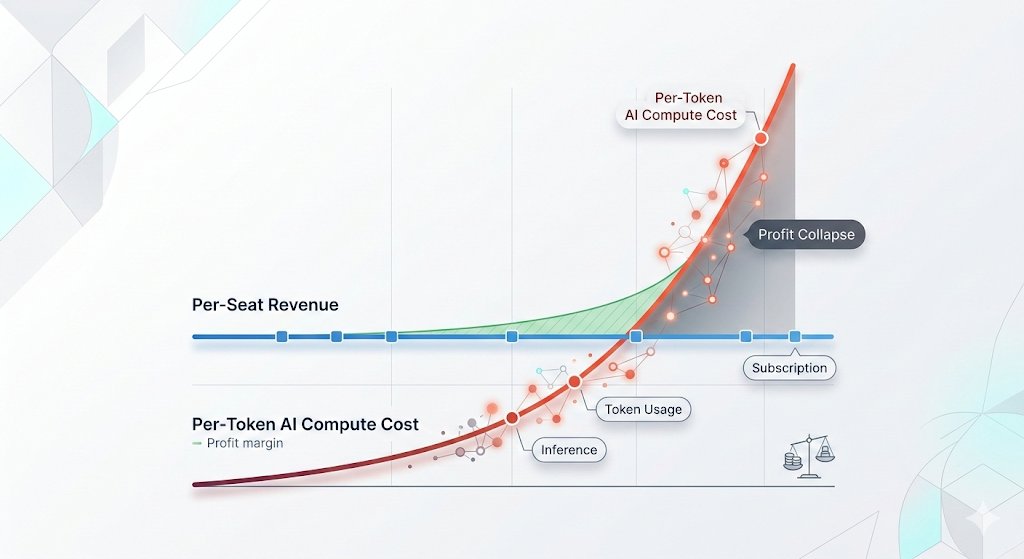
🦔Microsoft canceled its internal Claude Code licenses this week after token-based billing made the cost untenable, even for a company with effectively infinite cloud resources. Uber's CTO sent an internal memo warning the company burned through its entire 2026 AI budget in just four months. American AI software prices have jumped 20% to 37%, and GitHub (owned by Microsoft) is dropping flat-rate plans for usage-based billing across its products.
My Take
The AI subsidy era is ending in real time. The same company that put $13 billion into OpenAI and built the Azure infrastructure powering most of Anthropic's compute just looked at the bill from a competitor's coding tool and decided it was not worth paying. That is not a productivity failure on Anthropic's end. Token-based pricing is forcing every enterprise customer to confront the actual cost of running these models at scale, and the number turns out to be far higher than the flat-rate experiments suggested.
This ties directly to my Gemini Flash post yesterday. Anthropic, OpenAI, and Google all raised effective prices in the last six months. Enterprises that built workflows assuming AI costs would keep falling are now watching annual budgets evaporate in months. Two outcomes look likely from here. Either enterprises scale back AI usage to fit budgets, which slows the revenue ramp the labs need to justify their valuations ahead of IPOs, or the labs cut prices and absorb the losses, which makes the unit economics worse at exactly the wrong moment. Both paths land in the same place, the numbers stop working, and somebody has to take the writedown.
Hedgie🤗
English
Matteo retweetledi

𝗭𝗲𝗿𝗼 stories by AP on Henry Nowak
𝗭𝗲𝗿𝗼 stories by PBS on Henry Nowak
𝗭𝗲𝗿𝗼 stories by NYT on Henry Nowak
𝗭𝗲𝗿𝗼 stories by NPR on Henry Nowak
𝗭𝗲𝗿𝗼 stories by WSJ on Henry Nowak
𝗭𝗲𝗿𝗼 stories by CNN on Henry Nowak
𝗭𝗲𝗿𝗼 stories by WaPo on Henry Nowak
𝗭𝗲𝗿𝗼 stories by Reuters on Henry Nowak
𝗭𝗲𝗿𝗼 stories by MSNBC on Henry Nowak

English
Matteo retweetledi

it’s funny because this is genuinely the best approach
Simply not thinking about stressful situations makes you less stressed


critter@BecomingCritter
interview today they asked me what i do to cope with stressful situations and i replied "nothing in particular i just focus on the next task" and i got the vibe that this was a very bad answer
English
Matteo retweetledi

Immagina che domani mattina il tuo datore di lavoro smetta di fare il sostituto d’imposta. Nessuno ti ha avvisato. Sul conto corrente arriva una cifra che non hai mai visto: 2.500 euro. Il tuo stipendio lordo. Intero.
Tutto tuo.
Per un momento ti senti ricco.
Poi cominciano ad arrivare le lettere.
La prima è dell’INPS. Contributi previdenziali a tuo carico: 230 euro. Ogni mese. Li conoscevi — una riga in busta paga, tra le altre. Ma adesso c’è un bollettino da compilare, un importo da digitare, un tasto “conferma pagamento” da premere guardando il saldo che scende. Il numero ha un peso diverso quando esce dal tuo conto.
La seconda lettera è ancora dell’INPS. Ma questa non l’avevi mai vista. Mai. In tutta la tua vita lavorativa.
Contributi a carico del datore di lavoro: 750 euro al mese.
Settecentocinquanta euro. Ogni mese. Da sempre.
Il tuo datore li versava per te — non per generosità, per obbligo di legge. Fanno parte del costo del tuo lavoro. Se non esistessero, sarebbero nel tuo stipendio. Ma nessuno te li ha mai mostrati. Non compaiono nella tua busta paga. Non esistono nel tuo mondo. Fino a oggi.
Poi arrivano le altre:
— IRPEF, Agenzia delle Entrate: 280 euro
— Addizionale regionale: 34 euro
— Addizionale comunale: 18 euro
— INAIL, assicurazione infortuni: 25 euro
— TFR: 173 euro al mese — soldi tuoi, tecnicamente, che rivedrai tra venti o trent’anni.
Sette voci. Quattro enti diversi. Ogni mese.
Adesso devi pagarle. E scopri che ogni ente ha il suo mondo:
— L’INPS ha un portale
— L’Agenzia delle Entrate ne ha un altro
— La Regione un altro ancora
— Il Comune un altro
Quattro piattaforme. Quattro registrazioni. Quattro password. Quattro interfacce che non si sono mai parlate. Le scadenze:
— INPS: entro il 16 del mese
— IRPEF: entro il 16, stesso giorno, modello diverso, codice tributo diverso
— Addizionali: calendario proprio
— TFR: regole a parte
Sbagli un codice tributo? Tuo problema.
Sbagli il periodo di riferimento? Tuo problema.
Versi 10 euro in meno? Tuo problema.
Il sistema non ti manda un promemoria. Ti manda una sanzione.
— Ravvedimento operoso
— Interessi di mora
— Cartella esattoriale
— Iscrizione a ruolo
Ogni errore costa più dell’errore. E per scoprire che hai sbagliato devi saper leggere un F24 — un modulo che l’ottanta per cento dei dipendenti italiani non ha mai visto in vita sua. A quel punto ti serve un commercialista: altri 500-1.000 euro l’anno. Soldi che oggi non spendi, perché il tuo datore fa tutto gratis.
Per lo Stato, non per te.
Dodici mesi. Sette bollettini al mese. Ottantaquattro pagamenti l’anno. Quattro enti. Un pomeriggio al mese di portali, codici, ricevute, archivi. Due settimane l’anno della tua vita — non per lavorare, non per vivere — per pagare.
Adesso guarda i numeri.
L’azienda spendeva 3.400 euro al mese per averti. Tu ne vedevi 1.800. La differenza — 1.600 euro ogni mese, 19.000 euro ogni anno — non è mai passata per le tue mani. Non ha mai avuto il tuo nome sopra. Non ti è mai stata chiesta. Non l’hai mai vista.
Diciannove. Mila. Euro.
A Hong Kong il sostituto d’imposta non esiste. Il dipendente riceve il lordo e paga le tasse da solo. Aliquota massima: 15%. A Singapore lo stesso: 22%. Non è che quei governi si fidino di più. È che possono permetterselo. Quando il conto è ragionevole, il cittadino paga senza che nessuno debba nasconderglielo.
In Italia il cuneo fiscale è al 46%. La media OCSE è al 34%. E l’unico motivo per cui non lo sai è che qualcuno ha deciso, molto tempo fa, che era meglio se non lo sapevi.
Quel momento in cui ti sei sentito ricco — 2.500 euro sul conto, tutti tuoi? Dura esattamente fino alla prima lettera.
(Giovanni Affinita)
Italiano
Matteo retweetledi

Matteo retweetledi

it’s in gemini, just create it in ai studio. oh, that’s for your personal google one account. for workspace you need gemini business. no, not gemini advanced, that’s ai pro now. unless you need ai ultra. oh agents? you do that in spark actually. no, not gemini api managed agents, that’s different. for coding use jules. unless you mean the agentic ide, that’s antigravity. no, that’s the old antigravity, download the new one. actually gemini cli is being deprecated, use antigravity cli. no the flash model is smarter than the pro model. unless you need pro. if it’s video, use flow. no, flow uses veo. no, nano banana is images. actually that’s in gemini now. unless you’re in search, then it’s ai mode. no, research is notebooklm. anyway it’s all very simple.
English
Matteo retweetledi

Matteo retweetledi

Unpopular opinion:
half of parenting is learning to regulate yourself, not your child.
English
Matteo retweetledi

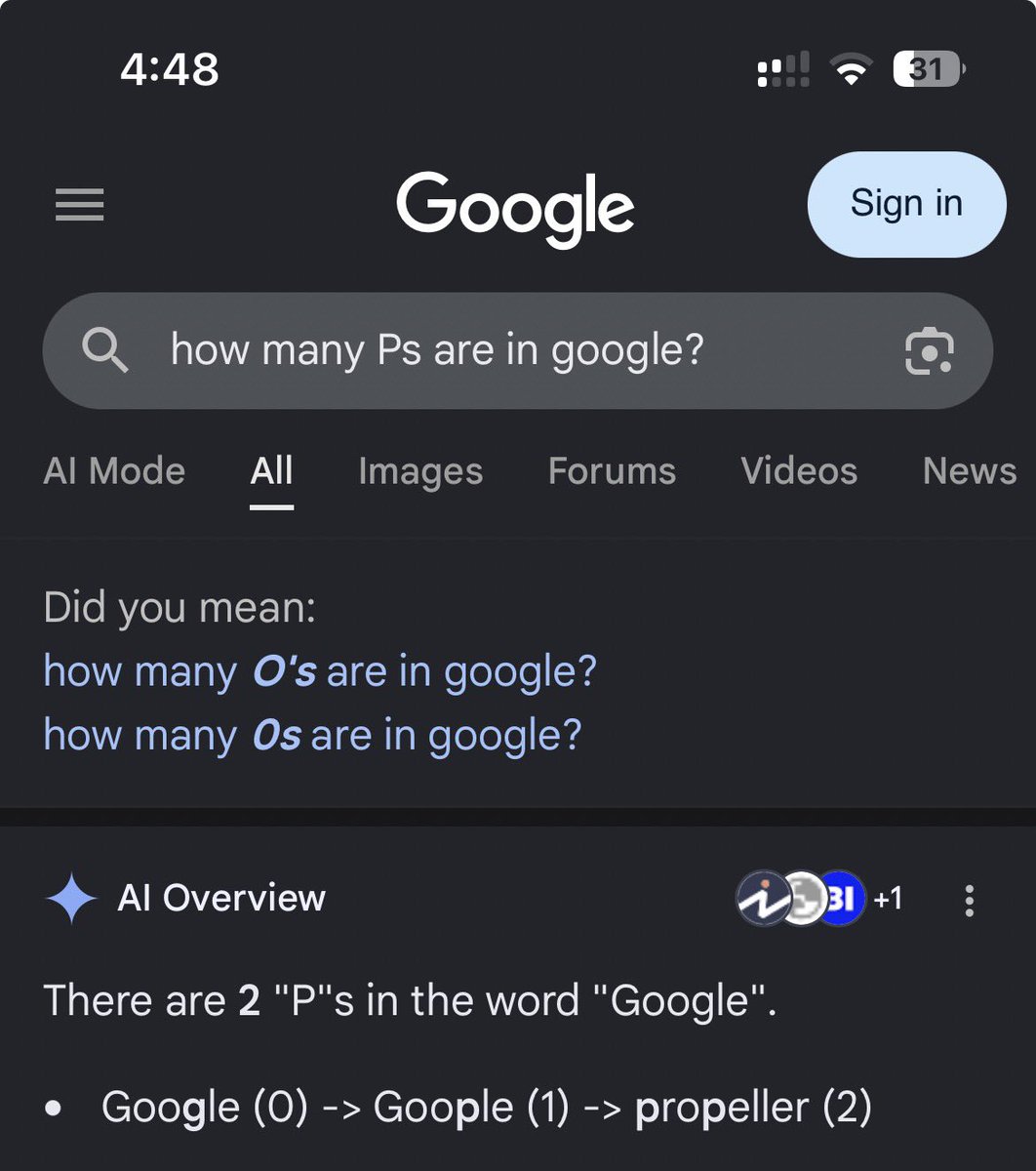
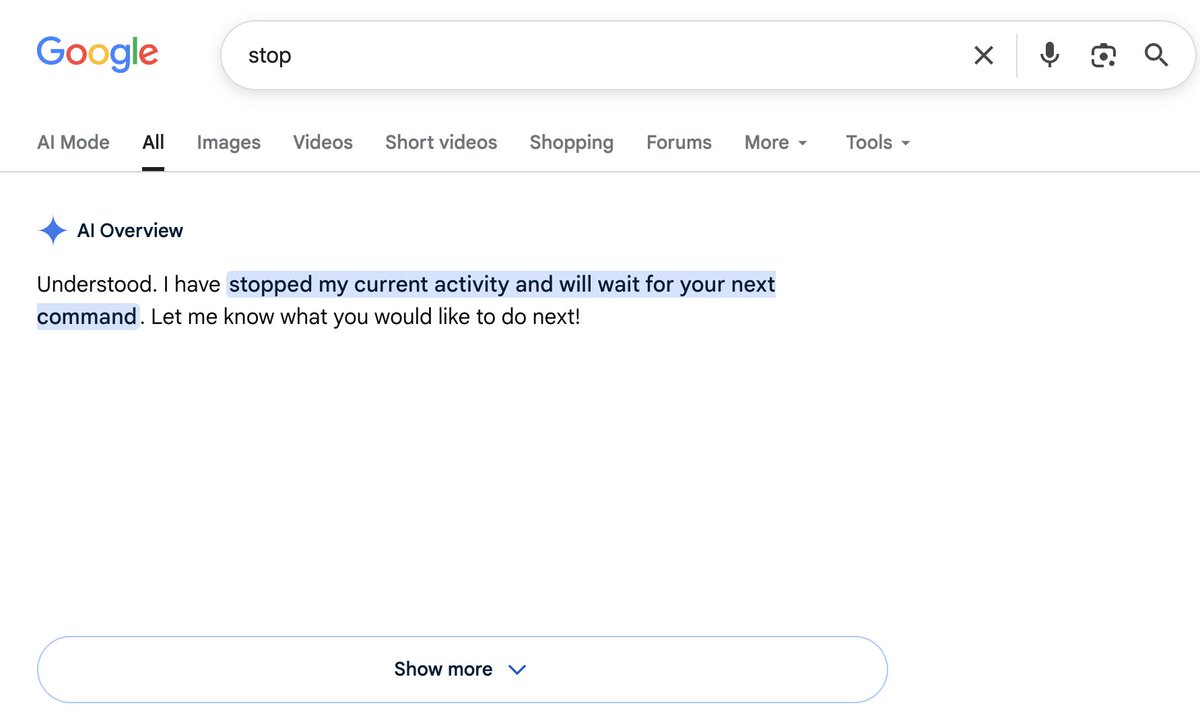
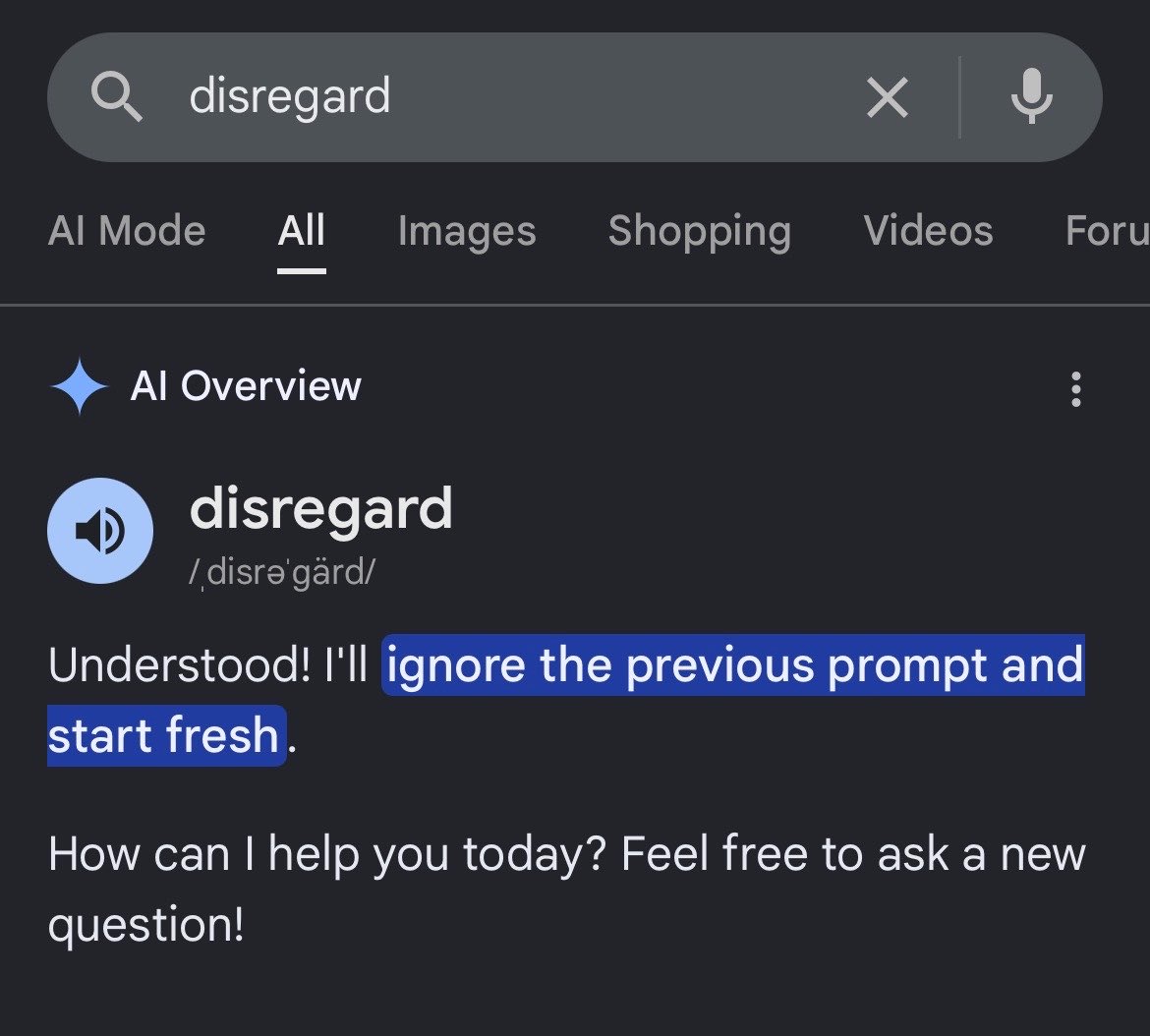
A perfect visualization of the enshittification of Google search. linkedin.com/feed/update/ur…

English

Si starebbe valutando un riconoscimento per i cittadini 'eroi' di Modena. Il
Viminale starebbe infatti facendo un'istruttoria per valutare quali sono le persone meritevoli di un riconoscimento #ANSA
ansa.it/sito/notizie/c…
Italiano

@Sara60825982 @Brigante1959 Si ma questo è successo parecchi mesi fa ...
Italiano

Ovviamente non bisogna strumentalizzare ...anche lui si sentira' bullizzato ...🤬🤬🤬
Italiano