

मनोज वर्मा
864 posts
मनोज वर्मा
@knapsack120
Socially Inept
Barabanki, India Katılım Kasım 2021
320 Takip Edilen16 Takipçiler



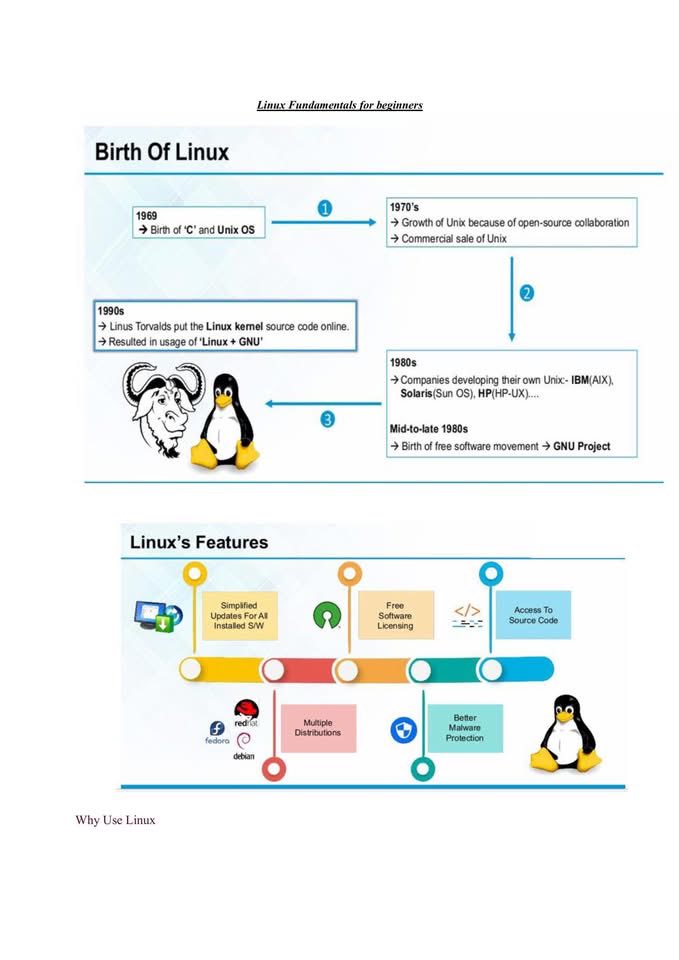
🐧 LINUX FUNDAMENTALS – The Complete Beginner’s Guide (Free PDF) ⚙️💡
If you’re stepping into Cybersecurity, DevOps Cloud or System Administration one skill you must get comfortable with is Linux. It’s the backbone of servers tools and almost everything you’ll work with in tech
English


Linux is the most important skill to learn if you want to:
- Get a 6 figure tech job
- Work remotely
- Start a freelancing business
- Escape Big Tech data farming
I created a FREE Linux Starter Course.
Comment "Linux" and I'll DM it to you (follow me first or I cant DM you)
English



and dumb people are thinking that they are getting smarter.
LLMs have a net negative impact.
Paras Chopra@paraschopra
In the age of LLMs, smart people are getting smarter, while dumb people are getting dumber.
English
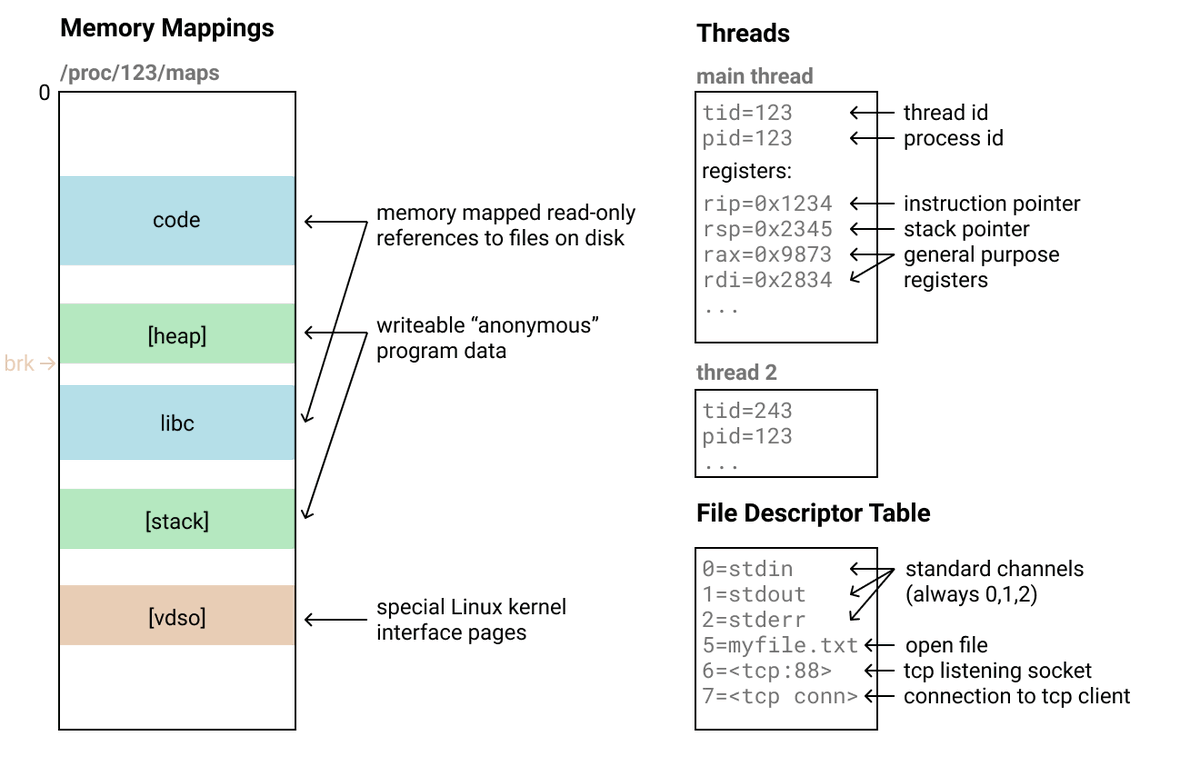
@chessMan786 How file descriptor table is associated with memory segments of a process ?
English

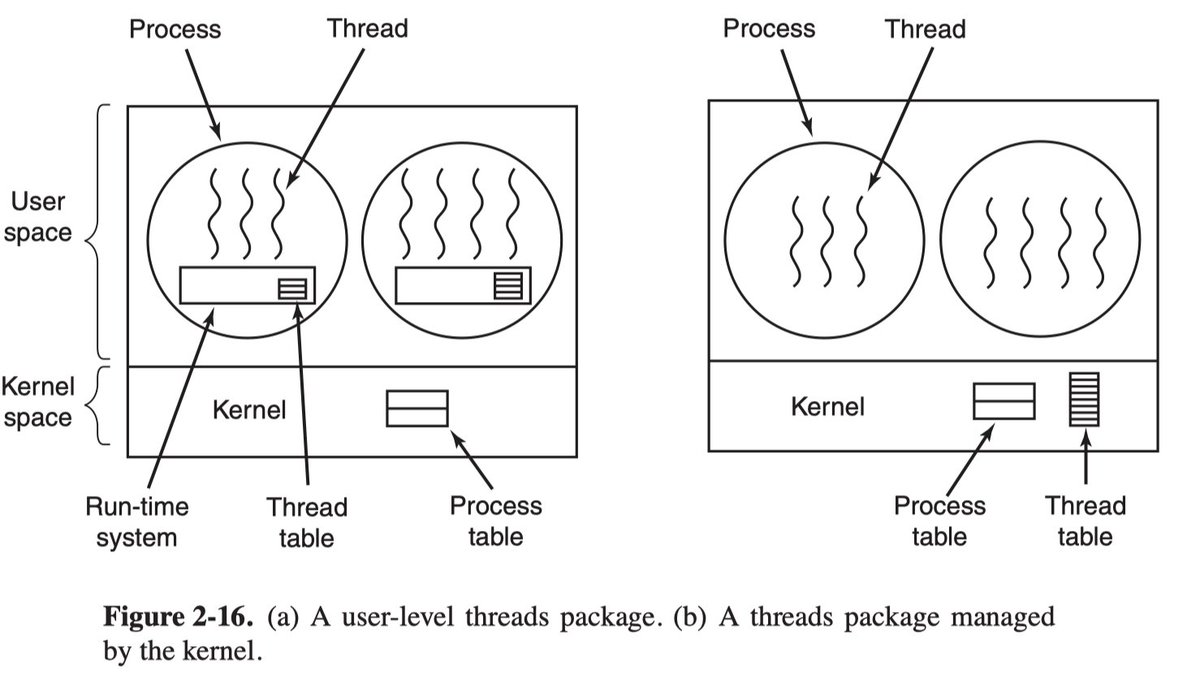
𝐔𝐬𝐞𝐫 𝐋𝐞𝐯𝐞𝐥 𝐯𝐞𝐫𝐬𝐮𝐬 𝐊𝐞𝐫𝐧𝐞𝐥 𝐌𝐚𝐧𝐚𝐠𝐞𝐝 𝐓𝐡𝐫𝐞𝐚𝐝 𝐏𝐚𝐜𝐤𝐚𝐠𝐞𝐬
Thread management splits between user space and kernel space, shaping how systems handle concurrency.
In a user level threads package, threads run entirely in user space, supported by a library that manages scheduling without kernel intervention. The kernel sees only the process, maintaining a process table and perhaps a thread table indirectly through a run time system.
This keeps operations quick, as creating or switching threads avoids costly system calls. But if a thread blocks, say on I/O, the kernel blocks the whole process, stalling all threads inside it.
Contrast that with a kernel managed threads package, where the kernel directly oversees threads. Here, the thread table resides in kernel space, allowing the OS to schedule individual threads independently.
The process stays in user space, but threads get kernel support for true parallelism, especially on multi core systems. Blocking one thread lets others continue, improving responsiveness. The trade off comes in overhead, since every thread action involves kernel mode switches, which take more time than user level handling.
Developers pick based on needs. User level suits apps with many short lived threads where speed matters over isolation, like in some embedded systems or older libraries.
Kernel managed shines in modern setups requiring robust concurrency, such as servers handling multiple connections. Many OS combine elements, using user level for efficiency and kernel for critical features.
Performance tuning often involves measuring context switch times and blocking frequencies. In user level, custom schedulers can optimize for specific workloads, but lack kernel's global view.
Kernel managed provides fairness across processes but might introduce latency. Tools like profilers help spot bottlenecks in either approach.
English
@chessMan786 Suppose we have cpu with more than one core, then both fork and pthreads can leverage that new core for parallel computing ? Or both use context switching ?
English
- to create independent processes for parallel task execution
- process creation in web servers, shell scripting, and parallel computing tasks
- No, multithreading in C uses pthreads, not fork()
- Yes, the child process has its own distinct memory space using a "copy-on-write" mechanism.
English
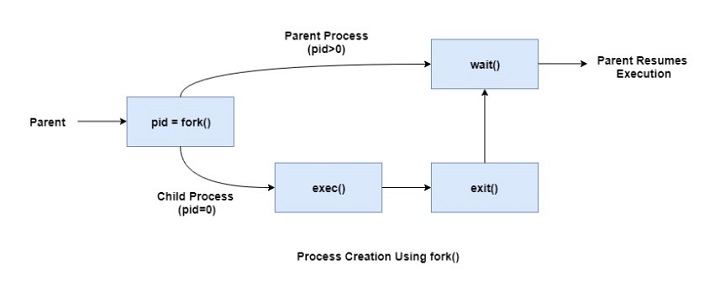
𝐏𝐫𝐨𝐜𝐞𝐬𝐬 𝐂𝐫𝐞𝐚𝐭𝐢𝐨𝐧 𝐔𝐬𝐢𝐧𝐠 𝐟𝐨𝐫𝐤() 𝐒𝐲𝐬𝐭𝐞𝐦 𝐂𝐚𝐥𝐥
The 𝐟𝐨𝐫𝐤() system call represents one of the fundamental mechanisms for process creation in Unix-like operating systems.
English
@chessMan786 The contiguous nature for stack allocation is due to no optimization? I mean it is not guaranteed right ?
Can I say memory allocation will be contiguous if the variables are inside struct or class ?
Ofcourse array will be contiguous we know that.
English
Understanding Memory And Variables In C
In this article, we’ll explore the reality behind variables, how they’re stored in memory, and the implications this has for our programs.

English
@OSdev_ Learning this much is enough to be a good multi threaded program developer ?
English

@chessMan786 When fork is needed ? Please mention it's use cases? Is this used for multithreading in c ? Child has it's own memory space ?
Btw thank you
English
The entire cycle demonstrates how operating systems handle process creation, execution, and cleanup in a controlled manner.
English

Role - SDE - Intern
Expected Stipend - 35K-50K per month
Location - Remote / Work From Home
- Proficiency in at least one programming language
- Opportunity to work on impactful projects
Let us know if you are Interested 👇
English


When I was taking an interview, candidate couldn’t even solve 1 question in 30 min
He was anxious & lost
I said, “Relax, let's start from beginning”
He smiled, took a breath & solved 2 questions in the next half hour
I was nervous in my 1st interview too. Let’s lift each other up
English
English

💼 Hiring Opportunity
1️⃣ C++ Developer (Remote 10-40LPA)
2️⃣ Python Dev (Remote Exp.)
3️⃣ Flutter Dev (Noida)
4️⃣ SDE-1 (BLR, HYD, Gurgaon)
5️⃣ Graphic Designer (Remote)
6️⃣ Social Media Intern
Comment below the role you want to apply for 👇
(Must Like, RT & Follow to receive DM)

English