KoBa

214 posts

KoBa banner
KoBa

KoBa

@koushikjee

Founder @NOOS Technologies Building Credible Security in Supply Chain. 2 decade of impactful experience in startups and MNC. Believer in loving what I do.

Bengaluru, India Katılım Ocak 2012
225 Takip Edilen26 Takipçiler
KoBa
KoBa@koushikjee·
@SawyerMerritt I am starting a business - deploy human-capability thru humans. Height/Weight is configurable. 24x7 ops. Completely on Opex. Anyone interested.
English
0
0
0
7
Sawyer Merritt
Sawyer Merritt@SawyerMerritt·
NEWS: Boston Dynamics has just released a new video of its upgraded next-generation humanoid robot called Atlas. • 4 hour battery. Self-swappable for continuous operation • 6 feet 2 inches tall • Weight: 198 lbs • 56 total degrees of freedom • Now fully electric, ditching older hydraulic systems • New lightweight mix of aluminum and titanium components • 110 lbs weight capacity (66 lbs sustained) • Can reach up to 7.5 ft • Constantly evaluates its surroundings and adjusts its posture, balance, and grip in real time • Hands that can reconfigure as needed. Tactile sensors feed data back into the system, helping apply the right amount of force • Brain is powered by Nvidia chips
English
995
3.1K
20.9K
2.4M
Dr. Datta M.D. (Radiology) M.B.B.S. 🇮🇳
🚨I don’t comment on every tech launch, but after eight years in healthcare AI, I have to ask: is India handing over its healthcare sovereignty to foreign platforms? 🇮🇳 I must share some raw thoughts about the launch of ChatGPT Health (for patients) and OpenAI for Healthcare (for doctors) this week, because the implications are enormous, and we as Indians need to pay attention (which we aren’t!) In the last 24 hours, OpenAI has initiated a direct play to become the “operating system” for global healthcare data. This is not just about replacing human doctors but about becoming the default interface where your health data, wearables, lab reports, clinical notes, fitness logs (and literally everything related to you) gets stored, organized, interpreted and ultimately monetized! 🚀 Healthcare is now one of the world’s biggest data economies. In India, this market is exploding, well over 500 billion dollars, with digital health leading the way. In India have more than a billion people (and potential customers). The diversity of cases we see in hospitals is unmatched! TB, rheumatic heart disease, tropical infections, cancers all of them present differently in Indian populations. A treasure trove of clinical information that does not exist anywhere else in the world! And for decades, most of this data has been siloed and stuck in different places. Fitness apps stored your steps and activity. Hospitals locked up imaging in their PACS. Half our X-rays and ultrasounds are still physical films or printouts lol AI has changed everything in the last few years. Today, models can read scans, parse clinical notes, integrate vitals, understand behavior, and connect it all. We have patient health record apps which store all our information, so it’s easier for us to connect them to AI apps through APIs and MCP servers. The truth is: Whoever controls the layer that stitches this together will control diagnostics, healthcare policy, and population health at scale. I have absolutely no doubt about that! That is what OpenAI is building. Connect your records. Connect your wearables. Let the platform learn how your body, your disease, your life works. It starts free. Later, you pay for the smarter version. We have seen this movie before. Google Drive. iCloud. Google Photos. Once your data and your habits live inside a system, how do you ever leave? Right? But healthcare is not just your email or photos. There is sovereign angle to it. If India’s imaging, clinical records, and behavioral data flow only into foreign platforms, (and yes, many Indian startups have already been forced to share data just to survive), we are reduced to data suppliers, not data owners, and definitely not builders. If this continues it will be disastrous!!! Our diagnostic standards. Our clinical pathways. Our public health priorities. All of it may eventually be shaped by decisions made outside this country! I see something every day in practice. Indian TB. Rheumatic heart disease. Infections and patterns Western models still struggle to understand. If we allow foreign entities to own the “brain” trained on this data, we will end up paying for insights generated from our own people. I have worked, often pro bono, with some of the most brilliant health-tech founders in this country. They are hardworking, creative, deeply committed. But most are just fighting for survival. No one has the runway to build national infrastructure! An Indian “ChatGPT for Health” cannot be another under-funded startup. We need patient capital. Serious policy support. Digitization of decades of legacy records. Multimodal datasets that connect hospitals, labs, public systems, wearables, and wellness platforms. Long-term governance that balances privacy, equity, and innovation. And I am not being anti-global. This is not anti-free market. And honestly, anyone who reduces this to that is missing the point! We absolutely need global collaboration. But the core intelligence built on Indian health data MUST be governed in India. Because The stakes are massive. Whoever controls health data and health AI will set the rules for medical care, public policy, and healthcare innovation for the next decade. If we build our own now, we control our future. If we wait, we will be locked out and locked in. The clock is ticking. So my question is: Are we going to do something about it, or are we going to remain passive users while a few companies in Silicon Valley decide how healthcare for 1.4 billion Indians should work?
Dr. Datta M.D. (Radiology) M.B.B.S. 🇮🇳 tweet mediaDr. Datta M.D. (Radiology) M.B.B.S. 🇮🇳 tweet media
English
75
97
651
82.9K
KoBa
KoBa@koushikjee·
@DrDatta_AIIMS Today the only leverage India has is "data". If we hand that over, it is game over. India must own the data, keep it within boundary and only allow India-hosted model (using this data) to maintain strategic advantage. Else ...
English
2
0
5
1.2K
KoBa
KoBa@koushikjee·
@Ric_RTP If it is that good. Maybe OpenAI can be the first test bed to have superintelligence replace their CEO!
English
0
0
0
6
Ricardo
Ricardo@Ric_RTP·
Sam Altman just dropped the most important interview of 2025. And buried in it are four numbers that explain why everything you think about AI is wrong. Here's what he revealed: Number 1: AI companies are generating 10 TRILLION tokens per day. Humans? Average 20,000 tokens per day. Sam's exact words: "Models will output more tokens than all of humanity put together. Then 10x that. Then 100x that." We're not talking about AI assisting human work anymore. We're talking about AI replacing the entire volume of human intellectual output on the planet. And most people have no idea this shift already happened. Number 2: OpenAI's enterprise business is CRUSHING consumer. Everyone thinks OpenAI is ChatGPT for normies. Wrong. Sam just revealed: "Enterprise growth OUTPACED consumer growth this year." The API business is growing faster than ChatGPT. Over 1 million enterprise users already. "If we had double the compute, we'd be at double the revenue right now." Translation: OpenAI isn't compute-constrained by technology. They're revenue-constrained by infrastructure. The bottleneck is supply and not demand. Every dollar of compute they add prints money. Number 3: GPT-5.2 beats you at 74% of your job. Sam revealed OpenAI's internal GDP-Val benchmark. It measures how AI performs on knowledge work tasks across 40+ verticals. The results: GPT-5.2 beats or ties expert-level knowledge workers at 74.1% of tasks. Legal analysis. PowerPoint decks. Web apps. Financial modeling. Customer support. Sam's description: "A co-worker you can assign an hour's worth of tasks to and get something you prefer back 3 out of 4 times." Three years ago, ChatGPT launched at basically 0% on this scale. Now it's at 74%. And that's not GPT-6. That's what's available RIGHT NOW. Most companies haven't even started using this yet. But here's what Sam said about the gap between capability and adoption: "The overhang is going to be massive. Most people are still asking similar questions they did in the GPT-4 realm." Translation: The models can do 10x more than people have figured out how to use them for. Which means there's a HUGE arbitrage opportunity. Early adopters who actually integrate this into workflows will dominate their industries before competitors even understand what happened. Number 4: AGI already happened. And nobody noticed. Sam's exact quote: "AGI kind of went whooshing by. We're in this fuzzy period where some people think we have it and some don't." Read that again. The CEO of OpenAI just said AGI might have already arrived and we're arguing about definitions while it's actively replacing knowledge work. He even moved the goalposts. The new benchmark: "Superintelligence" = when AI can be a better president or CEO than any human. Not "as good as." BETTER than. We went from "can AI pass a Turing test" to "can AI run countries better than humans" in 3 years. So what does this actually mean? The AI revolution isn't about chatbots getting smarter. It's about the complete replacement of human intellectual output with machine output. At scale. Across every industry. Faster than anyone's prepared for. And the companies positioning for this RIGHT NOW are the ones printing money. OpenAI's enterprise growth is outpacing consumer because businesses see what's coming. They're not buying "AI tools." They're buying the ability to 10x output without 10x-ing headcount. Sam said they'll triple their compute next year. Then triple it again. Revenue is growing even faster than that. "We have never found a situation where we can't monetize all the compute we have." If he isn't lying then that's literally a printing press. The market still doesn't get it. Everyone's focused on "AI bubble" fears while OpenAI is solving the only problem that matters: turning compute into revenue at a faster rate than they're spending. They're not hoping demand catches up to supply. Demand is already 2x ahead of what they can deliver. Meanwhile, most knowledge workers are still using GPT-4 prompts on GPT-5.2. The capability overhang is massive. The arbitrage window is open. And it's closing fast. If you're running a B2B business and you're not integrating AI at the level Sam just described, you're not "waiting to see how it plays out." You're getting crushed by competitors who already figured it out. The companies that win in 2026 won't be the ones with the best AI. They'll be the ones who understood what Sam just laid out 6 months before everyone else did.
English
191
286
1.2K
358.4K
KoBa
KoBa@koushikjee·
@Ric_RTP Also measuring tokens to intelligence is like saying the factorial calc written using loop is more intelligent than recurse func.
English
0
0
0
2
KoBa
KoBa@koushikjee·
@Ric_RTP Most of it sounds like investment and customer pitch. While models are great today, AGI is still long way off. Super intelligence as an intermediate milestone might be feasible. Compute seems like a big bottleneck if true unless there is some other story.
English
0
0
0
7
KoBa
KoBa@koushikjee·
@harnidhish The first startup towards strategic advantage is “stop following “. The cheaper versions emerged as a follow in idea from expensive SaaS. For AI we must recalibrate what could be an advantage in current Indian context. Trying lofty goals( AGI ) is really not ideal in our setup.
English
0
0
0
21
Harnidh Kaur
Harnidh Kaur@harnidhish·
India is treating the AI wave like the SaaS wave. And that’s going to backfire. The SaaS wave was a very specific kind of win. We didn’t win because our products were always elegant. We won because we had two blunt arbitrages the market rewarded for years: we were cheap, and we could throw people at a problem until it looked solved. Even if the UI was clunky, even if onboarding was painful, even if the product needed hand-holding, buyers tolerated it because the pricing was absurdly good. And when the product didn’t do something smoothly, we didn’t redesign the system, we staffed it. Price + labor covered a lot of sins. AI kills both of those advantages. Cheap labor stops being special when software itself becomes labor. And “we’ll throw a team on it” stops sounding like execution and starts sounding like “we don’t have a product, we have a staffing plan.” In AI, one great builder with the right workflow and model can do what ten people used to do. Headcount is not your moat anymore. It’s often your drag. That’s why treating AI like “SaaS 2.0” is dangerous. If your plan is wrappers, services disguised as product, competing on price, and bragging about team size, you’re walking into a market where “good enough” is already the baseline. Everyone has access to strong models. Everyone can ship a decent demo. Everyone can integrate an API. “We’re like X but cheaper” doesn’t land when X can get cheaper too, and when users can try five alternatives in fifteen minutes. AI rewards different things: taste, judgment, and depth. Taste isn’t “pretty UI.” It’s whether the product feels inevitable. Whether the workflow is clean. Whether the defaults are smart. Whether it’s fast to value. Whether it’s trustworthy. In SaaS, you could compensate for weak taste with bodies. In AI, bodies don’t fix taste, they just hide it briefly (and badly!), until the user churns. Depth is the other requirement. Generic AI is already good. You don’t beat it by being “also generic.” You beat it by being specific in ways the general model can’t cheaply imitate: better data, better evaluation, better reliability, and a real understanding of the domain you’re serving. In AI, shallow understanding gets exposed in production and there’s no coming back. So how should India think about this race instead? Our advantage isn’t cheap labor anymore. It’s context. India is one of the hardest markets in the world: multilingual, convoluted, high-volume, constraint-heavy. If you can build AI that works reliably here, you can build AI that works in a lot of the world. But context becomes an advantage only if you turn it into product excellence, not discounting. For founders: if you remove “we’re cheaper” and “we’ll provide support” from your pitch, what’s left? What do you know that the general model doesn’t? What’s the one workflow you can make feel like magic by removing friction, not by adding features? For builders: your edge is no longer “I can execute.” Execution is getting commoditized. Your edge becomes judgment. The ability to simplify, to choose, to build reliability, to make the experience feel clean and human. For investors: stop underwriting AI like SaaS. Big teams, services revenue, feature checklists, and shiny demos are weak signals now. Look for evaluation discipline, domain depth, reliability engineering, and founder taste. Reward being right, not being busy. AI isn’t our SaaS sequel. We’re running the very real risk of becoming world’s best b team again. This could be our inflection point. But only if we acknowledge what it needs.
English
71
61
660
47.4K
KoBa
KoBa@koushikjee·
Attention to detail is amazing. "Default" is not the default, rather "deafult". Just amazed that anything runs. I think we need AI more than any other country on earth.
KoBa tweet media
English
0
0
0
17
KoBa
KoBa@koushikjee·
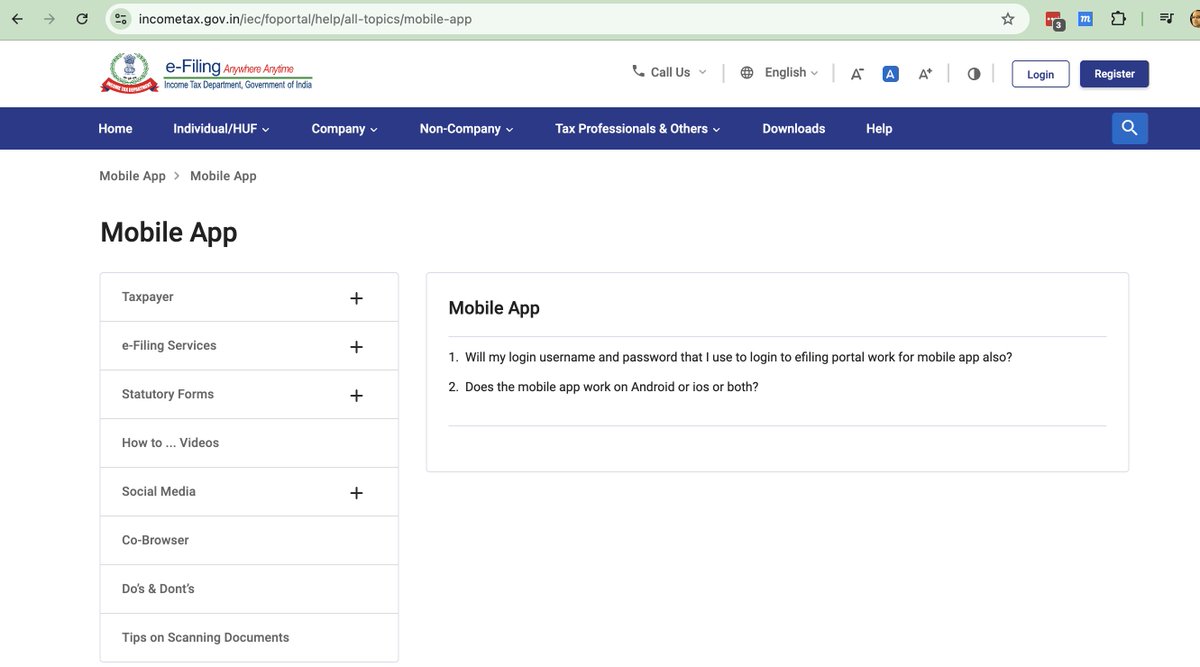
I am just amazed by the effort put in to build something. Example: Indian IncomeTax website. The FAQ is as expected - just questions :). This apart from the fact that the iOS app doesn't have any filing option. @INCOMETAXDEPAR1 #FAQ
KoBa tweet media
English
1
0
0
182
KoBa
KoBa@koushikjee·
@BrendanFalk We are far from true AI, and merely a stochastic model with generalization (large model parameters). True AI will not need custom for each usecase, rather a descriptive workflow. Agents or no-agents IMHO.
English
0
0
0
19
Brendan Falk
Brendan Falk@BrendanFalk·
We are pivoting away from doing enterprise AI transformations ("AI-native Palantir"). For now at least. I've shared our key learnings below. I'll share a detailed blog post soon. What's next? We are going to start moving insanely quickly on several other ideas. Stay tuned 😎
English
121
150
2K
751.5K
KoBa
KoBa@koushikjee·
@BrendanFalk Would micro-agents help to narrow down things "enough" to enable re-usability? Like function/methods in traditional s/w, well designed and it can be leveraged at micro-scale. Thoughts?
English
0
0
0
18
Brendan Falk
Brendan Falk@BrendanFalk·
2) It takes way more time/effort to maintain the custom AI agents after they are deployed than anticipated. Enterprise processes have countless edge cases that are incredibly difficult to account for up front. You essentially need full-time product managers to work with each customer post-deployment to account for these and maintain high accuracy.
English
15
12
255
48.6K
KoBa
KoBa@koushikjee·
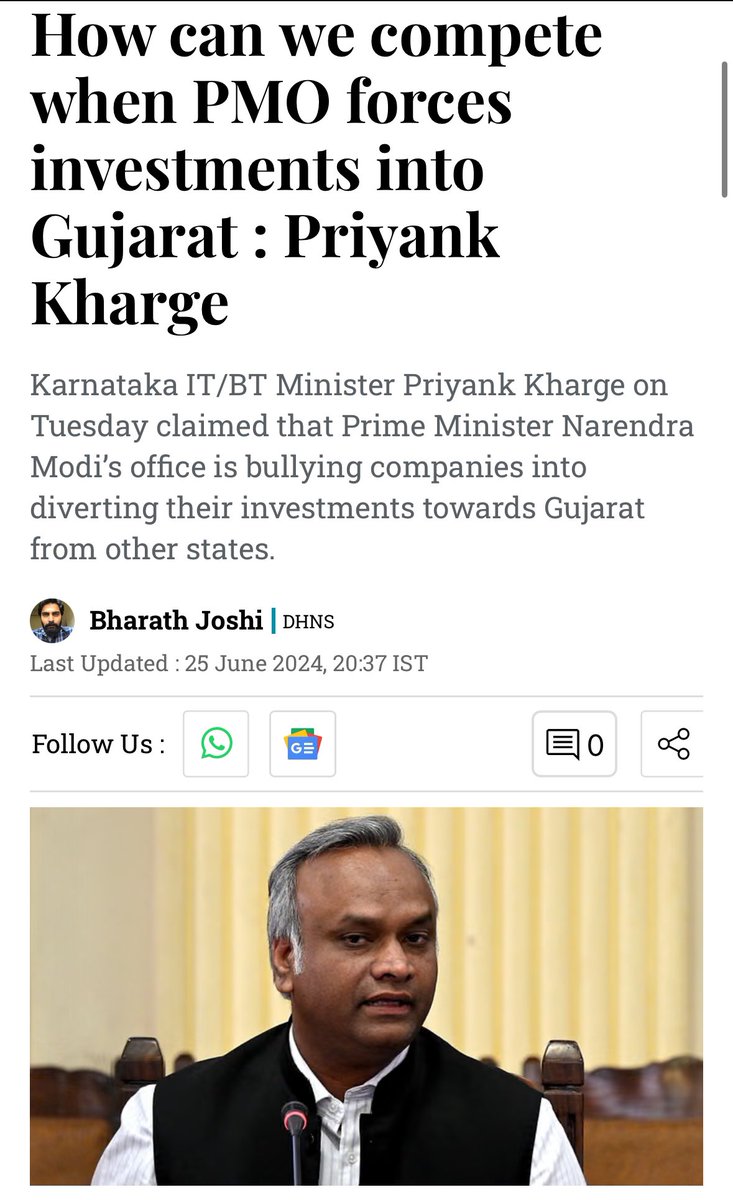
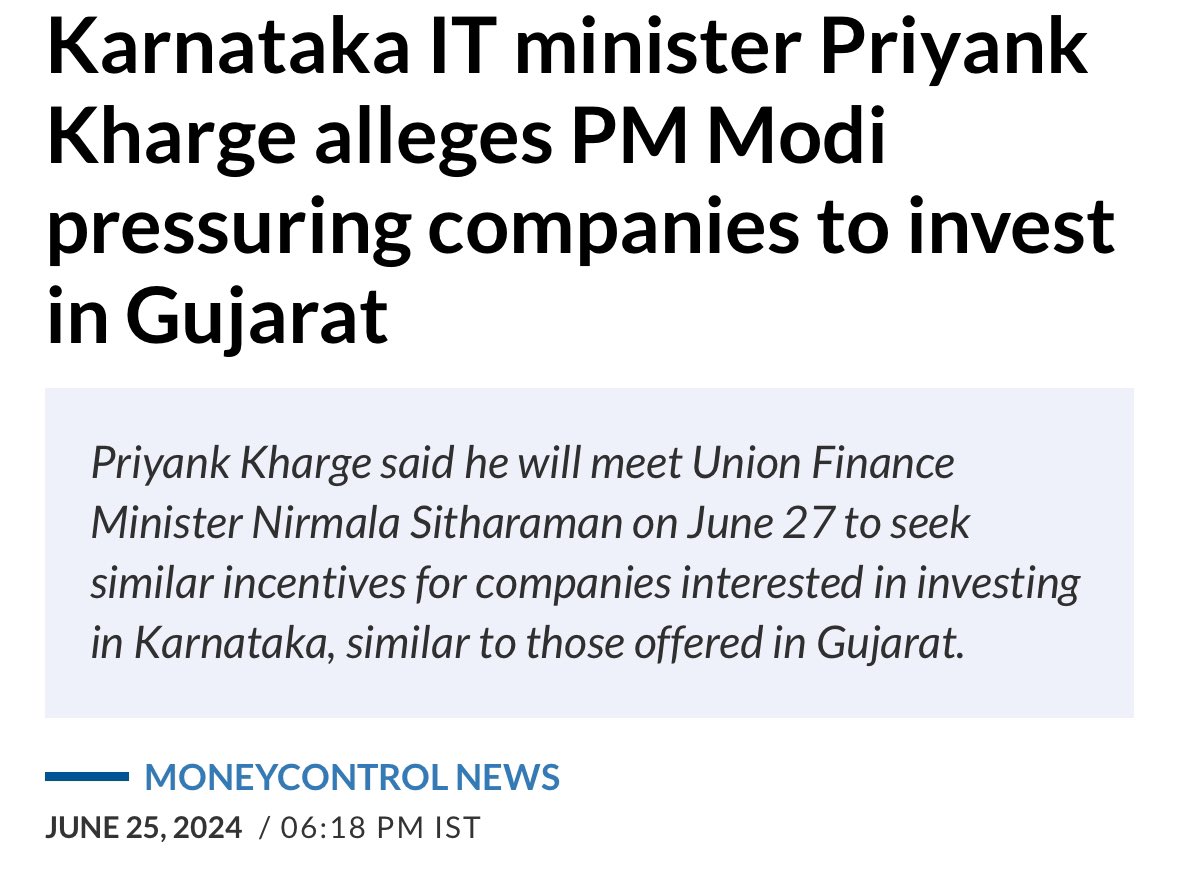
@PriyankKharge We need to make Karnataka great. Bangalore has been great since ages in deep tech. We need to fix bottlenecks in the system like traffic, road connectivity across cities and companies will come. Talent is the major driver for companies, tax benefit can be a bonus.
English
0
0
0
5
KoBa
KoBa@koushikjee·
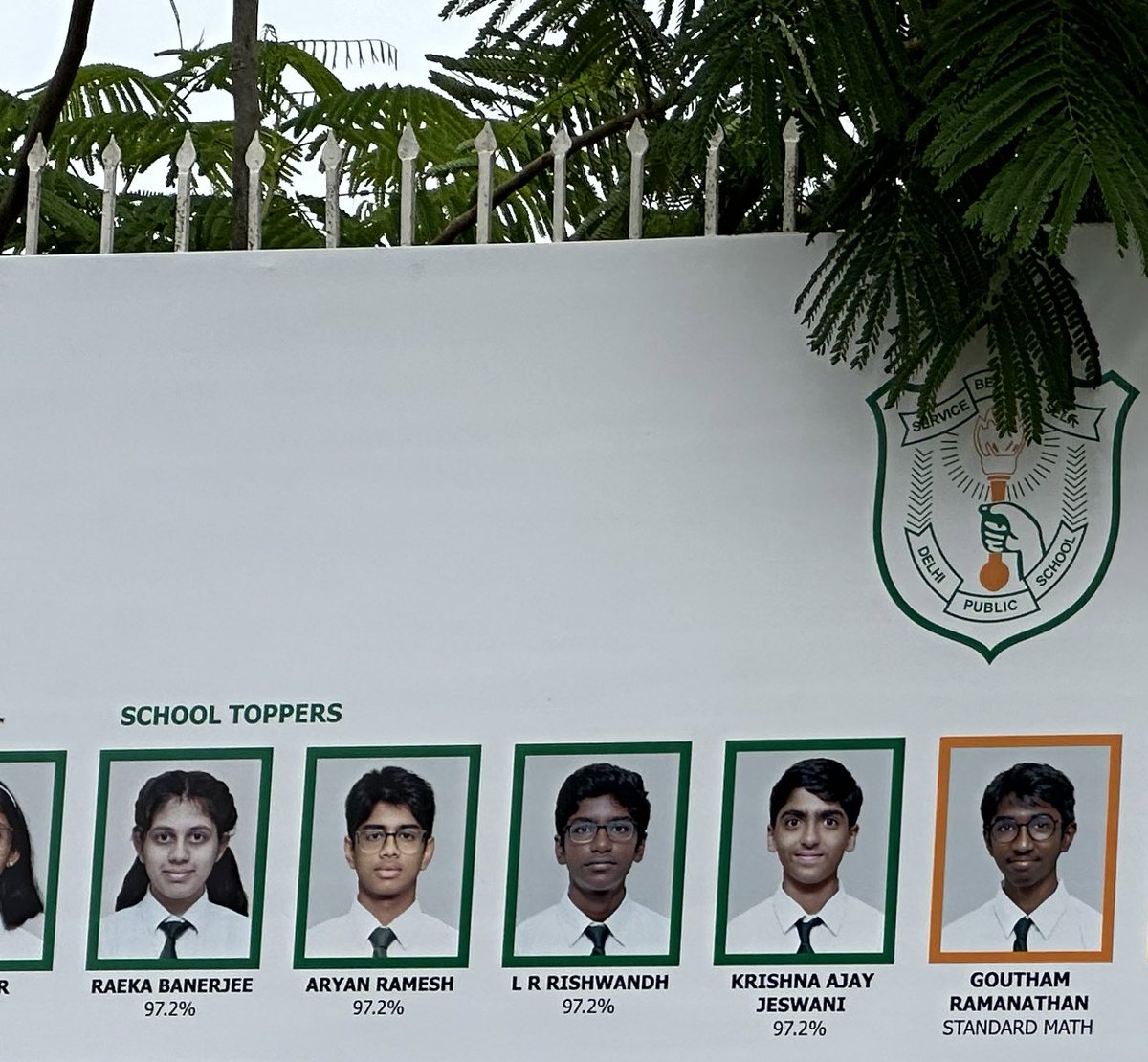
Happy to share that my daughter, Raeka scored 97.2% in class X CBSE board exams. Raeka is eyeing for bio molecular research after her 12th using NEET. I wish her the best! @SundarSrik
KoBa tweet media
English
1
0
0
18
KoBa
KoBa@koushikjee·
@elonmusk The only truth that matters to employees is paycheck and a (not crazy) boss. Everything else is …..
English
0
0
0
13
Elon Musk
Elon Musk@elonmusk·
Join xAI if you believe in our mission of understanding the universe, which requires maximally rigorous pursuit of the truth, without regard to popularity or political correctness
Igor Babuschkin@ibab

Apply at x.ai/careers if you want to be part of our journey to build AGI and understand the Universe 🛰️

English
7.5K
9K
67.4K
47.4M
KoBa
KoBa@koushikjee·
@avlesh @WhatsApp Also good time to use some internal messaging app for internal comm. avoid WhatsApp for internal comm., have heard with many other firms, typically multi-mil to unicorns companies ;)
English
0
0
0
9
KoBa
KoBa@koushikjee·
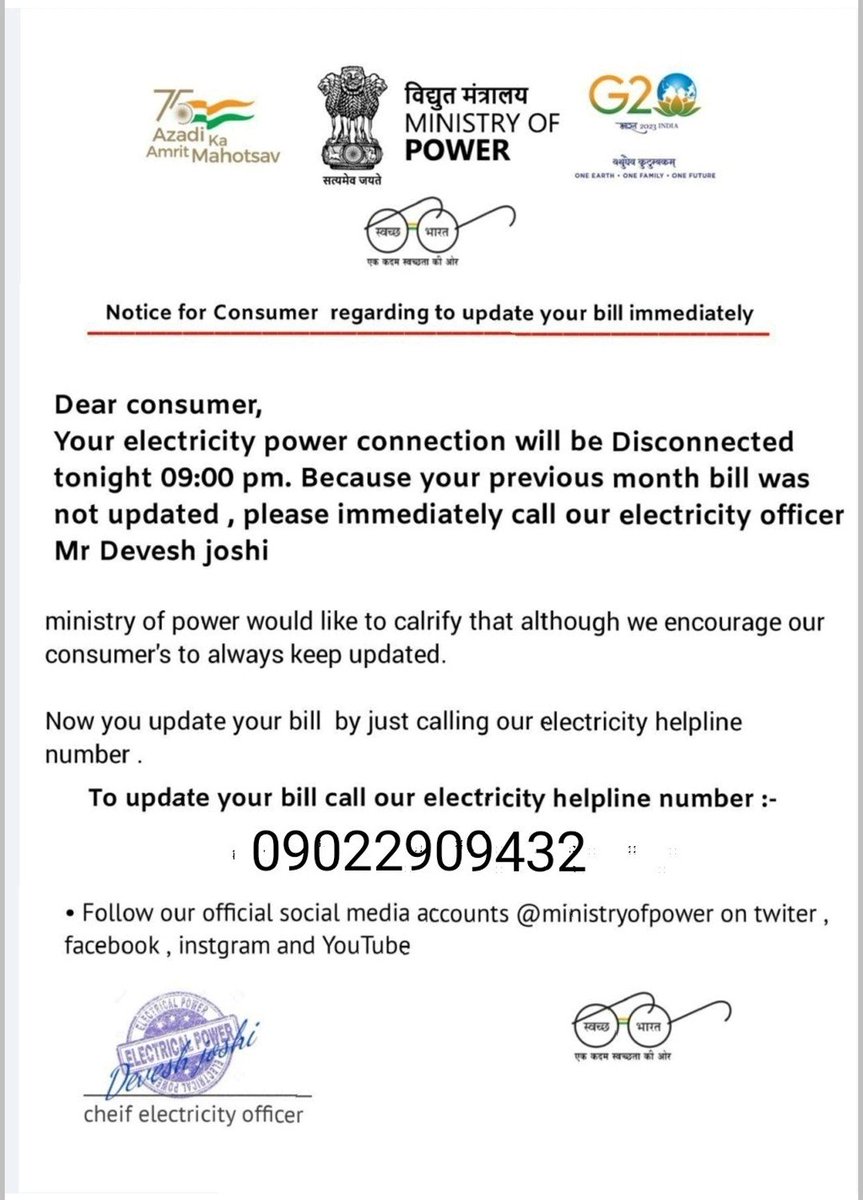
@avlesh @WhatsApp Where the fraudsters are failing are the obvious typos/grammar mistakes, starting the obvious (what you do :).
English
1
0
0
21
Avlesh Singh
Avlesh Singh@avlesh·
Fraud orchestration via @WhatsApp is reaching alarming levels. Got this "notice" today from a random number masquerading as verified.
Avlesh Singh tweet media
Avlesh Singh@avlesh

Me & my team are getting tired of these @WhatsApp fraudsters for the last 4 weeks. My team members (350+ across multiple locations) keep getting phishing messages like these from random numbers. They carry my photo. Anyone else suffering this menace? Whatsapp team - plz advise

English
2
6
13
4.5K