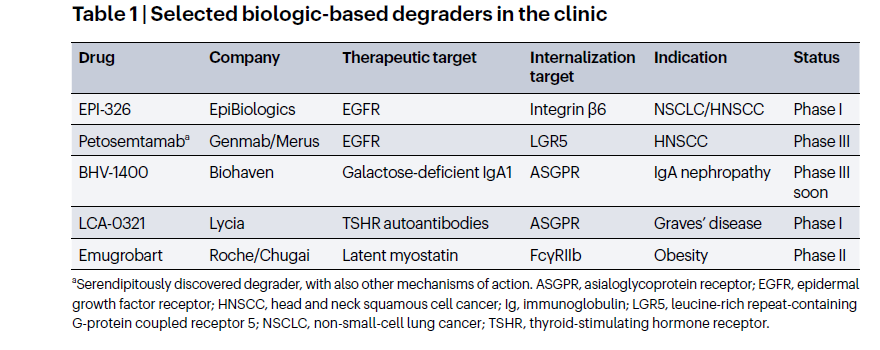
Antibody-based extracellular targeted protein degraders that destroy disease-linked proteins in cancer and autoimmunity are advancing in the clinic. Find out more in this news story in our May issue nature.com/articles/d4157…
When scientists first tested GLP-1, it did nothing.
The molecule behind Ozempic, Wegovy and Mounjaro looked completely useless—until a chemist guessed the body was cutting it down first.
The real origin of GLP-1 🧵
For readers interested in the evolution of obesity therapy from GLP-1 receptor agonists to multi-receptor agonists, oral formulations, weight-loss quality approaches and tissue-specific drug targeting, here's a comprehensive new review nature.com/articles/s4157…
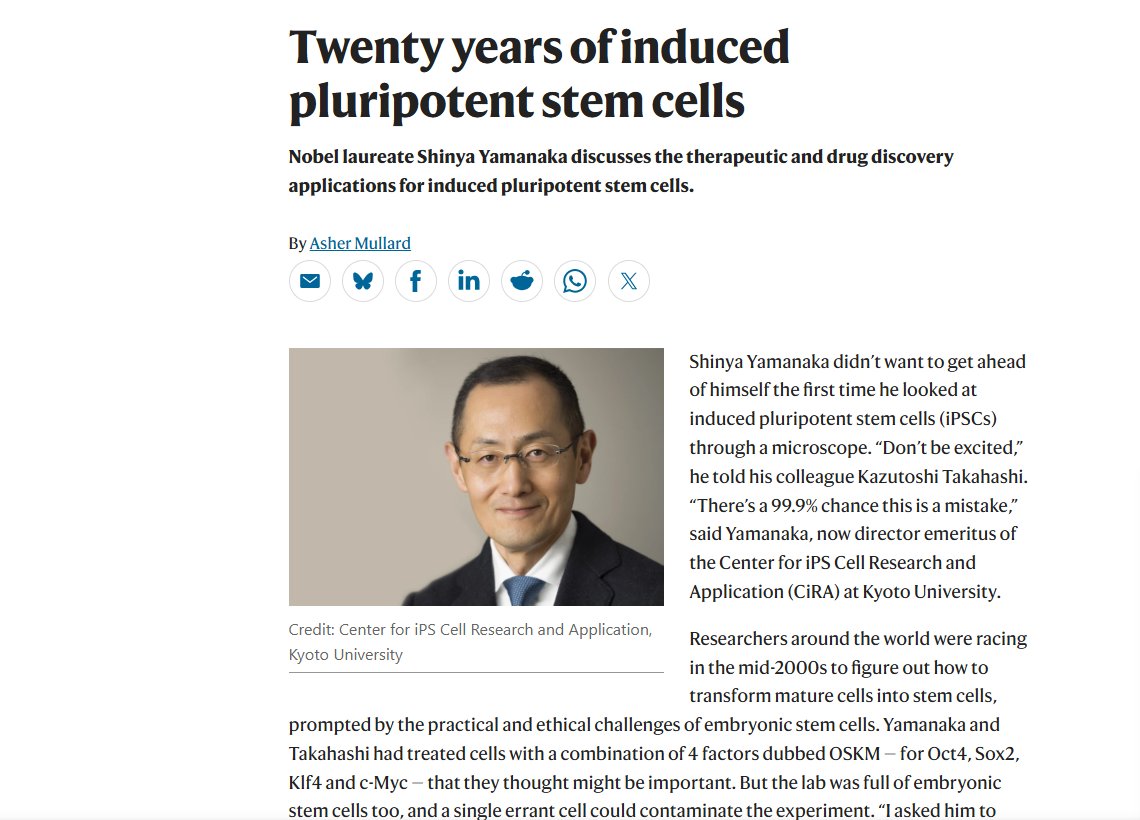
Twenty years of induced pluripotent stem cells
nature.com/articles/d4157…
Nobel laureate Shinya Yamanaka discusses the therapeutic and drug discovery applications for induced pluripotent stem cells in this new interview
FDA approves first-in-class hypertension drug
nature.com/articles/d4157…
AstraZeneca’s baxdrostat is the first aldosterone synthase inhibitor to be approved, providing a new way to lower blood pressure. Peak sales >$5 billion are forecasted, but two competitors are close behind
Excited to share our new ACS Chemical Biology paper.
We show that a small molecule RiboTAC selectively degrades pre-miR-21 and rescues disease-relevant pathways in cellular models of fibrosis.
Another step toward drugging disease-driving RNAs with small molecules.
pubs.acs.org/doi/10.1021/ac…
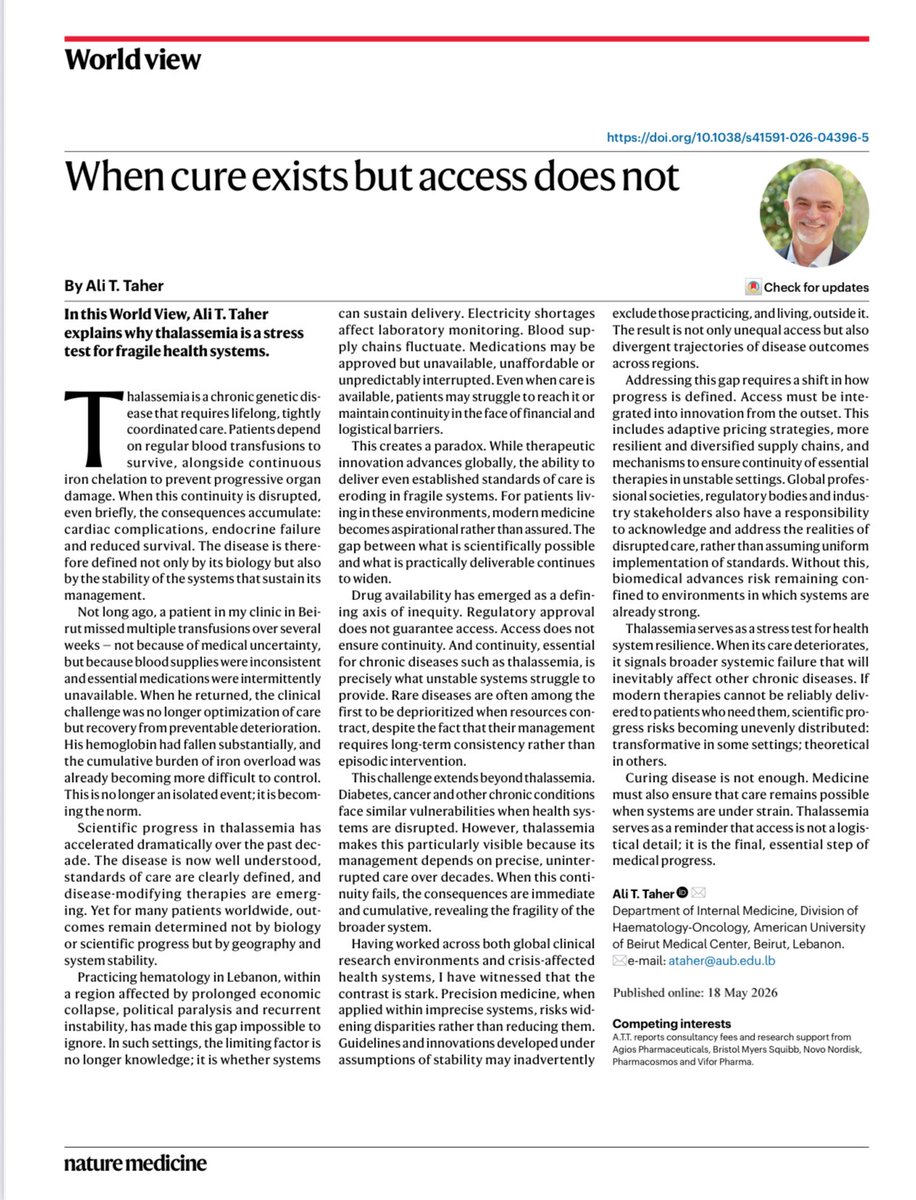
“Curing disease is not enough. Medicine must also ensure that care remains possible when systems are under strain.” My latest World View in Nature Medicine reflects on patients with thalassemia where access to care is as critical as scientific progress.
Happy to have contributed to this preprint with Fangzhu Zhao and @realJimWells! LRP8-targeted bispecific antibody degraders degrade the selenium uptake receptor LRP8, reduce GPX4 / selenoproteins, and sensitize cancer cells to ferroptosis.
biorxiv.org/content/10.648…
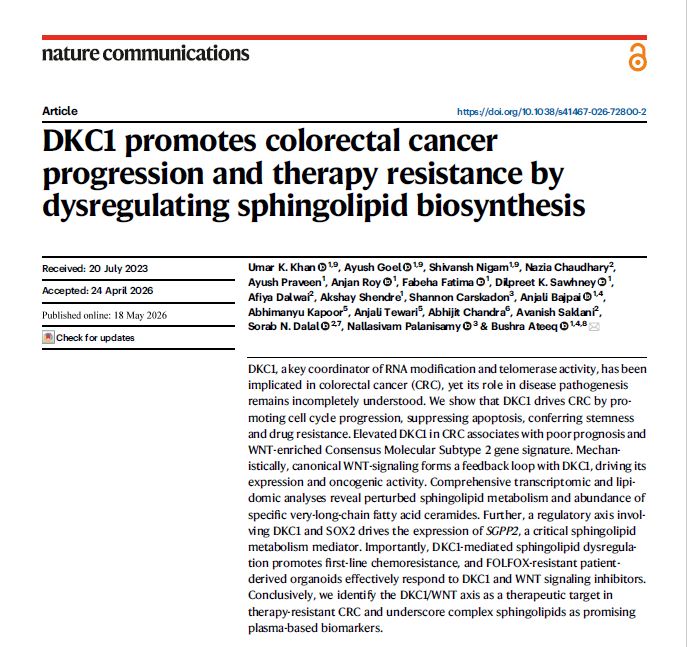
Happy to share our recent paper, in which we show that DKC1 is both a therapeutic target and a diagnostic biomarker in colorectal cancer. DKC1 is a critical part of the telomerase complex, and when elevated, it fuels cancer progression.
Link: nature.com/articles/s4146…
Discovery of Novel Alkynylbenzene Scaffold-Based PTPN2-Selective Degrader PD-305 with Exceptional Potency and In Vivo Efficacy | Journal of Medicinal Chemistry pubs.acs.org/doi/10.1021/ac…
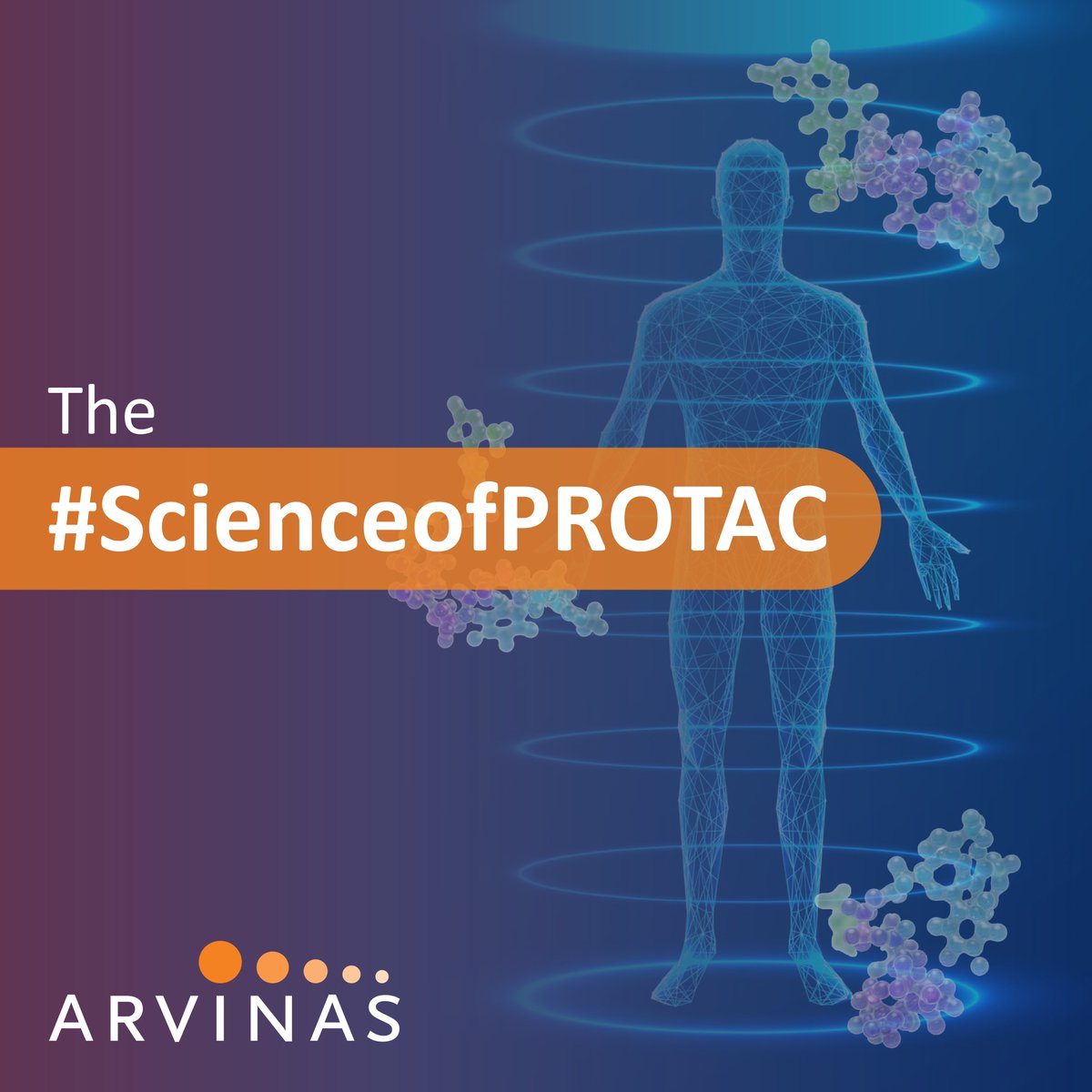
#DYK: PROTACs can be orally bioavailable and achieve broad tissue distribution, including across the blood-brain-barrier?
Learn more here: rb.gy/gfkov2
RevMed is such a cool story.
The trip from academia to a failed biotech (WarpDrive) to huge success is a microcosm of the circuitous path often taken in drug development.
nytimes.com/2026/05/12/hea… via @NYTimes
A compelling demonstration of how specific microbes can drive disease. Tan et al. show that this bacterium promotes colitis and cancer through "NETosis" activation, providing mechanistic insight into microbe-driven inflammation and carcinogenesis.
Tan et al. present “Parasutterella excrementihominis exacerbates experimental colitis and colitis-associated colorectal cancer via pathogenic NETosis activation" via
bit.ly/4tsc4vC#Colitis#ColorectalCancer
🚨 For all those wondering about their professional future in the "age of AI," don't miss this GREAT article by @AshishDhawanTCF and @PramathSinha.
It's especially relevant for teenagers, young professionals, and parents who are trying to provide the best possible advice to their children about which skills and careers to focus on today.
The AI debate has led millions to rethink their careers and professional choices (as I see in every new cohort of my AI Governance Training).
The interesting part is that it might end up bringing people closer to their interests, values, talents, and mission, in a deeper, more existential sense.
As with previous technological waves, we know that work will be disrupted (although it's still unclear exactly how). Hopefully, we will both individually and collectively manage to adapt and thrive.