Kyle Dell'Aquila
183 posts
Kyle Dell'Aquila
@kyledellaquila
Electromechanichemicification.
California Katılım Temmuz 2010
139 Takip Edilen53 Takipçiler




The so called “Bent Pyramid” is anything but “bent.” It’s an ancient engineering marvel
English
@samerps @KritischerP What... coupling too??
The live on the fly inductance calculation is blowing my mind... I look forward to it! I can think of a few projects this would be so handy for. Iterative designing! :)
resonant frequency (assuming self capacitance calcs) AND Q factor would be holyness plz
English

@KritischerP it will be able to calculate coupling between arbitrary coils, will be a free update to Electromag Nodes
superhivemarket.com/products/elect…
English
working on creating a PEEC (partial element equivalent circuit) solver, instant calculation of inductance. Geometry nodes are becoming more and more powerful. This will be included in Electromag Nodes. #b3d #geometrynodes #electronics #technology #Science
English
@FoMaHun Now… next step is to find where they got all the alkali salts to match this :)
English

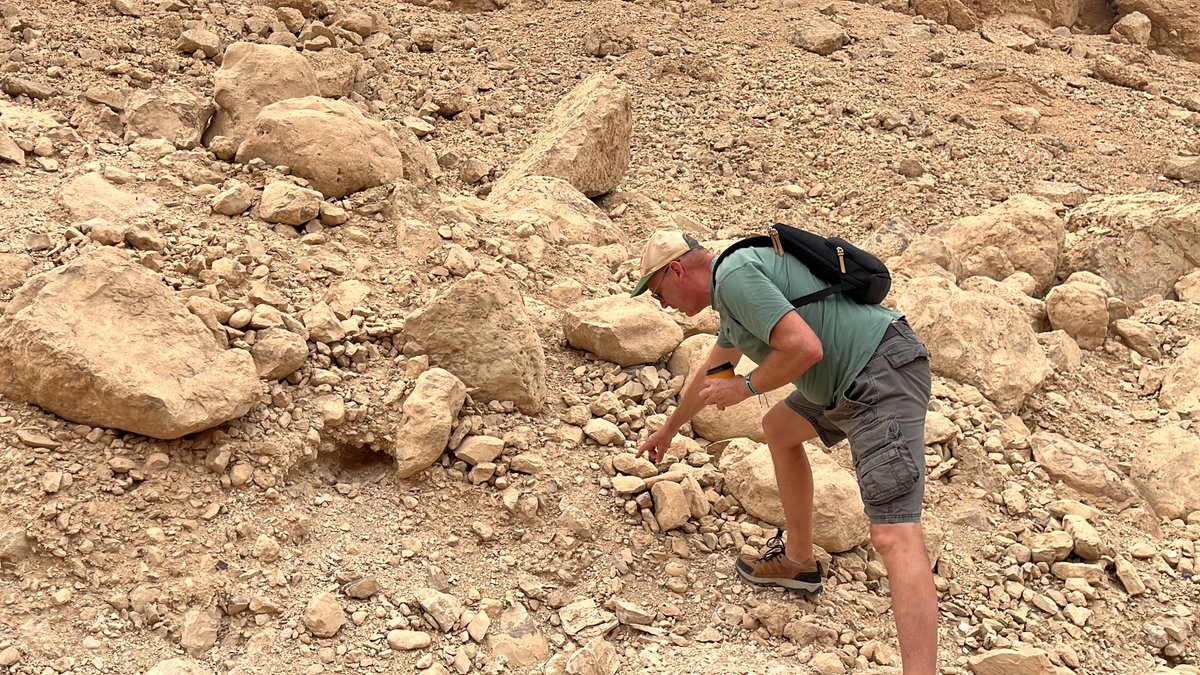
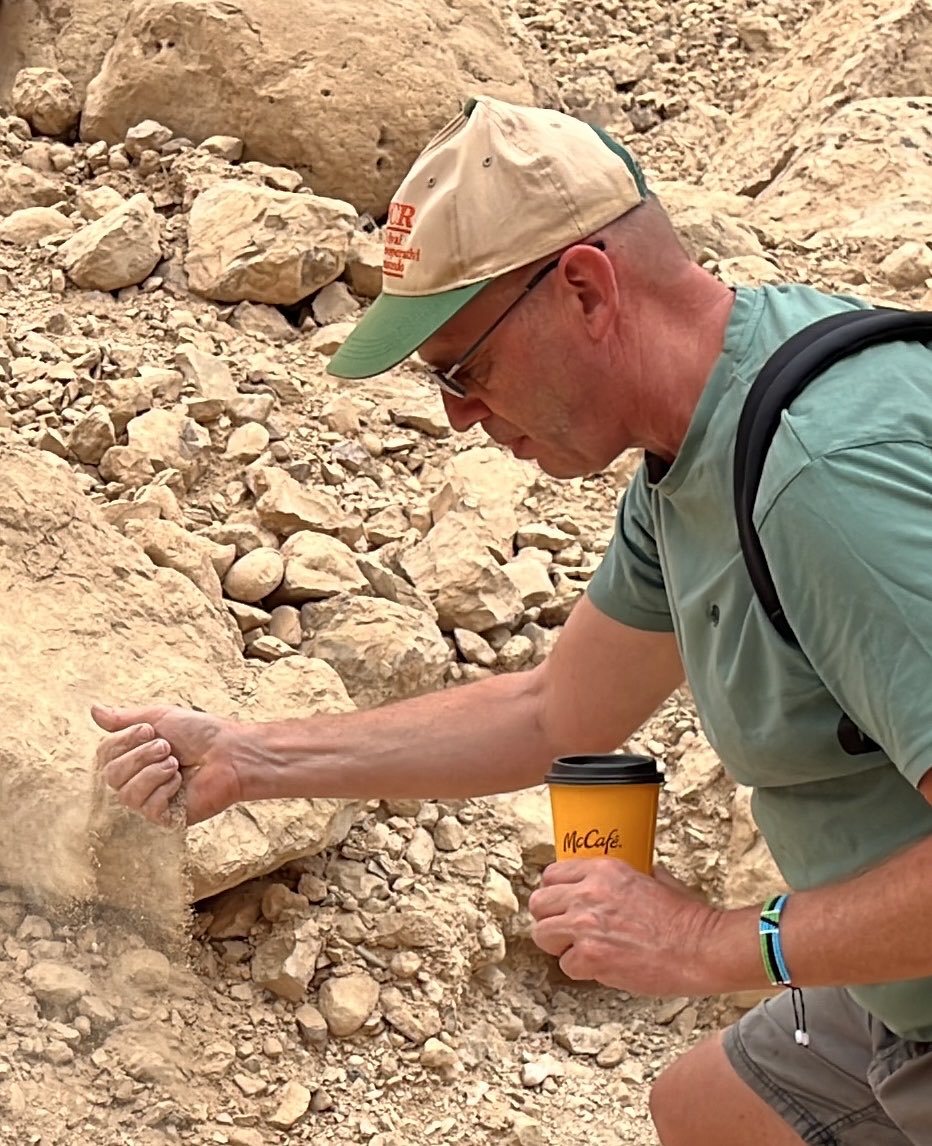
How do you crush gigatons of limestone again?
You don’t.
Because you don’t have to.
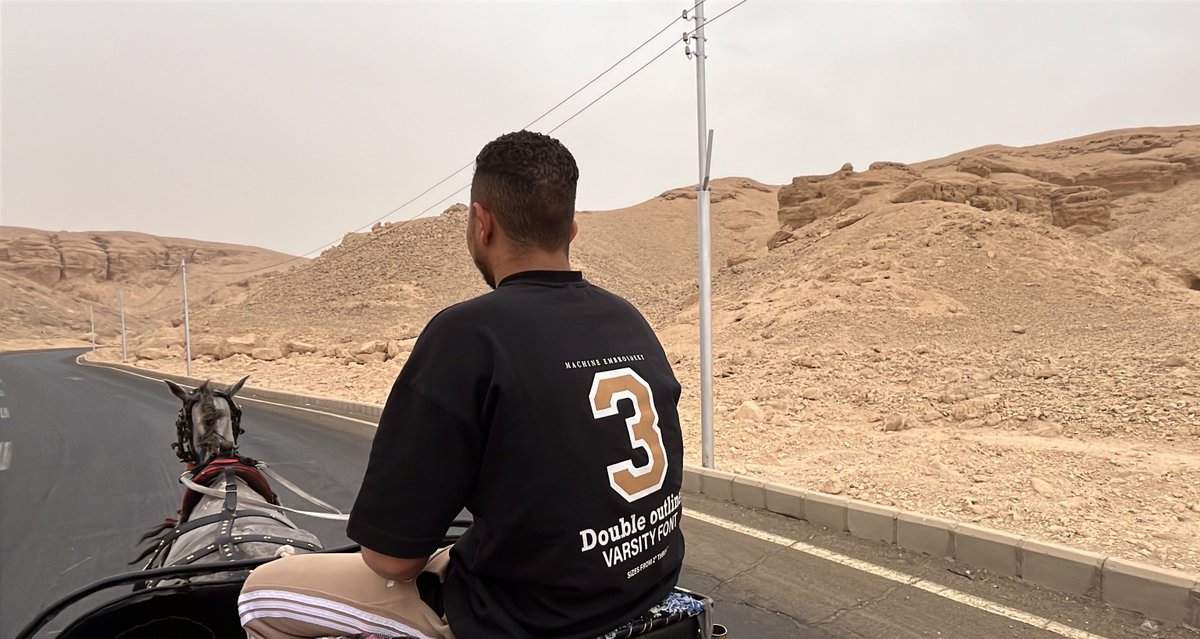
Luxor, on the way to the Kings Valley.
It’s not only gigatons of crushed limestone but you CANNOT cut blocks from that mountain. Blocks? Any size? IMPOSSIBLE!
English
@FoMaHun I hope you brought some magnifying glass for your phone camera! And I hope you brought some bags for bringing some handfuls back home!
English
My colleague has god strength. He’s crushing the mountain with his bare hands! 💪
English
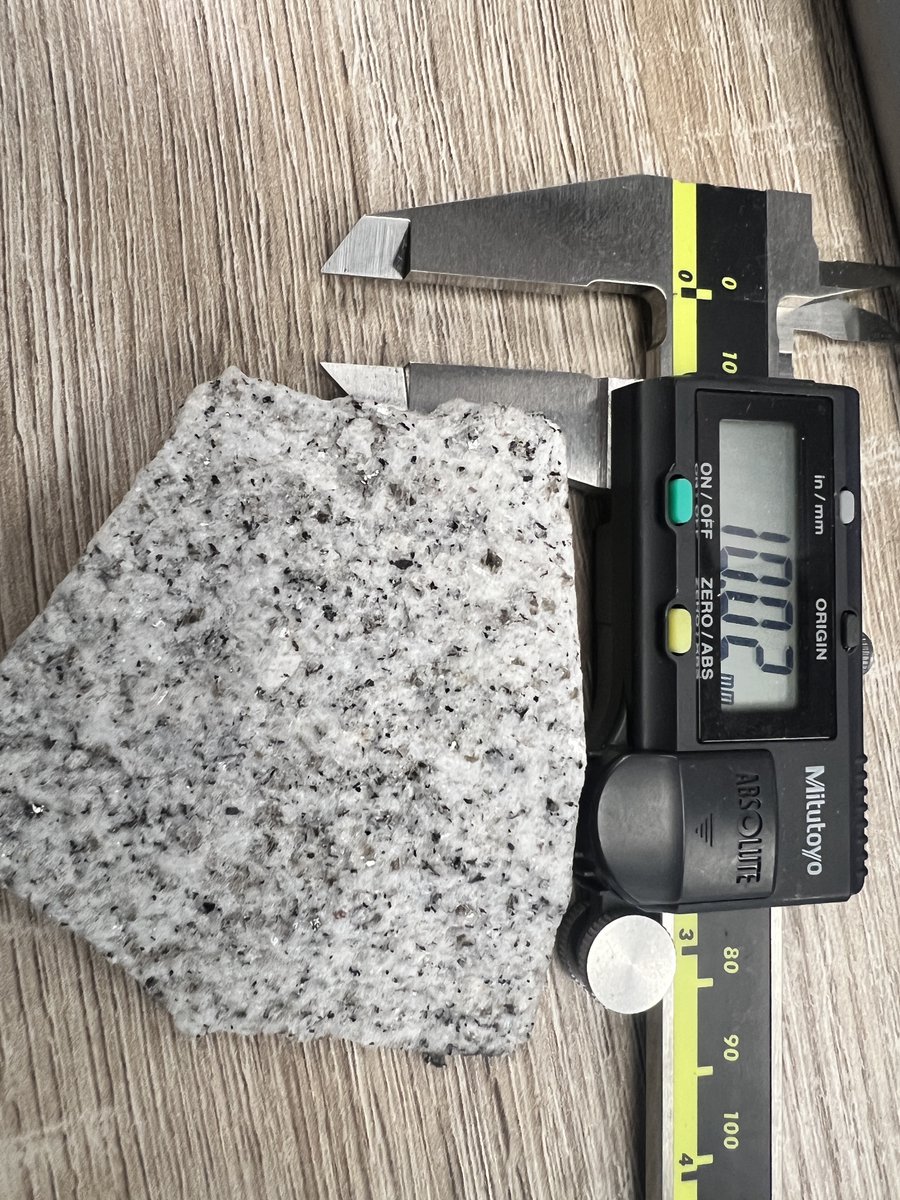
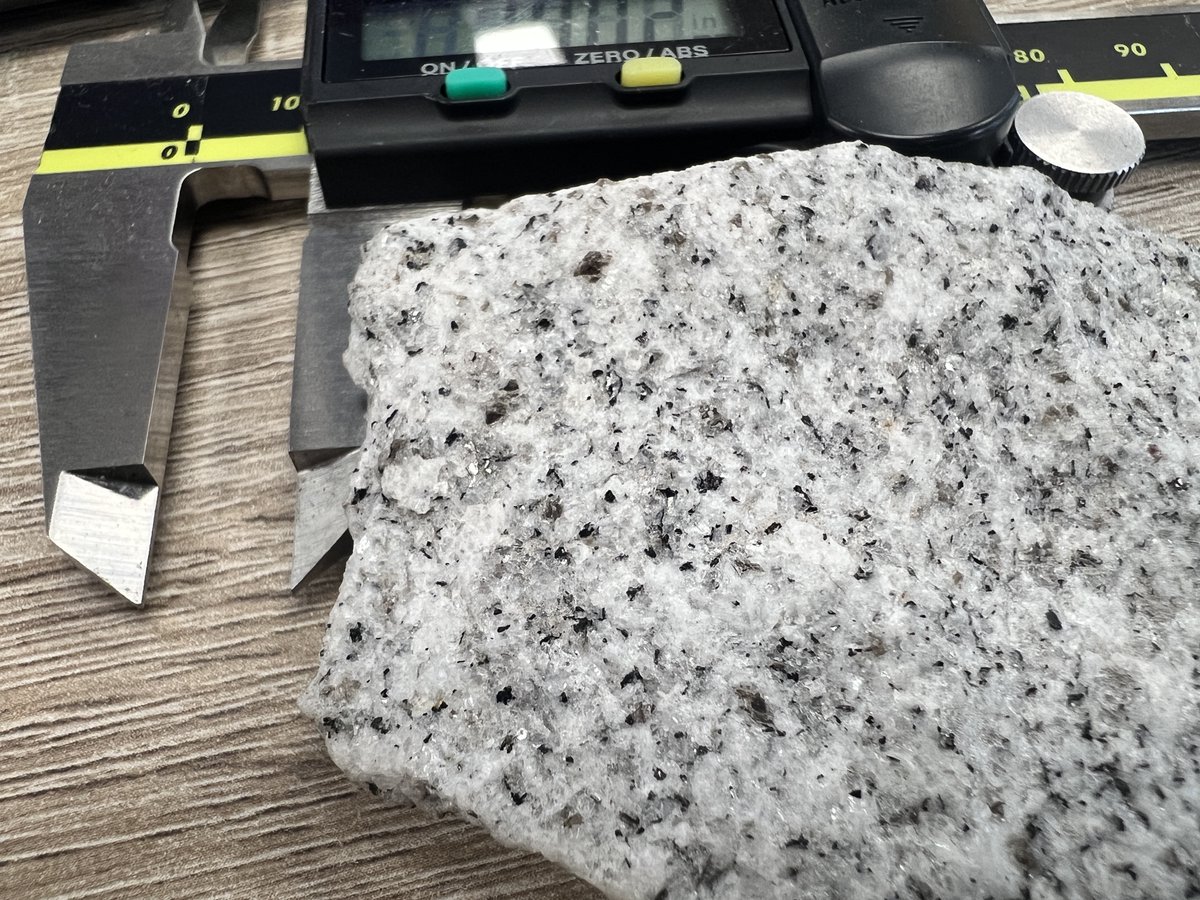
@Antanarivo_88 @FoMaHun @Anyextee @derek__olson @megaminutiae @1eyedgiantwalls @ancientorigins @TheProjectUnity I have some granite from a sidewalk chip. Yours is not too far off!
English


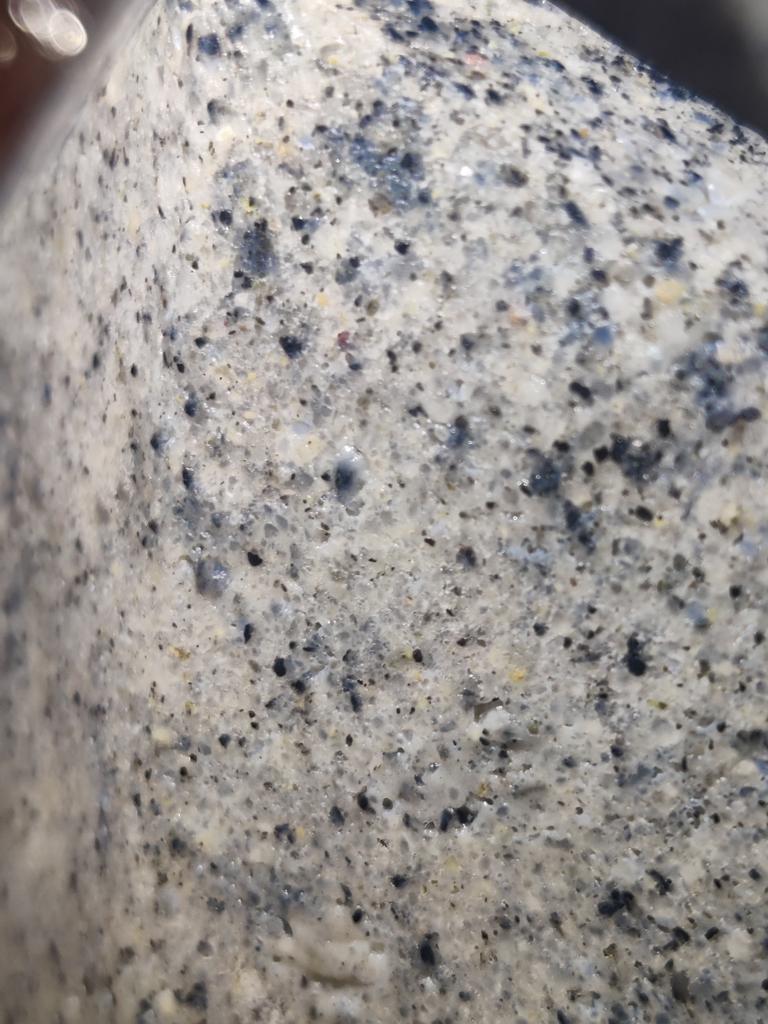
Just before visiting Egypt:
another granite-like vase.
1) K-waterglass by @FoMaHun
2) Crushed quartz
3) Crushed granite Feldspars
4) Real Granite sand
5) Real Diorite middle gravel (inside)
To reveal its full pattern needs some fine polish operations.


English
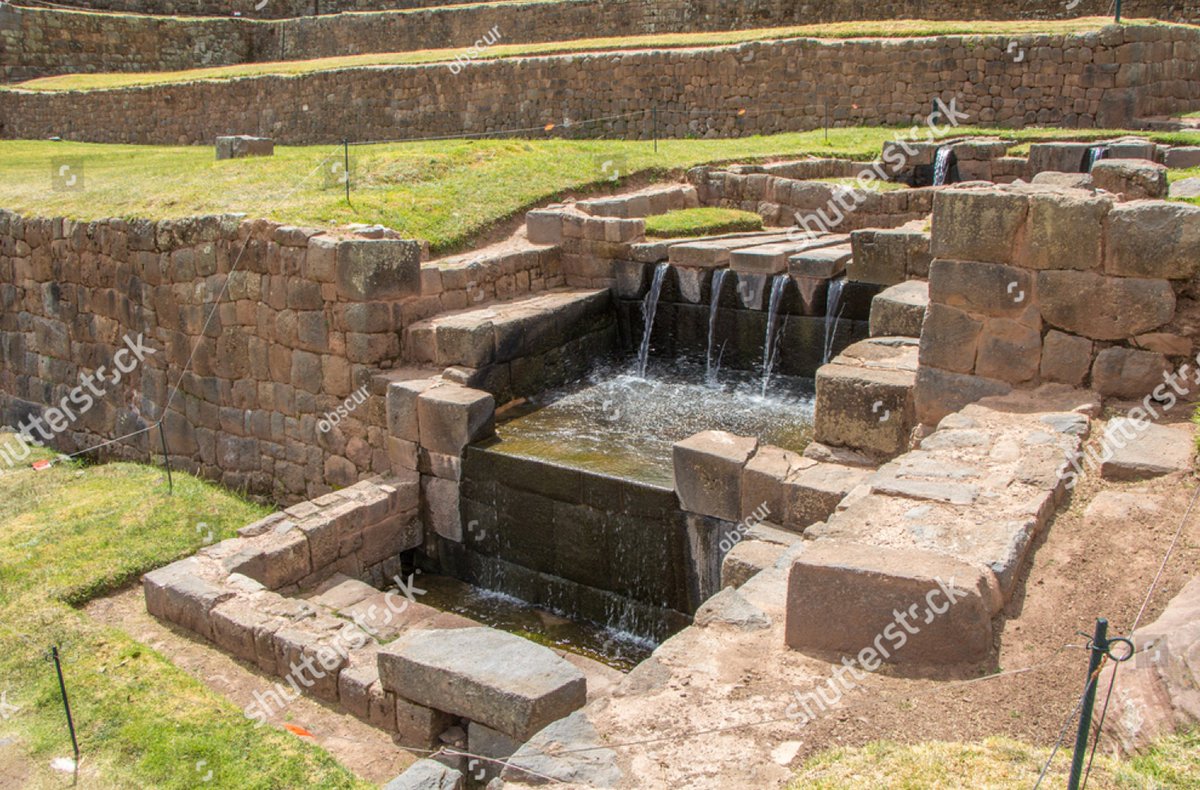
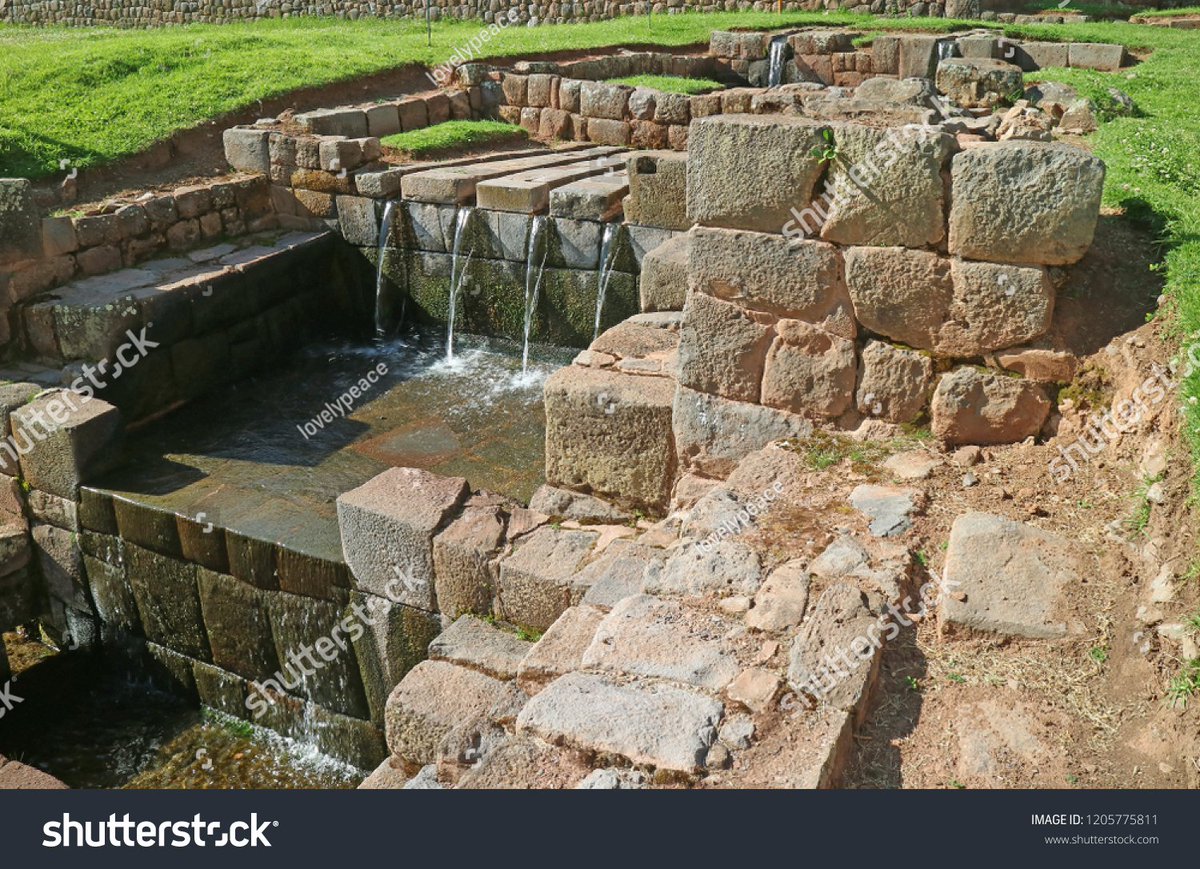
@FoMaHun one more! I cant believe I never seen these before... truly beautiful long lasting works of art


English
Okay, winter is over, it’s high time to release this beast to the wild.
An obelisk. Cast, not carved! The mess you are desperately looking for is at the bottom: I cast it upside down into a bucket 🪣
Fake granite from silica sand (as I don’t have useful granite grains).
V3 recipe: no bubbles and only a pinch of slaked lime as a catalyst only.
Why is it broken on the top? Because impatience is a blessing: I removed it too early from the mold.
It’s 3 months old now so my bet it will endure the torture of nature for years to come. But who knows? We’ll see.
That’s why I put it under the sun ☀️ outside.
English
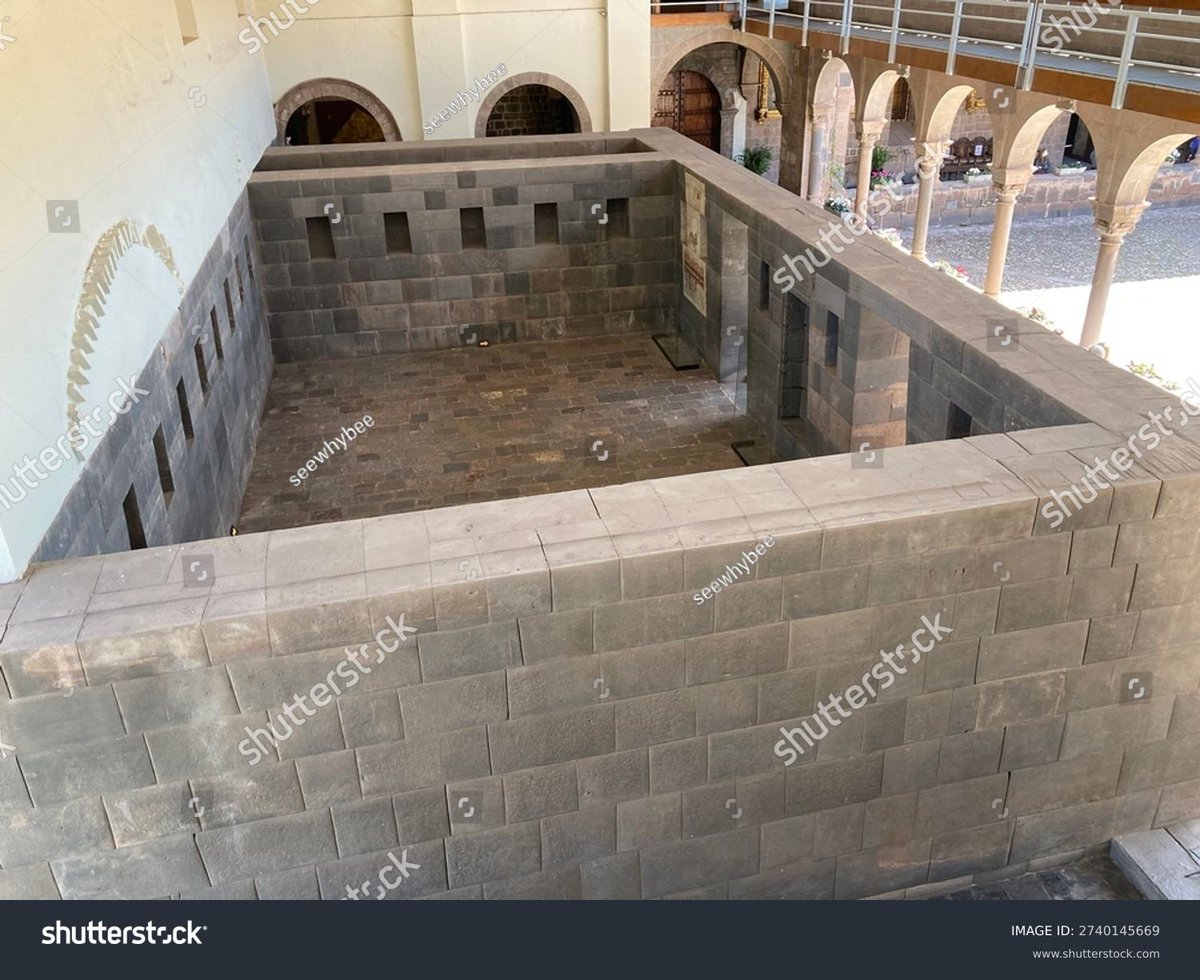
@FoMaHun – check out that final layer indentations... could it be that they were laying down roof work while the stones were solidifying?
English
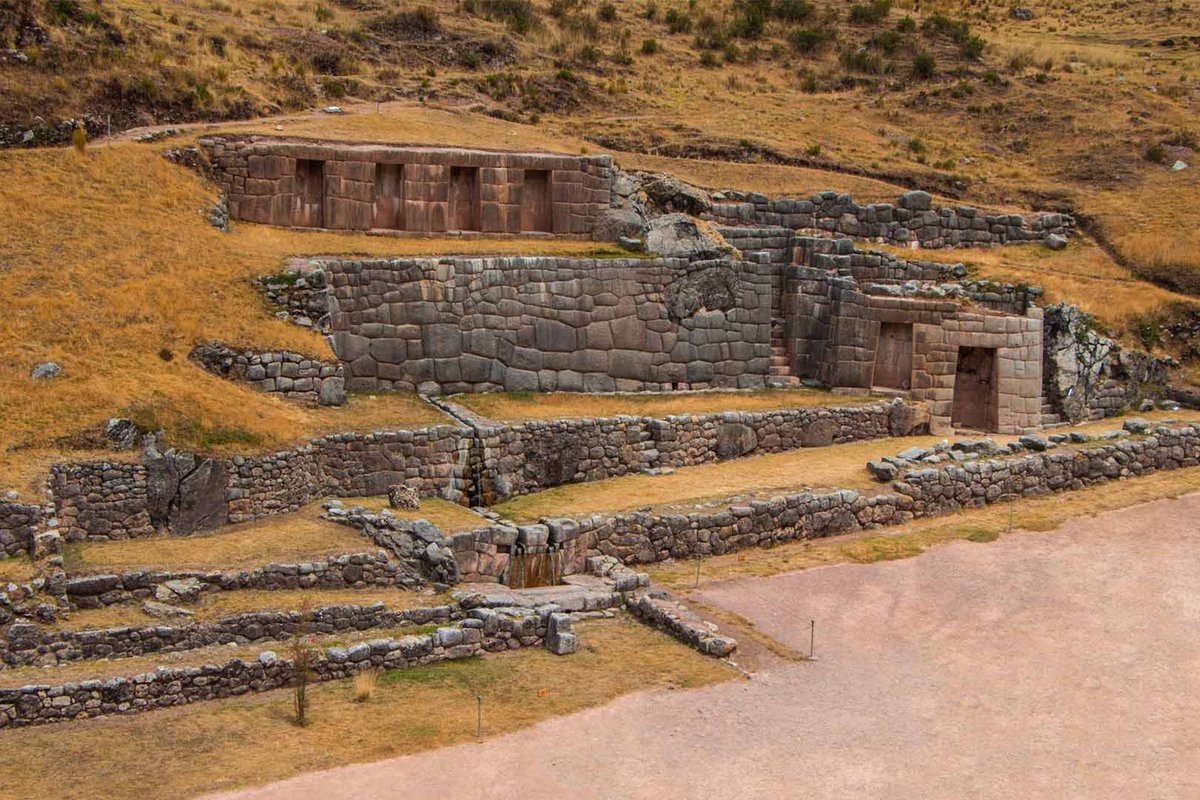
@FoMaHun @FoMaHun –– Speaking of water features...not sure if you have seen this before –– "Tambomachay"
trexperienceperu.com/blog/mystery-t…

English
@FoMaHun That is a beauty! I bet with this approach, floating sphere water features would be MUCH easier to make –– and also serve as a nice way to test the endurance of the water soak test :)
English
@FoMaHun @Antanarivo_88 @bixlereid That does have a good sound to it! Now that the weather is getting less cold, I think I will have to spin up some batches of this stuff! I want to see the schmidt hammer test go beyond the standard hydrate type cements.
English
Let me share one another secret invention of mine with you. Strength test? Then mix K and Na waterglasses 50-50%, use that, and enjoy the unbelievable strength of that.
UNBELIEVABLE!
Just listen to this (video). It’s real pebble sound! No softness whatsoever!
Why? I think it’s similar to the gorilla glass used in mobile phones: standard sodium glass in a potassium bath replaces every x th sodium atom to potassium.
I have invented gorilla granite. (Actually, incas did.)
English
Hello everyone! It’s peer review time again!
With this step-by-step “Stone Softening” video, the Peer Review period is officially open.
Phew! It took me a while!
Over the past few weeks, I didn’t just randomly post “CAST!” There were two reasons for that.
One was that I simply didn’t have the time to post or respond to people properly because I was working full throttle on this problem.
So why didn’t I just stay quiet? That’s the second reason.
I couldn’t stay silent while, for the sake of the video, I went through the entire cycle—from melting stone to recasting—twenty-eight times. Sorry, but I really do have a point.
CAST!
In this video, you can see the full cycle—from “stone softening” to stone casting. A closed loop.
I could have done it using only ancient methods and tools if I lived in intact Peru.
This isn’t a “trust me bro” thing—watch the whole thing, and you’ll understand.
Well, that’s the end of another mystery.
That’s how it is. Peace to its ashes.
Huge stones, hundreds of tons, cast, and done. The heaviest object the ancient Peruvian Indians had to lift was a bucket.
Sure, I know the road toward Ollantaytambo is decorated with massive stones. There are a few on the mountainside too. Yes, that’s true.
But from now on I wouldn’t ask how they carried them down from the quarry (they didn’t).
Instead, I’d ask: isn’t the stone’s binder accidentally amorphous silicon dioxide (aka glass)? Because it totally is.
“Stone softening” brings these feats down from a superhuman level to something easily doable. It's just masonry work, sorry.
Again: this isn’t an opinion. This is a working technology—check out the video.
I’m not interested in naysayers’ opinions because they’re wrong. Bye!
So, who’s joining me for the peer review? Let's GO!
English
@FoMaHun Great study investigation! I cant help but think that the methods for construction can either be liquidy or clay/sculpt able. Especially when thinking of that cow-patchy grainy texture. Kind of amazing that there isnt toolmarks –– if made by an amateur clay sculptor.
English
@FoMaHun Hey Marcel, I was scratching my head over your comment: "However, sand is not 100% CO2. So, with a bit of extra margin, 100 g will definitely be enough". I think you ment to say SiO₂ (silicon dioxide), not CO₂ (carbon dioxide) right?
English
@Antanarivo_88 @FoMaHun “Negative evidence” in the paper means some quarry sources were ruled out, not that the stones are unexplained. Similar to Michelson–Morley: it ruled out a specific ether model but didn’t by itself explain the full physics.
English
@kyledellaquila @FoMaHun Kyle you are right and... Wrong 😄. She performs great work using thin sections and was able to compare most of the rocks with the quarry. But I highlight in the paper that often is stated "rock alteration vase/quarry" and "no quarry found".
The quest is open. 😄
English
Wow!
I need to read this paper back to back …. and back!
Antanarivo_88@Antanarivo_88
The paper "Ancient Egyptian Stone Vessel" by Barbara G. Aston should be the base to approach the argument. About chapter "Materials" at many points states that rocks present "alterations". (Ex. attached) Could it be a clear sign of the artificial (geopolymer) making technique?
English
@Antanarivo_88 @bixlereid @FoMaHun oh! nice!
I made my cube mold with 3D print –– as that was the only way I can get things done around here.
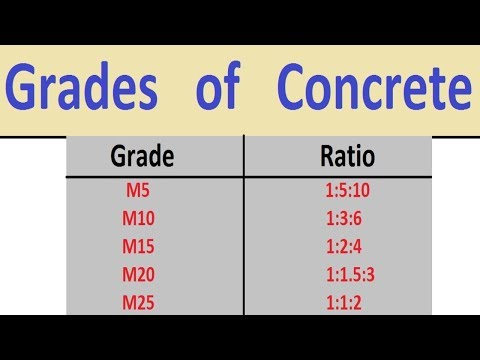
BTW, I had a small learning lesson on what drives MPa compressive strength in standard OPC cement... the concrete to sand to aggregate ratio...
youtu.be/UkGgOUJtO0M?si…
YouTube

English
@kyledellaquila @bixlereid @FoMaHun Good! For now I do only little batches shaped in "artistic" ways.
A 10x10x10cm professional cube mold to perform "scientific" tests is ready, but I am still constructing by myself the machines (crusher, ball mill) to scale the production of aggregates.
Selfmade Waterglass is ok.
English
@Antanarivo_88 @bixlereid @FoMaHun It’s the rebound value.. I hammered on it in a downward fashion… so to this table, it’s roughly 18 ish N/mm (18MPa)

English
English
@kyledellaquila That’s true. She didn’t come up with that conclusion. But there’s a very important conclusion in the conclusion section: that vase stones do NOT match quarry stones. Search for “negative evidence”! Ooops!
English
@Rainmaker1973 5 was my starting number (and my lucky number)... that did blow my mind even after reading the maths.
English